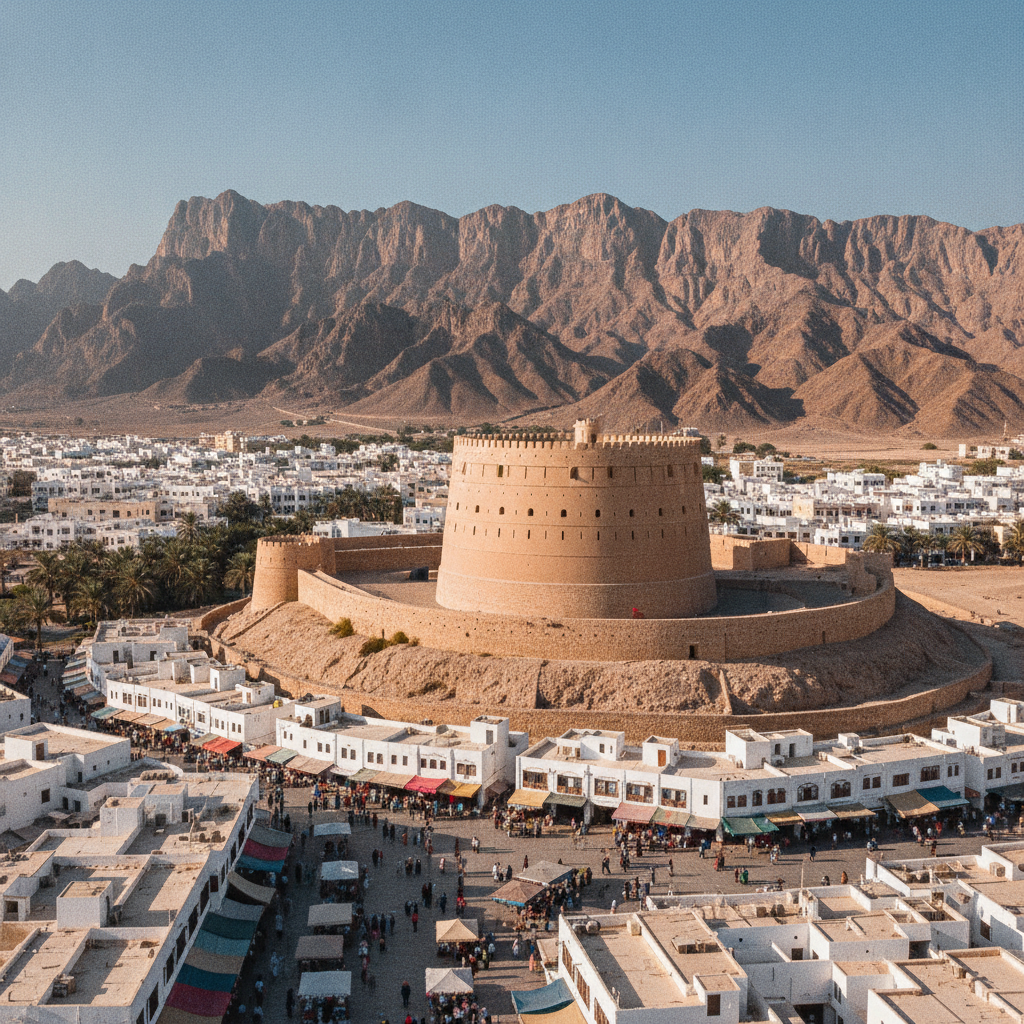
Muscat's Omani Soul: Lamb Slow-Cooked Underground, Khanjar Silver & 3,000 Years of Frankincense
Taste and understand Oman's extraordinary culture—shuwa lamb wrapped in banana leaves and cooked underground for 48 hours, qahwa cardamom coffee offered as a greeting with dates, the khanjar curved dagger on the national flag still hand-crafted by Nizwa silversmiths, the 3,000-year frankincense trade from the Dhofar valleys that scents every home and mosque, and how Sultan Qaboos built a modern state from 3 schools and 6 km of road in 1970.
- 1
Omani Cuisine – Shuwa, Harees & Frankincense Coffee
Omani cuisine is distinct from the Gulf mainstream—slow-cooked, frankincense-scented, and deeply influenced by the Indian Ocean trade routes that made Muscat a commercial capital for 500 years. Shuwa—whole lamb marinated in spices, wrapped in banana leaves, and slow-cooked underground in a clay oven for 24–48 hours—is the festive centrepiece. Harees (wheat porridge with lamb or chicken) and mashuai (whole roasted kingfish with lime rice) are everyday dishes. Omani coffee (qahwa)—bitter, cardamom and saffron-spiced, always served with dates—is offered as a greeting in all formal contexts.
- 2
Omani Silver Jewellery – The Khanjar Tradition
The khanjar—Oman's traditional curved dagger, worn by Omani men at formal occasions and depicted on the national flag and the rial banknote—is the most distinctive symbol of Omani identity. The finest khanjars are made in Nizwa by silversmiths using techniques unchanged for centuries; the handle is traditionally rhinoceros horn (now synthetic), the sheath silver filigree. The Mutrah Souq and Nizwa silver souk are the best places to purchase genuine Omani silver; distinguishing genuine antiques from recent reproductions requires knowledge and time.
- 3
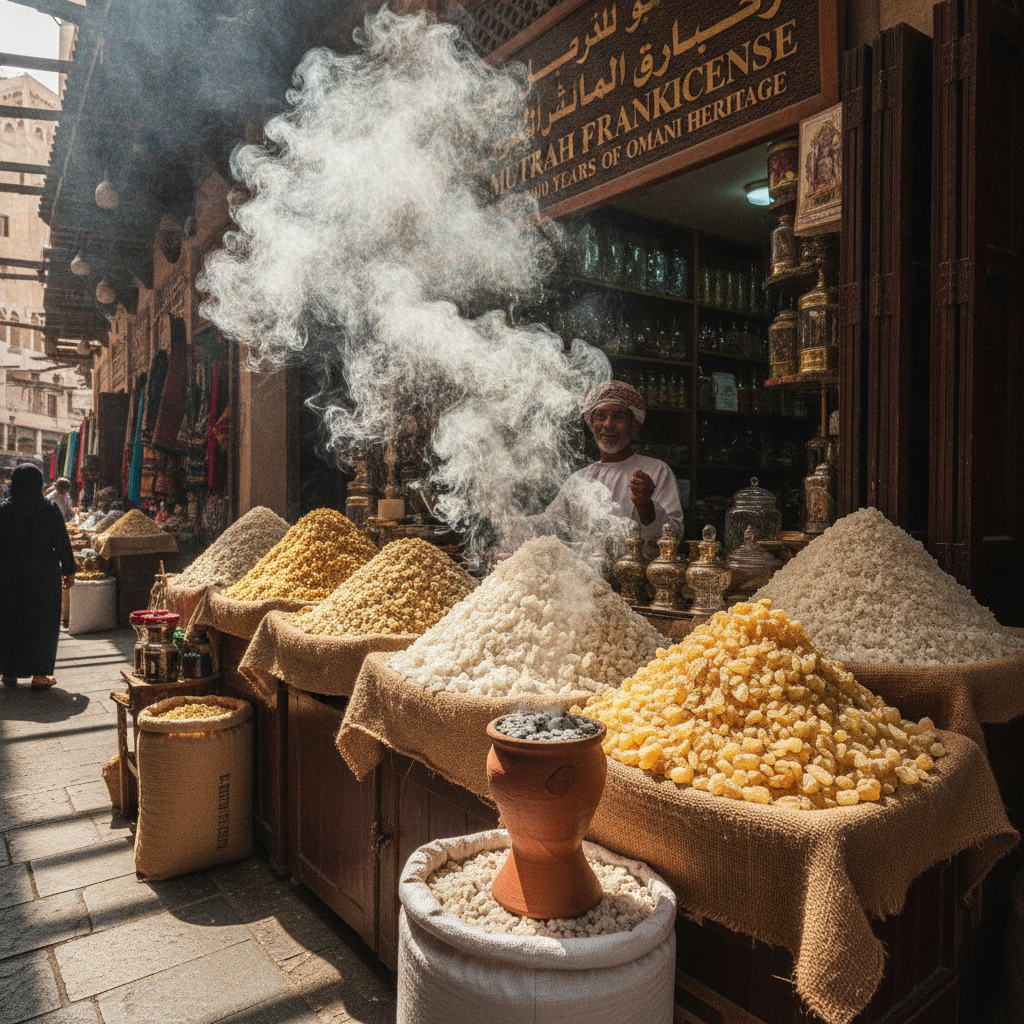
Omani Frankincense – The Ancient Trade
Oman's Dhofar region has produced frankincense (Boswellia sacra resin) since at least 3,000 BC—the Land of Frankincense is a UNESCO World Heritage Site (2000). The finest grade (Hojari, clear green resin) is still produced in the valleys around Salalah and traded through Muscat. In Muscat, frankincense is sold in every souq and burned in every home, hotel, and mosque—the scent is inseparable from the Omani experience. The ancient frankincense trade route (connecting Dhofar to the Mediterranean via Arabia) sustained civilisations for millennia.
- 4
Muscat's Indian Ocean Heritage – Dhow Building & Trade
Muscat's position on the Indian Ocean made it a commercial crossroads between Arabia, India, East Africa, and China for 2,000 years. The Omani Empire at its peak (17th–19th centuries) controlled Zanzibar, parts of the East African coast, and trading ports from Goa to Baluchistan. Traditional dhow boats—built without nails, stitched with coconut fibre—are still constructed in the boat yard at Sur (200 km south of Muscat). The Sultan's ceremonial dhow Fulk al-Salamah is displayed at the Al-Alam Palace. The Omani-Swahili cultural fusion is visible in Muscat's food, music, and architectural details.
- 5
Oman's Renaissance – Sultan Qaboos & Modern Oman
Sultan Qaboos bin Said (reigned 1970–2020) transformed Oman from a feudal, largely illiterate society (only 3 schools and 6 km of paved roads in 1970) into a modern state while preserving Omani cultural identity. The 'Omani Renaissance' (Al-Nahda) was achieved without the human rights compromises of other Gulf states—Oman has no significant oil wealth but has maintained political stability. Sultan Haitham (reigned 2020–present) has continued Qaboos's moderate, non-interventionist foreign policy and begun economic diversification away from oil.
- 6
Muscat Practical Guide – Visa, Dress Code & Best Season
Oman offers visa on arrival or e-visa for most nationalities (OMR20/€48, 10-year multiple entry for many passports). Dress code in public is conservative—shoulders and knees covered for both men and women; the souqs and mosques require additional modesty. The best visiting season is October–April (temperatures 18–30°C); May–September brings extreme heat (40–50°C). Muscat International Airport (MCT) is served by Oman Air, British Airways, Lufthansa, and Emirates. Alcohol is available in licensed hotel restaurants and bars; it is not served in public restaurants. Ramadan brings restricted daytime service.
Walk this route with audio
Stories play automatically as you reach each stop — no tapping needed.
More in Muscat
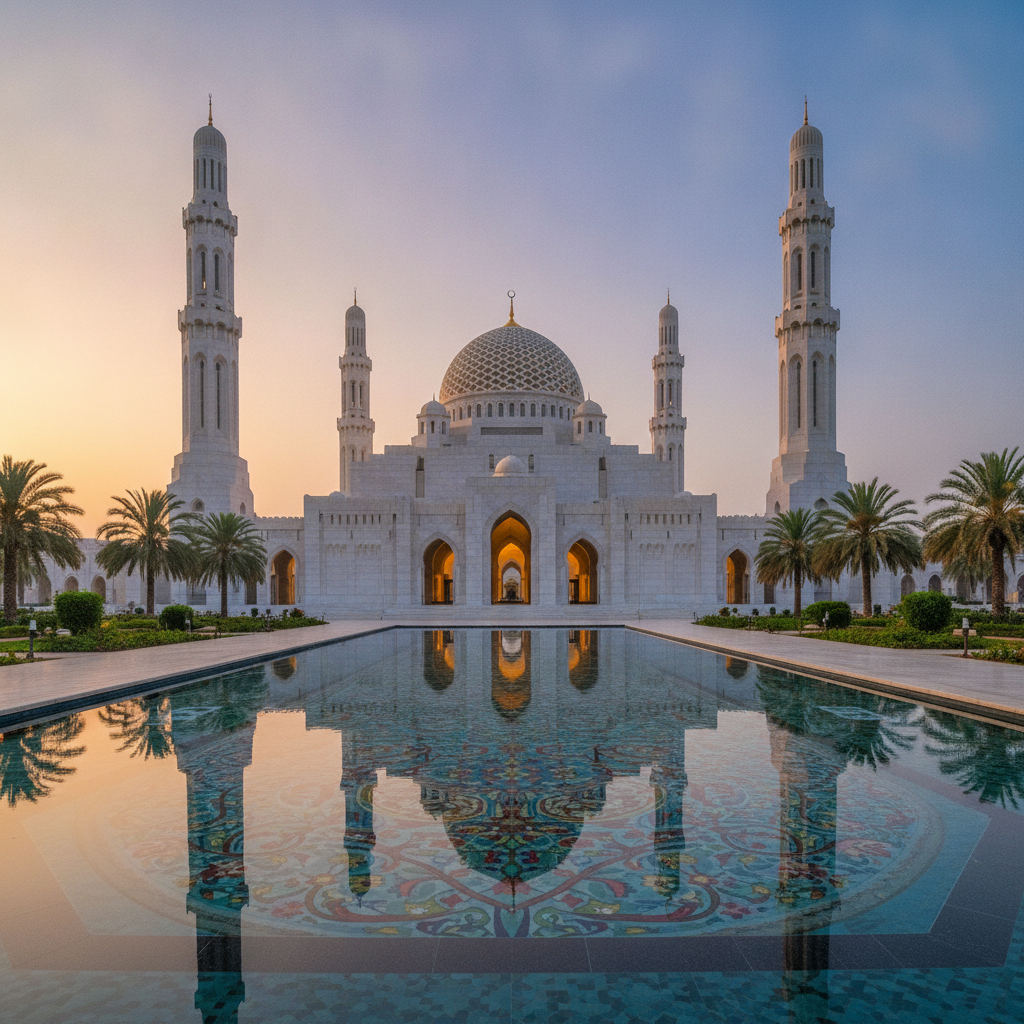
Muscat Essentials: Grand Mosque, Mutrah Souq & the Arab World's Premier Opera House
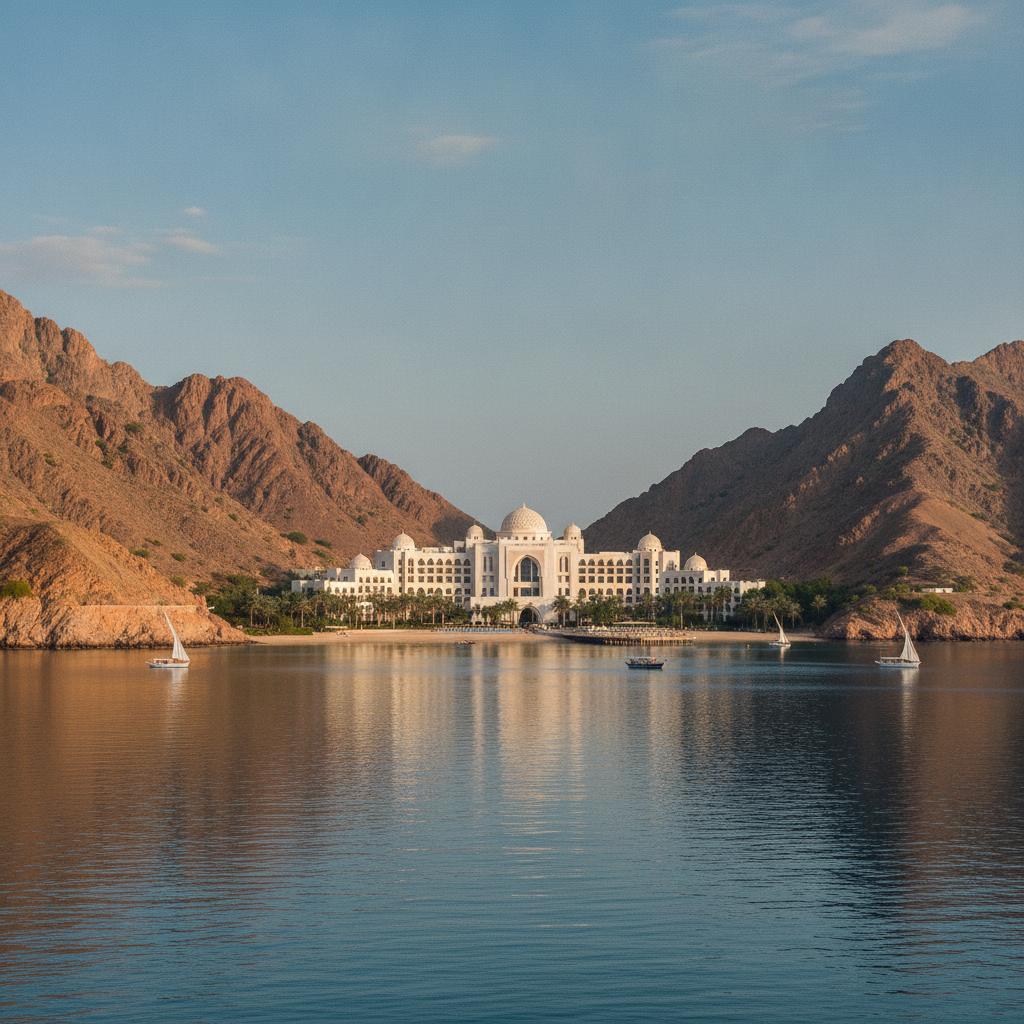
Muscat Context: Ibadi Islam's Diplomatic Moderation, Muscat vs Dubai & Vision 2040
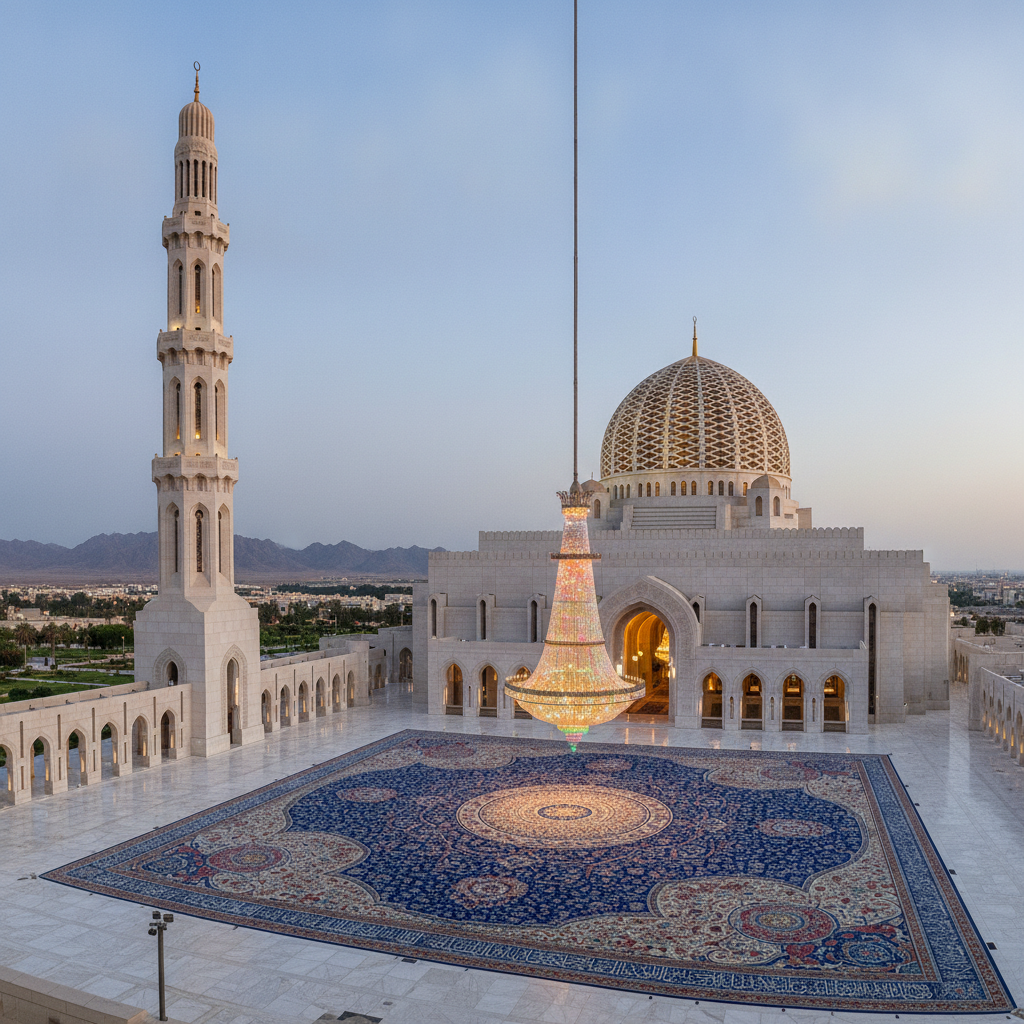
Muscat Essential: The Sultan Qaboos Grand Mosque, the Mutrah Souq, the Muttrah Corniche, the Royal Opera House, and the Most Architecturally Elegant Single Gulf Capital
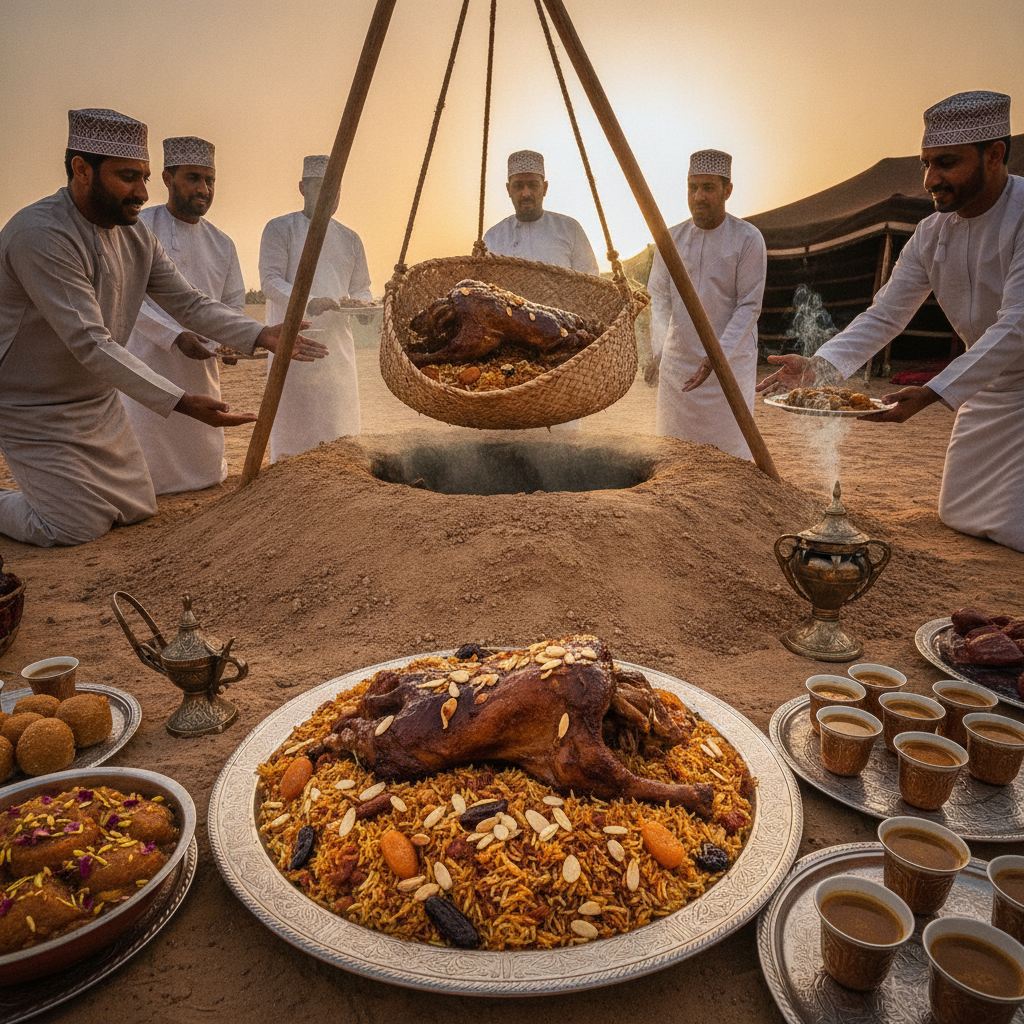
Muscat Food: The Shuwa Underground Lamb, the Omani Halwa, the Frankincense Coffee, the Mutrah Fish Market, and the Most Hospitably Generous Single Gulf Food Culture
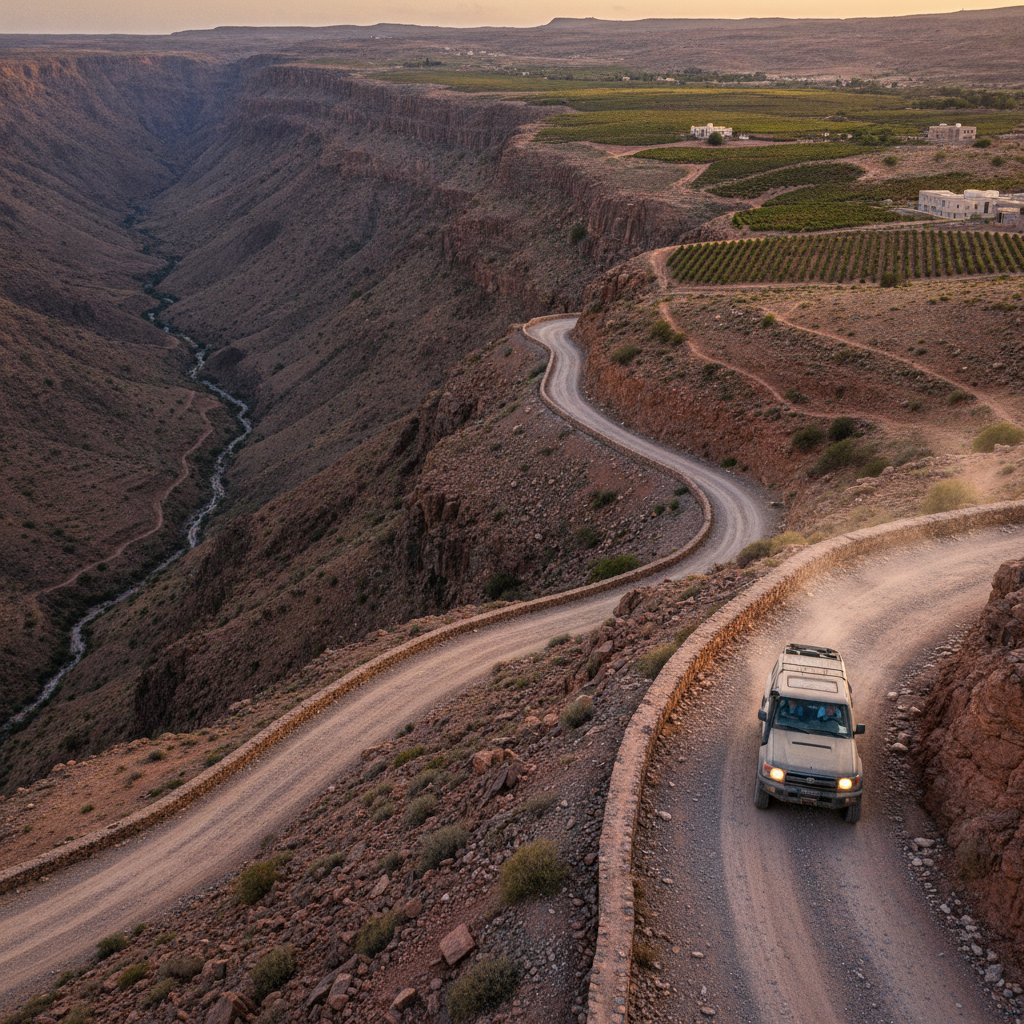
Muscat's Deep History: Portuguese Forts, the Omani Zanzibar Empire & the Jebel Akhdar Mountain Drive