Nairobi Ultimate Reference: East Africa Capitals, Murumbi Legacy, Railway Museum, Neighborhoods, Security Context, and the Complete City Guide
The complete Nairobi reference: East Africa three capitals compared (Nairobi vs Dar es Salaam vs Kampala); Joseph Murumbi and the extraordinary stamp collection; the Nairobi Railway Museum and Uganda Railway history; Nairobi neighborhoods from Westlands to Eastleigh; the 1998 Embassy bombing and al-Shabaab security context; and the ultimate comprehensive Nairobi visitor guide.
- 1
Nairobi vs Dar es Salaam vs Kampala - East Africa Capital Comparison
East Africa three capitals compared: Nairobi (Kenya), Dar es Salaam (Tanzania), and Kampala (Uganda): the three primary cities of the East African Community and their different characters, economies, and relationships to wildlife tourism. Nairobi versus Dar es Salaam (Dar es Salaam (the largest city of Tanzania: population approximately 7-8 million: the commercial capital of Tanzania but not the political capital (Dodoma has been the official political capital since 1996 though most government functions remain in Dar)): Arabic name meaning House of Peace: founded 1862 by the Sultan of Zanzibar: the former German colonial capital of German East Africa (1891-1916) then British colonial capital of Tanganyika (1916-1961): Dar es Salaam has a very different character from Nairobi (slower pace, less chaotic traffic, more Swahili and Muslim cultural influence, the Indian Ocean coastline and beaches immediately accessible (the Coco Beach on the Msasani Peninsula is a popular sunset gathering point within the city): the Zanzibar archipelago (45 minutes by ferry from Dar or 20 minutes by light aircraft from Dar domestic airport: Stone Town UNESCO World Heritage Site: the former center of the Indian Ocean slave trade and of the Arab Omani sultanate that controlled the East African coast in the 19th century): Tanzania safari circuit (Serengeti, Ngorongoro, Kilimanjaro, Ruaha, Selous/Nyerere National Park) is accessed primarily from Dar via Arusha (the safari capital of Tanzania 300 km northwest of Dar)). Nairobi versus Kampala (Kampala (the capital of Uganda: population approximately 3-4 million): a hilly city built on seven hills (like Rome, though Kampala has expanded far beyond the original seven hills): the name means hill of impala (the graceful antelope (Aepyceros melampus) grazed on the Kampala hills before the city was built: the British colonial capital of Uganda Protectorate: Uganda was never officially a colony but a protectorate: the Buganda Kingdom (the primary kingdom of central Uganda: the Kabaka (the Buganda king) retained significant ceremonial power under the British): Kampala access to Bwindi Impenetrable National Park (the primary mountain gorilla (Gorilla beringei beringei) trekking destination: the mountain gorilla population is approximately 1,000 individuals in the Bwindi-Virunga ecosystem (Uganda, Rwanda, and DRC): the mountain gorilla trekking permit (USD 700 in Uganda, USD 1,500 in Rwanda) is the most expensive wildlife experience in East Africa: widely considered the most emotionally profound wildlife encounter available anywhere on Earth). The East African Community (the EAC: Kenya, Tanzania, Uganda, Rwanda, Burundi, South Sudan, and the DRC: the political and economic integration project for East Africa: the EAC single tourist visa allows entry to Kenya, Uganda, and Rwanda on one visa).
- 2
Joseph Murumbi and Kenya Stamp Collection - An Unexpected Cultural Legacy
Joseph Murumbi (1911-1990): Kenya first Vice President, the most extraordinary individual in Kenyan political history, and the owner of one of the largest private stamp and philately collections in the world. The biography (Joseph Zuzarte Murumbi: born in Nairobi in 1911 to a Maasai father and a Goan Indian mother: educated in India and Britain (London): Murumbi became involved in the Kenyan independence movement from London: he was a key organizer of international support for Kenyan independence and a confidant of Jomo Kenyatta: Murumbi served as Permanent Secretary for Foreign Affairs in the Kenyatta government (1963-1966): then as Minister of State for Foreign Affairs: then as Vice President of Kenya (January-August 1966: the shortest tenure of any Vice President in Kenyan history: Murumbi resigned due to ill health): after leaving politics Murumbi devoted himself to his collections). The collections (Joseph Murumbi assembled over his lifetime one of the most extraordinary private collections in the world: the stamp collection (the Murumbi stamp collection: approximately 1.2 million stamps covering every country and period in stamp history: one of the largest and most comprehensive private philatelic collections ever assembled: the collection has been described by international philately experts as a unique archive of global communications history): the African art collection (Murumbi collected traditional African art objects from across the continent: masks, sculptures, textiles, jewelry): the books and manuscripts collection (Murumbi assembled approximately 20,000 books (many rare and out-of-print) on African history, culture, and politics): the postcard collection (approximately 50,000 vintage postcards documenting African life under colonialism: one of the most comprehensive visual archives of colonial East Africa in existence)). The Murumbi Trust (after Murumbi death the collections were acquired by the Kenyan government (the Kenya National Archives and the National Museums of Kenya): the Murumbi Collection is housed in Nairobi and represents an extraordinary but underappreciated cultural asset of Kenya: the stamp collection in particular has significant commercial value (individual rare stamps in the collection have been estimated at significant sums by international philately experts)).
- 3
The Nairobi Railway Museum - The History of the Uganda Railway in Steel and Steam
The Nairobi Railway Museum: the museum dedicated to the history of the Uganda Railway (1895-1901) and the subsequent development of the East African Railways and Harbours network, housed in the original Nairobi Railway Station complex. The museum (the Nairobi Railway Museum: located at the Nairobi Railway Station on Station Road in the Nairobi CBD: the museum occupies the original East African Railways and Harbours administration building (built approximately 1896-1901): the museum displays the rolling stock, locomotives, and memorabilia of the Uganda Railway and its successors). The locomotives (the museum outdoor yard displays a collection of historic steam locomotives: the most historically significant is the engine of the type used during the Man-Eaters of Tsavo construction period (1898): the Uganda Railway Class EC/1 locomotive (the primary locomotive of the original Uganda Railway): the East African Railways (EAR) Garratt locomotives (the large articulated steam locomotives used on the Kenya and Uganda narrow-gauge network (the metre gauge (1000mm gauge) system: the Uganda Railway was built to metre gauge: the East African metre-gauge network extended through Kenya into Uganda and Tanzania by the 1920s)). The original station (the Nairobi Railway Station building: the original colonial-era station building (approximately 1899): the station was the focal point of early Nairobi: the railway workshops (the Nairobi Railway Workshops: established in the early 1900s at the Nairobi Railway Station: the workshops became the largest engineering employer in East Africa (several thousand workers): the workshop trained several generations of Kenyan engineering artisans and were a major factor in the development of an East African mechanical engineering tradition)). The modern railway (the Standard Gauge Railway (SGR): the Nairobi-Mombasa Standard Gauge Railway (1.43 meters gauge) opened in 2017: built by China Road and Bridge Corporation and funded primarily by a USD 3.2 billion loan from the Export-Import Bank of China: the journey from Nairobi (Syokimau SGR Station, 12 km from the CBD) to Mombasa in approximately 4.5 hours (versus 12+ hours by road): the Chinese-built SGR has been controversial (the debt terms of the Chinese loan, the use of Chinese workers in preference to Kenyan workers, and whether the railway traffic volumes justify the investment cost are all debated in Kenya)).
- 4
Nairobi Neighborhoods - Westlands, Karen, Eastleigh, and the CBD
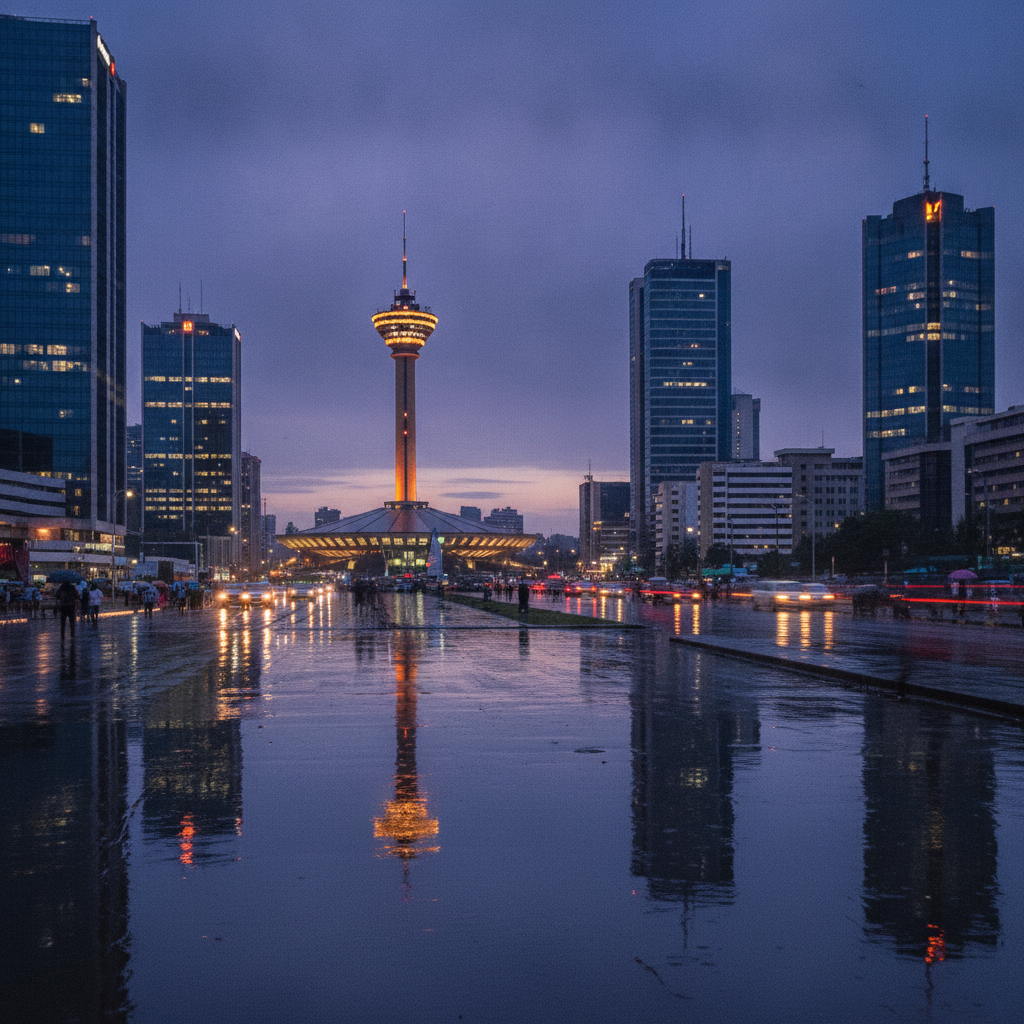
The distinct neighborhoods of Nairobi: their characters, histories, and how they tell the story of the city social geography. The Central Business District (the Nairobi CBD: the original colonial grid of Nairobi centered on Kenyatta Avenue and Moi Avenue: the colonial buildings (the Railway Station, the Nairobi City Hall, the Supreme Court building, the old GPO (General Post Office)): the Kenyatta International Conference Centre (the KICC: the distinctive cylindrical tower that is the most recognizable Nairobi landmark: height 105 meters (28 floors): built 1973: the observation deck at the top (usually open to the public): the KICC hosts major African and international conferences): the CBD today (the CBD remains the commercial center but the primary retail and hospitality center has shifted to Westlands and Upper Hill: the CBD has a large informal economy (street traders, matatu routes, mobile phone repair kiosks)). Westlands (the primary expatriate, tourist, and upper-middle-class Nairobi suburb: 3 km northwest of the CBD: the primary restaurant, nightlife, and shopping district of Nairobi: Westgate Shopping Mall (the site of the September 2013 al-Shabaab terrorist attack (the al-Shabaab militant attack on Westgate Shopping Mall: September 21, 2013: 4 attackers entered the mall and began shooting: 67 people killed and approximately 175 wounded: the attack lasted 4 days (Kenya Defense Forces besieged the building): the most traumatic terrorist attack in Nairobi since the 1998 US Embassy bombing): the Sarit Centre (the oldest and largest shopping mall in Nairobi)). Karen (the wealthy suburb 12 km southwest of the CBD: named after Karen Blixen: large colonial houses on half-acre plots with mature gardens: the Karen suburb has the lowest population density and the highest average property values of any Nairobi suburb: the Karen Blixen Museum, the Nairobi National Park entrance, and the Giraffe Centre are all in the Karen-Langata area). Eastleigh (the Somali district of Nairobi: approximately 3 km east of the CBD: the largest Somali community outside Somalia (approximately 100,000-200,000 Somali residents): Eastleigh has been a major Somali commercial center since the 1990s Somali civil war refugee influx: Eastleigh is the primary wholesale and retail commercial center for goods imported by Somali traders (electronics, fabrics, clothing): Eastleigh is also known as Little Mogadishu: a busy, dense, commercial area that is a city within the city).
- 5
The Nairobi 1998 US Embassy Bombing and Al-Shabaab - Security in the Region
The history of terrorism in Nairobi and the broader security context of East Africa: the 1998 US Embassy bombing, the rise of al-Shabaab in Somalia, and how Nairobi has managed the security challenge. The 1998 US Embassy bombing (the Nairobi US Embassy bombing: August 7, 1998: a truck bomb was detonated outside the US Embassy on Haile Selassie Avenue in the Nairobi CBD (simultaneous with a bombing at the US Embassy in Dar es Salaam, Tanzania): the Nairobi bomb (a 500 kg truck bomb (the primary explosive was PETN and TNT packed in a refrigerator truck)): 213 people killed (including 12 American citizens and 201 Kenyans, primarily at the adjacent Ufundi Cooperative House): approximately 4,000 injured: the bombing was organized by al-Qaeda under Osama bin Laden: the Nairobi and Dar es Salaam bombings were the first major al-Qaeda attacks to reach global attention (preceding the September 11 attacks by three years)). Al-Shabaab (al-Shabaab (the Movement of Striving Youth): the Somali Islamist militant organization: al-Shabaab emerged from the Islamic Courts Union that briefly controlled most of southern Somalia in 2006 before being ousted by Ethiopian military intervention: al-Shabaab controls significant territory in rural southern Somalia and conducts guerrilla warfare against the Somali Federal Government and the African Union Mission in Somalia (AMISOM): Kenya entered Somalia in 2011 (Operation Linda Nchi (Protect the Country): the Kenya Defence Forces entered southern Somalia in October 2011 in response to al-Shabaab cross-border attacks and kidnappings in northern Kenya and at the Kenyan coast: the Kenya Defence Forces became part of the African Union Mission in Somalia (AMISOM): al-Shabaab has conducted several major attacks in Kenya in retaliation (the Westgate Mall attack (2013), the Garissa University College attack (April 2015: 147 students killed), the Dusit D2 Hotel and office complex attack (January 2019: 21 killed))). The security context (Nairobi security for visitors (the primary tourist areas of Nairobi are generally safe: the al-Shabaab attacks have targeted high-profile locations that can be more easily avoided: Nairobi has a significant security industry presence (private security guards at all major buildings, shopping centres, and hotels): the practical security advice for Nairobi visitors (register with your country embassy: avoid large public gatherings: use Uber or Bolt for transport: exercise normal urban caution in the CBD)).
- 6
Nairobi Ultimate Reference - The Complete City Guide for First-Time and Return Visitors
The comprehensive Nairobi and Kenya reference for planning and enjoying the best of the city and the region, from the first-time visitor to the return traveler seeking deeper engagement. The neighborhoods summary (the best Nairobi base by travel style: Westlands (the best base for first-time visitors: central to restaurants, nightlife, and easy taxi connections to all major attractions): Karen (the best base for safari travelers: close to Nairobi National Park, the Giraffe Centre, and the DSWT Elephant Orphanage: quieter and more spacious than Westlands): Langata (mid-range accommodation between Karen and Westlands): Upper Hill (the business district: best for travelers on business but convenient for CBD meetings)). The day-trip directory from Nairobi (within 2 hours by road: Lake Naivasha and Hell Gate National Park (90 km): Lake Nakuru National Park (160 km): within 4 hours: Amboseli National Park (240 km): Tsavo West National Park (230 km via Nairobi-Mombasa highway): within 6 hours: the Maasai Mara (270 km: 5-6 hours by road): accessible by light aircraft (45-60 minutes from Wilson Airport): Samburu National Reserve (325 km: 6 hours by road or 1 hour by light aircraft). The accommodation guide (luxury: Hemingways Nairobi (Karen): Fairmont The Norfolk (CBD: historic 1904 building): Sankara Nairobi (Westlands): Villa Rosa Kempinski (Westlands): the Safari Park Hotel (Kasarani: 10 km from CBD: the largest conference hotel in East Africa: extensive gardens and pools): mid-range: The Tribe Hotel (Westlands: boutique): Ole Sereni (Langata Road: overlooks Nairobi National Park: wildlife visible from the pool): budget: the Nairobi Backpackers (Westlands: the primary traveler hostel): Upper Hill Campsite and Hostel). The food and drink summary (the best breakfast (the Cultiva cafe in Karen for specialty coffee and breakfast): the best nyama choma (Ranger Nyama Choma, Ngong Road): the best Westlands dinner (Talisman Restaurant, Karen: the finest Nairobi restaurant in terms of garden ambiance and food quality: a converted colonial house with candlelit garden seating): the best sundowner view (the rooftop bar at the Tribe Hotel in Westlands or the Ole Sereni hotel pool bar overlooking the national park). The Nairobi legacy in one sentence (Nairobi is the city where the modern world comes face to face with wild Africa and the result is unlike anywhere else on Earth).
Walk this route with audio
Stories play automatically as you reach each stop — no tapping needed.
More in Nairobi
Nairobi Deeper: Rift Valley Evolution, Northern Kenya, Conservation, Runner Nation, and Silicon Savannah
Nairobi Legacy: Wangari Maathai, Arts Scene, Africa Hub Comparison, Safari Planning, and the Complete Legacy
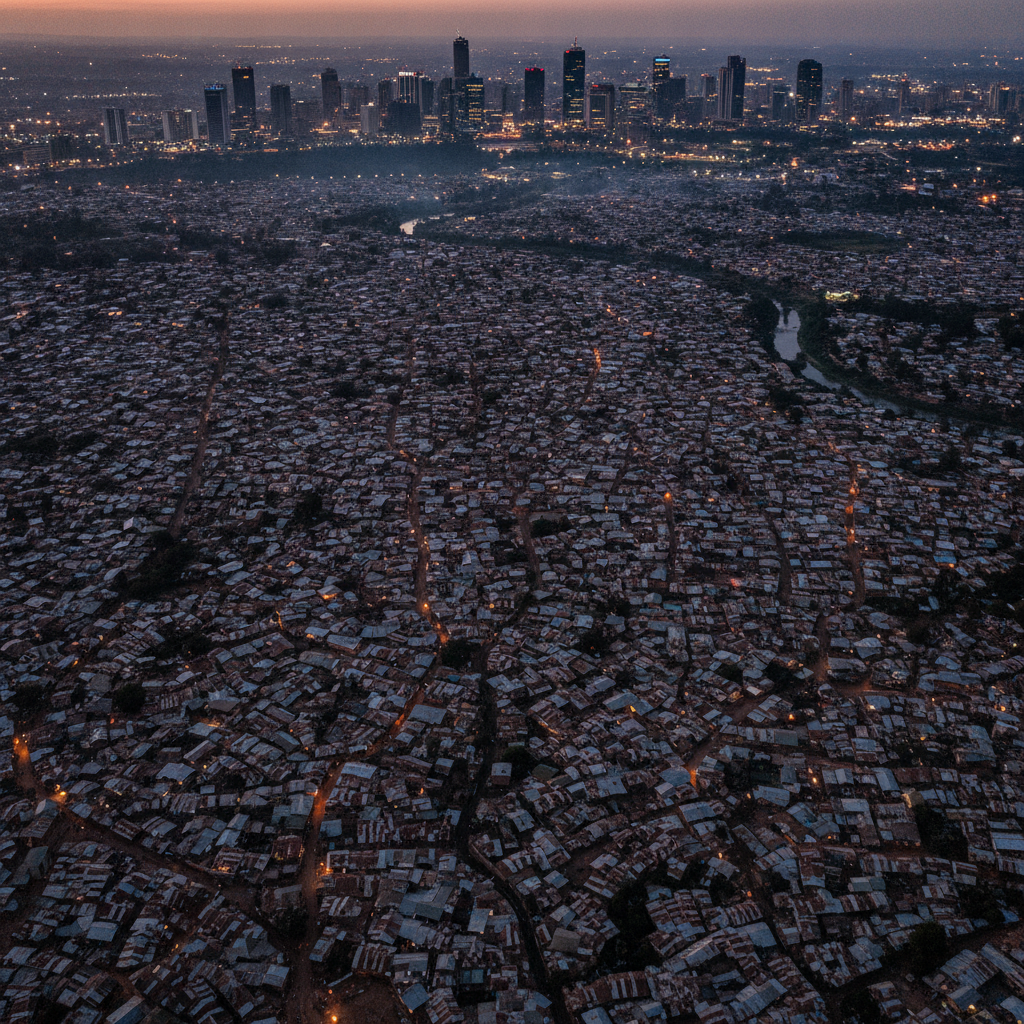
Nairobi Deep Dive: Kibera, the Maasai, Kenya History, and the Swahili Coast
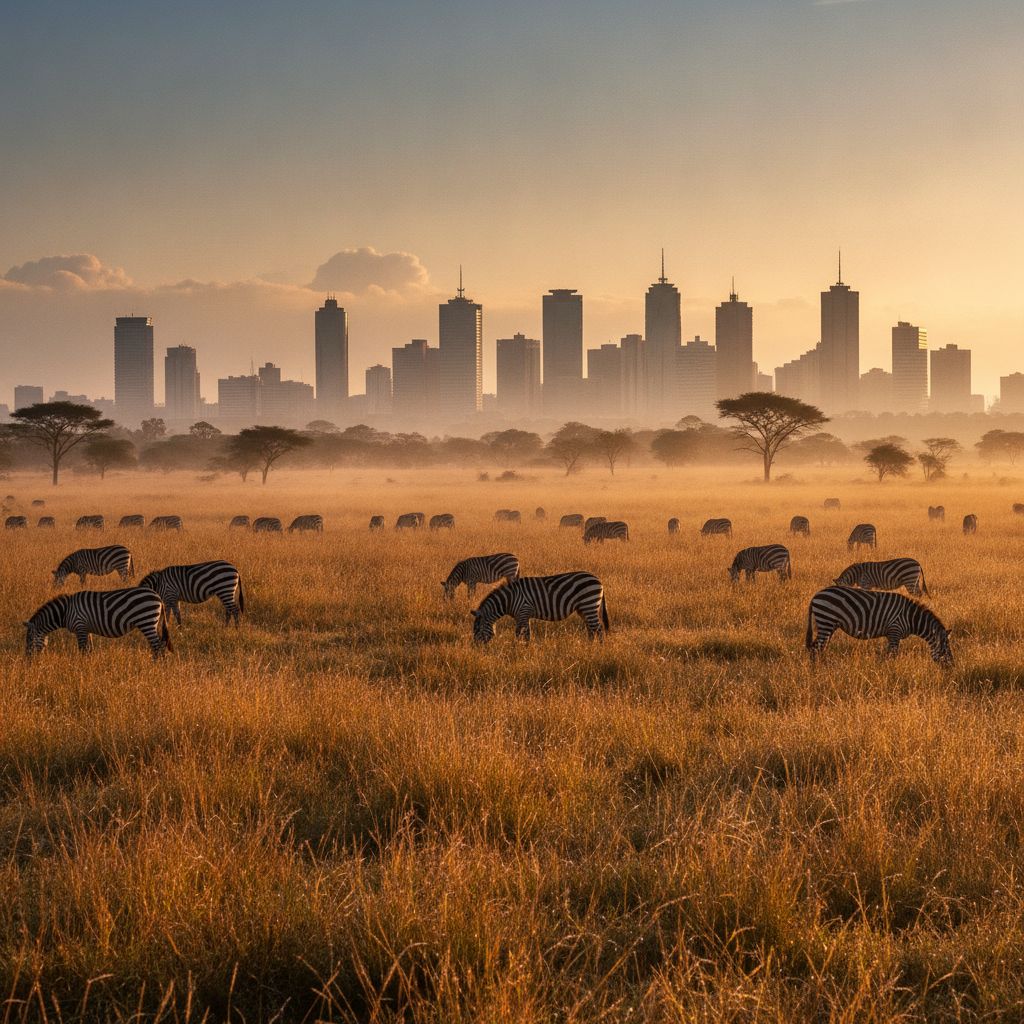
Nairobi: The Safari Capital - National Park in the City, Maasai Mara, and Out of Africa