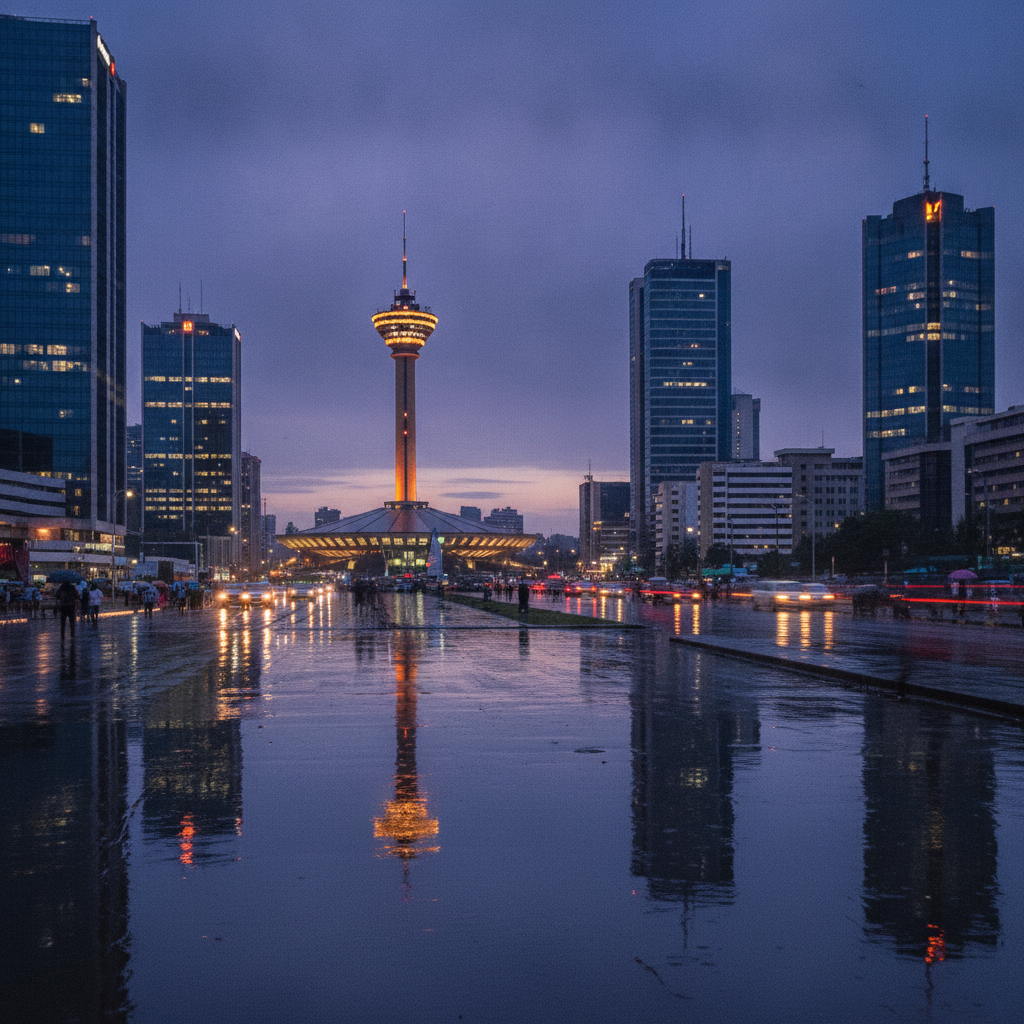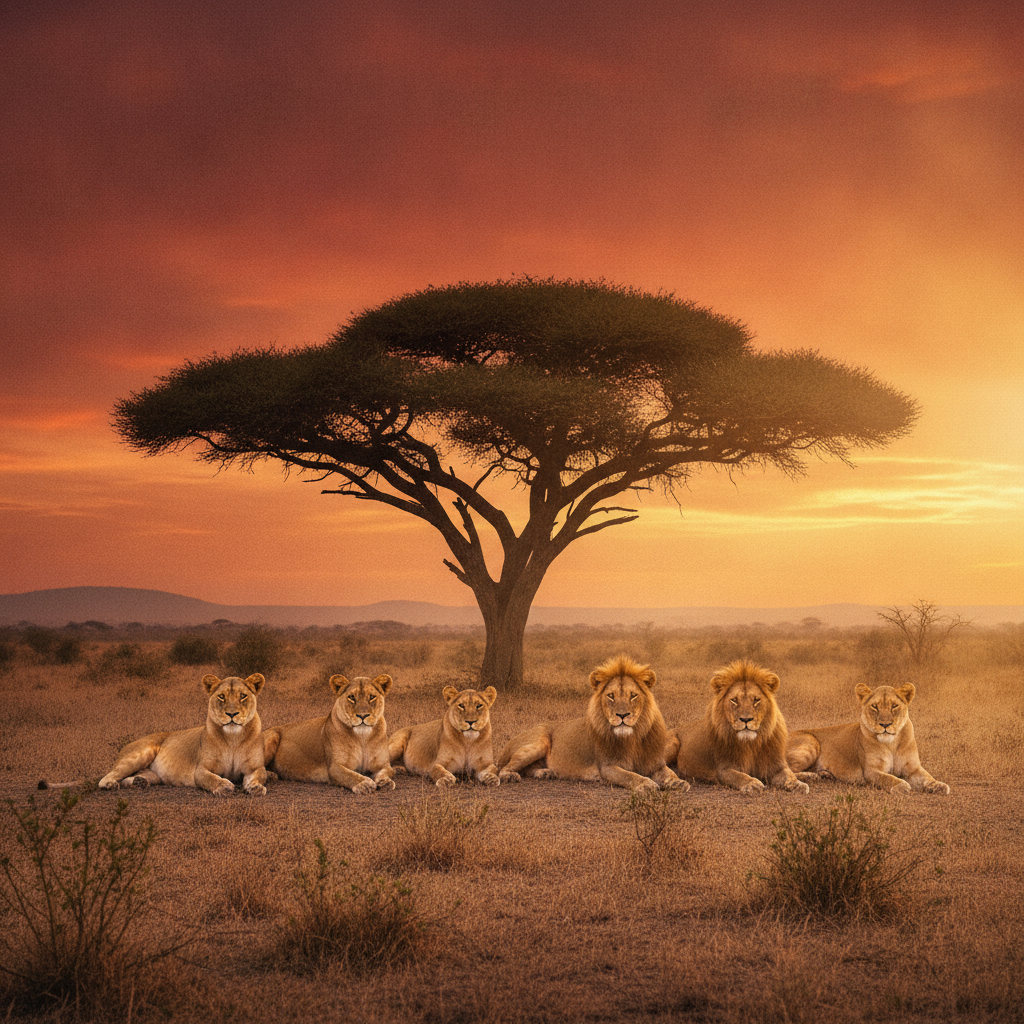
Nairobi Deeper: Rift Valley Evolution, Northern Kenya, Conservation, Runner Nation, and Silicon Savannah
Nairobi as the center of extraordinary stories: the Great Rift Valley and human evolution; Samburu and Laikipia and northern Kenya wildlife frontier; the Kenya conservation story from the 1989 ivory burning to modern community conservation; why Kenya dominates world distance running; Kenyan cuisine and the nyama choma culture; and Nairobi as Africa Silicon Savannah with the M-Pesa mobile money revolution.
- 1
The Great Rift Valley - The Geological Scar That Shaped Human Evolution
The East African Rift System (the Great Rift Valley): the most significant geological feature of East Africa and the landscape that provided the conditions for human evolution over the past 5-7 million years. The geology (the East African Rift System is a diverging plate boundary (the Nubian Plate and the Somali Plate are moving apart at approximately 6-7 mm per year): the rifting has been occurring since approximately 25-30 million years ago: the process has produced a chain of deep lakes (Lake Turkana, Lake Baringo, Lake Bogoria, Lake Nakuru, Lake Naivasha, Lake Magadi, Lake Natron in Tanzania) and volcanic features along the rift valley floor: the Kenyan Rift is approximately 50-60 km wide and bounded by escarpments (the Mau Escarpment to the west and the Aberdare Range and Kikuyu Escarpment to the east) rising 600-900 meters above the valley floor: the Naivasha-Nairobi viewpoint on the Nairobi-Nakuru highway provides a dramatic view of the escarpment). The human evolution connection (the East African Rift lakes provided the environmental conditions (freshwater availability, varied food sources, open savanna habitat between forested escarpments) that are believed to have driven the evolution of the genus Homo: the rift lake sediments preserve fossil bones: the most significant fossil sites in Kenya are at Lake Turkana (Koobi Fora: the site where Richard Leakey team discovered Turkana Boy (Homo ergaster, KNM-WT 15000: dated to approximately 1.6 million years ago): the most complete early Homo skeleton ever found): Olorgesailie (an Acheulean hand-axe site in the southern Kenyan Rift, approximately 65 km from Nairobi: UNESCO World Heritage Site: approximately 1.2 million years of continuous hominin occupation): the pattern of early Homo dispersal out of Africa appears to have followed the rift valley northward toward the Horn of Africa and thence to Eurasia). Lake Naivasha (the freshwater lake in the Kenyan Rift, approximately 90 km from Nairobi: the only freshwater lake in the chain of Kenyan rift lakes (the others are alkaline and saline): the Lake Naivasha basin was the site of the earliest Karen Blixen and colonial settler farming operations (Lord Delamere, the primary architect of the White Highlands settler agriculture system, established his first farm at Lake Naivasha): Hell Gate National Park (adjacent to Lake Naivasha: the only national park in Kenya where visitors can walk or cycle freely without a vehicle: geothermal steam vents, Ol Njorowa Gorge, Fischer Tower volcanic plug)).
- 2
Samburu, Laikipia, and Northern Kenya - The Frontier Beyond the Tourist Circuit
Northern Kenya: the vast, remote, and underpopulated landscape north of Mount Kenya stretching to the Ethiopian and South Sudanese borders, home to some of Kenya most unique wildlife, pastoralist peoples, and remote wilderness. Samburu National Reserve (approximately 325 km north of Nairobi: the Ewaso Ng iro River (the primary watercourse of northern Kenya) flows through the reserve: the Samburu Special Five (the five wildlife species of northern Kenya that are not found in the Maasai Mara or other southern Kenya reserves: Grevy zebra (the largest wild equid: fewer than 3,000 remaining, critically endangered), Reticulated giraffe (the giraffe subspecies of northern Kenya and the Horn of Africa: the most strikingly patterned giraffe: fewer than 16,000 remaining), Beisa oryx (the East African dry-land antelope), Somali ostrich (the blue-necked ostrich of northeastern Africa), and Gerenuk (the long-necked antelope that stands on its hind legs to browse from thorn-bushes)): the Samburu people (related to the Maasai: both Maa-speaking Nilotic pastoralists: the Samburu have maintained a more traditional lifestyle than most Maasai communities). The Laikipia Plateau (the high plateau between Mount Kenya and the Rift Valley escarpment at approximately 1,700-2,200 meters altitude: the Laikipia Plateau has become one of the most important wildlife conservation areas in Kenya outside the national parks: a model of community-based and private conservation (Ol Pejeta Conservancy (the largest black rhino sanctuary in East Africa: home to the last two northern white rhinos on Earth (Najin and Fatu: both female: the last male northern white rhino Sudan died in 2018: the subspecies is functionally extinct in the wild): Ol Pejeta also has chimpanzees (the only chimpanzees in Kenya: rescued from other parts of Africa and housed in a sanctuary on the conservancy): Lewa Wildlife Conservancy (UNESCO World Heritage Site): the Wildlife Conservancy is one of the most successful models of conservation combining wildlife protection with Maasai community benefit)). The Northern Frontier (Marsabit, Lake Turkana (the Jade Sea: the world largest alkaline lake at 290 km long: the lake was formed by the East African Rift System: Central Island National Park (a UNESCO World Heritage Site: three crater lakes within an active volcanic island in Lake Turkana: one of the most important Nile crocodile breeding grounds in Africa)).
- 3
Kenya Wildlife Conservation - The Story of Poaching, Rangers, and Recovery
Kenya wildlife conservation: the history of poaching, the anti-poaching campaigns, community conservation models, and the remarkable recovery of some species that make Kenya one of the most important wildlife conservation stories in the world. The ivory trade crisis (the African elephant was devastated by the global ivory trade of the 1970s and 1980s: the Kenya elephant population declined from approximately 167,000 in 1973 to approximately 16,000 in 1989: the rhino population (black rhinoceros) declined from approximately 20,000 in the 1970s to fewer than 400 by 1987: the ivory trade was driven by demand from Asia (Japan, China, Hong Kong) and to a lesser extent Europe and North America: the principal ivory carving markets were in Japan and Hong Kong: the 1989 CITES Convention on International Trade in Endangered Species of Wild Fauna and Flora ivory trade ban (the CITES Appendix I listing of the African elephant in 1989: a complete ban on international commercial trade in elephant ivory): the ivory ban was strongly advocated for by Kenya and specifically by Richard Leakey (then director of the Kenya Wildlife Service (KWS): Richard Leakey organized the burning of Kenya ivory stockpile (12 tons of confiscated ivory burned in Nairobi National Park on July 18, 1989 by President Daniel Arap Moi: the burning was a global news event and galvanized international support for the ivory ban): the ivory ban led to a dramatic recovery of elephant populations in Kenya (the Kenya elephant population has recovered to approximately 36,000 by 2023)). Community conservation (the model of community-based conservation in which local communities receive direct economic benefit from wildlife on their land (through safari tourism revenue sharing) as an alternative to converting wildlife habitat to agriculture: the Maasai Mara conservancies (the private conservancies surrounding the Maasai Mara National Reserve: the conservancy model in which Maasai land owners lease land to safari camps in return for monthly land lease payments and employment): Ol Pejeta, Lewa, and Borana (the Laikipia model): the Il Ngwesi community conservancy (a community-owned luxury safari camp owned and operated by the Il Ngwesi Maasai community in Laikipia: one of the pioneering models of community ownership in African conservation)).
- 4
Kenya Runner Nation - Why Kenya Dominates World Distance Running
Kenya runner nation: why Kenya dominates world distance running, the Rift Valley altitude and the Kalenjin running tradition, and the story of the greatest endurance athletes in history. The dominance (Kenya has produced more world and Olympic distance running champions than any other country: since Kipchoge Keino won the Olympic 1500m gold in Mexico City 1968 (the first major Kenyan Olympic running success), Kenyan athletes have accumulated more Olympic and World Championship medals in track and road events (800m, 1500m, 3000m steeplechase, 5000m, 10000m, half marathon, marathon) than any other nationality: the most decorated Kenyan runner of the modern era is Eliud Kipchoge (born 1984 in Nandi County, Rift Valley: two-time Olympic marathon champion (2016 Rio and 2021 Tokyo): the world marathon record holder (2:00:35 set at the Berlin Marathon 2023): in 2019 Kipchoge became the first human to run a sub-2-hour marathon (1:59:40 at the INEOS 1:59 Challenge in Vienna: an unofficial world record due to the pace-maker arrangement): widely considered the greatest marathon runner in history)). The Rift Valley altitude (the Kalenjin homelands: the primary Kenyan running ethnic community is the Kalenjin (a cluster of related Nilotic ethnic groups inhabiting the Rift Valley highlands (Nandi, Kipsigis, Tugen, Marakwet, Pokot, Sabaot, Terik, Elgeyo, and Marakwet): altitude approximately 1,800-2,400 meters above sea level (the Rift Valley highlands provide the altitude (lower oxygen availability at altitude causes the body to increase red blood cell production (erythropoiesis) and improve oxygen delivery efficiency): running is the primary transport mode of Kalenjin children (the typical Kalenjin child runs to school and back, covering 10-20 km per day from an early age): the Iten training hub (Iten town (altitude 2,400 meters) in Elgeyo-Marakwet County: the global center of distance running training: athletes from Kenya and from around the world train at Iten to exploit the altitude conditions)). The sociology (the economic incentive (prize money and appearance fees from international running events represent a life-changing income for athletes from the Rift Valley): the running culture (running is deeply embedded in Kalenjin male identity and has a long history predating modern competitive running)).
- 5
Nairobi Street Food, Nyama Choma, and Kenyan Cuisine
Kenyan cuisine, the Nairobi street food scene, nyama choma as the primary social food of Kenya, and the influence of Indian Ocean trade on coastal Swahili cuisine. Kenyan cuisine overview (Kenyan cuisine reflects the diverse ethnic communities and the colonial history of the country: the staple foods (ugali (stiff maize porridge: the universal staple of Kenyan cuisine eaten with meat stews, sukuma wiki (collard greens cooked with onion and tomato), beans, and lentils): chapati (the flatbread introduced by the Indian community during the colonial era: now a staple across all Kenyan communities): mandazi (the deep-fried triangular doughnut of the Kenyan coast: a Swahili breakfast food): matumbo (tripe: a popular street food): mutura (Kikuyu blood sausage: a Nairobi street food staple). Nyama choma (roasted meat: the primary social food of Kenya: goat (mbuzi) is the most popular nyama choma meat: the goat is slaughtered, butchered, and roasted over charcoal: served with ugali and kachumbari (fresh tomato, onion, and chili salad): nyama choma is the food of celebration, social gathering, and weekend leisure: the nyama choma open-air restaurant (the nyama choma joint) is a ubiquitous Nairobi institution: Carnivore Restaurant (the famous Langata establishment that serves game meat nyama choma style on Maasai swords): the Ranger Nyama Choma in Ngong Road). The Nairobi street food circuit (Nairobi CBD street food: mutura (blood sausage roasted on charcoal): samosas (the triangular fried pastry (Indian origin) now universal in Kenya: the beef samosa and the vegetable samosa): bhajias (spiced potato fritters: another Indian-influenced Kenyan street food staple): the Kenyan tea culture (chai: Kenyan chai is boiled milk with tea leaves, sugar, and spices (ginger, cardamom): served at the chai kiosks that are found on every Nairobi street corner: one of the most important social rituals of Kenyan daily life)). The Swahili Coast cuisine (the coastal Swahili cuisine: a synthesis of Bantu African food, Arab spice trade flavors, and Indian Ocean cooking: coconut milk is the defining ingredient of coastal Kenyan cooking: pilau (the spiced rice dish cooked with whole spices (cloves, cinnamon, cardamom, black pepper) and meat: the primary special occasion dish of the Swahili coast): biryani: samaki wa kupaka (grilled fish in coconut and tamarind sauce): mahamri (Swahili deep-fried doughnuts cooked with coconut milk)).
- 6
Nairobi as Africa Silicon Savannah - Tech Hub, Startups, and the Future of Kenya
Nairobi as the Silicon Savannah: the largest technology and startup hub in sub-Saharan Africa, the story of M-Pesa and mobile money revolution, and Nairobi ambition to be the gateway city of a rising Africa. M-Pesa (the mobile money revolution): M-Pesa (M for mobile, pesa is Swahili for money): the mobile phone-based money transfer, payment, and micro-financing service launched by Safaricom (Kenya primary telecommunications company) and Vodafone in 2007: M-Pesa is the most successful mobile money system in the world: by 2023 M-Pesa has approximately 51 million users across multiple African countries (Kenya, Tanzania, Mozambique, Ghana, Democratic Republic of Congo, Lesotho, Ethiopia): in Kenya M-Pesa processes approximately 61% of Kenya GDP in transaction volume annually (2023): M-Pesa transformed financial inclusion in Kenya (before M-Pesa only approximately 26% of Kenyan adults had access to formal financial services: by 2023 approximately 84% of Kenyan adults use mobile money as their primary financial tool: M-Pesa enabled the unbanked (the rural farmer, the Kibera market vendor, the matatu (minibus) driver) to send and receive money, pay bills, save, and access credit without a bank account): M-Pesa was incubated at the iHub (the Nairobi technology innovation hub established in 2010 in Westlands: the iHub has been credited as the catalyst for the Nairobi startup ecosystem). The Silicon Savannah (the Nairobi technology ecosystem: Nairobi has the largest technology startup ecosystem in Africa outside of South Africa: the major technology companies with African headquarters or regional offices in Nairobi (Google Africa (Google opened its first sub-Saharan African office in Nairobi in 2007): Microsoft Africa Development Centre (co-located in Nairobi and Lagos): IBM Research Africa: Uber Africa (Nairobi was the first sub-Saharan African city to launch Uber in 2015)): the Konza Technopolis (a planned technology city being developed approximately 60 km from Nairobi: the Kenyan government project to build a purpose-built tech city in the savanna south of Nairobi: planned population 200,000 when complete: sometimes called Kenya Silicon Savannah city). The startup ecosystem (Nairobi has produced several globally significant African technology companies: Andela (a pan-African technology talent company founded in Lagos with major Nairobi presence), Twiga Foods (a B2B food distribution platform): the venture capital investment in Nairobi-based startups has grown significantly: the M-KOPA (solar home systems and consumer finance for off-grid households in Kenya and East Africa): the Africa tech investment story).
Walk this route with audio
Stories play automatically as you reach each stop — no tapping needed.
More in Nairobi
Nairobi Legacy: Wangari Maathai, Arts Scene, Africa Hub Comparison, Safari Planning, and the Complete Legacy
Nairobi Deep Dive: Kibera, the Maasai, Kenya History, and the Swahili Coast
Nairobi Ultimate Reference: East Africa Capitals, Murumbi Legacy, Railway Museum, Neighborhoods, Security Context, and the Complete City Guide
Nairobi: The Safari Capital - National Park in the City, Maasai Mara, and Out of Africa