Lower Broadway, Honky-Tonks & Nashville's Live Music Scene
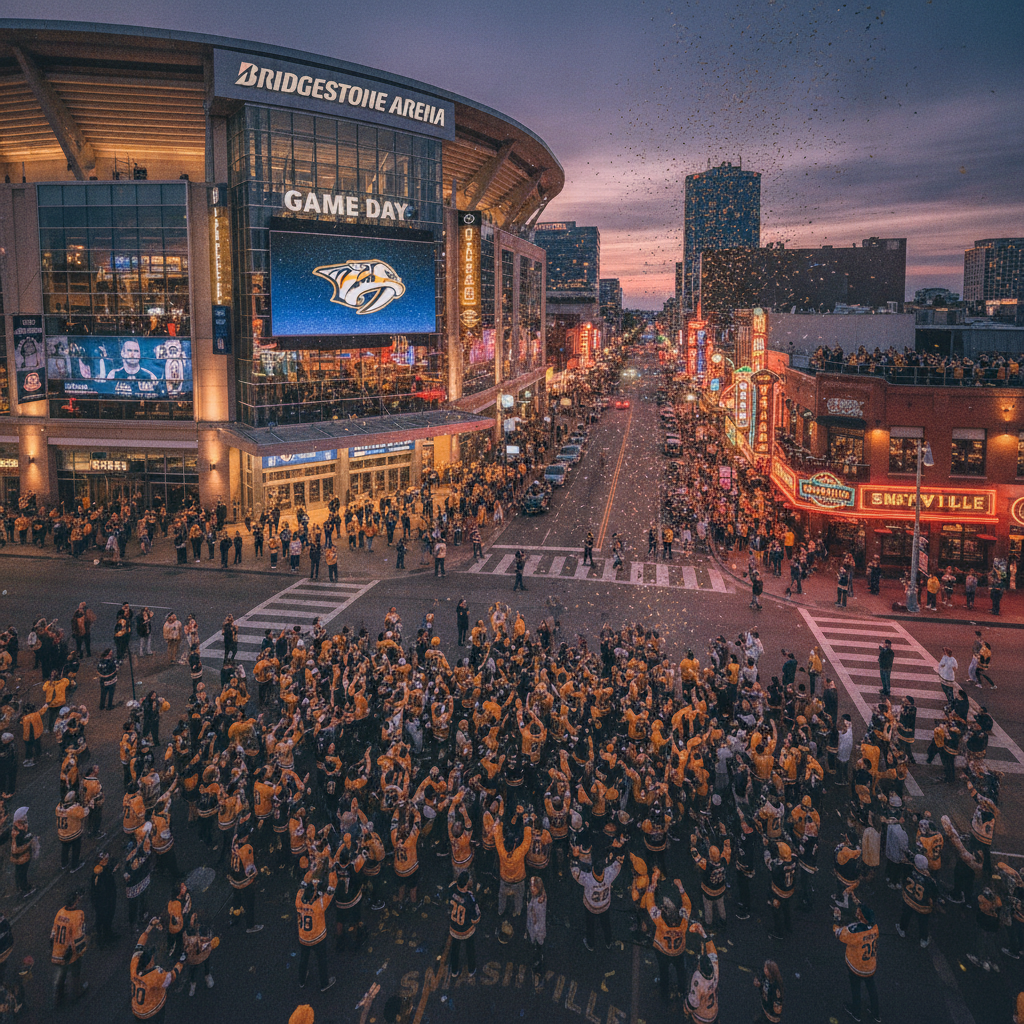
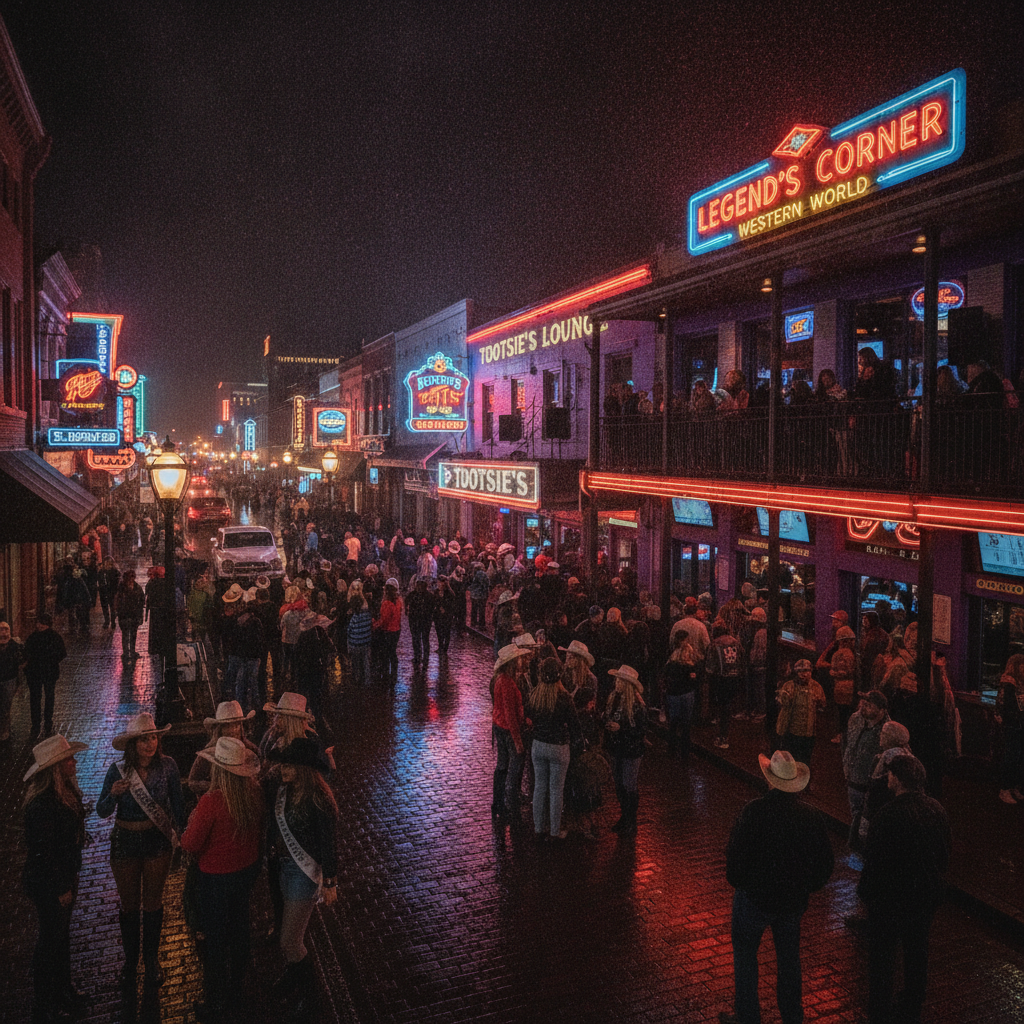
Nashville (the capital of Tennessee, population approximately 715,000 in the city and 2.1 million in the metro area — the 'Music City', the country music capital of the world, and the city that has transformed itself in the 21st century from a regional Southern city into one of the fastest-growing and most visited cities in the United States): Lower Broadway (the 6-block strip of neon-lit honky-tonk bars, live music venues, boot shops, and souvenir stores between 1st Avenue and 5th Avenue in downtown Nashville) is the most famous entertainment strip in the American South and the defining image of Nashville as a music city.
- 1
Tootsie's Orchid Lounge — Nashville's Most Legendary Bar
Tootsie's Orchid Lounge (422 Broadway — the purple-painted honky-tonk bar established 1960 by Hattie Louise 'Tootsie' Bess (1915-1978), the bar that is the most historically significant honky-tonk on Lower Broadway and one of the most historically significant bars in the history of American country music): the Tootsie's story (the bar's back door opens directly onto the alley behind the Ryman Auditorium — the alley that connects Tootsie's to the stage door of the 'Mother Church of Country Music' — which meant that during the golden age of the Grand Ole Opry (1943-1974, when the Opry was broadcast live from the Ryman), the cast of the Opry could slip out the stage door during commercial breaks, walk through the alley, have a drink at Tootsie's, and be back on stage before the next segment): the musicians who drank at Tootsie's during the Ryman era (Patsy Cline, Hank Williams Sr., Kris Kristofferson (who was working as a janitor at the Ryman while writing the songs — 'Me and Bobby McGee', 'Help Me Make It Through the Night', 'Sunday Mornin' Comin' Down' — that would make him one of the most celebrated songwriters in the history of country music), Willie Nelson, Roger Miller, and virtually every major country music star of the 1960s): the current Tootsie's (the three-story bar with live music on all three levels, seven days a week, from opening to closing — the bar that still books emerging country artists who perform for tips and bar tabs).
- 2
Robert's Western World & the Honky-Tonk Strip
Robert's Western World (416 Broadway — the honky-tonk bar established 1999 in the former Sho-Bud Steel Guitar Company shop (the shop established 1956 by Shot Jackson and Buddy Emmons — the most respected builders of pedal steel guitars (the primary instrument of traditional country music, the instrument that gives traditional country its characteristic 'crying' sound) in the history of country music), famous for the 'Recession Special' (the $6 meal deal — the fried bologna sandwich, chips, Moon Pie, and PBR (Pabst Blue Ribbon beer) — the most beloved food deal in Lower Broadway): the Lower Broadway honky-tonk strip (the 6-block stretch of Broadway between 1st and 5th Avenues where the honky-tonks (bars offering live country music, typically with no cover charge and musicians performing for tips) have operated since the 1940s — the strip that has evolved from a working-class entertainment area frequented by bus station transients and musicians in the 1950s-60s into the most visited tourist destination in Nashville): the other legendary honky-tonks (Legends Corner (428 Broadway), the Stage on Broadway (412 Broadway — the multi-story venue with the best sound system on the strip), the Wheel (508 Broadway — the newcomer that epitomizes the new mega-honky-tonk model with 5-6 floors of live music, rooftop bar, and a capacity of 1,500+)).
- 3
The Ryman Auditorium — Mother Church of Country Music
The Ryman Auditorium (116 5th Avenue North, downtown Nashville — the National Historic Landmark auditorium that served as the home of the Grand Ole Opry from 1943 to 1974 and is universally known as the 'Mother Church of Country Music'): the history of the Ryman (the auditorium built in 1892 by riverboat captain Thomas Green Ryman (1841-1904) as a revival tabernacle (the 'Union Gospel Tabernacle') for the revivalist preacher Sam Jones, whose 1885 Nashville revival Ryman attended and that transformed him from a hard-drinking steamboat captain into a devout Christian committed to providing Nashville with a venue for religious gatherings): the Ryman as music venue (the auditorium that became a general-purpose performance venue after Ryman's death in 1904, hosting opera companies, vaudeville acts, the Metropolitan Opera (which performed at the Ryman for decades in the early 20th century), classical concerts, and eventually the Grand Ole Opry): the Grand Ole Opry at the Ryman (the Saturday-night radio program (the longest-running live radio broadcast in American history, begun October 5, 1927 on WSM Radio in Nashville) moved to the Ryman Auditorium on June 5, 1943 and broadcast live from the Ryman until March 9, 1974, when the Opry moved to the new Grand Ole Opry House): the current Ryman (the premier small-to-medium venue for Americana, country, and roots music in the United States — the 2,362-seat auditorium with the original church pews, the curved wooden stage, and the stained glass windows — the finest acoustic environment for live music in Nashville).
- 4
Country Music Hall of Fame & Museum
Country Music Hall of Fame and Museum (222 5th Avenue South, downtown Nashville — the museum dedicated to the history and culture of country music, opened in its current building in 2001 (the original Country Music Hall of Fame was established 1961 in a smaller building on Music Row)): the museum's permanent collection (the most comprehensive collection of country music artifacts in the world — the collection includes Hank Williams's (1923-1953) Martin D-28 guitar, Elvis Presley's (1935-1977) 'Solid Gold Cadillac' (the 1960 Cadillac limousine given to Presley by the record producer Chet Atkins and customised with 24-carat gold-plated trim, gold-flecked pearlescent leather interior, and a gold lamé roof), the personal papers and musical instruments of Johnny Cash (1932-2003), Dolly Parton (b. 1946), Patsy Cline (1932-1963), and hundreds of other country music figures): the Hall of Fame rotunda (the circular hall where the bronze plaques of the Country Music Hall of Fame inductees are displayed — the Hall of Fame was established 1961 (the first three inductees were Jimmie Rodgers (the 'Father of Country Music'), Fred Rose (the Music Row publisher), and Hank Williams) and now has 155 members (as of 2024)): the RCA Studio B (a short drive from the museum on Music Row — the studio where Elvis Presley, Dolly Parton, Roy Orbison, the Everly Brothers, and hundreds of other artists recorded — now a museum operated by the Country Music Hall of Fame).
- 5
Music Row — The Heart of the Country Music Industry
Music Row (the area of Nashville centred on 16th and 17th Avenues South, between Demonbreun Street and Grand Avenue — the 'Music Row' neighbourhood where the major country music record labels (Sony Music Nashville, Universal Music Group Nashville, Warner Music Nashville), music publishers, recording studios, talent agencies, and music business service companies are concentrated): the history of Music Row (the neighbourhood that became the centre of the Nashville music industry in the 1950s and 1960s, when the record producer Chet Atkins (1924-2001) and the session musician Owen Bradley (1915-1998) developed the 'Nashville Sound' (the polished, orchestra-backed country music production style that replaced the earlier 'honky-tonk' and 'bluegrass' sound of 1940s-50s country music and made Nashville country music a commercially dominant genre throughout the 1960s-70s) in the studios of 16th and 17th Avenues): the studios (RCA Studio B (1611 Roy Acuff Place — the historic recording studio where Elvis Presley recorded more than 200 songs between 1957 and 1971 and where Dolly Parton, Roy Orbison, and hundreds of other artists recorded their signature songs), now a museum; Historic RCA Studio A (1 Music Circle North — the larger RCA studio that produced recordings by Joan Baez, Waylon Jennings, and others, now operated as a performance and recording space); and the dozens of independent recording studios (Blackbird Studio, Ocean Way Nashville, Soundcheck Nashville) that continue to make Nashville the recording capital of the world for country, Americana, and Christian music.
- 6
Printer's Alley & Downtown Nashville Nightlife
Printer's Alley (the narrow alley between 3rd and 4th Avenues North in downtown Nashville — the entertainment district established in the 1940s-60s as Nashville's nightclub and entertainment strip, the predecessor of Lower Broadway as the centre of Nashville nightlife): the Printer's Alley history (the alley that takes its name from the printing and publishing businesses that occupied the surrounding buildings in the late 19th and early 20th centuries — the Tennessee Supreme Court Reports and other legal publications were printed in the buildings around the alley): the Printer's Alley nightclub era (the 1940s-70s era when Printer's Alley was the jazz and entertainment centre of Nashville, with clubs like the Carousel Club (where guitarist Chet Atkins performed), the Black Poodle (which featured the comedian Boots Randolph — the saxophonist famous for 'Yakety Sax', later the theme of The Benny Hill Show), and the Rainbow Room): the current Printer's Alley (the alley has been revived in the 21st century as a nightlife destination, with bars, restaurants, and live music venues occupying the historic brick buildings that survived the 1998 tornado that severely damaged downtown Nashville).
Walk this route with audio
Stories play automatically as you reach each stop — no tapping needed.
More in nashville
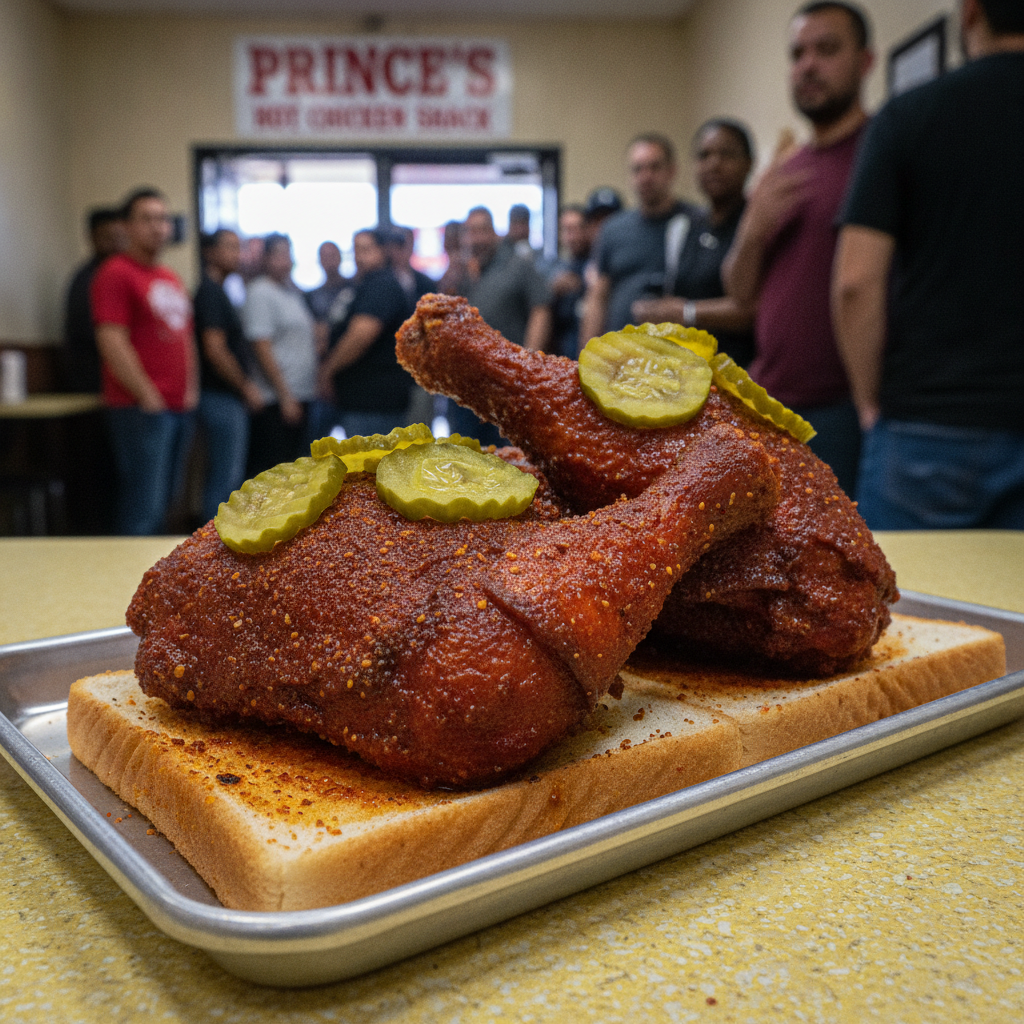
Nashville Hot Chicken, Meat & Three & the Nashville Food Scene
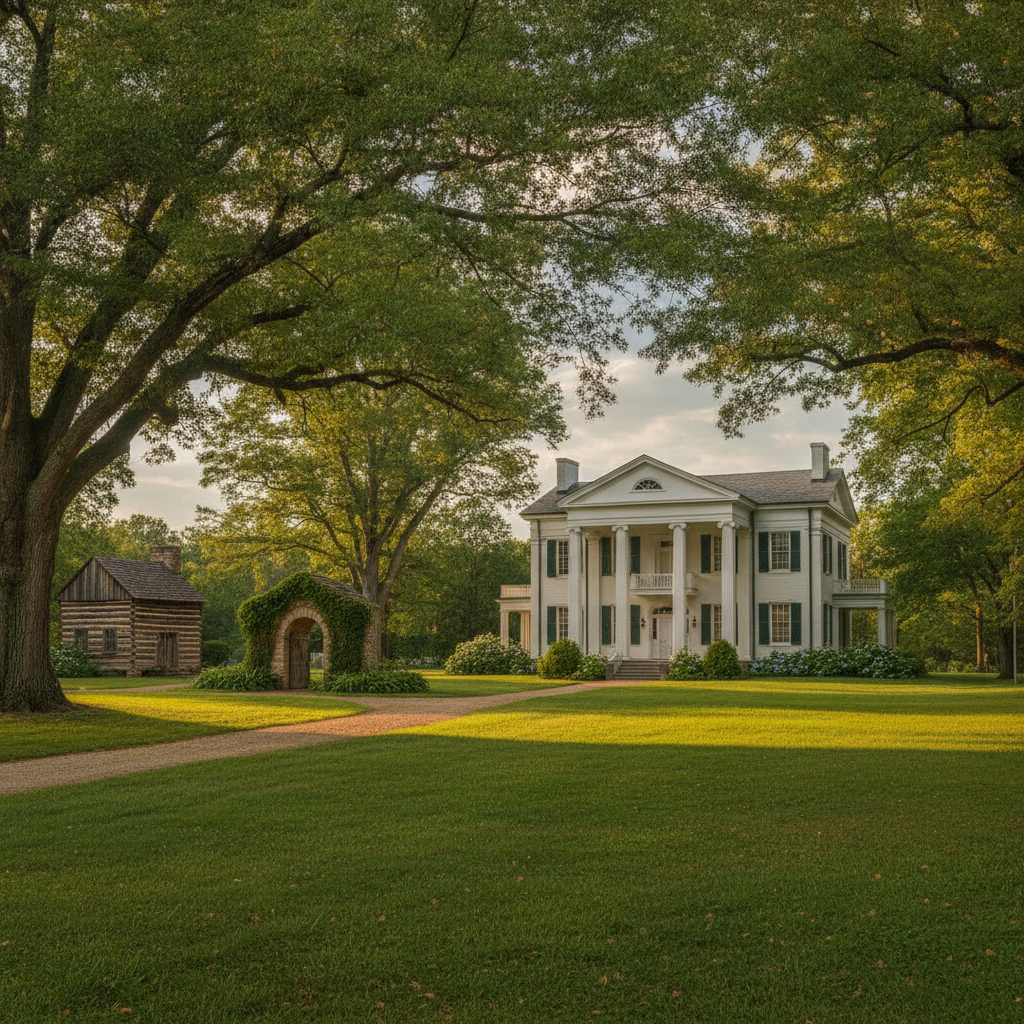
Belle Meade Plantation, Civil War History & Tennessee Heritage
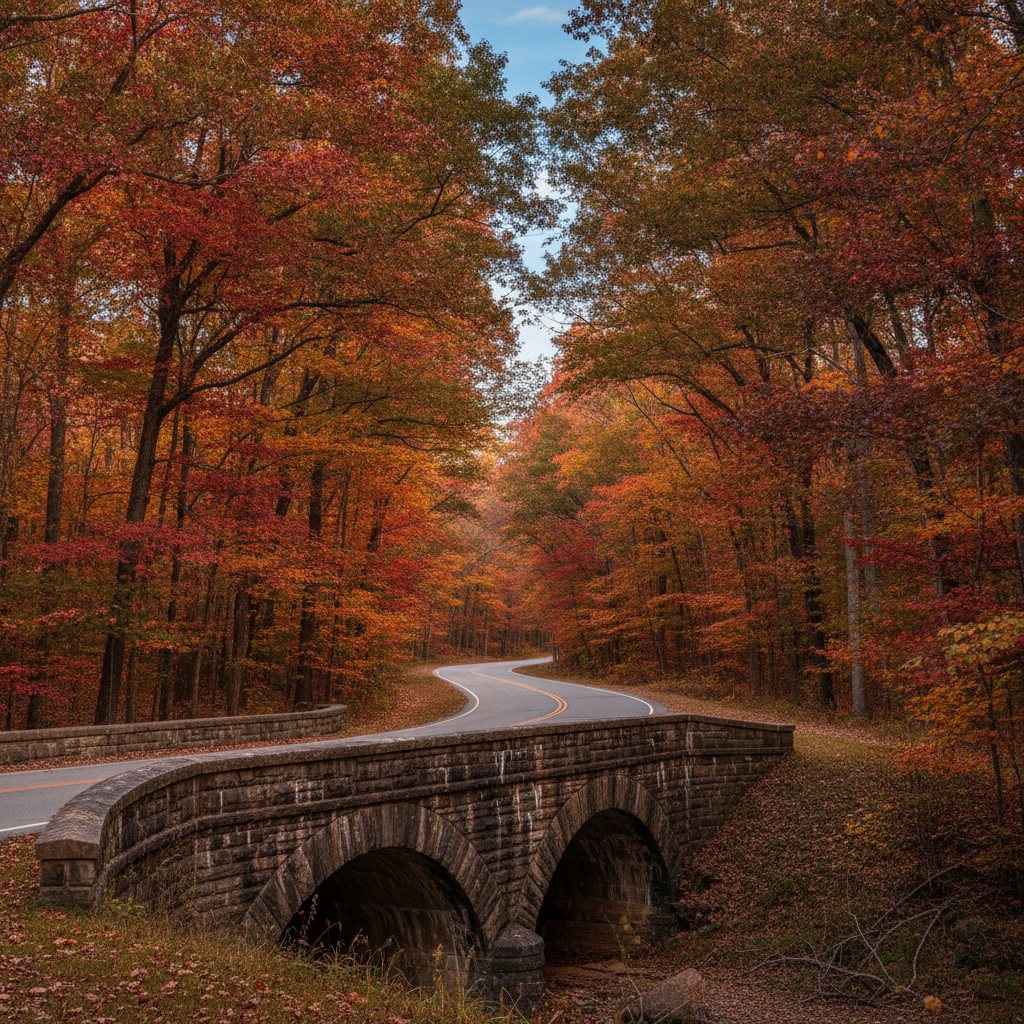
Natchez Trace Parkway, Percy Priest Lake & Nashville Outdoors
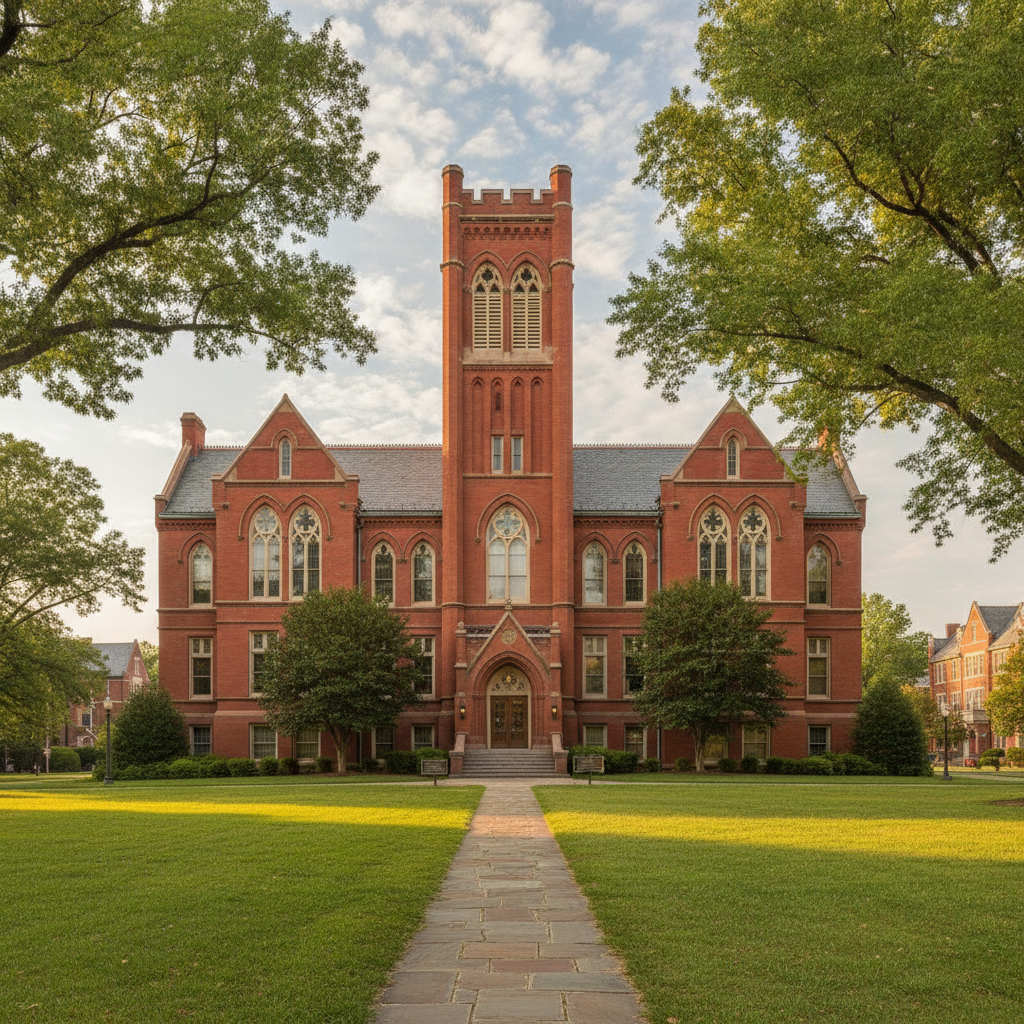
Fisk University, the Nashville Sit-Ins & Civil Rights History
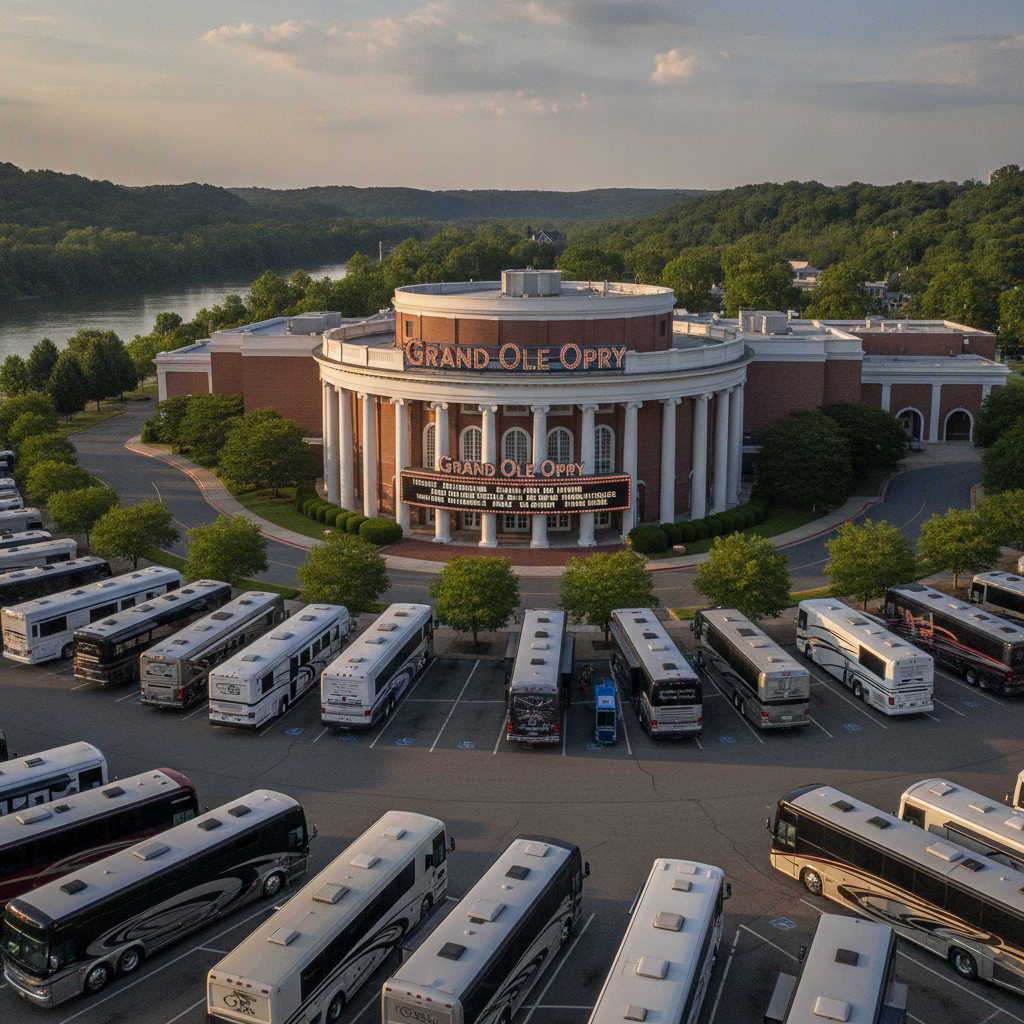
Grand Ole Opry, Country Music Heritage & the Soul of Nashville