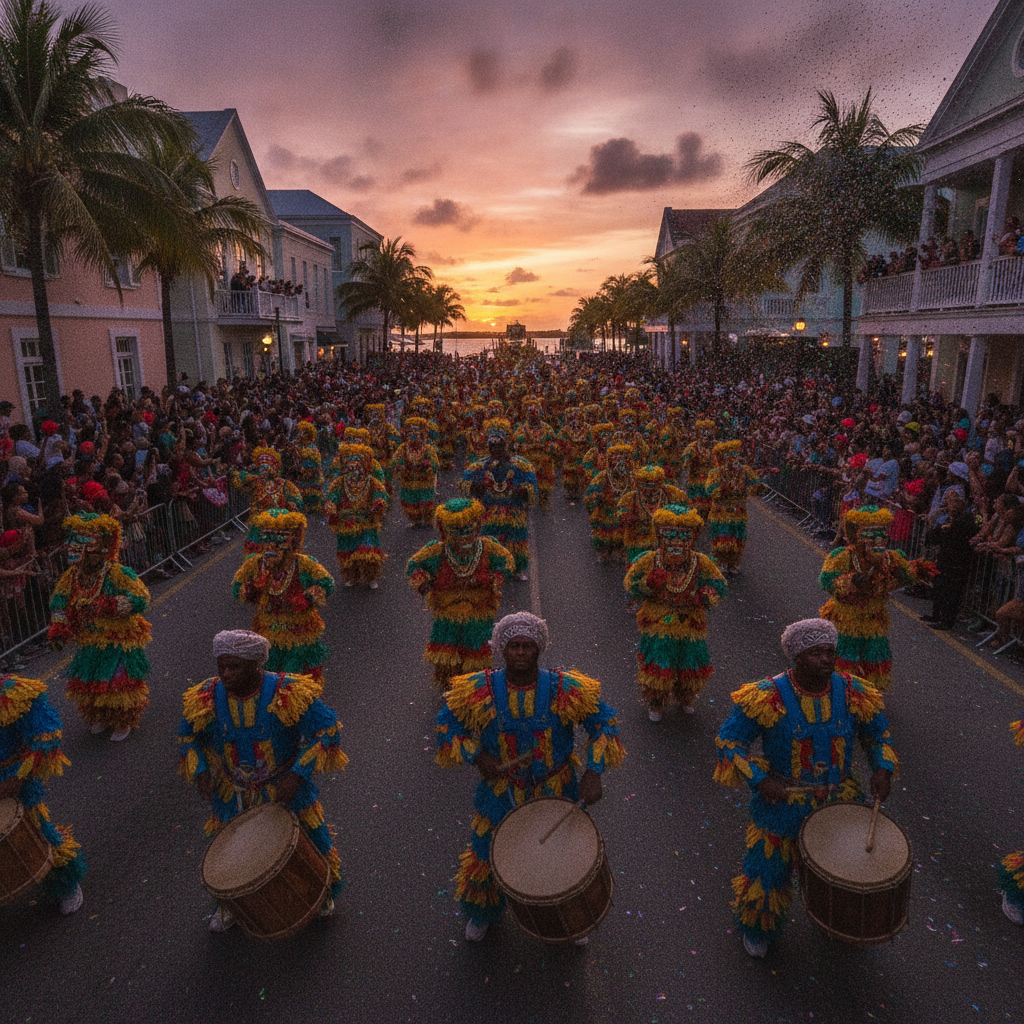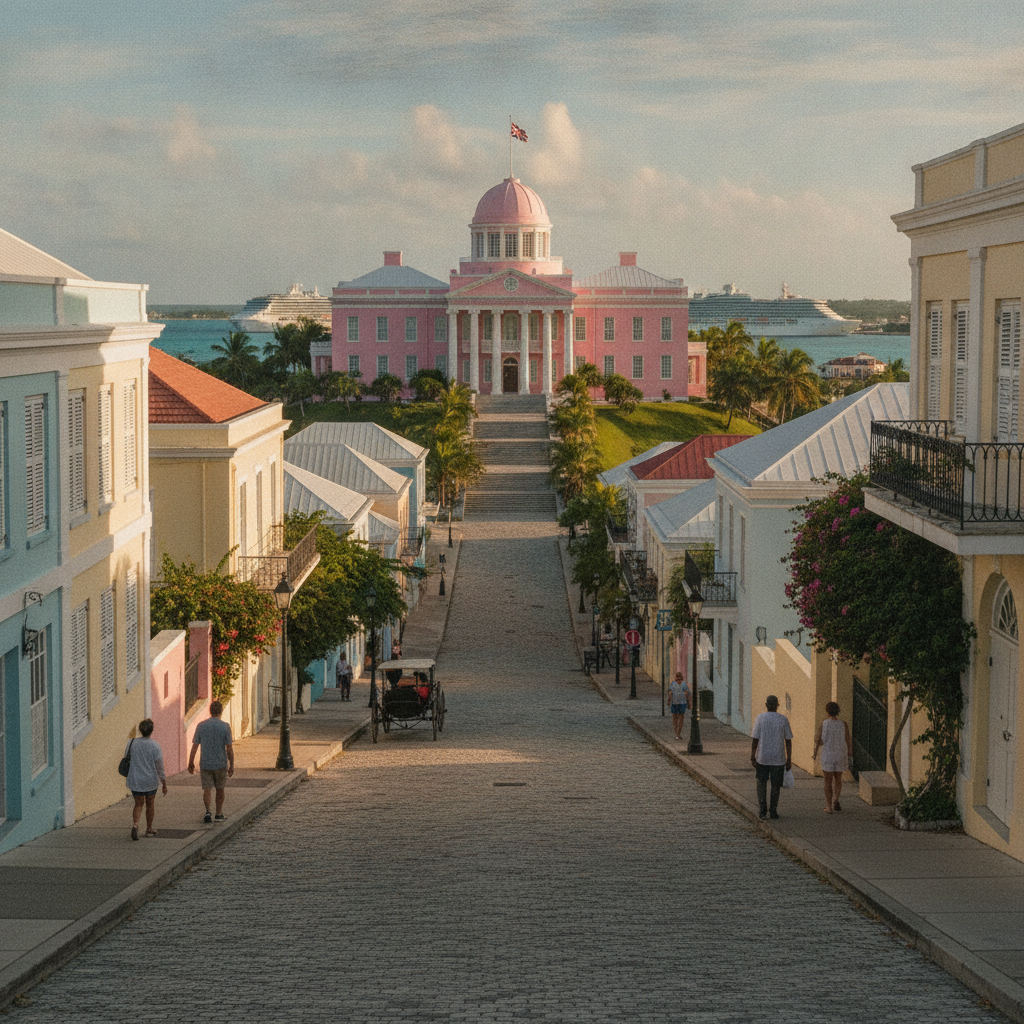
Nassau Practical and Historical: Pirate Heritage, Bahamian Independence, Hurricane Dorian, and the Offshore Financial Center
The historical and practical dimensions of Nassau cover the pirate heritage that Rogers suppressed in 1718, the 1967 Majority Rule that led to independence, the catastrophic Hurricane Dorian of 2019, the Bahamas offshore financial sector, and the coral restoration programs protecting the reef system that sustains the tourism economy.
- 1
Practical Nassau: Getting Around
Nassau is connected to the outer islands by the Bahamas Air and the smaller charter operators from the Nassau Lynden Pindling International Airport, while the islands closest to Nassau including Paradise Island and the out island cays are accessible by water taxi and ferry from the Nassau Wharf. Within Nassau, the jitney minibuses provide the primary public transport and taxis serve the hotel districts of Cable Beach and Paradise Island.
- 2
Bahamas History: Pirates, Privateers, and the Colonial Capital
Nassau's history as a pirate haven in the early 18th century, when figures including Blackbeard and Calico Jack operated from the harbor, ended with the appointment of Woodes Rogers as Royal Governor in 1718 with the mandate to eliminate the piracy that had made Nassau one of the most profitable criminal enterprises in the Atlantic. The piracy heritage is presented in the Pirates of Nassau museum on King Street.
- 3
Bahamian Independence: 1973 and Majority Rule
The Bahamas achieved independence from Britain on July 10, 1973, following the Majority Rule movement that ended white minority political control in 1967 under Lynden Pindling, the first Black prime minister whose 25-year rule transformed the political and economic structure of the independent Bahamas. The Majority Rule Day of January 10 is the most politically significant national day of the Bahamas.
- 4
Hurricane Dorian 2019: The Abaco Catastrophe
Hurricane Dorian struck the Abaco Islands and Grand Bahama in September 2019 as a Category 5 storm with sustained winds of 295 kilometers per hour, the most powerful Atlantic hurricane ever recorded at landfall, killing at least 70 people and displacing approximately 70,000 in the most severe natural disaster in Bahamian history. The recovery of the Abaco communities is ongoing six years after the storm.
- 5
Bahamas Financial Sector: The Offshore Center
Nassau is one of the premier offshore financial centers in the world, with the banking and financial services sector contributing approximately 20 percent of GDP alongside the dominant tourism economy. The Bahamas financial sector, regulated by the Central Bank of the Bahamas with English common law governance, serves the international wealth management market and the hedge fund community in competition with the Cayman Islands and Bermuda.
- 6
Coral Restoration: Reef Recovery Program
The coral reef system of the Bahamas, which supports one of the most biodiverse marine environments in the Atlantic and the tourism economy that depends on the diving and snorkeling experience, has experienced significant bleaching events and disease outbreaks in the past decade. The Bahamas Coral Innovation Hub and the Reef Environmental Education Foundation operate coral restoration programs across the Bahamian reef system.
Walk this route with audio
Stories play automatically as you reach each stop — no tapping needed.
More in Nassau
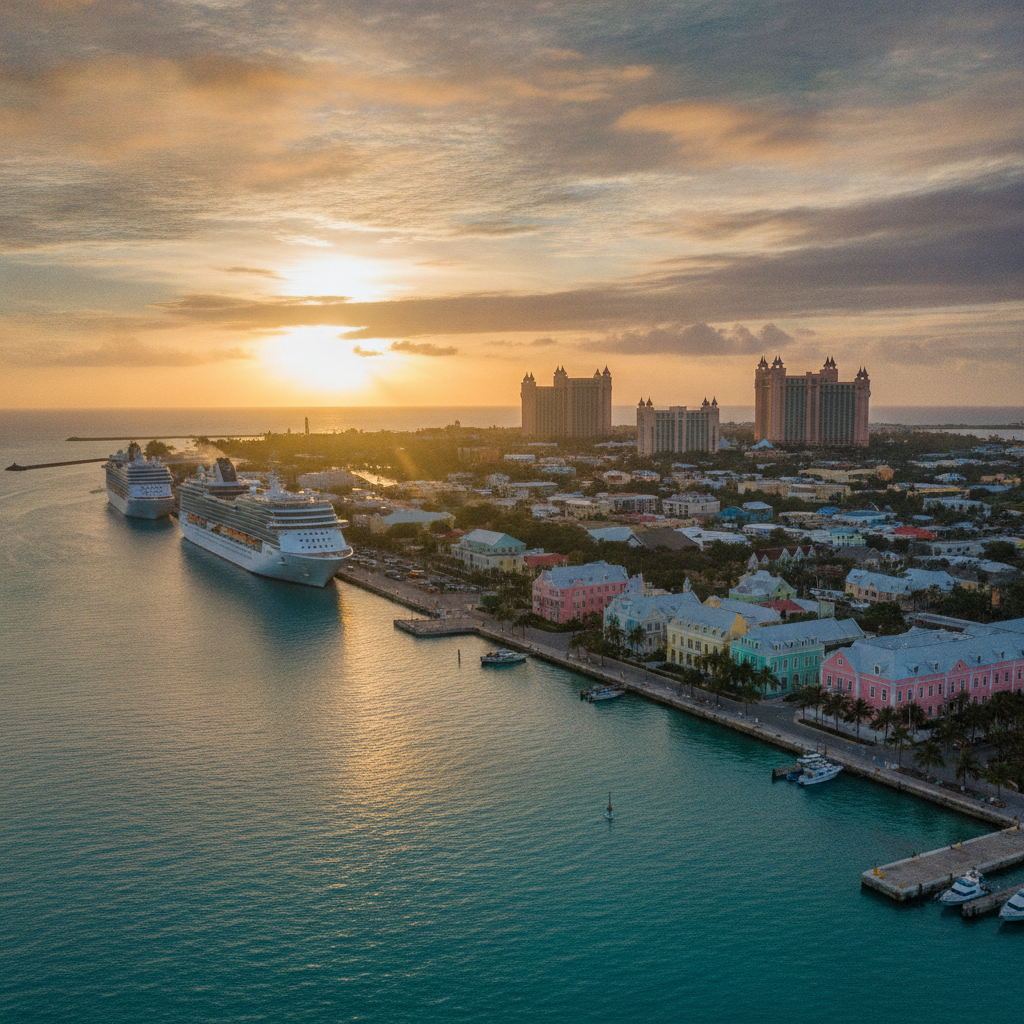
Nassau: Atlantis Paradise Island, Junkanoo Festival, Blue Lagoon Beach, and the Baha Mar Resort
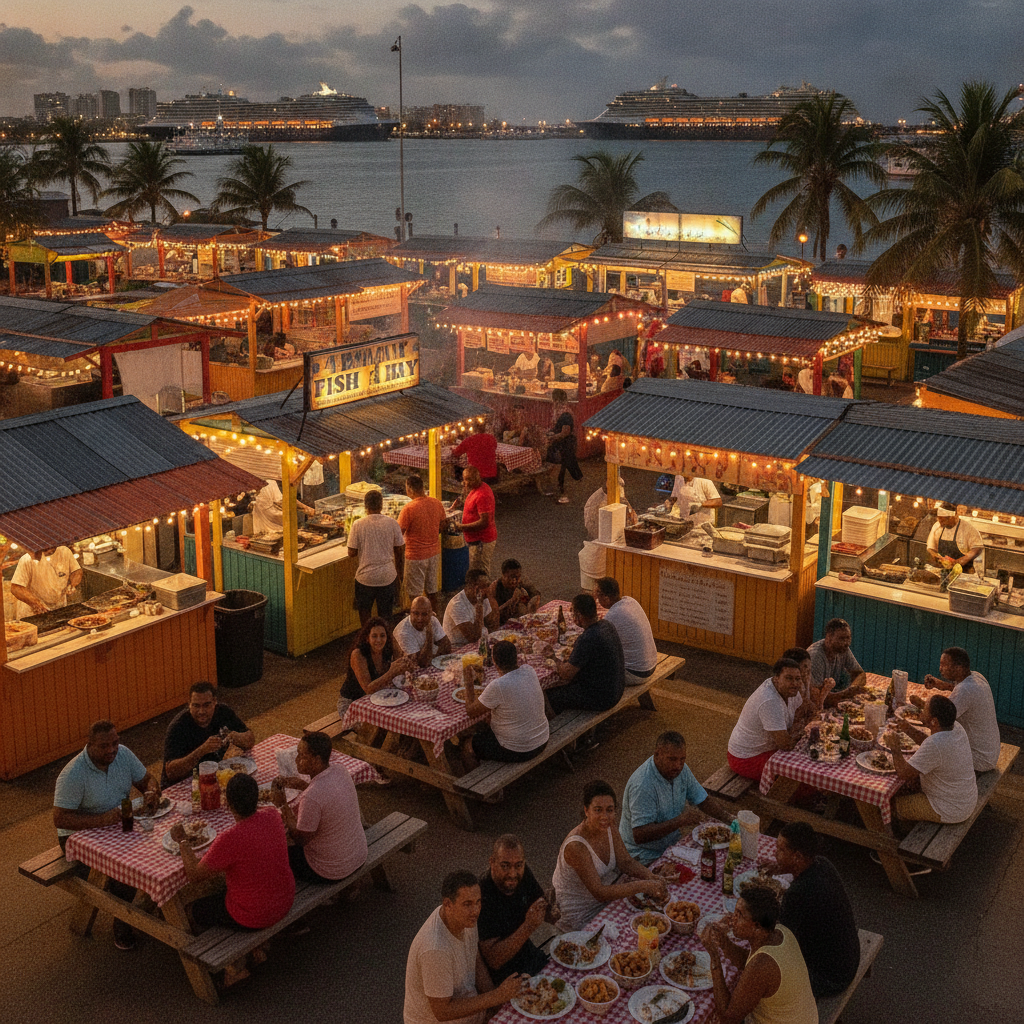
Nassau Activities: Reef Snorkeling, the Graycliff Cigar Hotel, Arawak Cay Fish Fry, Shark Diving, and Dolphin Cay
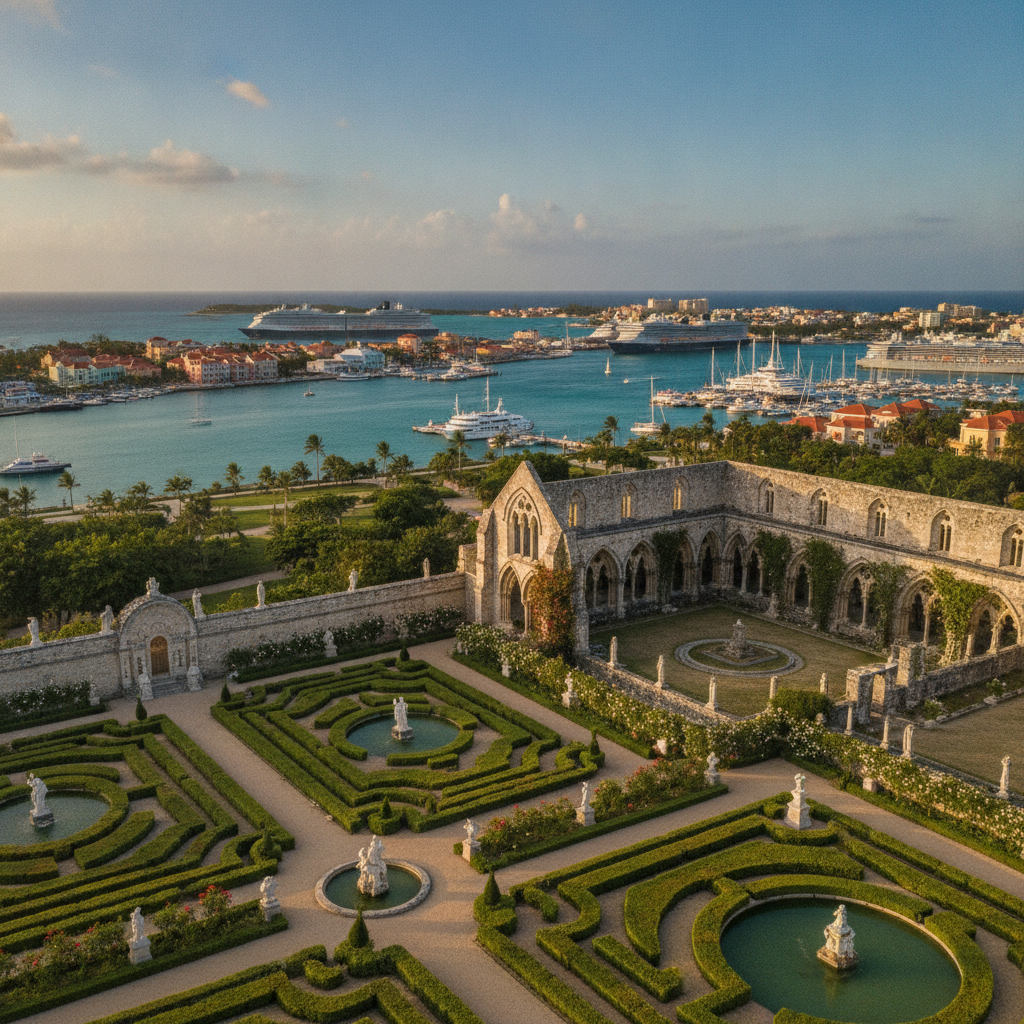
Nassau Culture and Arts: National Art Gallery, Versailles Gardens, Junkanoo Craft, Bay Street Shopping, and Bahamas Golf
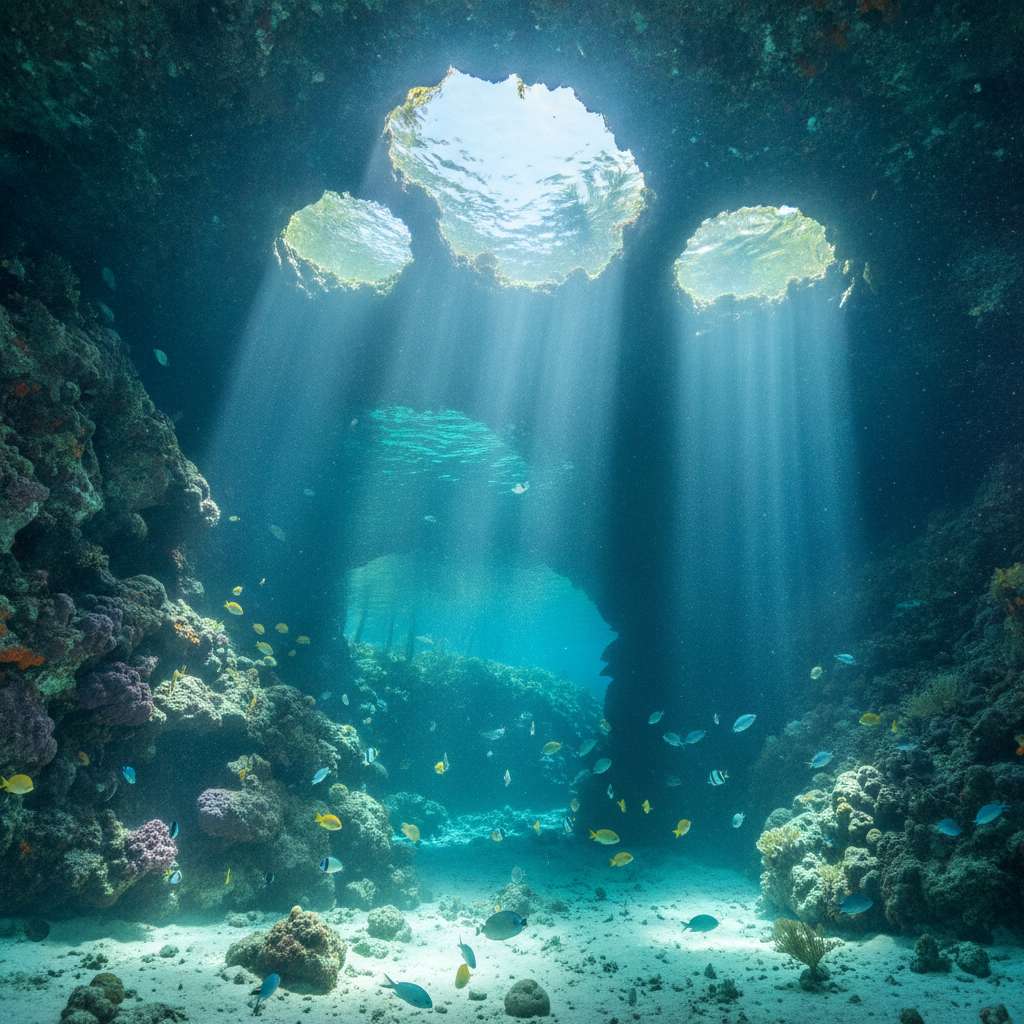
Bahamas Out Islands: Staniel Cay Thunderball Grotto, Cat Island, Long Island Beach, Bimini Fishing, and Columbus San Salvador
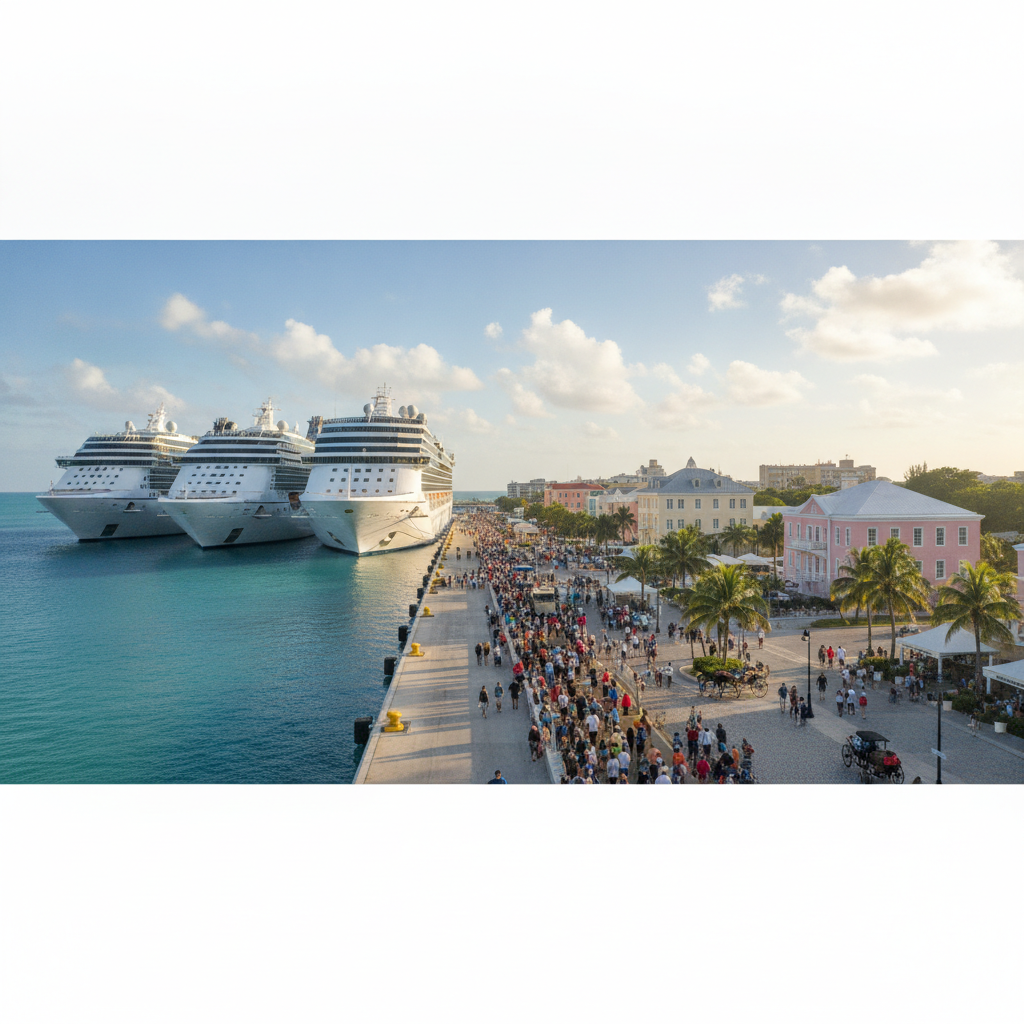
Nassau Practical Guide: Lynden Pindling Airport, Cruise Ship Economy, Hurricane Season, Atlantis Day Pass, and Planning the Out Islands