Nicosia Partition Landmarks: the Abandoned Airport in the Buffer Zone, Cape Greco Sea Caves, UNFICYP World's Longest Mission, the Ledra Palace Hotel Partition History, the Strovilia Corridor Anomaly, and Europe's Last Divided City
The Nicosia partition landmark guide covers the abandoned 1974 airport preserved in the buffer zone, the Cape Greco sea cave kayaking, the UNFICYP 60-year peacekeeping continuity, the Ledra Palace Hotel as the partition's most historically charged building, the Strovilia jurisdictional anomaly, and the profound experience of crossing into Europe's only remaining divided capital.
- 1
Nicosia International Airport: The Abandoned Terminal
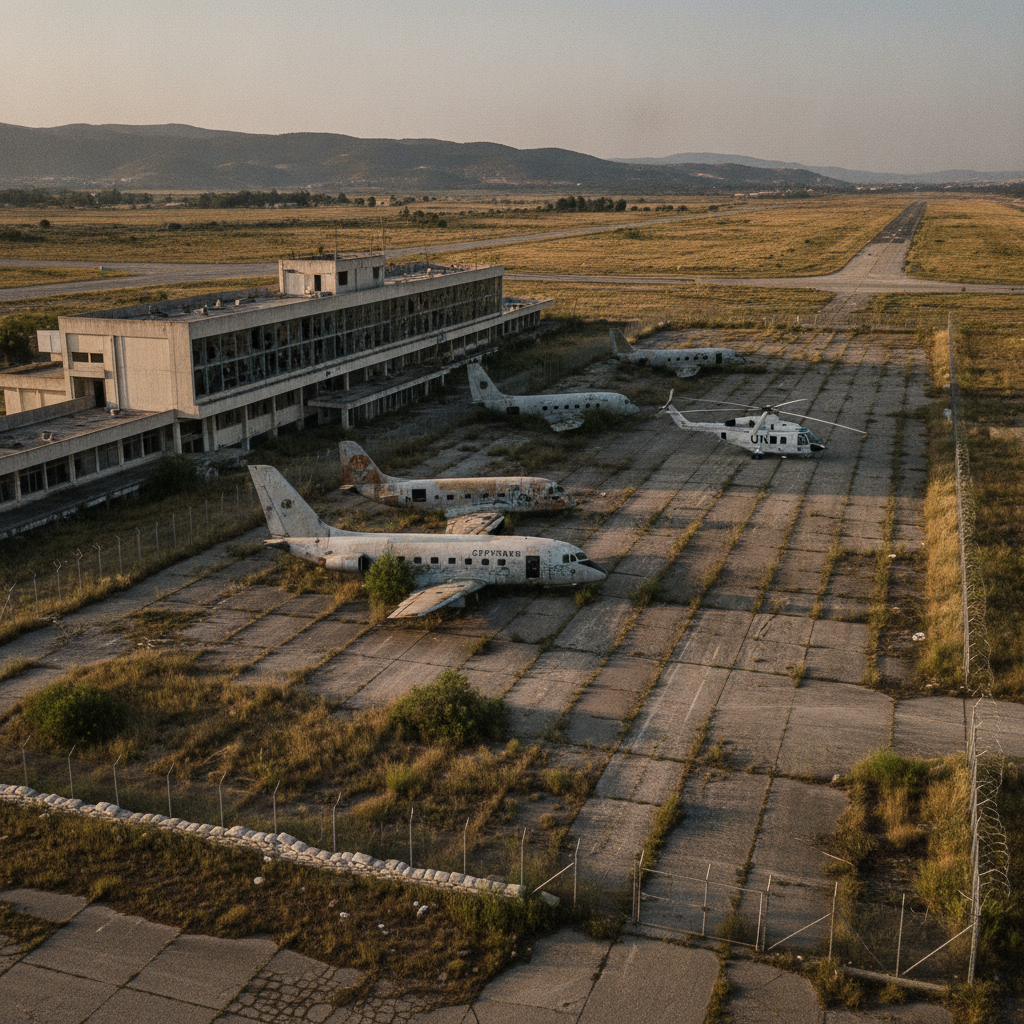
The Nicosia International Airport in the UN Buffer Zone, the former main airport of Cyprus abandoned since 1974 when the Green Line bisected the airport perimeter and the aircraft stopped landing, is the most poignant single site of the Cyprus partition, where the 1960s airport terminal with its original furnishings and the UNFICYP helicopters in the parking bay stand preserved in the amber of the 1974 moment. The airport has been proposed as a neutral venue for the reunification negotiations on multiple occasions.
- 2
Cape Greco: The Sea Caves and the Blue Lagoon
Cape Greco National Forest Park on the southeastern tip of Cyprus, the limestone headland with the sea caves accessible by kayak, the Blue Lagoon natural swimming enclosure, and the two chapels of Agioi Anargyroi and the Chapel of Agia Anna perched on the cliff above the sea, is the most scenically dramatic natural feature of the southeast coast and the preferred destination for the sea kayaking and sea cave exploration that is the most active outdoor experience in the Protaras-Ayia Napa resort zone.
- 3
UNFICYP: The World's Longest UN Mission
The United Nations Peacekeeping Force in Cyprus, established in 1964 initially as a temporary force to prevent communal violence and extended continuously every 6 months since then, is the longest continuously operating UN peacekeeping mission in the world and the most expensive per capita peacekeeping commitment of the United Nations. The UNFICYP mandate of observing and reporting the ceasefire line has remained essentially unchanged since 1974 and the force has become a permanent feature of the Cyprus landscape rather than a temporary buffer.
- 4
The Ledra Palace Hotel: The Partition Landmark
The Ledra Palace Hotel, the grand 1949 hotel in the Nicosia buffer zone that was the most luxurious in Cyprus at the time of the partition and has been used as the UNFICYP headquarters and the intercommunal talks venue since 1974, is the most historically charged building in the Cyprus conflict. The Ledra Palace corridor was the first crossing point opened between the two communities in 2003, before the Ledra Street crossing, and the hotel ballroom hosted the talks that produced the failed 2004 Annan Plan.
- 5
The Strovilia Corridor: The Anomalous Zone
The Strovilia corridor in the east Cyprus buffer zone, a small anomalous area where the British sovereign base area of Dhekelia and the buffer zone create a zone of unusual legal ambiguity where the EU Schengen rules do not apply and the access is controlled by the British military rather than the Cyprus government, is the most obscure jurisdictional puzzle in the EU and the clearest example of the legal complexity created by the 1974 partition in the overlapping sovereignty claims of Cyprus, the UK, the UN, and Turkey.
- 6
Nicosia Summary: Europe's Last Divided City
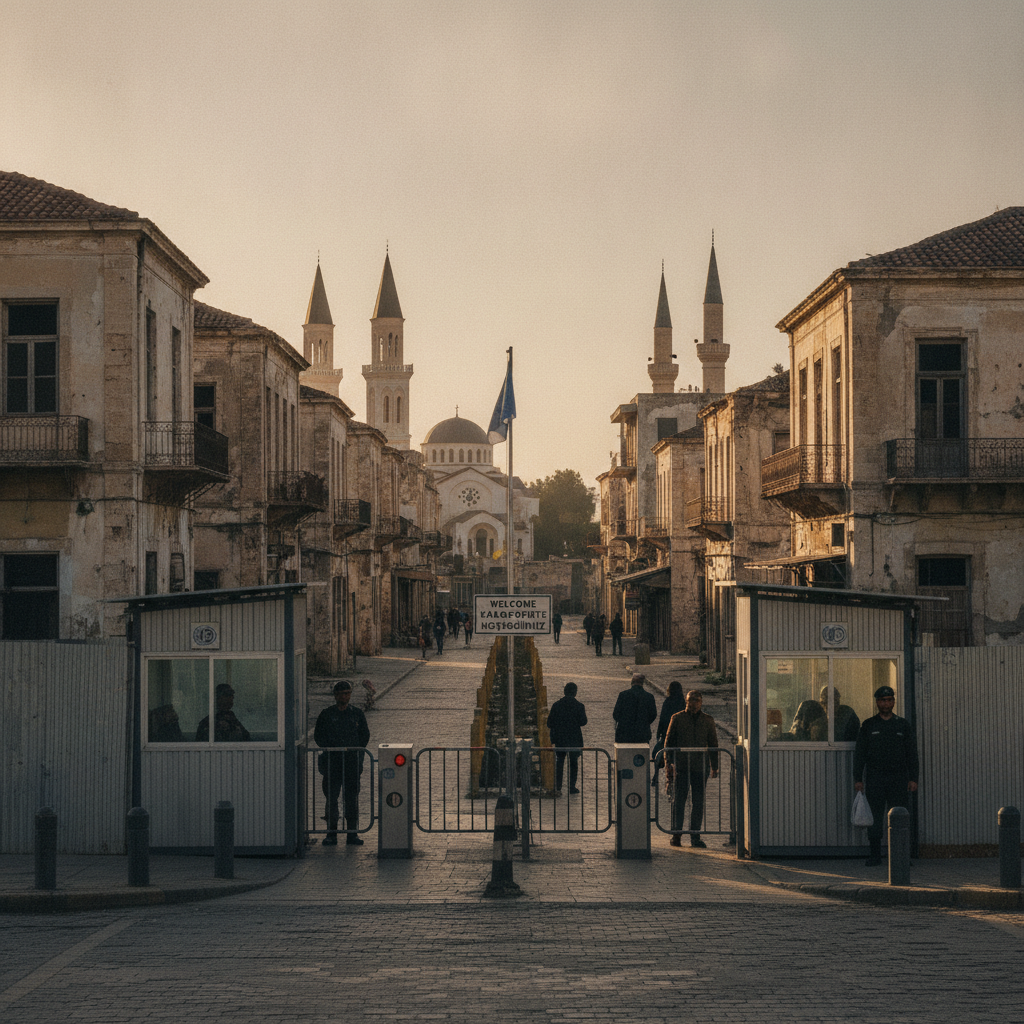
Nicosia, the city divided since 1974 and the only remaining divided capital in Europe after the Berlin reunification of 1990, encapsulates the most unresolved political problem in the European Union and the most tangible daily experience of the Cold War-era partition in the continent. The visitor who crosses the Ledra Street checkpoint, walks through the deserted buffer zone, and emerges into the northern Ottoman city that looks simultaneously familiar and foreign is participating in the most historically immediate experience available in the European Mediterranean and carrying home the most thought-provoking question in European political geography.
Walk this route with audio
Stories play automatically as you reach each stop — no tapping needed.
More in Nicosia
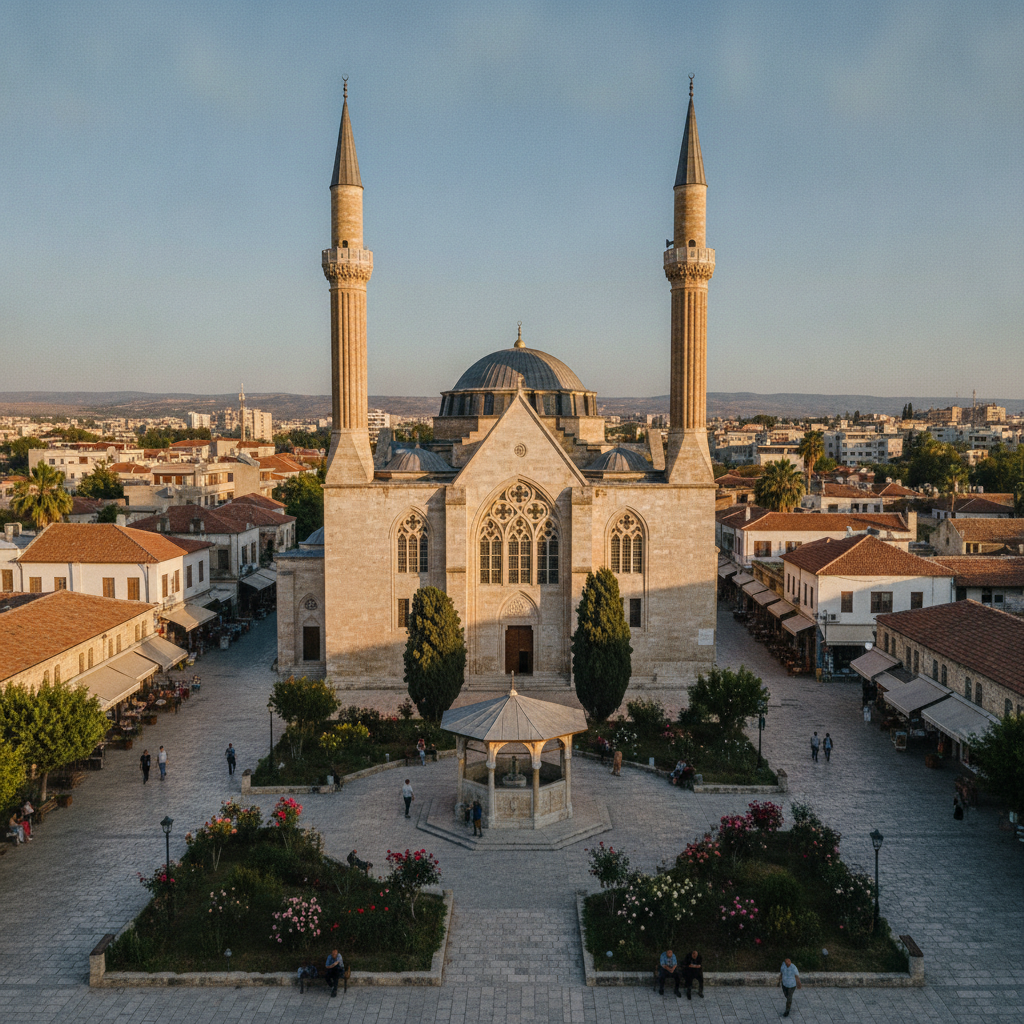
Nicosia and Cyprus Complete: North Nicosia Ottoman Quarter, Paphos Roman Mosaics, Kourion Classical Theatre, Larnaka Flamingo Salt Lake, Cypriot Mezze and Halloumi, and the Old Town Bar Revival
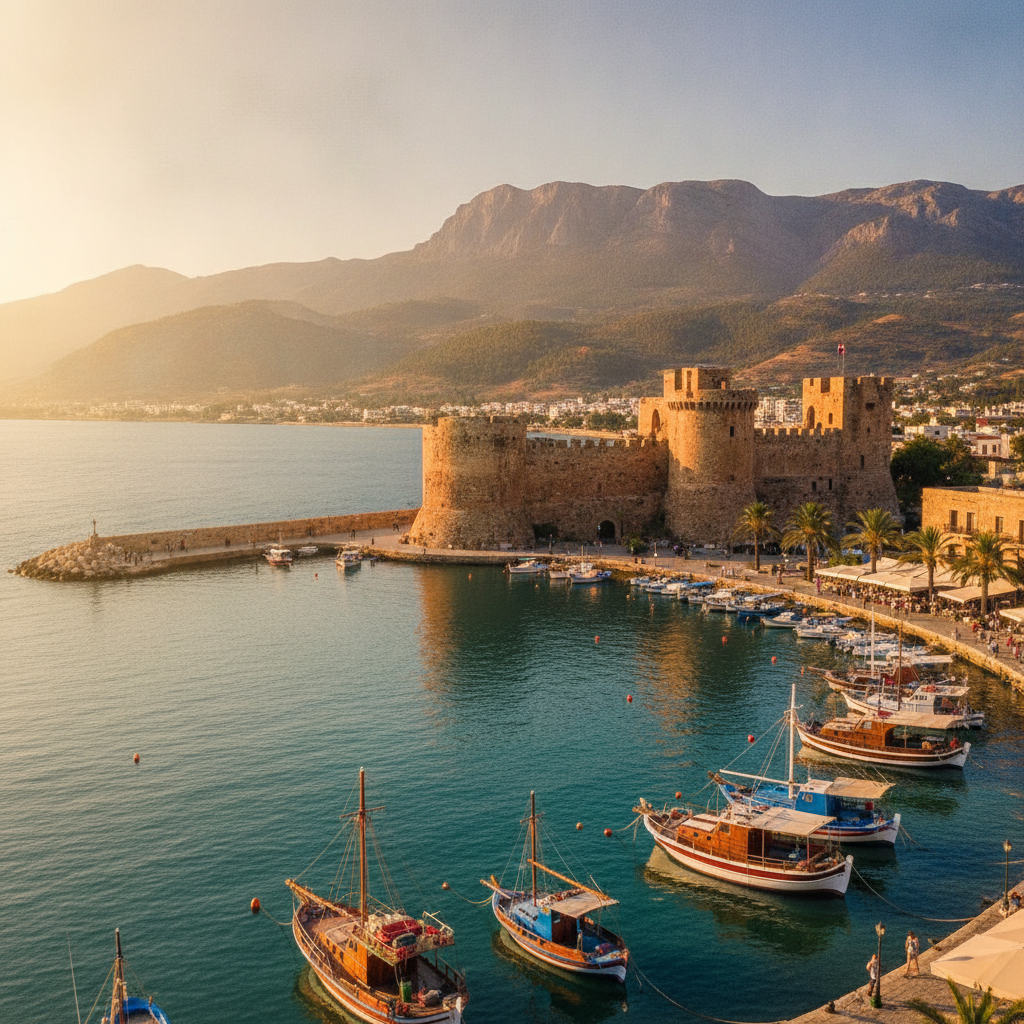
Nicosia Politics and Nature: the Cyprus Frozen Conflict, Famagusta Varosha Ghost City, Kyrenia Crusader Castle, Akamas Peninsula Wild West, Commandaria Oldest Wine, and the Two-Currency Capital Practical Guide
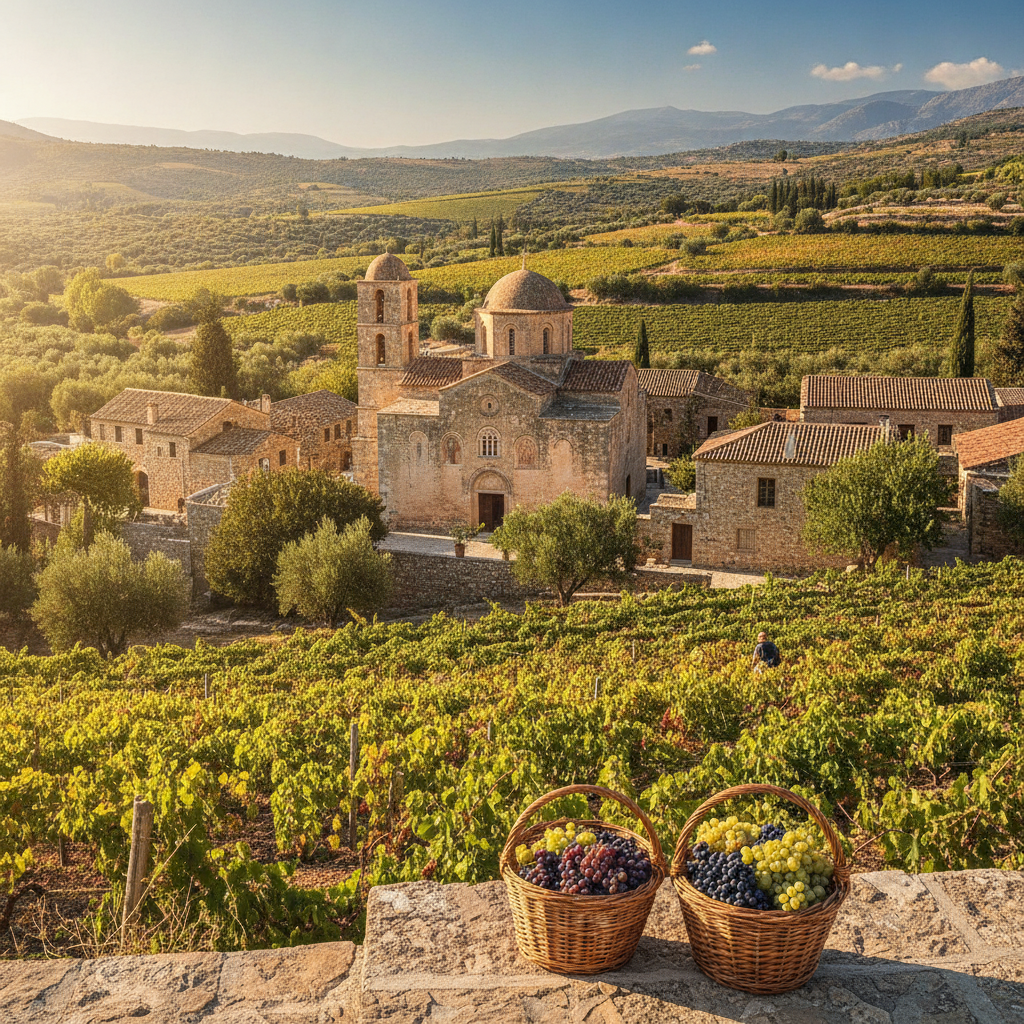
Nicosia Wine and Culture: Krassochoria Wine Villages, Limassol Business Capital, Cyprus Blue Flag Beach Champions, Byzantine Colonial Architecture Layers, the Cyprus-Israel Eastern Mediterranean Partnership, and the Complex Cypriot Identity
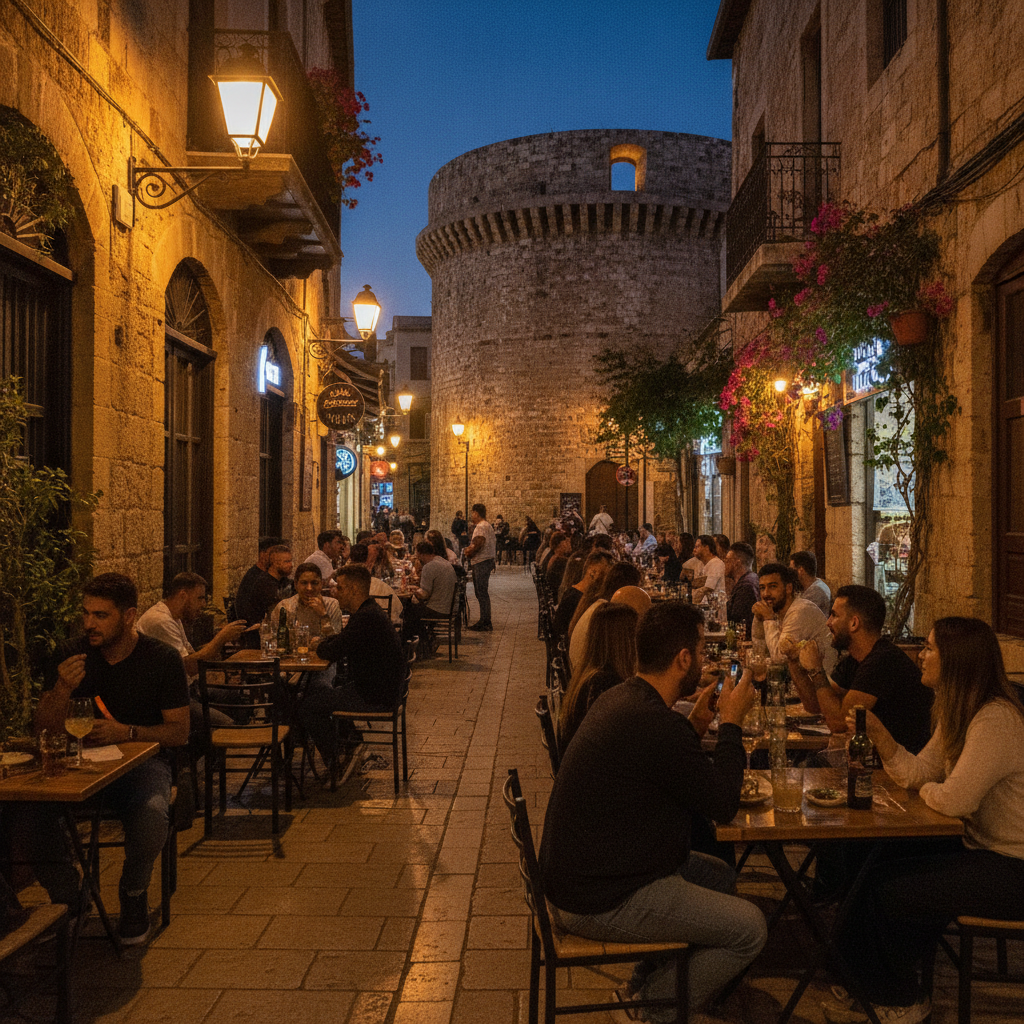
Nicosia Old Town and Coast: Lefkosia Urban Regeneration, Phaneromeni Church Square, the 3-Hour City Walk Circuit, Thalassa Marine Museum, Ayia Napa Club Resort, and Protaras Fig Tree Bay Family Beach
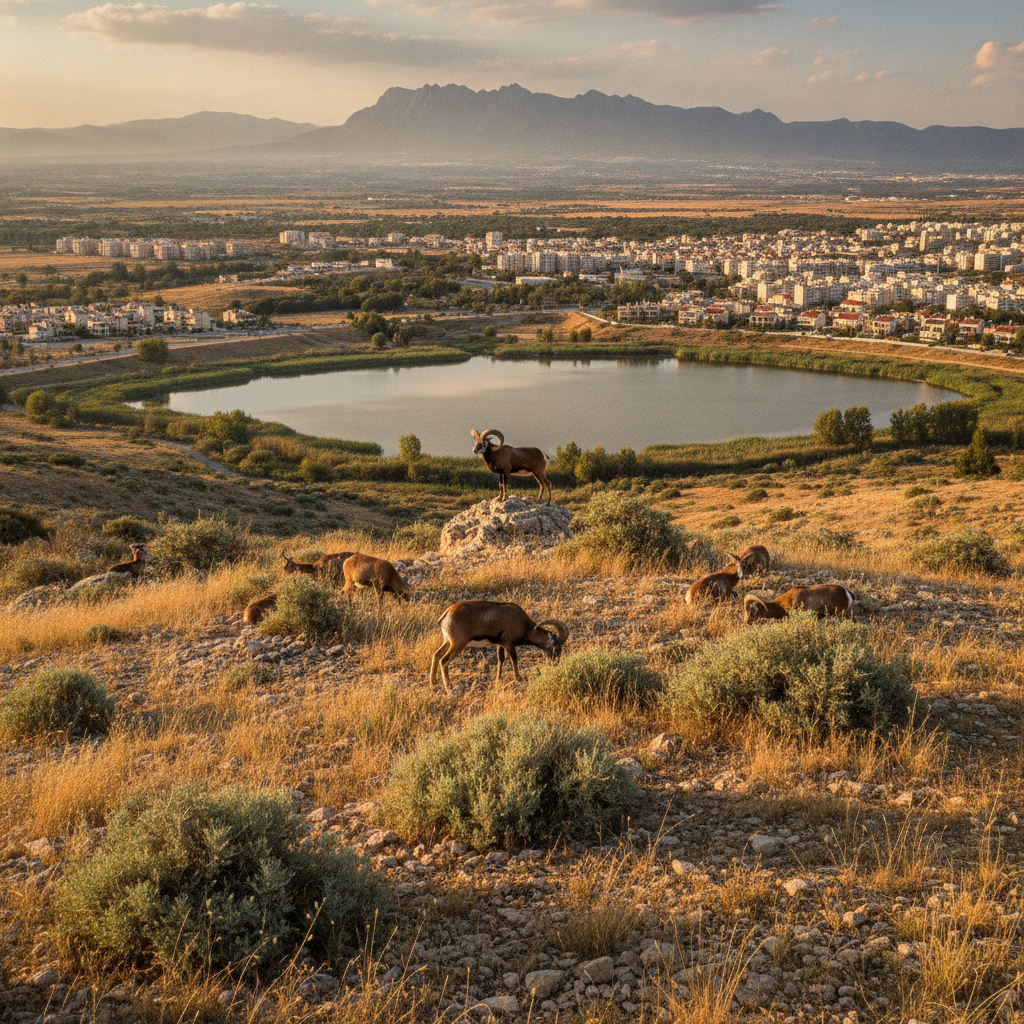
Nicosia Complete: Reunification Future Prospects, Cyprus Endemic Wildlife Mouflon, the 2008 Water Crisis Desalination Response, Leventis Van Gogh Gallery, Nicosia Wine Bar Nightlife, and the EU Eastern Frontier Summary