Nicosia Wine and Culture: Krassochoria Wine Villages, Limassol Business Capital, Cyprus Blue Flag Beach Champions, Byzantine Colonial Architecture Layers, the Cyprus-Israel Eastern Mediterranean Partnership, and the Complex Cypriot Identity
The Nicosia wine and culture circuit covers the indigenous grape Krassochoria wine villages of the Troodos, the Limassol Russian-Israeli business capital, the EU Blue Flag beach quality champions, the Byzantine-Ottoman-British architectural layers of the Venetian walled city, the Cyprus-Israel energy and tourism partnership, and the analysis of the uniquely complex Cypriot Mediterranean crossroads identity.
- 1
Cyprus Wine Route: The Krassochoria Villages
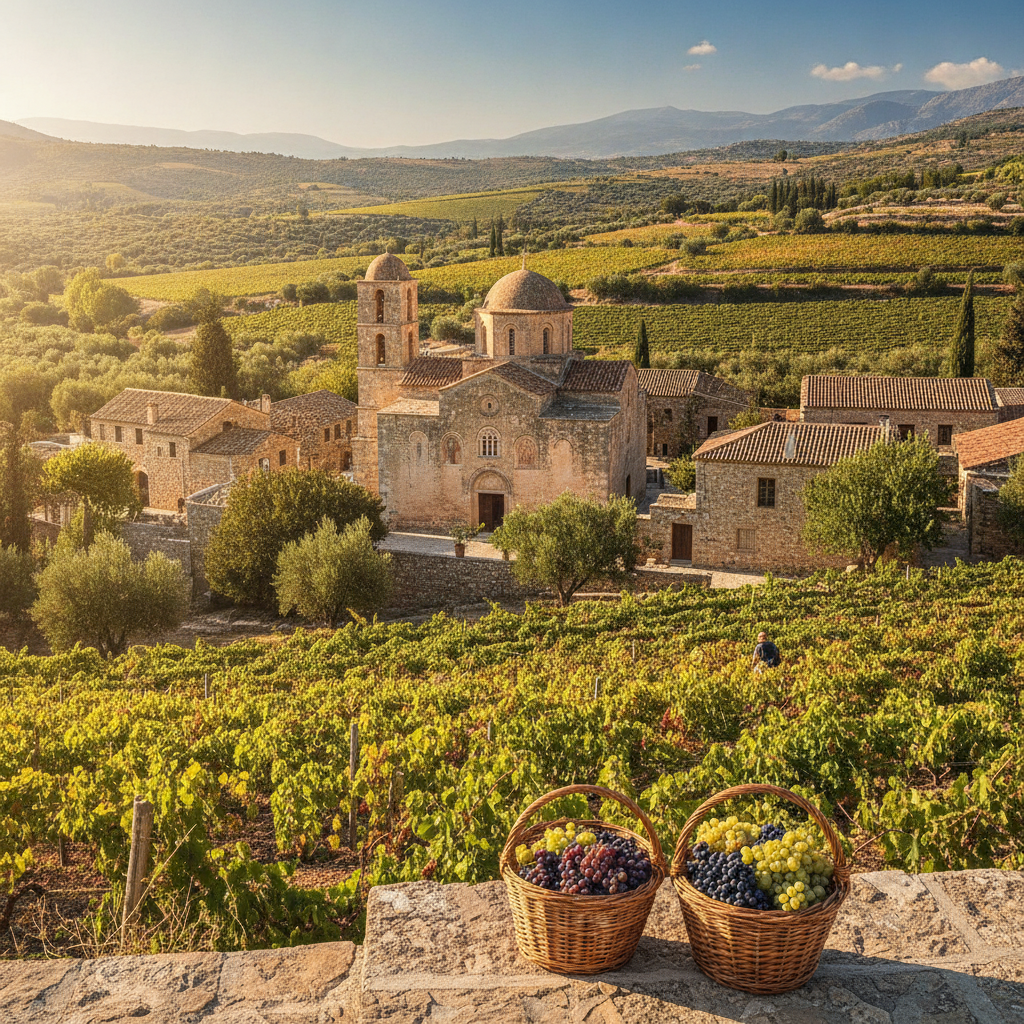
The Krassochoria wine villages of the Limassol district, the traditional winemaking villages of Omodos, Agios Amvrosios, Vouni, and Koilani in the Troodos foothills, produce the indigenous Cyprus grape varieties of Mavro, Xynisteri, and Maratheftiko in the most historically continuous wine region of the eastern Mediterranean. The Omodos village, with the Church of the Holy Cross housing the fragment of the True Cross, is the most visited wine village in Cyprus and the most complete traditional Cypriot village landscape accessible to the visitor.
- 2
Limassol: The Wine and Business Capital
Limassol on the south coast, the second city of Cyprus and the commercial capital of the Cypriot financial and offshore business sector, has developed the most dynamic urban economy in Cyprus through the influx of the Russian and Israeli business communities and the offshore company registrations that have made the Limassol marina the most prosperous new development in Cyprus. The Limassol Carnival in February is the largest carnival celebration in Cyprus and the most socially concentrated public event in the island calendar.
- 3
Cyprus Beaches: The Blue Flag Champions
Cyprus holds more Blue Flag beach certifications per kilometer of coastline than any other EU Mediterranean island, reflecting the water quality management program that has made the Cyprus beaches among the cleanest in the Mediterranean. The best Cyprus beaches include the Nissi Beach at Ayia Napa for the party atmosphere, the Fig Tree Bay at Protaras for the family-friendly clarity, the Coral Bay north of Paphos for the ease of access, and the secluded beaches of the Akamas Peninsula for the naturist and ecotourism combination.
- 4
Nicosia Architecture: The Byzantine and Colonial Layers
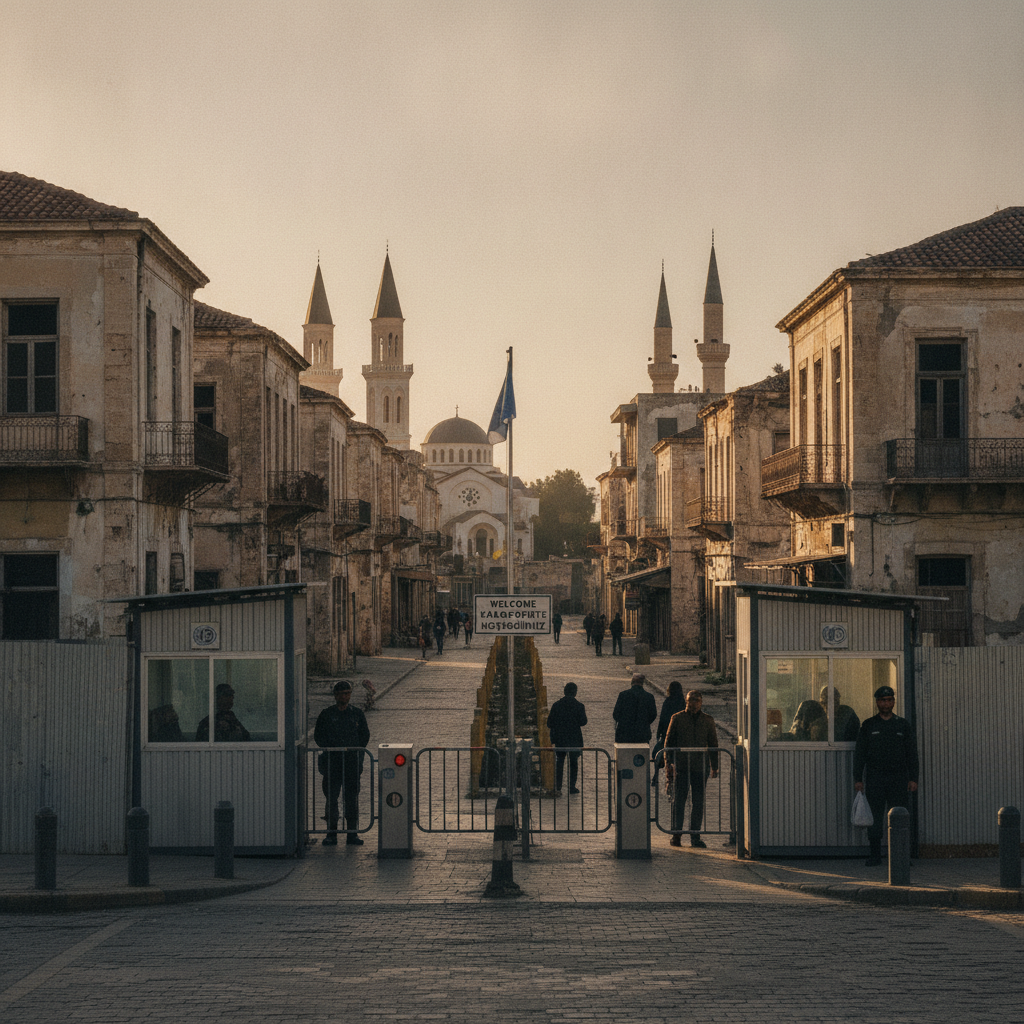
The Nicosia architecture within the Venetian walls encompasses the Byzantine churches converted to mosques during the Ottoman period and returned to Christian use after 1878, the Ottoman hamam and khans of the north sector, the British colonial administrative buildings of the Eleftherias Square, and the contemporary Cyprus banking architecture of the Makarios Avenue commercial district, creating the most archaeologically layered urban environment in the eastern Mediterranean below the Istanbul level.
- 5
Cyprus and Israel: The Eastern Mediterranean Relationship
Cyprus maintains the closest bilateral relationship with Israel of any EU member state, with the Nicosia-Tel Aviv flight corridor one of the most trafficked routes in the eastern Mediterranean, the joint military training exercises, the energy cooperation over the Aphrodite natural gas field in the Exclusive Economic Zone, and the significant Israeli tourist presence in Limassol and Paphos that makes Israel the largest single source of the Cyprus inbound tourism market. The EastMed pipeline proposal to transport Cyprus and Israel natural gas to Europe through the Mediterranean seabed represents the most ambitious energy infrastructure project in contemporary Cyprus history.
- 6
Cypriot Identity: The Mediterranean Crossroads People
The Cypriot identity, shaped by the Greek Orthodox religious culture, the Turkish cultural influence of the Ottoman period, the British colonial administrative legacy, the Levantine commercial tradition, and the awareness of being the most geographically eastern EU member state on the boundary between Europe and the Middle East, is the most culturally complex island identity in the European Mediterranean. The Cypriot capacity to maintain simultaneous cultural connections to Greece, Turkey, the UK, Israel, Lebanon, and the Arab world without being absorbed by any of them is the defining characteristic of the Mediterranean island positioned at the intersection of three continents.
Walk this route with audio
Stories play automatically as you reach each stop — no tapping needed.
More in Nicosia
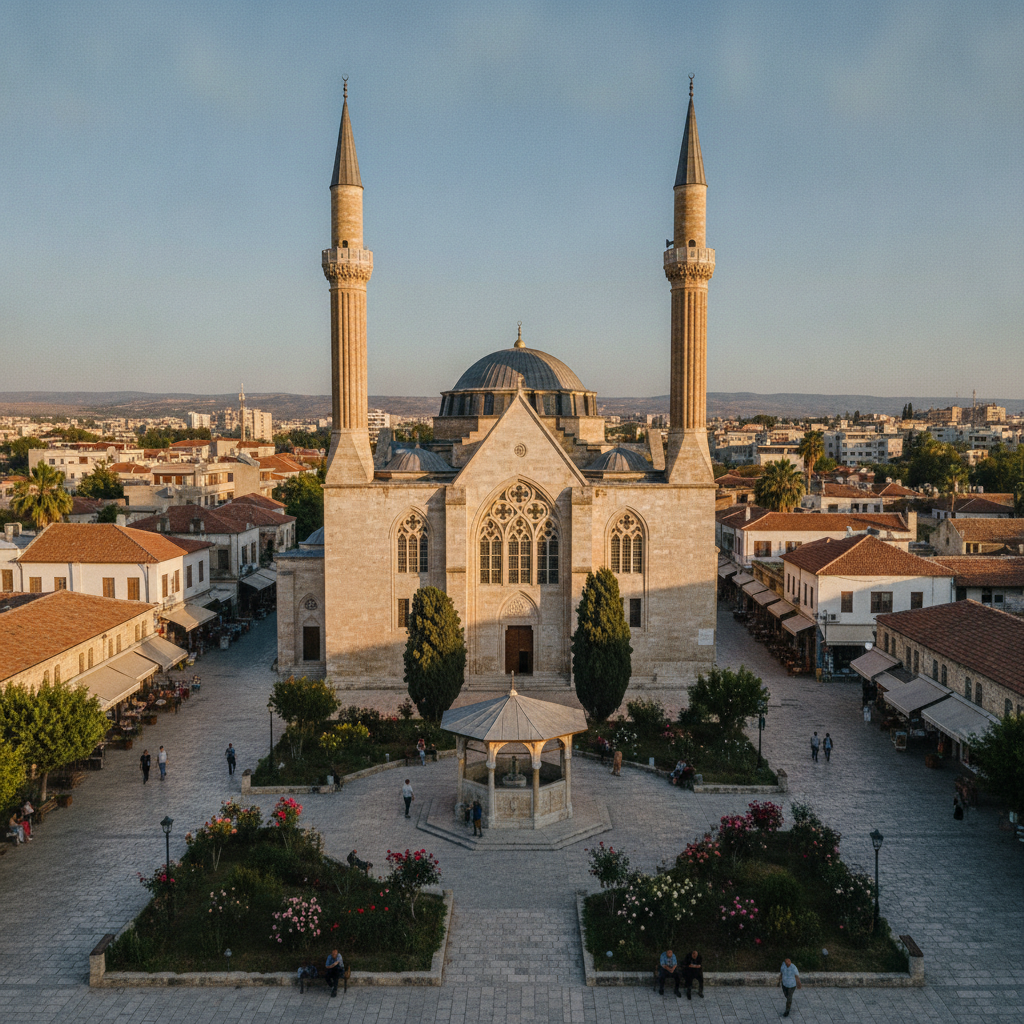
Nicosia and Cyprus Complete: North Nicosia Ottoman Quarter, Paphos Roman Mosaics, Kourion Classical Theatre, Larnaka Flamingo Salt Lake, Cypriot Mezze and Halloumi, and the Old Town Bar Revival
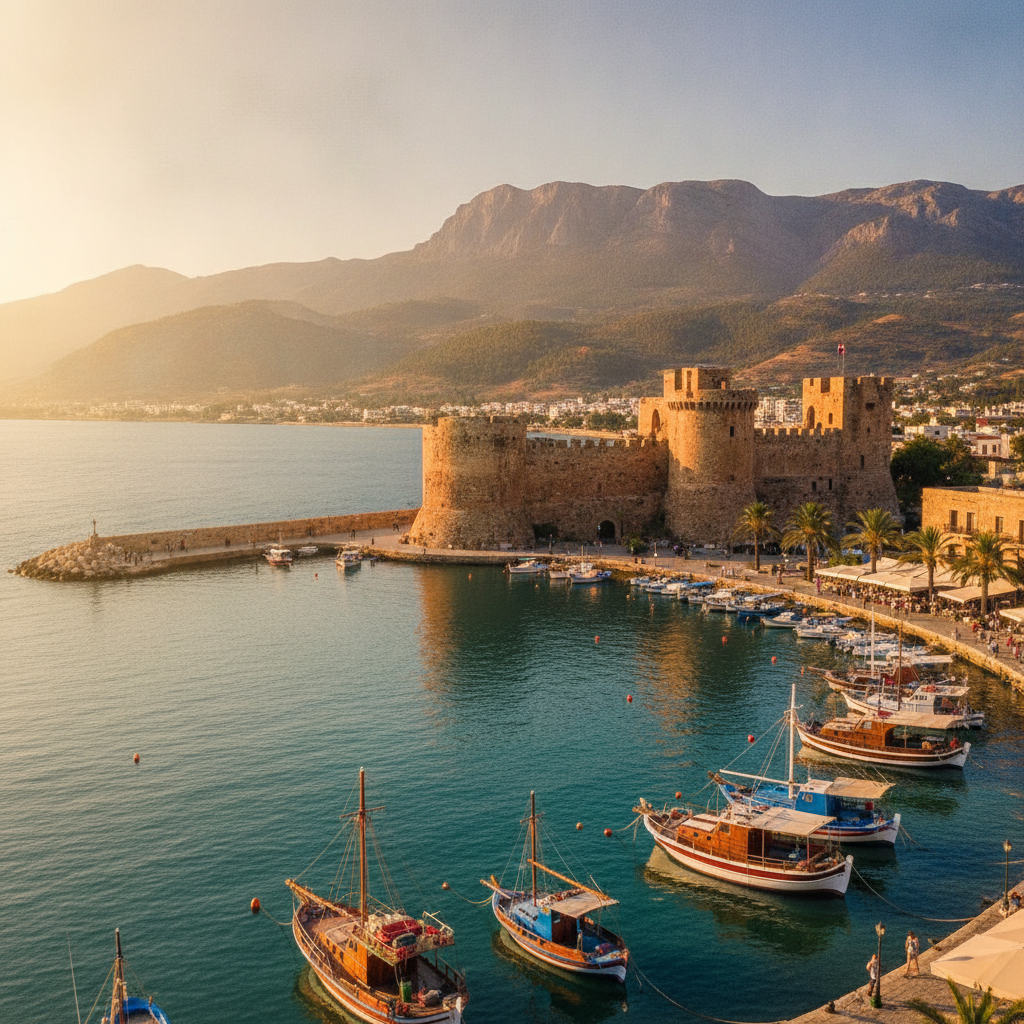
Nicosia Politics and Nature: the Cyprus Frozen Conflict, Famagusta Varosha Ghost City, Kyrenia Crusader Castle, Akamas Peninsula Wild West, Commandaria Oldest Wine, and the Two-Currency Capital Practical Guide
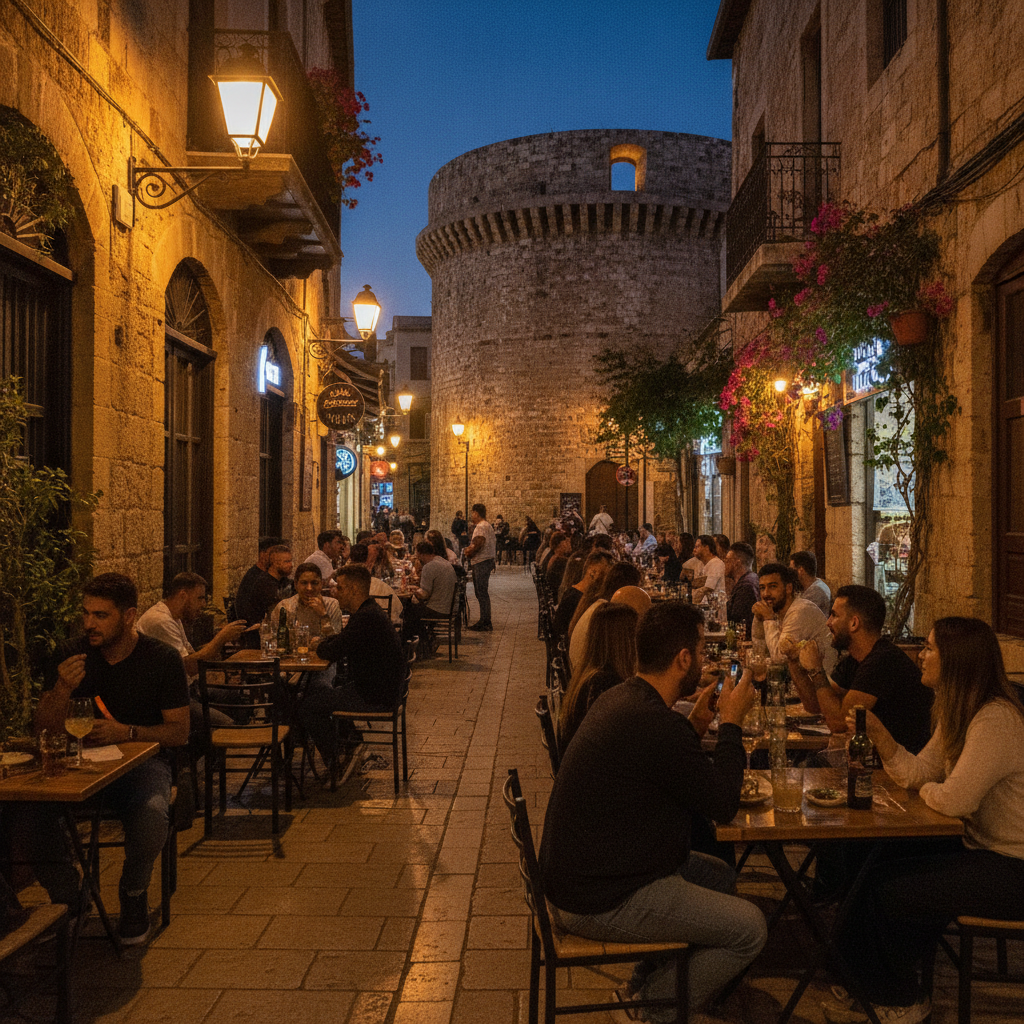
Nicosia Old Town and Coast: Lefkosia Urban Regeneration, Phaneromeni Church Square, the 3-Hour City Walk Circuit, Thalassa Marine Museum, Ayia Napa Club Resort, and Protaras Fig Tree Bay Family Beach
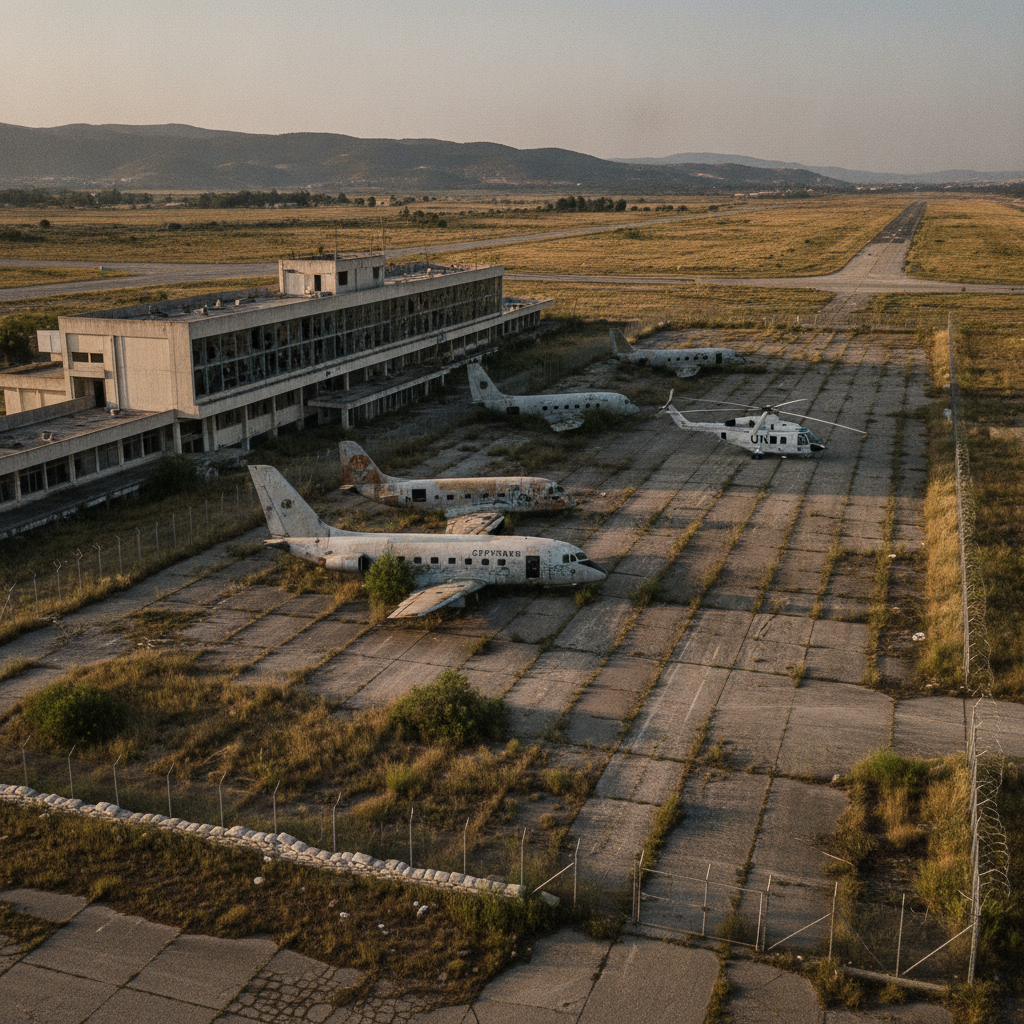
Nicosia Partition Landmarks: the Abandoned Airport in the Buffer Zone, Cape Greco Sea Caves, UNFICYP World's Longest Mission, the Ledra Palace Hotel Partition History, the Strovilia Corridor Anomaly, and Europe's Last Divided City
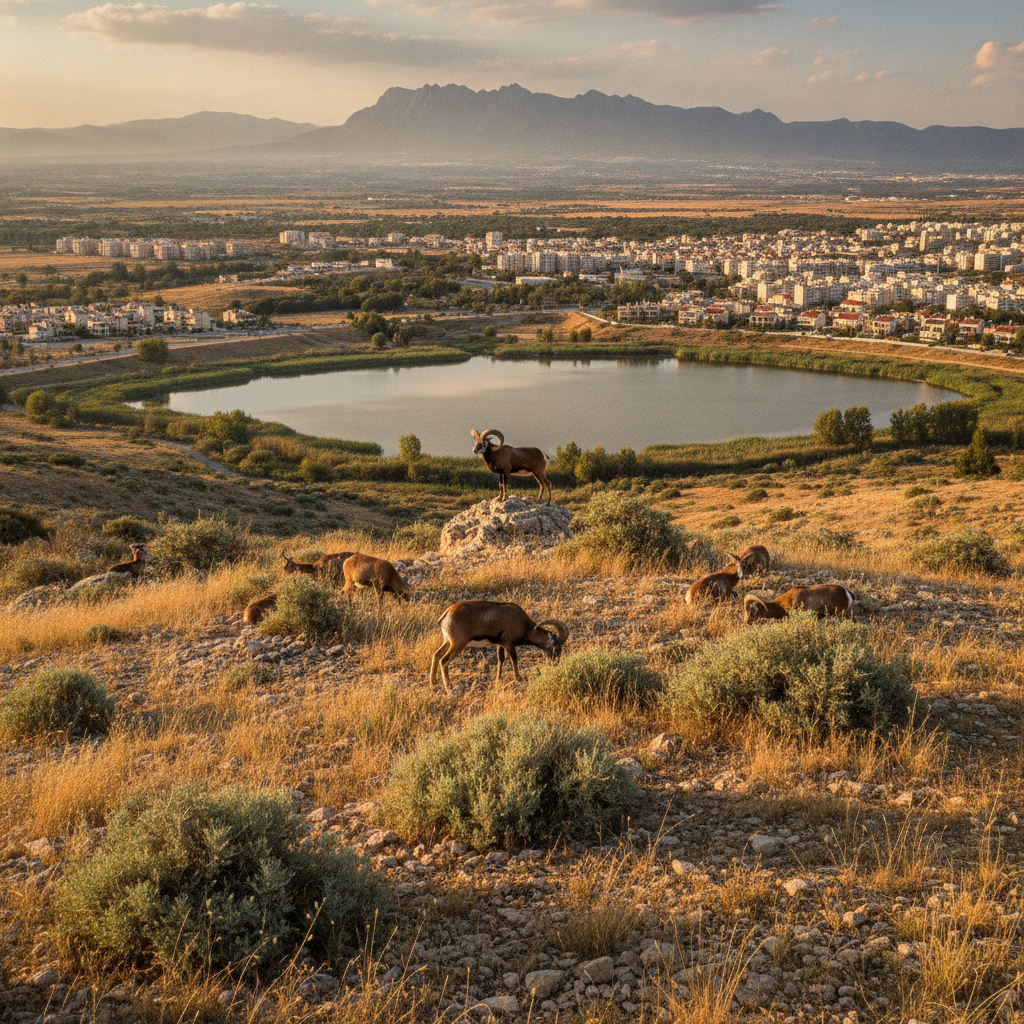
Nicosia Complete: Reunification Future Prospects, Cyprus Endemic Wildlife Mouflon, the 2008 Water Crisis Desalination Response, Leventis Van Gogh Gallery, Nicosia Wine Bar Nightlife, and the EU Eastern Frontier Summary