Nicosia and Cyprus Complete: North Nicosia Ottoman Quarter, Paphos Roman Mosaics, Kourion Classical Theatre, Larnaka Flamingo Salt Lake, Cypriot Mezze and Halloumi, and the Old Town Bar Revival
The full Cyprus experience from Nicosia covers the north Nicosia Ottoman Gothic Selimiye Mosque, the finest Roman mosaics in the eastern Mediterranean at Paphos, the classical Kourion theatre, the Larnaka flamingo salt lake and Islamic pilgrimage site, the halloumi-centered Cypriot mezze tradition, and the revitalized Nicosia old town bar district.
- 1
North Nicosia: The Ottoman Layer
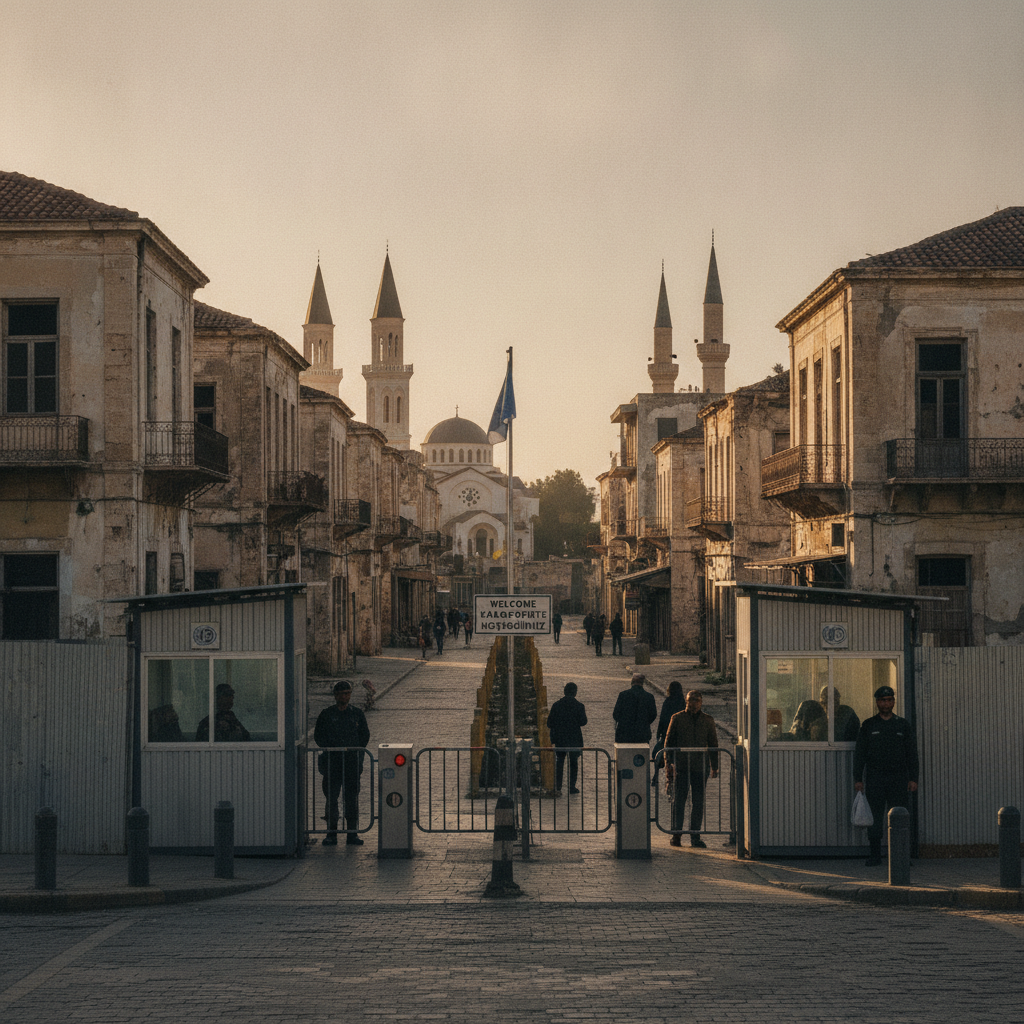
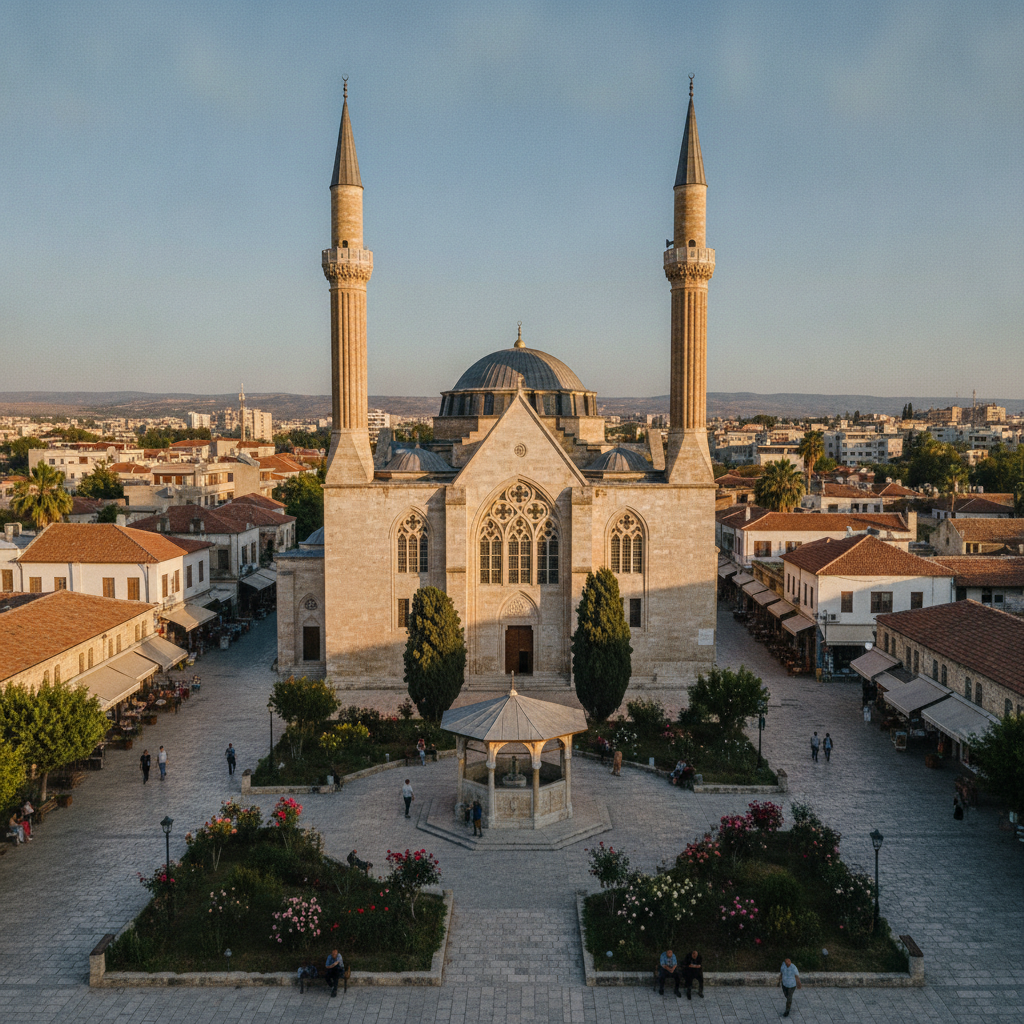
The northern Turkish Cypriot sector of Nicosia, accessible through the Ledra Street crossing, contains the Selimiye Mosque, the Gothic Lusignan Cathedral of St. Sophia converted to a mosque by the Ottomans in 1571 and the finest Gothic structure in Cyprus, the Buyuk Han caravanserai of 1572, the largest Ottoman caravanserai in Cyprus, and the Bedestan covered market in the 14th century Byzantine church, creating the most concentrated ensemble of Ottoman architecture in the eastern Mediterranean outside Istanbul. The northern Nicosia experience requires the Cyprus pound to be exchanged for the Turkish lira at the crossing point.
- 2
The Pafos Archaeological Site: The Aphrodite Island Antiquity
The Paphos Archaeological Park on the western Cyprus coast, a UNESCO World Heritage Site encompassing the Roman mosaic floors of the Houses of Dionysus, of Theseus, and of Aion that are the finest Roman mosaic assemblage in the eastern Mediterranean, the Tombs of the Kings underground necropolis of the 4th century BC, and the Saranta Kolones castle ruins, makes Paphos the most archaeologically significant single site in Cyprus beyond the Nicosia museum. The Paphos mosaics, depicting the mythological scenes of Dionysus and his court, are the most detailed and most colorful surviving Roman mosaic floors in the world.
- 3
Kourion: The Classical Theatre
Kourion on the southwest coast of Cyprus, the ancient city-kingdom with the classical theatre rebuilt by the Romans in the 2nd century AD and still used for summer performances, the House of Eustolios with the Byzantine mosaic floors, and the Sanctuary of Apollo Hylates, one of the best-preserved Greek sanctuaries in the eastern Mediterranean, creates the most complete Greco-Roman city ruin experience in Cyprus. The Kourion theatre sunset performance is the most romantically atmospheric event in the Cyprus cultural calendar.
- 4
Larnaka: The Salt Lake and the Hala Sultan Tekke
Larnaka on the southeast coast, the airport gateway to Cyprus, has the Hala Sultan Tekke mosque on the edge of the Larnaka Salt Lake as the most sacred Islamic site in Cyprus and the fourth holiest in the Islamic world, where Umm Haram, the aunt of the Prophet Muhammad, is buried. The Larnaka Salt Lake, which turns pink in winter with the flamingo flocks that feed in the shallow saline water, is the most spectacular natural sight in the lowland Cyprus landscape and the primary birdwatching destination on the island.
- 5
Cypriot Cuisine: Mezze and Halloumi
The Cypriot mezze, the traditional meal format of 30 or more small dishes served over 2 to 3 hours in the traditional taverna, including the grilled halloumi, the koupepia stuffed vine leaves, the souvla slow-roasted lamb, the sheftalia sausage, the trahanas sour soup, and the fresh salads and dips of the village kitchen, is the most complete and most social Mediterranean eating tradition available in the eastern Mediterranean. The halloumi cheese, the semi-hard cheese from Cyprus milk that is the island's most internationally exported product, is the most widely recognized Cypriot cultural ambassador.
- 6
Nicosia After Dark: The Old Town Bars
The Nicosia old town within the Venetian walls, where the Onasagorou Street bar and restaurant district and the Ermou Street tavernas have been revitalized in the past decade as the most social urban area of the Cypriot capital, provides the evening experience that contrasts with the partition politics of the daytime green line crossing. The bars and the restaurants of the old town serve the Cypriot wine from the Commandaria, the oldest named wine in the world in continuous production since 800 BC, and the local Keo Beer.
Walk this route with audio
Stories play automatically as you reach each stop — no tapping needed.
More in Nicosia
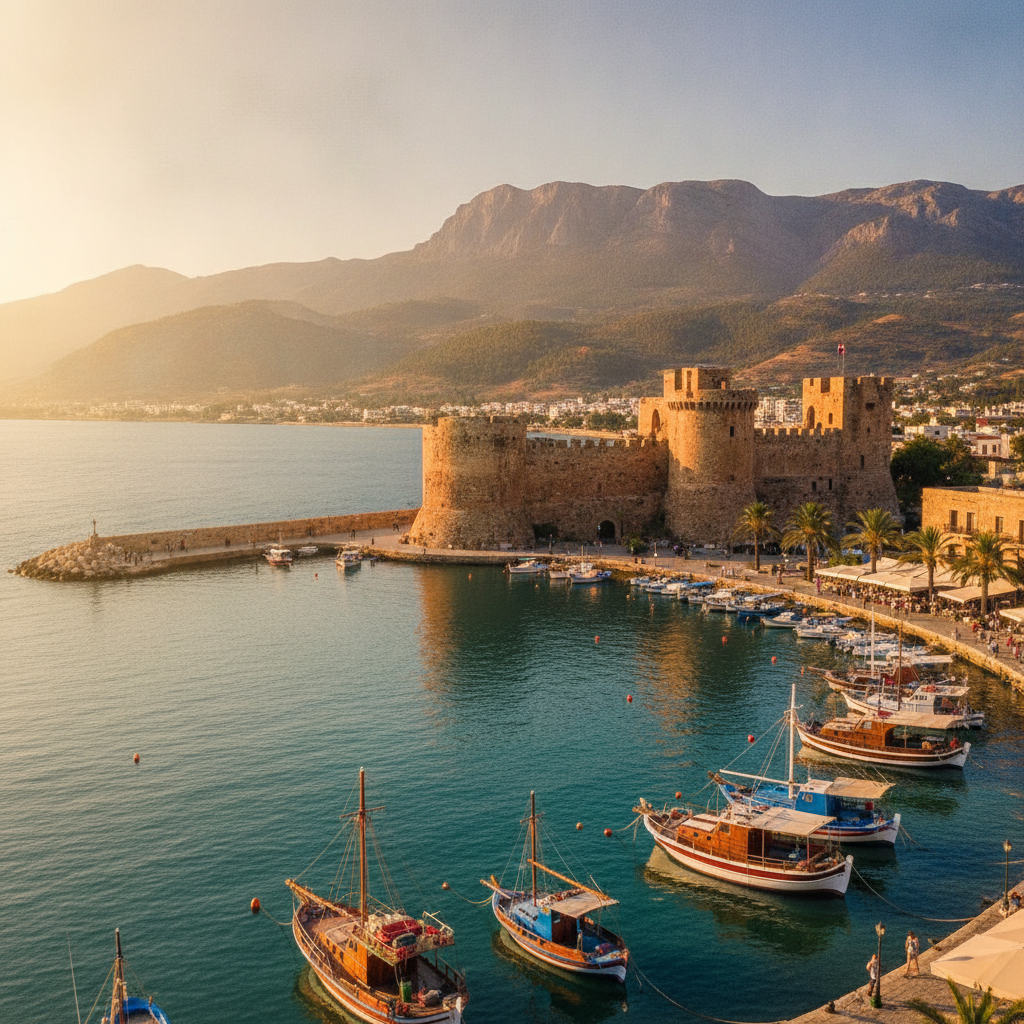
Nicosia Politics and Nature: the Cyprus Frozen Conflict, Famagusta Varosha Ghost City, Kyrenia Crusader Castle, Akamas Peninsula Wild West, Commandaria Oldest Wine, and the Two-Currency Capital Practical Guide
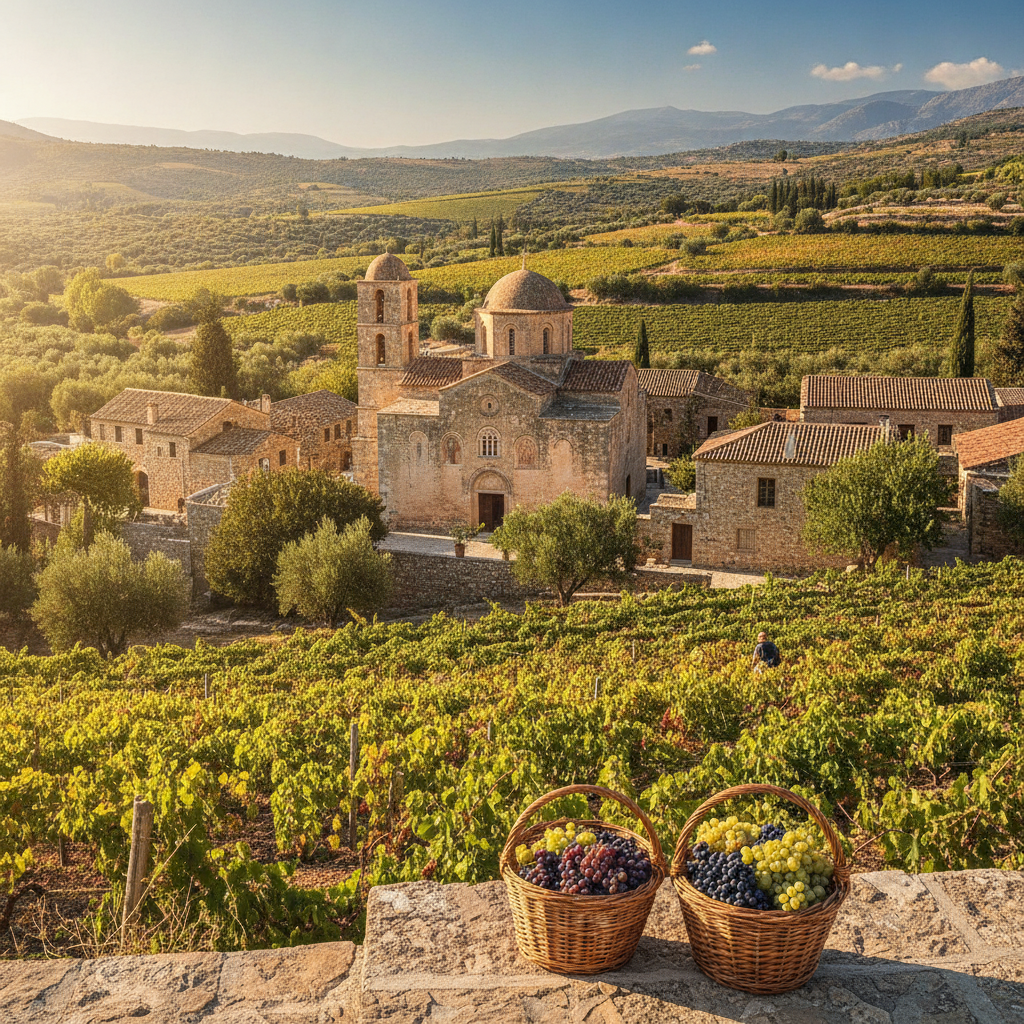
Nicosia Wine and Culture: Krassochoria Wine Villages, Limassol Business Capital, Cyprus Blue Flag Beach Champions, Byzantine Colonial Architecture Layers, the Cyprus-Israel Eastern Mediterranean Partnership, and the Complex Cypriot Identity
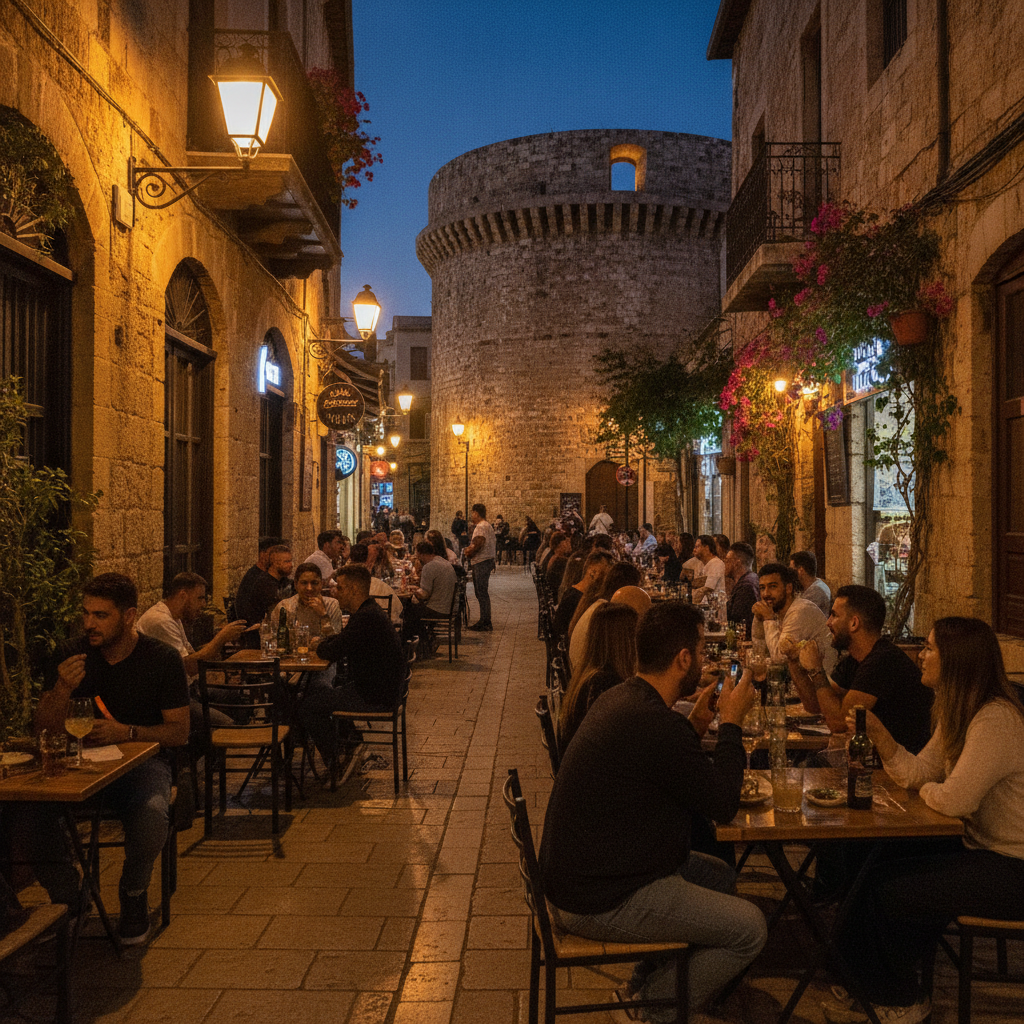
Nicosia Old Town and Coast: Lefkosia Urban Regeneration, Phaneromeni Church Square, the 3-Hour City Walk Circuit, Thalassa Marine Museum, Ayia Napa Club Resort, and Protaras Fig Tree Bay Family Beach
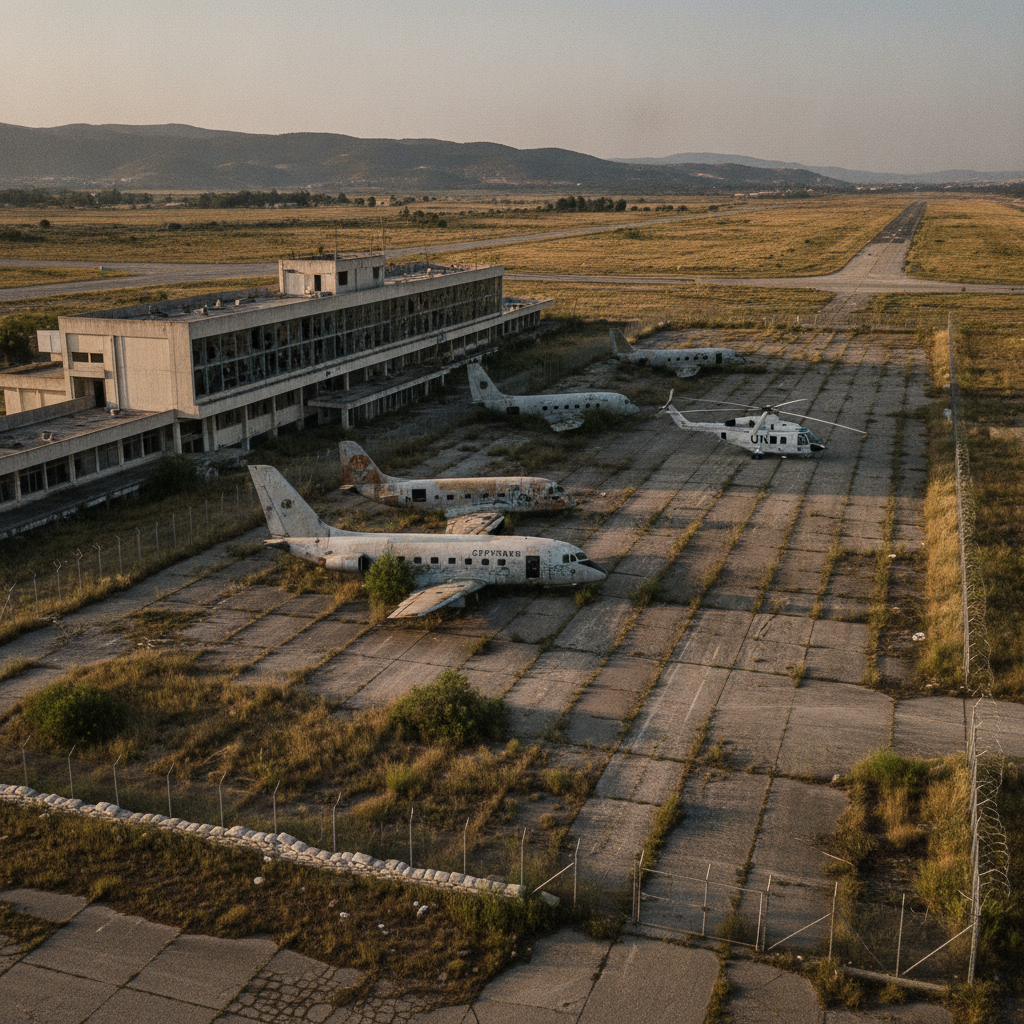
Nicosia Partition Landmarks: the Abandoned Airport in the Buffer Zone, Cape Greco Sea Caves, UNFICYP World's Longest Mission, the Ledra Palace Hotel Partition History, the Strovilia Corridor Anomaly, and Europe's Last Divided City
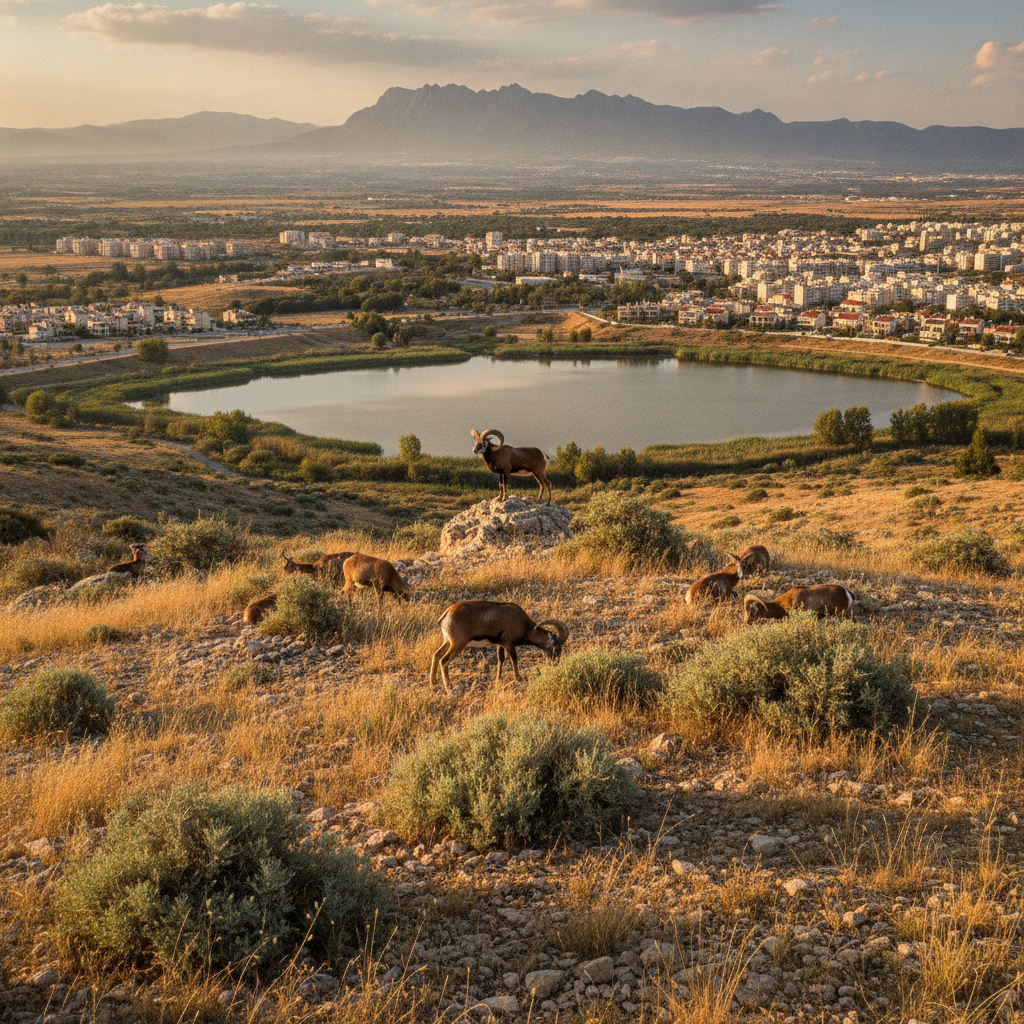
Nicosia Complete: Reunification Future Prospects, Cyprus Endemic Wildlife Mouflon, the 2008 Water Crisis Desalination Response, Leventis Van Gogh Gallery, Nicosia Wine Bar Nightlife, and the EU Eastern Frontier Summary