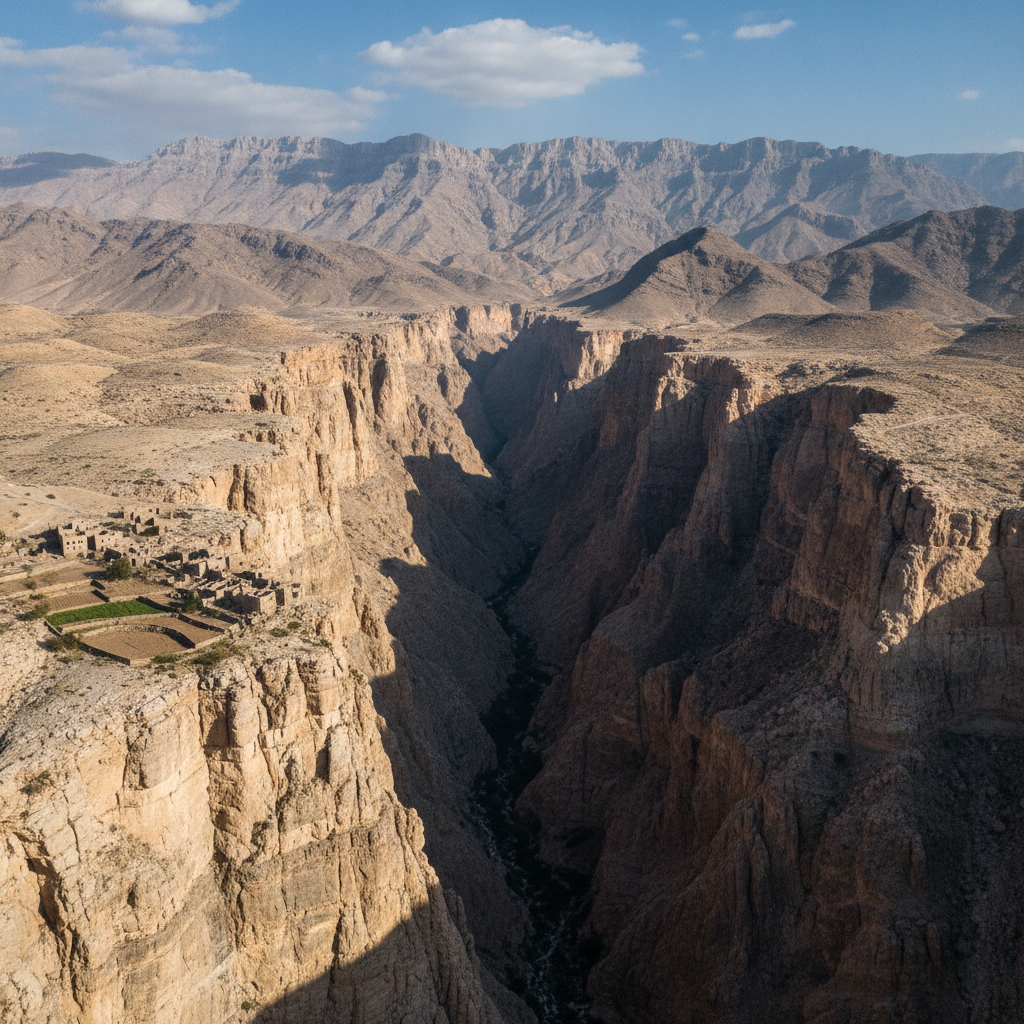
Nizwa Ancient: The Copper Age Origins, the Ancient Arabian Trade Routes, the Omani Maritime Empire, and the Most Archaeologically Rich Single Omani Interior
The Nizwa ancient route covers the Copper Age origins as the most archaeologically ancient single Omani civilization evidence, the ancient Arabian trade routes, the Omani maritime empire, and the most archaeologically rich single Omani interior.
- 1
Copper Age Oman: The Ancient Magan Civilization
The Copper Age Oman (the most archaeologically significant single ancient Omani civilization known as Magan in the most specifically Sumerian single cuneiform trade records from approximately 2500 BC, the most extensively copper-ore-rich single ancient mining region in the Hajar Mountains supplying the most specifically copper-hungry single Mesopotamian civilization with the most commercially valuable single ancient metal through the most dramatically Indian-Ocean-shipping single ancient trade route), is the most archaeologically foundational single Omani civilizational identity.
- 2
Bat Necropolis: The UNESCO Beehive Tomb
The Bat Necropolis (UNESCO World Heritage Site, the most extensively preserved single Bronze Age burial landscape at the most completely documented single 3rd millennium BC Omani beehive tomb cluster at Al-Ayn near Nizwa, the most dramatically hilltop-positioned single ancient circular tomb with the most specifically corbelled-dome single stone construction technique in the most regionally unique single Bronze Age funerary architecture), is the most archaeologically significant single Nizwa region prehistoric heritage and the tomb cluster most directly documenting the most ancient single Omani Magan civilization ritual landscape.
- 3
Ibri and the Umm al-Nar Culture: The Bronze Age
The Ibri-area Umm al-Nar culture (the most specifically 2700-2000 BC single ancient Arabian Bronze Age culture identified by the most comprehensively excavated single Omani collective burial tomb at the most specifically Abu Dhabi-to-Oman single cultural extension of the most widely distributed single Umm al-Nar pottery and communal tomb tradition), is the most archaeologically important single Nizwa interior Bronze Age heritage and the culture most directly connecting the most ancient single Omani settlement to the most widely distributed single ancient Arabian archaeological tradition.
- 4
Frankincense Trade Route: The Interior Caravan Path
The Nizwa interior frankincense trade route (the most specifically Dhofar-Nizwa single overland caravan connecting the most southern single Salalah frankincense grove production through the most precisely water-source-mapped single Nejd plateau staging posts to the most northerly single Nizwa interior market junction for the most comprehensively distributed single ancient Arabian commodity), is the most archaeologically documented single Omani overland trade route and the caravan path most directly connecting the most ancient single Dhofar production to the most northern single Arabian Peninsula and Mesopotamian consumption market.
- 5
Sohar: The Ancient Omani Maritime Capital
Sohar (the most historically significant single ancient Omani maritime capital on the Batinah coast, the most specifically Sinbad the Sailor-origin single city in the most widely narrated single Arabian maritime mythology, the most commercially important single pre-Muscat Omani port in the most extensively Indian Ocean-trading single early Islamic Omani commercial empire from approximately 700-1500 AD), is the most historically maritime-significant single ancient Omani port and the city most directly associated with the most romantically adventurous single Omani seafaring tradition.
- 6
Omani Maritime Empire: The East African Coast
The Omani maritime empire (the most commercially extensive single Indian Ocean seafaring empire from approximately 1650 to 1860 with the most specifically Zanzibar-based single East African colonial Omani Sultanate, the most comprehensively trading-post-networked single Omani commercial presence from the most East African Swahili coast to the most specifically Baluchistan and Malabar single Indian coast, and the most dramatically Said bin Sultan single 19th century apex ruling the most geographically vast single Omani Sultanate), is the most historically remarkable single Omani maritime achievement.
Walk this route with audio
Stories play automatically as you reach each stop — no tapping needed.
More in Nizwa

Nizwa Practical: The Accommodation, Transport from Muscat, the Optimal Timing, and the Complete Omani Interior Circuit
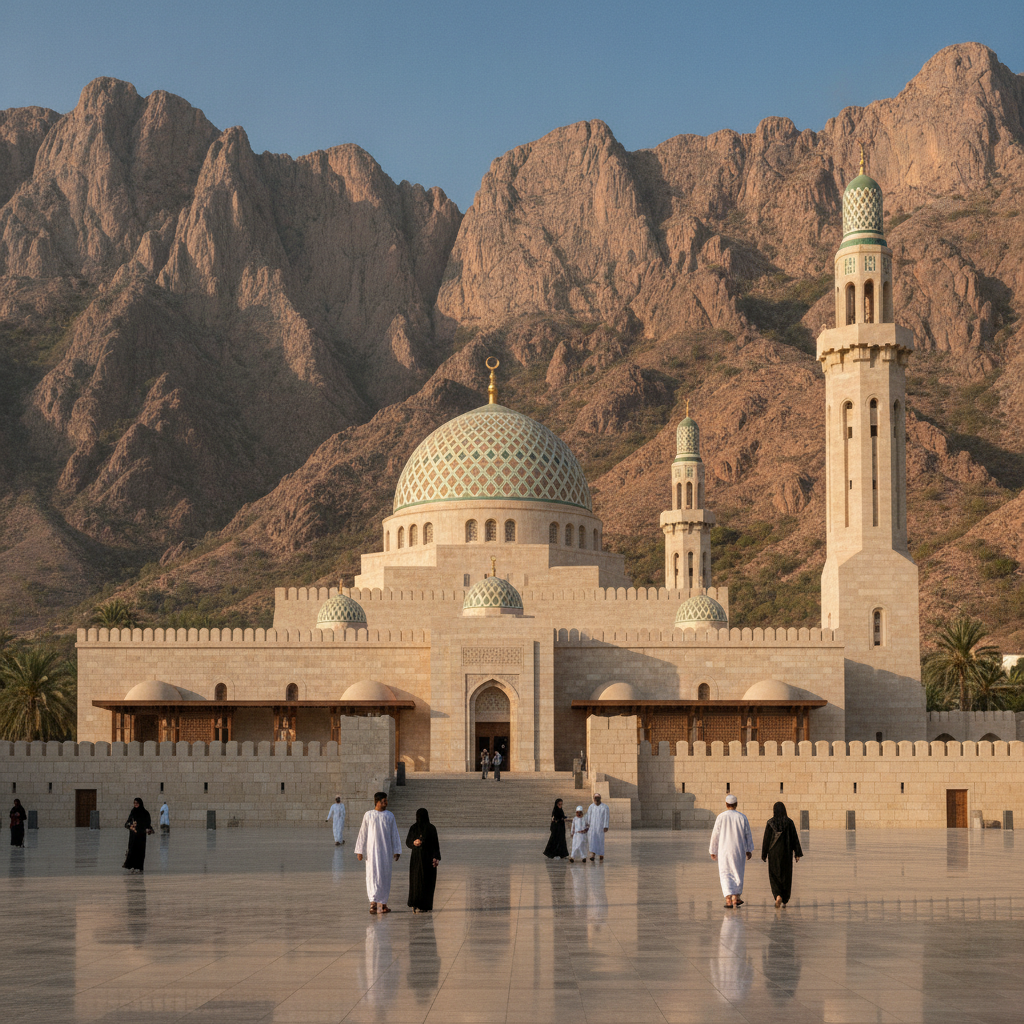
Nizwa Religion: The Ibadhi Islam Tradition, the Imamate History, the Sultan-Imam Conflict, and the Most Theologically Distinct Single Islamic Community

Nizwa Souq: The Antique Market, the Omani Crafts, the Date Market, and the Most Authentically Traditional Single Omani Shopping Experience
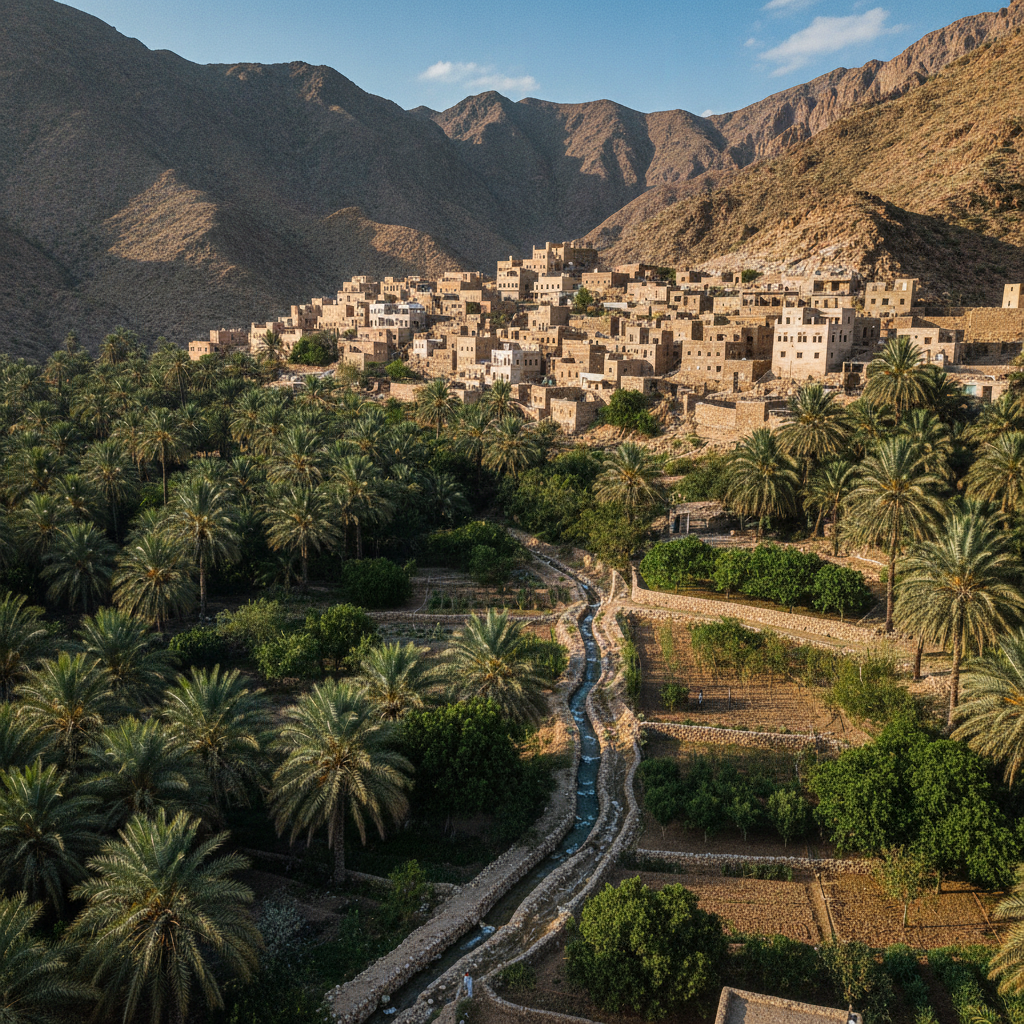
Nizwa Villages: Misfat al-Abriyeen, the Ancient Stone Terraces, Birkat al-Mawz, and the Most Authentically Traditional Single Omani Village Circuit
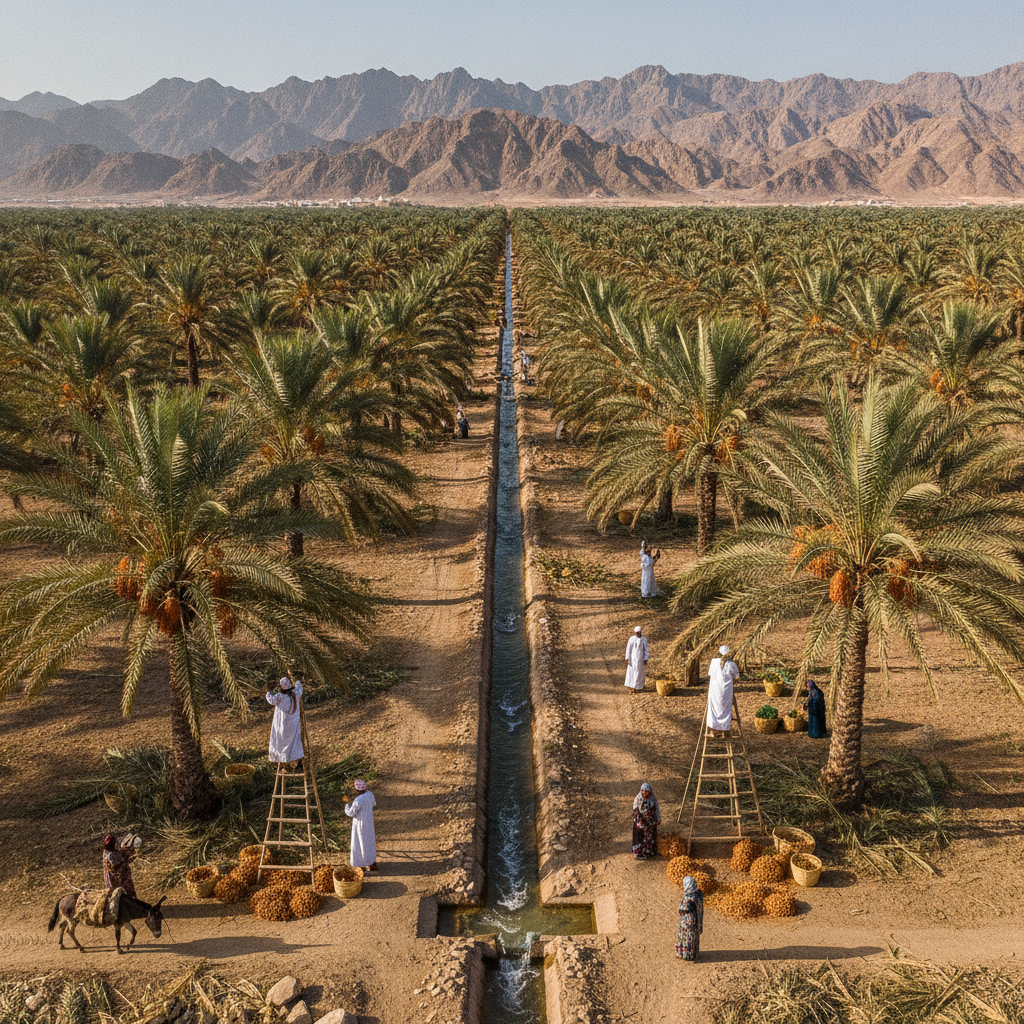
Nizwa Oasis: The Date Palm Agriculture, the Traditional Omani Farming, the Oasis Ecology, and the Most Ancient Single Omani Agricultural Tradition