Oaxacan Markets Chocolate and Chapulines: The Mercado 20 de Noviembre Charcoal Corridor, the Chocolate Mills of the Mina Street and the Grasshopper Tradition That Foreign Food Writers Use as a Shortcut to Oaxaca and That Oaxacans Find Exhausting
The market culture of Oaxaca operates through a system of overlapping institutions that serve different functions within the local food economy: the Mercado Benito Juarez handles the general grocery market for the surrounding neighborhoods with fresh produce, meat, cheese, and the specialized Oaxacan ingredients including the dried chiles, the grinding corn pastes, and the chocolate tablets that every Oaxacan kitchen requires; the Mercado 20 de Noviembre across the street specializes in prepared food with the central charcoal corridor where vendors grill tasajo, cecina, and chorizo to order while customers carry their grilled meat to tables where market women bring them tortillas, salsas, and garnishes; and the periodic tianguis markets outside the city in communities including Tlacolula, Ocotlan, Ejutla, and Zaachila each offer the agricultural and craft products of their specific region on their specific market day, creating a regional food system that has operated in recognizably similar form since the pre-Columbian period when the same valleys traded the same products through the same system of rotating market days. The chocolate of Oaxaca, produced by the specialty mills of Calle Mina near the Mercado 20 de Noviembre where the roasted cacao beans are ground with almonds, cinnamon, and sugar on stone mills to produce the coarse, aromatic chocolate tablets dissolved in hot water for the morning drink or used in the mole negro, represents an ingredient tradition of pre-Columbian origin that has been transformed by Spanish additions — the sugar, the cinnamon, the almonds — into something uniquely Oaxacan.
- 1
Mercado Benito Juarez Ingredients
The Mercado Benito Juarez, the covered market two blocks south of the Oaxaca Zocalo that serves as the primary grocery market for the neighborhoods surrounding the historic center, concentrates the specialized Oaxacan ingredients that require explanation even to visitors from other Mexican cities: the dried chile varieties including the chile mulato, chile pasilla negro, chile chihuacle negro, and chile de agua that form the basis of the seven moles; the raw cacao beans in large burlap sacks; the chapulines in their range of sizes and chile-salt seasonings; the quesillo, the fresh string cheese also called queso Oaxaca, made by artisan cheesemakers in the valley communities; the asiento, the unrefined pork fat skimmed from the chicharron frying process that serves as the fat component in tlayuda preparation; and the dozen varieties of dried mushroom from the Sierra Norte forests including the huitlacoche corn fungus and the hierba santa herb, whose anise-flavored large leaves wrap tamales and flavor fish stews. The chile de agua, a fresh green chile specific to the Oaxacan valley that is mildly hot, with a flavor combining bell pepper with a sharp green spice, is available fresh in the market and stuffed with cheese and meat as a traditional Oaxacan first course. The market operates from early morning through mid-afternoon daily, with the busiest hours from 8 to 11 in the morning when the freshest products are most available and the market vendors most animated.
- 2
Mercado 20 de Noviembre Charcoal Grill Corridor
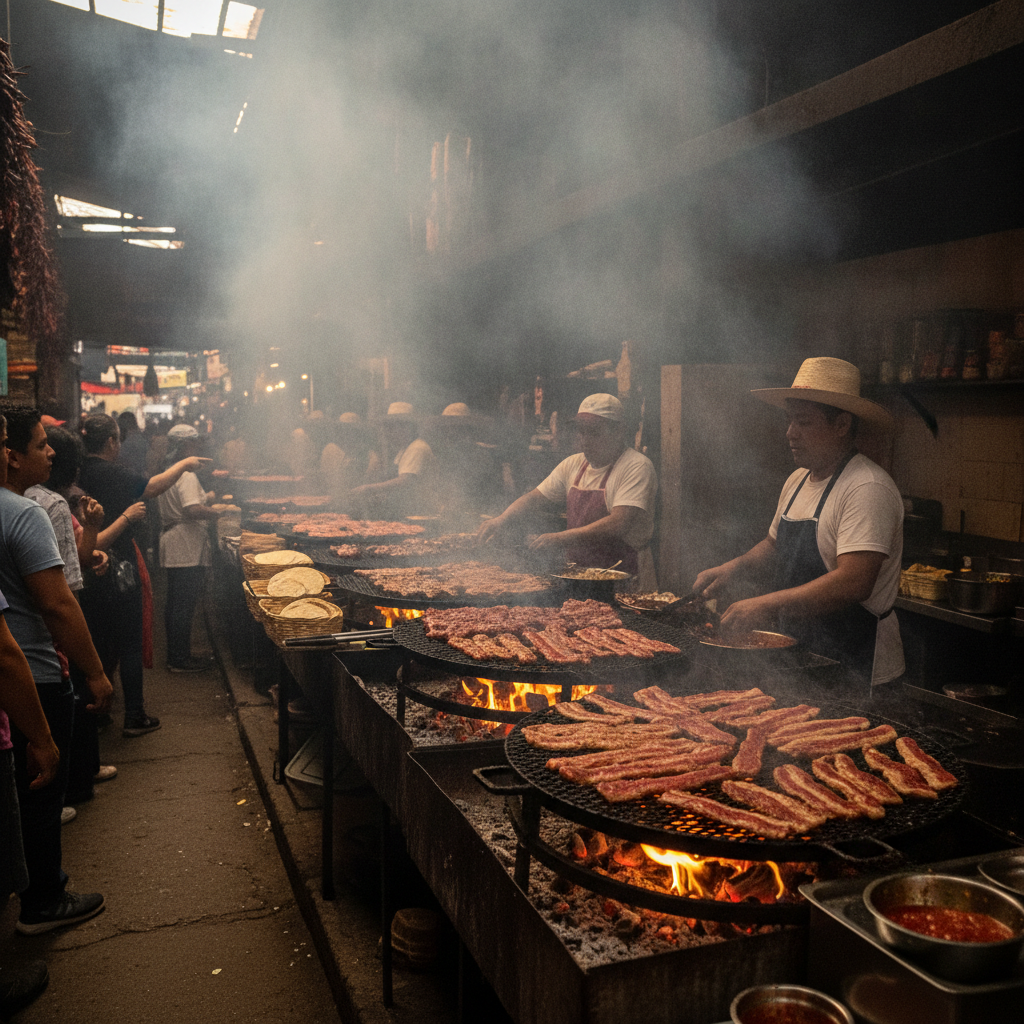
The Mercado 20 de Noviembre, the food market immediately adjacent to the Mercado Benito Juarez that specializes entirely in prepared meals, contains the most visited single food destination in Oaxaca: the central corridor of charcoal grills where vendors cook tasajo, the air-dried and salted beef specific to Oaxaca; cecina, the chile-marinated pork sheets dried similarly to the beef; and chorizo negro, the dark sausage spiced with chile and herbs, on circular charcoal grills at stands set closely together in a smoke-filled passage that tests the ventilation tolerance of visitors while producing some of the finest grilled meat available anywhere in Mexico. The protocol of the 20 de Noviembre grill corridor requires the visitor to choose a grill vendor, order the meats by weight or by piece, and then carry the grilled portions to a table in the market where a second set of vendors sells tortillas, string cheese, chepiche herb, salsas, and the other accompaniments. The interaction between the grill vendors and the tortilla and salsa vendors is a fixed economic arrangement within the market. The market building itself is a 20th-century construction that replaced an earlier market structure, named for November 20, the date of the outbreak of the Mexican Revolution in 1910. The prepared food section extends beyond the grill corridor to include stands selling the complete Oaxacan meal: black bean soup, yellow mole with chicken, green mole with pork, and the full range of Oaxacan tamales including the tamale negro de mole wrapped in banana leaf.
- 3
Chocolate Mills of Calle Mina
The chocolate mills of Calle Mina in the street market area adjacent to the Mercado Benito Juarez, where industrial stone grinders reduce roasted cacao beans, toasted almonds, cinnamon, sugar, and vanilla to the coarse, grainy paste that Oaxacan cooks dissolve in hot water for the traditional morning chocolate drink, represent the most sensory concentrated food experience in Oaxaca: the aroma of roasting cacao beans mixing with cinnamon and almond from six or eight mill operations in close proximity creates an olfactory atmosphere that stops visitors on the street. The Oaxacan hot chocolate preparation begins with a tablet of the stone-ground chocolate paste — which contains significantly more cacao content and coarser texture than European chocolate — dissolved in hot water or milk and beaten with a molinillo, a wooden whisk rotated between the palms, until frothy. The resulting drink is less sweet, more aromatic with cinnamon and almond, and significantly more grainy in texture than any European chocolate drink, and is consumed as breakfast with pan de yema, the egg-yolk bread of Oaxaca. The cacao grown in the lowland Oaxacan coast in the Tuxtepec region is different from the fermented fine-flavor cacao varieties of Tabasco and Chiapas and is specifically suited to the stone-grinding preparation that the Oaxacan mills use rather than the conching and refining process of European chocolate making. The Mayordomo and Guelaguetza chocolate brands that operate mills visible from the street are the most visited, though smaller operators produce more artisanal products.
- 4
Chapulines and Indigenous Protein Traditions
Chapulines, the grasshoppers collected and eaten in Oaxaca and the surrounding regions, represent one of the oldest documented protein traditions in the Oaxacan food system, with archaeological evidence of insect consumption in the Valley of Oaxaca dating to the pre-Columbian period and contemporary consumption integrated into the daily diet of Oaxacan families in a way that the international food media coverage since the early 2000s, which consistently treats chapulines as exotic novelty rather than everyday food, has failed to communicate to its audience. The chapulines market in Oaxaca operates through the collection of grasshoppers from alfalfa fields and agricultural land in the valley during the summer rainy season, the toasting or frying of the insects on large clay comals in the market, and the seasoning with lime juice, salt, and chile to produce the small, crunchy, intensely flavored snack that is sold in plastic bags and clay bowls throughout the markets of Oaxaca. The chapulin is consumed directly as a snack, used as a topping on tlayudas and enfrijoladas, and incorporated into guacamole and salsas. The market women who sell chapulines in the Oaxaca markets offer the insects in sizes from the very small, harvested in early season, to the large, fully developed grasshoppers of late season, with the smaller insects considered more tender and flavorful. The environmental case for insect protein consumption, which requires dramatically less water and land per gram of protein than beef or pork production, has made chapulines an argument in the sustainability debate that Oaxacan producers find both validating and slightly absurd given that they have been making this argument with their diet for 2,000 years.
- 5
Valley Tianguis and Regional Market Days
The tianguis market system of the Oaxacan valley, the rotating weekly market tradition in which different communities hold their major market on different days of the week — Tlacolula on Sunday, Ocotlan on Friday, Ejutla on Thursday, Zaachila on Thursday, Miahuatlan on Monday — creates a regional food and craft distribution system that has operated in recognizably similar form since the pre-Columbian period, when the same rotation of market days served the valley communities before the Spanish arrival. The Saturday market of Tlacolula, the largest of the valley tianguis, draws thousands of vendors and buyers from surrounding communities to a market that occupies several blocks of the town center and adjacent streets, selling everything from live turkeys and pigs to handmade pottery, fresh herbs, chile varieties, cheese wheels, mezcal, and the craft production of the Tlacolula valley communities. The pre-Columbian tlacolula market is documented in the colonial sources as a major commercial center of the valley, served by Zapotec trade networks that connected the valley production to the Pacific coast, the highlands, and the northern plateau. The Zaachila Thursday market serves the community whose pre-Columbian name, Zaachila Yoo, referred to its role as the last capital of the Zapotec kingdom before the Spanish conquest, and whose archaeological zone contains two Mixtec tombs discovered in the 1960s with significant jade and gold objects. The market system visit is the most authentic way for visitors to engage with the agricultural and culinary culture of the valley outside the tourist infrastructure of Oaxaca city itself.
- 6
Oaxaca Practical Guide and Sustainable Tourism
Oaxaca city is served by the Aeropuerto Internacional Xoxocotlan with direct flights to Mexico City, Guadalajara, Tijuana, Los Angeles, Houston, and a growing number of US destinations as the international food and travel profile of the city has increased demand. The historic center of Oaxaca, a UNESCO World Heritage Site, is compact and walkable with the major monuments and markets within 20 minutes walking of each other. The rainy season from June through September brings afternoon and evening thunderstorms but maintains the green valley landscape that makes Oaxaca most visually beautiful; the dry season from October through May is the peak tourism period. The accommodation market in Oaxaca has expanded rapidly with the tourism boom to include large boutique hotels in restored colonial mansions alongside the traditional smaller posadas and guesthouses. The responsible tourism infrastructure in Oaxaca, including tour operators specializing in craft village visits with fair-trade purchasing guidance, mezcal palenque visits with producer introductions, and mountain community ecotourism in the Sierra Norte Pueblos Mancomunados, provides frameworks for visitors who want to engage with Oaxacan culture in ways that benefit the producing communities. The Donaji Foundation and similar organizations connect visitor spending directly to community cultural preservation programs. The political character of Oaxaca, where teacher unions and indigenous community organizations have historically organized strong civil society action, occasionally results in road blockades and market closures that affect visitor plans but that are expressions of the same political culture that makes Oaxaca an intellectually interesting place to visit.
Walk this route with audio
Stories play automatically as you reach each stop — no tapping needed.
More in Oaxaca
Oaxaca Landscape and Ecology: Cloud Forest Orchids in the Sierra Norte, the Monarch Butterfly Corridor Through the Sierra Sur, the Pacific Coast Turtle Nesting at Mazunte and the Lachatao Archaeological Botanical Garden
Oaxaca 2006 Uprising and the APPO: When Teachers Occupied the Zocalo for Six Months and the State Government Lost Control of Its Capital City in a Social Movement That the Rest of Mexico Watched and the International Press Covered as a Revolution
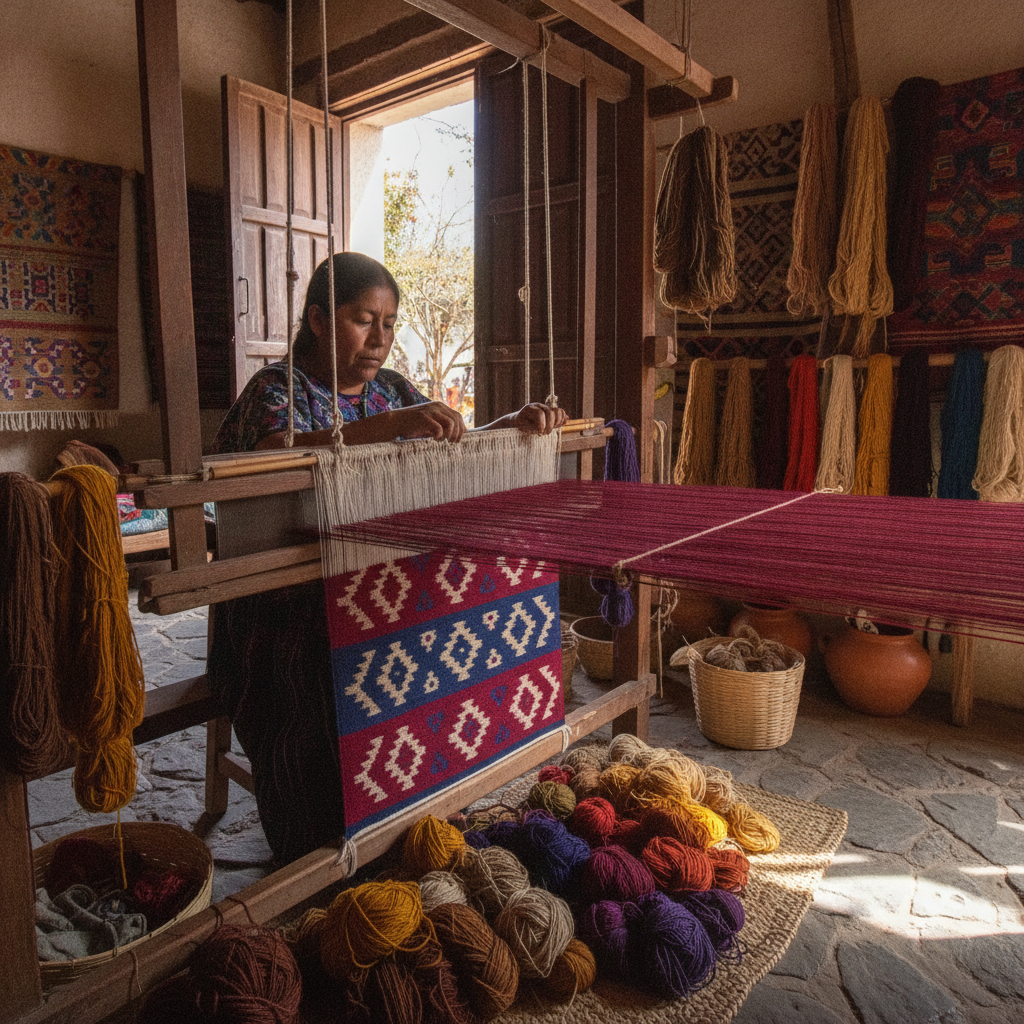
Oaxacan Textiles Alebrijes and Black Clay: The Village Craft Traditions That Survived Because They Were Too Remote for Factory Competition and Now Feed a Global Market That Values Handmade More Than Ever
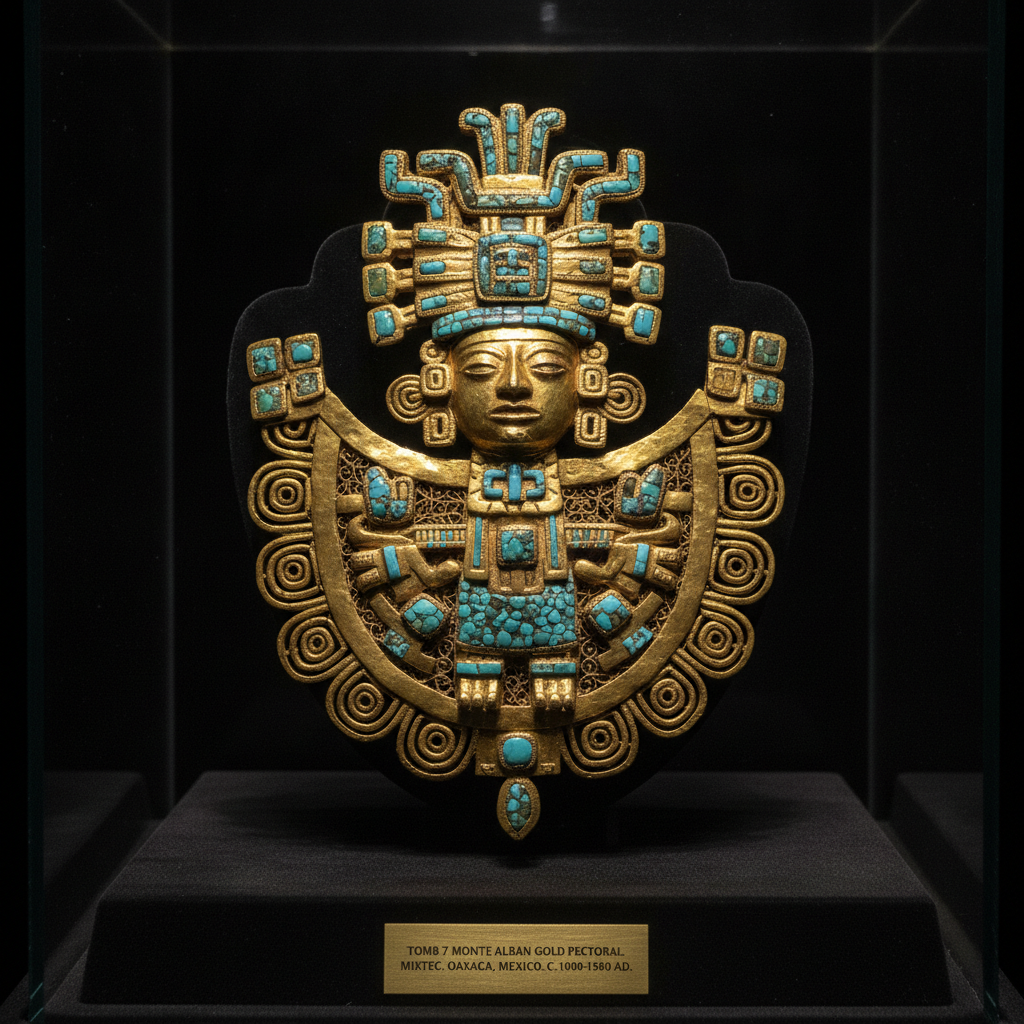
Zapotec and Mixtec Civilization: The Cloud People Who Built Monte Alban Before Rome Was an Empire, the Mixtec Codices That Are the Only Pre-Columbian Books Surviving Complete, and the Tomb 7 Gold That Changed What Scholars Knew About Pre-Columbian Metalwork
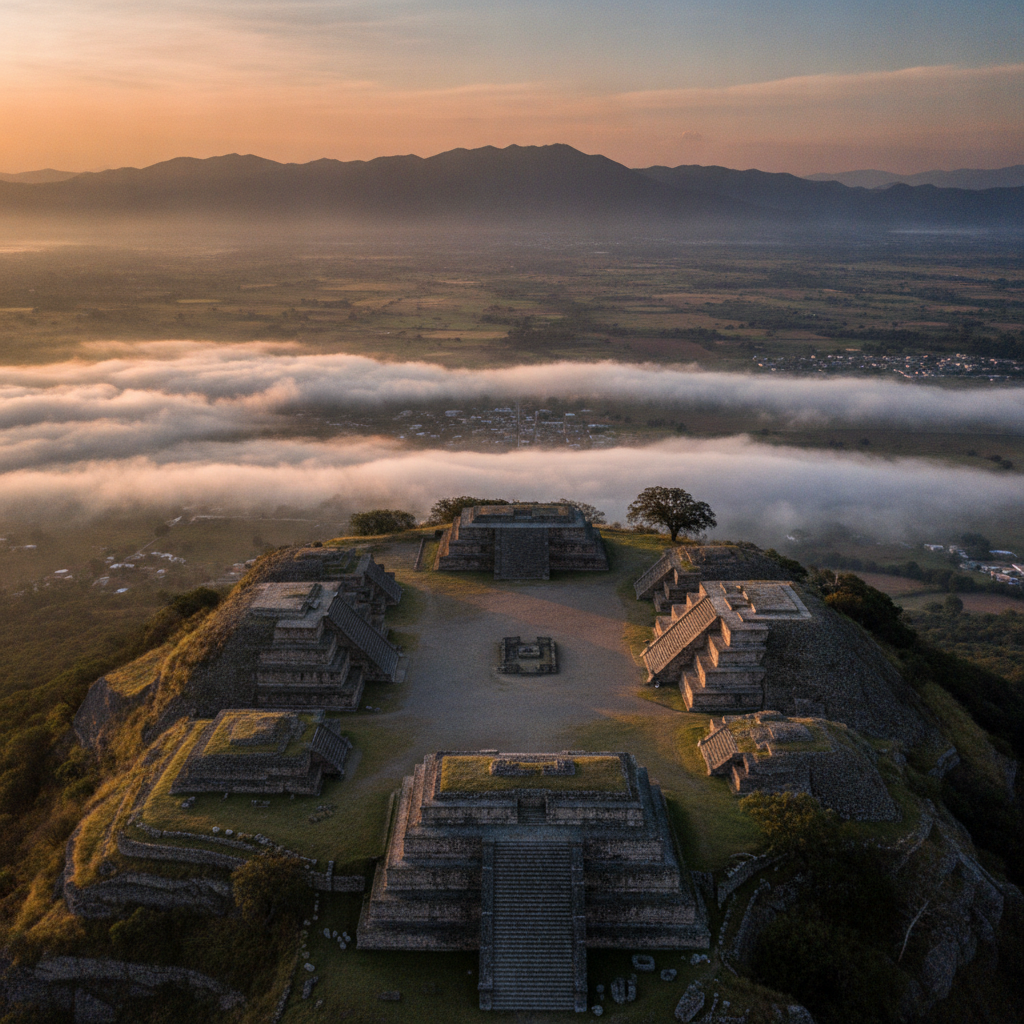
Oaxaca: The Valley City Below Monte Alban Where Zapotec Civilization Built Its Pyramid Capital, Where Mole Negro Takes Three Days to Make, and Where Every Street Has More Indigenous Cultural Survival Than Any Other City in Mexico