Mezcal in Oaxaca: The Ancestral Distillation of Wild Agave in Clay Pot Stills, the Palenque Villages of the Miahuatlan Valley and Why the Spirit That Was Illegal to Export Until 1994 Became the Defining Drink of Global Cocktail Culture
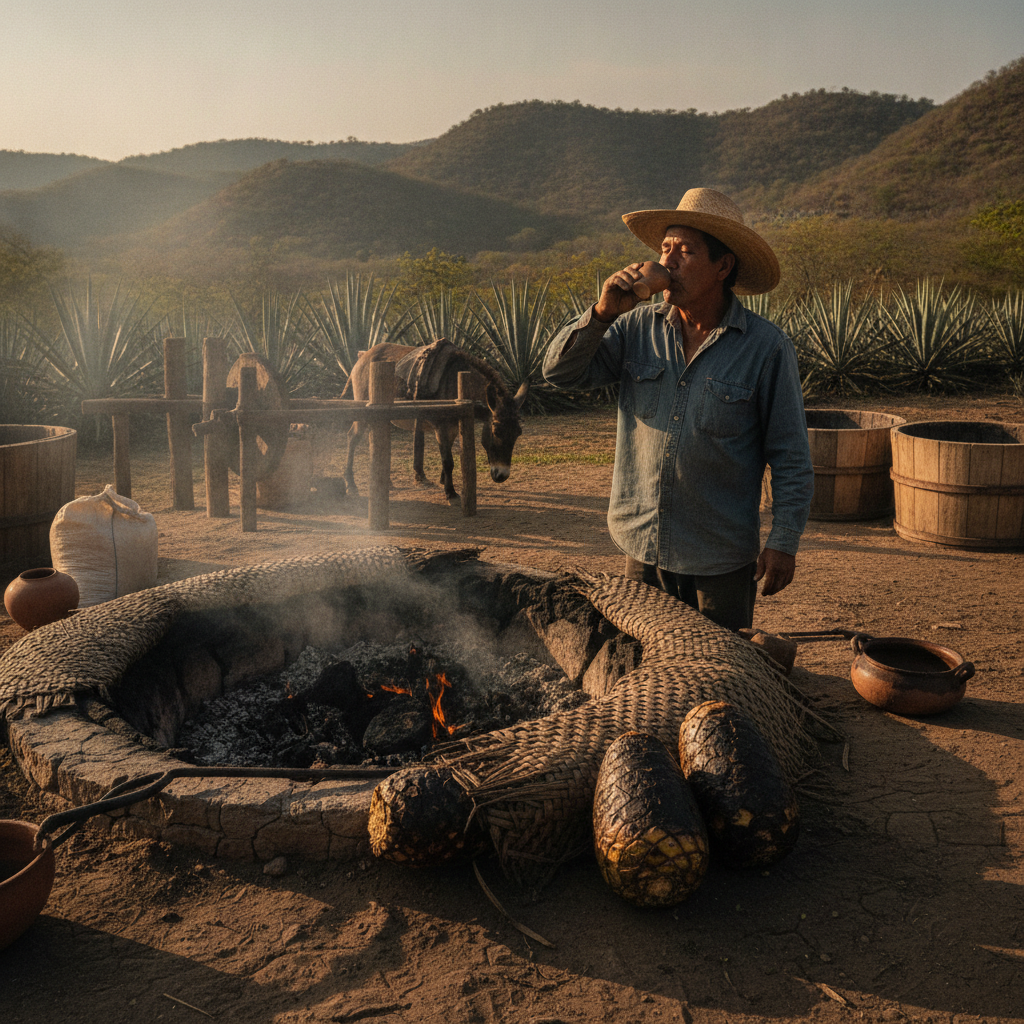
Mezcal, the agave distillate that encompasses every spirit made from agave species outside the specific denomination of tequila, was produced in Oaxaca villages using ancestral techniques unchanged since the colonial period — roasting the agave hearts in underground earth ovens, crushing the roasted pulp with a horse-drawn stone tahona wheel, fermenting in open wooden vats with wild yeasts, and distilling twice in clay or copper pot stills — for four centuries before the Denominacion de Origen Mezcal was established in 1994, legal exportation became possible, and a global craft spirits market discovered that the smoky, complex, terroir-expressing spirit in those clay pots was exactly what it had been looking for as an alternative to Scotch whisky and Japanese whisky in the premium spirits category. The mezcal boom of the 2010s and 2020s transformed the economic reality of the Oaxacan village palenques, the small distilleries where maestro mezcaleros using recipes passed through families for generations suddenly found their production insufficient to meet orders from New York, London, and Tokyo bars paying premium prices for handmade, low-volume spirits with documented indigenous production credentials. The transformation also threatened the very qualities that made artisanal mezcal distinctive: wild agave populations that take 25 years to mature are being harvested faster than they can reproduce, young producers are finding industrial shortcuts to ancestral methods to meet demand, and the terroir differences between valley, mountain, and coastal mezcals are being homogenized as successful flavor profiles are duplicated across regions.
- 1
Agave Diversity and Wild Harvest
Oaxaca state contains approximately 30 of the 40 agave species that can legally be used to produce mezcal under the Denominacion de Origen regulation, with the most prestigious production using wild-harvested agave species including the tobala, tepeztate, madrecuixe, and arroqueno that grow in the mountain zones of the Sierra Sur and Sierra Norte at elevations above 1,500 metres, taking 15 to 35 years to reach maturity before the single flowering of the plant that also triggers its death and the jimador harvest. The differences in flavor between mezcals made from different agave species are significant enough to be distinguishable to experienced tasters without additional aging or flavoring: tobala produces a floral, slightly sweet spirit; tepeztate produces an earthy, herbaceous spirit with a distinctive mineral quality from the mountain limestone environments where it grows; arroqueno produces a robust, full-bodied spirit with cooked agave sweetness balanced by mineral salinity. The espadín agave, Agave angustifolia, which constitutes approximately 80 percent of all mezcal production, is a cultivated variety that matures in 7 to 10 years and produces consistent, reliably available raw material for commercial production, while the slow-maturing wild species are limited by their multi-decade growth cycle and the harvesting pressure that the global mezcal market has placed on wild populations. The International Union for Conservation of Nature has flagged several wild agave species including the tepeztate as vulnerable to overharvest under current mezcal production growth rates.
- 2
Palenque Production and Maestro Mezcalero Tradition
The palenque, the small-scale mezcal production facility that uses the ancestral production sequence of underground roasting pit, stone tahona, open fermentation vessel, and pot still distillation, is the physical and social center of the mezcal tradition in the Oaxacan production villages of Santiago Matatlan, San Luis del Rio, San Baltazar Guelavila, and the dozens of communities in the Miahuatlan Valley and Sierra Sur where mezcal has been made continuously for generations. The maestro mezcalero, the distiller who manages the production sequence and whose knowledge of wild agave identification, harvest timing, roasting duration, fermentation monitoring, and distillation cut points is accumulated through apprenticeship beginning in childhood in a family palenque, is the defining figure of the artisanal mezcal tradition, representing a craft knowledge system that existed before formal food science and that produces results that industrial production cannot replicate. The tahona, the 2-tonne volcanic stone wheel pulled by a horse or mule around a circular stone pit to crush the roasted agave hearts, is the most physically distinctive element of artisanal mezcal production and the most visually compelling for visiting tourists who can observe the process at palenques in Santiago Matatlan, the village 47 kilometres from Oaxaca city that has the highest density of mezcal producers in the world and has been designated the world capital of mezcal by the Mexican Mezcal Regulatory Council. The fermentation in open pine vats using only wild yeasts from the air and the agave fiber produces a fermented liquid called tepache de agave that smells of the valley microbiome before distillation.
- 3
Mezcal in Oaxaca City Bars and Tourism
The transformation of Oaxaca city into the primary destination for mezcal tourism in Mexico has generated a bar and tasting room infrastructure concentrated in the historic center that ranges from the serious to the merely commercial, with the best establishments maintaining educational programs about agave species, production regions, and maestro mezcalero traditions alongside the pour-and-taste experience. In Lalocura, El Destilado, Sabina Sabe, and other Oaxaca bars that have achieved international recognition, the mezcal program is organized around specific maestro producers and production batches, with bartenders who can speak knowledgeably about the agave species, harvest location, roasting method, and fermentation details of each bottle. The mezcal market in Oaxaca operates through licensed bottle shops in the historic center, the mezcal bars in the historic center and the colonias Jalatlaco and Reforma, the palenque visits organized by local tour operators, and the production cooperatives in the village markets that sell directly to visitors. The joven mezcal, unaged spirit bottled directly from distillation, is the preferred category for serious mezcal appreciation because the aging that transforms tequila into reposado and añejo categories can mask the terroir and species character that distinguishes one mezcal from another. The copita, the small clay vessel traditionally used for mezcal drinking, and the practice of not mixing mezcal into cocktails in the serious mezcal bar represent a connoisseur culture that parallels the single malt whisky culture of Scotland.
- 4
Mezcal Denominacion de Origen and Regulation
The Denominacion de Origen Mezcal, established by the Mexican government in 1994 as the legal framework defining which agave spirits can be labeled mezcal, has been one of the most contested geographic indication systems in the global spirits industry because its inclusion of nine Mexican states — Oaxaca, Durango, Guerrero, San Luis Potosi, Tamaulipas, Zacatecas, Guanajuato, Michoacan, and Puebla — while excluding Jalisco (reserved for tequila) and other producing areas, created both protected status for the included producers and significant resentment from producers in excluded states who were making traditional agave spirits for centuries before the denomination existed. The Consejo Regulador del Mezcal, the regulatory body that certifies mezcal production, classifies mezcal into artisanal, ancestral, and industrial categories based on production method, with ancestral mezcal being the highest certification requiring traditional clay pot stills and pre-industrial production throughout. The category system was created partly in response to the commercialization pressure from industrial producers who wanted to use the mezcal name for column-still distilled, mechanically produced spirits that were cheaper to produce but lacked the character of artisanal production. The export market for mezcal grew from approximately 500,000 liters in 2005 to over 7 million liters in 2022, a 14-fold increase that brought economic opportunity and the associated risk of quality dilution and resource depletion to the producing communities.
- 5
Zapotec and Mixtec Agave Culture
The use of agave in Oaxacan indigenous culture precedes the Spanish introduction of distillation by thousands of years, with archaeological evidence of roasted agave hearts found in pre-Columbian sites throughout the Oaxacan valley system indicating that the Zapotec and Mixtec populations consumed cooked agave as a food source, fermented agave sap as the ritual drink pulque, and used agave fiber for rope, clothing, and construction long before the colonial introduction of copper pot stills and the distillation knowledge that created mezcal. The Spanish colonizers who arrived in the 1520s found a sophisticated indigenous agave economy and introduced the Moorish alembic still, a technology ultimately derived from Arab distillation science, which the indigenous producers combined with the pre-existing tradition of roasting and fermenting agave to create the ancestral mezcal production process. The cultural embedding of mezcal in Oaxacan indigenous life, where the spirit is consumed at every significant life event from birth celebration to funeral, where specific agave species are associated with specific village territories and sacred landscapes, and where the knowledge of wild agave identification is part of the ecological knowledge transmitted from elder to child in the Sierra Sur communities, means that the commercialization of mezcal is not merely an economic transaction but a partial commodification of sacred cultural material that the indigenous communities are navigating with varying degrees of benefit and loss.
- 6
Oaxaca Mezcal Economy and Community Impact
The economic impact of the mezcal boom on the producing communities of Oaxaca has been uneven: some maestro mezcaleros who established brand partnerships with US and European importers in the 2010s have seen their income multiply significantly, while the majority of small producers who sell their spirits to intermediaries, the coyotes who consolidate production and sell to export brands without revealing the producer's name, have seen more modest benefits while absorbing more of the production risk. The land tenure question around agave cultivation is significant in Oaxacan indigenous communities governed by usos y costumbres, the customary law system that distributes communal land access according to community membership and traditional rights rather than private property, creating situations where the increasing commercial value of wild agave on communal hillsides generates conflicts over who has the right to harvest it and at what rate. The women mezcalera movement in Oaxaca, led by producers including Graciela Angeles Carreño of Real Minero in Santa Catarina Minas, has challenged the masculine dominance of the mezcal industry by establishing women-led production operations that market their gender and indigenous identity as part of their premium positioning. The water consumption of mezcal production, which requires significant volumes of clean water for cooling the condenser during distillation, has become a concern in the Sierra Sur communities where the spring sources that supply both the palenques and the communities are under increased demand as production scales. The water, agave, and land questions make mezcal economy in Oaxaca a microcosm of the broader tensions between traditional indigenous resource use and commercial export economy.
Walk this route with audio
Stories play automatically as you reach each stop — no tapping needed.
More in Oaxaca
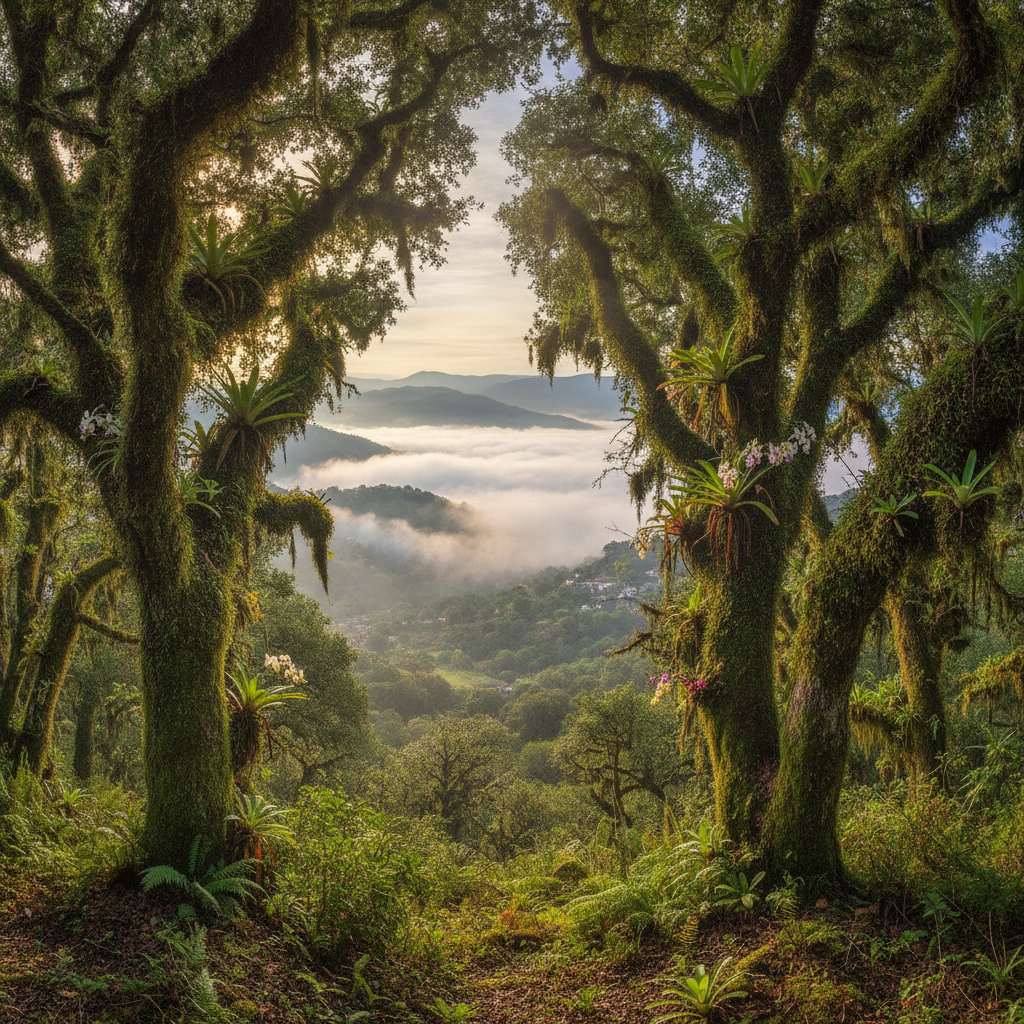
Oaxaca Landscape and Ecology: Cloud Forest Orchids in the Sierra Norte, the Monarch Butterfly Corridor Through the Sierra Sur, the Pacific Coast Turtle Nesting at Mazunte and the Lachatao Archaeological Botanical Garden
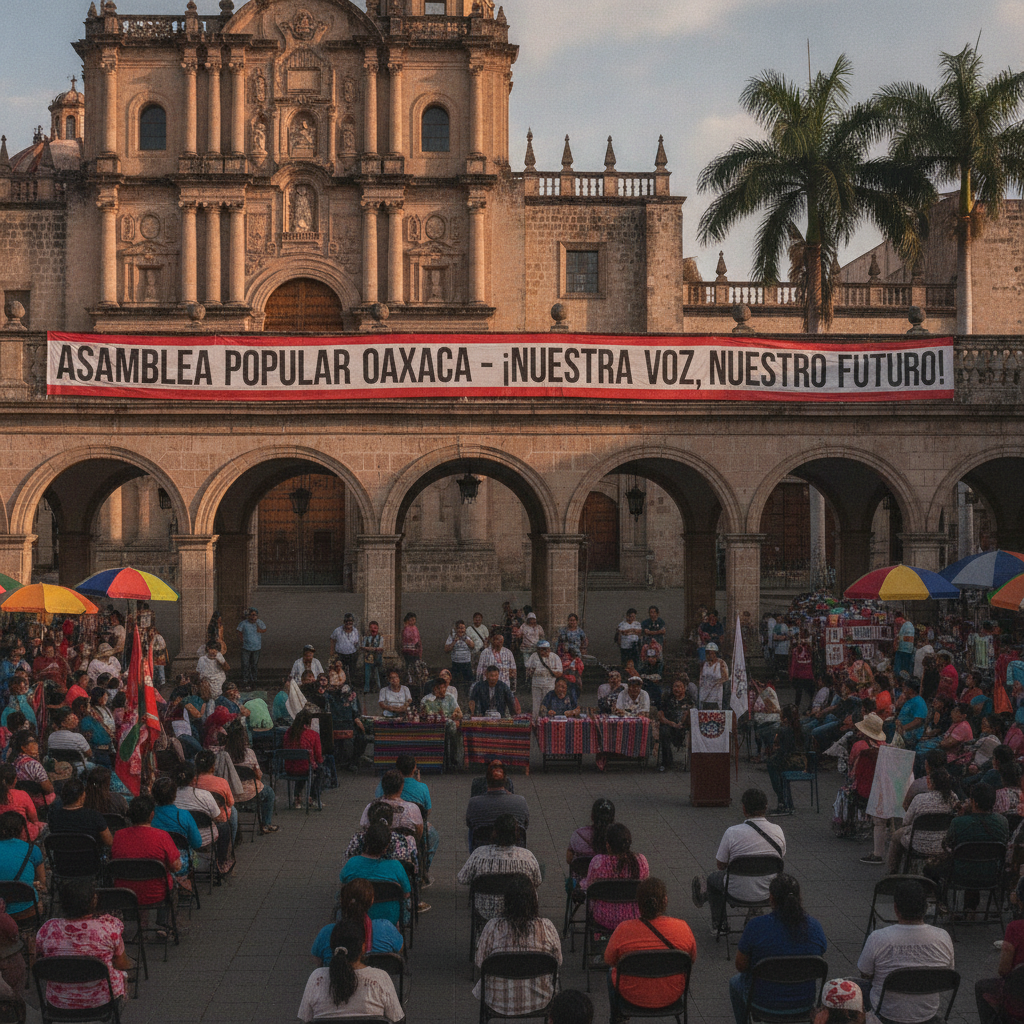
Oaxaca 2006 Uprising and the APPO: When Teachers Occupied the Zocalo for Six Months and the State Government Lost Control of Its Capital City in a Social Movement That the Rest of Mexico Watched and the International Press Covered as a Revolution
Oaxacan Textiles Alebrijes and Black Clay: The Village Craft Traditions That Survived Because They Were Too Remote for Factory Competition and Now Feed a Global Market That Values Handmade More Than Ever
Zapotec and Mixtec Civilization: The Cloud People Who Built Monte Alban Before Rome Was an Empire, the Mixtec Codices That Are the Only Pre-Columbian Books Surviving Complete, and the Tomb 7 Gold That Changed What Scholars Knew About Pre-Columbian Metalwork
Oaxaca: The Valley City Below Monte Alban Where Zapotec Civilization Built Its Pyramid Capital, Where Mole Negro Takes Three Days to Make, and Where Every Street Has More Indigenous Cultural Survival Than Any Other City in Mexico