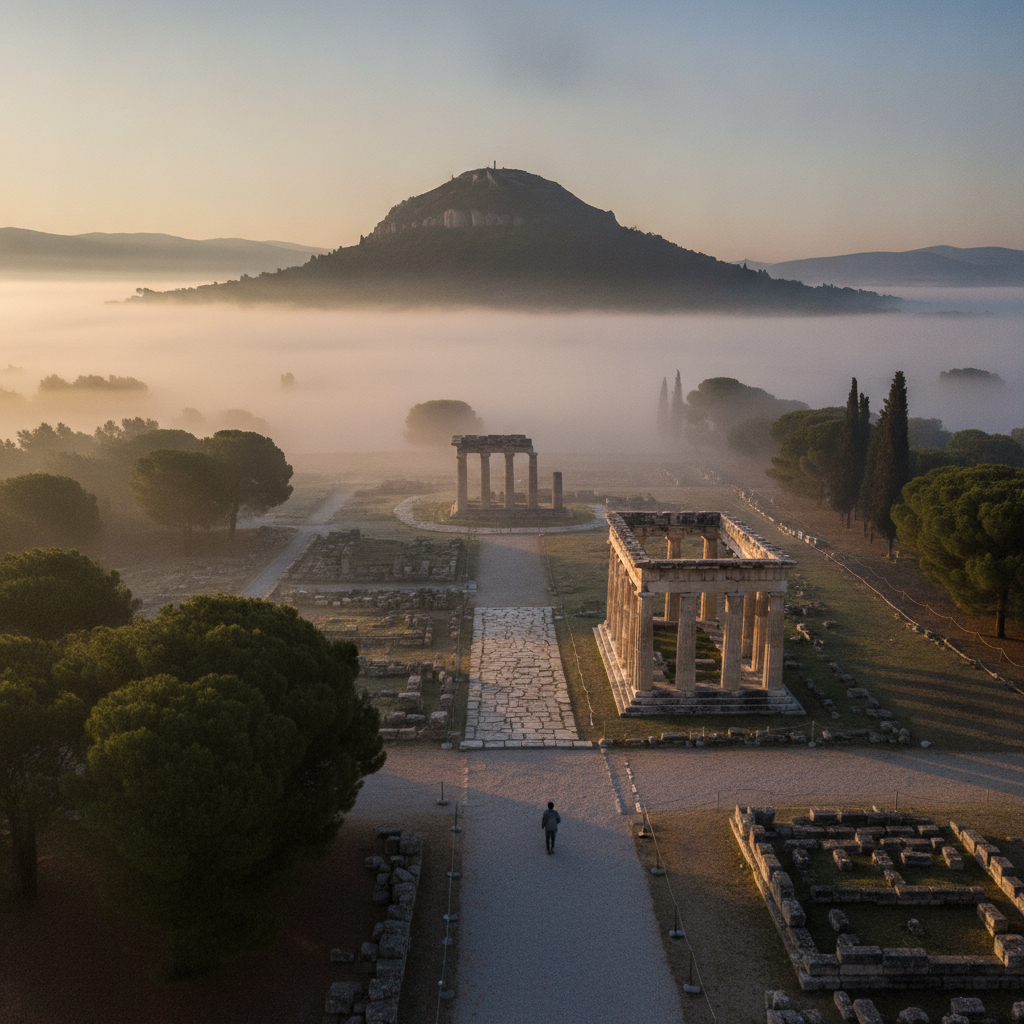
Olympia Monuments: Nike of Paionios, Echo Stoa, Treasury Terrace of City-States, Bouleuterion and the Olympic Oath, Prytaneion Eternal Flame, and the Processional Route
The Olympia monuments route covers the Nike of Paionios victory statue, the Echo Stoa where the athletes paraded, the Treasury Terrace with the 10 city-state buildings, the Bouleuterion where the Olympic oath was sworn, the Prytaneion with the eternal sacred flame, and the processional route that connected the sacred and athletic spaces.
- 1
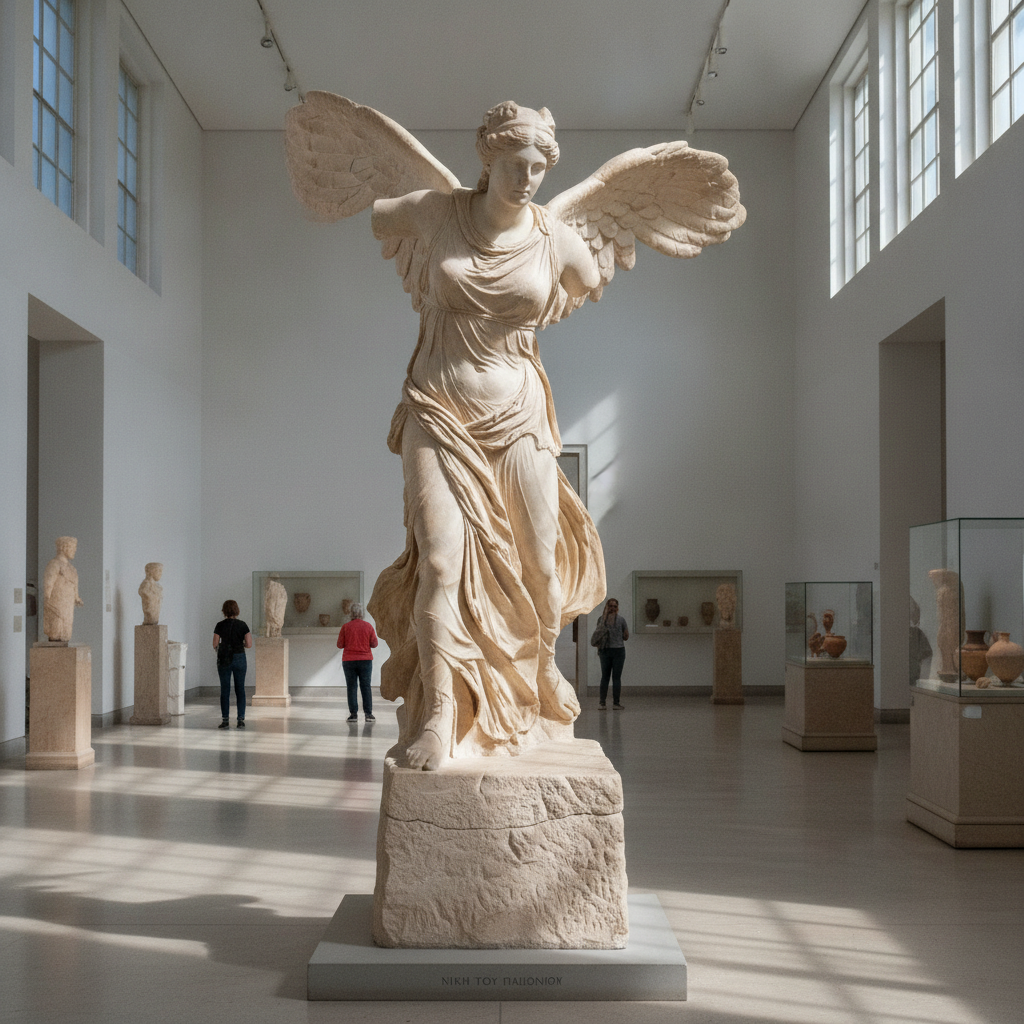
Nike of Paionios: The Victory Descending
The Nike of Paionios, the marble statue of approximately 421 BC dedicated by the Messenians and the Naupaktians to commemorate their victory against Sparta, shows the winged goddess of victory descending from the sky with the cloak billowing behind and the body leaning forward in the most dynamic representation of aerial movement in Greek sculpture before the Hellenistic period. The 9-meter triangular pedestal on which the Nike stood before the Temple of Zeus, designed to display the figure at the height of the temple entrance and give the impression of a hovering goddess, is the most theatrical monument base in the Olympia sanctuary.
- 2
Echo Stoa: The Athletic Processional Gallery
The Echo Stoa, the 97-meter colonnade that formed the eastern boundary of the Altis sanctuary and served as the processional gallery where the athletes paraded before the Games and where the victory celebrations were held, was named for the seven-fold echo that its particular acoustic position created. The stoa also served as the boundary between the sacred sanctuary and the secular athletic facilities, with the stadium entrance through the vaulted tunnel that passed beneath the stoa providing the transition from the sacred to the competitive space.
- 3
Treasury Terrace: The City-State Competition in Architecture
The Treasury Terrace along the north side of the Altis, where 10 small treasury buildings funded by the city-states of Gela, Metaponto, Selinous, Megara, Sikyon, Epidamnus, Byzantion, Sybaris, and others stood in the most explicit architectural competition of the ancient Greek world, is the most direct evidence of the political use of the sanctuary as the arena for the display of civic wealth and prestige. The treasury buildings, each funded by the colonial cities of Magna Graecia and the Aegean, demonstrate that the Olympic sanctuary was not only a religious and athletic venue but the primary arena for inter-city political self-presentation.
- 4
Bouleuterion: The Olympic Oath at the Zeus Statue
The Bouleuterion at Olympia, the administrative building where the Hellanodikai judges and the Olympic Council met and where the athletes, their trainers, and their fathers swore the Olympic oath before the statue of Zeus Horkios - Zeus of Oaths - represented by the most severe image of the god in the sanctuary, is the site where the most significant civic ritual of the ancient Games was performed. The Oath required the athletes to swear that they had trained honestly for 10 months, that they would compete without treachery, and that they would accept the decisions of the judges.
- 5
Prytaneion: The Eternal Flame and Victory Banquet
The Prytaneion at Olympia, the administrative building where the sacred fire burned continuously on the altar of Hestia, where the Olympic victors were honored with the banquet at public expense, and where the bronze statues of the victors were maintained, was the most socially prestigious space in the sanctuary and the venue for the celebration of the Olympic victory that exceeded all other honors in the Greek world. The Olympic victory feast in the Prytaneion was the highest social achievement available to a Greek male citizen and the achievement that the Greek poets celebrated in the odes that are the finest examples of the choral lyric genre.
- 6
Processional Route: The Sacred to Athletic Transition
The processional route from the Prytaneion through the Altis along the Treasury Terrace, past the Pelopion hero shrine and the Great Altar of Zeus, through the Echo Stoa, and into the stadium through the vaulted athletes entrance, was the ceremonial path that structured the Olympic experience for the athlete, the official, and the spectator and that connected the sacred religious space of the sanctuary to the competitive athletic space of the stadium in the most elaborate procession in ancient Greek civic culture.
Walk this route with audio
Stories play automatically as you reach each stop — no tapping needed.
More in Olympia
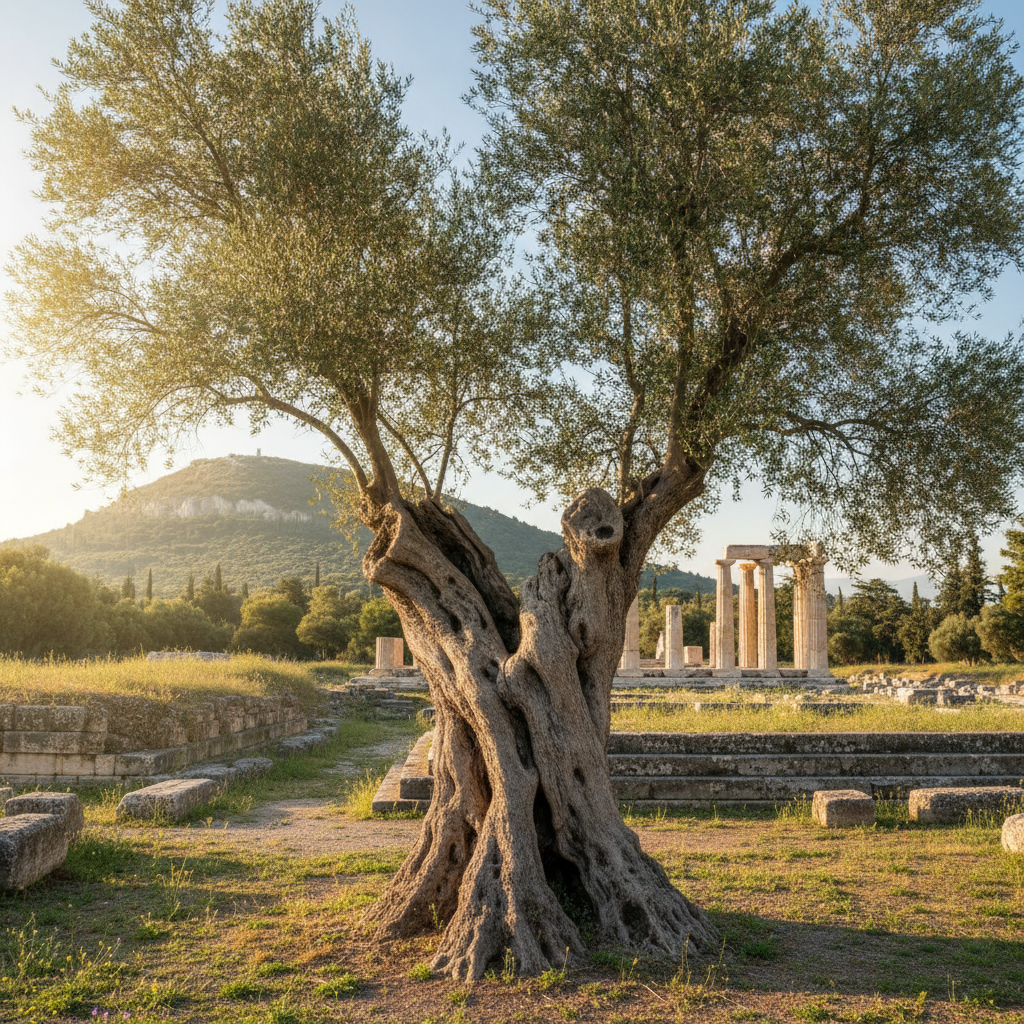
Olympia Olympic Victors: Pindar Victory Odes, Milo of Croton Wrestling, Leonidas of Rhodes Sprint, Diagoras Boxing Family, the Olive Wreath Crown, and the Social Meaning of Olympic Victory
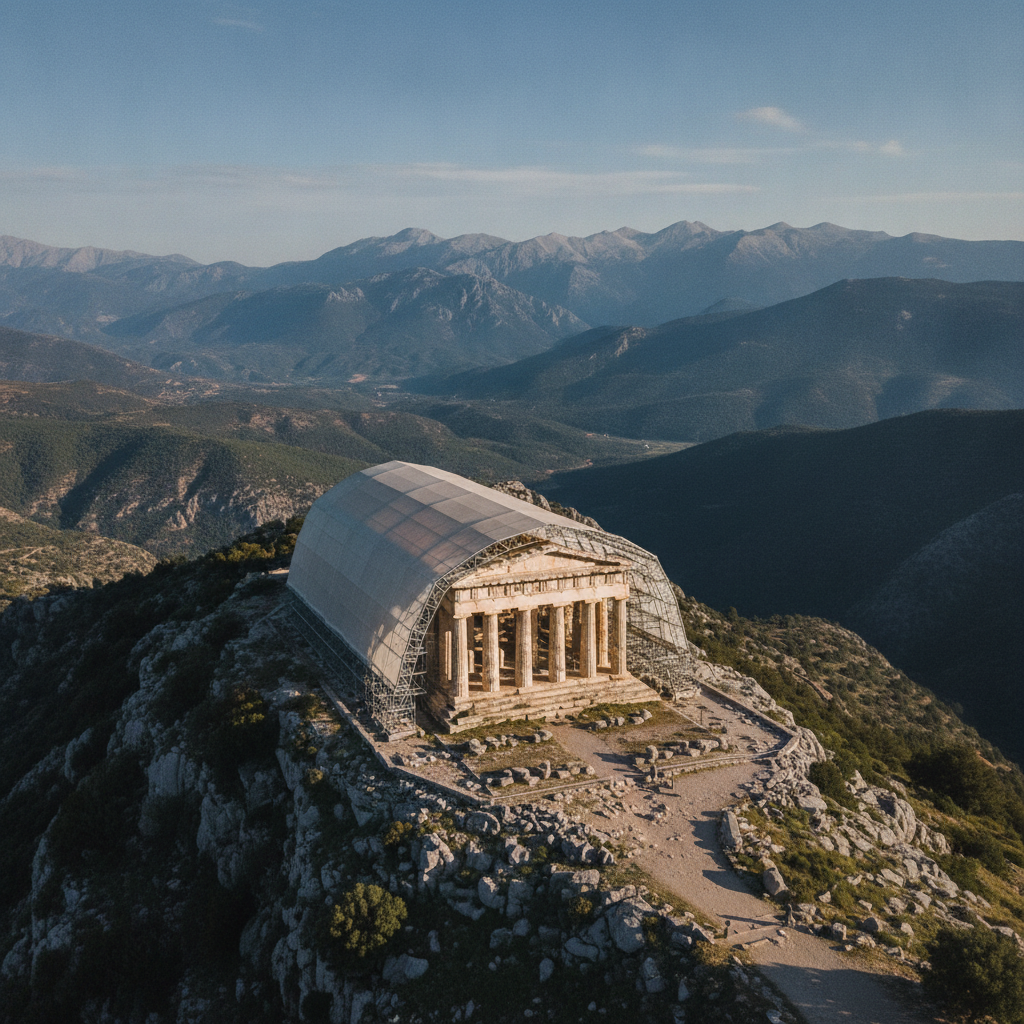
Olympia Peloponnese Excursions: Nestor Palace at Pylos, Bassae Apollo Temple UNESCO, Arcadian Mountain Landscape, Kyparissia Beach Town, Ancient Elis Region, and the Western Peloponnese Circuit
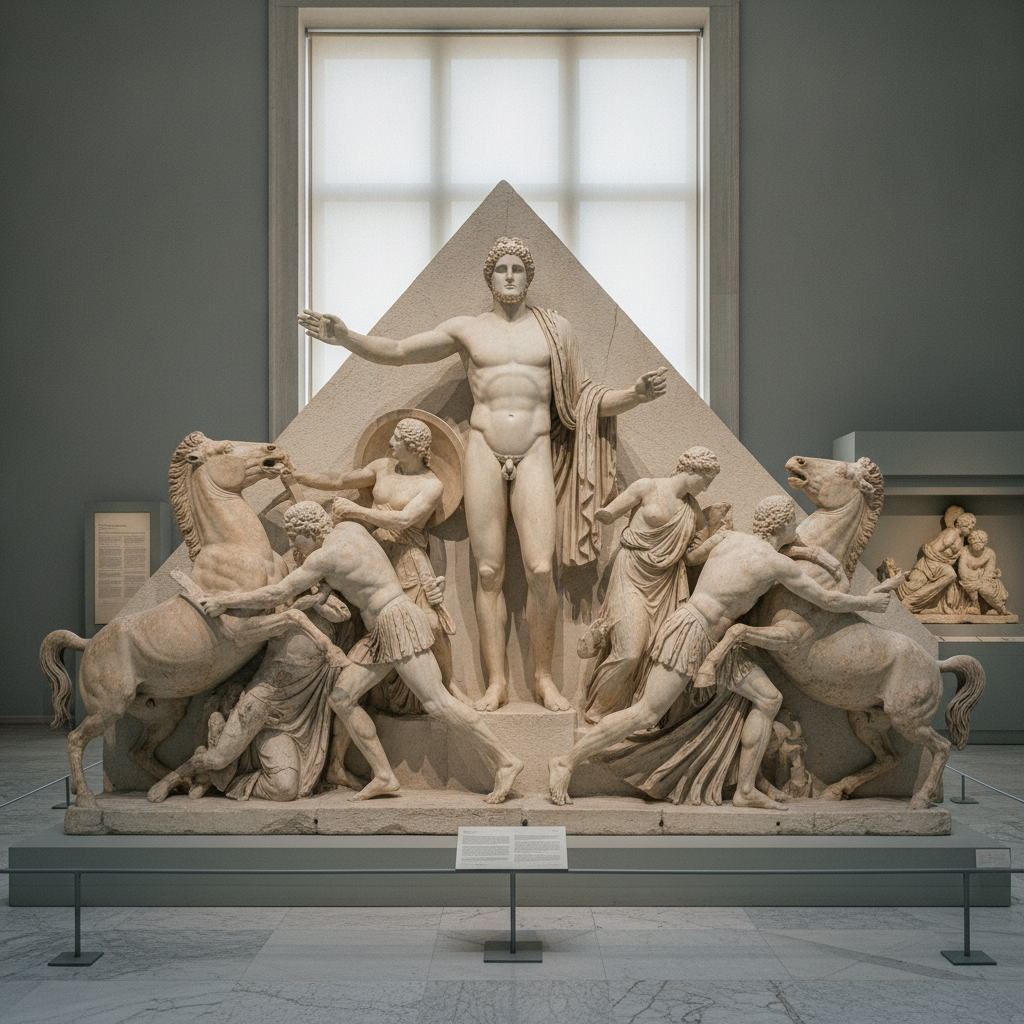
Olympia Museum Deep Dive: Zeus Temple East and West Pediments, Herakles Labors Metopes, Bronze Collection, and the Leonidas Sparta Thermopylae Connection to the Peloponnese Circuit
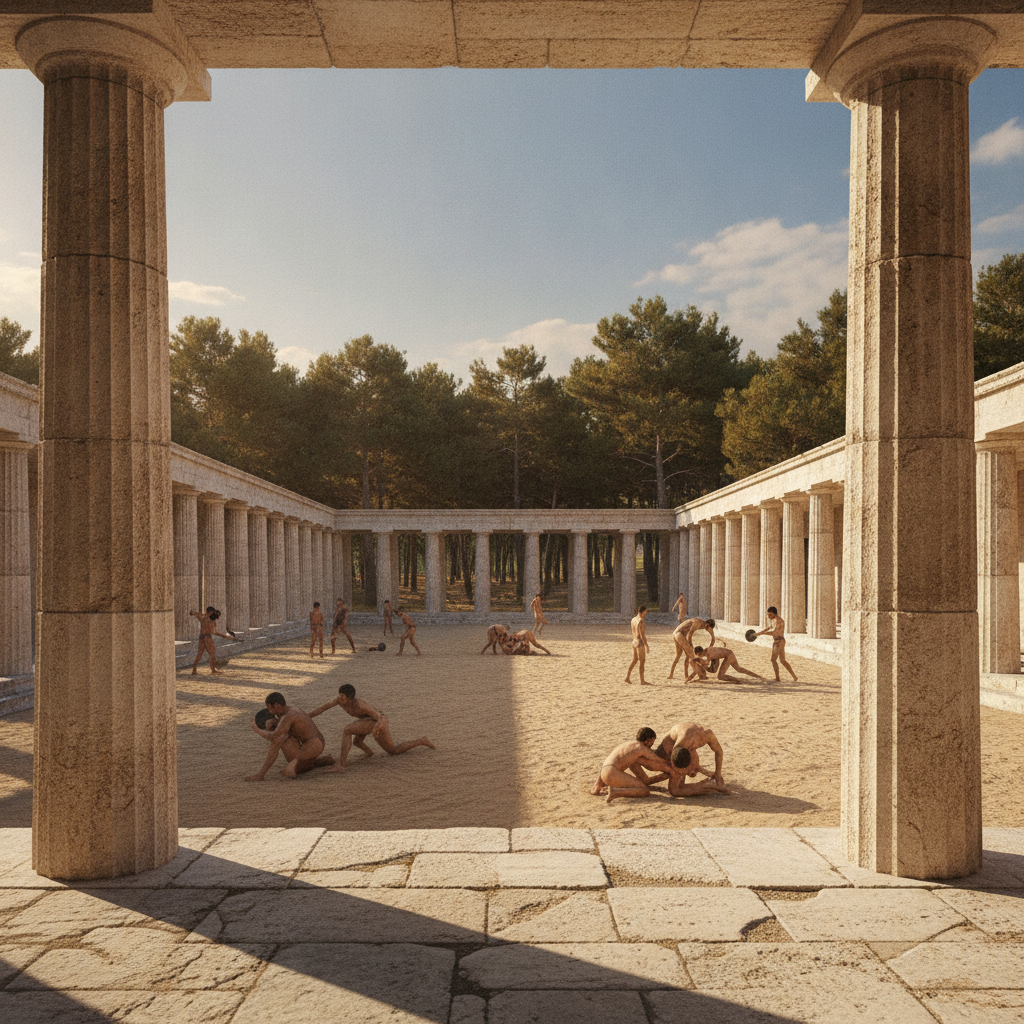
Olympia Art and Sport: The Pheidias Workshop, Zeus Statue Wonder Details, Palaestra Wrestling School, Ancient Gymnasium, the Hippodrome Horse Racing, and the Complete Athletes Training Circuit
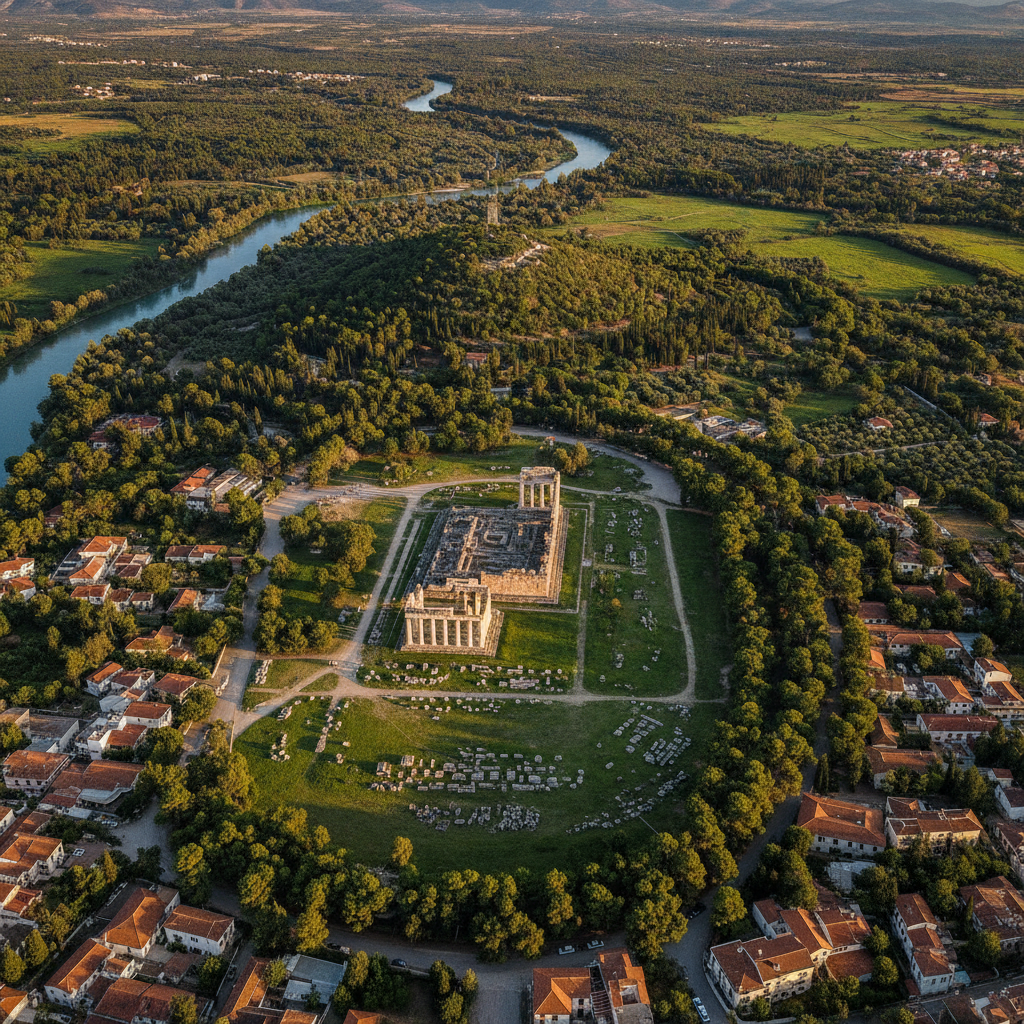
Olympia Modern Olympics: The 1896 Revival and Coubertin, the Ancient Site Natural Landscape, Alpheios and Kladeos River Setting, Ancient Olympia Village, the Nemea Games Revival, and the Olympic Museum