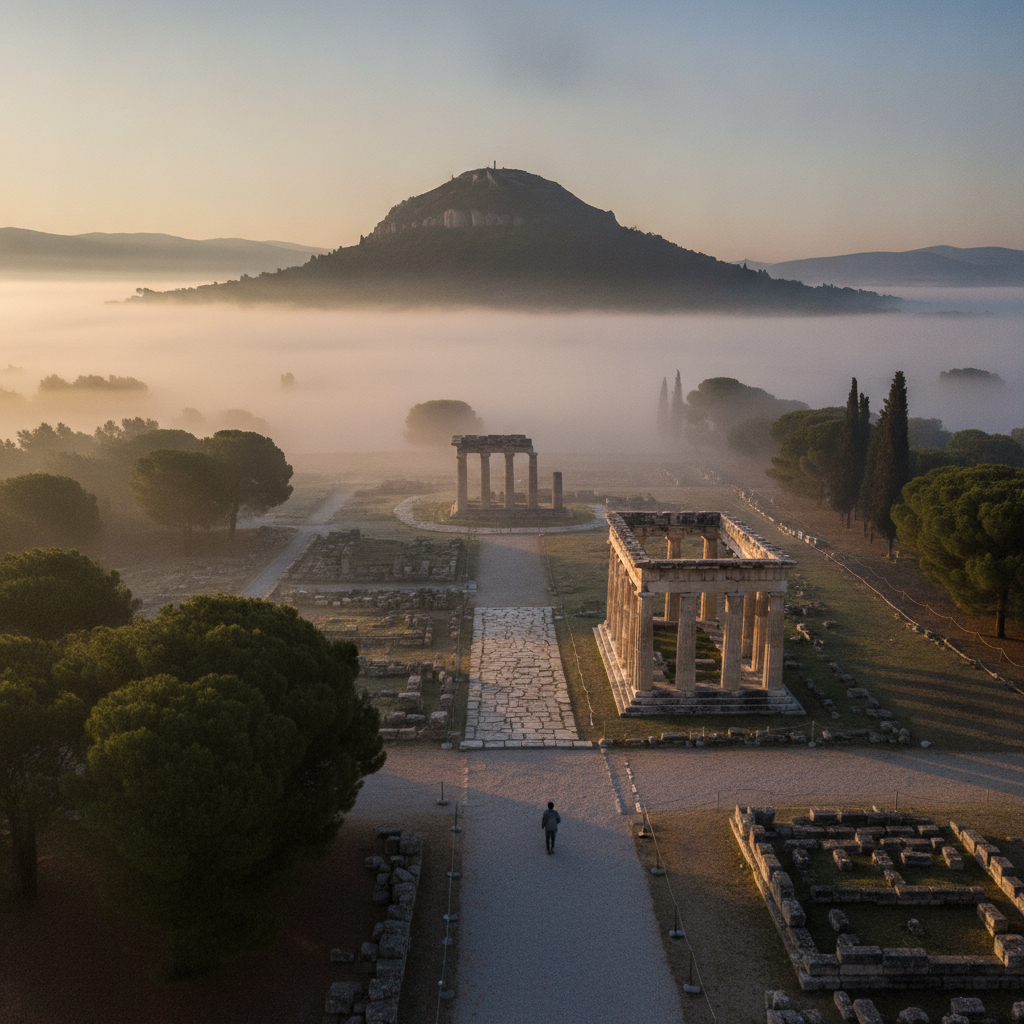
Olympia Art and Sport: The Pheidias Workshop, Zeus Statue Wonder Details, Palaestra Wrestling School, Ancient Gymnasium, the Hippodrome Horse Racing, and the Complete Athletes Training Circuit
The Olympia art and athletics route covers the Pheidias workshop where the Zeus wonder was built, the detail of the chryselephantine statue that made it the greatest artwork of antiquity, the Palaestra wrestling and combat sports school, the ancient gymnasium for running and throwing, and the Hippodrome horse racing track.
- 1
Pheidias Workshop: Where the Wonder Was Built
The Pheidias workshop at Olympia, the large rectangular building to the west of the Temple of Zeus where the chryselephantine statue of Zeus was constructed between 438 and 430 BC, is the most important single archaeological discovery at Olympia because the excavation found the clay molds, the ivory working tools, the glass paste pieces, and the terracotta figurines that Pheidias and his assistants used in the construction of the statue. The workshop dimensions match exactly the interior measurements of the cella of the Zeus temple, suggesting that the building was designed to test the fit of the statue before installation.
- 2
The Zeus Statue: The Wonder in Detail
The chryselephantine statue of Zeus, described by Pausanias in sufficient detail to reconstruct its appearance, showed Zeus seated on a cedar wood throne overlaid with gold, ebony, and ivory, with the Nike goddess of victory in his right hand and the scepter with the eagle in his left, wearing the golden robe decorated with animals and flowers and with the golden sandals on his feet, the whole figure so tall that if Zeus were to stand he would remove the roof of the temple. The Roman general Aemilius Paullus, who saw the statue in 168 BC, recorded that it exceeded all expectations of the greatness of the art.
- 3
Palaestra: The Wrestling and Combat School
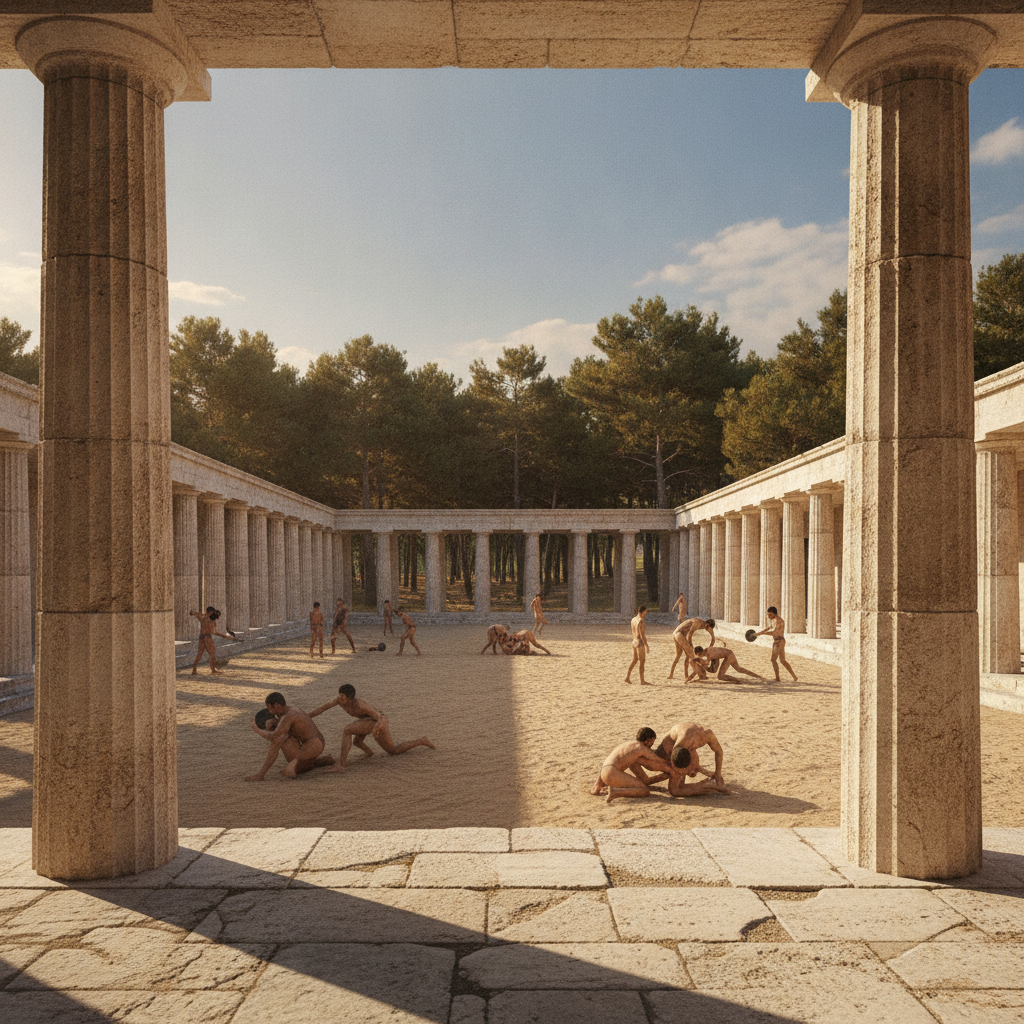
The Palaestra at Olympia, the square colonnaded building with the central sand-covered training courtyard where the wrestlers, the boxers, and the pankration fighters trained during the 30-day pre-Games training period that all competitors were required to complete at Olympia before competing, is the most complete surviving example of the ancient athletic training facility and the direct ancestor of the gymnasium concept in Western culture. The Palaestra rooms surrounding the courtyard included the changing room, the dust powder room for the wrestlers, and the trainer offices.
- 4
Ancient Gymnasium: The Running and Throwing Fields
The ancient gymnasium at Olympia, immediately north of the Palaestra and connected to it by the colonnade, provided the covered running track of 600 Olympic feet that the sprinters used for training in rain, and the open field for the javelin and the discus throwing practice. The gymnasium at Olympia, twice the size of the Palaestra and the largest athletic training facility in the ancient world, was the model from which the concept of the gymnasium as a place of athletic and intellectual education spread throughout the Hellenistic world.
- 5
Hippodrome: The Horse Racing Track
The ancient hippodrome at Olympia, where the chariot racing and the horse racing events of the Olympic Games were held, was located to the south of the stadium and has been entirely covered by the Alpheios River flood deposits, leaving no above-ground traces of the venue that hosted the most expensive and socially prestigious events in the ancient Games. The chariot race of 4 horses over 12 laps of the hippodrome, requiring the most dangerous turn at the Taraxippos pillar where horses regularly refused the corner and caused the mass crashes recorded in the ancient sources, was the event that the wealthy Greek aristocracy and the Sicilian tyrants most competed to win.
- 6
Olympic Athletes: Who Could Compete and How
The Olympic athletes of the ancient Games were required to be free Greek men who had not committed murder or sacrilege, to swear the oath to Zeus that they had trained for 10 months and would compete fairly, and to complete the 30-day pre-Games training at Olympia under the supervision of the Hellanodikai judges. Women were excluded from the Games as spectators except for the priestess of Demeter, but the Heraean Games for women were held at Olympia at a separate date with the stadion race for unmarried girls, providing the earliest evidence of organized women athletics in the western tradition.
Walk this route with audio
Stories play automatically as you reach each stop — no tapping needed.
More in Olympia
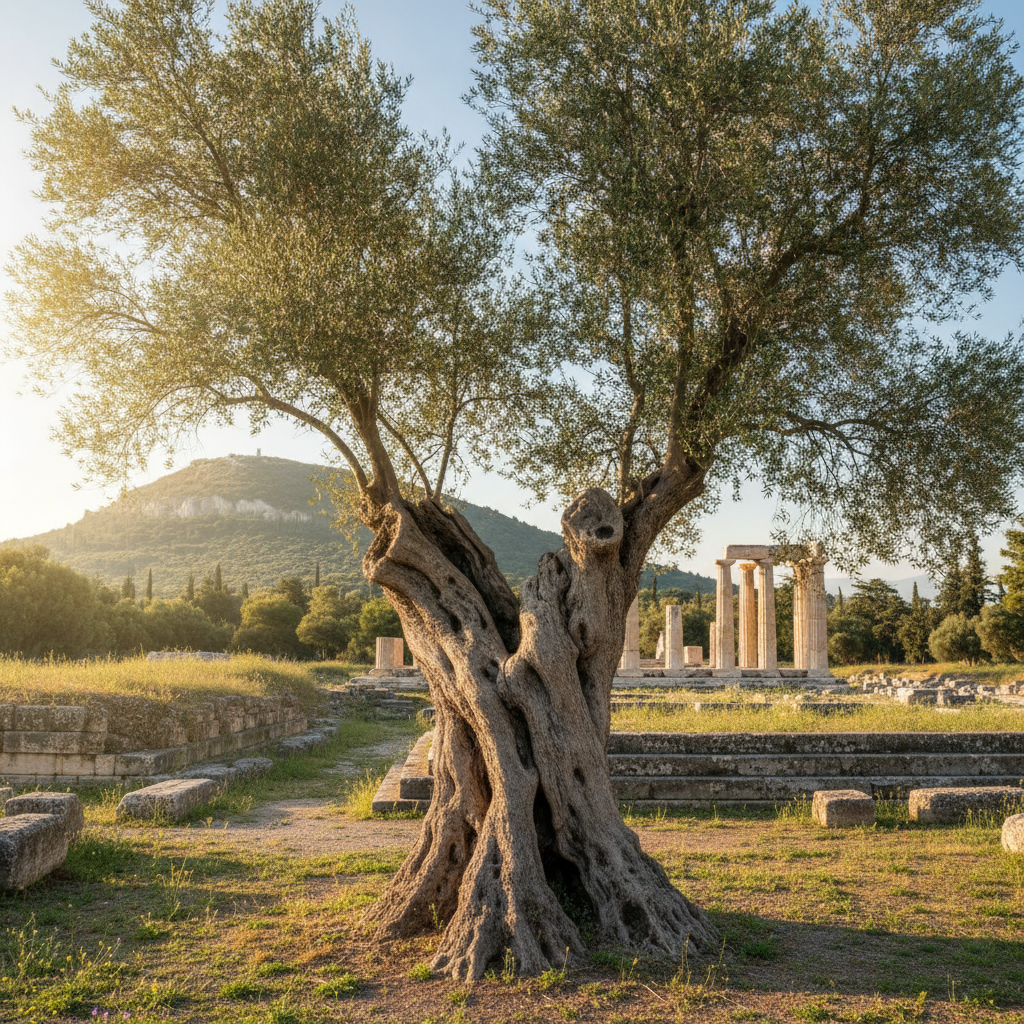
Olympia Olympic Victors: Pindar Victory Odes, Milo of Croton Wrestling, Leonidas of Rhodes Sprint, Diagoras Boxing Family, the Olive Wreath Crown, and the Social Meaning of Olympic Victory
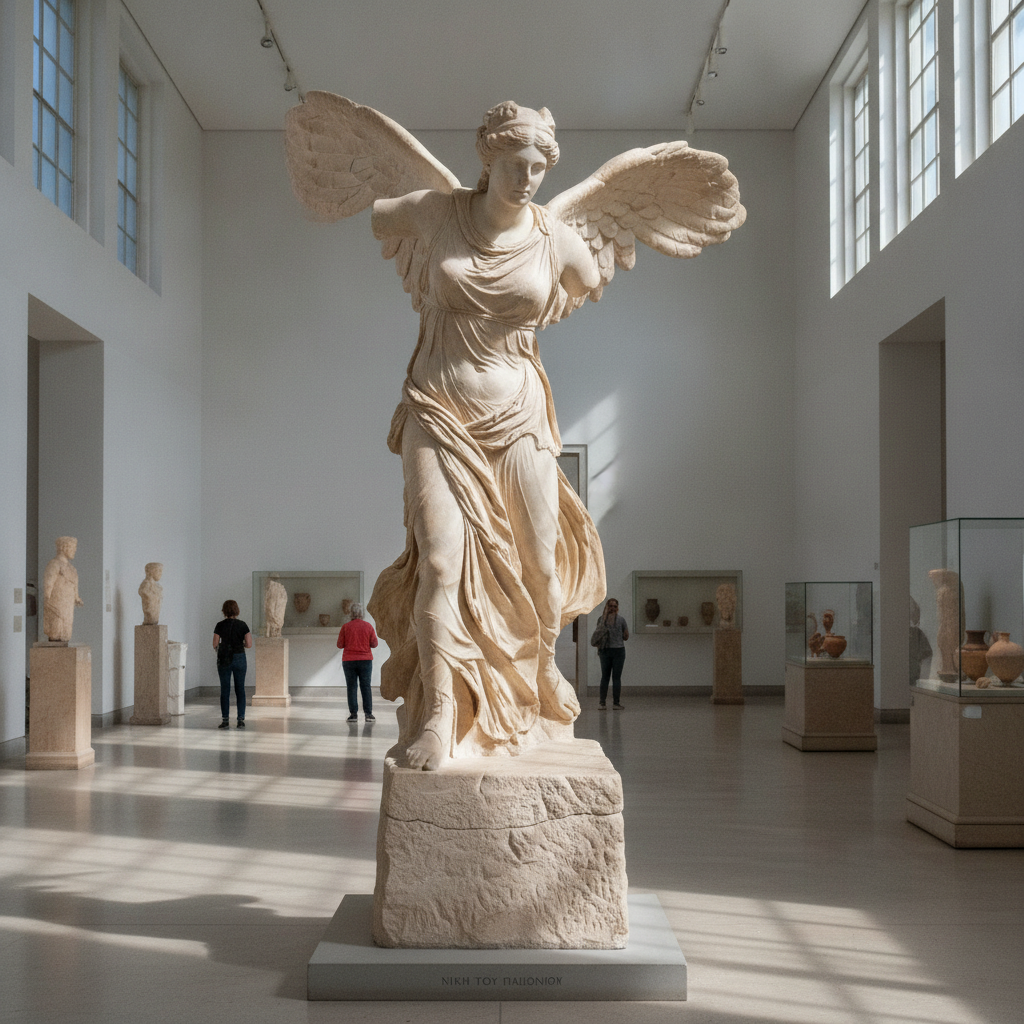
Olympia Monuments: Nike of Paionios, Echo Stoa, Treasury Terrace of City-States, Bouleuterion and the Olympic Oath, Prytaneion Eternal Flame, and the Processional Route
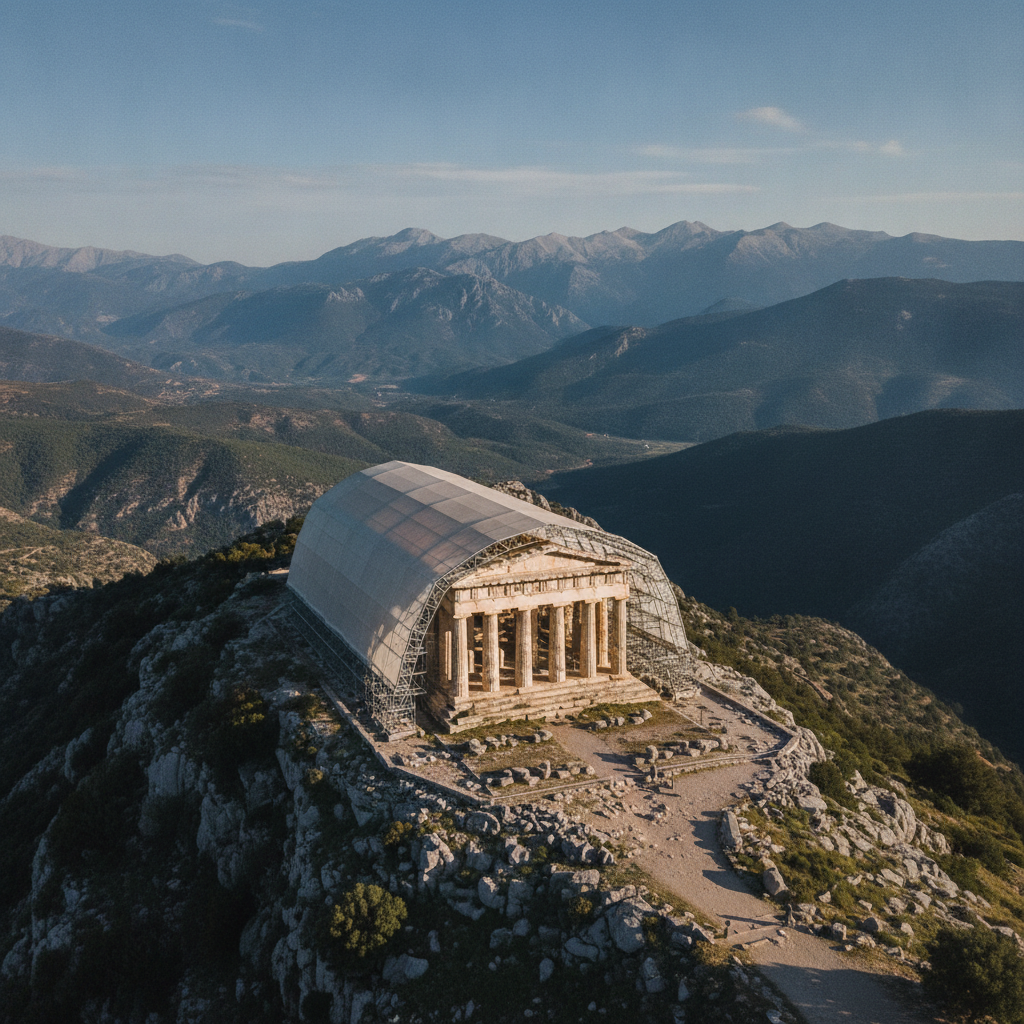
Olympia Peloponnese Excursions: Nestor Palace at Pylos, Bassae Apollo Temple UNESCO, Arcadian Mountain Landscape, Kyparissia Beach Town, Ancient Elis Region, and the Western Peloponnese Circuit
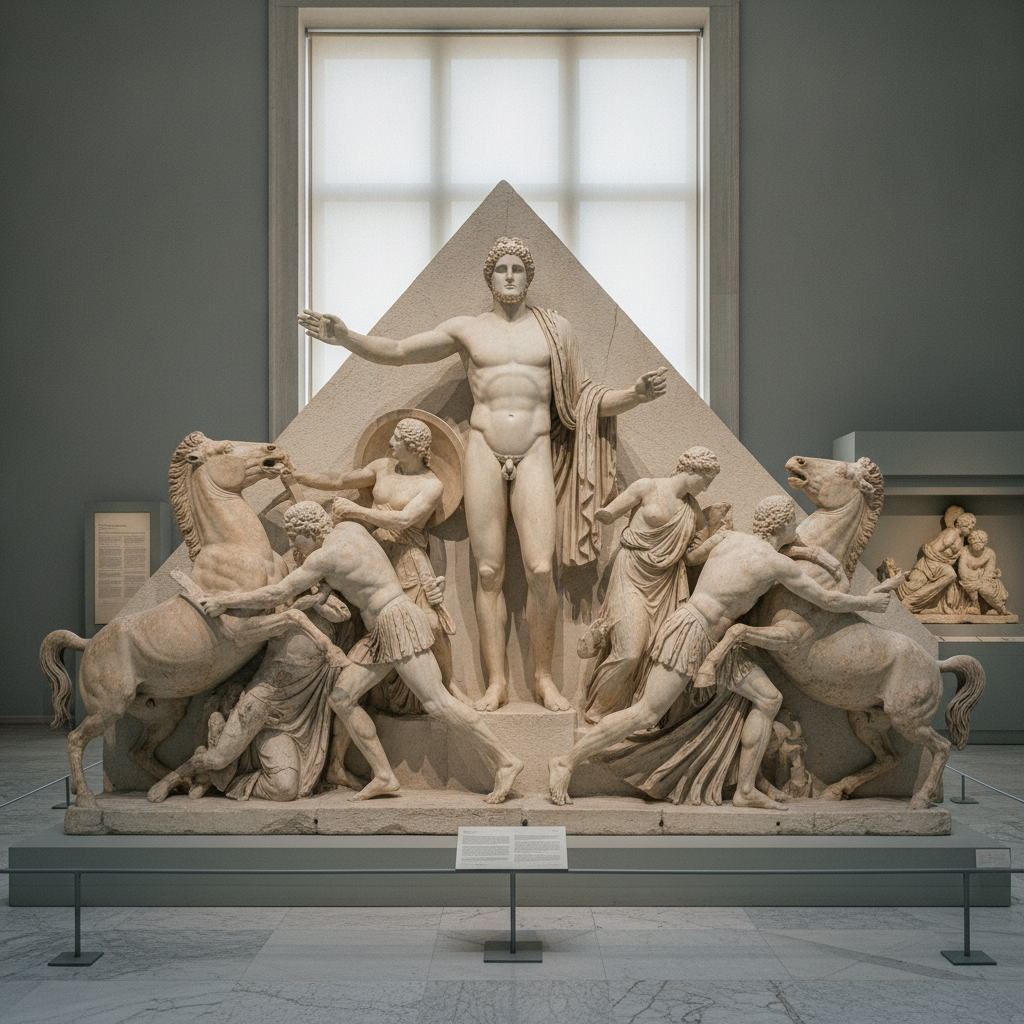
Olympia Museum Deep Dive: Zeus Temple East and West Pediments, Herakles Labors Metopes, Bronze Collection, and the Leonidas Sparta Thermopylae Connection to the Peloponnese Circuit
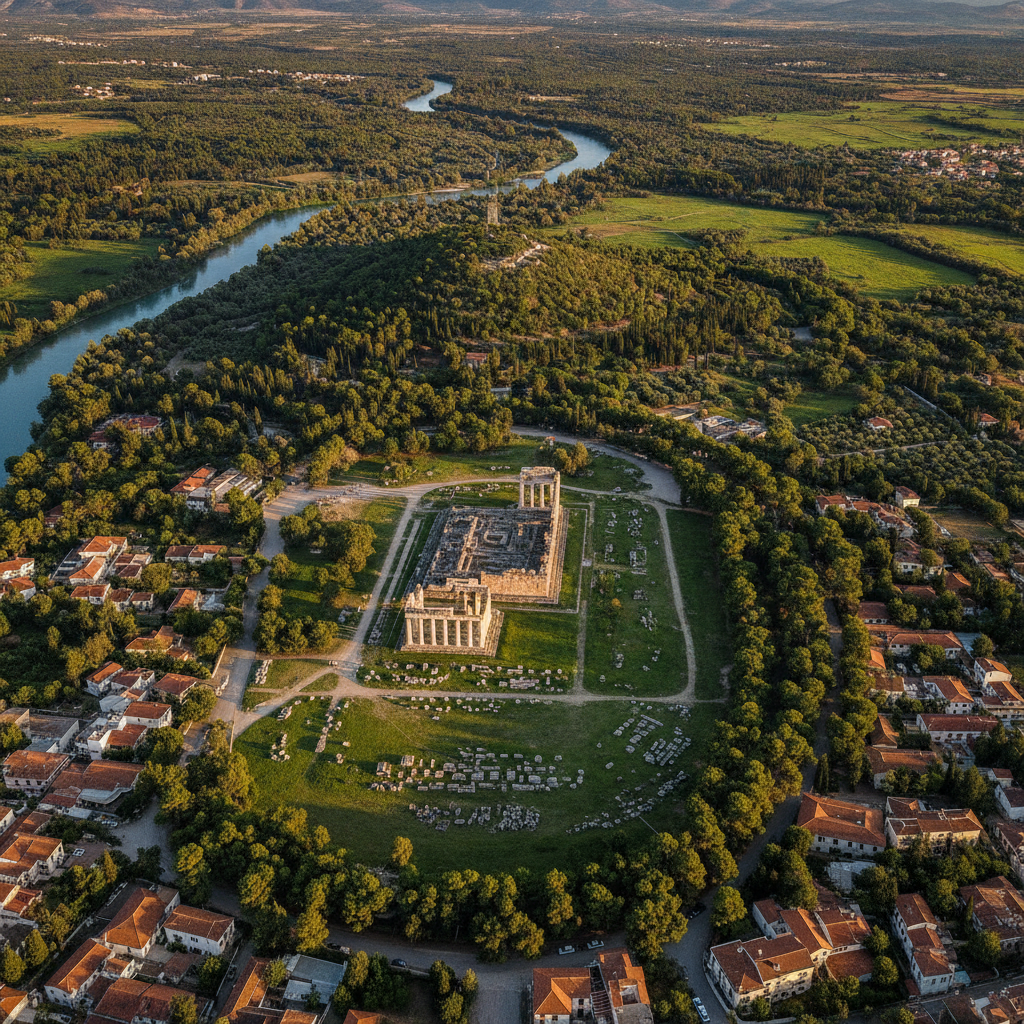
Olympia Modern Olympics: The 1896 Revival and Coubertin, the Ancient Site Natural Landscape, Alpheios and Kladeos River Setting, Ancient Olympia Village, the Nemea Games Revival, and the Olympic Museum