Oranjestad History and Culture: Aruba Carnival, Film Festival, Fort Zoutman Museum, Alto Vista Chapel, Cunucu Architecture, and the Queen Beatrix Airport Departure Guide
The historical and cultural Oranjestad encompasses the second-finest Caribbean Carnival, the international Aruba Film Festival, the Fort Zoutman colonial museum in the oldest building on the island, the pilgrimage chapel of Alto Vista, the traditional Cunucu stone house architecture, and the US pre-clearance facility at the Queen Beatrix Airport.
- 1
Aruba Carnival: The Wind Island Celebration
Aruba Carnival, held from January to February in the weeks before Lent and considered second only to Trinidad among the Caribbean carnivals, features the Grand Parade, the Children's Parade, the Lighting Parade, and the Carnival Queen election in a three-week celebration that is the most important cultural event in the Aruba calendar. The Oranjestad Grand Parade on the Sunday before Lent, with the elaborate costume bands and the tumba music, draws international visitors who combine Carnival with the beach resort.
- 2
Aruba Film Festival and Arts Scene
The Aruba Film Festival, held annually in October and presenting a program of international independent film in the open-air Cinema de Palm Beach and the festival venues, is the most internationally attended arts event in the Dutch Caribbean and the cultural marker that distinguishes Aruba from the pure resort destination. The Cas di Cultura, the primary Aruba performing arts venue in Oranjestad, presents theater, dance, and music in a year-round program.
- 3
Aruba History: The Colonial Succession
Aruba was successively inhabited by the Caquetio Arawak who arrived from Venezuela approximately 2,500 years ago, the Spanish who arrived in 1499 and designated the island an isla inutil for the absence of gold, and the Dutch West India Company which captured the island in 1636. The Historical Museum of Aruba in Oranjestad, housed in the restored Fort Zoutman of 1798, presents the complete archaeological and colonial history of the island in the oldest building in the capital.
- 4
Alto Vista Chapel: The Pilgrimage Route
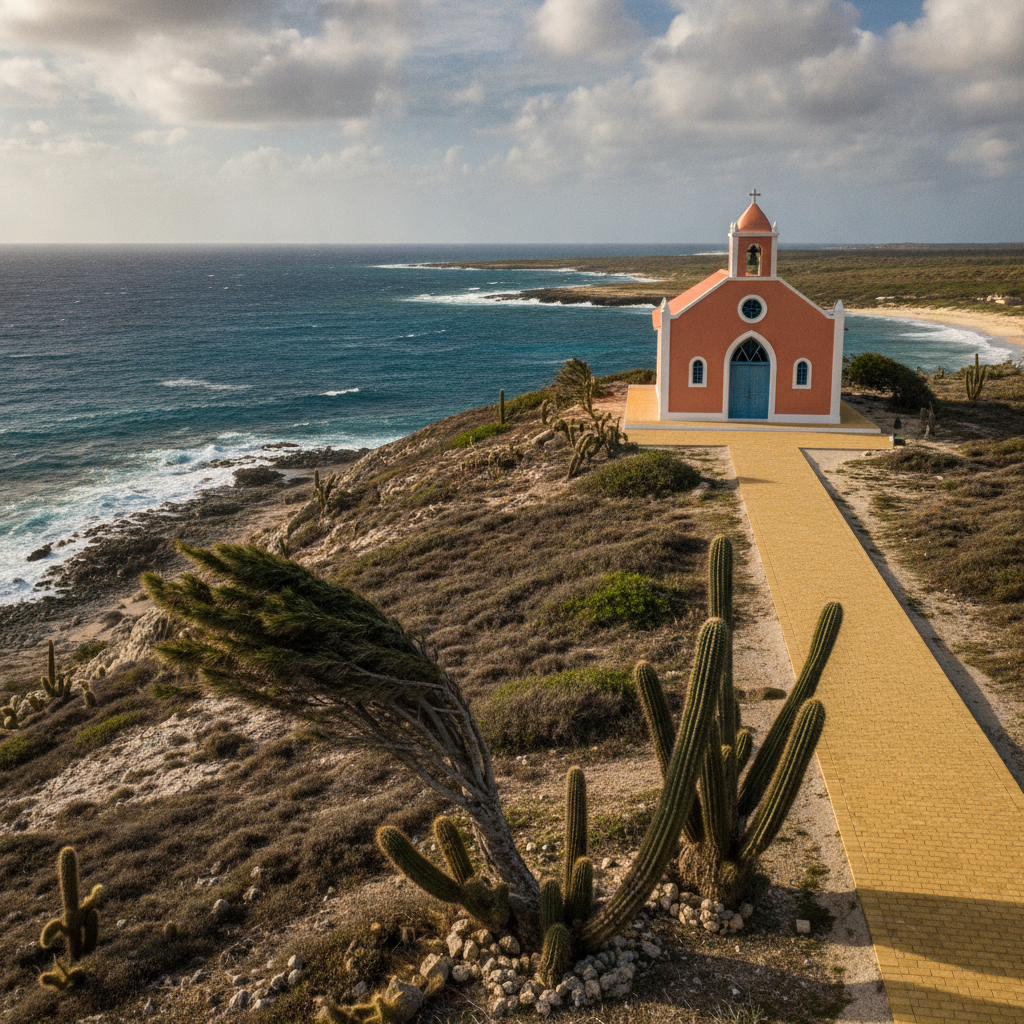
The Alto Vista Chapel on the north coast of Aruba, the small coral-colored colonial chapel of 1750 built by the Spanish missionary Domingo Antonio Silvester on the site of the earlier Arawak sacred ground, is the most spiritually significant site in Aruba and the destination of the annual pilgrimage during Holy Week when the Aruba Catholic community walks the stations of the cross along the yellow brick road from the main highway to the chapel. The hilltop setting provides the finest view of the Aruba north coast.
- 5
Aruba Architecture: Cunucu House
The Cunucu house, the traditional Aruba rural dwelling of coral stone or adobe construction with the low pitched roof adapted to the trade wind and the enclosed porch, is the indigenous architectural form of the Aruba interior that predates the resort development and persists in the Cunucu communities of the island interior as the most authentic encounter with the pre-tourism Aruba building tradition. The Aruba Open Air Museum presents examples of the traditional Cunucu architecture.
- 6
Departure Planning: Reina Beatrix Airport
The Queen Beatrix International Airport, 3 kilometers south of Oranjestad, serves as the Aruba gateway with direct flights to Amsterdam, New York, Miami, Boston, Toronto, and the major Caribbean islands. The Aruba departure tax is included in all international flight tickets. The airport pre-clearance facility allows US-bound passengers to complete US customs and immigration formalities in Aruba before departure, eliminating the customs queue on arrival in the United States.
Walk this route with audio
Stories play automatically as you reach each stop — no tapping needed.
More in Oranjestad
Oranjestad Context and Departure: Venezuela as Neighbor, Dutch Kingdom Investment Stability, ATA Tourism Excellence, Beach Safety, Water Desalination Technology, and the Final Afternoon Shopping
Oranjestad and Aruba: Eagle Beach, Arikok Desert Park, the California Lighthouse, and Kitesurfing at Boca Grandi
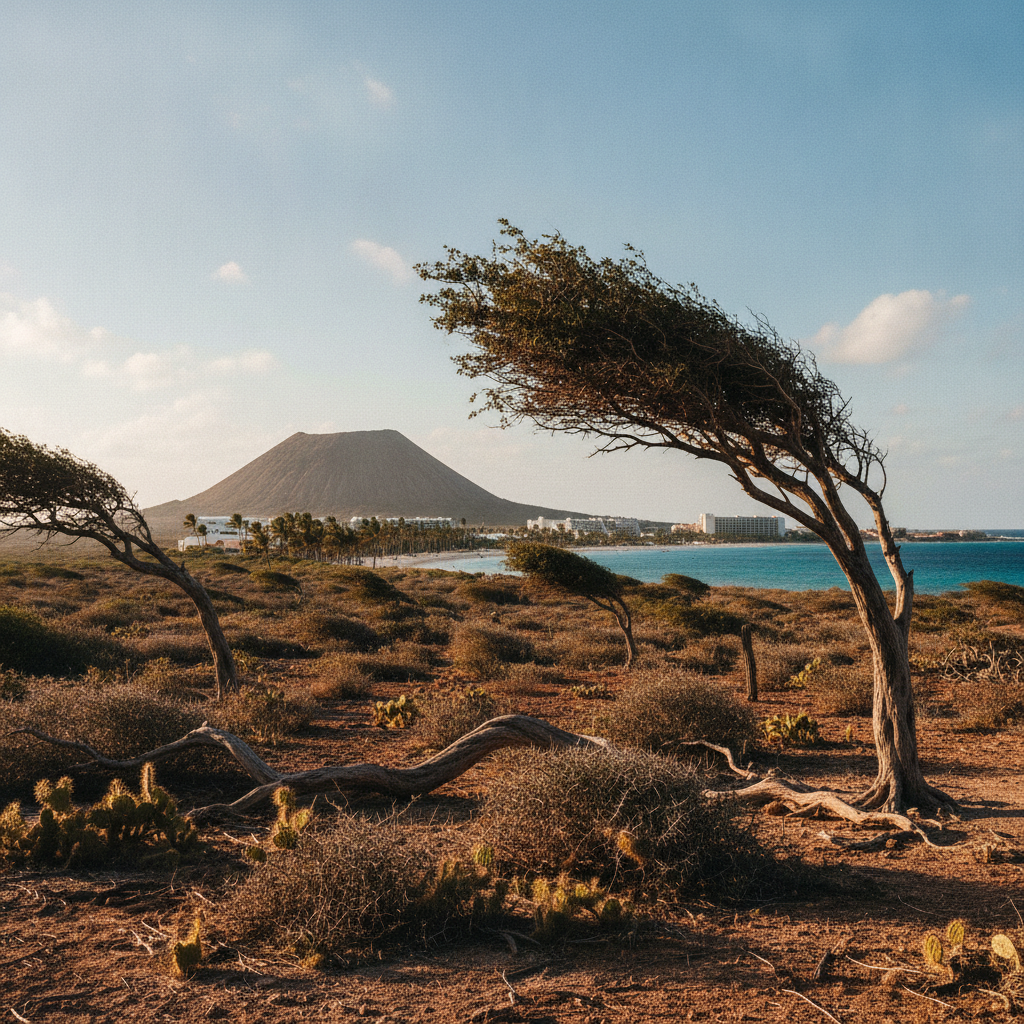
Oranjestad Character and Context: Authentic Aruba Beyond the Resort, Hooiberg Viewpoint, Hurricane Safety, Divi-Divi Symbol, Noord Restaurant Strip, and Family Destination Excellence
Oranjestad Complete: Sero Colorado Wilderness, Arikok Dark Sky Stargazing, Eagle Beach Sea Turtle Nesting, Culinaria Festival, Fort Zoutman History, and the Aruba Tourism Formula
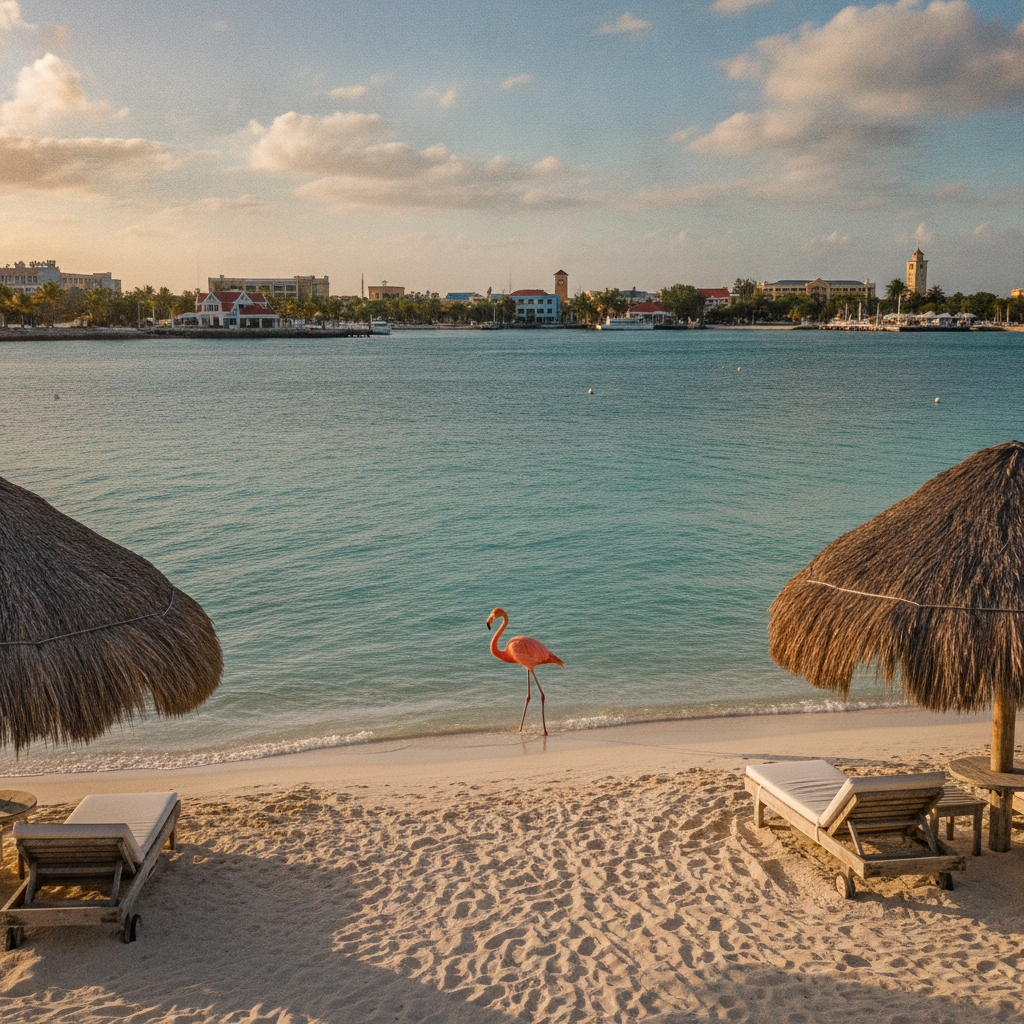
Oranjestad Culture and Nature: Druif Beach, Renaissance Private Island, Ayo Rock Formations, Casino Culture, Local Market, and Aruba Sustainable Tourism