Oranjestad Complete: Sero Colorado Wilderness, Arikok Dark Sky Stargazing, Eagle Beach Sea Turtle Nesting, Culinaria Festival, Fort Zoutman History, and the Aruba Tourism Formula
The final Oranjestad guide covers the rugged Sero Colorado east end, the Arikok dark sky southern constellation viewing, the Eagle Beach loggerhead turtle nesting program, the Culinaria gastronomy festival, the 1798 Fort Zoutman historical museum, and the honest accounting of why the One Happy Island formula delivers consistent Caribbean vacation satisfaction.
- 1
Sero Colorado: The East End Wilderness
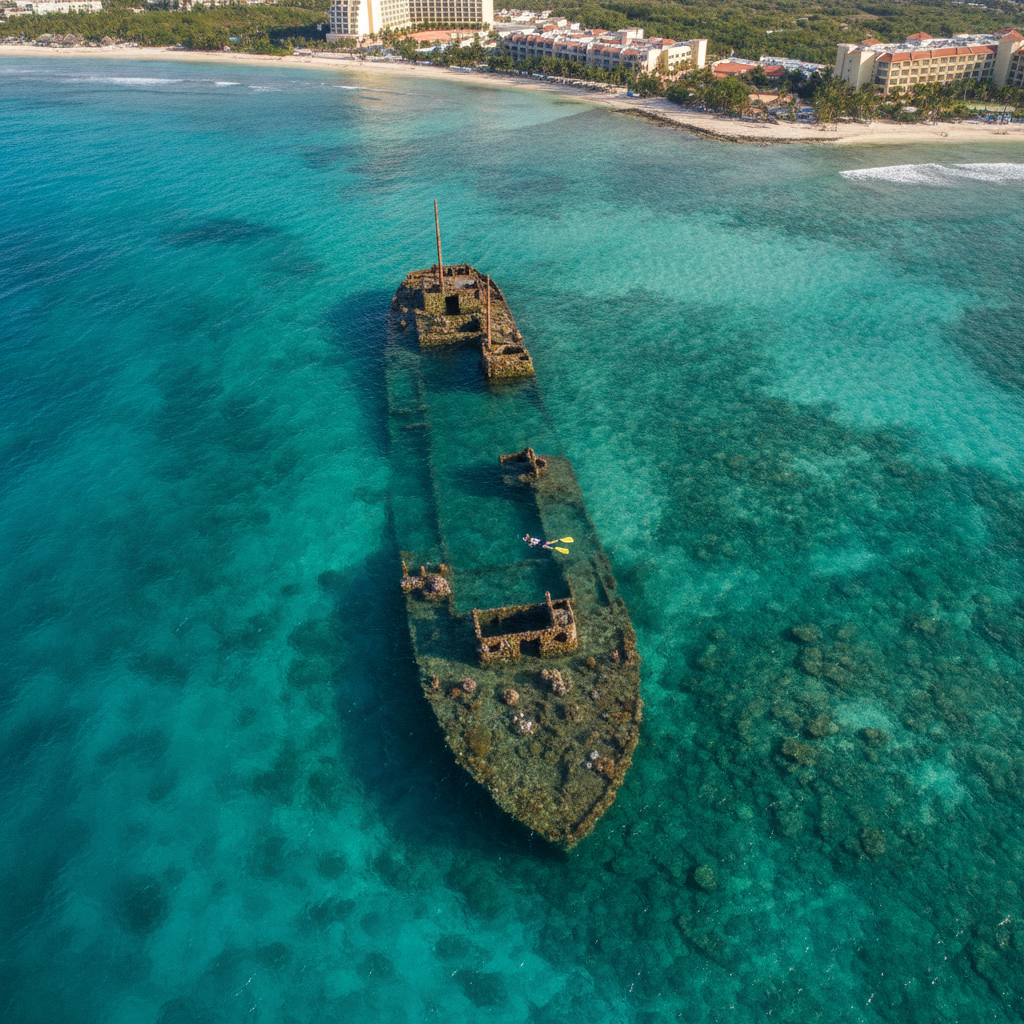
Sero Colorado on the southeast coast of Aruba, the rocky headland area south of Boca Grandi where the company town of the Colorado oil refinery once housed the Lago Oil and Transport Company workers, is now the least-visited and most rugged part of Aruba, with the red limestone cliffs, the crashing Atlantic surf, and the abandoned industrial heritage of the refinery creating the most dramatically different landscape from the Palm Beach resort zone on the island.
- 2
Aruba Stargazing: The Dark Skies of Arikok
The Arikok National Park interior, far from the Palm Beach resort lighting, provides among the darkest skies accessible to the Aruba visitor, with the low humidity, the absence of cloud cover for most of the year, and the southern latitude providing access to the southern hemisphere constellations including the Southern Cross and the Centaurus star field that are not visible from North American or European latitudes. The Aruba Astronomy Club organizes occasional dark sky events in the park.
- 3
Eagle Beach Sea Turtle Nesting Season
The loggerhead and leatherback sea turtle nesting on Eagle Beach from March to September, managed by the Aruba Sea Turtle Conservation (ATC Stichting) volunteer organization that monitors and protects the nests during the incubation period and organizes supervised turtle release events when the hatchlings emerge, is the most meaningful wildlife engagement experience in Aruba and the most compelling reason to visit in the May to August shoulder season rather than the December to April peak season.
- 4
Aruba Culinary Week and Dining Festivals
The Aruba Gastronomic Association Culinaria festival in June, the most important food and wine event in the Dutch Caribbean, brings together the Aruba chefs, the international wine producers, and the visiting food professionals in a week of dinners, tastings, and cooking demonstrations that present the Aruba culinary scene at its most ambitious level and provide the food-focused traveler with the most concentrated access to the island kitchen.
- 5
Oranjestad Fort Zoutman: The National Icon
Fort Zoutman, the 1798 coral stone fort that is the oldest building in the capital and the site of the first Dutch colonial government of Aruba, houses the Historical Museum of Aruba with the collection covering the Caquetio Arawak pre-history, the Spanish colonial period, the Dutch West India Company occupation, and the 20th century oil refinery economy that transformed the island from the subsistence Cunucu economy to the high-income tourism destination. The Willem III tower adjacent to the fort was built in 1868 and is the first clock tower in Aruba.
- 6
Aruba in Summary: Why the One Happy Island Works
Aruba succeeds as a tourism destination because the combination of factors that it controls, including the consistent trade wind climate, the leeward beach safety, the efficient airport, the professional hospitality industry, the Dutch governance standards, and the natural warmth of the Aruban population, creates a vacation formula with the lowest variance and the highest predictability of any Caribbean beach destination. The visitor who returns to Aruba is not necessarily seeking novelty but seeking the reliable delivery of the Caribbean beach experience that Aruba has perfected over 50 years of tourism development.
Walk this route with audio
Stories play automatically as you reach each stop — no tapping needed.
More in Oranjestad
Oranjestad History and Culture: Aruba Carnival, Film Festival, Fort Zoutman Museum, Alto Vista Chapel, Cunucu Architecture, and the Queen Beatrix Airport Departure Guide
Oranjestad Context and Departure: Venezuela as Neighbor, Dutch Kingdom Investment Stability, ATA Tourism Excellence, Beach Safety, Water Desalination Technology, and the Final Afternoon Shopping
Oranjestad and Aruba: Eagle Beach, Arikok Desert Park, the California Lighthouse, and Kitesurfing at Boca Grandi
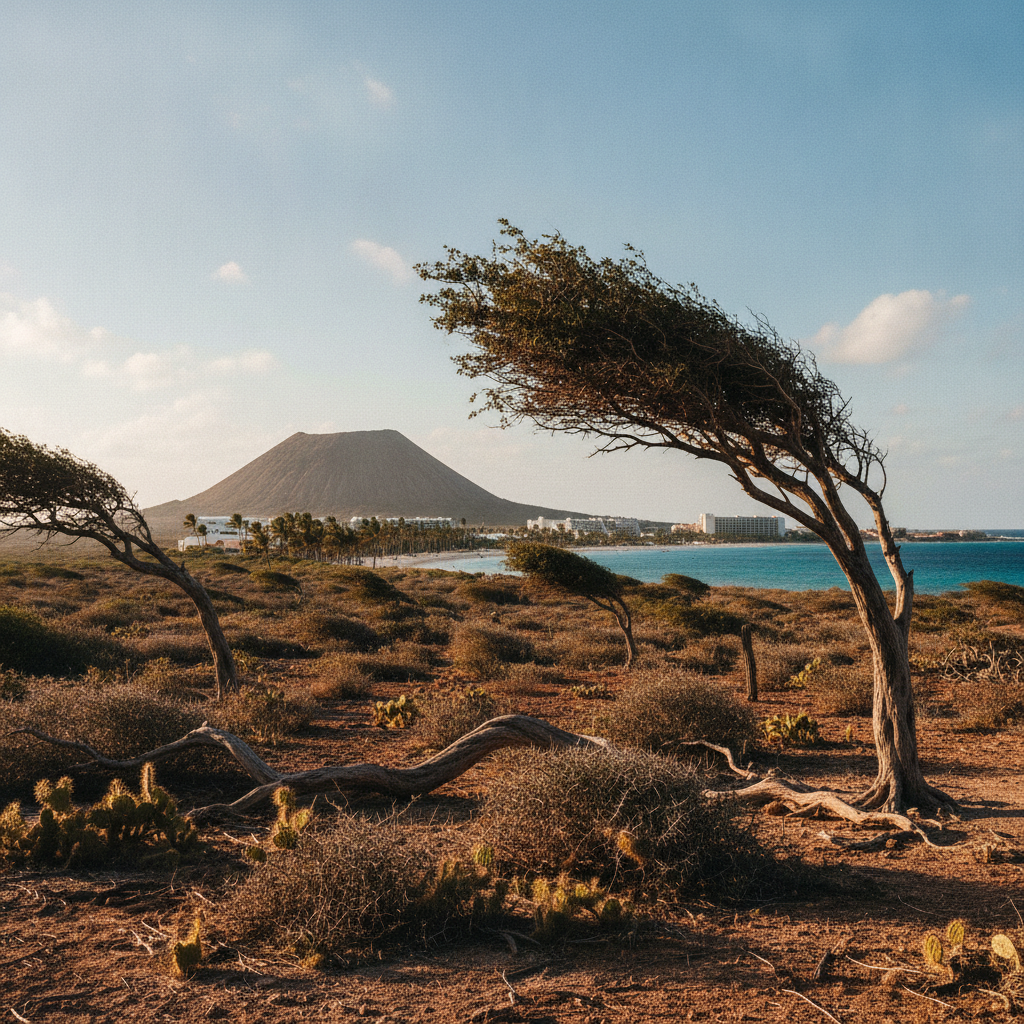
Oranjestad Character and Context: Authentic Aruba Beyond the Resort, Hooiberg Viewpoint, Hurricane Safety, Divi-Divi Symbol, Noord Restaurant Strip, and Family Destination Excellence
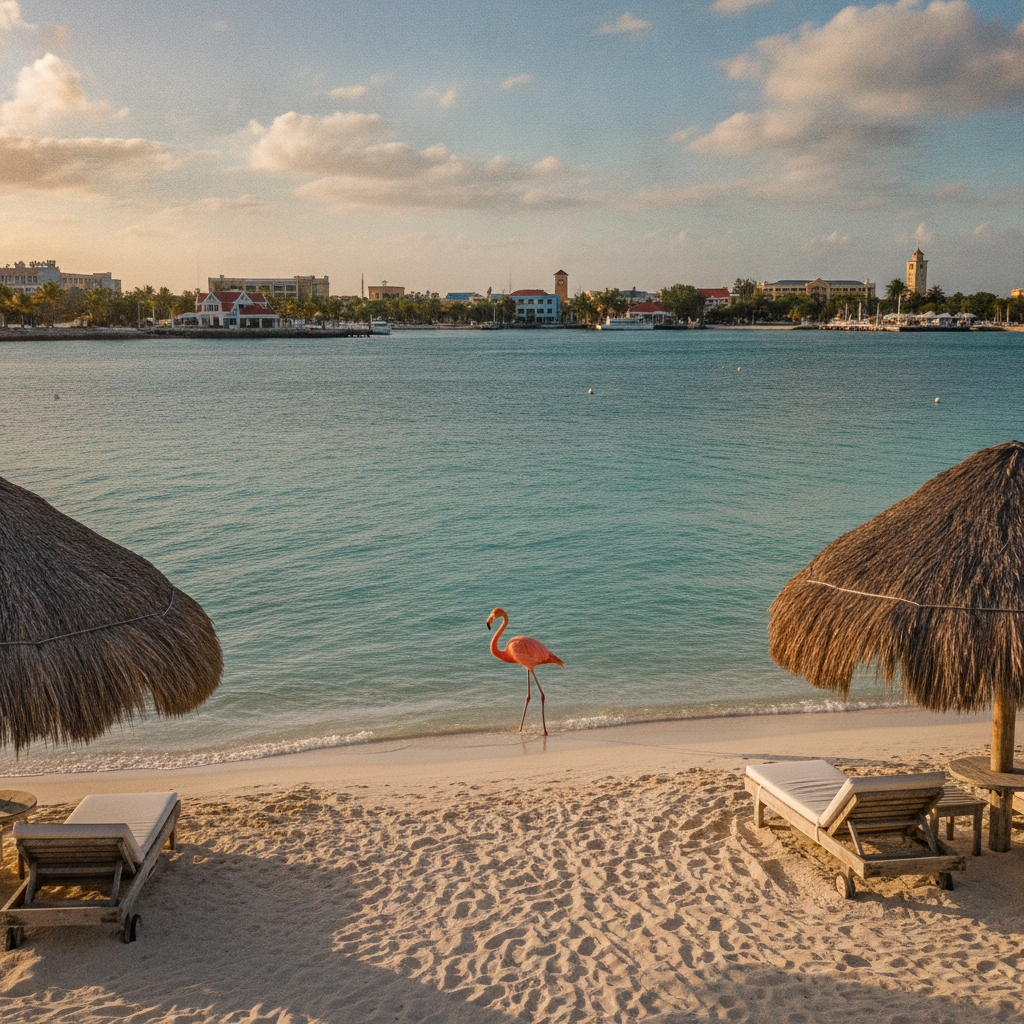
Oranjestad Culture and Nature: Druif Beach, Renaissance Private Island, Ayo Rock Formations, Casino Culture, Local Market, and Aruba Sustainable Tourism