Umeda, the Sky Building & Grand Front — Osaka's Northern Hub
Umeda (梅田 — the main commercial and transportation hub of north Osaka (kita), centred on Osaka/Umeda Station (the largest station complex in western Japan, with 18 platforms across JR, Hankyu, Hanshin, and Osaka Metro lines)) is the commercial counterweight to Dotonbori's entertainment district, with the iconic Umeda Sky Building, the Grand Front Osaka shopping complex, and the finest views over the city.
- 1
Umeda Sky Building — The Floating Garden Observatory
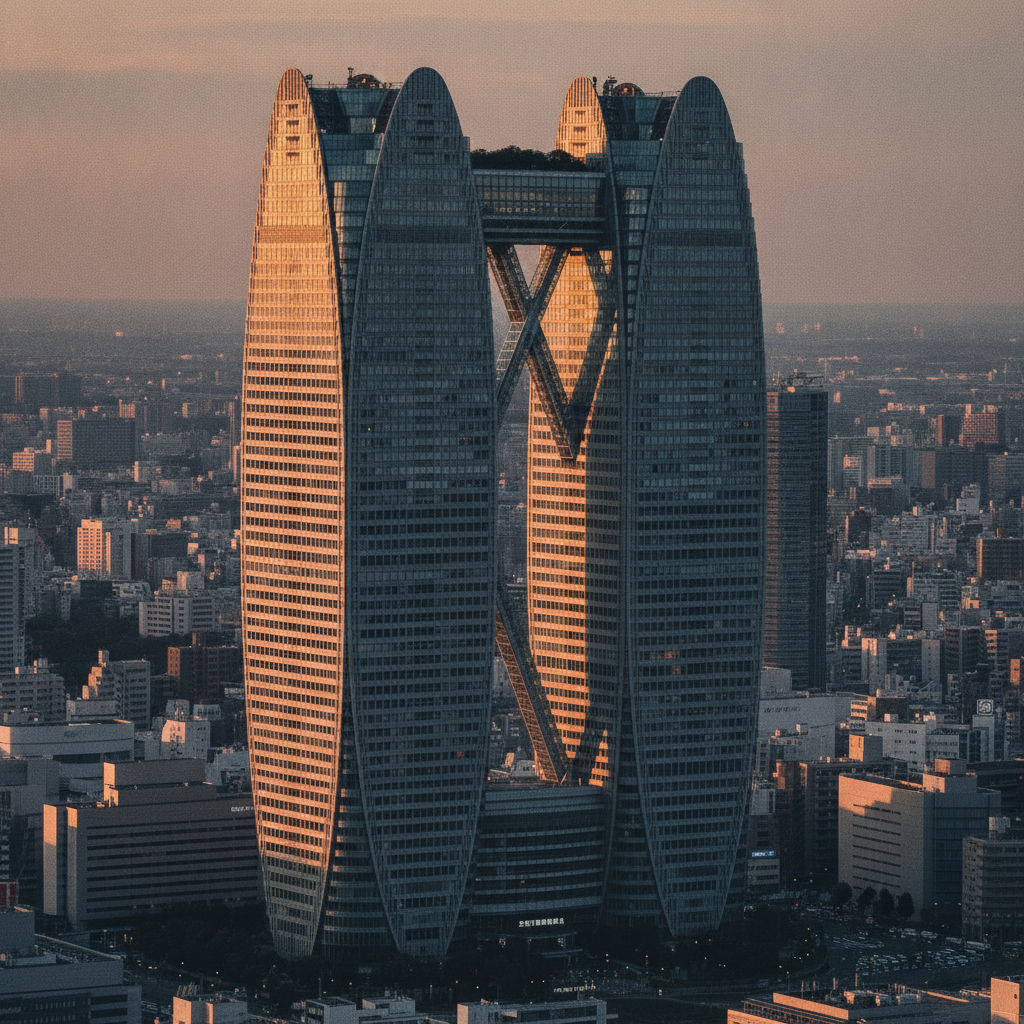
Umeda Sky Building (梅田スカイビル — the 173-metre two-tower skyscraper in the Umeda district of north Osaka, completed 1993, designed by the architect Hiroshi Hara — consistently ranked among the most beautiful and architecturally significant modern buildings in Japan): the building (two 40-floor towers connected at the top by the 'Floating Garden Observatory' (空中庭園展望台 — Kūchū Teien Tenbōdai — the rooftop observation deck at 170 metres, connected to the main towers by glass-floored escalators spanning the gap between the two towers at the 39th floor — the most architecturally thrilling escalator ride in Japan)) is the most distinctive building in Osaka; the Floating Garden Observatory (the open-air circular roof deck at 173 metres) gives the finest panoramic view in Osaka: the Osaka plain stretching to the Ikoma mountains in the east and south, Osaka Bay in the west, and Kyoto visible on clear days to the northeast; Takimi-koji (滝見小路 — the reconstructed 1920s Osaka alley in the basement of the building, with retro restaurant facades and lighting recreating the Meiji-Taisho era atmosphere) is the most atmospheric restaurant street in north Osaka.
- 2
Grand Front Osaka & Umeda Station Complex
Grand Front Osaka (グランフロント大阪 — the large-scale mixed-use development (commercial, office, hotel, and residential complex) on the former Osaka Station freight yard site in Umeda, opened May 2013 — the most important commercial development in Osaka since the 1990s, comprising two main building blocks (South Building and North Building) with approximately 260 shops and restaurants, the knowledge capital research hub, the InterContinental Osaka Hotel, and the Grand Front Plaza): Grand Front Osaka anchors the 'umekita' (梅北 — north Umeda) redevelopment area, transforming the former brownfield railway yards north of Osaka Station into the most contemporary commercial district in the city; the Osaka Station (大阪駅 — the main JR terminal in Osaka, the largest and busiest railway station in western Japan, with the 'Time Square' glass dome over the station concourse (the 'Glass Dome' — the 100-metre-span glass-and-steel roof that is the visual centrepiece of the renovated station, completed 2011)) is directly connected to Grand Front and to the Hankyu and Hanshin Umeda stations and the Osaka Metro Umeda station — making the station complex the single largest transport interchange in western Japan.
- 3
Osaka Nightlife — Kitashinchi & the Bar Scene
Kitashinchi (北新地 — the entertainment and nightlife district of north Osaka, in the block immediately north of Osaka Station between the JR Tozai Line and the Midosuji subway — the most expensive entertainment district in western Japan, comparable in price and exclusivity to Tokyo's Ginza): Kitashinchi has the highest concentration of high-end bars, hostess bars (the seryōken and kyabakura establishments that are the central institution of Japanese business entertainment culture), and fine dining restaurants in western Japan; the Osaka bar culture (the atmospheric standing bars (tachinomi establishments), the specialized whisky bars, and the local izakaya (居酒屋 — the Japanese gastropub, the primary venue for after-work socializing in Japan) of the Umeda and Shinsaibashi areas) is the finest in western Japan; Osaka whisky culture (Osaka is the home of the Suntory Yamazaki Distillery (山崎蒸溜所 — the first Japanese whisky distillery, founded 1923 by Suntory founder Shinjiro Torii in Yamazaki, between Osaka and Kyoto), the most historically significant whisky distillery in Asia.
- 4
Osaka Ramen, Udon & Culinary Deep Dives
Osaka ramen and noodle culture (the noodle eating culture of Osaka, which differs from Tokyo in its lighter, clearer broths and its preference for udon (thick wheat noodles) over ramen (thin curly noodles) — Osaka is the historical centre of udon noodle culture in Japan): Kitsune udon (きつね うどん — 'fox udon' — the thick wheat noodles in a clear dashi broth topped with a large piece of abura-age (sweet simmered deep-fried tofu pouch), the dish invented in Osaka in 1893 by the Matsuba restaurant in the Namba area — the most Osakan of all Japanese noodle dishes) is the defining Osaka noodle; the Osaka ramen scene has historically been dominated by lighter, clearer chicken and kombu dashi broths rather than the heavier tonkotsu or miso broths more associated with Fukuoka or Sapporo; the Osaka food phenomenon of 'B-gourmet' (B級グルメ — the affordable, unpretentious 'B-class gourmet' food movement, celebrating the best cheap eats as a form of culinary expertise) is most fully realized in Osaka, the city where the most enthusiastic and knowledgeable mass food culture in Japan has developed.
- 5
Shinsaibashi & Midosuji Boulevard
Midosuji Boulevard (御堂筋 — the main north-south boulevard of central Osaka, running 4 km from Umeda in the north to Namba in the south, with the Midosuji subway line running beneath it — the Champs-Élysées of Osaka, lined with ginkgo trees (Ginkgo biloba) that turn brilliant gold in November (the finest ginkgo avenue in Japan) and the flagship stores of international luxury brands): Midosuji Boulevard (planned by Osaka Mayor Hajime Seki in the early 1930s as a wide Parisian-style boulevard to modernize the city) was completed in 1937 and remains the defining urban axis of central Osaka; the Shinsaibashi intersection (the crossing of Midosuji Boulevard and the Shinsaibashi shopping arcade — the busiest intersection in western Japan, with approximately 200,000 pedestrians per day) is the commercial heart of central Osaka; the Midosuji Illumination (the winter illumination of the Midosuji boulevard ginkgo trees with LED lights (approximately 300,000 LED lights, November-December) — the most spectacular urban light display in western Japan).
- 6
Tsuruhashi & Osaka's Korean Town
Tsuruhashi (鶴橋 — the neighbourhood in the Ikuno ward of Osaka, 10 minutes east of Namba on the Osaka Metro — the largest Korean community in Japan outside the Tokyo metropolitan area, home to the Tsuruhashi Ichiba market (the Tsuruhashi market, one of the largest covered markets in Japan, known for the highest concentration of Korean restaurants and Korean food shops in Japan)): Osaka has the largest permanent Korean population in Japan (Zainichi Koreans — ethnic Koreans who have lived in Japan since the colonial period (1910-1945) and their descendants), with the Ikuno ward of Osaka (the area around Tsuruhashi) having the highest proportion of Korean residents of any district in Japan; the Tsuruhashi market (the labyrinthine covered market of approximately 1,000 shops) specializes in Korean barbecue (the yakiniku culture that originated in the Korean restaurants of Osaka Tsuruhashi before spreading to the rest of Japan) and the essential ingredients of Korean cuisine (kimchi, gochujang, doenjang, galbijjim, and the full Korean food vocabulary); Tsuruhashi yakiniku (Korean barbecue) is the finest in Japan and the origin of Japan's yakiniku restaurant culture.
Walk this route with audio
Stories play automatically as you reach each stop — no tapping needed.
More in osaka
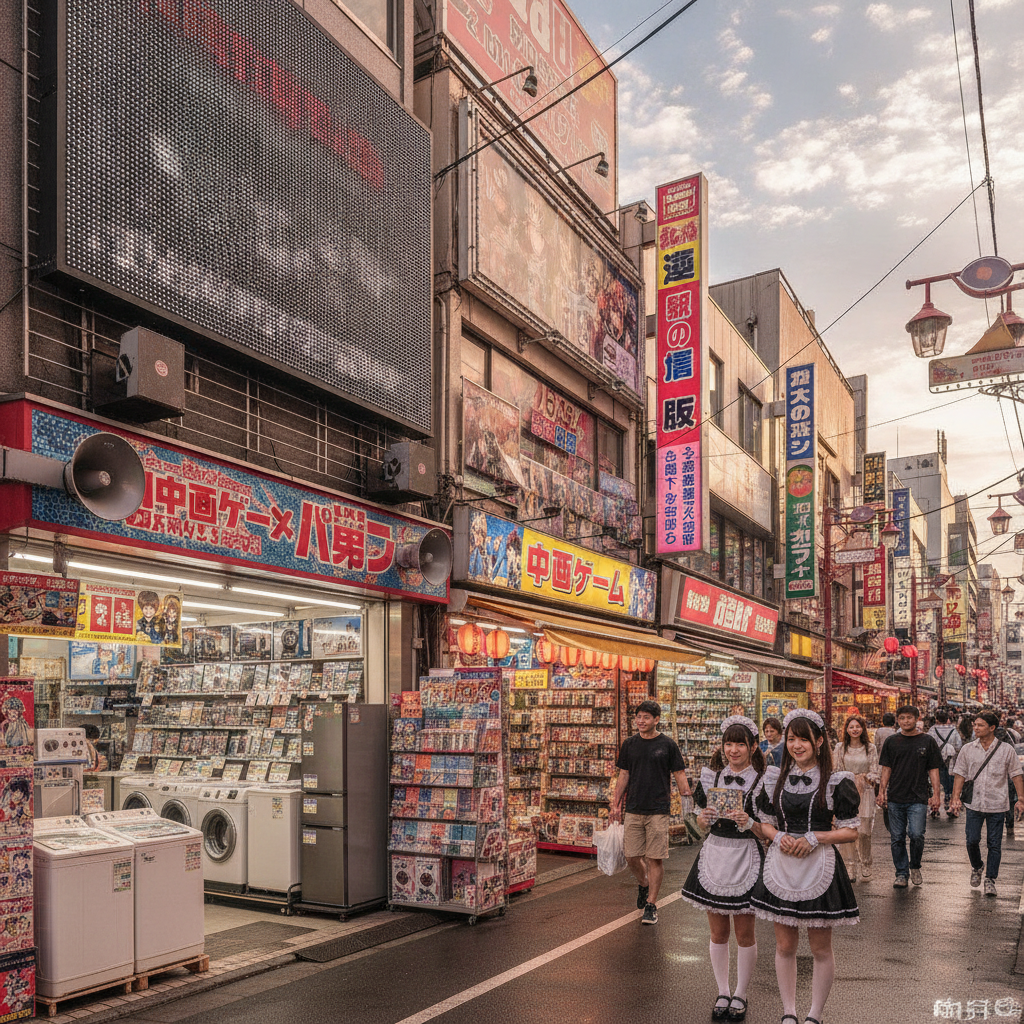
Den-Den Town, Namba & Osaka's Retail Landscape
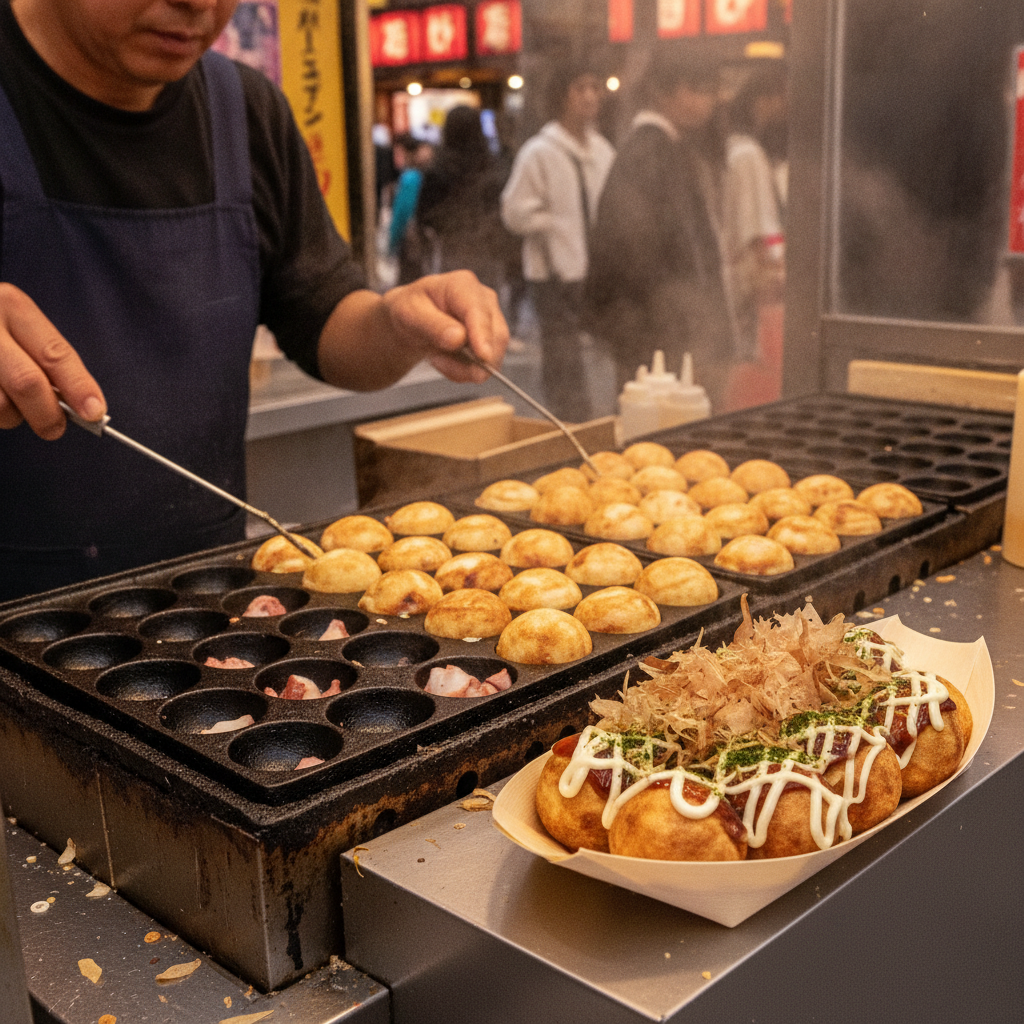
Osaka Food Deep Dive — Takoyaki, Ramen & the B-Gourmet Trail
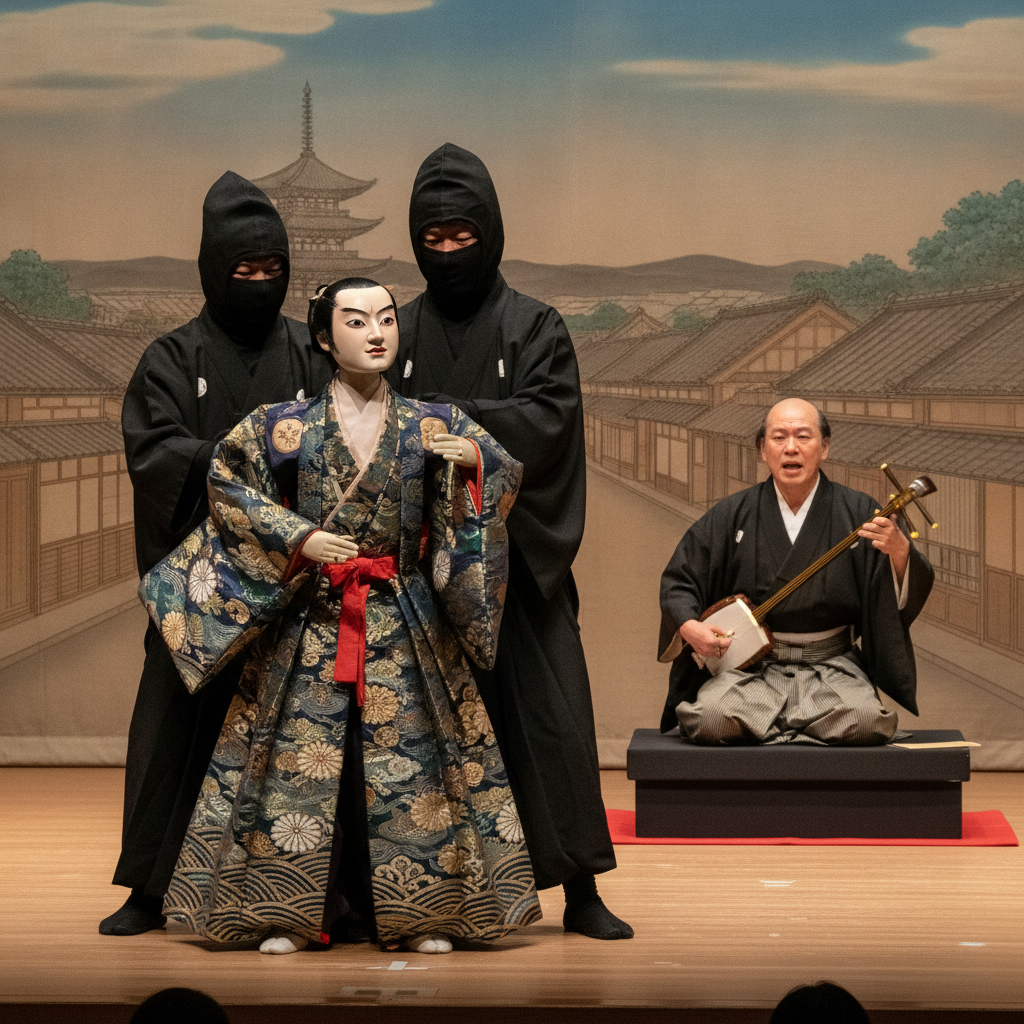
Bunraku, Kabuki & the Traditional Performing Arts of Osaka
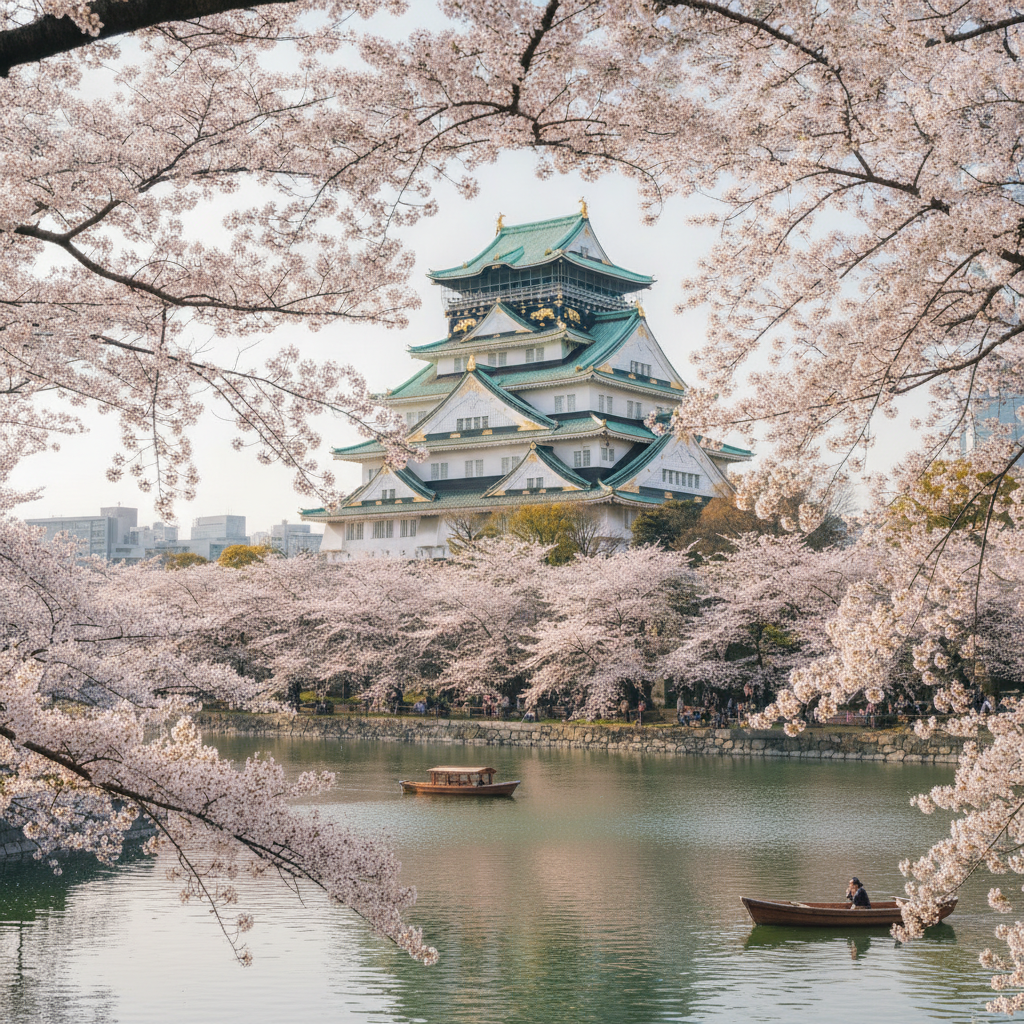
Osaka Castle — Toyotomi Hideyoshi's Fortress & the City's Historic Heart
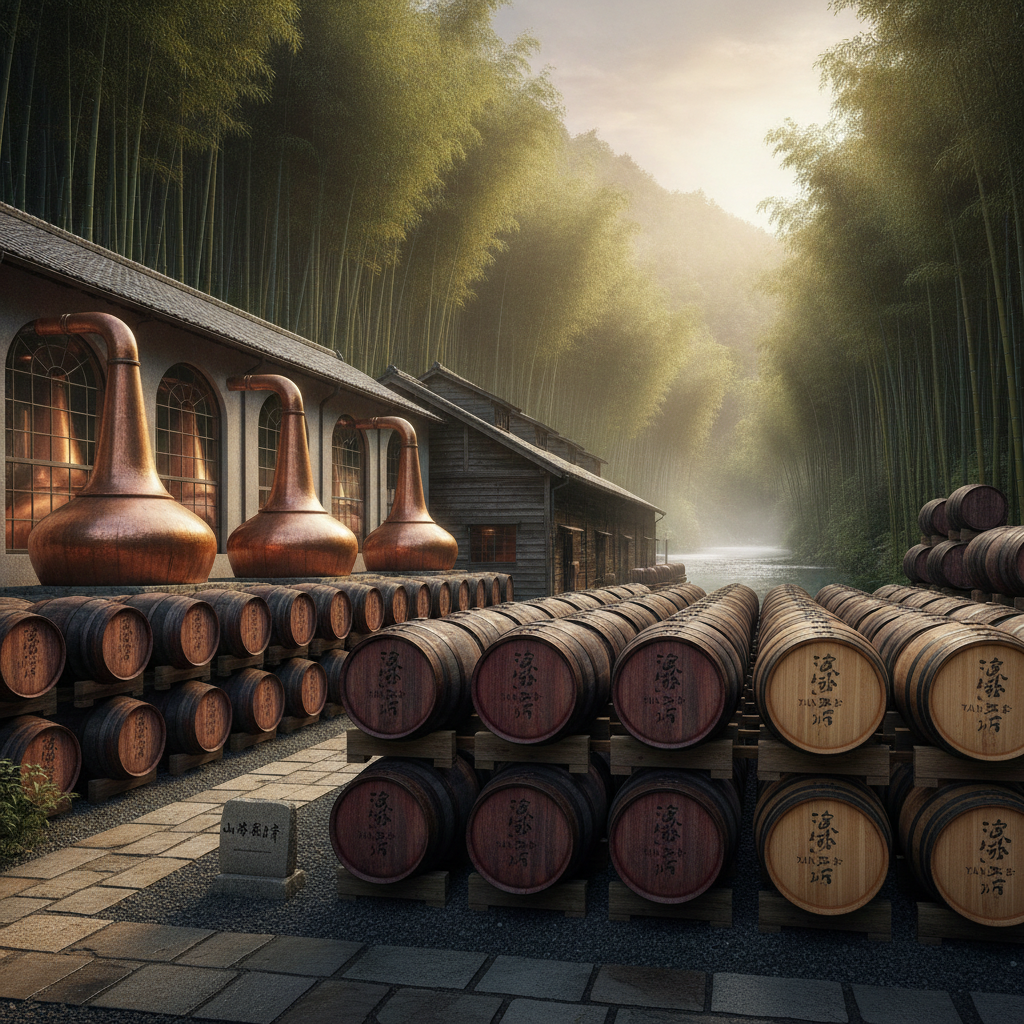
Japanese Sake, Craft Beer & Suntory Whisky — Osaka's Drinks Culture