Pai Waterfall & Hot Spring Walk
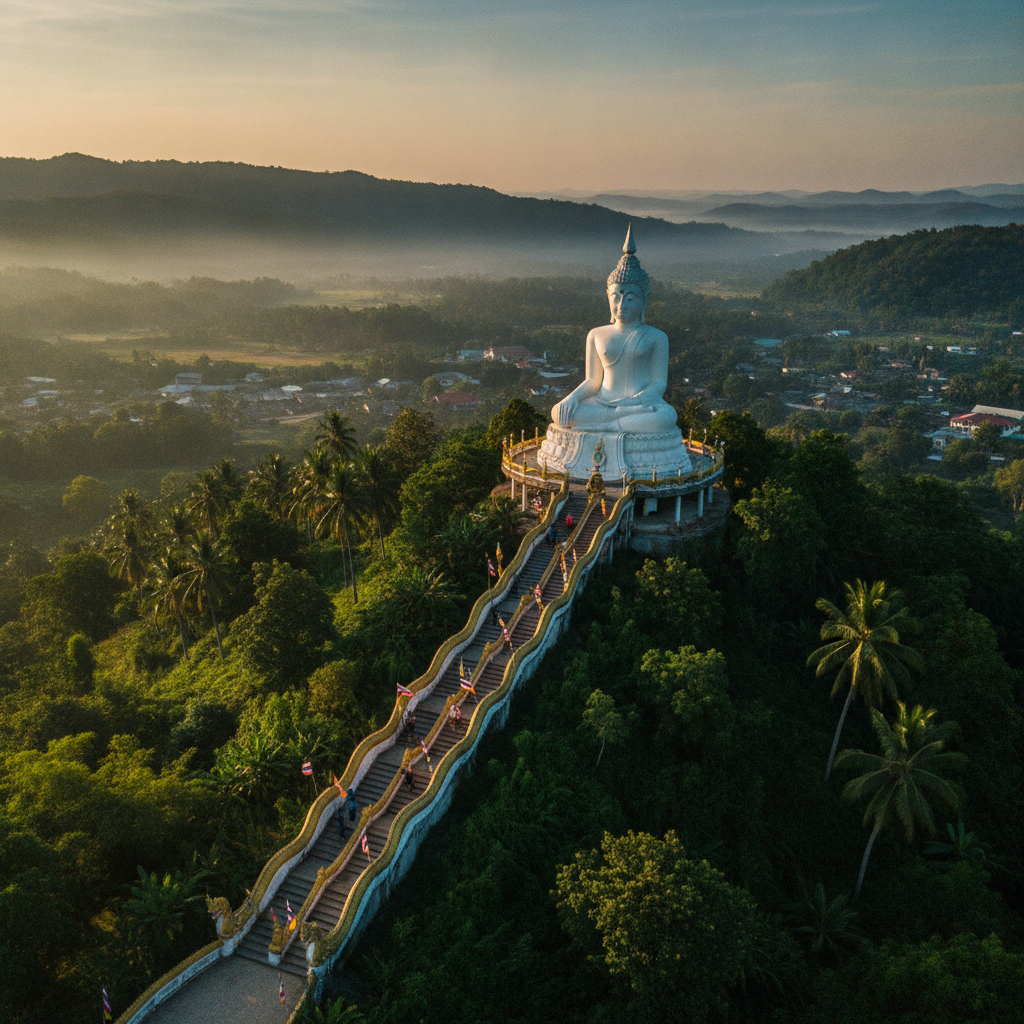
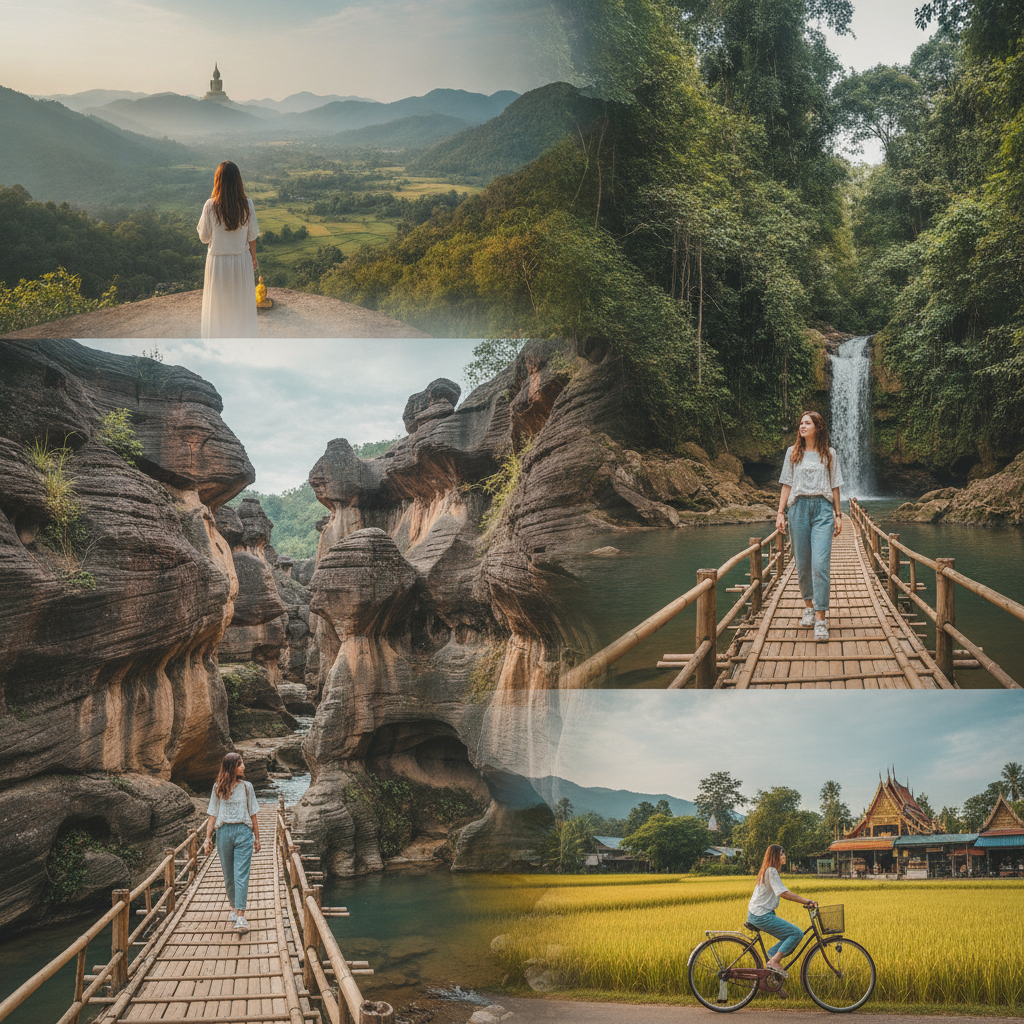
Explore Pai's natural attractions — the waterfalls, hot springs, and natural pools accessible from Pai town by short motorbike journeys provide the most diverse range of natural environment encounters accessible from any northern Thai highland town.
- 1
Mo Paeng Waterfall
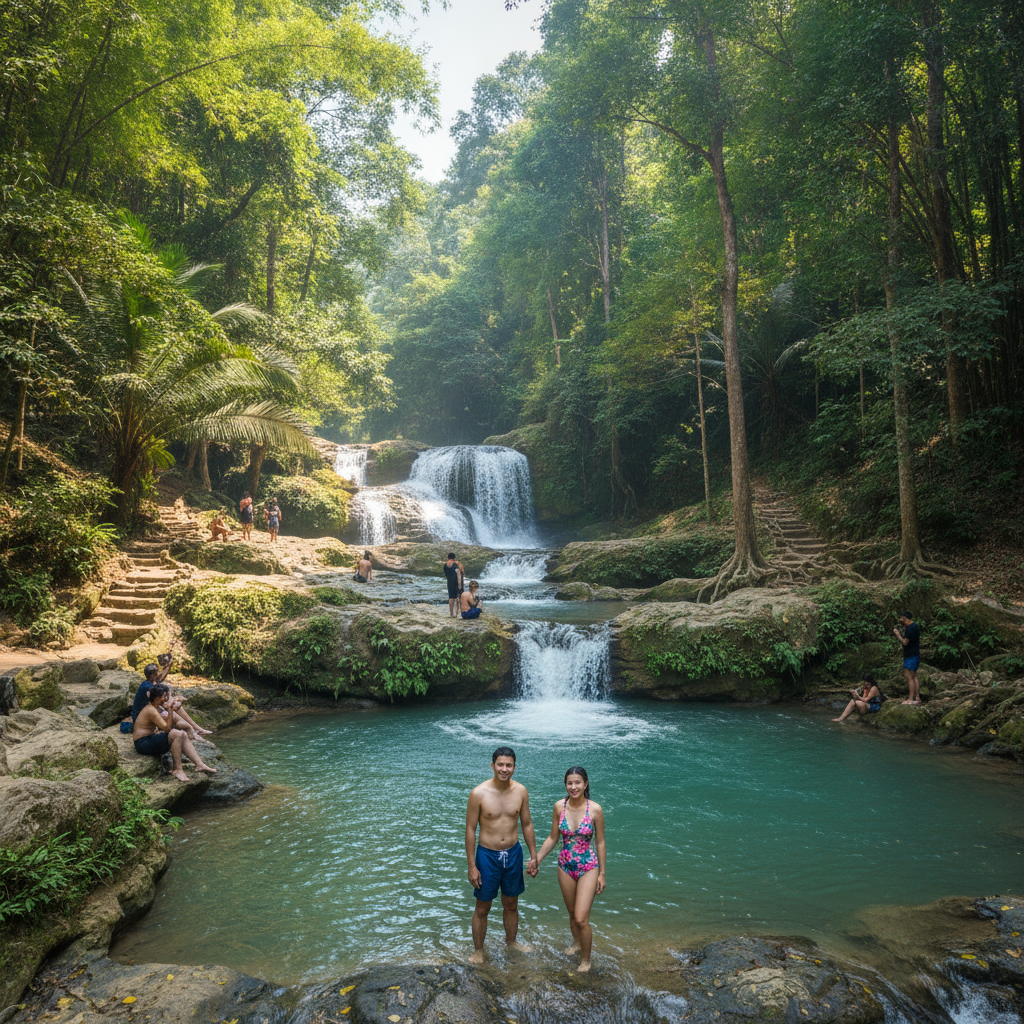
Mo Paeng Waterfall northwest of Pai town is the most accessible multi-tiered waterfall in the Pai area — the series of cascades over the granite boulders of the forested hillside, with the natural swimming pools between the tiers providing the coolest freshwater bathing available in the Pai area during the hot season. The waterfall is accessible by a 20-minute motorbike journey from town on the paved road to the Shan village communities northwest of the valley, and the trail from the road to the waterfall passes through the secondary forest and the fruit orchards of the community that manages the waterfall area. The pools at the upper tiers (requiring a more challenging scramble over the rocks) are deeper and less visited than the main lower pool.
- 2
Pai Hot Springs
The Tha Pai Hot Springs (Pong Nam Ron Tha Pai) in the national park south of town are the most developed geothermal feature accessible from Pai — the naturally heated water emerging from the ground at approximately 80°C is channelled into the park's bathing pools (diluted with cold water to a comfortable 38-42°C temperature), creating the most relaxing natural bathing experience accessible in the northern Thai highlands. The hot spring's setting in the national park's forested environment (the steam rising from the pools visible through the surrounding trees), the sound of the natural spring discharge, and the therapeutic mineral water provide the most atmospheric natural spa experience accessible from Pai.
- 3
Pambok Waterfall
Pambok Waterfall (Nam Tok Pambok) northwest of Pai is the most dramatic single-drop waterfall accessible from the town — the cascade falling directly into a natural pool surrounded by the boulders and secondary forest of the hillside creates the most photogenic waterfall environment in the Pai area. The waterfall is accessible by the dirt road and then a short trail from the road to the waterfall base, making it more adventurous than Mo Paeng and less visited. The pool at the base is deep enough for swimming and clear enough that the bottom is visible from the surface in the dry season when the water flow is reduced and the sediment load is at its lowest.
- 4
Wiang Nuea Village Hot Spring
The smaller hot spring in the Wiang Nuea village area east of Pai town is less visited than the national park hot springs and provides a more authentic encounter with the geothermal activity of the Pai region — the natural spring emerging in the agricultural landscape of the valley (the hot water creating a steam plume visible from the road in the cool season mornings) is surrounded by the paddy fields and village community that uses the hot water for vegetable washing and cooking as well as bathing. The village hot spring's integration into the daily life of the agricultural community provides a completely different experience from the tourist-managed national park hot spring facility.
- 5
Pai River Swimming Hole
The natural swimming holes on the Pai River upstream from the town (accessible by the road along the river's eastern bank heading north from town) provide the most accessible freshwater swimming available from the Pai base without paying park fees — the river's clear mountain water (at its clearest in the dry season when the monsoon runoff has subsided), the natural shade of the overhanging trees, and the sandy beach areas between the river's boulders create the most pleasant afternoon relaxation environment available in the valley. The Pai River in the dry season has both the deep pools suitable for swimming and the shallower sections suitable for wading, and the river environment is almost entirely free of tourist infrastructure.
- 6
Waterfall Night Swimming
The evening hot spring bathing tradition at the Tha Pai Hot Springs (the park's bathing area illuminated after dark by the park's lighting) is the most popular after-sunset activity for Pai's visitor community — the combination of the heated mineral water, the cool highland air temperature (dropping to 15-20°C in the cool season), and the forest night sounds creates a bathing experience that is qualitatively different from the daytime hot spring visit. The drive back to town after dark along the valley road (with the stars visible over the rice fields and the mountain ridges silhouetted against the night sky) provides the most atmospheric conclusion to the hot spring evening available in northern Thailand.
Walk this route with audio
Stories play automatically as you reach each stop — no tapping needed.