Panama City Practical Guide: Transport, Safety, Climate, and Using the City
Panama City is one of the easiest Latin American capital cities to navigate for English-speaking visitors, with a well-developed airport, functional metro, abundant taxis, and a business class used to operating in English. The city is significantly safer than its Central American neighbors but has specific zones requiring caution. The climate is tropical with a pronounced dry season from January through April. This route provides the practical framework for getting to Panama City, moving around, staying in the right neighborhood for your purpose, and understanding the cost structure.
- 1
Tocumen International Airport and Arriving in Panama City
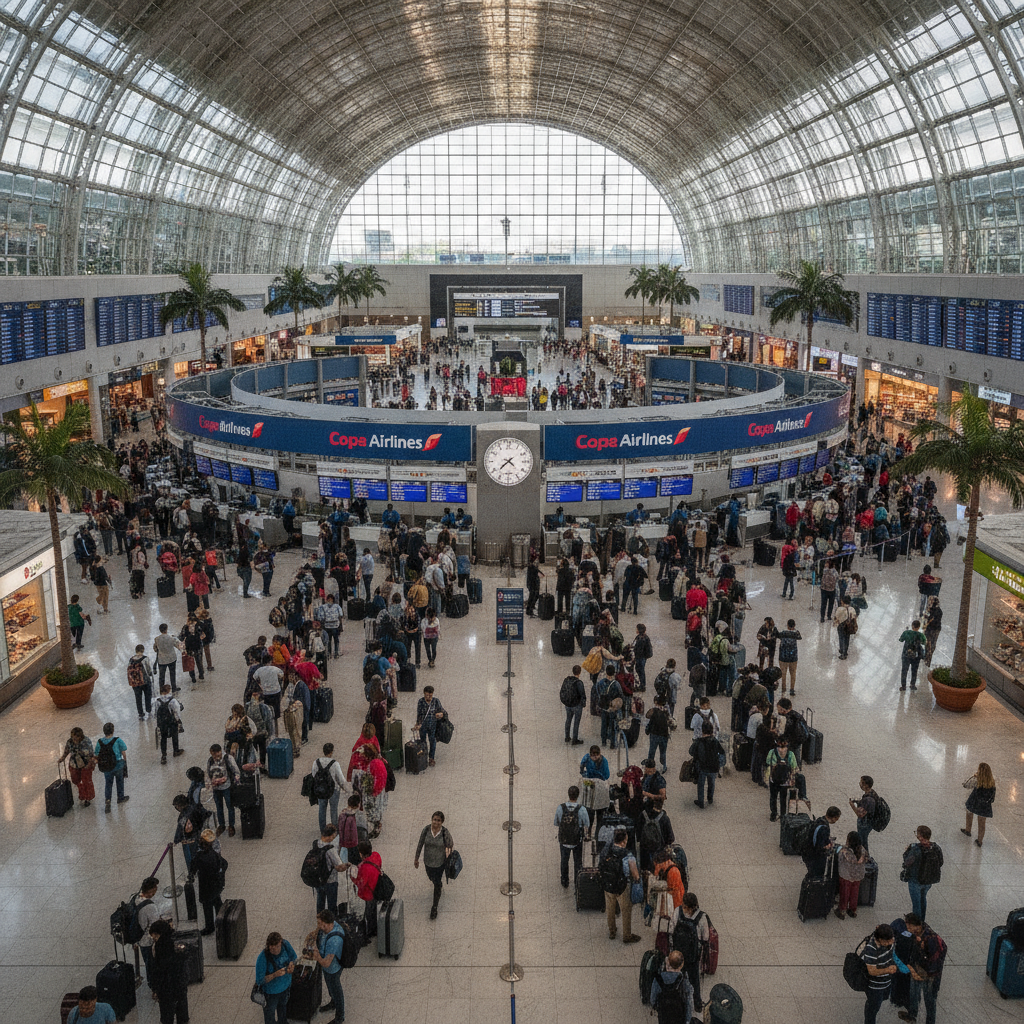
Tocumen International Airport, thirty kilometers east of the city center, is the busiest airport in Central America and a significant transit hub connecting North and South America on the Copa Airlines network. The airport has two terminals, with Terminal 2 handling the Copa and international connections. Ground transport options from the airport include the Metro Bus to the Albrook terminal (inexpensive but slow), registered taxis at fixed zone prices of approximately 30 USD to the financial district, Uber, and hotel shuttle services. The metro does not reach the airport directly; the planned extension has been discussed for years without completion. The airport transit experience is well-organized by regional standards, and connections through Panama on Copa are reliable enough that Panama City is frequently used as a regional hub airport.
- 2
Getting Around: Metro, Metrobus, and Taxis
Panama City has a two-line metro system connecting Albrook in the west with San Isidro in the east via the financial district and Miraflores. The metro is clean, efficient, and inexpensive, but covers only a fraction of the city and requires supplementing with buses or taxis for most itineraries. The Metrobus system uses RFID cards purchased at Albrook terminal and covers most neighborhoods. Taxis are abundant and should use meters; Uber and InDriver compete effectively and often provide better pricing transparency. The Causeway and Casco Viejo are best reached by taxi or ride-share from most hotels. Walking is practical within the compact footprint of Casco Viejo and along the Cinta Costera waterfront promenade but impractical across the sprawling financial district neighborhoods due to heat and incomplete sidewalk infrastructure.
- 3
Neighborhoods: Where to Stay for Different Purposes
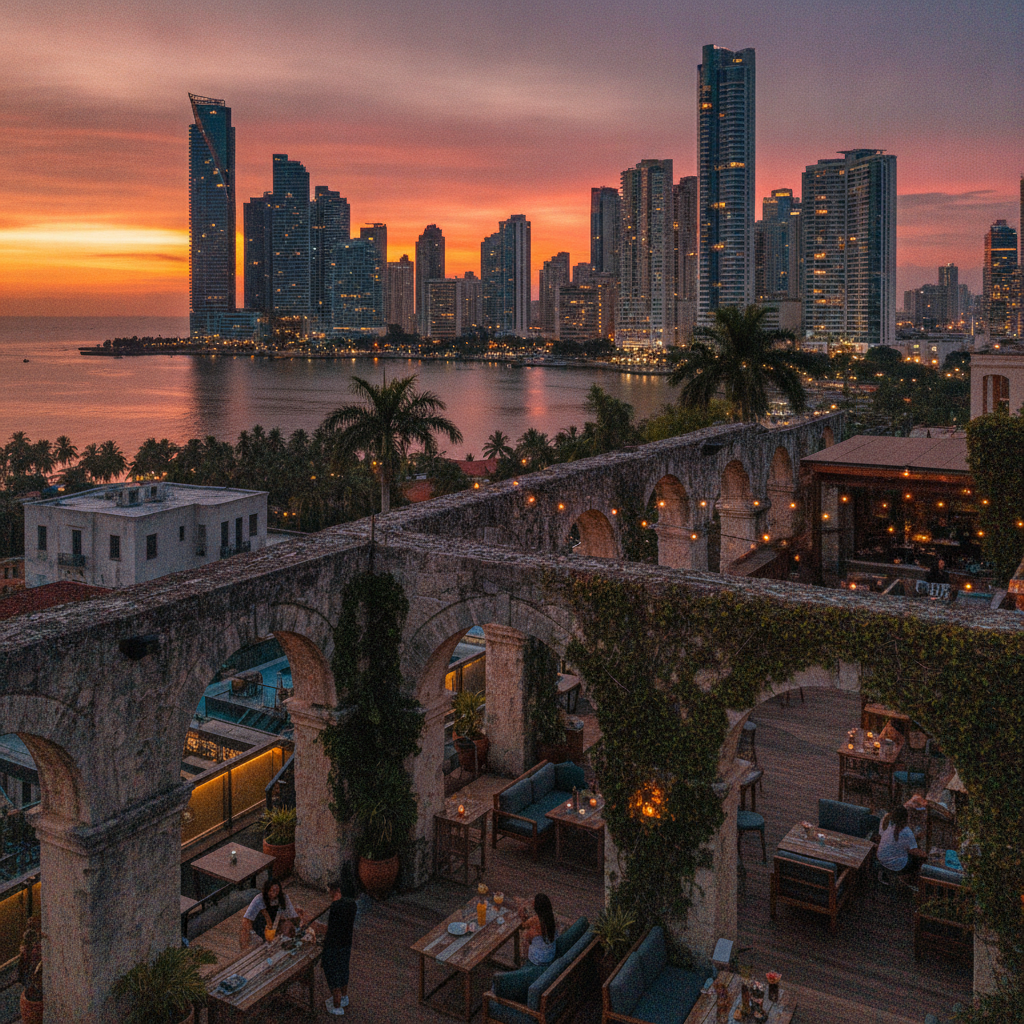
Casco Viejo suits visitors prioritizing history, restaurants, bars, and the tourist experience, with boutique hotels in restored colonial buildings at 150 to 400 USD per night. El Cangrejo, the residential neighborhood in the center, offers mid-range hotels, local restaurants, and proximity to the financial district without the tourist premium of Casco. Miraflores, near the locks visitor center, has business hotels serving the canal and logistics industry. Punta Pacifica and Costa del Este are the luxury residential zones with upscale hotels, shopping malls, and international restaurants at prices comparable to Miami. Staying in Casco Viejo makes the most of what Panama City offers as a visitor destination; staying in the financial district makes more sense for business travelers working in the towers.
- 4
Safety Reality: Tourist Zones vs. Problem Areas
Panama City is significantly safer than most Central American capitals and many South American ones. Casco Viejo, the financial district, El Cangrejo, and Miraflores are generally safe for tourists day and night with standard urban precautions. The Chorrillo neighborhood immediately adjacent to Casco Viejo, historic site of the 1989 US invasion bombing, has improved but requires awareness. Santa Ana, the working-class commercial district behind Casco, is crowded and requires vigilance against pickpocketing. Areas to avoid entirely include the outskirts of Colon and certain peripheral urban zones. The police presence in the tourist areas is substantial. US visitors should note that the 1989 invasion, which killed an estimated 500 to 3,000 Panamanian civilians depending on the source, remains a sensitive topic in local memory.
- 5
Climate: Dry Season, Wet Season, and the Two-Season Reality
Panama City has one of the most clearly defined two-season climates in Central America. The dry season from January through April brings almost no rain, strong sunshine, and temperatures of 28 to 34 degrees Celsius. The wet season from May through December brings daily rain, typically heavy afternoon or evening showers rather than all-day rain, with temperatures slightly lower due to cloud cover. The dry season is high season for tourism; the wet season is low season with reduced hotel prices. The famous canal cloud study has documented that the canal watershed in the rainy season produces enough rainfall to fill the locks for the following year. The hottest and most humid month is April, the transition point between seasons. December and January are the most pleasant months for visiting, with cool evenings and dry daytime conditions.
- 6
Practical Costs, Currency, and Local Tips
Panama uses the US dollar exclusively as currency, eliminating currency exchange complexity for North American visitors and providing familiar price references. The cost of living varies dramatically by neighborhood: a meal at a soda near Albrook costs 4 to 6 USD; the same meal in a Casco Viejo restaurant costs 20 to 40 USD. The 7 percent ITBMS sales tax applies to most goods and services. Tipping at 10 percent is standard in restaurants. ATMs are abundant throughout the financial district and in major shopping malls. Mobile data is available through Claro, Movistar, and Cable and Wireless prepaid SIM cards. The city is air-conditioned to a degree that can be surprising: hotel lobbies, restaurants, and shopping malls are often cold enough to require a light layer. Public spaces are hot and humid; the air-conditioned interior economy is the default for middle and upper-class life in the city.
Walk this route with audio
Stories play automatically as you reach each stop — no tapping needed.
More in Panama City
Panama City as a Financial Hub: Banking, the Dollar Economy, and Free Trade Zones
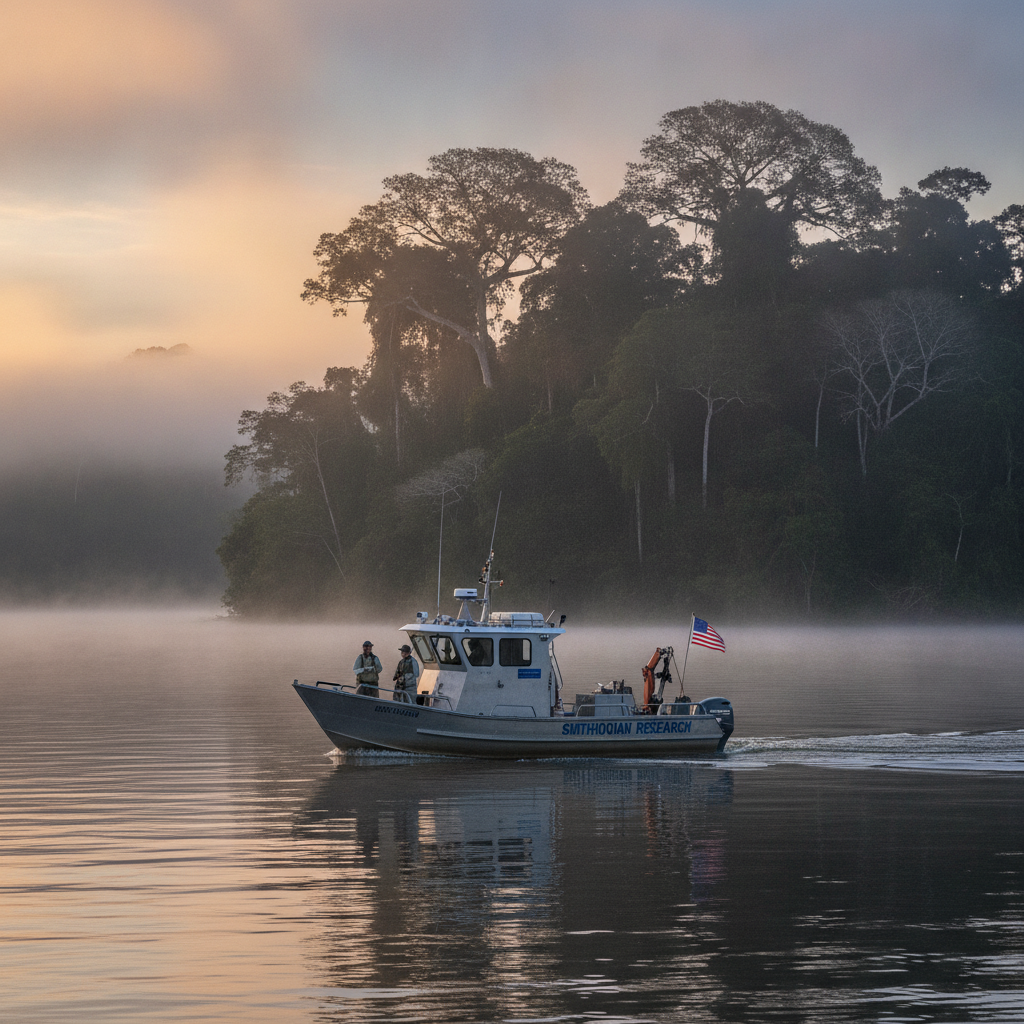
Barro Colorado Island and the Smithsonian Tropical Research Institute
San Blas Islands, Bocas del Toro, and Day Trips from Panama City
Panama Canal History: The French Failure, the American Triumph, and the 1999 Transfer
Panama City: Canal Locks, Casco Viejo, and the Crossroads of the World