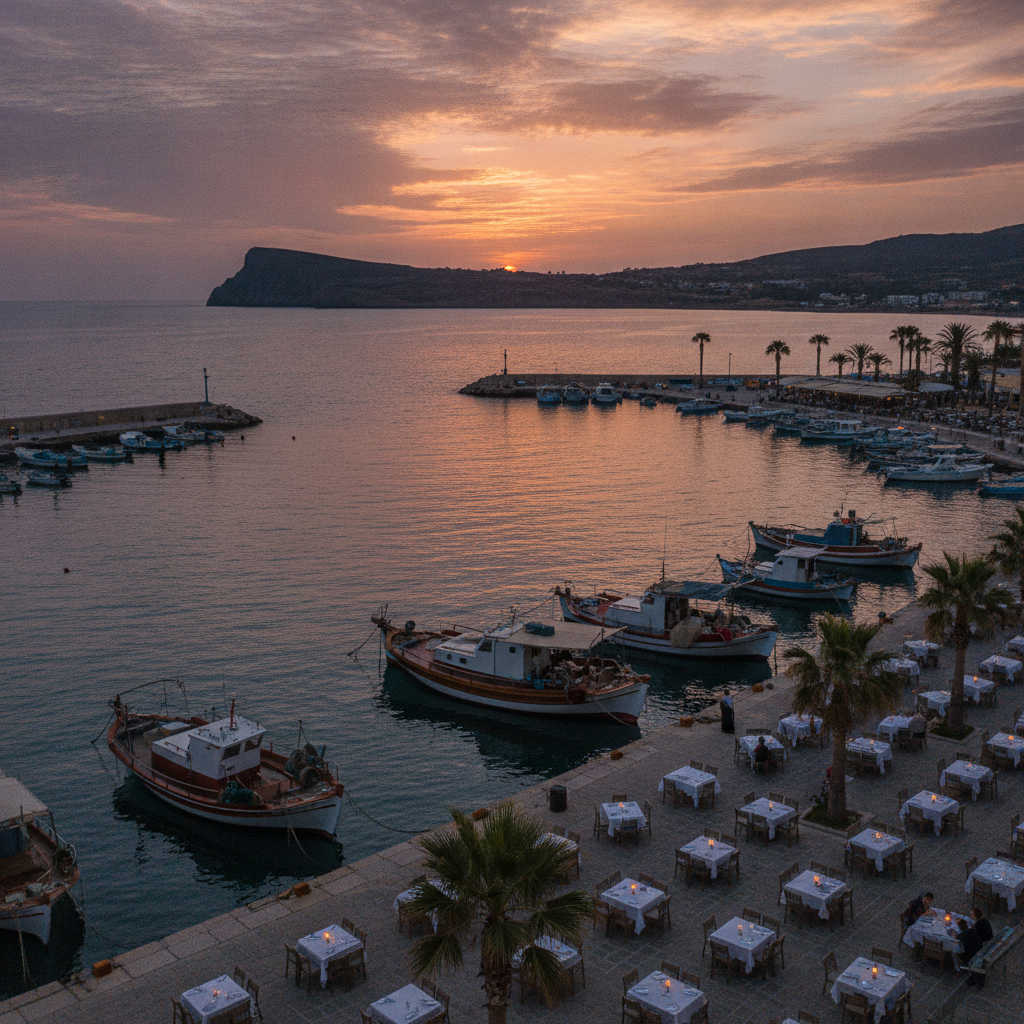
Paphos Archaeological Deep Dive: Dionysus Mosaic Panels, the House of Theseus Roman Governor, the Aion Theological Program, Early Christian Sergius Paulus Conversion, Mountain District Villages, and Paphos as Roman Provincial Capital
The Paphos archaeological depth covers the 14-scene Dionysus mosaic triumph, the Achilles birth panels in the governor's house, the enigmatic pagan response Aion mosaics, the St. Paul column of the early Christian conversion site, the remote cedar valley and Makarios birthplace mountain villages, and the historical context of Paphos as the Roman administrative capital of Cyprus.
- 1
Paphos Mosaics in Detail: The Dionysus Panels
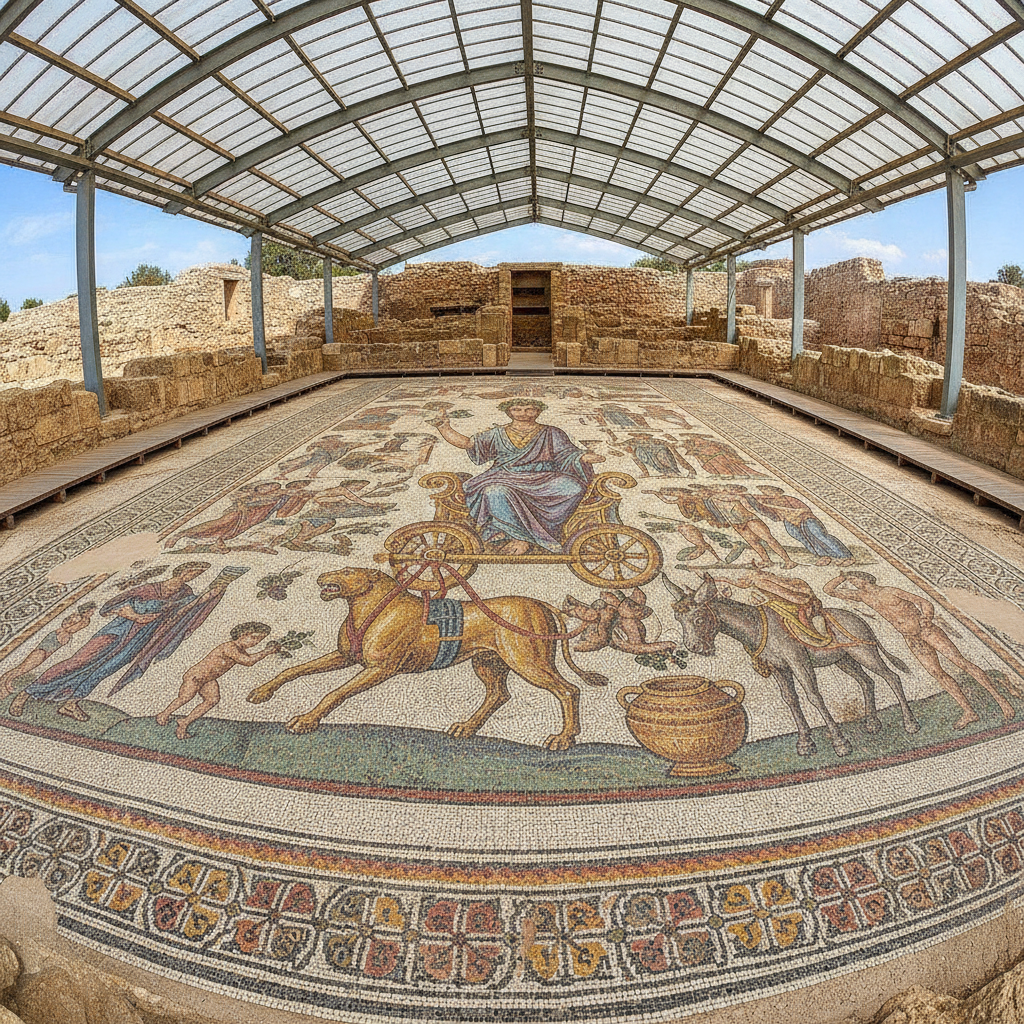
The House of Dionysus mosaics at Paphos Archaeological Park, the largest and most complete Roman mosaic complex in Cyprus covering 2,000 square meters and depicting 14 mythological scenes including the Triumph of Dionysus, the Legend of Narcissus, and the Rape of Ganymede in tesserae of extraordinary color and precision, represent the peak achievement of provincial Roman decorative art in the 3rd century AD. The Dionysus mosaic quality has been compared to the finest Pompeian floor mosaics.
- 2
House of Theseus: The Achilles Panels
The House of Theseus, identified as the residence of the Roman governor of Cyprus, contains the 4th century AD floor mosaic depicting the First Bath of Achilles and the Theseus and Minotaur panels in a composition of refined late antique style that shows the transition from the classical to the Byzantine aesthetic in the Cypriot provincial art of the post-Diocletian period. The House of Theseus is the largest Roman building ever excavated in Cyprus.
- 3
House of Aion: The Pagan Finale
The House of Aion at Paphos, the 4th century AD mosaic complex depicting the contest between Apollo and Marsyas, the infant Dionysus, the crowning of Cassiopeia, and the procession of Aion, is the most enigmatic and most debated of the Paphos mosaics for the sophisticated theological program that may represent a late pagan response to the Christianization of the Roman empire. The Aion mosaic was commissioned at the precise historical moment when Julian the Apostate was attempting to restore pagan worship.
- 4
Byzantine Paphos: The Early Christian Legacy
The Early Christian basilicas of Paphos, including the Chrysopolitissa basilica complex with the column to which St. Paul was chained for his 39 lashes before the conversion of the Roman governor Sergius Paulus, one of the earliest recorded conversions of a Roman official to Christianity, and the 7th century basilica remains beneath the medieval Cathedral of Ayia Kyriaki, document the transition of Paphos from a pagan cult center to a Christian administrative capital in the 4th and 5th centuries AD.
- 5
Paphos District Villages: The Mountain Hinterland
The Paphos district mountain villages of the Troodos foothills, including Pano Panagia, the birthplace of Archbishop Makarios III, Chrysorrogiatissa Monastery of 1152, and the village of Cedar Valley where the Cyprus cedar grows to 23 meters in the last significant population of this endemic species, represent the authentic rural hinterland behind the coastal resort economy that the majority of Paphos visitors never reach.
- 6
Paphos in the Roman World: The Provincial Capital
Paphos was the Roman provincial capital of Cyprus from 58 BC to the 4th century AD, the administrative center from which the governors of the senatorial province managed the island, making it the most formally significant city in the ancient Cypriot hierarchy and the reason why the Roman elite built the extraordinary mosaic floors that are the primary legacy of the Roman presence. The earthquake of 365 AD that destroyed much of Roman Cyprus effectively ended the Paphos provincial period.
Walk this route with audio
Stories play automatically as you reach each stop — no tapping needed.
More in Paphos
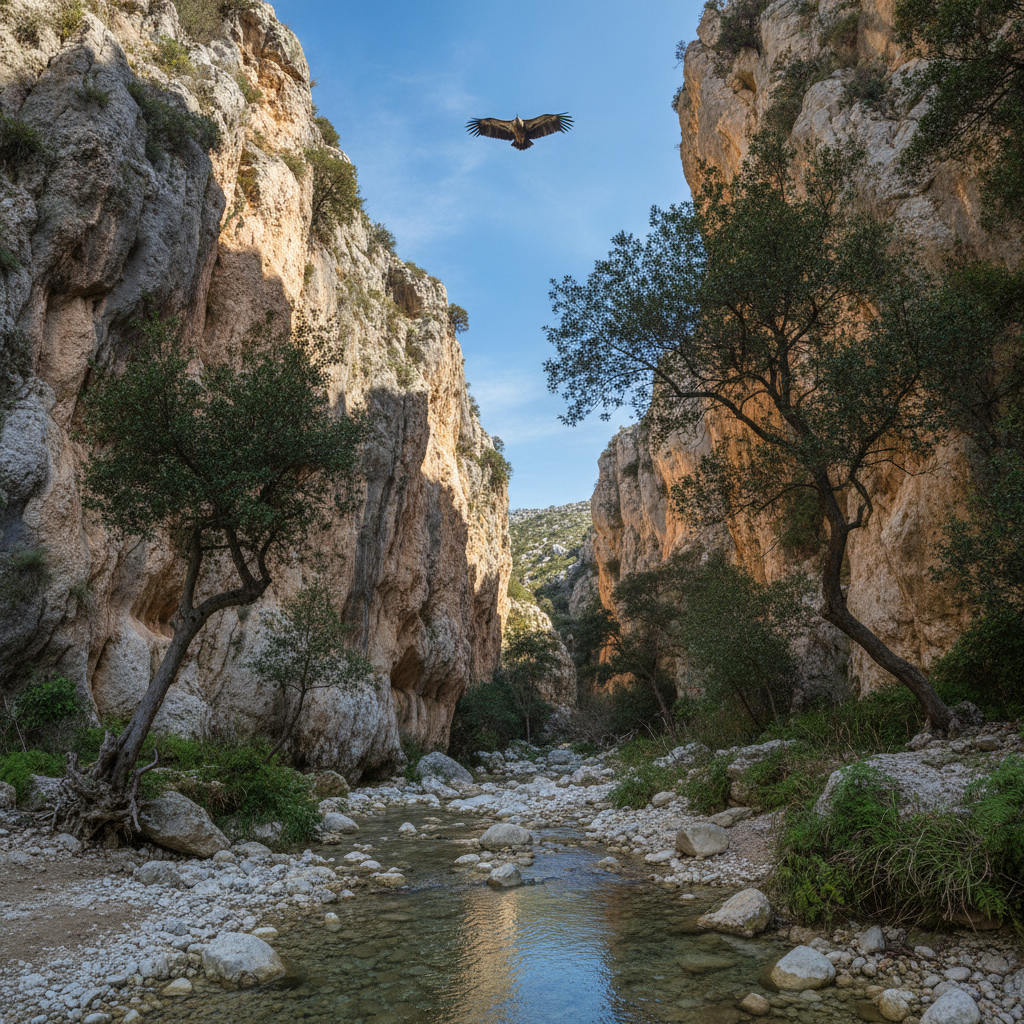
Paphos Village and Nature: Avakas Gorge Slot Canyon, Geroskipou Sweet Village, Summer Panegyri Festivals, Paphos New Town Infrastructure, the Day Activity Compression, and the Aphrodite Island Legacy Brand
Paphos Nature and Departure: Cedar Forest Mouflon, Peyia Village and Sea Caves Coastline, Aphrodite Hills Golf, Byzantine Icon Painting Workshops, Indigenous Xynisteri and Maratheftiko Wine, and the Archaeological Final Walk
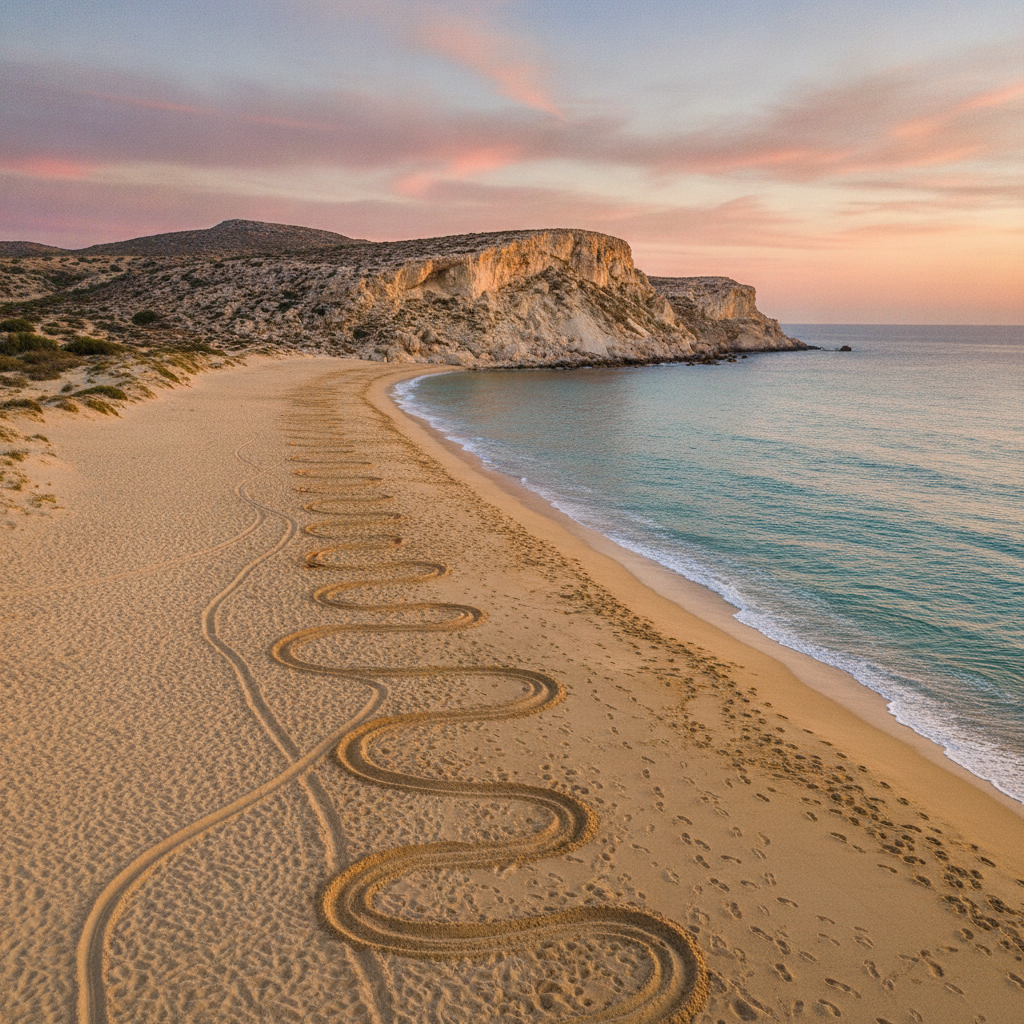
Paphos Nature and Villages: Coral Bay Beach, Akamas Turtle Peninsula, the Baths of Aphrodite Walking Trail, Laona Plateau Wine Villages, the Ancient Palaipafos Aphrodite Sanctuary, and Paphos Airport Practical Guide
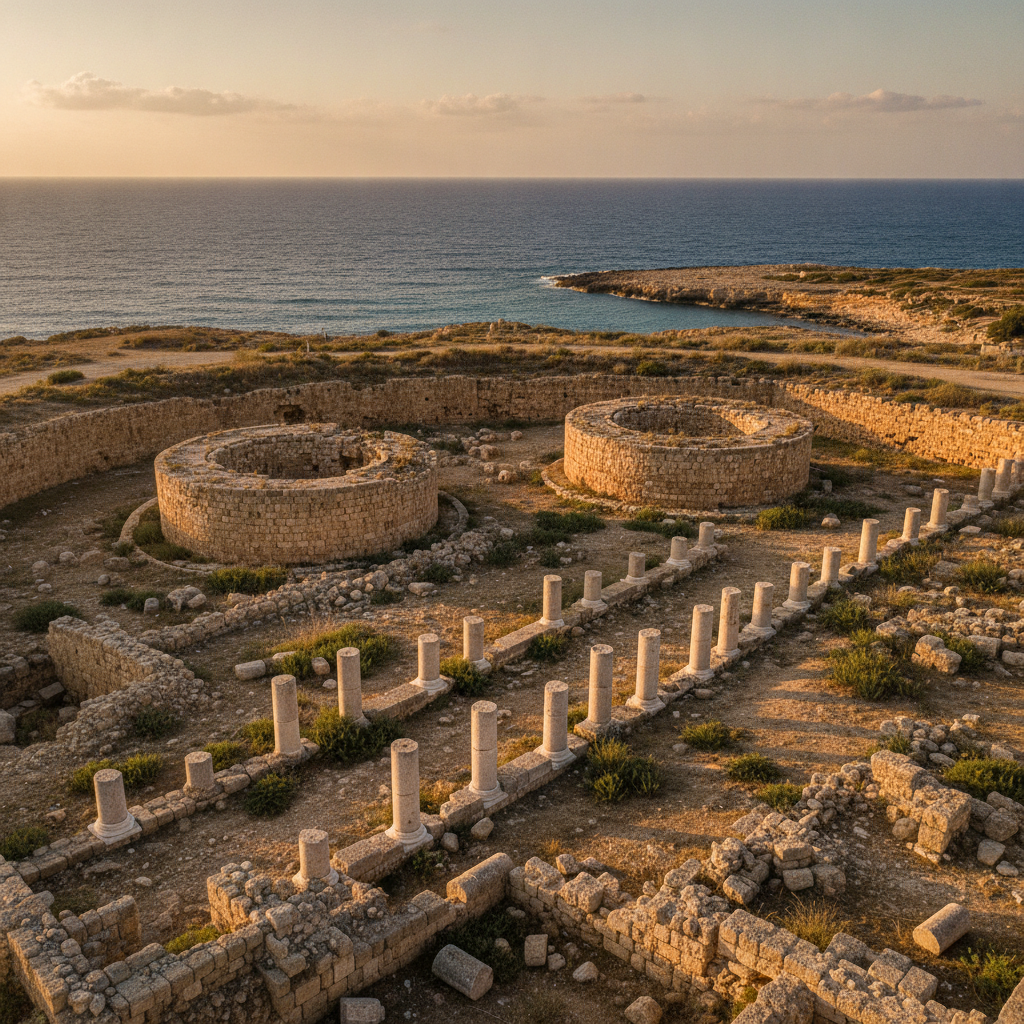
Paphos Diving, Medieval Heritage, Festivals, Road Trips, Byzantine Churches, and the Day Trip Base Network
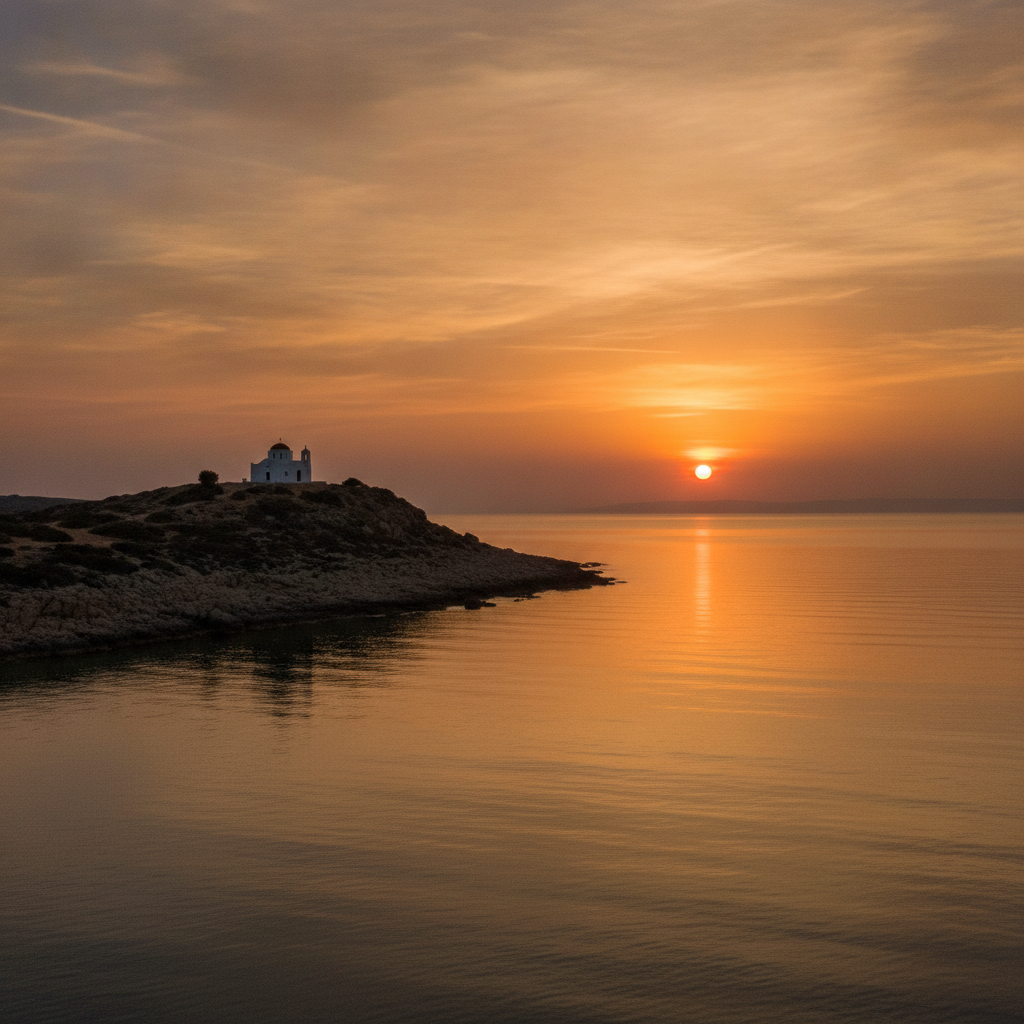
Paphos Complete: Water Geography, Fabrica Hill Neolithic Site, the A6 Archaeological Motorway, Cape Drepano Sunset, British Expatriate Legacy, and the Winter Garden Season