Blood, Guillotines & Liberty: The French Revolution Walk
Between 1789 and 1799, Paris became the stage for one of history's most dramatic upheavals. This full-day walk connects the sites where the Revolution started, where the royal prisoners were held, where heads rolled, and where the new Republic enshrined its heroes. It covers the Right Bank, Île de la Cité, and the Latin Quarter. Comfortable shoes are essential.
1. Place de la Bastille — Where It Began
- 1
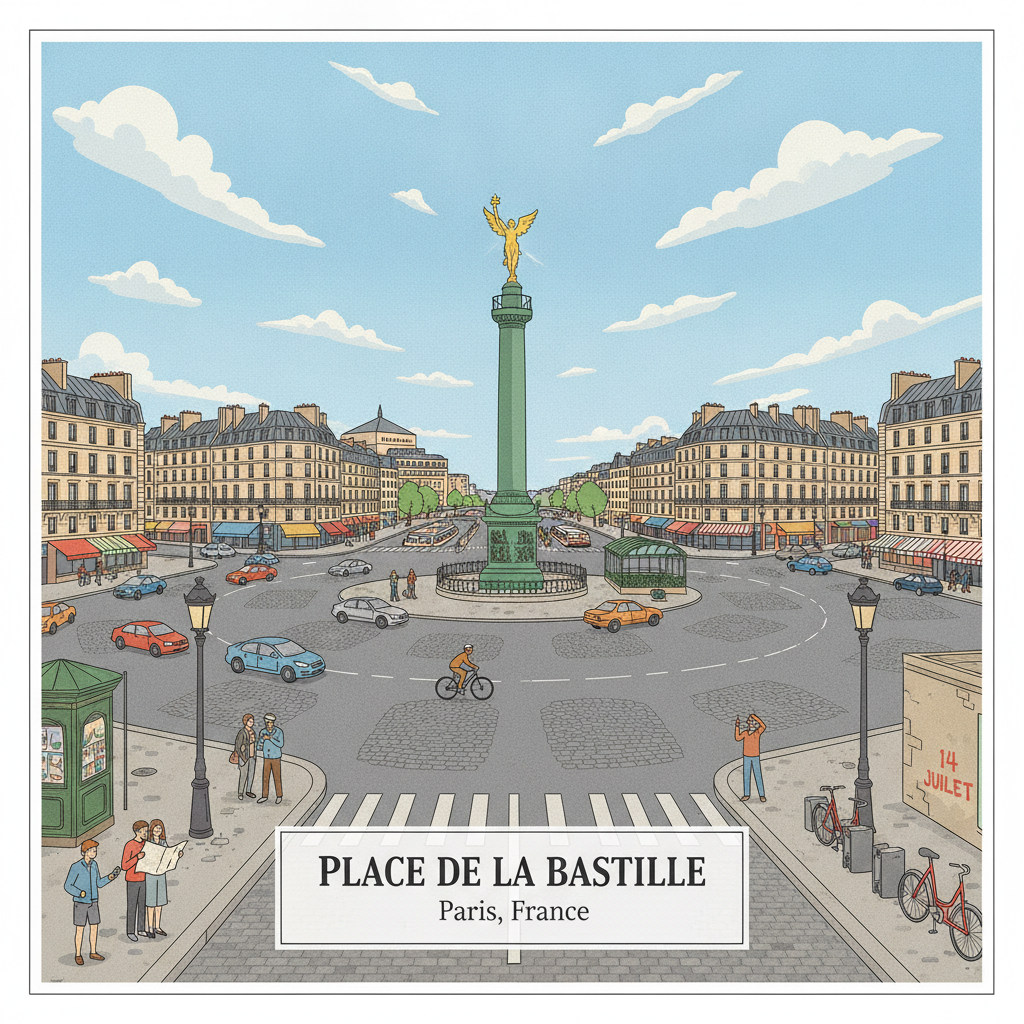
Place de la Bastille — Where It Began
The actual Bastille fortress no longer exists—it was demolished stone by stone by Parisian crowds after July 14, 1789. The bronze column in the centre commemorates victims of a later 1830 revolution, not 1789. But the cobbled outline of the fortress towers is marked on the ground, and standing here you understand the symbolic lightning rod this place was. Today it's a busy traffic circle with a lively canal neighbourhood behind it.
- 2
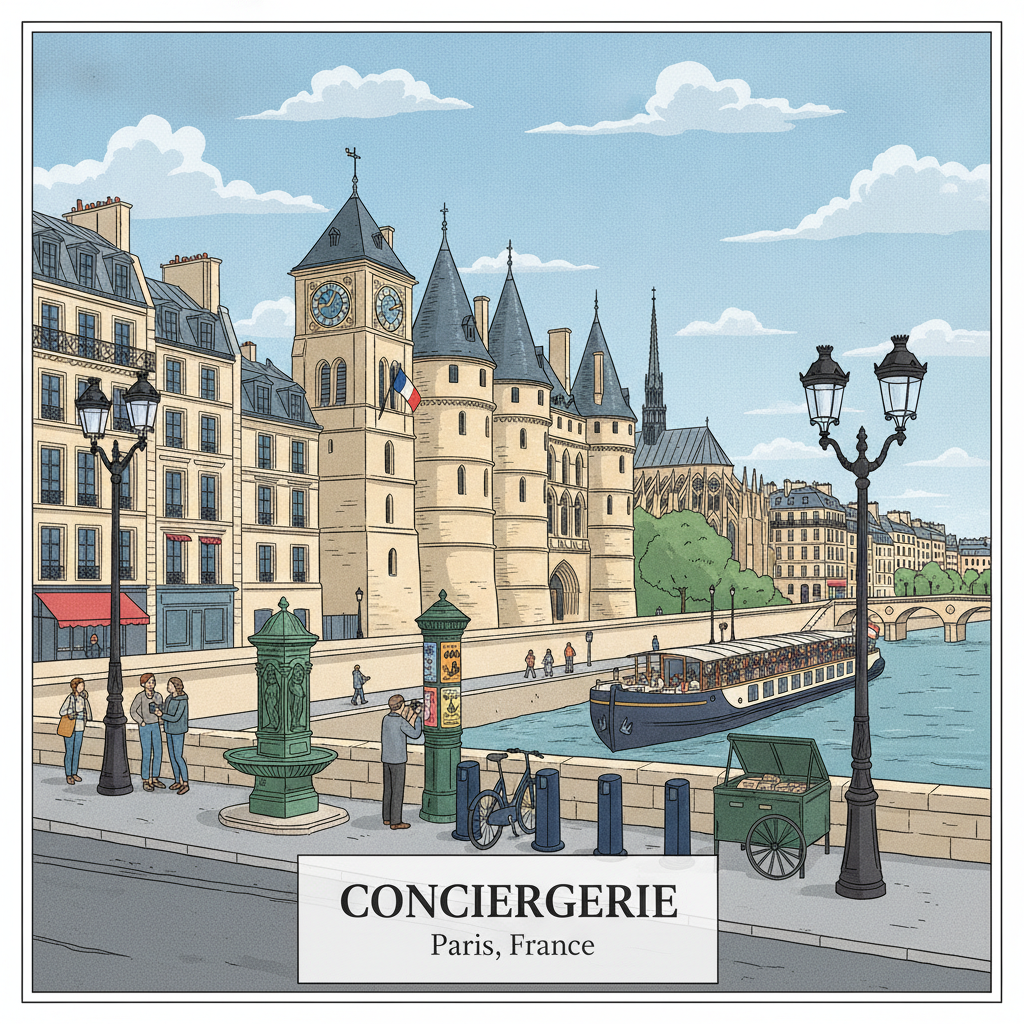
Conciergerie — Marie Antoinette's Prison
Walk west along the Seine to the Conciergerie, the medieval palace-turned-prison where Marie Antoinette spent her final 76 days before her execution in October 1793. Her reconstructed cell is small and spare—a far cry from Versailles. The building also held 2,700 other prisoners during the Terror, most of whom were guillotined within days of arrival. The Gothic great hall, one of the finest medieval rooms in Europe, is included in the ticket.
- 3
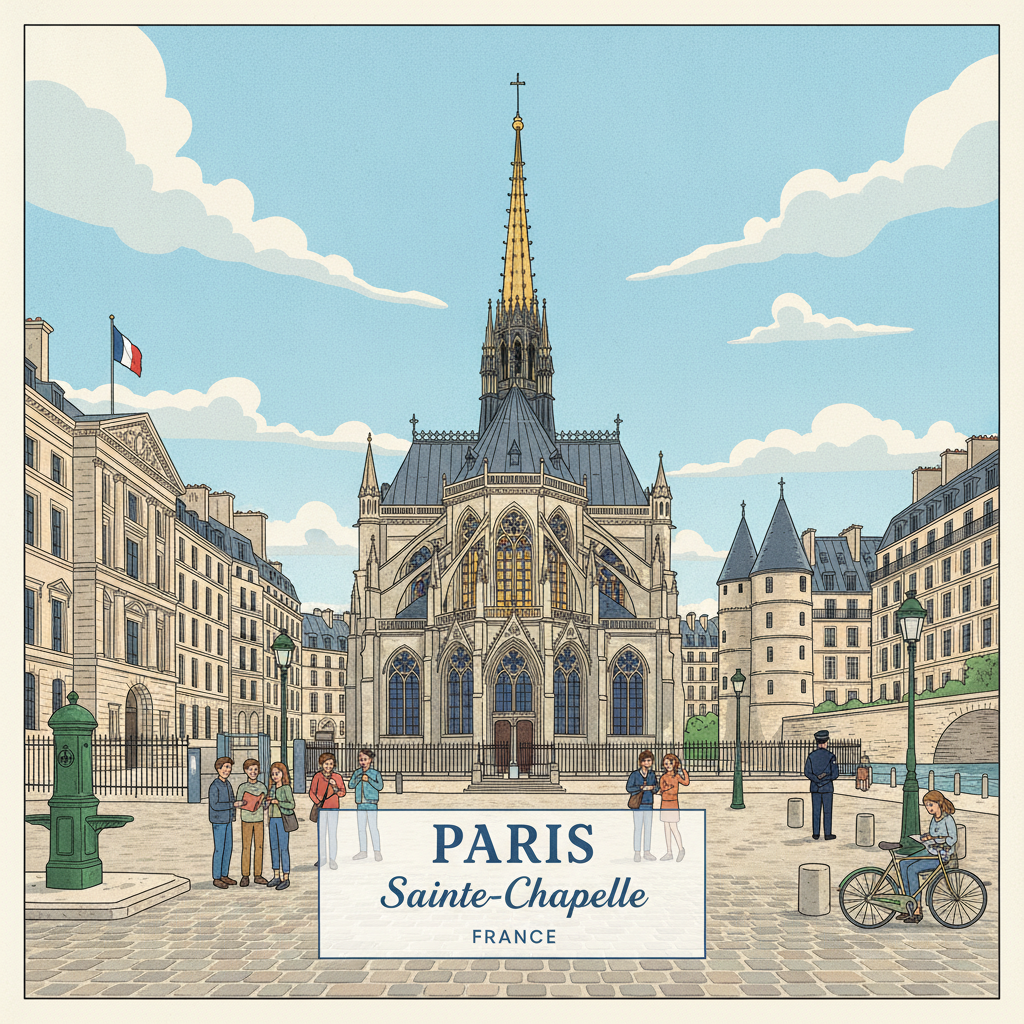
Sainte-Chapelle — The King's Private Chapel
A hundred metres from the Conciergerie stands the most breathtaking Gothic chapel in existence. Built in 1248 by Louis IX to house the Crown of Thorns, Sainte-Chapelle's upper chapel is 75% stained glass—1,113 panels depicting 1,130 biblical scenes. During the Revolution it was turned into a flour warehouse. The juxtaposition of its beauty with what was happening just next door at the Conciergerie is one of Paris's most striking historical ironies.
- 4
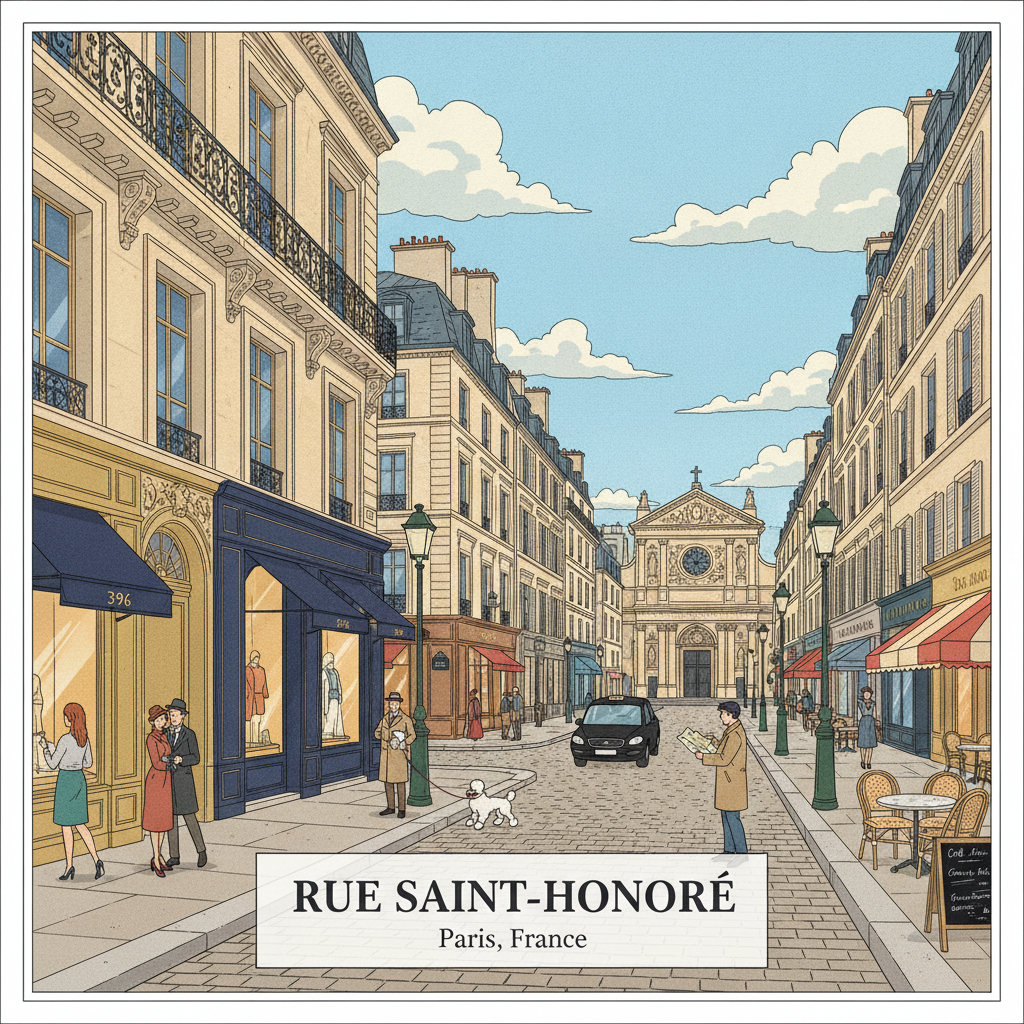
Rue Saint-Honoré — The Road to the Scaffold
This long Right Bank street was the route taken by the tumbrels (wooden carts) carrying prisoners from the Conciergerie to Place de la Révolution for execution. Robespierre himself lived at number 396. The street still has an aristocratic, expensive feel—today it's lined with luxury boutiques—and the contrast with its bloody history is difficult to ignore.
- 5
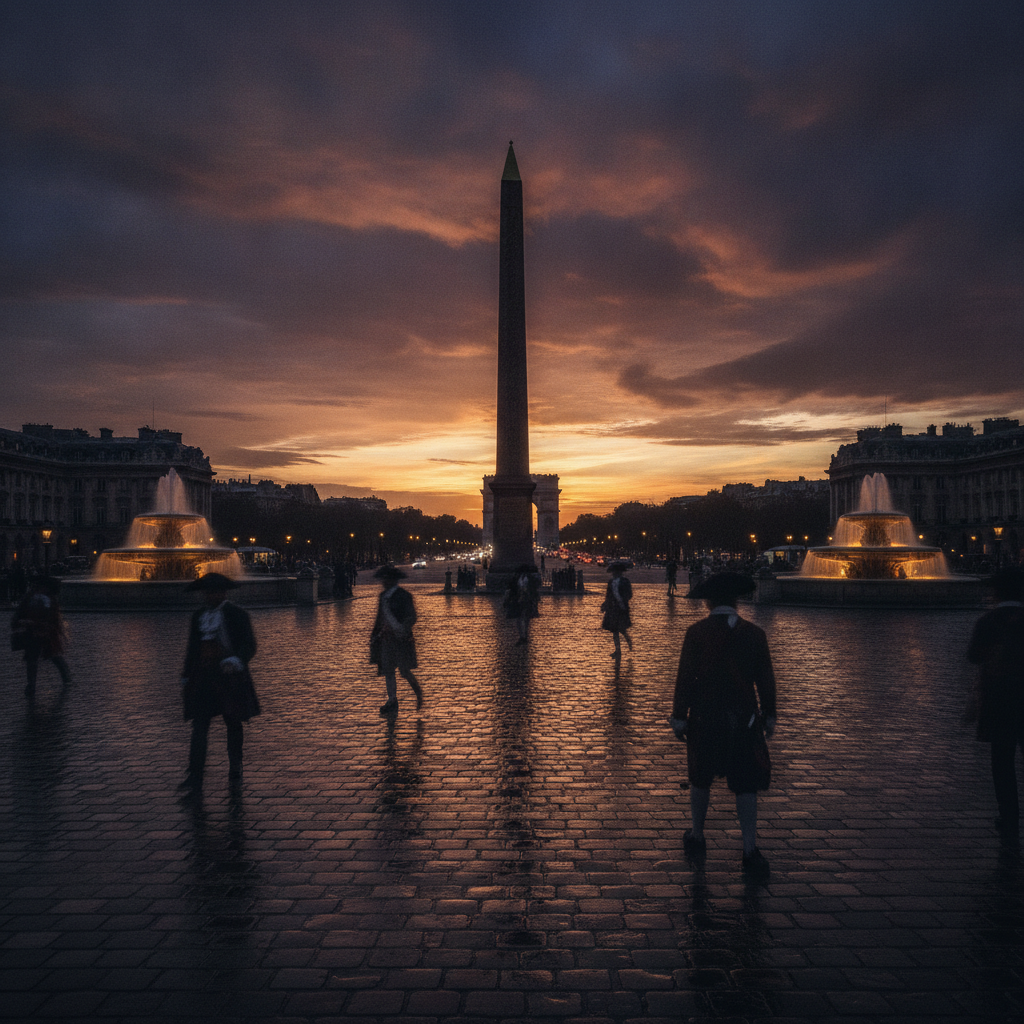
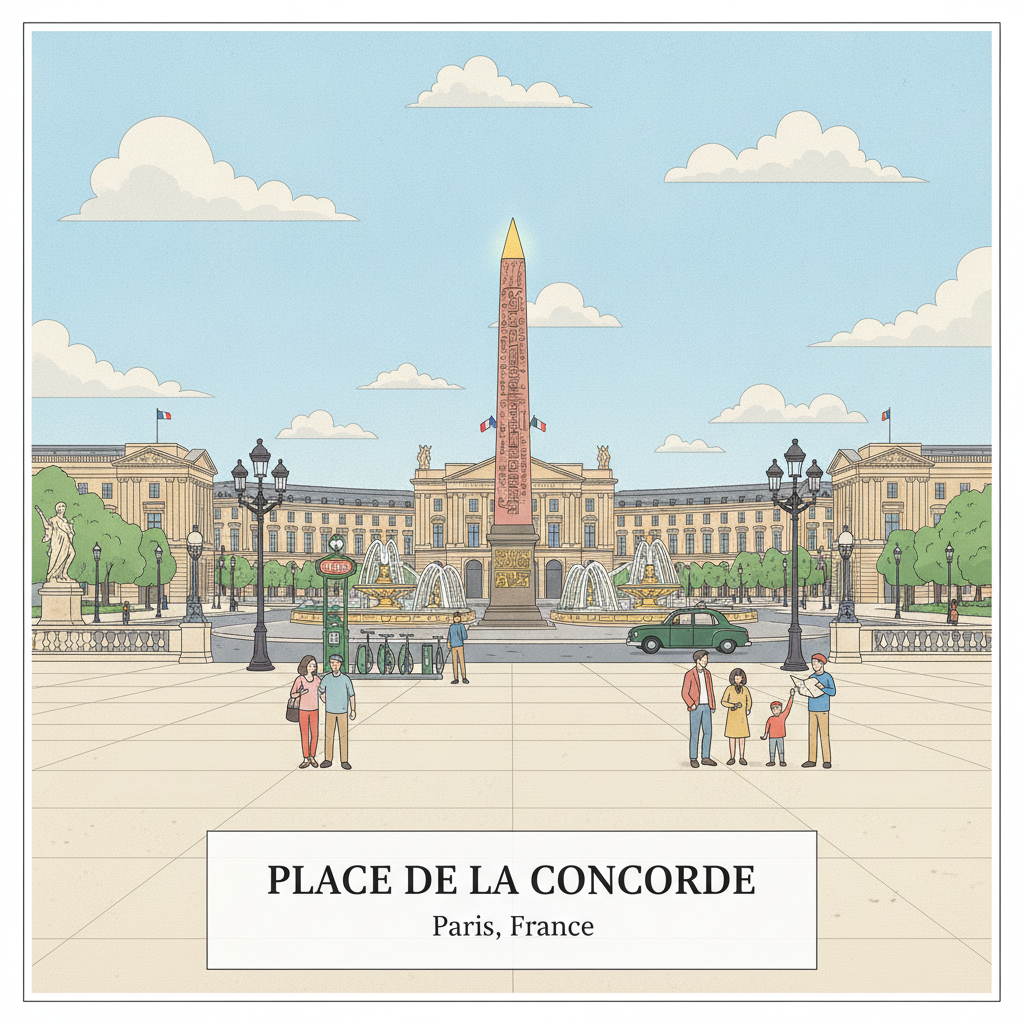
Place de la Concorde — The Guillotine Square
The vast square at the end of the Champs-Élysées was renamed Place de la Révolution during the Terror and became the site of the guillotine. Louis XVI was executed here on January 21, 1793. Marie Antoinette followed on October 16. Robespierre himself was guillotined here a year later. The Egyptian obelisk in the centre arrived in 1836, long after the blood had been washed away. The square now ranks among Europe's most beautiful.
- 6
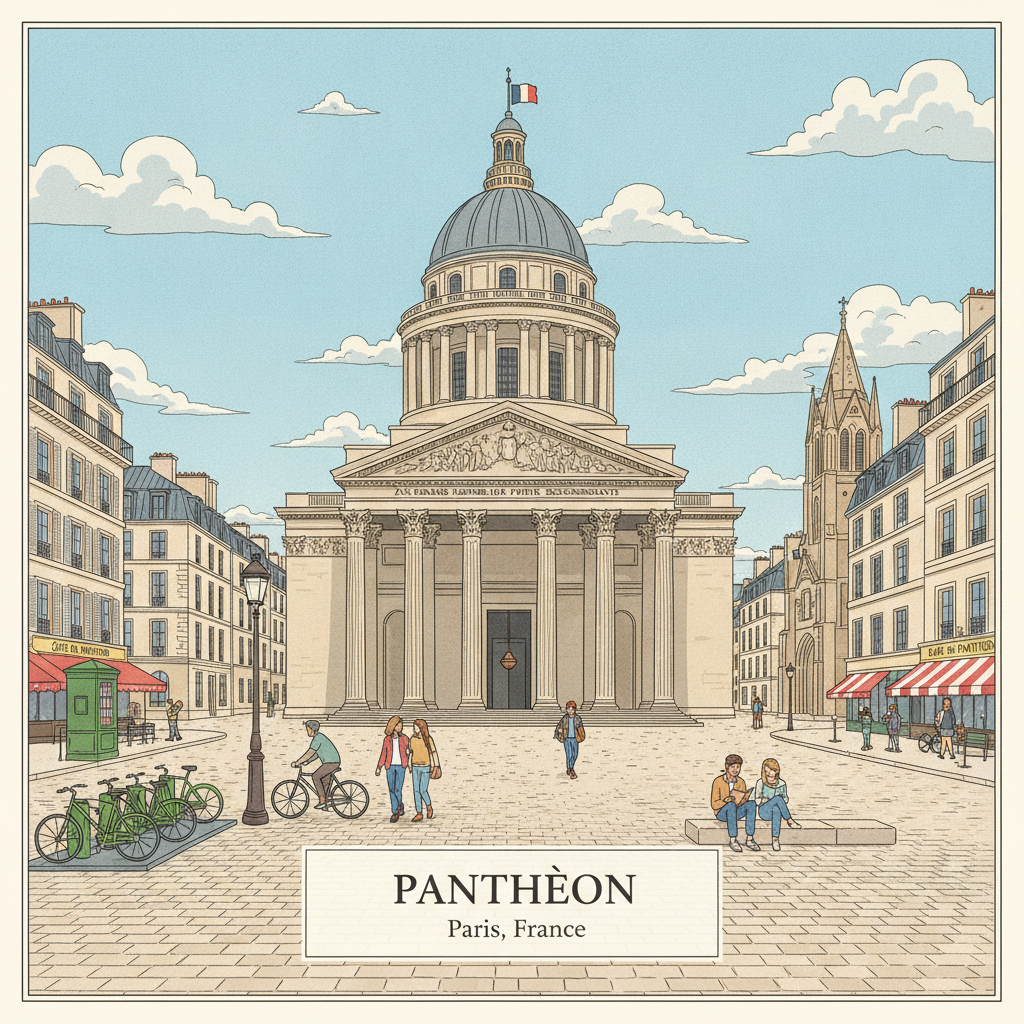
Panthéon — Where the Republic Buries Its Heroes
Cross the river and climb to the Panthéon on the Left Bank hill. Originally a church, it was converted to a mausoleum for 'great men of the era of French liberty' in 1791. Voltaire, Rousseau, Victor Hugo, Émile Zola, Marie Curie, and Alexandre Dumas rest here. The neoclassical dome is magnificent, the interior crypts are sobering, and Foucault's Pendulum (demonstrating the rotation of the Earth) still swings from the dome above.
Walk this route with audio
Stories play automatically as you reach each stop — no tapping needed.
More in paris
Croissants to Confit: A Paris Food & Market Walk
The Impressionist Trail: Chasing Monet, Renoir & Degas Across Paris
Paris From Above: The Rooftops & Panoramas Route
The Golden Triangle: Paris Fashion Capital Walk
The Most Romantic Evening in Paris: Sunset to Light Show