Driving to the End of the World: Patagonia to Tierra del Fuego
The overland journey from Buenos Aires to Ushuaia — following the Ruta 3 for 3,079 km through the flat Patagonian steppe to the Strait of Magellan ferry crossing and then south to the end of the world — is South America's greatest road trip
- 1
Box 3 — The End of the World Road
The Ruta Nacional 3 runs from Buenos Aires to Ushuaia — 3,079 km of paved road through the Argentine interior, crossing into Patagonia south of Bahía Blanca; the road's character changes as it heads south — the pampas give way to Patagonian steppe, the estancias become more remote, the wind increases, and the sky grows more dramatic
- 2
Patagonian Steppe
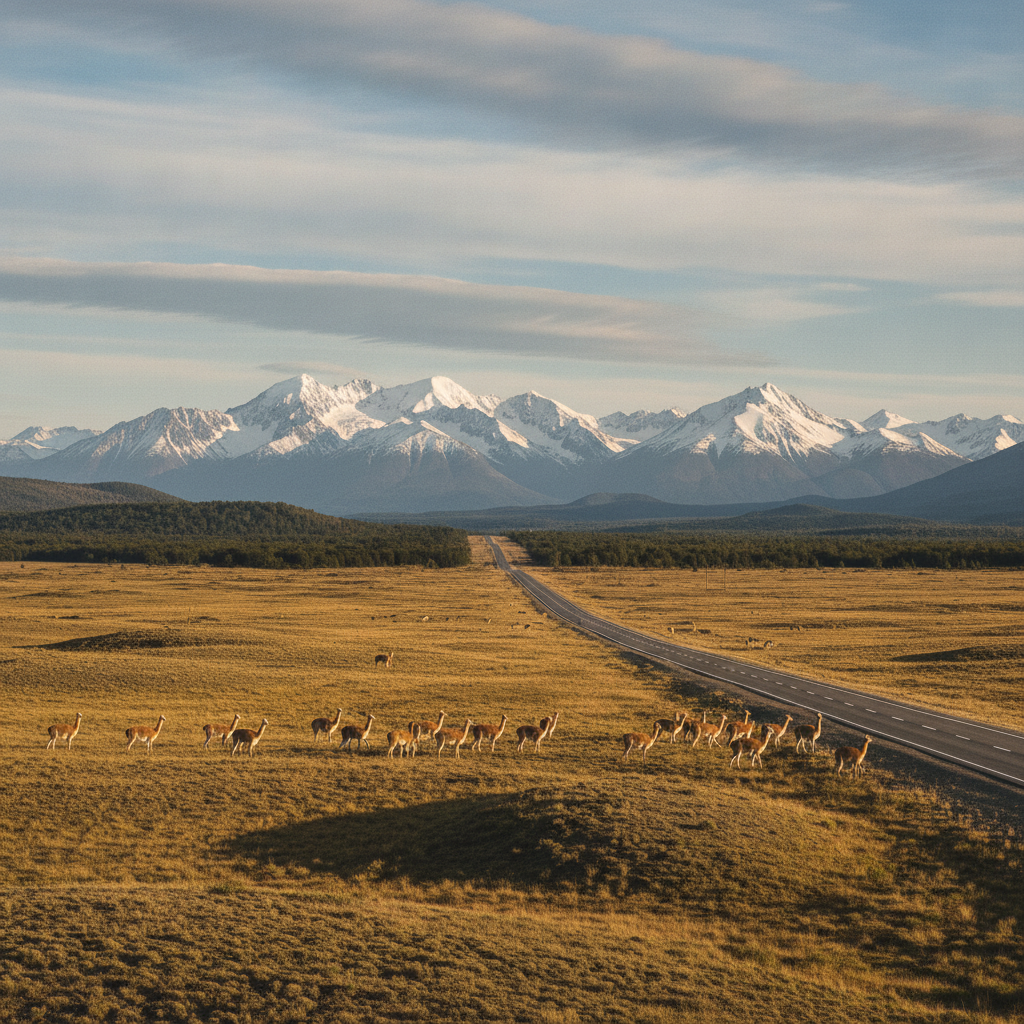
The Patagonian steppe — the flat, wind-swept grassland of southern Argentina — has a desolate grandeur; the guanaco herds, the rhea (South American ostrich) families, the maras (Patagonian hare), and the peregrine falcons are the visible wildlife; the steppe's emptiness (Patagonia has fewer than 2 people per km²) and the horizontal quality of the light create a landscape of profound solitude
- 3
Strait of Magellan Ferry
The Strait of Magellan — the waterway discovered by Ferdinand Magellan in 1520 — must be crossed by ferry at Primera Angostura (between Punta Arenas and Tierra del Fuego); the 20-minute ferry crossing is a significant moment — the point at which the mainland of South America is left behind; the first sight of Tierra del Fuego across the Strait is unforgettable
- 4
Punta Arenas Stopover
Punta Arenas — the southernmost city in Chile, on the Strait of Magellan — is a natural stopover on the drive to Ushuaia; the city's Victorian architecture (built during the mutton and wool boom), the Nao Victoria Museum (with replicas of Magellan's and Drake's ships), and the Milodon cave are the main attractions; the city has a frontier-town quality that reflects its position at the edge of the inhabited world
- 5
Guanaco Herds
The guanaco — the wild ancestor of the llama and alpaca — is the most numerous large mammal on the Patagonian steppe; herds of 50-200 guanacos are commonly seen from the road through Tierra del Fuego; the guanaco's graceful gait, its curious stare, and its presence in the desolate landscape make it the emblematic animal of Patagonia
- 6
Río Grande Crossing
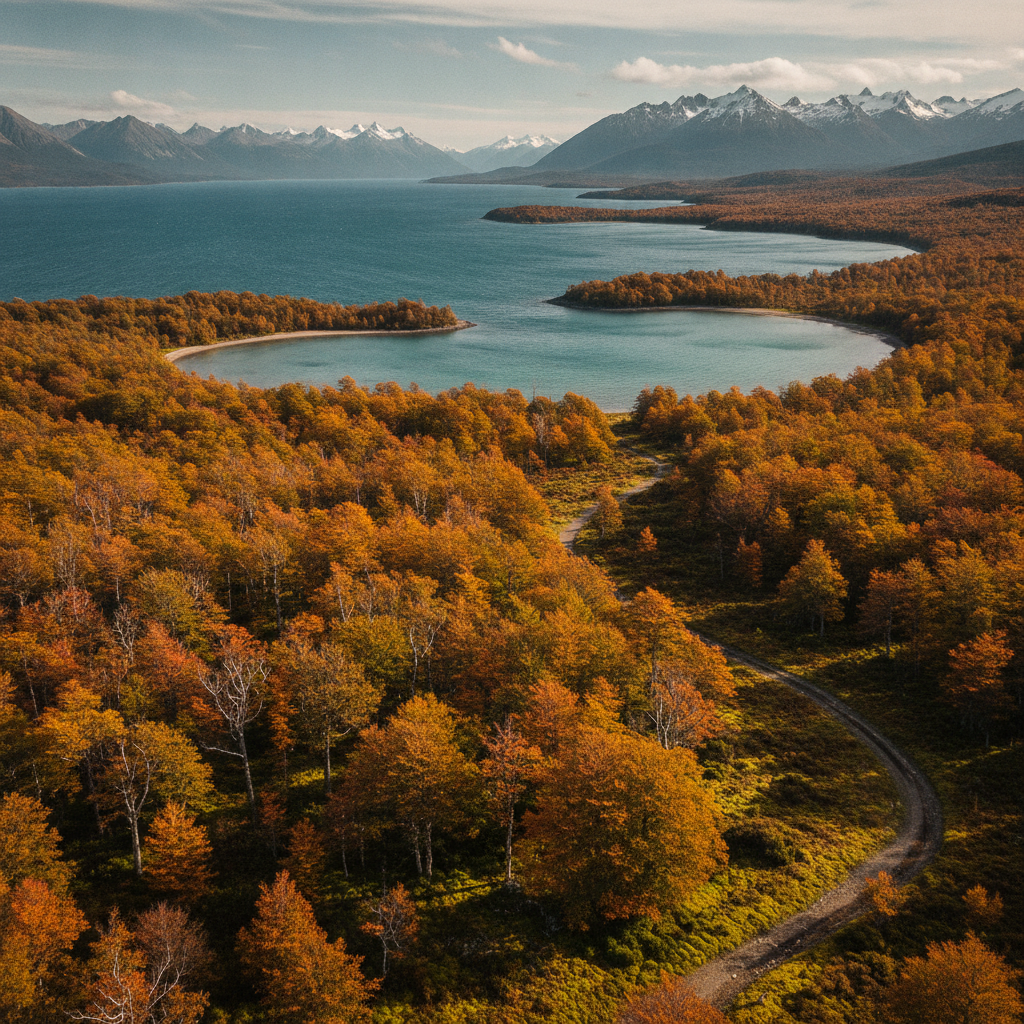
The crossing of the Río Grande - the largest river in Tierra del Fuego - marks the passage into the Fuegian mountains; the flat steppe of northern Tierra del Fuego gives way to the increasingly rugged terrain of the southern island; the last 240 km from Río Grande to Ushuaia through the Fuegian Andes is one of the most beautiful sections of road in South America
Walk this route with audio
Stories play automatically as you reach each stop — no tapping needed.
More in Tierra del Fuego
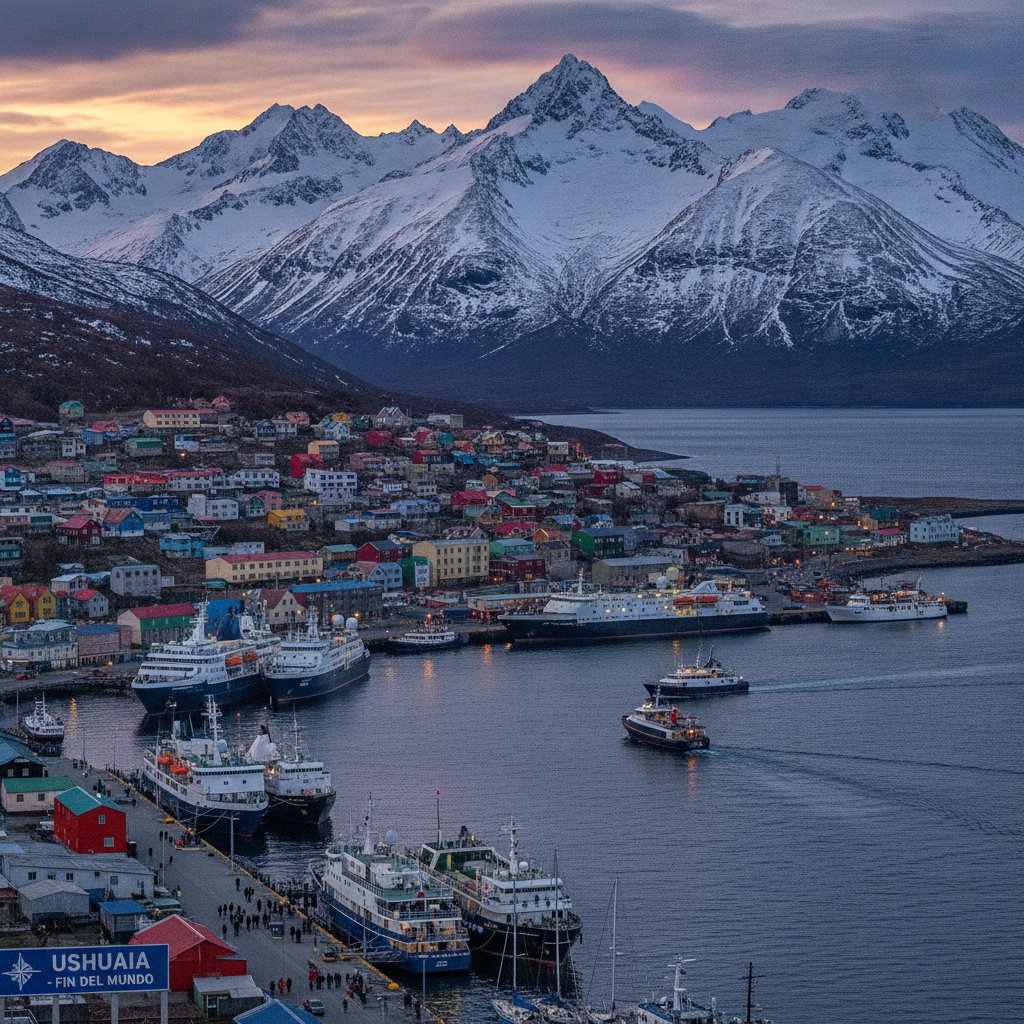
Ushuaia: The World's Southernmost City
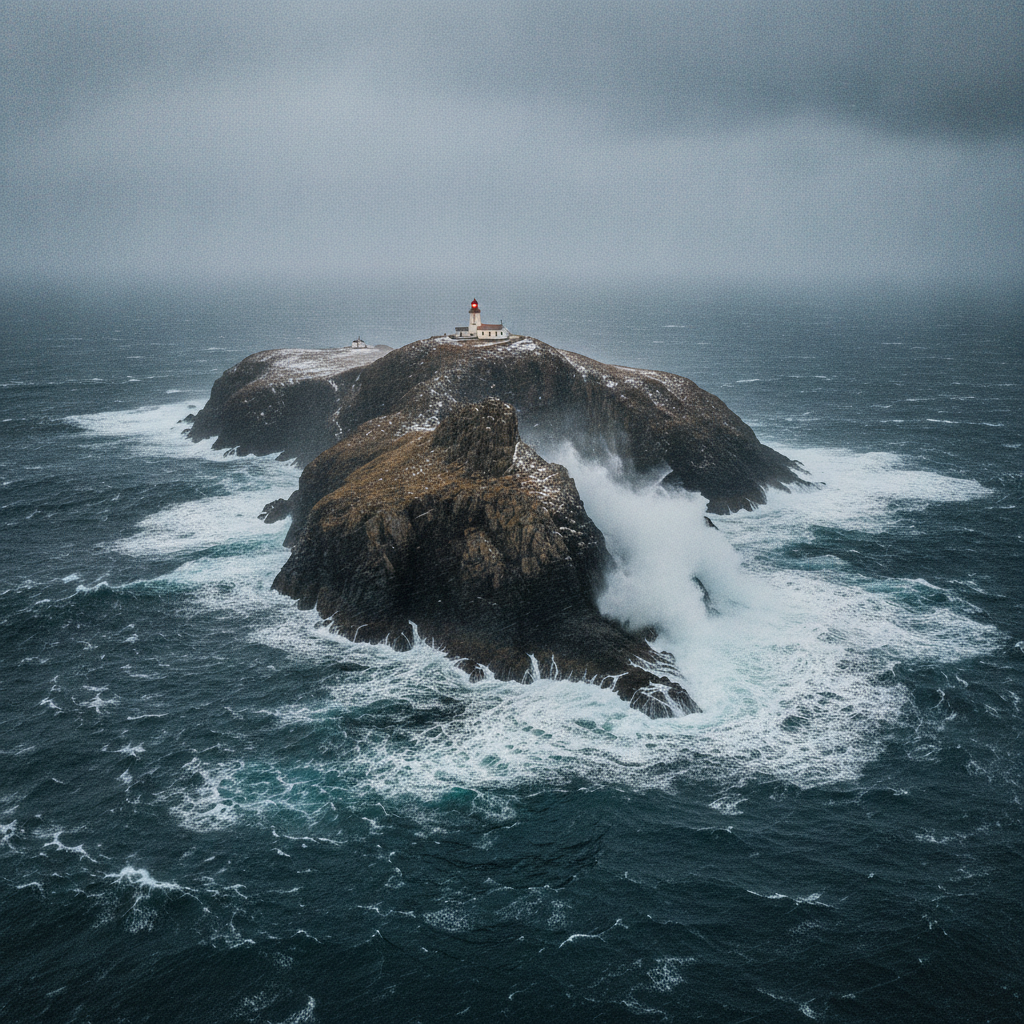
Cape Horn: The End of the World
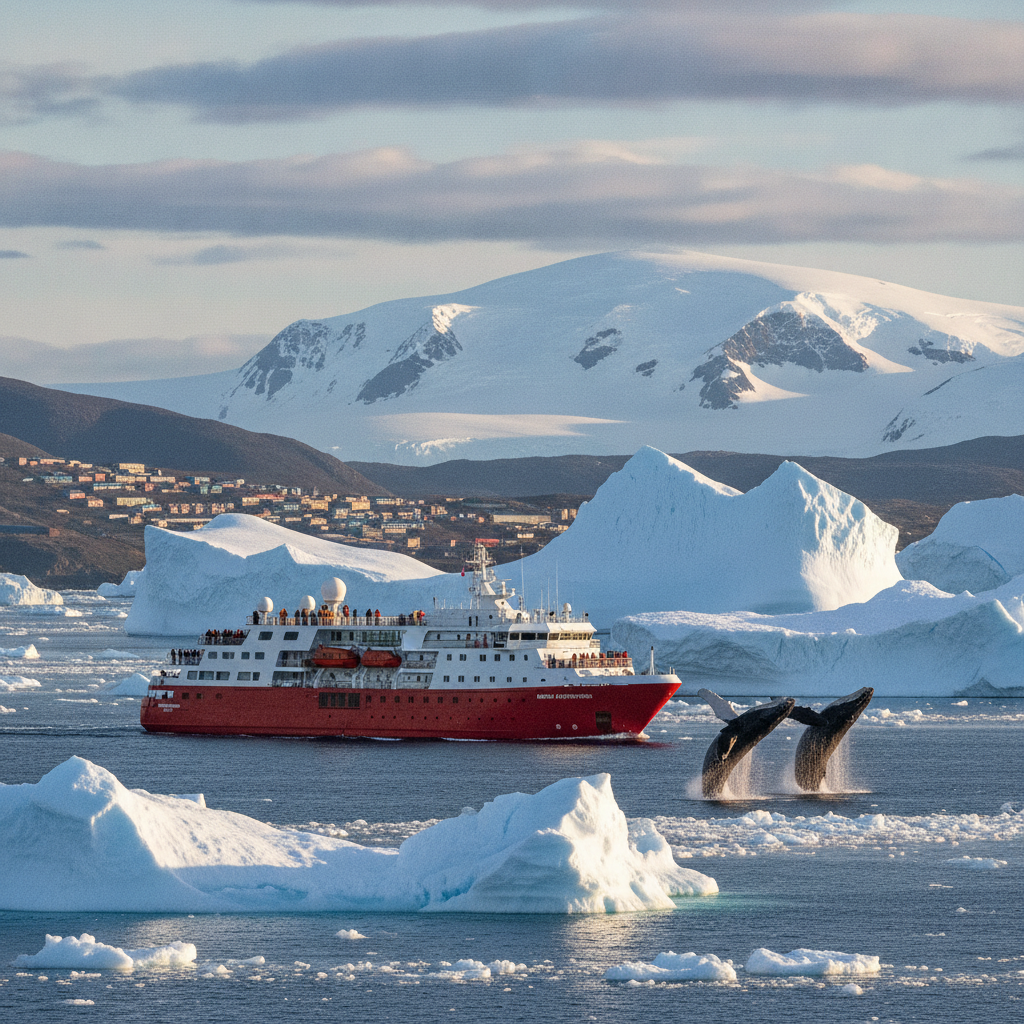
Ushuaia as Antarctica Gateway: The Last Continent
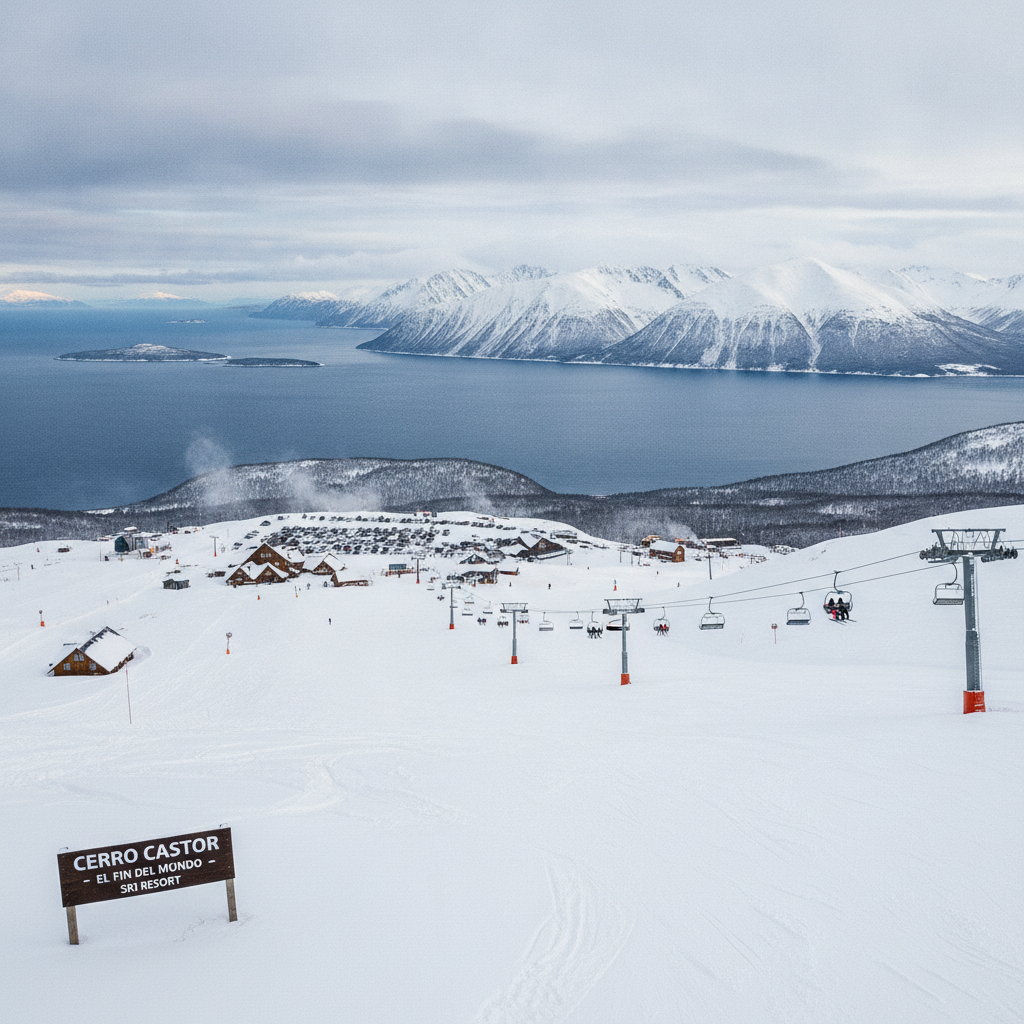
Ushuaia in Winter: The World's Southernmost Ski Resort

Ushuaia's Table: King Crab and the Southern Ocean