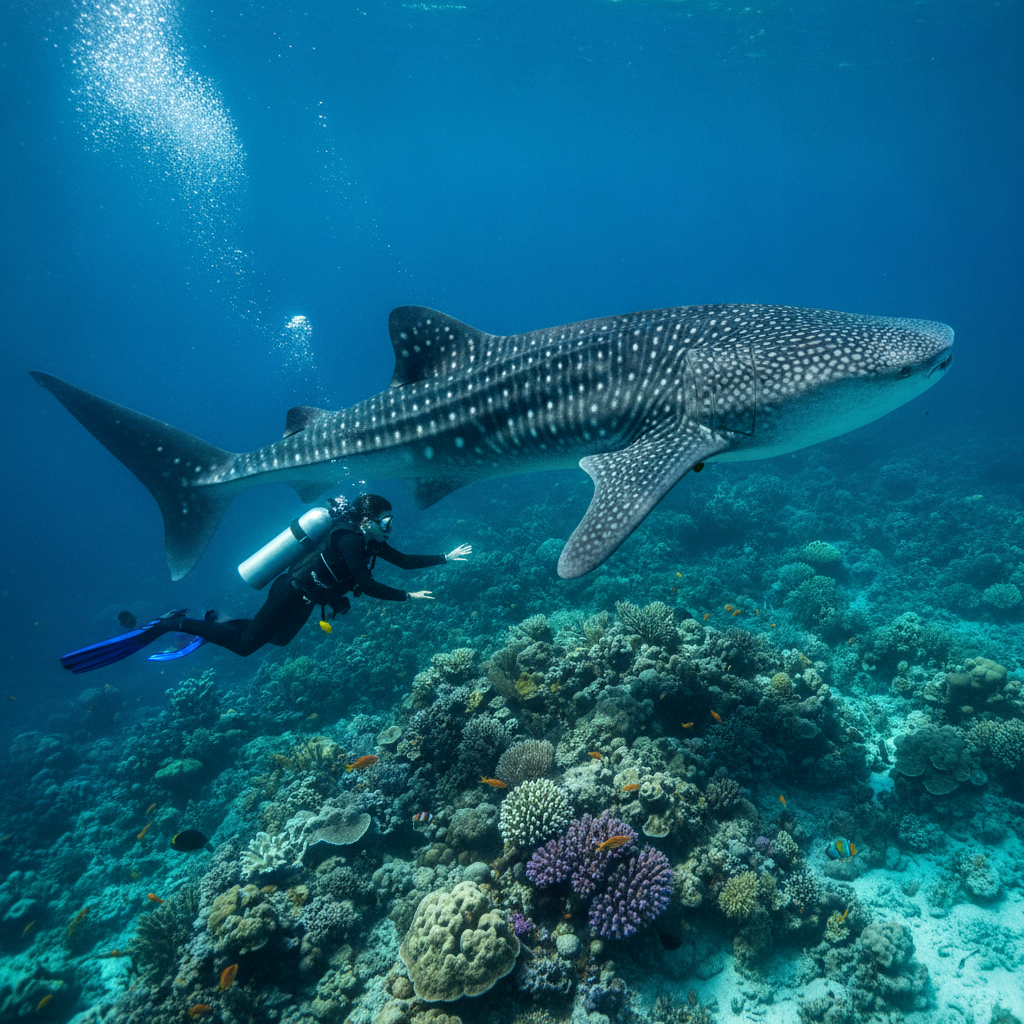
Perth: World Most Isolated City, Fremantle Heritage Port, Rottnest Island Quokkas, Swan Valley and Margaret River Wine, Pinnacles Desert, Kings Park Wildflowers, and Complete Practical Guide
Perth: the world most isolated major city, Fremantle (UNESCO Convict Prison, Markets, Fishing Boat Harbour), Rottnest Island (quokka selfies, 63 beaches, no cars), Swan Valley and Margaret River wine regions, the Pinnacles limestone desert and Coral Coast, and complete practical guide (Kings Park wildflowers, Cottesloe Beach, transport).
- 1
Perth - World Most Isolated City and Sunniest Capital
Perth (population approximately 2.2 million metropolitan area): the capital city of Western Australia and the most geographically isolated major city in the world. The nearest city to Perth of comparable size is Adelaide, approximately 2,700 km to the east (a longer distance than London to Moscow). Perth sits on the Swan Coastal Plain between the Indian Ocean to the west and the Darling Scarp (the ancient granite escarpment) to the east. Perth climate: the most sunny capital city in Australia (approximately 3,200 sunshine hours per year), with a Mediterranean climate (hot, dry summers; mild, wet winters). The Mediterranean climate belt: Perth shares its climate type with the Mediterranean coast, California, central Chile, and the Cape region of South Africa. The Perth isolation paradox: despite its isolation from the Australian east coast, Perth has direct flights to Singapore (4.5 hours), Bali (3.5 hours), Dubai (11 hours), and London (17 hours, the longest non-stop flight in the world when operated by Qantas), making it closer to Southeast Asia and the Middle East than to Sydney.
- 2
Fremantle - the Port City with Soul
Fremantle (the port city at the mouth of the Swan River, 19 km southwest of Perth CBD, 30 minutes by train): the most characterful city in the Perth metropolitan area. The Fremantle character: the historic port district retains much of its nineteenth-century limestone and brick architecture (the Fremantle heritage precinct is the best-preserved Victorian-era port precinct in Australia). The Fremantle Markets (South Terrace, open Friday, Saturday, and Sunday): one of the most popular markets in Australia, operating in the same Victorian market building since 1897. The Fremantle Prison (the convict-built limestone prison, UNESCO World Heritage Site as part of the Australian Convict Sites, operating from 1855 to 1991): the most complete surviving convict establishment in Australia, with the guided tours, the tunnels tour (through the water tunnels beneath the prison), and the torchlight tours. The Fishing Boat Harbour (the working fishing harbour south of the historic centre): the primary fish and chips and seafood restaurant area of Fremantle, with the fresh catch from the Indian Ocean. The Fremantle Doctor: the name for the afternoon sea breeze that blows in from the Indian Ocean each afternoon in summer, cooling Perth and Fremantle from the extreme heat; the breeze typically arrives between noon and 3 pm.
- 3
Rottnest Island - Quokkas and Indian Ocean Beaches
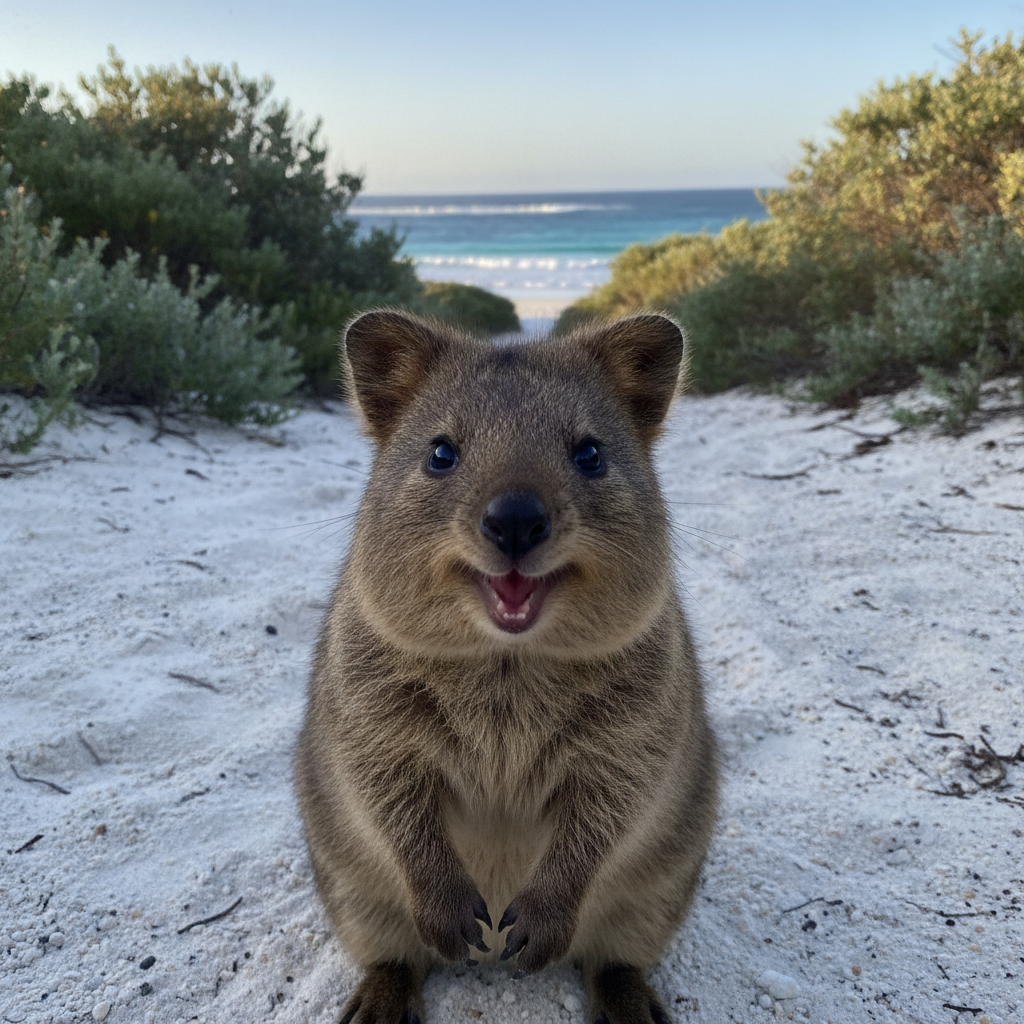
Rottnest Island (Wadjemup in the Noongar language, meaning place across the water where the spirits are): the island 19 km offshore from Fremantle (30-45 minutes by ferry), the primary day trip and weekend escape destination from Perth. The quokka (Setonix brachyurus): the small wallaby species (cat-sized, weighing 2.5-5 kg) that is almost entirely confined to Rottnest Island in the wild (small populations survive on Two Peoples Bay and Bald Island on the mainland, and in captivity). The quokka smile: the quokka facial structure gives the impression of a permanent smile; the selfie with a quokka has been shared by many celebrities (including Roger Federer and Chris Hemsworth) and is one of the most photographed wildlife encounters in Australia. The Rottnest Island beaches: the island has 63 beaches and 20 bays, with Basin (the most popular family beach), Salmon Bay (snorkeling with reef fish), Little Parakeet Bay, and the Little Salmon Bay snorkel trail (the most accessible reef snorkeling in the Perth region). Rottnest Island transport: private motor vehicles are not permitted on the island; bicycles (hire available at the ferry terminal) and the bus hop-on-hop-off service are the primary transport. The island circuit by bicycle (approximately 25 km): the standard way to explore the island.
- 4
Swan Valley and Margaret River Wine Regions
Swan Valley (the wine region 25 km northeast of Perth CBD, along the Swan River): the oldest wine region in Western Australia (first planted with vines in 1829). The Swan Valley is warm and produces fortified wines, dessert wines, and robust reds (Shiraz, Cabernet Sauvignon). The Swan Valley food and wine trail: the wineries (Sandalford, Houghton, Mandoon Estate), the Caversham Wildlife Park (the wildlife park with koala holding, wombat, and kangaroo feeding), the chocolate factory, the nougat factory, and the honey farm combine to create a tourist trail. Margaret River (the wine region on the southwest tip of Western Australia, approximately 280 km south of Perth, 3 hours by road): the most prestigious wine region in Western Australia and one of the most respected in Australia, producing benchmark Cabernet Sauvignon and Chardonnay. The Margaret River characteristics: the extreme maritime climate of the southwest tip (the Indian Ocean to the west, the Southern Ocean to the south) creates long, cool ripening seasons ideal for Cabernet Sauvignon. The Margaret River wineries: Leeuwin Estate (the Concert Series, with international artists performing in the vineyard amphitheatre since 1985), Cullen Wines (the biodynamic pioneer), Vasse Felix (the founding winery, established 1967), and Voyager Estate (the Cape Dutch homestead and formal gardens).
- 5
The Pinnacles Desert and the Coral Coast North of Perth
The Pinnacles (Nambung National Park, approximately 245 km north of Perth, 2.5 hours): the extraordinary field of limestone pillars rising from the yellow desert sand, some reaching 3.5 m in height. The Pinnacles formation: the limestone spires are formed by the selective cementation of ancient coastal dune sand (the calcite-rich root channels of ancient plants are preserved as the harder pillars while the surrounding sand erodes); the pillars are between 25,000 and 30,000 years old. The Pinnacles Desert Drive: the 4 km loop road through the densest pillar field, best visited at sunrise or sunset for the low-angle light. Cervantes (the town near the Pinnacles): the primary service town for Pinnacles visits, with crayfish (Western Australian rock lobster) fishing as the primary industry. The Coral Coast (the coastline north of Perth, from Cervantes to Exmouth): the primary coastal tourism corridor of Western Australia. Kalbarri National Park (590 km north of Perth): the sandstone gorges and the coastal cliffs, with the Skywalk (the glass and steel cantilever lookout over the Murchison River Gorge). Shark Bay World Heritage Area (850 km north of Perth): the Hamelin Pool stromatolites (living fossils, the oldest living organisms in the world), the Monkey Mia wild dolphin feeding, and the Shell Beach (a 110 km beach made entirely of cockle shells, 10 m deep).
- 6
Perth Practical Guide - Kings Park, the Indian Ocean, and Getting Around
Kings Park (the 400-hectare bushland and botanical garden park on the Mount Eliza escarpment overlooking the Perth CBD and the Swan River): the largest inner-city park in Australia and the most visited tourist attraction in Western Australia. Kings Park botanical gardens: the Western Australian Botanic Garden within Kings Park contains over 3,000 species of Western Australian native plants, including the extraordinary wildflower display (September-October: the Perth wildflower season, when Western Australian wildflowers bloom in spectacular diversity; the southwest corner of Western Australia has the second-highest plant species richness per unit area in the world after the Cape Floristic Region of South Africa). Cottesloe Beach (the primary Perth city beach, 11 km southwest of the CBD): the sheltered Indian Ocean beach with the Indiana Tea House and the annual Sculptures by the Sea festival (March). Scarborough Beach (the northern suburb beach, 14 km from the CBD): the primary surf beach with the Scarborough foreshore development. Perth transport: the Transperth rail and bus network; the free CAT bus services (Central Area Transit) within the CBD and inner suburbs. Perth Airport to CBD: approximately 15 km, 20-30 minutes by taxi (AUD 35-45) or 50 minutes by train (the Airport Link line, AUD 4.50). Best season: September to November (wildflower season, mild weather before summer heat).
Walk this route with audio
Stories play automatically as you reach each stop — no tapping needed.
More in perth
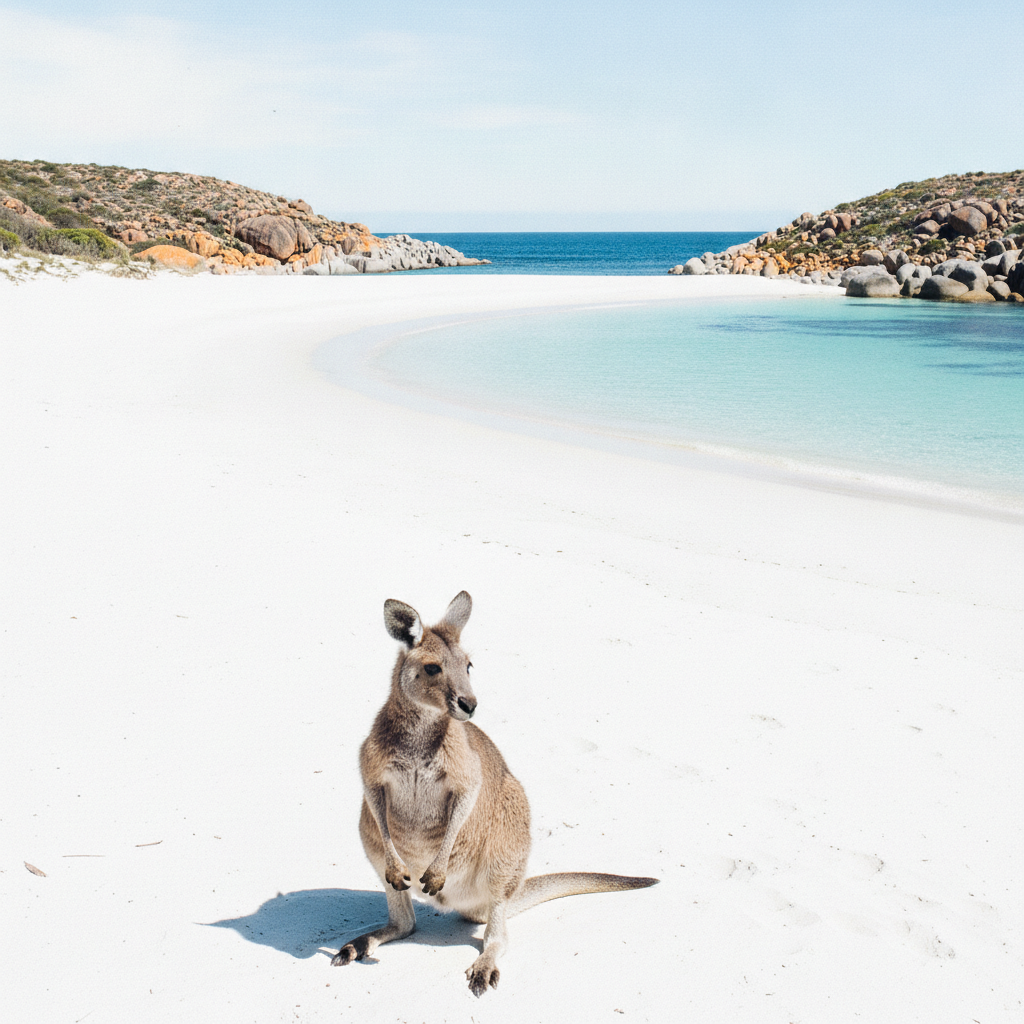
Perth: Wave Rock and Wheatbelt Granite, Esperance Lucky Bay (Whitest Sand in Australia), Perth CBD Culture Walk and Northbridge, Nullarbor Plain Crossing, Unique Western Australian Wildlife (Sea Lions, Numbat, Southern Right Whale), and Four-Route Final Verdict
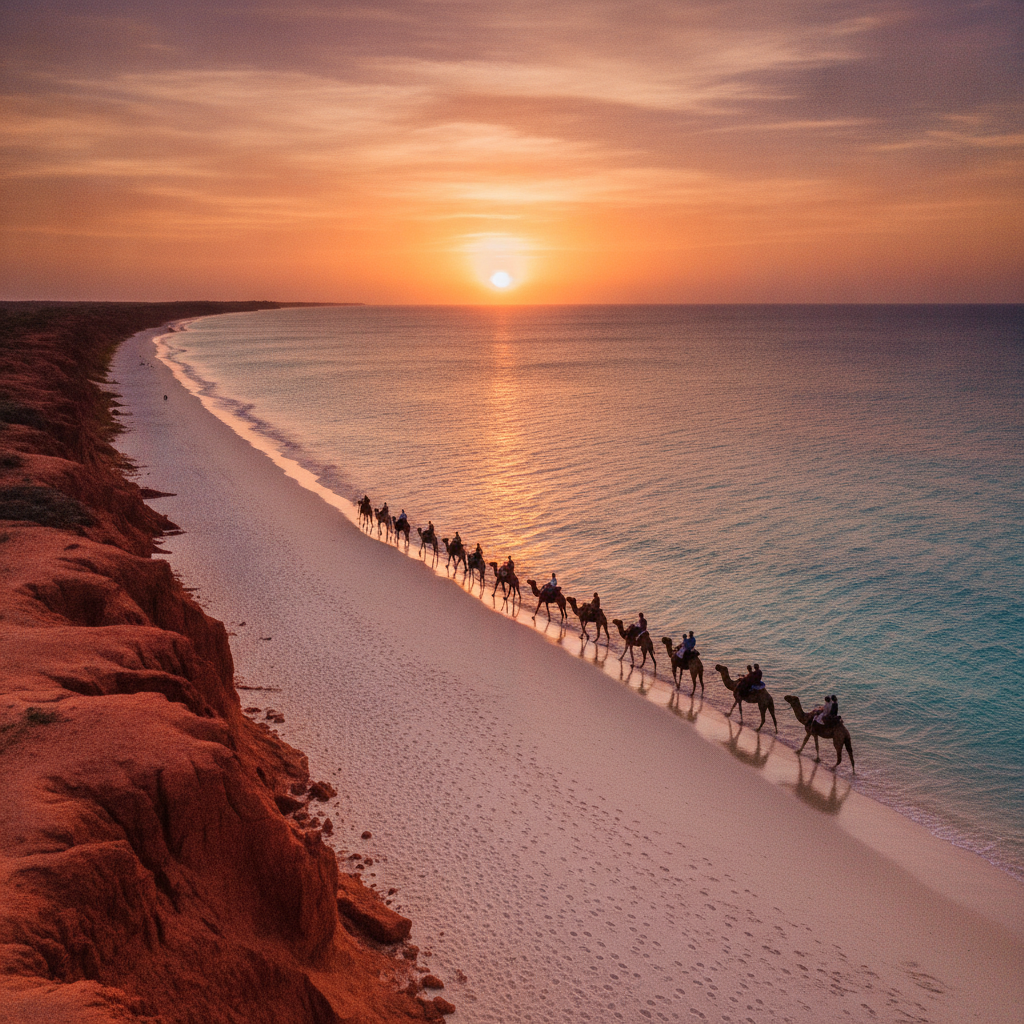
Perth: Beach Culture (Cottesloe, Scarborough, Marmion Reef), Craft Beer and Food Scene, Broome and the Kimberley Wilderness, Perth Events, and the Complete Western Australia Visitor Assessment