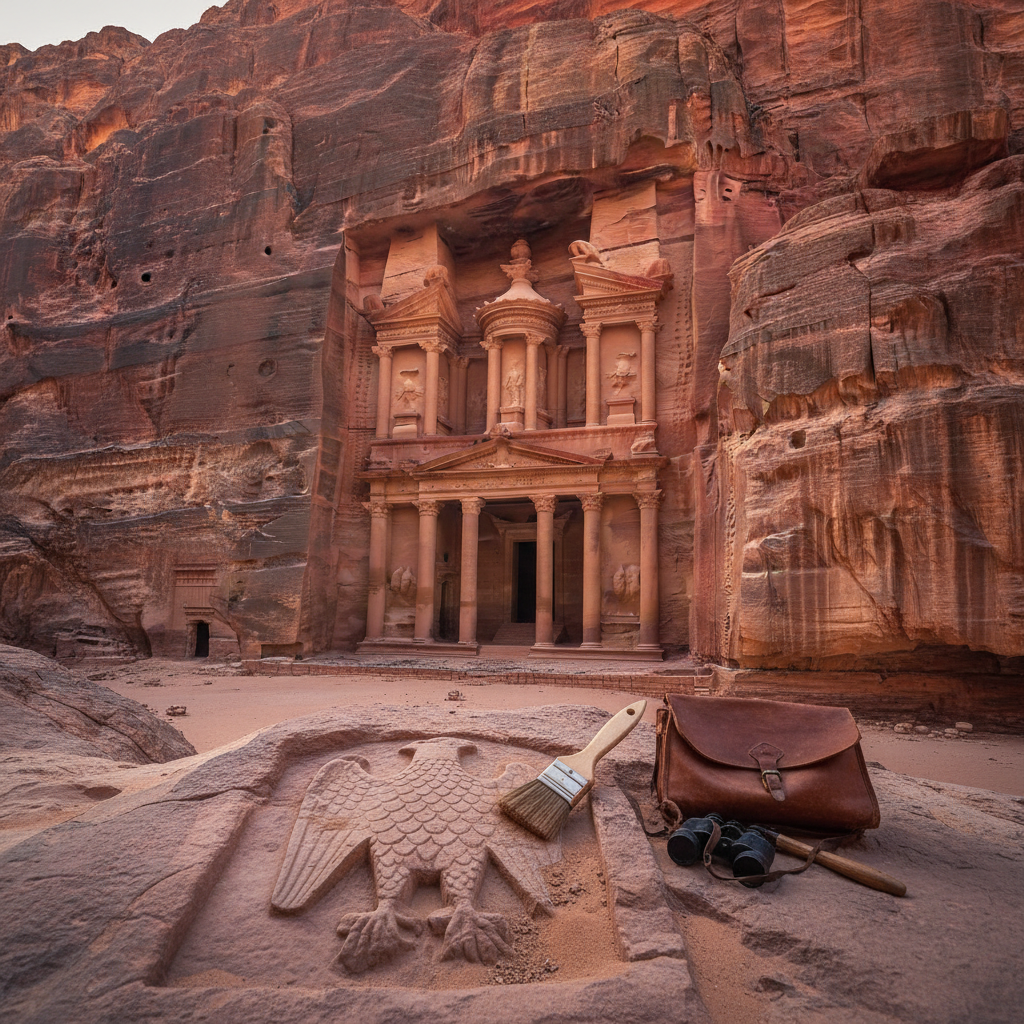
Petra Deep Dive: Only 15% Excavated, the Nabataean Water System & Indiana Jones
Understand Petra beyond the postcard—a 2016 satellite survey found a massive unrecorded structure still buried beneath the unexcavated 85% of the city, the gravity-fed terracotta pipe system that brought water 8 km through the Siq to sustain 30,000 people in a desert, the Indiana Jones and the Last Crusade Treasury scene that launched a tourism boom, and 3-day backcountry treks to Aaron's Mountain with Bedouin guides.
- 1
Petra's Archaeological Research – What We Know & Don't Know
Petra's archaeological research is ongoing and regularly produces surprises. A 2016 National Geographic study using satellite imagery discovered a massive monumental structure (184 metres long, previously unrecorded) buried beneath the city's southern section. Only 15–20% of Petra has been excavated; the full extent of the Nabataean city is still unknown. The Petra Archaeological Park, managed by the Jordanian Department of Antiquities, covers 264 km²—the vast majority of which is unexcavated.
- 2
The Nabataean Water System – Engineering in the Desert
The Nabataean water system that sustained Petra's 30,000 inhabitants in an arid environment was one of antiquity's most sophisticated: terracotta pipes carried water from Ain Musa spring 8 km through the Siq; 200+ cisterns carved in rock collected rainwater; check dams across the wadis controlled flash floods (the same floods that killed 21 French tourists in 1963); and the central city's pools and fountains ran year-round. The system's engineering—designed without pumps—operated by gravity and pressure pipes.
- 3
Petra's UNESCO Status & Conservation Challenges
Petra was inscribed as a UNESCO World Heritage Site in 1985 and named one of the New Seven Wonders of the World in 2007. Despite this recognition, conservation challenges are significant: the sandstone facades weather continuously; mass tourism (800,000+ visitors pre-COVID) causes vibration damage; flash floods threaten the lower city regularly; and the informal souvenir industry within the site has introduced abrasive foot traffic damage. UNESCO and Jordan's Department of Antiquities operate jointly funded conservation programmes.
- 4
Petra in Popular Culture – Indiana Jones & The Martian
Petra achieved global recognition as the location of the Holy Grail temple in Indiana Jones and the Last Crusade (1989)—the scene where Indiana and his father ride past the Treasury facade to enter the canyon. The film drove a significant tourism boom in the 1990s. Petra has subsequently appeared in The Mummy Returns (2001), Transformers: Revenge of the Fallen (2009), and Aladdin (2019 live-action). Lawrence of Arabia (1962) was filmed partially in Wadi Rum, 100 km south—connecting the two sites in cinematic history.
- 5
Camping & Multi-Day Trekking in Petra's Backcountry
Beyond the main archaeological site, Petra's 264 km² protected area contains trails to rarely visited tombs, high mountain routes (Jabal Haroun—Aaron's Mountain—rises to 1,350 metres and is topped by a mosque marking Aaron's supposed burial site), and Bedouin camps in remote wadis. The 3-day Petra to Wadi Rum trek crosses the Wadi Araba desert floor. Locally licensed Bedouin guides (booked through Wadi Musa guesthouses) are required for backcountry routes and provide the only accurate route knowledge.
- 6
Petra as the Crossroads of the Ancient World
At its peak (1st century BC–1st century AD), Petra was the commercial capital of the Nabataean Kingdom and the hub of trade routes connecting China, India, Arabia, Egypt, and Rome. Frankincense and myrrh from southern Arabia, silk and spices from Asia, grain from Egypt, and metals from Anatolia all passed through Petra's caravansaries. The city's extraordinary wealth—reflected in the elaborateness of its carved facades—came from taxing and facilitating this trade. The Nabataeans' commercial genius made Petra temporarily one of the wealthiest cities in the ancient world.
Walk this route with audio
Stories play automatically as you reach each stop — no tapping needed.
More in Petra
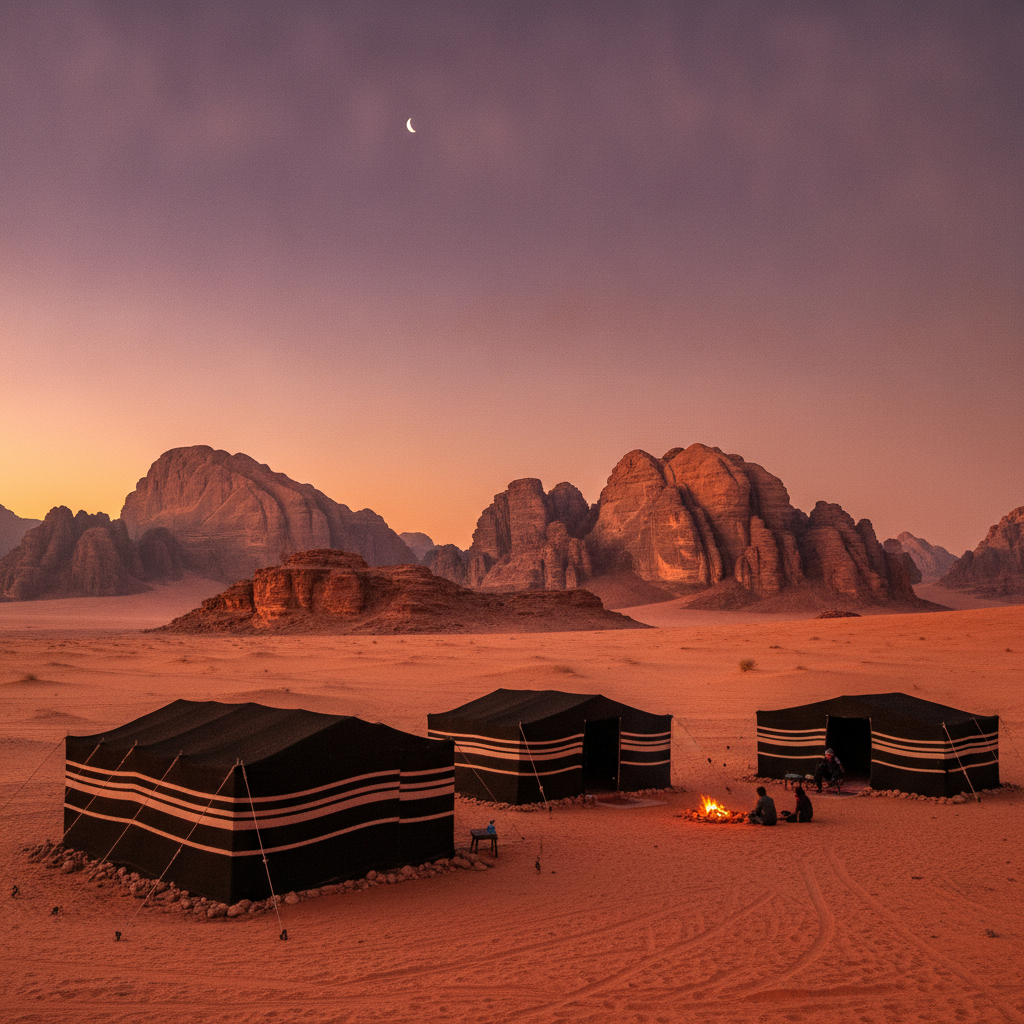
Petra Day Trips: Little Petra Free, Wadi Rum's Martian Landscape & Dana Canyon Trek
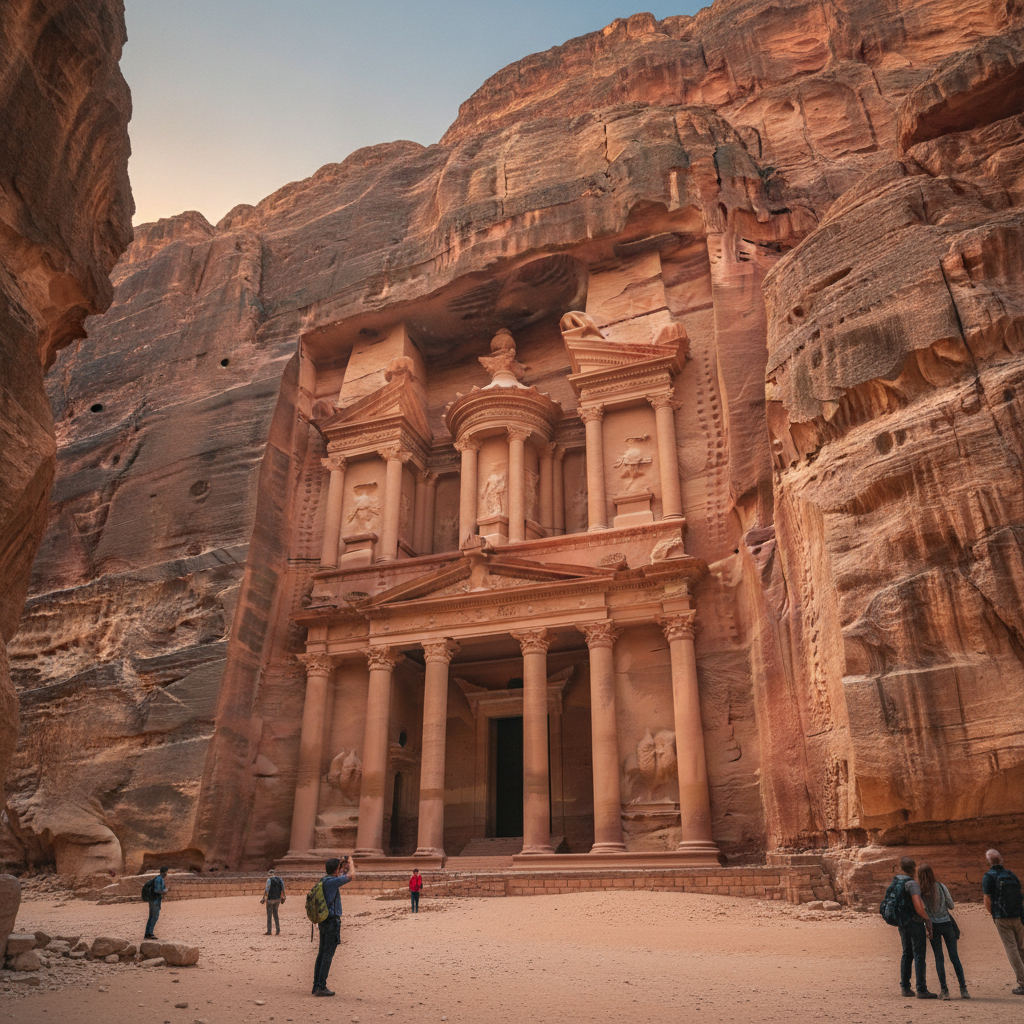
Petra Essential: The Siq Canyon, the Treasury Al-Khazneh, the Street of Facades, the High Place of Sacrifice, the Monastery Ad-Deir, and the Nabataean Capital
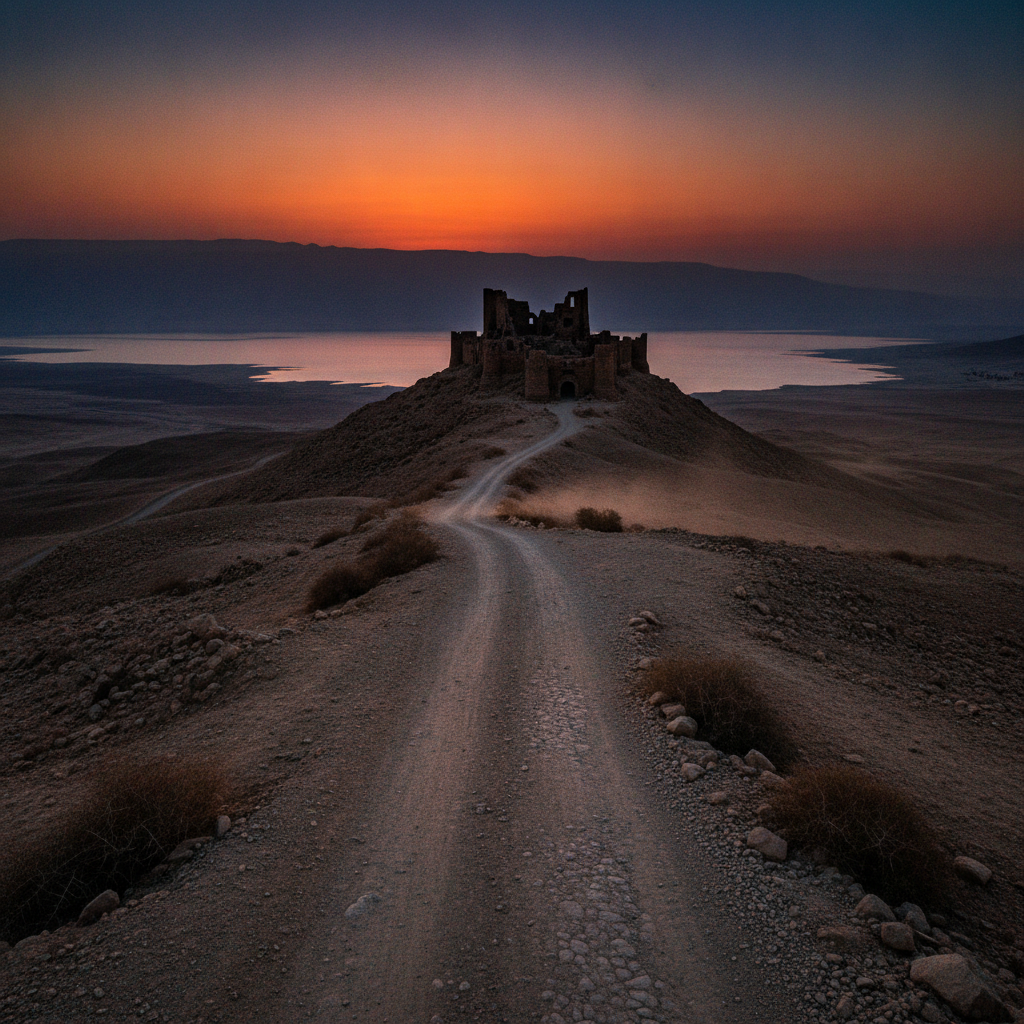
Petra's Jordan: The King's Highway, Byzantine Mosaics & the Grand Canyon of Wadi Mujib

Petra Geology: The Rose-Red Sandstone Colors, the Nabataean Water Engineering, the Desert Ecology, and the Natural Environment
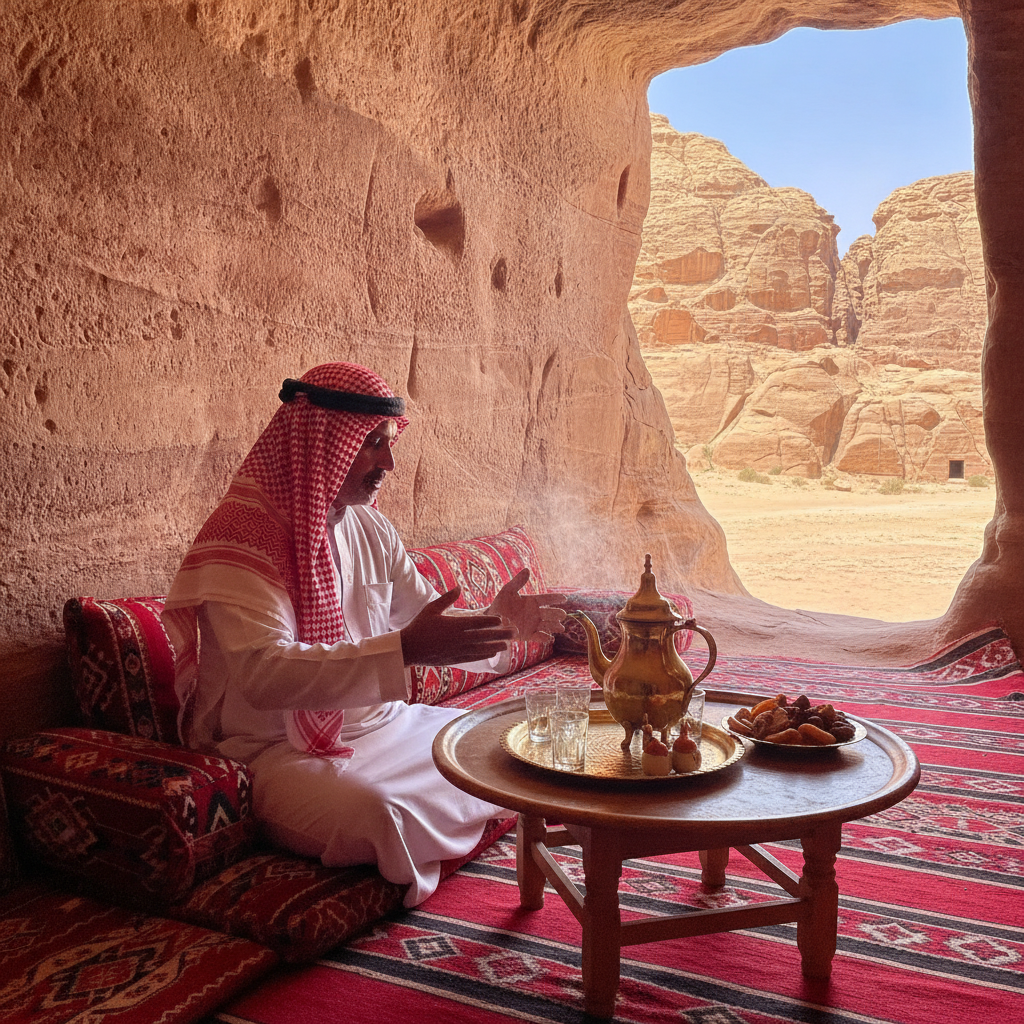
Petra Bedouin: The Bdul Tribe, the Cave Dwelling Heritage, the Desert Hospitality Tradition, and the Bedouin Cultural Identity
