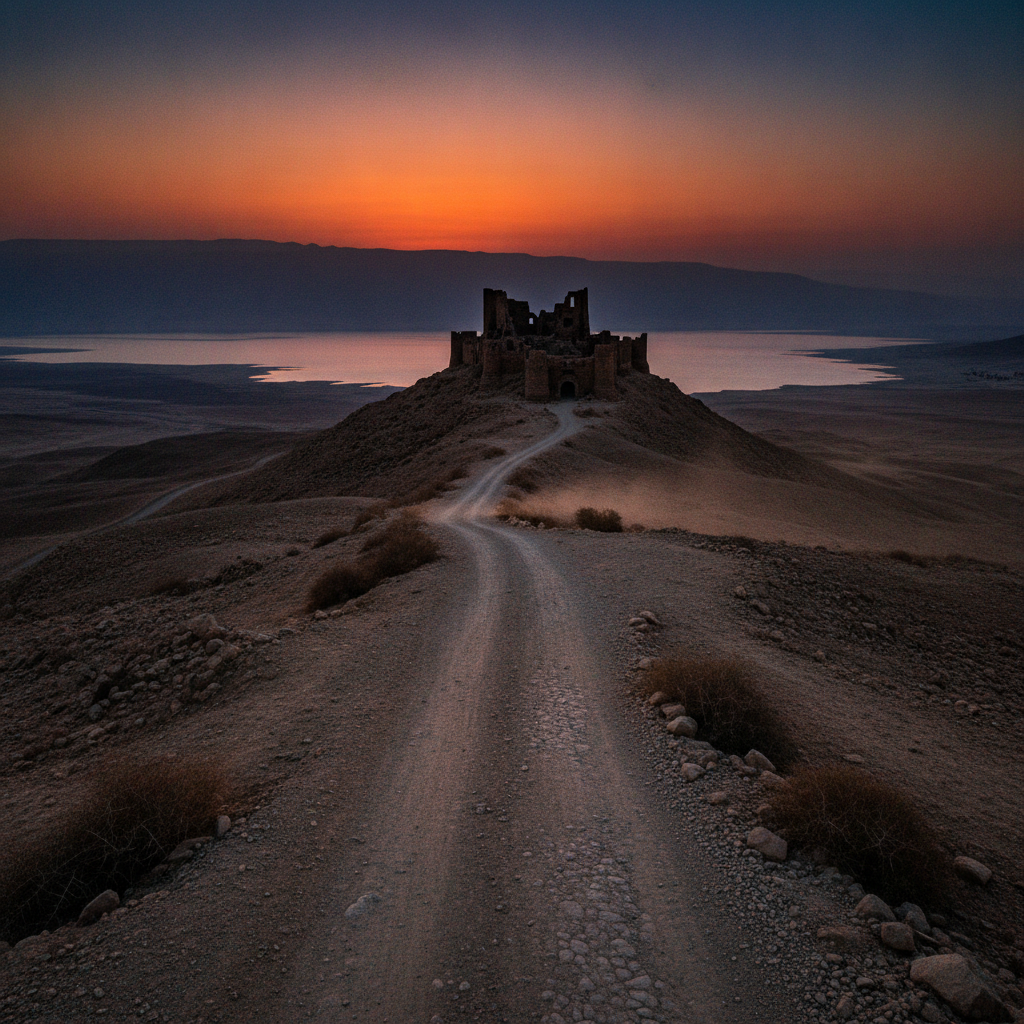
Petra's Jordan: The King's Highway, Byzantine Mosaics & the Grand Canyon of Wadi Mujib
Drive the world's oldest road from Amman to Petra—the King's Highway passes Madaba's 2.3-million-tessera Byzantine mosaic map of Jerusalem, the Crusader fortress of Karak that Saladin besieged in 1183, and the Wadi Mujib canyon where you wade and swim through a slot narrower than 2 metres, ending with Jordan's national dish mansaf eaten communally by hand.
- 1
The King's Highway – Jordan's Ancient Road
The King's Highway—one of the world's oldest continuously used roads, mentioned in the Bible (Numbers 20:17) as the route the Israelites requested to use in transit—runs from Amman south to Aqaba through the Transjordan highlands. The 335 km route passes Madaba (Byzantine mosaic map of the Holy Land, 6th century AD), the Crusader fortress of Karak (1142), the Dana Biosphere Reserve, and Little Petra before reaching Petra. Driving the King's Highway from Amman to Petra takes 6–7 hours but is one of Jordan's great road journeys.
- 2
Madaba – The Mosaic City
Madaba, 30 km south of Amman, contains the most important Byzantine mosaic in the Middle East: the 6th-century floor mosaic in St George's Church (still an active parish) depicting the Holy Land in 2.3 million tesserae, including the earliest known cartographic representation of Jerusalem. The town has many Byzantine and Umayyad mosaic floors, including the Archaeological Park. Madaba is also the access point for Mount Nebo (10 km), where Moses is said to have seen the Promised Land before his death—the view of the Jordan Valley and Dead Sea is extraordinary.
- 3
Karak Castle – Crusader Fortress
Karak (Kerak) Castle, 120 km north of Petra on the King's Highway, is one of the Crusaders' most impressive fortifications—built 1142 by the lord of Oultrejourdain to control the route between Egypt and Syria. The castle withstood Saladin's siege in 1183 before finally falling in 1188. The castle's underground galleries, great hall, and Crusader chapel are largely intact; the surrounding town of Karak is an authentic Jordanian market town with almost no tourism infrastructure. The castle museum covers the Nabataean, Byzantine, Crusader, and Mamluk occupation layers.
- 4
Wadi Mujib – The Grand Canyon of Jordan
Wadi Mujib—a canyon dropping 1,000 metres from the Transjordan plateau to the Dead Sea shore—is Jordan's 'Grand Canyon' and a protected biosphere reserve. The Siq Trail through the canyon requires wading and swimming through the river in the narrowest sections (life jackets and waterproof bags provided by the reserve authority). The trail (3–4 hours) is only possible April–October; the canyon walls rise 100 metres on either side of a river passage often less than 2 metres wide. One of Jordan's great adventure experiences.
- 5
Jordan's Food Culture – Mansaf & Mezze
Jordanian cuisine is built around mansaf—the national dish of lamb slow-cooked in fermented dried yogurt (jameed) and served on flatbread with rice and pine nuts, eaten communally by hand from a large platter. The dish originated with the Bedouin and is served at every major celebration. Za'atar (thyme-sesame-sumac blend) is ubiquitous; maqluba (upside-down rice and vegetables) is the everyday family dish. Wadi Musa's restaurants serve good Jordanian food; the Petra Kitchen cooking school runs evening Jordanian cuisine classes.
- 6
Jordan as a Travel Destination – Safety, Visa & Context
Jordan is consistently rated one of the Middle East's safest countries for tourists—politically stable relative to its neighbours (Syria, Iraq, Israel-Palestine), with a large and professional tourism infrastructure. The Jordan Pass (purchased online before arrival) includes the visa fee for most nationalities, eliminating the $40 single-entry visa cost at the border. Jordan's position—bordering Israel, the West Bank, Syria, Iraq, and Saudi Arabia—means it sits at the crossroads of the region; it is the only Arab country with a peace treaty with Israel (1994) and is a key diplomatic player.
Walk this route with audio
Stories play automatically as you reach each stop — no tapping needed.
More in Petra
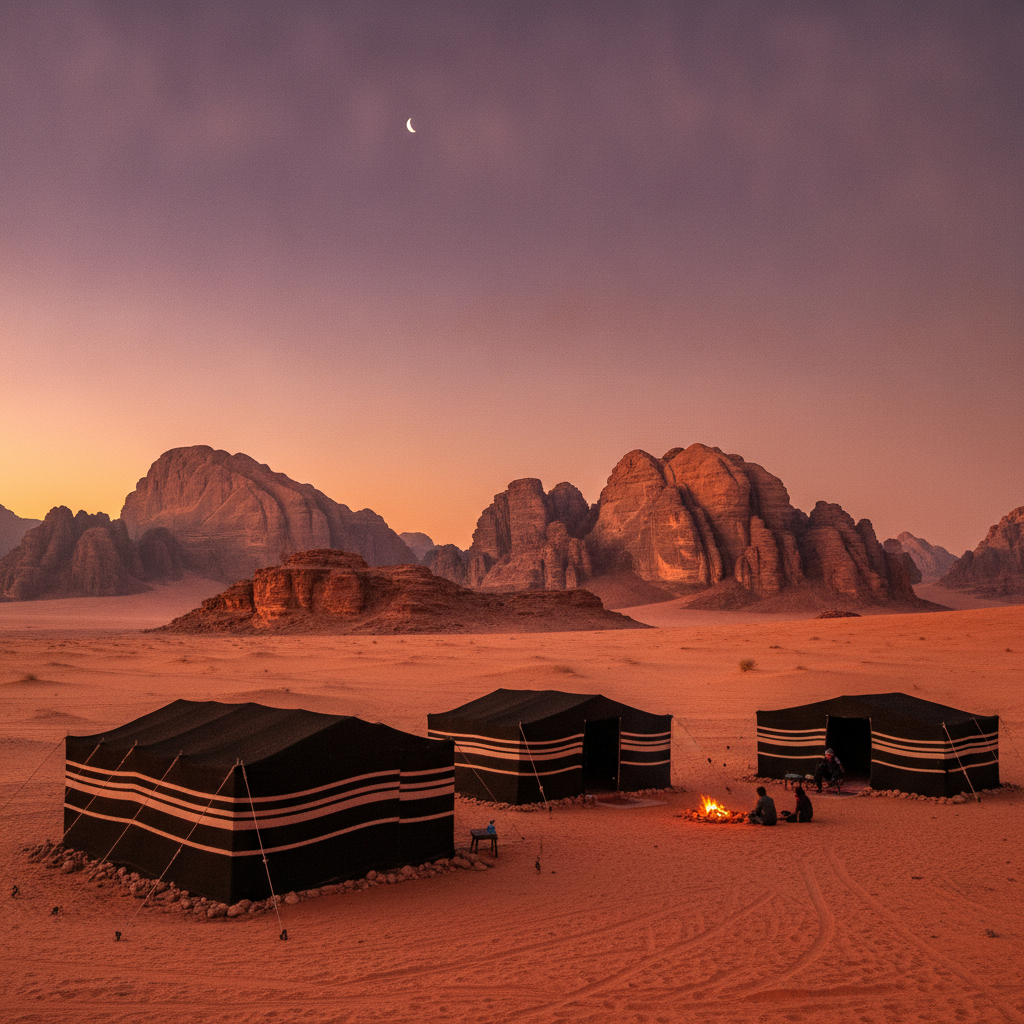
Petra Day Trips: Little Petra Free, Wadi Rum's Martian Landscape & Dana Canyon Trek
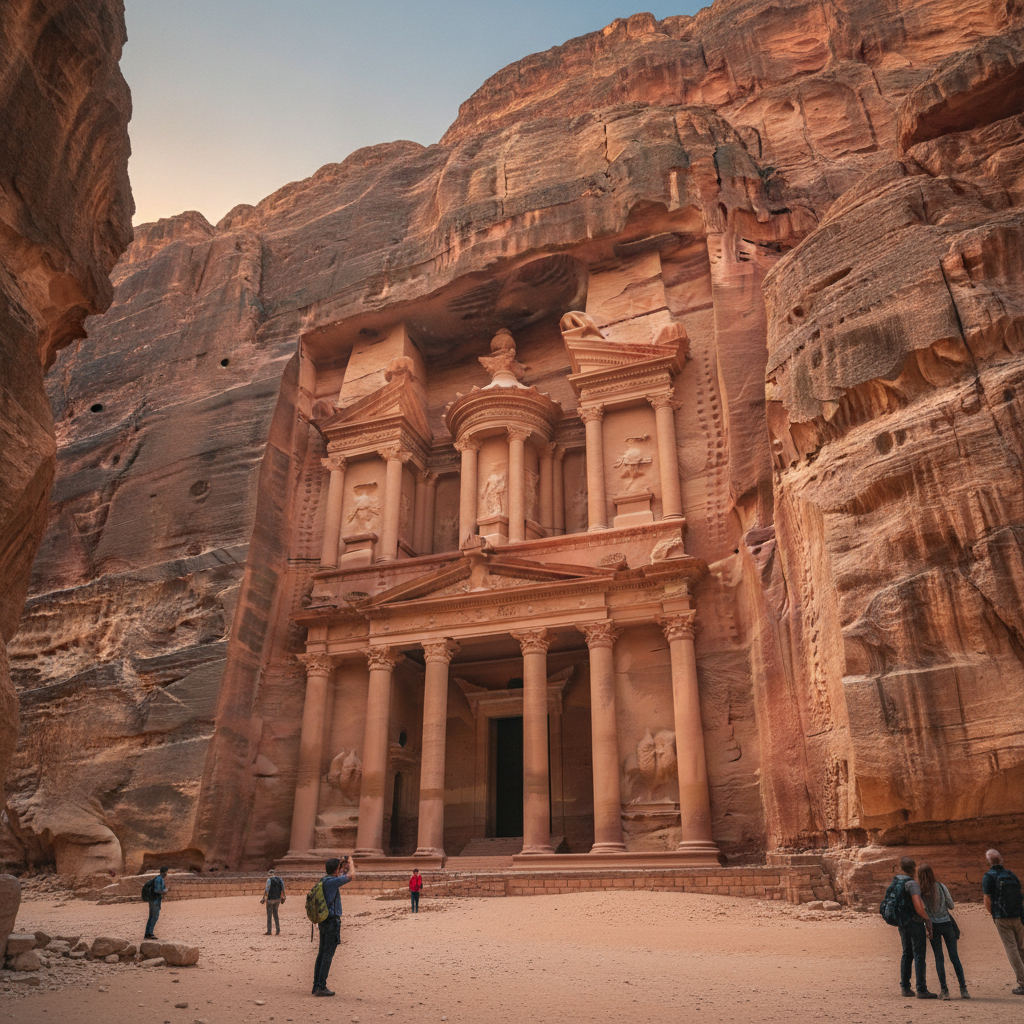
Petra Essential: The Siq Canyon, the Treasury Al-Khazneh, the Street of Facades, the High Place of Sacrifice, the Monastery Ad-Deir, and the Nabataean Capital
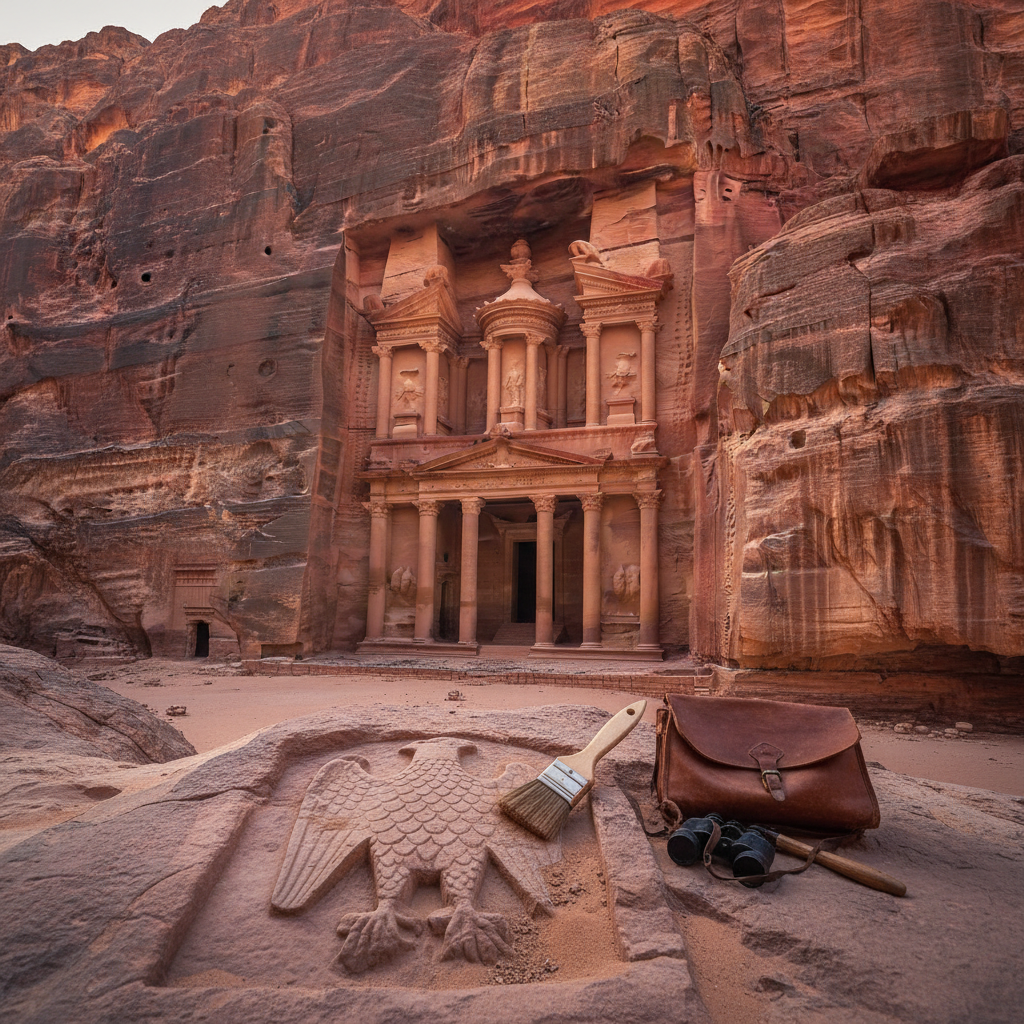
Petra Deep Dive: Only 15% Excavated, the Nabataean Water System & Indiana Jones

Petra Geology: The Rose-Red Sandstone Colors, the Nabataean Water Engineering, the Desert Ecology, and the Natural Environment
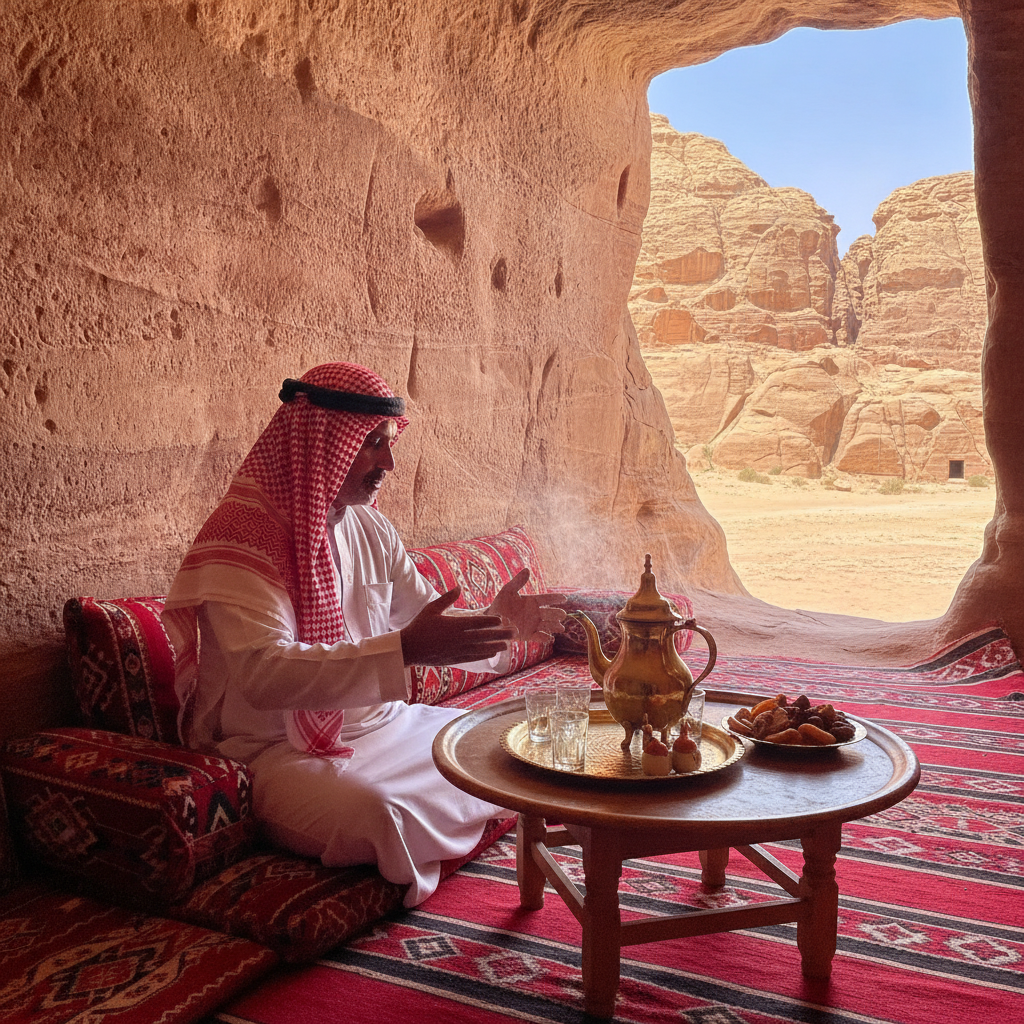
Petra Bedouin: The Bdul Tribe, the Cave Dwelling Heritage, the Desert Hospitality Tradition, and the Bedouin Cultural Identity
