Philadelphia: Mosaic Labyrinths, 181 Renoirs and the First Gay Rights March in America
Wander the mosaic labyrinth of Philadelphia Magic Gardens on South Street, confront 181 Renoirs and 69 Cezannes in the Barnes Foundation unconventional gallery, stand before Rodins Gates of Hell in a garden that charges by donation, learn how Drexel invented cooperative education and helped anchor the Comcast tech economy, walk the rainbow-signed Gayborhood where rights marches began four years before Stonewall, and plan arrival by train from New York in 70 minutes.
- 1
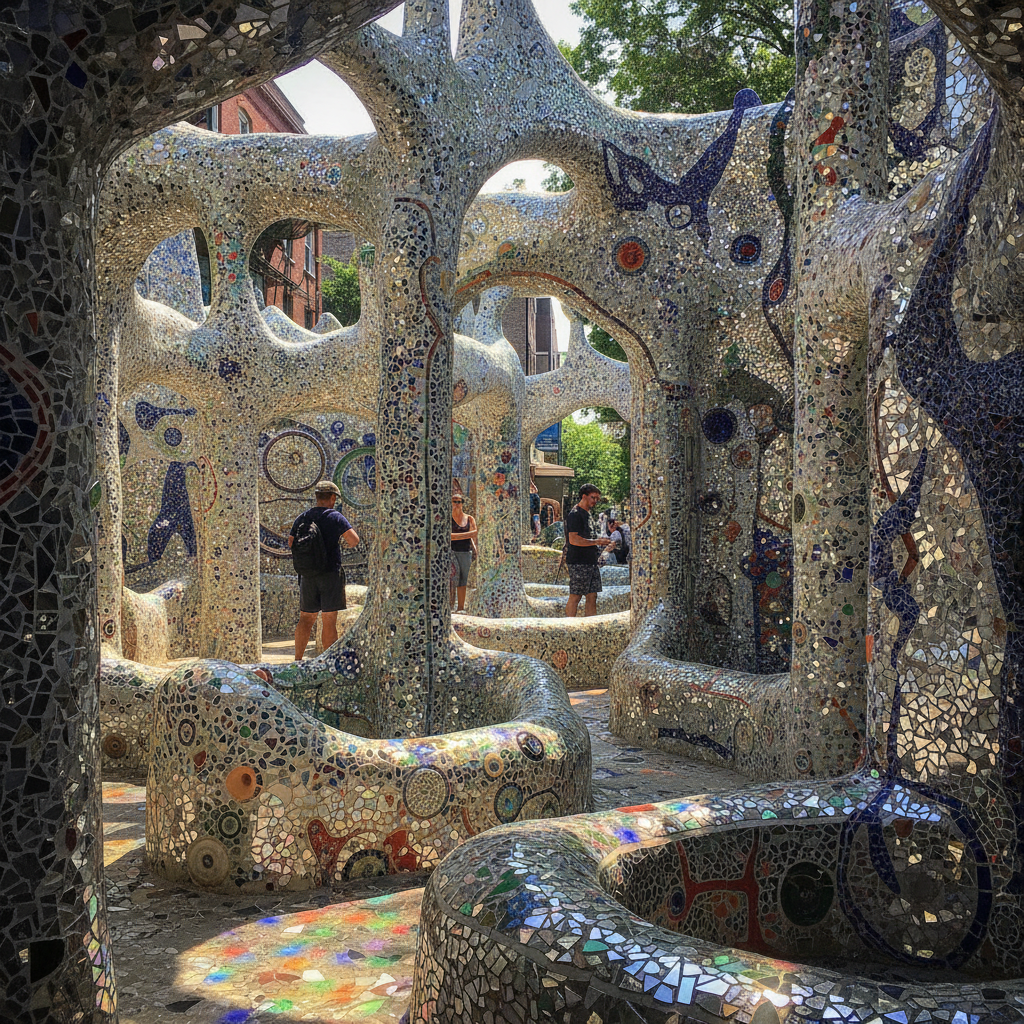
Philadelphia Magic Gardens
Philadelphia Magic Gardens at 1020 South Street, created by mosaic artist Isaiah Zagar since 1994, is a labyrinthine outdoor and indoor environment covering a half-block with intricate mosaics incorporating broken mirrors, hand-painted tiles, found objects, bicycle wheels, bottles, and folk art figures. Zagar, who began making mosaics in South Street buildings in 1968 after returning from the Peace Corps in Peru, has covered over 50,000 square feet of building facades in the surrounding neighborhood. The enclosed Magic Gardens site opened to visitors in 2004 and is one of the most distinctive outsider art environments in the United States. The South Street corridor where the Gardens are located was the counterculture and bohemian center of Philadelphia from the 1960s through the 1990s, celebrated in the 1963 song South Street by the Orlons.
- 2
Barnes Foundation Art Collection
The Barnes Foundation at 2025 Benjamin Franklin Parkway, which moved from its original Lower Merion location in 2012 after decades of legal battles, houses one of the greatest private art collections ever assembled, including 181 Renoirs, 69 Cezannes, 59 Matisses, 46 Picassos, and works by van Gogh, Seurat, Modigliani, and Chaim Soutine. Albert Barnes, a self-made pharmaceutical millionaire who invented the antiseptic Argyrol in 1902, began collecting impressionist and post-impressionist art in the 1910s when dealers and collectors in America dismissed such work. Barnes displayed the collection in unconventional room arrangements juxtaposing paintings with metalwork and hinges, which the foundation preserves in the new building. The collection is valued at over 25 billion dollars. Barnes stipulated that his collection never be loaned or reproduced, and fought bitterly to keep it in Lower Merion as an educational institution rather than a public gallery.
- 3
Rodin Museum Philadelphia
The Rodin Museum at 2151 Benjamin Franklin Parkway, which opened in 1929 and houses the largest collection of Auguste Rodin sculptures outside of Paris, was a gift to the city of Philadelphia from financier Jules Mastbaum, who died before the building opened. The collection includes bronze casts of The Thinker at the entrance gate, The Burghers of Calais in the garden, and The Gates of Hell, the monumental doorway on which Rodin worked for 37 years without completing it, which contains 186 figures including The Thinker and The Three Shades. The building and gardens were designed by architects Paul Cret and Jacques Greber in a Beaux-Arts style that evokes the French gardens of the era when Rodin worked. Admission is by donation and the garden is freely accessible, making it one of the most accessible world-class sculpture experiences in America.
- 4
Drexel and Philadelphia Tech Ecosystem
Drexel University, founded in 1891 by financier Anthony Drexel and located on Market Street in University City, pioneered the cooperative education model in which students alternate semesters of study with semesters of paid work in their field, a model now adopted by hundreds of universities globally. The co-op program gives Drexel graduates an average of 18 months of professional experience at graduation. The Philadelphia technology ecosystem has grown substantially around Penn, Drexel, and Temple University, with companies including Comcast, whose 60-story Comcast Technology Center opened in 2018 and is the tallest building in Philadelphia, anchoring the technology and media economy. The Benjamin Franklin Parkway Innovation Corridor connects academic institutions and tech companies along the parkway. Philadelphia has attracted biotechnology investment through proximity to major research hospitals and the University of Pennsylvania gene therapy program.
- 5
Philadelphias LGBTQ History and Gayborhood
The Gayborhood, the colloquial name for the LGBTQ commercial district centered on 13th Street between Walnut and Chestnut Streets in Center City, is one of the oldest and most institutionalized LGBTQ neighborhoods in America. Philadelphia hosted the first annual reminder marches for LGBTQ rights at Independence Hall beginning in 1965, predating the Stonewall Uprising by four years. The marchers, organized by Frank Kameny and Barbara Gittings, protested in suits and dresses to demonstrate respectability and demanded that gay federal employees be allowed to work without discrimination. The street signs in the Gayborhood are decorated with rainbow colors. William Way LGBT Community Center on Spruce Street is one of the oldest LGBTQ community centers in the country. Philadelphia was an early adopter of domestic partnership benefits for city employees in 1994 and hosted WorldPride in 2014.
- 6
Philadelphia Practical Travel Guide
Philadelphia is accessible by train from New York in 70 to 95 minutes on Amtrak from Penn Station, making it feasible as a day trip, and from Washington DC in about 2 hours. 30th Street Station, opened in 1933 in the Beaux-Arts style designed by Graham Anderson Probst and White, is one of the great train stations of America and handles over 4 million passengers annually. The Philadelphia Airport is a major hub with international connections. The SEPTA transit system covers the city and inner suburbs by bus, subway, and regional rail. The CityPASS covers major attractions including the Philadelphia Museum of Art, Franklin Institute, and the National Constitution Center. Most of the historic sites in Old City and Center City are walkable within a 2-mile radius. The city is most temperate in May and September through October. Philadelphia has made major investments in bicycle infrastructure and is a strong cycling city by American standards.
Walk this route with audio
Stories play automatically as you reach each stop — no tapping needed.
More in Philadelphia
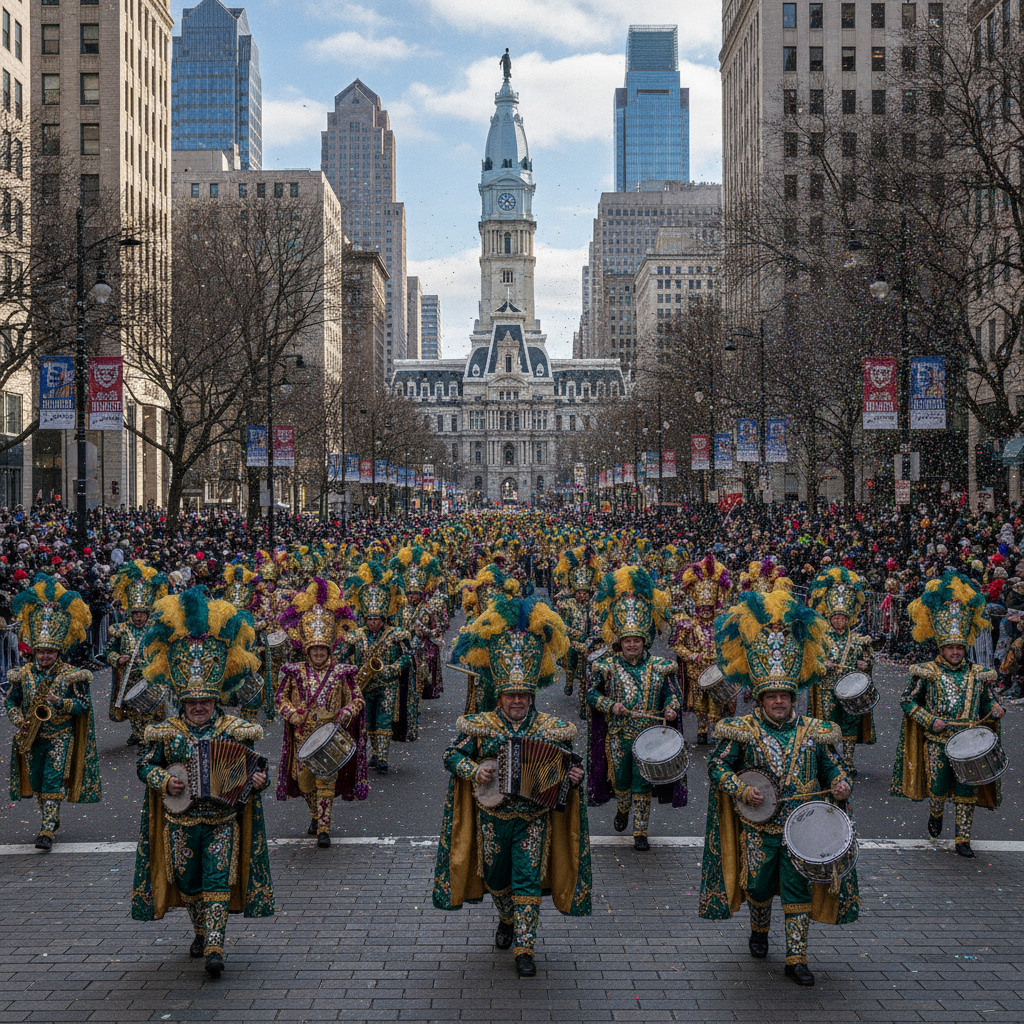
Philadelphia R3: Rittenhouse Square and dining (Zahav Michael Solomonov, Vetri Cucina, South Street Magic Gardens Isaiah Zagar mosaics), Philadelphia architecture (Society Hill Georgian I.M. Pei towers 1964, USS Olympia Spanish-American War oldest steel warship, Eastern State Penitentiary 1829 Pennsylvania solitary system), LGBTQ+ history (Annual Reminders 1965 first US LGBT political demonstrations Independence Hall, Mazzoni Center 1979, Gayborhood rainbow crosswalks, Walt Whitman Camden patron), Revolutionary War (Continental Congress Independence Hall, British occupation 1777-1778, Battle of Germantown fog friendly fire, Betsy Ross House first flag legend), Mummers Parade (January 1 oldest continuous US folk parade, String Bands South Philly clubs, First Friday Old City gallery walk), Practical (Philadelphia firsts — library hospital insurance zoo World's Fair telephone stock exchange, SEPTA El Broad St Line, 30th Street Station third busiest Amtrak, Acela NYC 75min DC 65min)
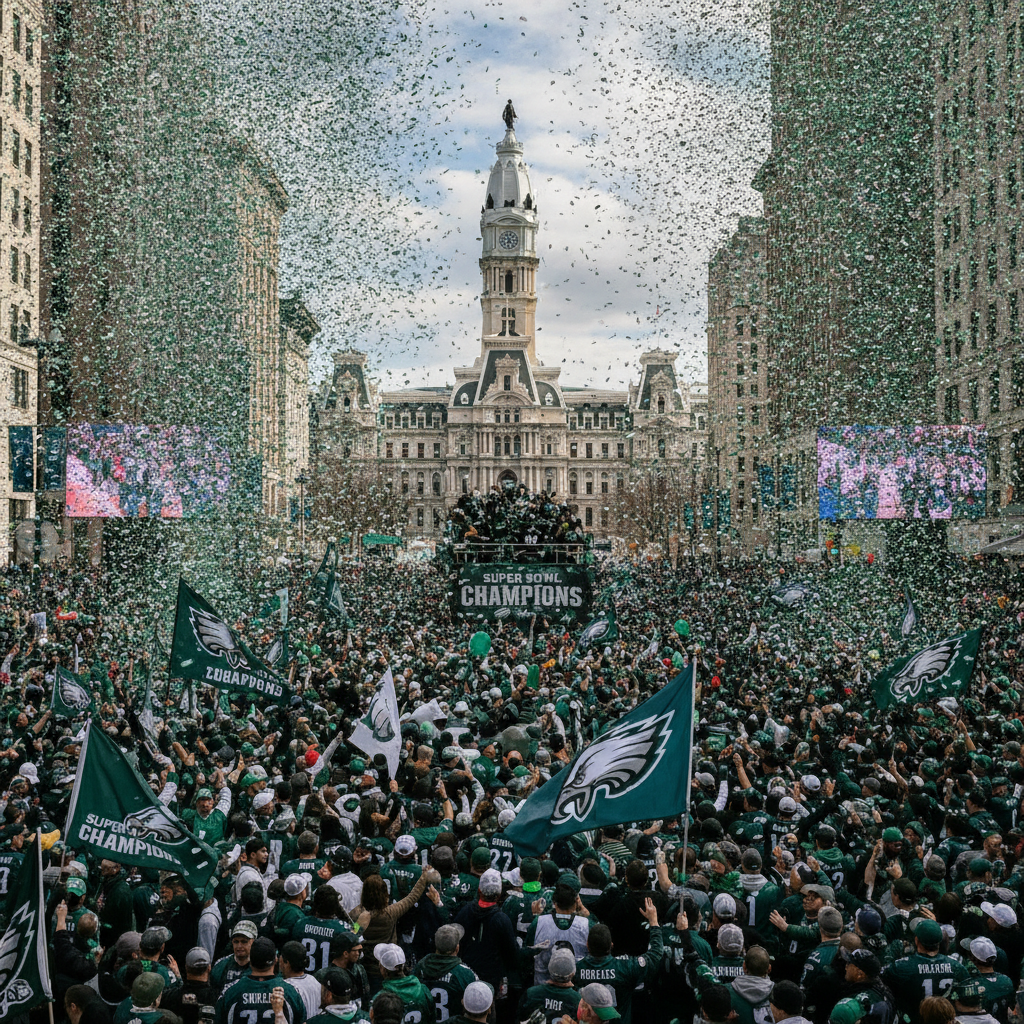
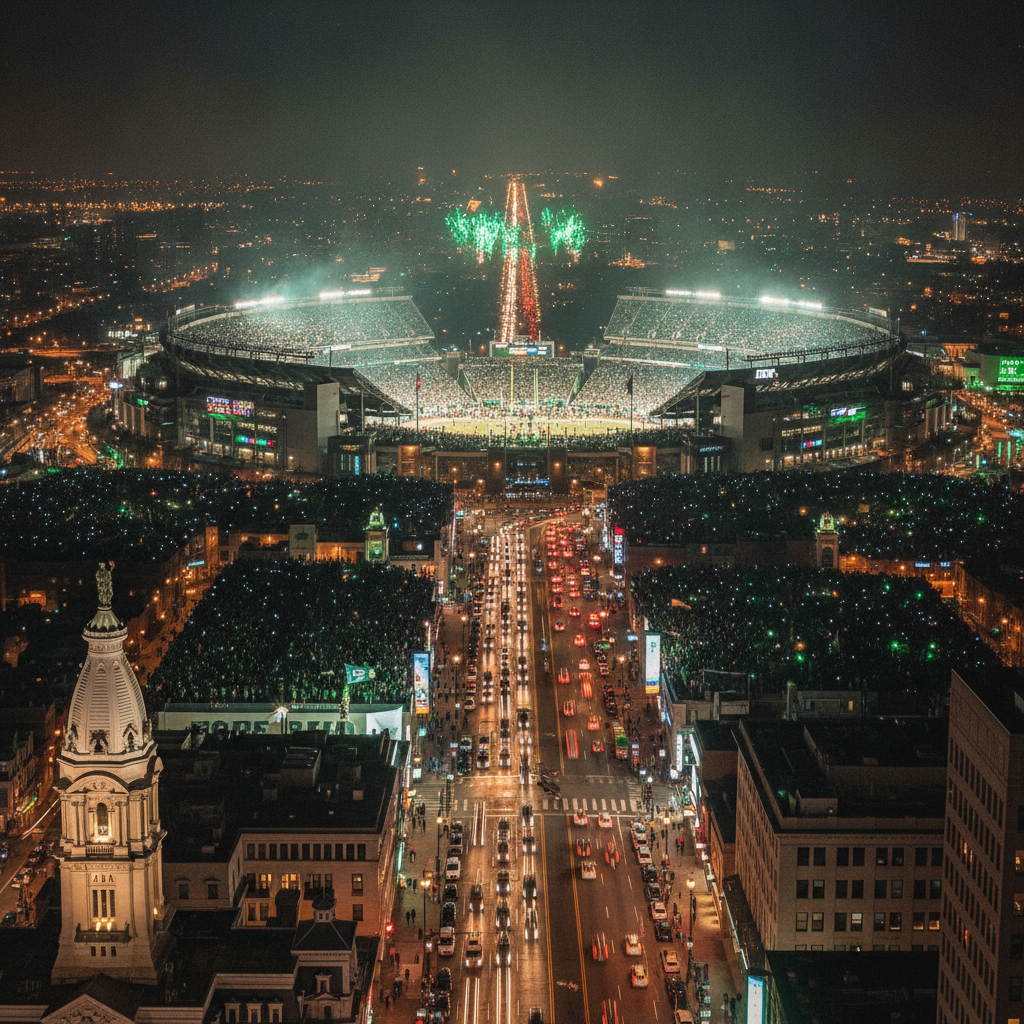
Philadelphia: Super Bowl Underdogs, Pretzel Holy Trinity and the World Oldest Steel Warship
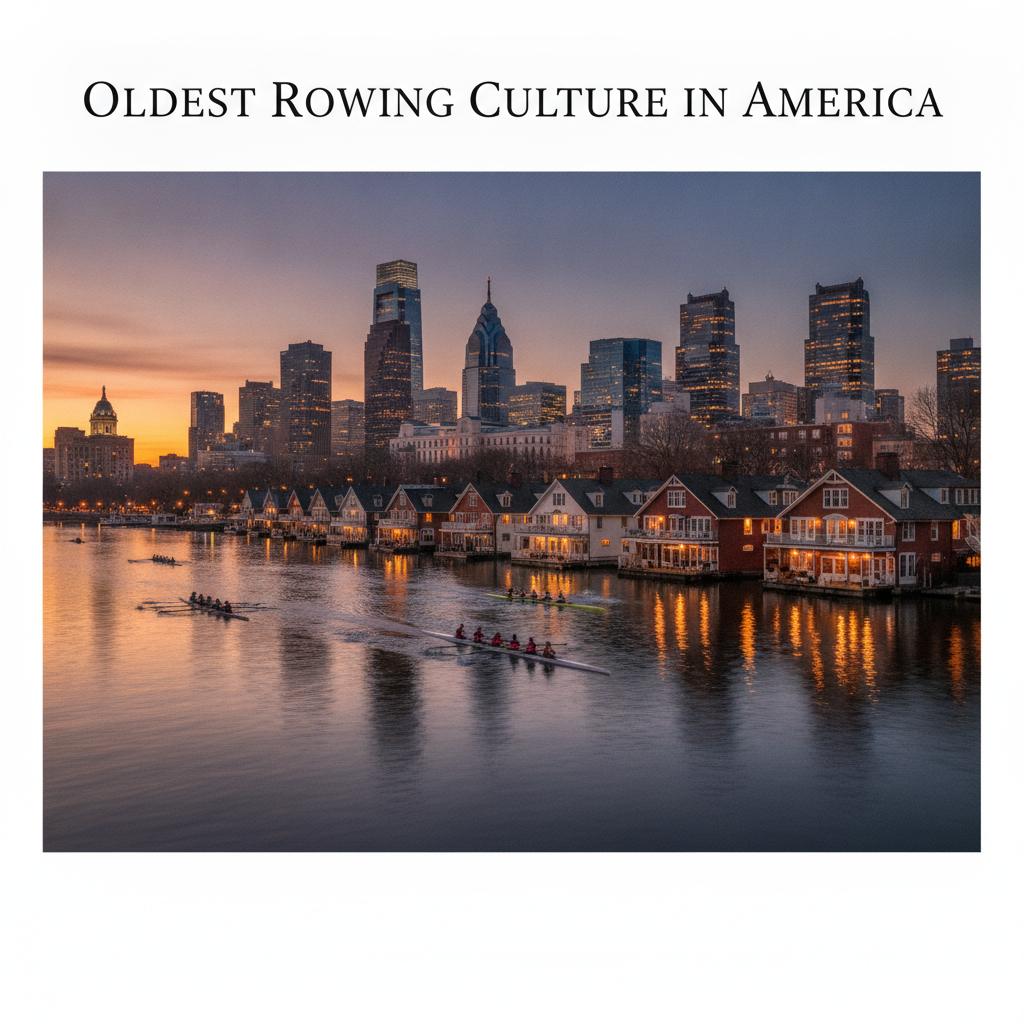
Philadelphia R2: Benjamin Franklin (only Founder to sign all 4 founding documents, inventor lightning rod bifocals, Library Company 1731, APS 1743, Franklin Court ghost frame), Penn Museum (Ramesses II sphinx largest US museum, Ram in Thicket Ur 2600BCE, University of Pennsylvania Wharton first business school 1881), Fairmount Park (10,300 acres largest US municipal park, Boathouse Row illuminated Schuylkill, Philadelphia Zoo first chartered 1859, Wissahickon gorge 57km trails), Old City (Elfreth's Alley oldest inhabited US street, Christ Church Franklin Washington, Philadelphia City Hall 167m Penn statue, One Liberty Place 1987 broke gentlemen's agreement), Philadelphia music (Philadelphia International Records 1971 Gamble-Huff TSOP soul, The Roots Questlove-Black Thought Tonight Show, Philadelphia Orchestra Leopold Stokowski Philadelphia Sound), Day trips (Valley Forge 2,000 deaths Baron von Steuben 1778, Atlantic City 1978 casino legalization, Cape May Victorian largest collection, Gettysburg 50,000 casualties 3 days)
Philadelphia: Prison Reform, Orchestra Sound and the Oldest Street in America
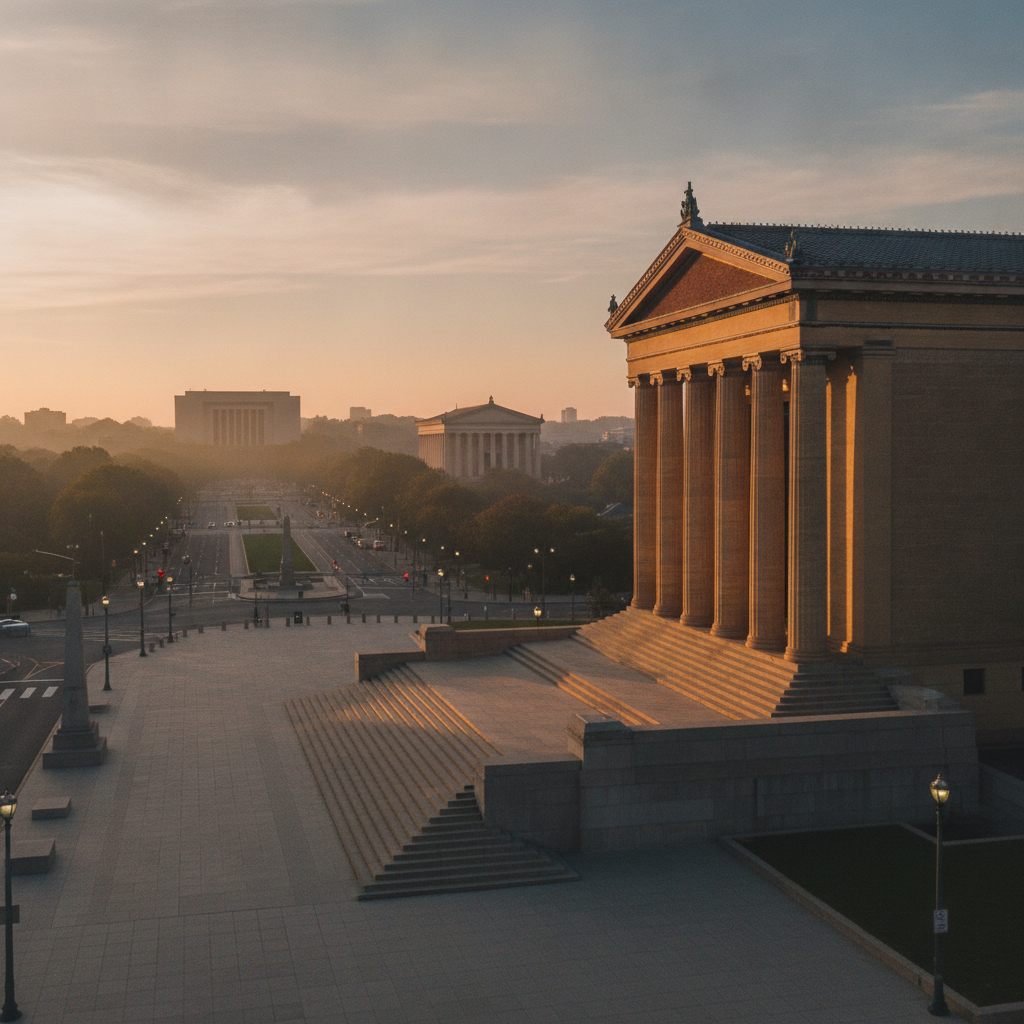
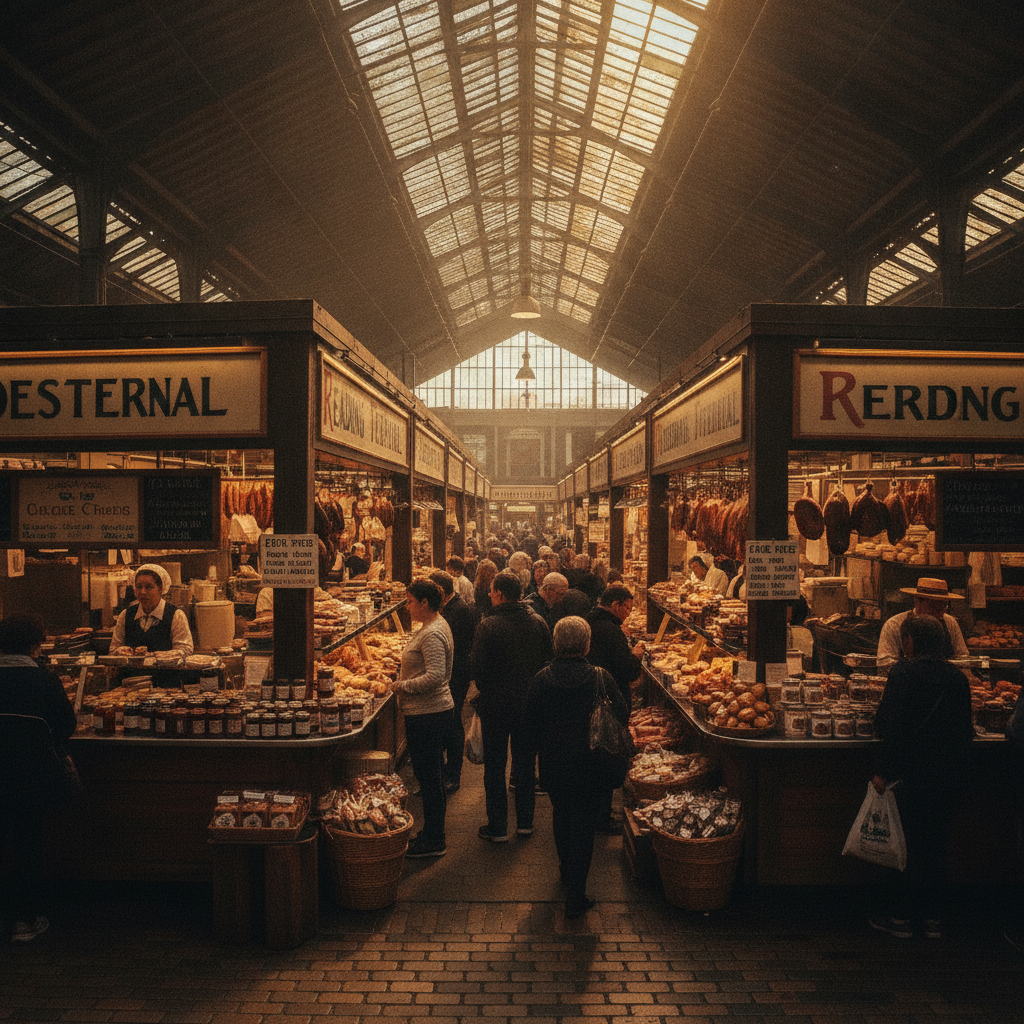
Philadelphia: Independence Hall (Declaration signed July 4 1776, Constitution signed September 17 1787, Liberty Bell cracked), Philadelphia Museum of Art (240,000 works, Rocky Steps Stallone 1976, Duchamp Large Glass, Barnes Foundation 800 Renoirs 69 Cezannes), Philadelphia food (cheesesteak Pat's 1930 vs Geno's 1966, Whiz wit order ritual, Italian Market oldest outdoor US market, Reading Terminal Market 1893 train shed), African American heritage (Mother Bethel AME 1793 first Black denomination, Philadelphia Mural Arts 4,000 murals, Great Migration 650,000), Philadelphia sports (Eagles Super Bowl LII 2018 Philly Special, Phillies 1980 and 2008 WS, Flyers Broad Street Bullies 1974-1975, Santa Claus booing 1968), Practical (SEPTA walkable city, PHL American hub, Old City Rittenhouse South Philly Fishtown, Valley Forge Gettysburg, Acela to NYC 75min)