Philadelphia: 4000 Murals, the World Largest Pipe Organ and the Wissahickon Gorge
Join a mural arts trolley tour through the city with the world largest outdoor mural collection, skate or photograph the LOVE sculpture in LOVE Park beneath City Hall William Penn hat, watch sculls race past Victorian Boathouse Row on the Schuylkill, hear the 28000-pipe Wanamaker organ at a daily free concert, climb the Manayunk Wall and descend into Wissahickon forest trails, and decode how Philadelphia 50 neighborhoods still hold distinct identities.
- 1
Philadelphia Murals and Mural Arts Program
Philadelphia has over 4,000 murals across the city, making it the largest outdoor mural collection of any city in the world, and the Philadelphia Mural Arts Program, founded in 1984 as an anti-graffiti initiative by Jane Golden, is the largest public art program in the United States. The program began when Mayor Wilson Goode asked Golden to channel graffiti writers energy into sanctioned murals. The program has produced work with artists from around the world and employs local residents in the production process. The City of Brotherly Love and Sisterly Affection mural on Broad Street and the Common Threads mural series in North Philadelphia are among the most photographed. Mural Arts offers guided tours by trolley, on foot, and by train throughout the year. The program has expanded to include restorative justice work, creating murals with prison populations as part of rehabilitation programming.
- 2
LOVE Park and Center City Grid
LOVE Park, formally John F. Kennedy Plaza at 15th Street and JFK Boulevard in front of City Hall, contains Robert Indiana 1976 aluminum LOVE sculpture, one of the most photographed artworks in America, originally created for a 1964 Museum of Modern Art Christmas card. The plaza was a legendary skateboarding destination from the 1980s through 2002 when the city banned skating and replaced granite ledges with concrete. The redesigned park reopened in 2016 with a restored granite surface that welcomed skaters back. City Hall on Broad Street, completed in 1901, is the largest municipal building in the United States and for 88 years was the tallest structure in Philadelphia under a gentlemens agreement not to build above William Penn statue at its peak. One Liberty Place broke the agreement in 1987. The Penn statue remains the most recognizable silhouette of the Philadelphia skyline.
- 3
Fairmount Water Works and Boathouse Row
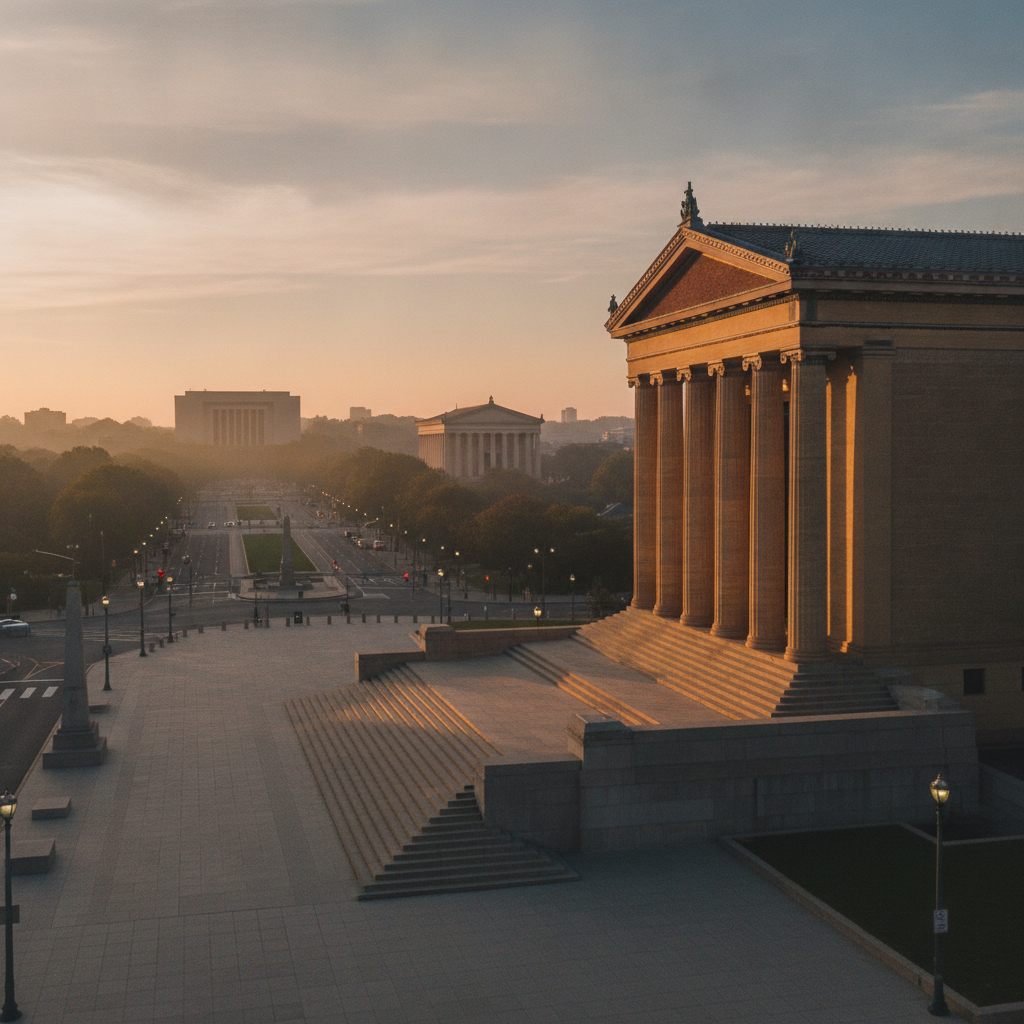
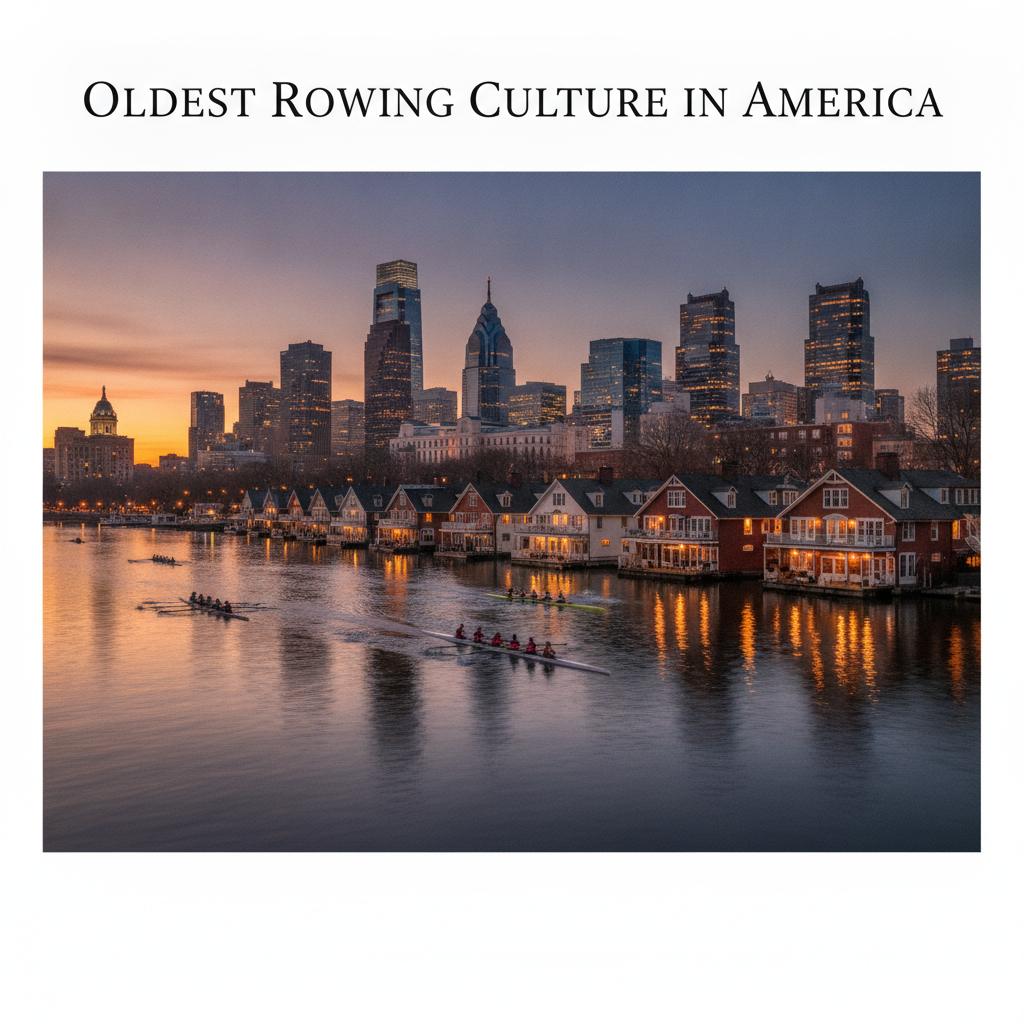
The Fairmount Water Works on the east bank of the Schuylkill River below the Philadelphia Museum of Art, completed in 1815 and expanded through 1851, was one of the engineering marvels of 19th century America, pumping water from the river to reservoirs above and supplying the city. The Greek Revival buildings became a tourist destination while operational and are now a museum and event venue. Boathouse Row, a series of 15 Victorian boathouses dating from 1860 to 1906 along the east bank of the Schuylkill, is home to the oldest rowing clubs in America and outlined at night in white lights reflecting on the river. The Schuylkill Navy, founded in 1858, governs collegiate rowing on the river and the Dad Vail Regatta held annually is the largest collegiate rowing regatta in the United States. The stretch of river through Fairmount Park has been a competitive rowing venue since before the Civil War.
- 4
Wanamakers Grand Court Organ
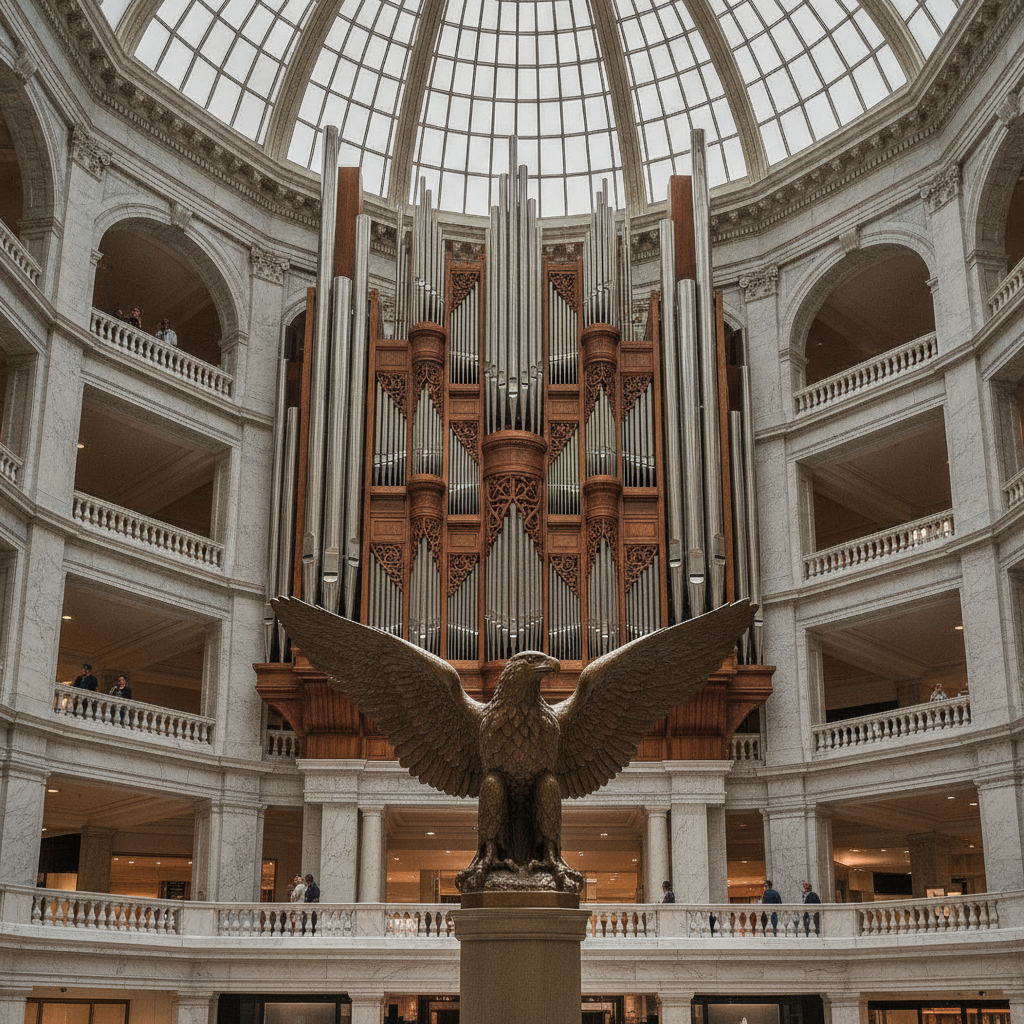
The Wanamaker Grand Court Organ inside the former John Wanamaker Department Store at 13th and Market Streets, now a Macy flagship store, is the largest functioning pipe organ in the world, with 28,482 pipes in six divisions and a console the size of a small room. The organ was built for the 1904 Louisiana Purchase Exposition in St. Louis, purchased by department store founder John Wanamaker in 1909, and expanded over the following decades. Wanamaker hired organists to perform twice daily and the tradition continues to this day with concerts at noon and 5:15 PM. The grand court of the store, a six-story atrium topped with a skylight, also contains the Wanamaker Eagle, a nearly 2,500-pound bronze eagle that has served as a meeting place for Philadelphians since 1911. The phrase meet me at the eagle remains common in the city. Wanamaker pioneered the price tag and money-back guarantee in American retail.
- 5
Manayunk and Wissahickon Valley
Manayunk, a former textile mill town 6 miles northwest of Center City along the Schuylkill River and the Manayunk Canal, retains its 19th-century canal locks and mill architecture and has reinvented itself as a neighborhood of restaurants, boutiques, and cycling culture. The Philadelphia International Cycling Championship, a major professional race held annually on a circuit that includes the steep Manayunk Wall climb, draws international competitors. The Wissahickon Valley Park preserving 50 miles of trails through a forested gorge along Wissahickon Creek is within the Philadelphia city limits, making it one of the largest natural areas inside an American city. The stone Rittenhouse Town, the oldest paper mill site in North America established in 1690, is at the southern end of the valley. Valley Green Inn, a restaurant serving since 1850 within the park, offers one of the more unexpected dining experiences of any American city, accessible only on foot or horseback.
- 6
Philadelphia Neighborhoods and Demographics
Philadelphia is the sixth largest city in the United States with 1.6 million residents and is unusual among large American cities for the stability and distinctiveness of its neighborhoods, many of which retain strong ethnic and cultural identities across generations. South Philly remains closely associated with Italian American culture despite demographic change. The Northeast holds large Ukrainian and Russian Jewish communities. West Philadelphia near Penn and Drexel has a significant African American middle-class history. The Northern Liberties and Fishtown neighborhoods gentrified rapidly after 2000 and anchor the young professional creative-class population. Germantown, founded in 1683 by German Quakers, contains the oldest surviving German American architecture in the United States. The city population declined from a peak of 2.07 million in 1950 to a low of 1.44 million in 2000 and has recovered modestly since, driven by immigration and a small return of younger residents from suburbs.
Walk this route with audio
Stories play automatically as you reach each stop — no tapping needed.
More in Philadelphia
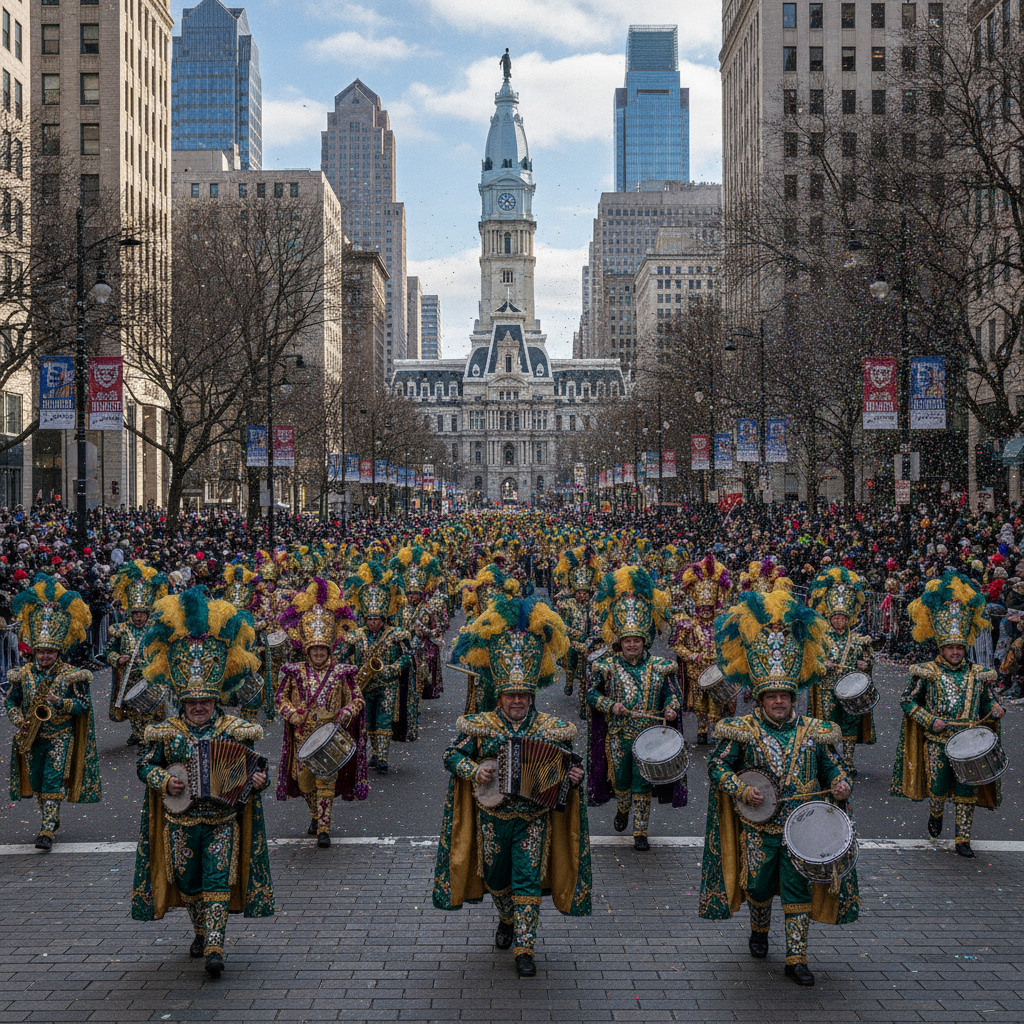
Philadelphia R3: Rittenhouse Square and dining (Zahav Michael Solomonov, Vetri Cucina, South Street Magic Gardens Isaiah Zagar mosaics), Philadelphia architecture (Society Hill Georgian I.M. Pei towers 1964, USS Olympia Spanish-American War oldest steel warship, Eastern State Penitentiary 1829 Pennsylvania solitary system), LGBTQ+ history (Annual Reminders 1965 first US LGBT political demonstrations Independence Hall, Mazzoni Center 1979, Gayborhood rainbow crosswalks, Walt Whitman Camden patron), Revolutionary War (Continental Congress Independence Hall, British occupation 1777-1778, Battle of Germantown fog friendly fire, Betsy Ross House first flag legend), Mummers Parade (January 1 oldest continuous US folk parade, String Bands South Philly clubs, First Friday Old City gallery walk), Practical (Philadelphia firsts — library hospital insurance zoo World's Fair telephone stock exchange, SEPTA El Broad St Line, 30th Street Station third busiest Amtrak, Acela NYC 75min DC 65min)
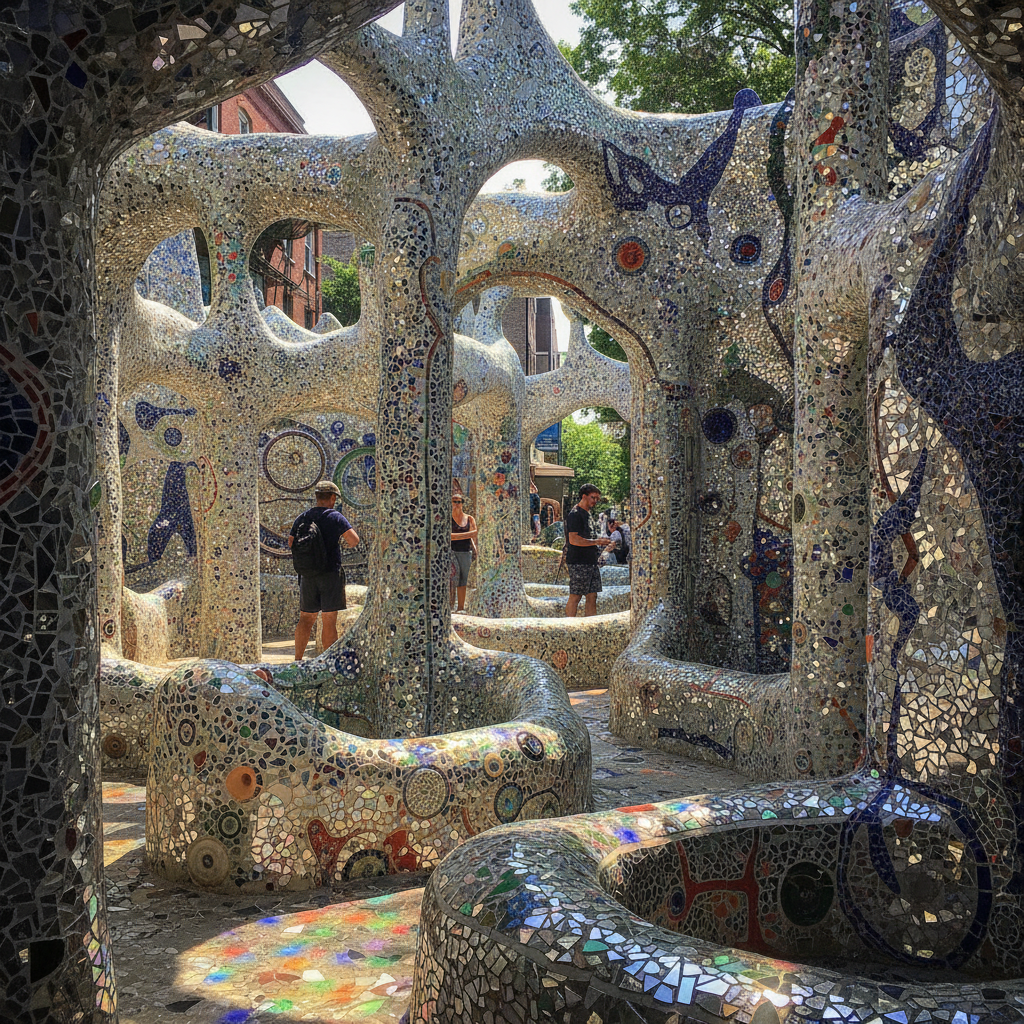
Philadelphia: Mosaic Labyrinths, 181 Renoirs and the First Gay Rights March in America
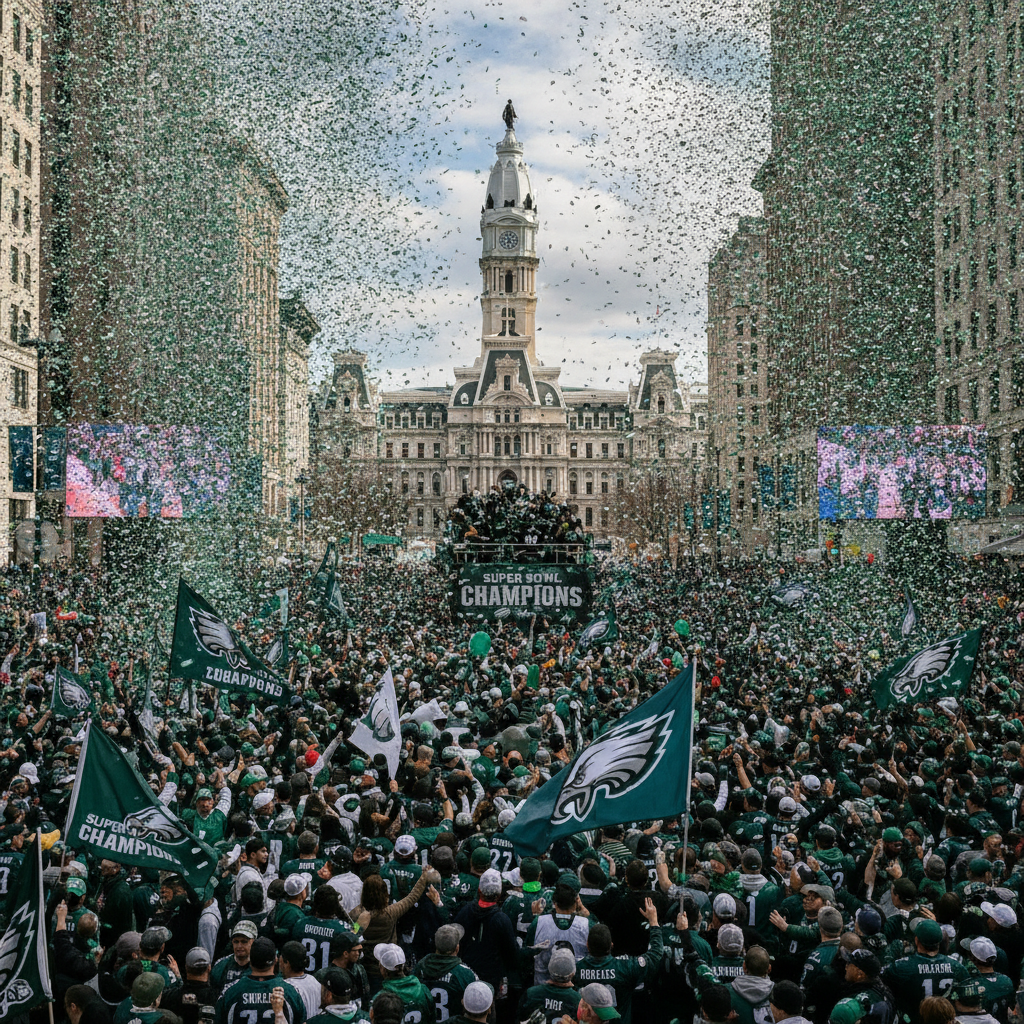
Philadelphia: Super Bowl Underdogs, Pretzel Holy Trinity and the World Oldest Steel Warship
Philadelphia R2: Benjamin Franklin (only Founder to sign all 4 founding documents, inventor lightning rod bifocals, Library Company 1731, APS 1743, Franklin Court ghost frame), Penn Museum (Ramesses II sphinx largest US museum, Ram in Thicket Ur 2600BCE, University of Pennsylvania Wharton first business school 1881), Fairmount Park (10,300 acres largest US municipal park, Boathouse Row illuminated Schuylkill, Philadelphia Zoo first chartered 1859, Wissahickon gorge 57km trails), Old City (Elfreth's Alley oldest inhabited US street, Christ Church Franklin Washington, Philadelphia City Hall 167m Penn statue, One Liberty Place 1987 broke gentlemen's agreement), Philadelphia music (Philadelphia International Records 1971 Gamble-Huff TSOP soul, The Roots Questlove-Black Thought Tonight Show, Philadelphia Orchestra Leopold Stokowski Philadelphia Sound), Day trips (Valley Forge 2,000 deaths Baron von Steuben 1778, Atlantic City 1978 casino legalization, Cape May Victorian largest collection, Gettysburg 50,000 casualties 3 days)
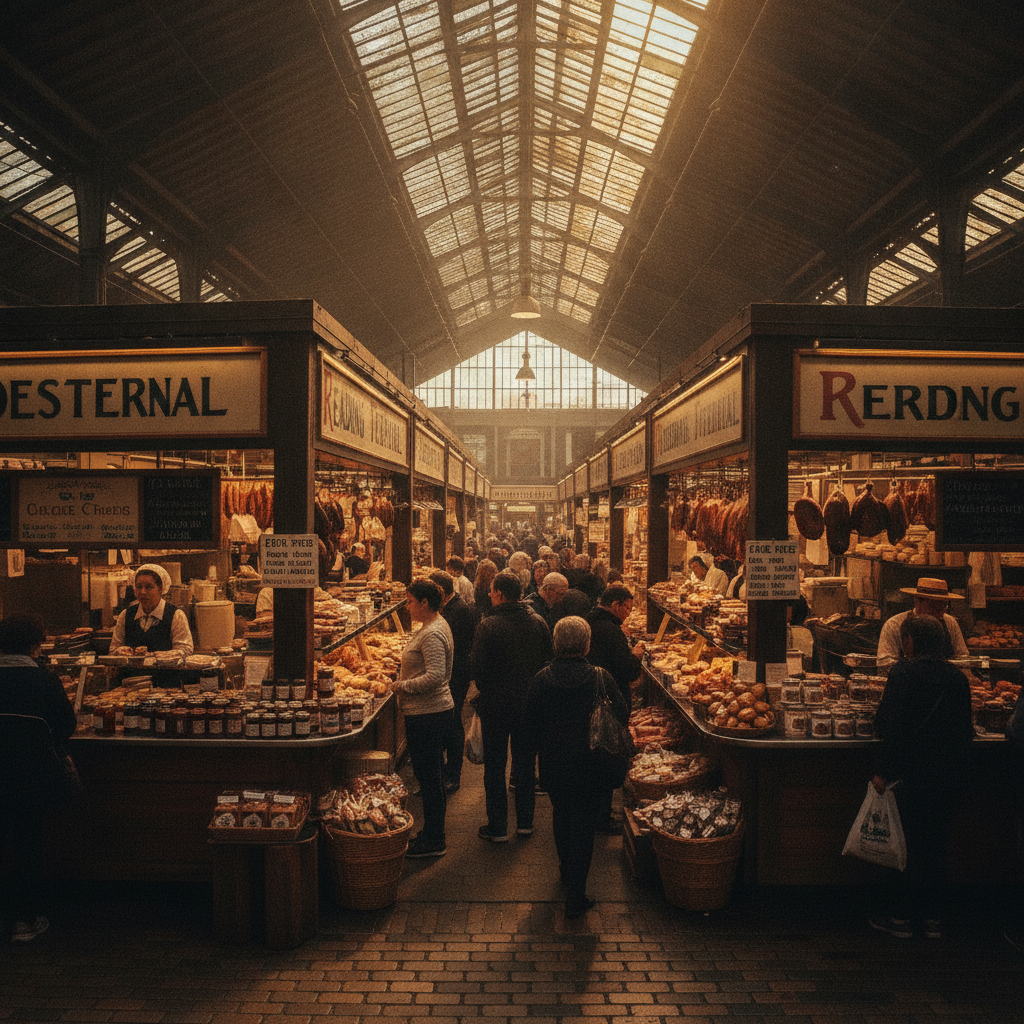
Philadelphia: Prison Reform, Orchestra Sound and the Oldest Street in America