Philadelphia: Prison Reform, Orchestra Sound and the Oldest Street in America
Graze among 80 merchants at Reading Terminal Market in an 1893 train shed, tour the Gothic penitentiary that invented solitary confinement and held Al Capone, hear the Philadelphia Sound at the Kimmel Center, explore the research universe of University City, bargain at the Italian Market that trained Rocky, and walk Elfreth Alley where people have lived since 1702.
- 1
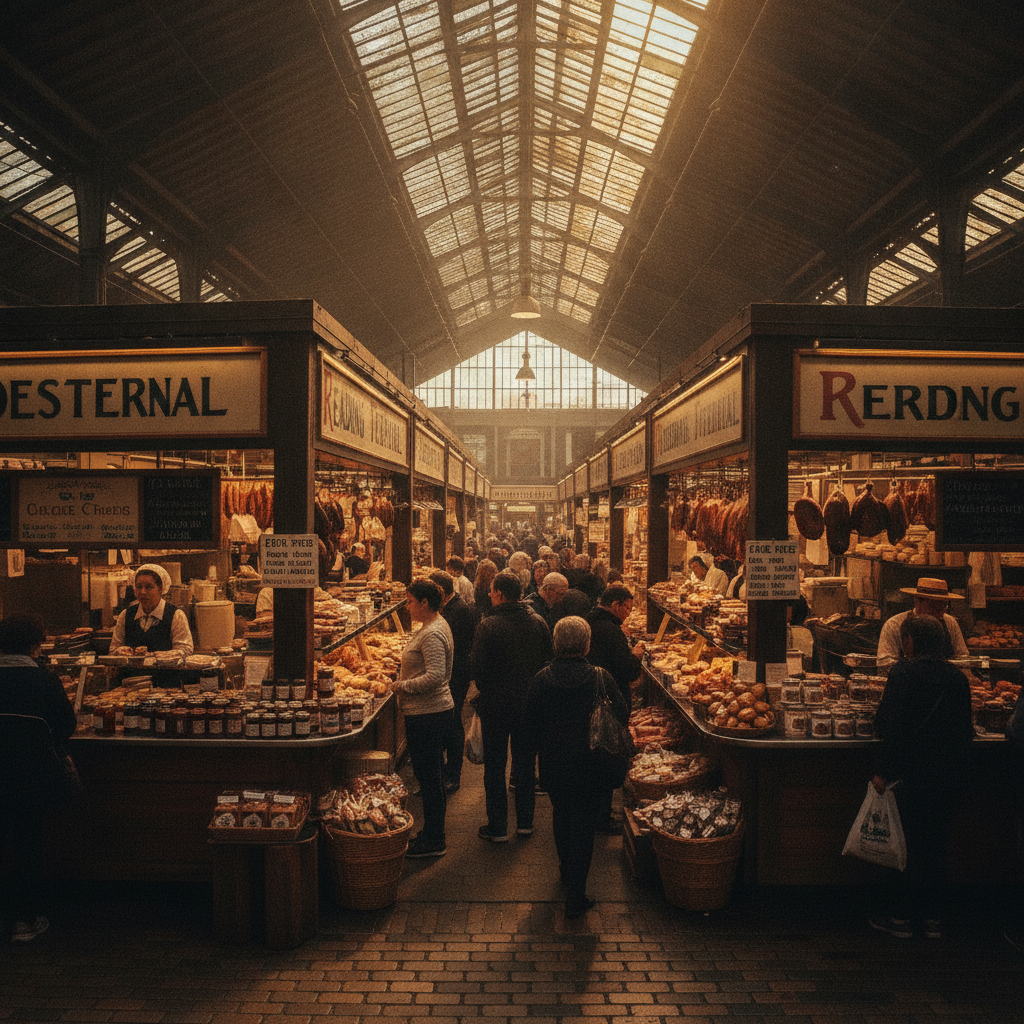
Reading Terminal Market
Reading Terminal Market, operating continuously since 1893 beneath the Reading Railroad train shed at 12th and Arch Streets, is the oldest continuously operating farmers market in the United States and one of the largest. The cavernous space beneath an 1893 iron-and-glass train shed holds over 80 merchants selling Pennsylvania Dutch foods, fresh produce, butcher stalls, seafood, prepared foods from a dozen cuisines, and specialty goods. The Amish vendors from Lancaster County set up Wednesdays through Saturdays and sell shoofly pie, scrapple, soft pretzels, and handmade cheese in a scene largely unchanged from generations past. DiNics roast pork sandwich and Bassetts Ice Cream, founded in 1861, are Philadelphia institutions with roots inside the market. The market draws over 6 million visitors annually and serves as both a working food source for Center City residents and a major tourist destination.
- 2
Eastern State Penitentiary
Eastern State Penitentiary at 2027 Fairmount Avenue, which operated from 1829 to 1971 and housed Al Capone and bank robber Willie Sutton, pioneered the Pennsylvania System of solitary confinement and was the most studied and copied prison in American history. Designed by John Haviland in a Gothic castle style, the building spread the concept that isolation and reflection rather than punishment would reform criminals. The radial floor plan with a central guard rotunda and seven cell blocks radiating outward became the model for over 300 prisons worldwide. The penitentiary became a ruin after closing and now operates as a historic site and museum where visitors can tour the crumbling cell blocks. The annual Halloween Nights event, called Terror Behind the Walls, is one of the largest haunted attraction events in the United States, drawing over 100,000 visitors each October.
- 3
Philadelphia Orchestra and Kimmel Center
The Philadelphia Orchestra, founded in 1900 and resident at the Kimmel Center for the Performing Arts since 2001, is one of the Big Five American orchestras and is distinguished by the Philadelphia Sound, a lush string tone cultivated by conductor Leopold Stokowski beginning in 1912. Stokowski transformed American classical music taste and made orchestral recordings accessible to the mass market, including the orchestral sequences in Disney Fantasia of 1940. Eugene Ormandy continued the tradition from 1936 to 1980, and the orchestra was the first American ensemble to tour China in 1973 under Riccardo Muti. The Kimmel Center, designed by Rafael Vinoly and opened in 2001, is a glass-vaulted barrel building housing the 2,500-seat Verizon Hall and the smaller Perelman Theater. The Academy of Music on Broad Street, opened in 1857, is the oldest continuously operating opera house in America and remains in use.
- 4
University City and Penn Medicine
University City, the neighborhood west of the Schuylkill River anchored by the University of Pennsylvania and Drexel University, is one of the densest concentrations of research institutions in the world, employing over 50,000 people in education, medicine, and research. Penn Medicine at the University of Pennsylvania Health System includes the Hospital of the University of Pennsylvania, one of the top ten hospitals in the United States according to US News rankings, and the Perelman School of Medicine. Penn campus contains the Penn Museum, formally the University of Pennsylvania Museum of Anthropology and Archaeology, which holds one of the world largest collections of ancient Egyptian, Mesopotamian, and Native American artifacts including the Egyptian sphinx that weighs 12 tons. The Science Center on Market Street is a 2.5-million-square-foot research park that has generated over 500 spinout companies since opening in 1963.
- 5
South Philadelphia Italian Market
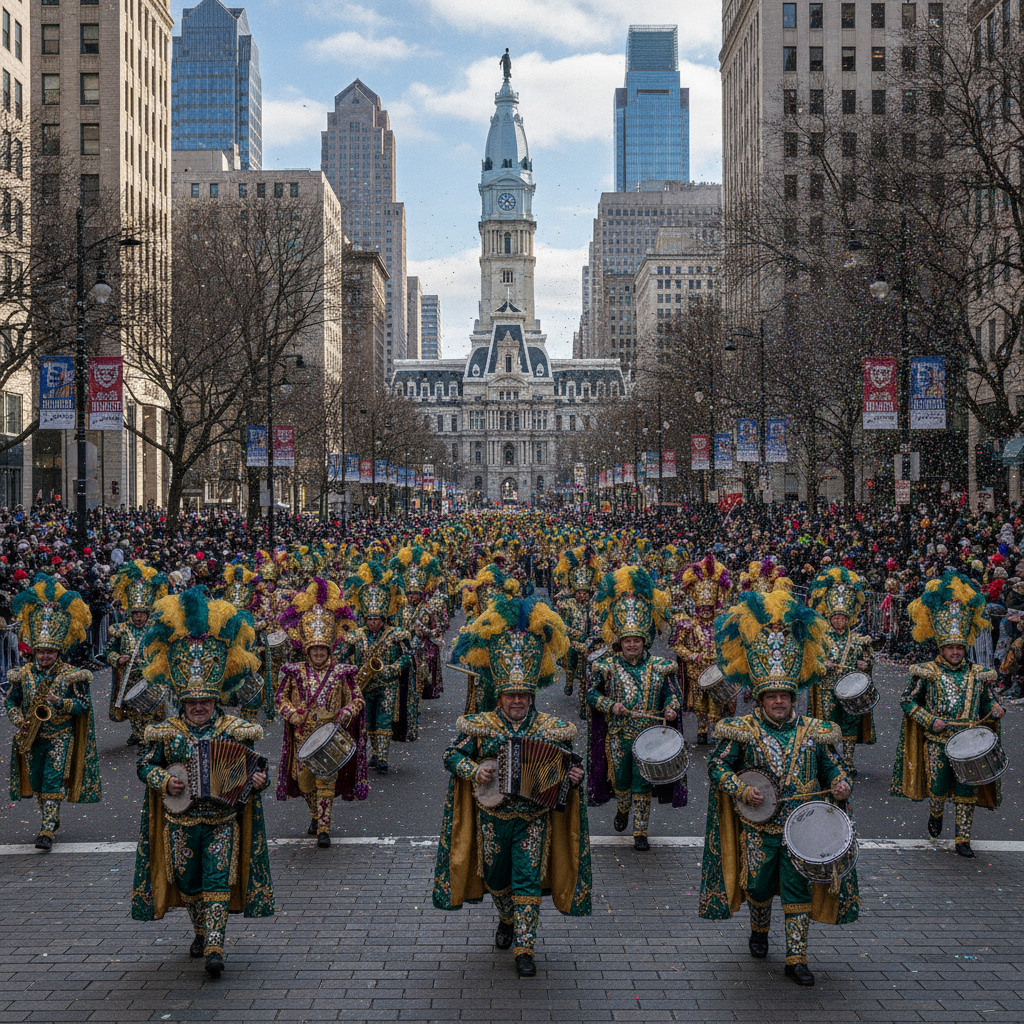
The Italian Market along South 9th Street between Christian and Wharton Streets has operated as an open-air market since the 1880s when Italian immigrants settled the neighborhood and established food stalls along the street. The market, which inspired the Rocky training sequence in the 1976 film, is still dominated by family-owned butcher shops, produce stands, cheese vendors, and specialty importers, though the merchant base has diversified to include Mexican, Vietnamese, and other immigrant vendors. DiBruno Brothers, founded in 1939 on 9th Street, grew from a small grocery into one of the most respected cheese retailers in the country. Fante kitchen supply shop has operated since 1906. The neighborhood around the market includes the Mummers Museum on Washington Avenue documenting the New Year Day parade tradition that dates to the 17th century. Pat King and Geno Steaks face off on the corner of Passyunk and 9th just south of the market.
- 6
Elfreth Alley and Old City Architecture
Elfreth Alley in Old City, a narrow cobblestone lane running between Front and Second Streets north of Arch Street, is the oldest continuously inhabited residential street in the United States, with houses built between 1702 and 1836 and occupied without interruption. The 32 houses on the 126-foot alley were home to artisans, merchants, and tradespeople who served the busy Delaware River waterfront just steps away. Two houses at numbers 124 and 126 are operated as a museum by the Elfreth Alley Association. The surrounding Old City neighborhood contains Christ Church, where George Washington and Benjamin Franklin worshipped and where seven signers of the Declaration of Independence are buried in the churchyard. Carpenters Hall, a block from Independence Hall, hosted the First Continental Congress in 1774 before independence was declared. The neighborhood contains the highest concentration of 18th century architecture in any American city.
Walk this route with audio
Stories play automatically as you reach each stop — no tapping needed.
More in Philadelphia
Philadelphia R3: Rittenhouse Square and dining (Zahav Michael Solomonov, Vetri Cucina, South Street Magic Gardens Isaiah Zagar mosaics), Philadelphia architecture (Society Hill Georgian I.M. Pei towers 1964, USS Olympia Spanish-American War oldest steel warship, Eastern State Penitentiary 1829 Pennsylvania solitary system), LGBTQ+ history (Annual Reminders 1965 first US LGBT political demonstrations Independence Hall, Mazzoni Center 1979, Gayborhood rainbow crosswalks, Walt Whitman Camden patron), Revolutionary War (Continental Congress Independence Hall, British occupation 1777-1778, Battle of Germantown fog friendly fire, Betsy Ross House first flag legend), Mummers Parade (January 1 oldest continuous US folk parade, String Bands South Philly clubs, First Friday Old City gallery walk), Practical (Philadelphia firsts — library hospital insurance zoo World's Fair telephone stock exchange, SEPTA El Broad St Line, 30th Street Station third busiest Amtrak, Acela NYC 75min DC 65min)
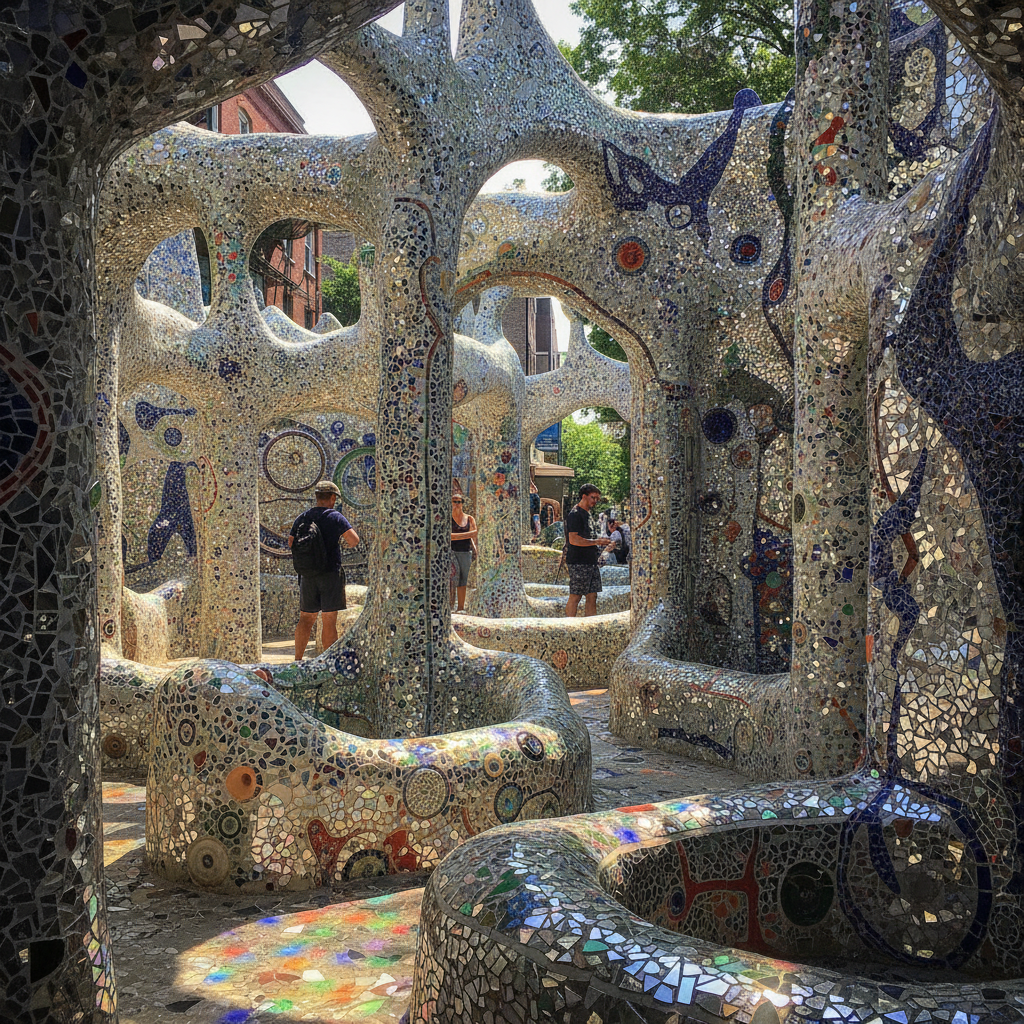
Philadelphia: Mosaic Labyrinths, 181 Renoirs and the First Gay Rights March in America
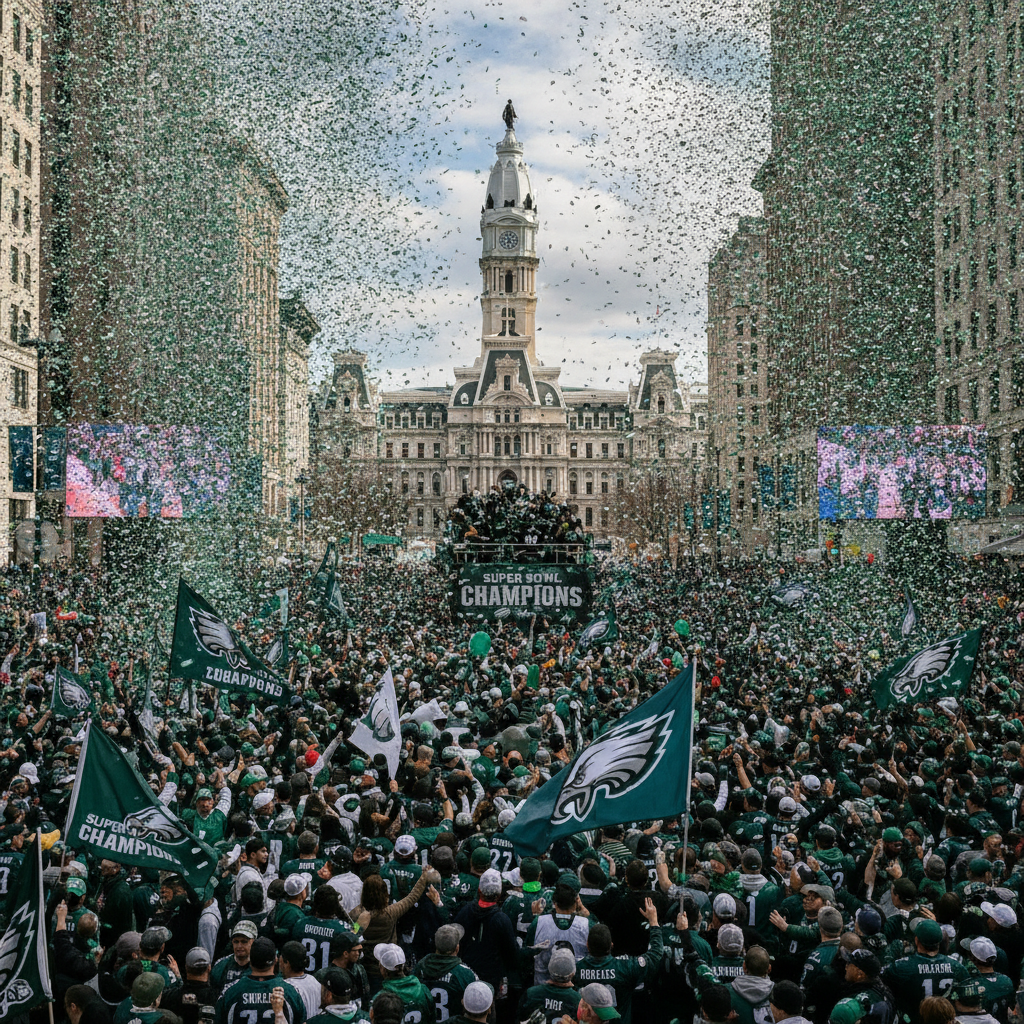
Philadelphia: Super Bowl Underdogs, Pretzel Holy Trinity and the World Oldest Steel Warship
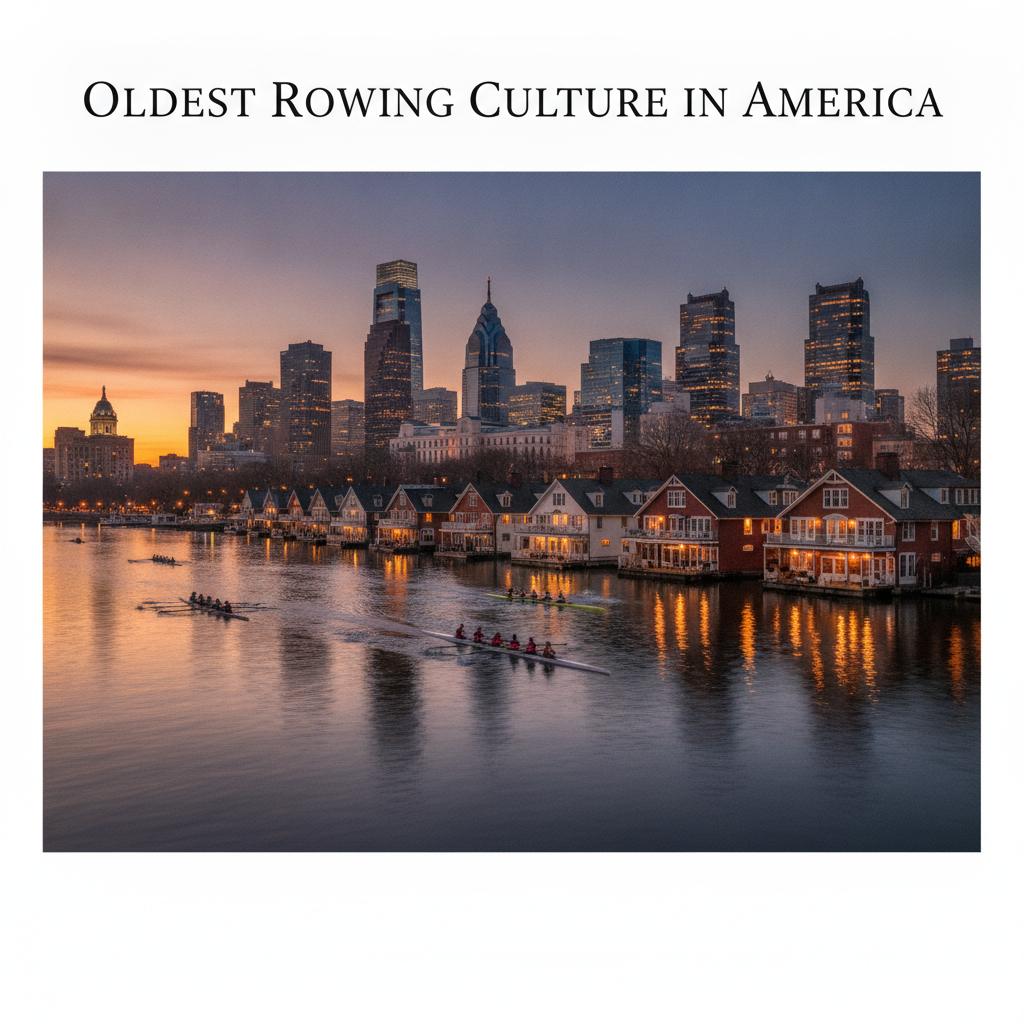
Philadelphia R2: Benjamin Franklin (only Founder to sign all 4 founding documents, inventor lightning rod bifocals, Library Company 1731, APS 1743, Franklin Court ghost frame), Penn Museum (Ramesses II sphinx largest US museum, Ram in Thicket Ur 2600BCE, University of Pennsylvania Wharton first business school 1881), Fairmount Park (10,300 acres largest US municipal park, Boathouse Row illuminated Schuylkill, Philadelphia Zoo first chartered 1859, Wissahickon gorge 57km trails), Old City (Elfreth's Alley oldest inhabited US street, Christ Church Franklin Washington, Philadelphia City Hall 167m Penn statue, One Liberty Place 1987 broke gentlemen's agreement), Philadelphia music (Philadelphia International Records 1971 Gamble-Huff TSOP soul, The Roots Questlove-Black Thought Tonight Show, Philadelphia Orchestra Leopold Stokowski Philadelphia Sound), Day trips (Valley Forge 2,000 deaths Baron von Steuben 1778, Atlantic City 1978 casino legalization, Cape May Victorian largest collection, Gettysburg 50,000 casualties 3 days)
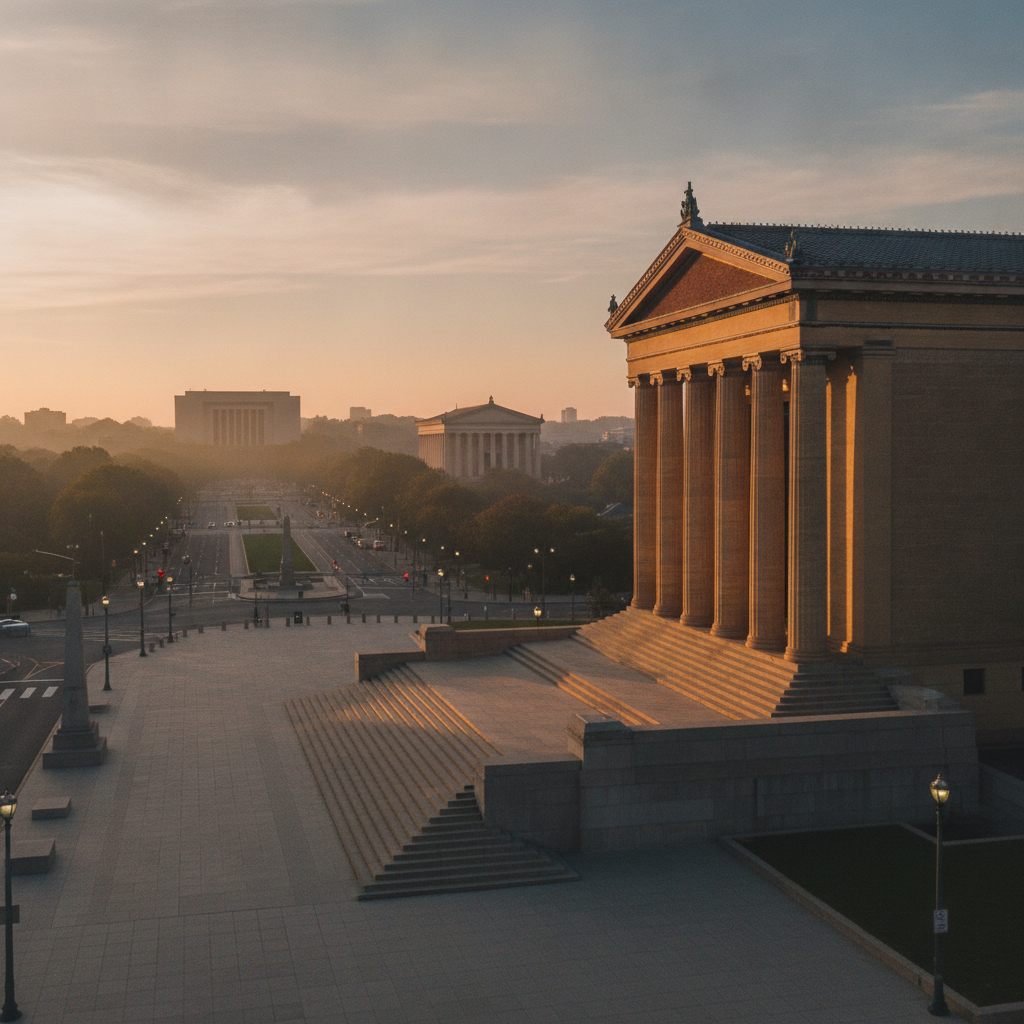
Philadelphia: Independence Hall (Declaration signed July 4 1776, Constitution signed September 17 1787, Liberty Bell cracked), Philadelphia Museum of Art (240,000 works, Rocky Steps Stallone 1976, Duchamp Large Glass, Barnes Foundation 800 Renoirs 69 Cezannes), Philadelphia food (cheesesteak Pat's 1930 vs Geno's 1966, Whiz wit order ritual, Italian Market oldest outdoor US market, Reading Terminal Market 1893 train shed), African American heritage (Mother Bethel AME 1793 first Black denomination, Philadelphia Mural Arts 4,000 murals, Great Migration 650,000), Philadelphia sports (Eagles Super Bowl LII 2018 Philly Special, Phillies 1980 and 2008 WS, Flyers Broad Street Bullies 1974-1975, Santa Claus booing 1968), Practical (SEPTA walkable city, PHL American hub, Old City Rittenhouse South Philly Fishtown, Valley Forge Gettysburg, Acela to NYC 75min)