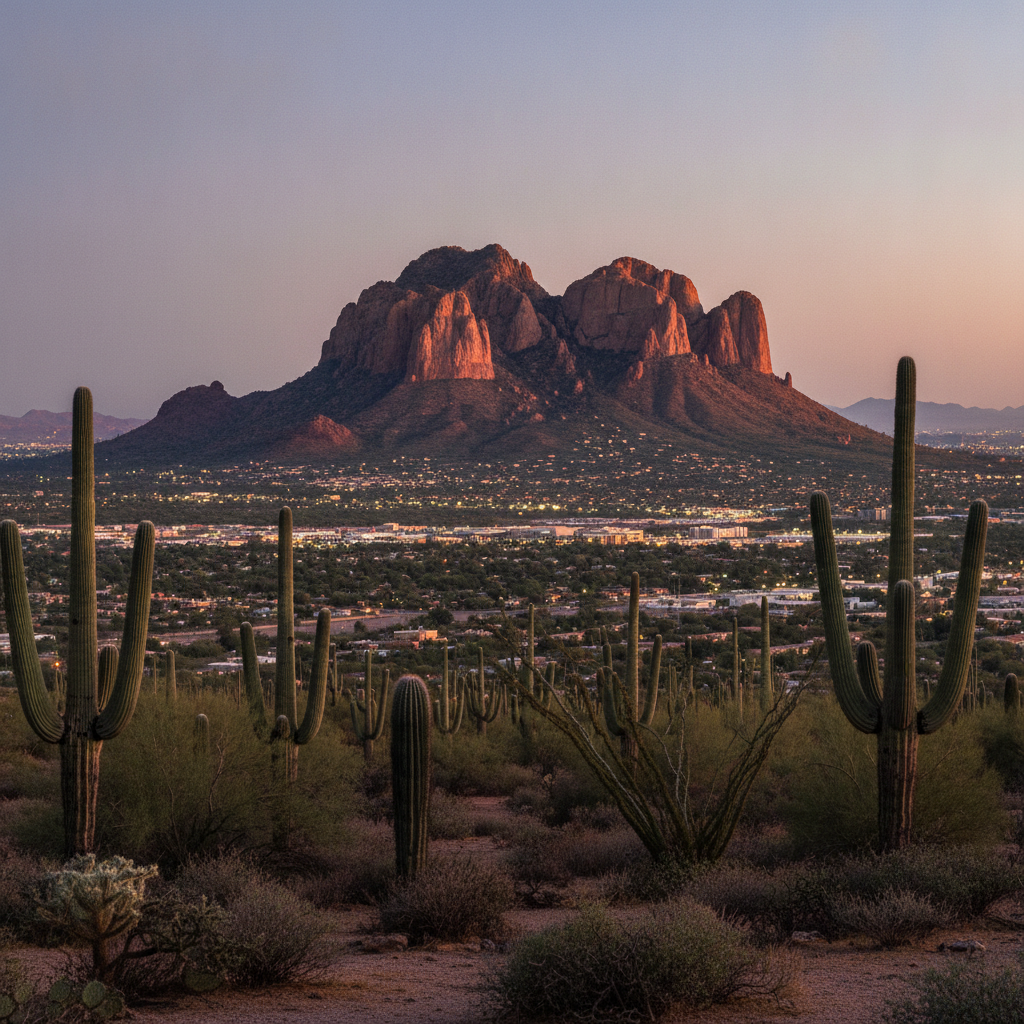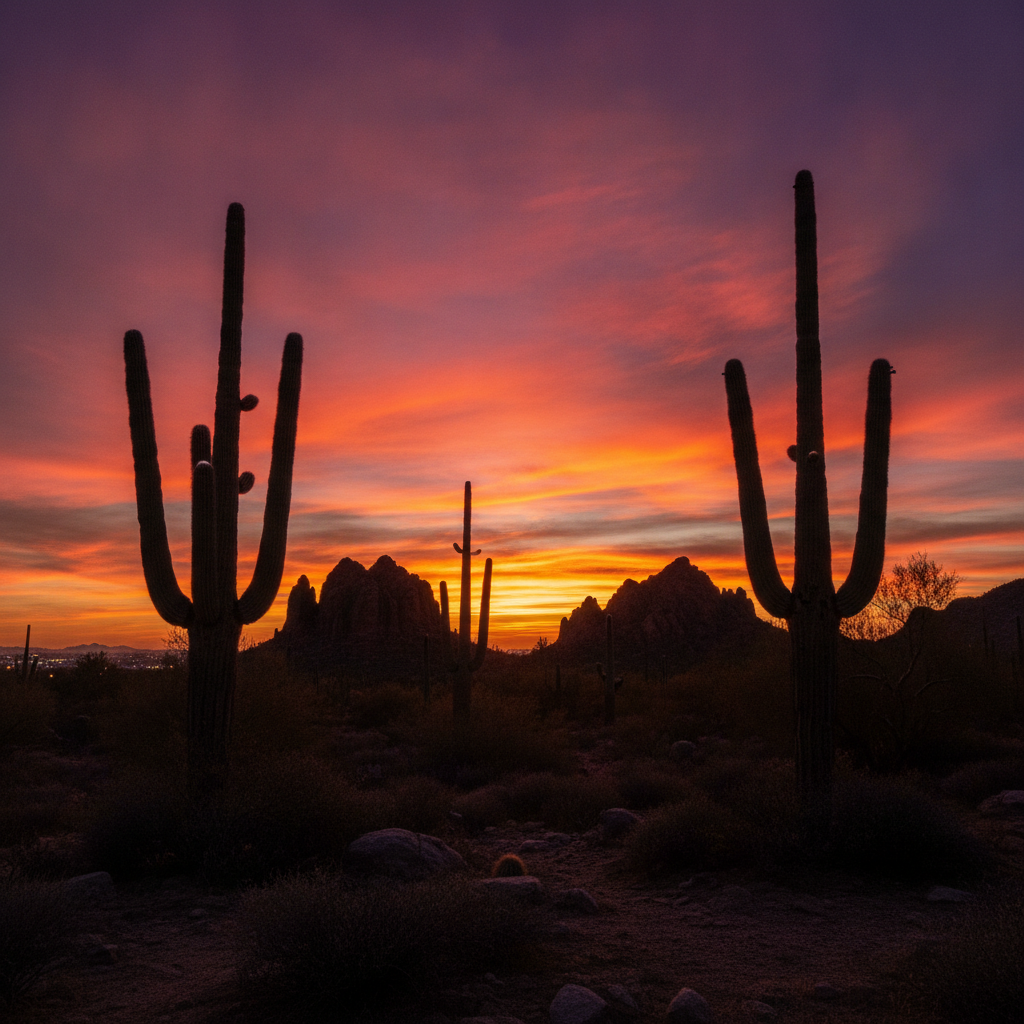
Phoenix: Largest University in America, Dude Ranch Capital and the Two-Hour Drive to Snow
Walk Arizona State University campus where 180000 students attend the most innovative university in America, visit Desert Botanical Garden at dawn for cactus wren birding or by night for luminaria glow, explore Wickenburg dude ranch legacy where East Coast elites learned to rope cattle in the 1930s, watch spring training at Goodyear Ballpark for a fraction of regular-season ticket prices, drive two hours north to Flagstaff at 7000 feet where Pluto was discovered and ski runs open by November, and plan arrival between October and April to avoid 110-degree summer days.
- 1
Arizona State University and Tempe
Arizona State University, with over 180,000 students across its four campuses and online programs, is the largest public university in the United States by enrollment and has been ranked the most innovative university in America by US News for nine consecutive years. The main campus in Tempe, centered on Mill Avenue and Tempe Town Lake, has transformed from a regional commuter school into a research powerhouse generating over 800 million dollars in annual research expenditure. Michael Crow, president since 2002, restructured ASU around an explicit mission of access and scale rather than exclusivity, which has been both celebrated as a democratic model and criticized as diluting standards. Tempe Town Lake, a 2-mile stretch of the Salt River bed dammed to create a recreational reservoir, hosts rowing regattas, kayaking, and the Tempe Festival of the Arts.
- 2
Desert Botanical Garden After Dark
The Desert Botanical Garden in Papago Park, which holds the world largest collection of arid-land plants with over 50,000 specimens representing 4,000 species on 140 acres, offers distinctive after-dark events that transform the experience. Las Noches de las Luminarias in December lines garden paths with thousands of luminaria bags and provides holiday concerts in the desert setting. Chihuly in the Garden exhibitions have displayed Dale Chihuly hand-blown glass sculptures among the cacti and desert plants. The garden opens at sunrise for early-morning birding when the cactus wrens, Gambels quail, curved-bill thrashers, and verdin are active before summer heat builds. The Spring Butterfly Pavilion houses hundreds of native and non-native butterflies in a walk-through enclosure. Night-blooming cereus cacti, among the rarest natural events in the Sonoran Desert, bloom for a single night in June and garden staff notify members when blooming is imminent.
- 3
Wickenburg and Arizona Dude Ranches
Wickenburg, 60 miles northwest of Phoenix at the edge of the Sonoran Desert and the transition to the Mojave, was an 1860s gold mining town and became in the early 20th century the dude ranch capital of the world, a destination where wealthy Easterners came to experience western horseback riding and cowboy culture in luxury conditions. Several historic dude ranches from the 1920s and 1930s including the Rancho de los Caballeros and Kay El Bar Guest Ranch still operate in the Wickenburg area. The Hassayampa River Preserve south of town protects one of the last free-flowing reaches of an Arizona river and supports a riparian habitat of cottonwood and willow trees extremely rare in the desert landscape. The Desert Caballeros Western Museum in Wickenburg houses one of the premier collections of Western American art and cowboy memorabilia in a mid-sized town museum setting.
- 4
Goodyear Ballpark and West Valley
Goodyear Ballpark, opened in 2009 in the western suburb of Goodyear, hosts spring training for the Cleveland Guardians and Cincinnati Reds and is representative of the new-generation Cactus League facilities that have brought over 1.7 billion dollars annually in economic impact to the greater Phoenix area. The west valley of the Phoenix metropolitan area, comprising Goodyear, Avondale, Buckeye, Surprise, and Peoria, was largely undeveloped agricultural land before the 1990s and is now among the fastest-growing suburban areas in the United States. Buckeye is projected to be the fastest-growing city in America through 2030. The Luke Air Force Base in Glendale, home to F-35 pilot training and one of the busiest fighter pilot training bases in the world, has been a major economic driver and shaper of development patterns in the west valley for decades.
- 5
Flagstaff and the High Country Day Trip
Flagstaff, 145 miles north of Phoenix at 7,000 feet elevation on the Colorado Plateau, offers a dramatically different climate and landscape within two hours drive, making it the most popular day trip destination from the Phoenix metropolitan area. The drive on Interstate 17 rises from desert floor to Ponderosa pine forest in 90 minutes. Flagstaff is home to Northern Arizona University, the Lowell Observatory where Pluto was discovered in 1930, the Museum of Northern Arizona documenting Colorado Plateau geology and Native cultures, and the Coconino National Forest with extensive trail networks. The Arizona Snowbowl on the San Francisco Peaks above Flagstaff offers skiing from mid-November to mid-April at 11,500-foot summit elevation. Route 66 passes through downtown Flagstaff and the historic railroad district retains 1920s and 1930s commercial architecture. Humphreys Peak at 12,633 feet is the highest point in Arizona.
- 6
Phoenix Practical Guide and Seasonal Planning
Phoenix is most comfortable for visitors from October through April when daytime temperatures range from 65 to 85 degrees Fahrenheit. Summer from June through September brings daily highs regularly exceeding 110 degrees Fahrenheit, with June 26, 1990 holding the record at 122 degrees, making outdoor activity before 7 AM and after 7 PM the only viable option. The Phoenix Sky Harbor International Airport, 3 miles east of downtown, is one of the 10 busiest airports in the United States and offers direct flights to over 100 domestic and international destinations. Light rail connects the airport to downtown Phoenix, Tempe, and Mesa. Rental cars are the dominant transportation mode and parking is generally inexpensive. The Phoenix metropolitan area covers over 14,000 square miles and distances between attractions can exceed 30 miles. Sunscreen, water, and heat-appropriate clothing are essential in all seasons. Hotel rates drop dramatically in summer when occupancy falls.
Walk this route with audio
Stories play automatically as you reach each stop — no tapping needed.
More in Phoenix
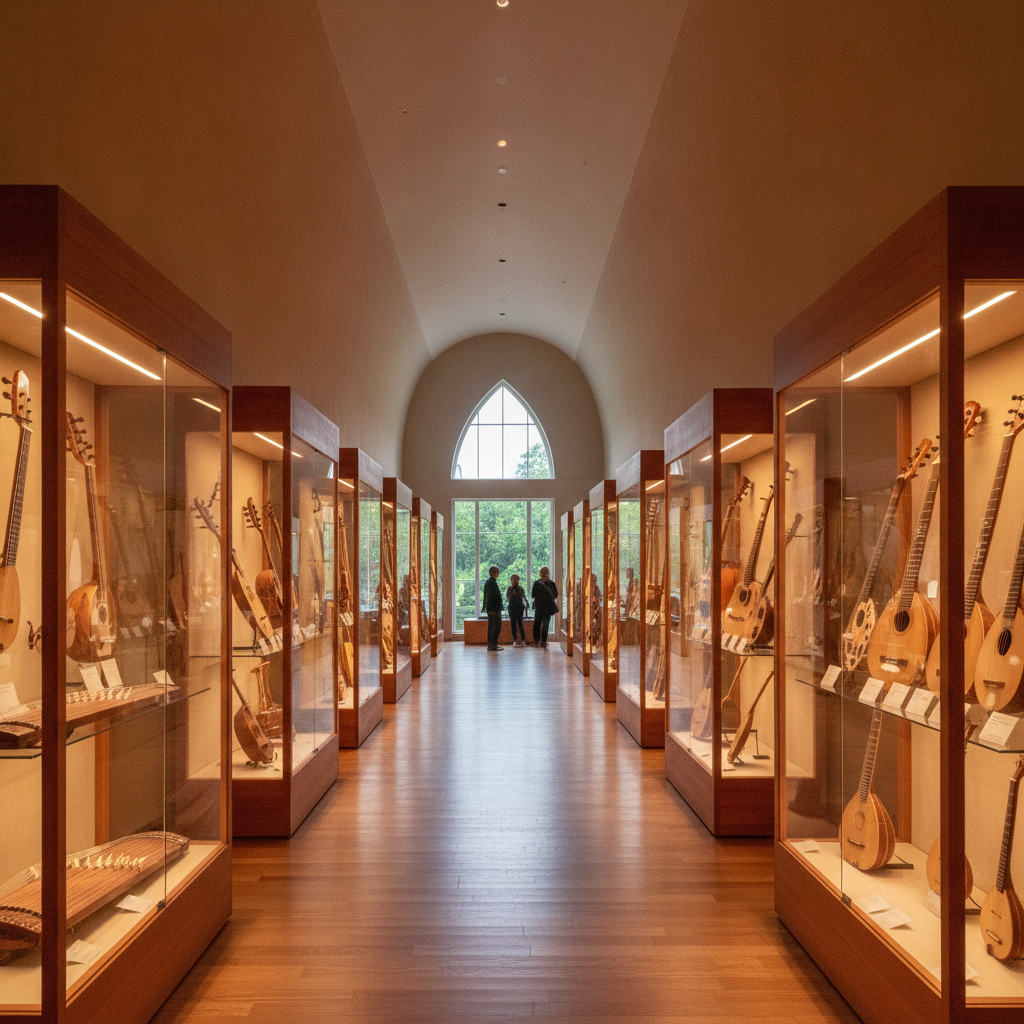
Phoenix: Every Instrument on Earth, Hohokam Solar Windows and the Anti-Phoenix in the Desert
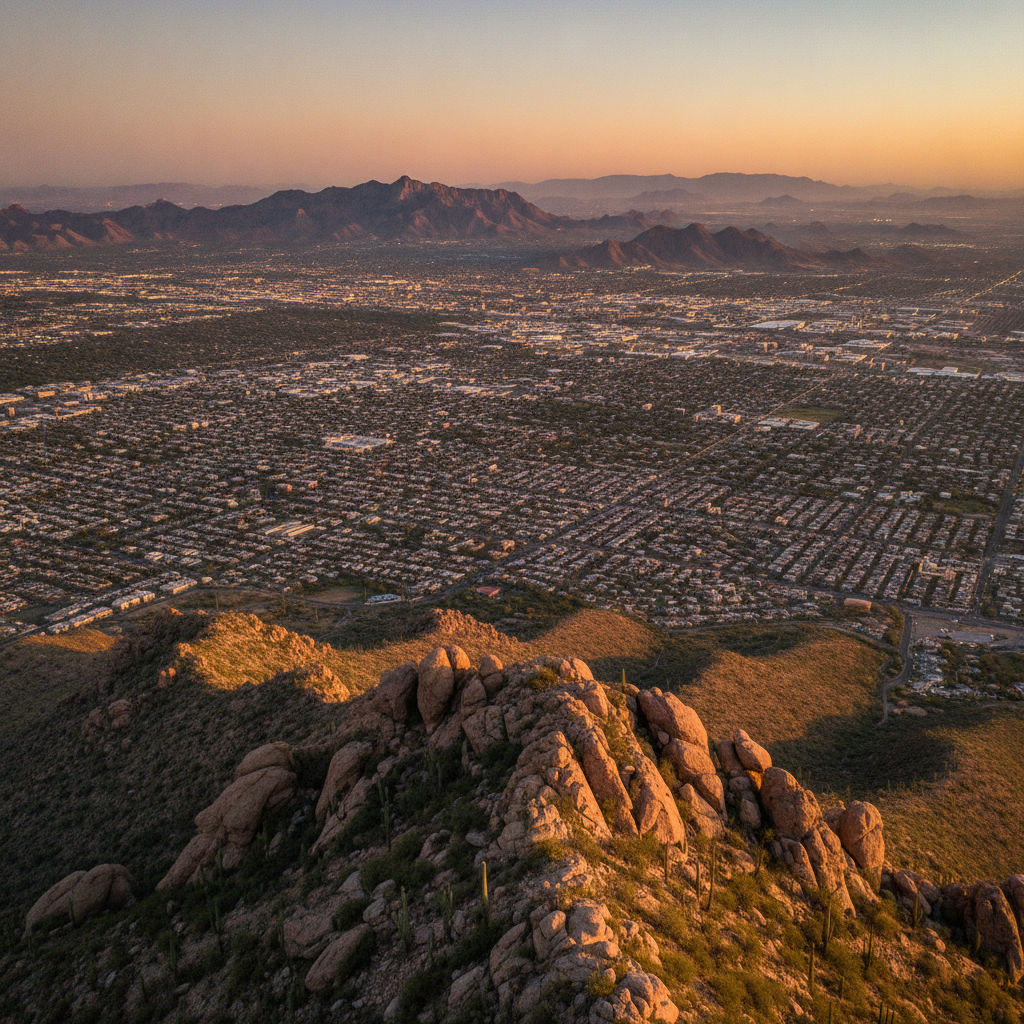
Phoenix: Intel Silicon Desert, 16000 Acre City Park and the Deadliest Urban Hike in America
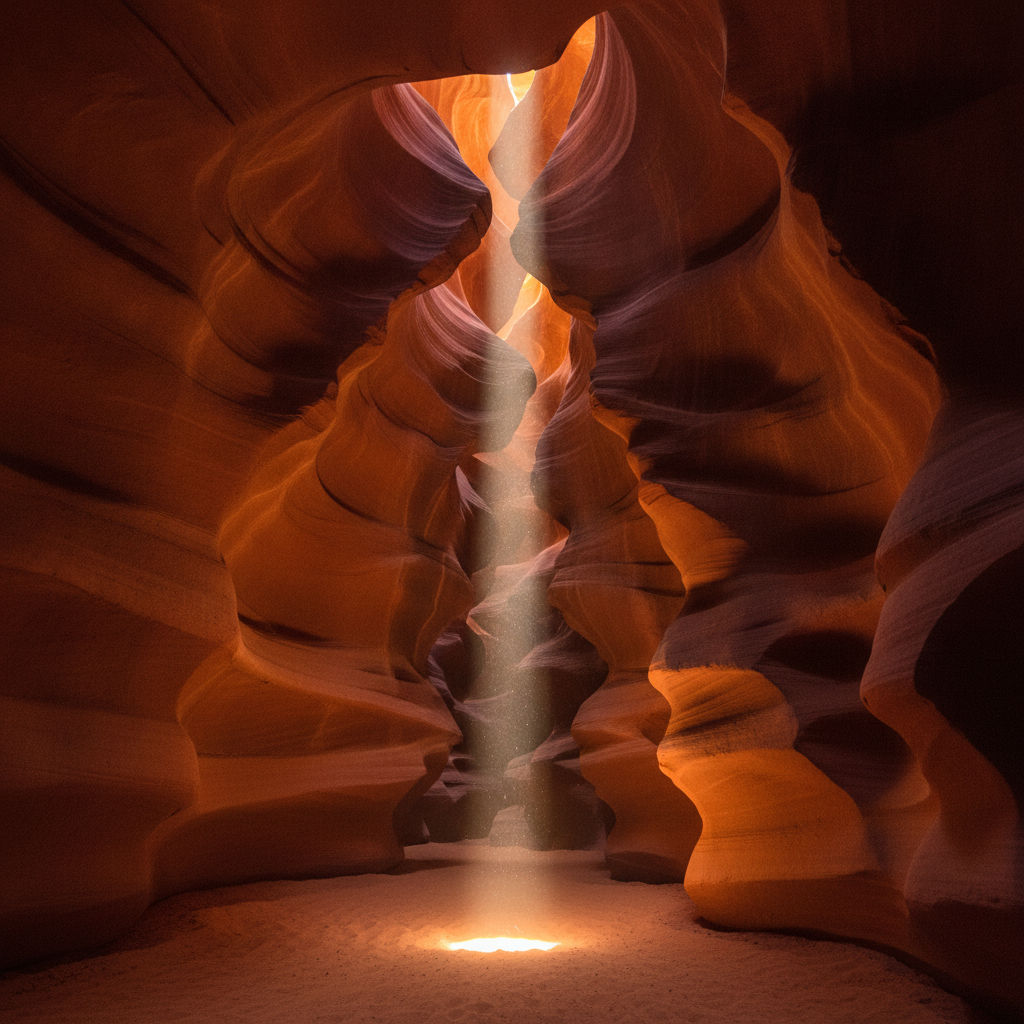
Phoenix: Antelope Canyon and Horseshoe Bend Day Trip (Navajo guided tours, light beams, Colorado River meander), Monument Valley Navajo Nation (John Ford Westerns, Valley Drive Navajo-guided), Arizona State University and Phoenix Tech Hub (Intel Chandler, most innovative US university), Scottsdale Western Heritage Museum (cowboy culture, Parada del Sol Rodeo), Phoenix Sonoran Mexican Food (chimichanga origin, Barrio Cafe, Queen Creek Olive Mill), and Petrified Forest National Park and Painted Desert
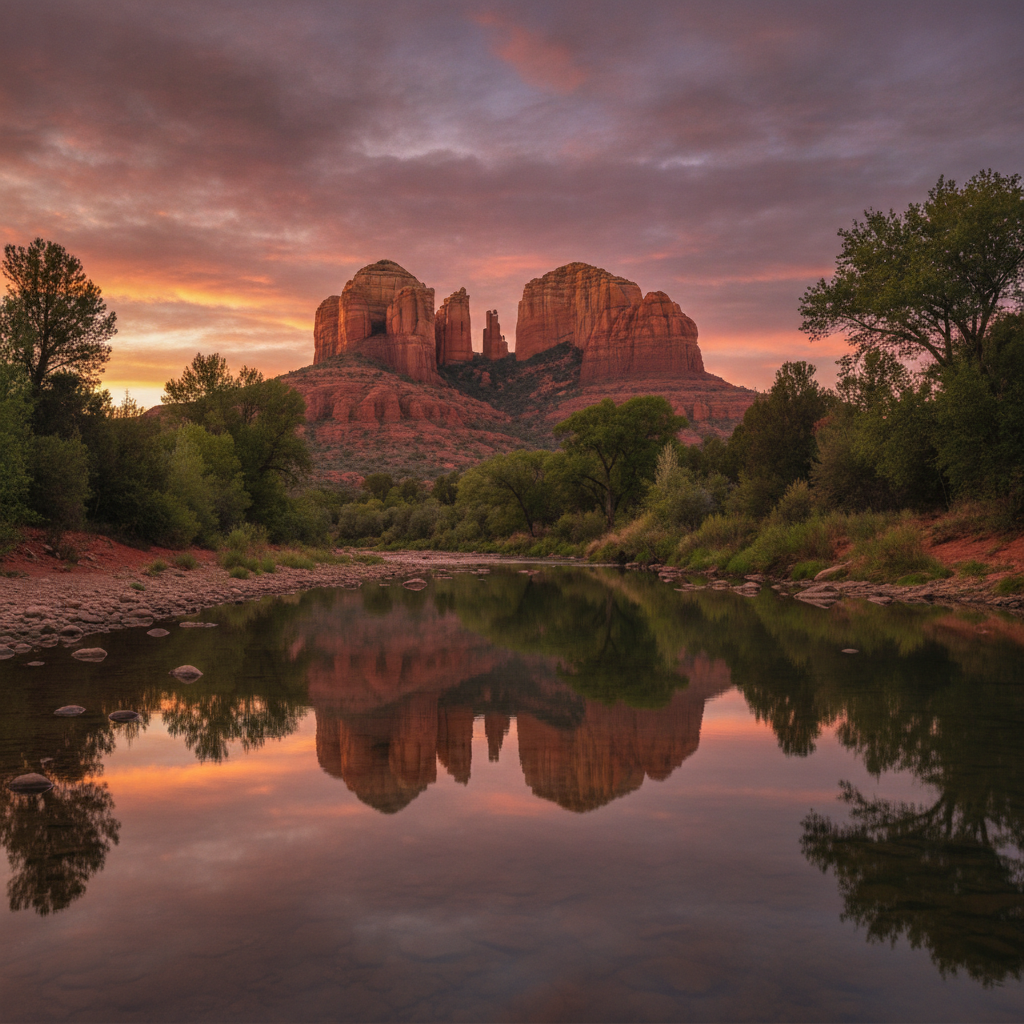
Phoenix: Suns Triple Finals Heartbreak, Red Rock Vortexes and Bacon-Wrapped Hot Dogs
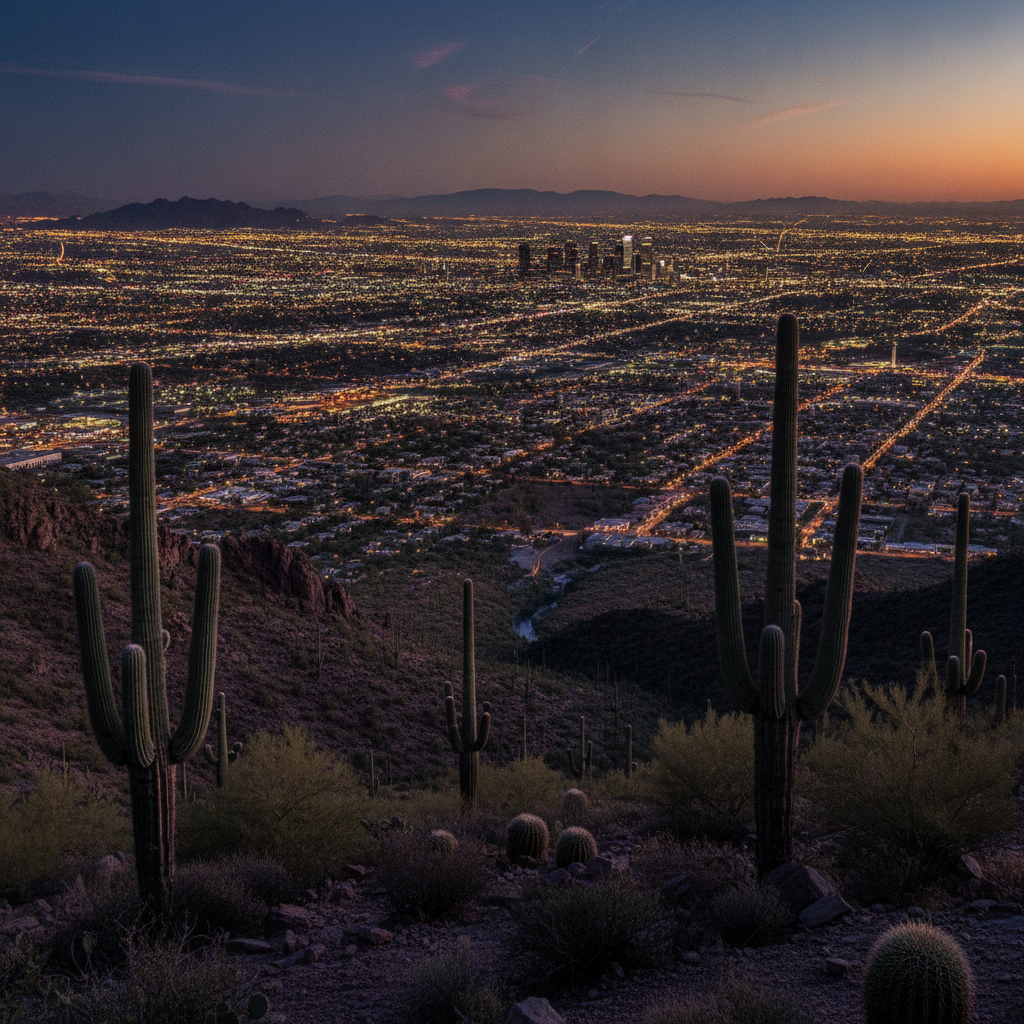
Phoenix: Climate Crisis and Water Security (Colorado River compact, Lake Mead shortage, urban heat island, 107 extreme heat days), Phoenix Outdoor Recreation (South Mountain Park largest urban park in US, McDowell Sonoran Preserve, mountain biking), Snowbird Culture (winter migration, 300000 seasonal residents, RV parks), Arizona Cardinals NFL and Phoenix Sports Scene, Phoenix Growth Story (fastest growing US metro, sprawl critique, light rail expansion), and Practical Guide (Sky Harbor Airport, freeway grid, best months to visit October-April)