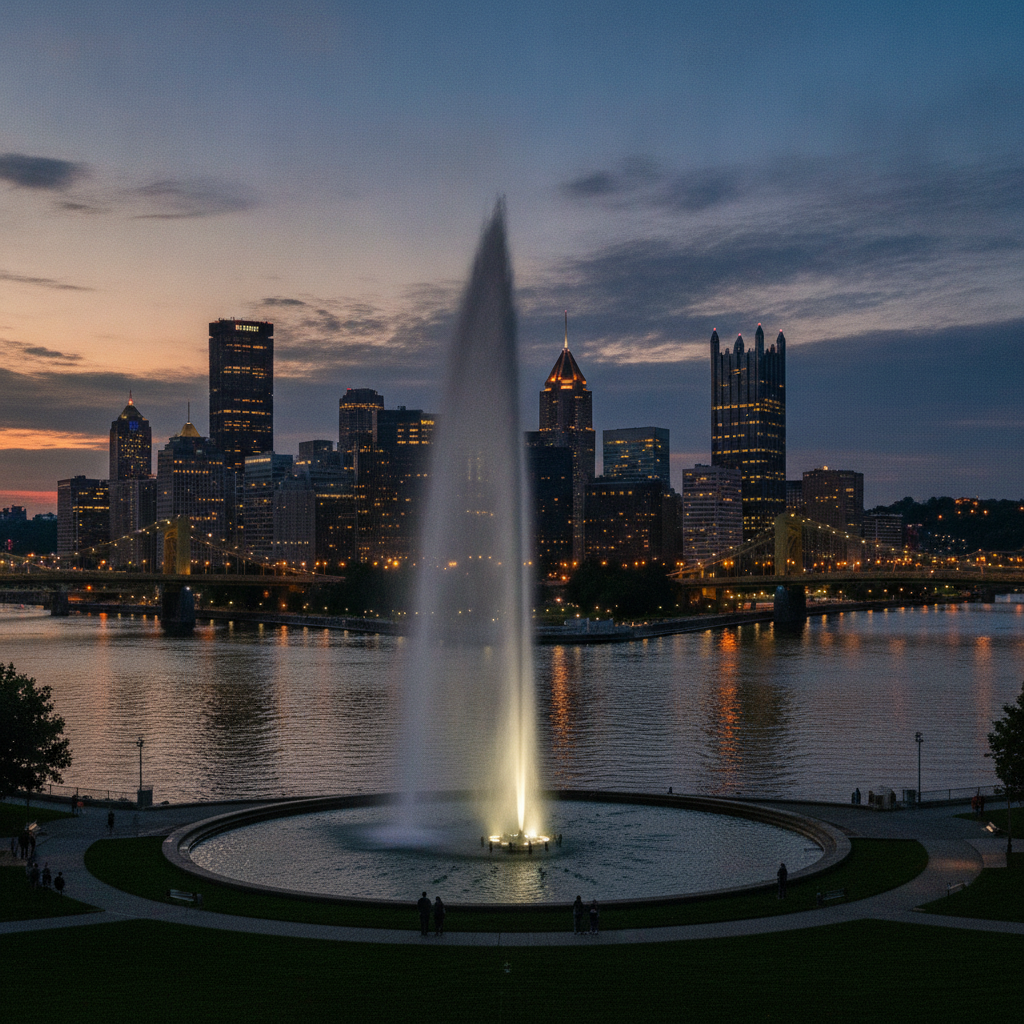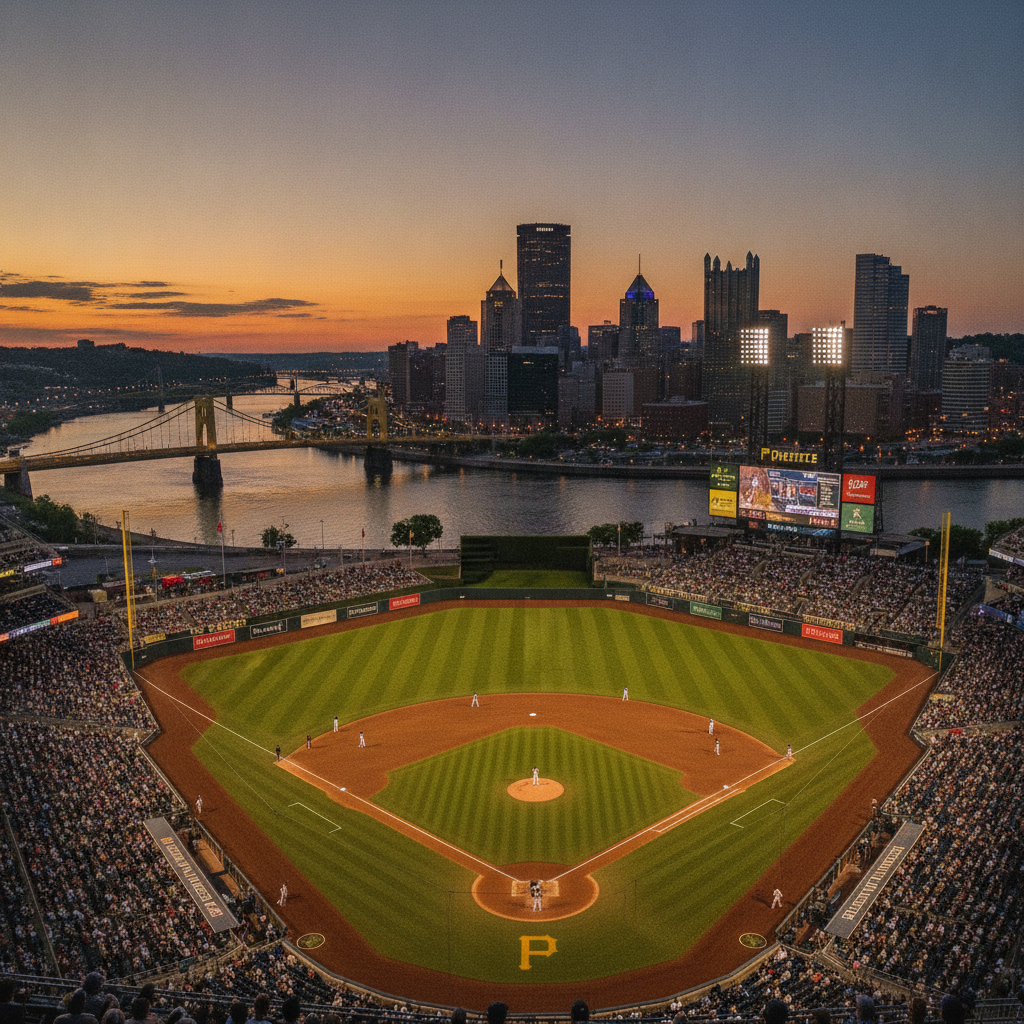
Pittsburgh: Fallingwater in the Forest, Glass Hothouses and the City That Reinvented Itself
Drive 90 minutes to Fallingwater where Frank Lloyd Wright cantilevered a house over a waterfall in 1939 for the Kaufmann family, walk through Phipps Conservatory Victorian glass hothouses in Schenley Park free on Sundays, trace the Heinz history center largest history museum in Pennsylvania covering French and Indian War to steel age, browse Lawrenceville galleries and restaurants in the fastest-gentrifying Pittsburgh neighborhood, understand the Pittsburgh Renaissance urban renewal program that cleared the smoke and rebuilt downtown, and fly into Pittsburgh International Airport where landing fees are among the lowest of any major American hub.
- 1
Phipps Conservatory and Botanical Gardens
Phipps Conservatory and Botanical Gardens in Schenley Park, an 1893 Victorian glass and iron conservatory built for the Schenley International Exposition and donated to the city by Henry Phipps, is one of the premier botanical institutions in America and a model for sustainable building design. The conservatory has been expanded with a series of new glass structures designed to meet the highest LEED and Living Building Challenge environmental standards, including the Center for Sustainable Landscapes, the most sustainably certified building in the world at the time of its completion. The seasonal flower shows, particularly the Holiday Show and the Spring Flower Show, draw large crowds. Admission is free on Friday evenings. The surrounding Schenley Park, donated to Pittsburgh by Mary Schenley in 1889, is the central green space of the Oakland neighborhood and contains the Phipps, Flagstaff Hill outdoor amphitheater, tennis courts, and extensive trail networks.
- 2
Fallingwater and Frank Lloyd Wright
Fallingwater, the house designed by Frank Lloyd Wright for retail magnate Edgar Kaufmann Sr. and completed in 1939 at Bear Run in the Laurel Highlands 90 miles southeast of Pittsburgh, is considered the greatest work of American architecture and was so named by the American Institute of Architects in a 1991 poll of architecture faculty. Wright designed the house cantilevered over a waterfall on Bear Run, integrating the sound and sight of the falling water into daily experience of the interior. The Kaufmann family donated the house to the Western Pennsylvania Conservancy in 1963. Tickets for house tours sell out months in advance and must be reserved online. Kentuck Knob, another Wright house in the Laurel Highlands nearby, and Polymath Park, a compound of Wright-designed houses available for overnight rental, complete a Wright tour of the region. The Mill Run township setting in a dense Pennsylvania hardwood forest intensifies the experience of approaching the house.
- 3
Senator John Heinz History Center
The Senator John Heinz History Center in the Strip District, the largest history museum in Pennsylvania at 370,000 square feet, occupies a former icehouse and cold storage warehouse and documents Western Pennsylvania history from the pre-colonial era through the present. The museum includes the Western Pennsylvania Sports Museum, covering Pittsburgh professional and amateur sports with championship memorabilia, and permanent exhibitions on the French and Indian War, the steel industry, immigration, and the diverse communities that built the region. The Heinz family legacy in Pittsburgh extends beyond the history center to the H.J. Heinz Company, founded by Henry John Heinz in Sharpsburg in 1869, which grew into a global condiment empire with the famous 57 Varieties slogan, though there were actually hundreds of products. Heinz Field on the North Shore, renamed Acrisure Stadium in 2022, was home to the Steelers for two decades. The Heinz family philanthropy funded dozens of Pittsburgh institutions.
- 4
Lawrenceville Arts District
Lawrenceville, a mile-long neighborhood of brick rowhouses along Butler Street in the river valley northeast of downtown Pittsburgh, was an Irish and Eastern European working-class community for most of its history and has gentrified more rapidly than any other Pittsburgh neighborhood since the 2000s. The neighborhood attracted artists and small businesses when rents were low, and the resulting cultural energy attracted investment that has now substantially raised property values and displaced the original population dynamics. Gallery Row on Butler Street presents contemporary and emerging art. The Arsenal Bowl bar occupies the former arsenal building. Construction of residential buildings has been constant since 2010. Pittsburgh architecture firm Bohlin Cywinski Jackson, responsible for Apple Store worldwide design, is based in Wilkes-Barre but has major Pittsburgh operations. Lawrenceville has become the benchmark example in discussions of Pittsburgh revitalization but also of gentrification displacement tension.
- 5
Pittsburgh Renaissance Urban Renewal
Pittsburgh in 1945 was one of the most polluted cities on earth, with air quality so poor that streetlights operated at noon and white shirts turned gray during the daily commute from smoke and soot produced by the steel mills. The Pittsburgh Renaissance, a collaboration between Republican Mayor David Lawrence and Democratic business leader Richard King Mellon beginning in 1945, cleared the Hill District for the Civic Arena, demolished the Point neighborhood for Point State Park, and installed smoke controls that transformed air quality within a decade. The program was the first major postwar urban renewal effort in America. The Renaissance displaced over 8,000 predominantly Black residents from the Hill District, a community that had been the center of Black cultural life in western Pennsylvania, for the Civic Arena that was demolished in 2011. This displacement is a defining trauma in Pittsburgh Black community history. A second Renaissance from 1999 addressed economic diversification from steel toward knowledge economy.
- 6
Pittsburgh Practical Guide
Pittsburgh International Airport, 18 miles west of downtown, was redesigned by Tasso Katselas and opened in 1992 as a model airside-landside airport design that was widely copied but underutilized due to the collapse of US Airways Pittsburgh hub after 2001. The airport now operates without a hub carrier and is served by major airlines with direct flights to 70 destinations. Pittsburgh airport parking and fees are among the lowest of major American airports. The Pittsburgh Light Rail system, called the T, serves downtown and select South Hills suburbs. Rideshare and bus cover the city. Driving between Oakland, the Strip District, and downtown is standard. Pittsburgh is a city of hills requiring vertical movement between neighborhoods via staircases, the only city in the US with more public staircase steps than San Francisco. Spring and fall are ideal weather seasons. Pittsburgh hotel rates are modest. The city is within a 6-hour drive of New York, Washington DC, Cleveland, Columbus, and Philadelphia.
Walk this route with audio
Stories play automatically as you reach each stop — no tapping needed.
More in Pittsburgh
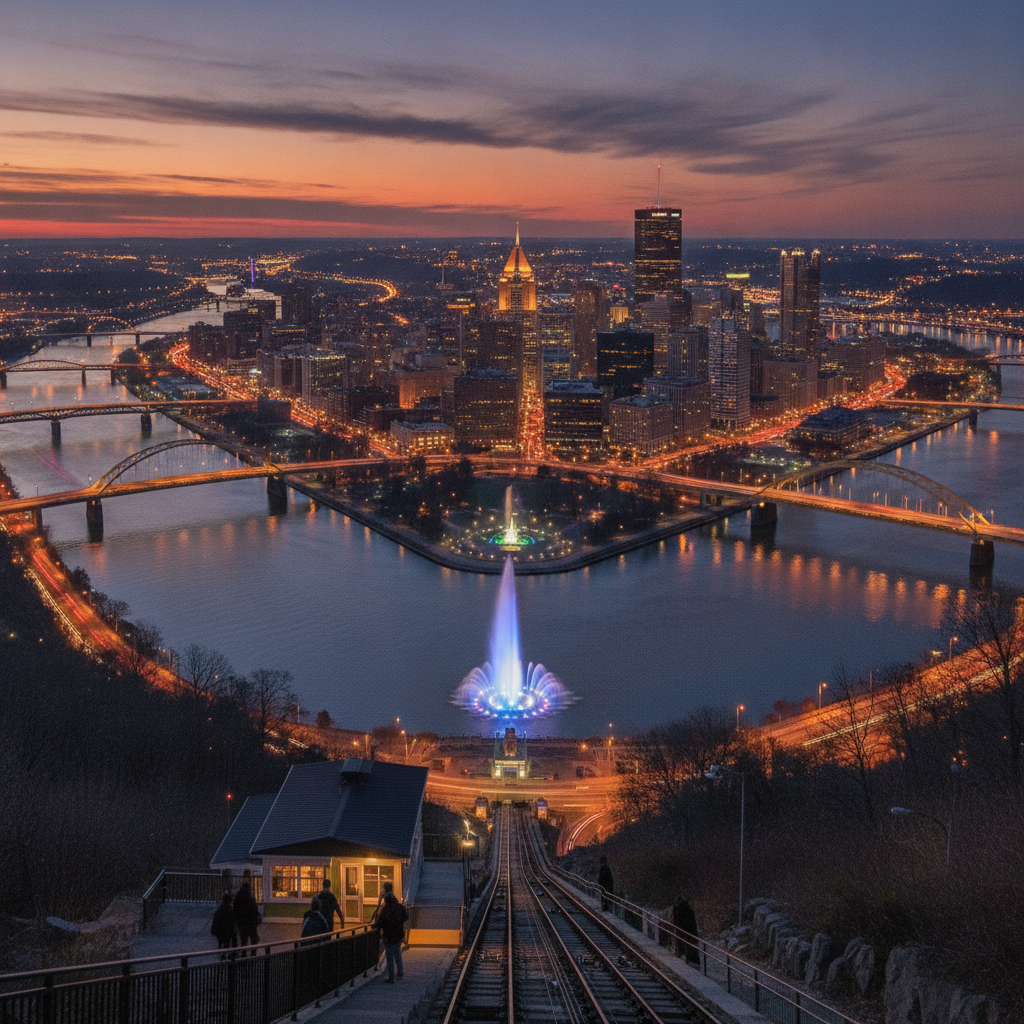
Pittsburgh: Steel legacy (446 bridges most in world, Carnegie Steel to US Steel 1901, 150,000 jobs lost 1979-1988, Homestead Strike 1892), Mount Washington inclines (Duquesne Incline 1877, Monongahela 1870 oldest continuous, Golden Triangle view three rivers confluence, Point State Park Fort Pitt 1758), Carnegie Museums (Natural History Diplodocus carnegii, Mary Cassatt Impressionist born Allegheny City, Andy Warhol Museum 900 works Campbell's Soup Marilyn Elvis), Pittsburgh sports (Steelers 6 Super Bowls Steel Curtain Immaculate Reception, Penguins 5 Stanley Cups Crosby, Pirates Mazeroski 1960 walk-off HR, PNC Park most beautiful stadium), Strip District and food (Primanti Brothers 1933 fries-in-sandwich, Pennsylvania Macaroni 1902, pierogi Pierogi Race Pirates), Practical (CMU computer science drama, Cathedral of Learning 42 stories tallest educational Western Hemisphere, autonomous vehicles Uber Waymo, Fallingwater 90km Fallingwater masterpiece)
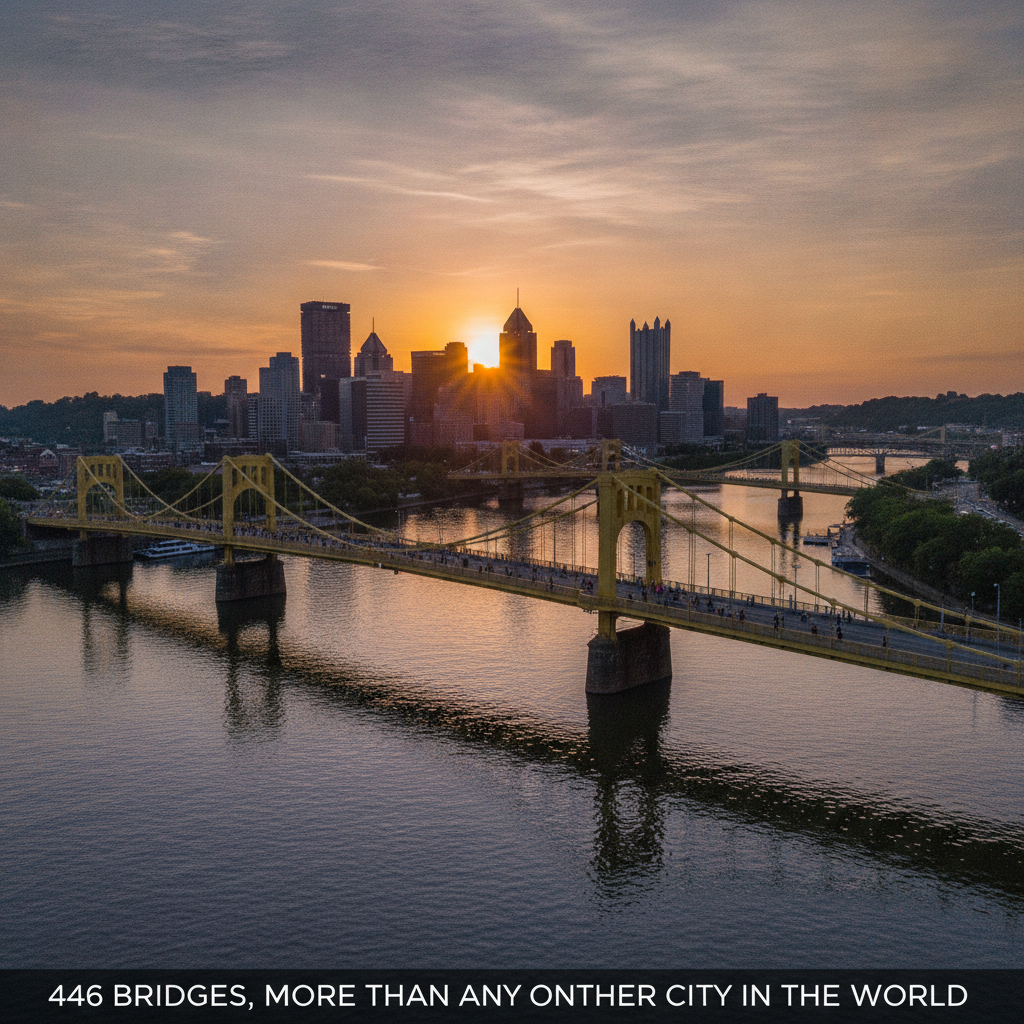
Pittsburgh R4: Oakland (Cathedral of Learning 42-story tallest educational Western Hemisphere, 30 Nationality Classrooms, Phipps Conservatory 1893 LEED Platinum, Schenley Park Mary Schenley 1889), Steelers dynasty (Chuck Noll 4 Super Bowls 1974 draft greatest in NFL history, Steel Curtain, Immaculate Reception 1972, Terrible Towel 1975, Yinzer Pittsburghese yinz jagoff), Penguins (Lemieux lymphoma 1993 hatrick 3 days after radiation, saved team from bankruptcy 1999, Crosby 3 Stanley Cups 2010 Olympic golden goal), Pittsburgh bridges 446 (Three Sisters self-anchored unique trio, Fort Pitt Tunnel arrival greatest urban moment, bridge engineering CMU Pitt), Roberto Clemente (18 seasons .317 BA 12 Gold Gloves 3,000 hits, died December 31 1972 Nicaragua earthquake relief, Hall of Fame 1973 no waiting period, MLB 21 retired league-wide 2023), Pittsburgh today (Google Duolingo 500M users von Ahn CMU, median home USD 200-250K affordable, carbon neutrality 2030 commitment)
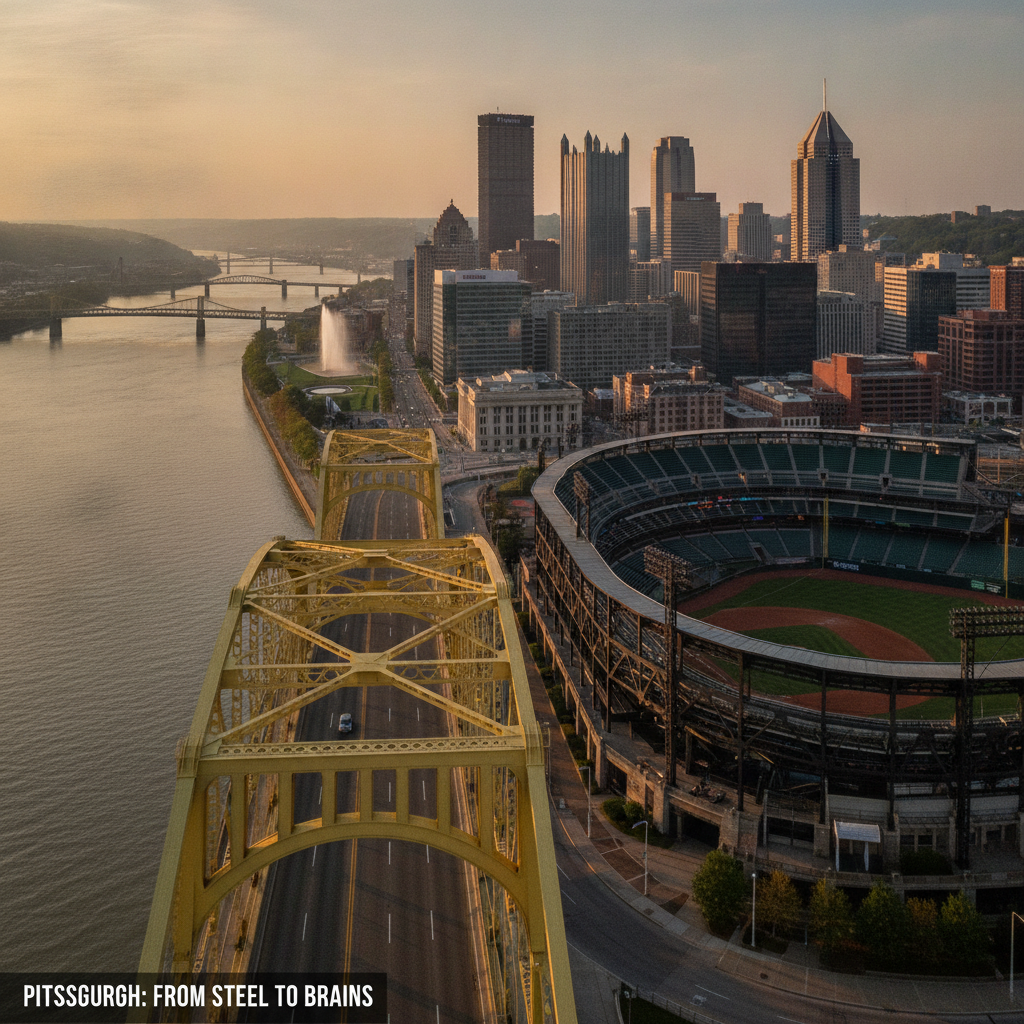
Pittsburgh R2: Neighborhoods (Squirrel Hill Tree of Life shooting October 2018 deadliest US antisemitic attack, Lawrenceville craft beer arts gentrification, Mexican War Streets Victorian), Rust Belt recovery (UPMC 92,000 employees USD 26B largest PA employer, CMU UM 55,000 students USD 3B, robotics Uber ATG Argo AI Aurora), Three Rivers outdoor (Heritage Trail 45km, Three Rivers Regatta largest free inland, Ohiopyle Class III-IV rapids Yough), Pittsburgh history (Fort Duquesne 1754 French Indian War George Washington first mission, Forbes captures 1758 Fort Pitt, Frick Westinghouse Mellon Gilded Age, Richardson Courthouse 1888 greatest 19th century American architecture), Warhol and arts (7-story museum Silver Clouds Time Capsule 600 boxes, Benedum Center Stanley Theater 1987, Pittsburgh Glass Center largest public US, Pittsburgh Symphony Orchestra), Practical (T light rail free downtown, PIT airport 1992 most advanced, 160-165 sunny days cloudiest major US city, Three Rivers Arts Festival 300,000 June)
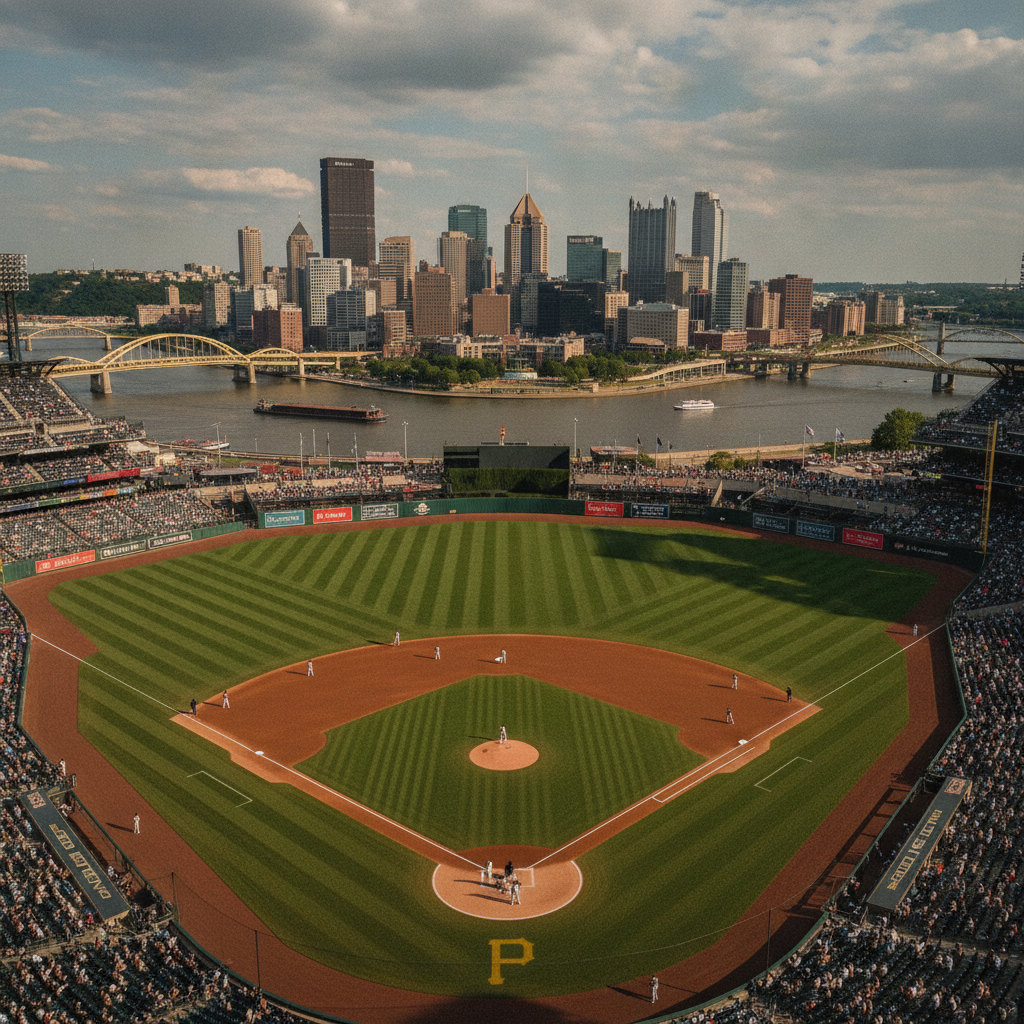
Pittsburgh: Six Super Bowls, Diplodocus Given to Kings and Fries Inside the Sandwich
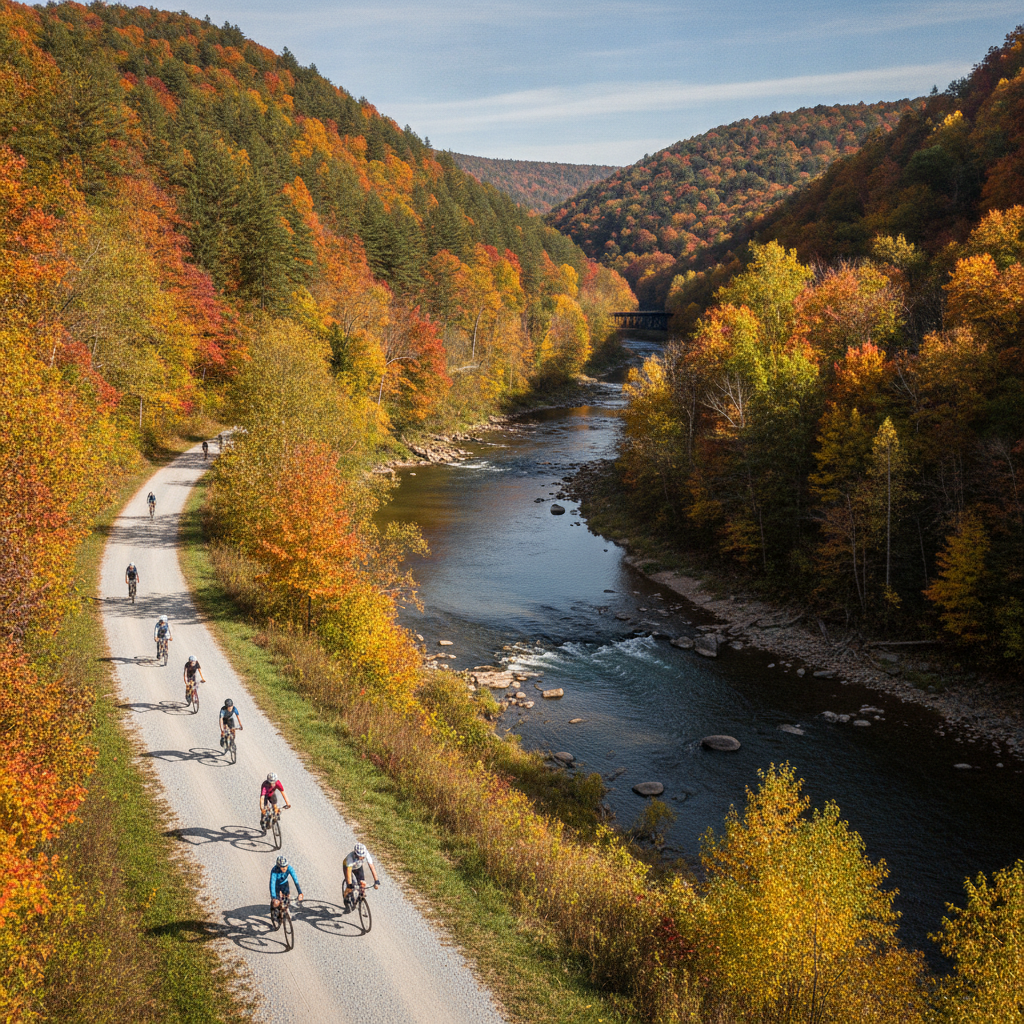
Pittsburgh: 446 Bridges, August Wilson Pulitzers and 335 Miles Car-Free to Washington DC