Playa del Carmen Food Scene: Tacos, Seafood, and International Dining
Playa del Carmen has evolved from a fishing village into one of the Yucatan Peninsulas most diverse dining destinations. This route explores the citys food geography from street taco stands in Colonia Centro to upscale seafood restaurants along Quinta Avenida and the beach, tracing both local Mexican traditions and the international restaurant scene that serves the expat and tourist population.
- 1
Colonia Centro Taco Stands and Local Markets
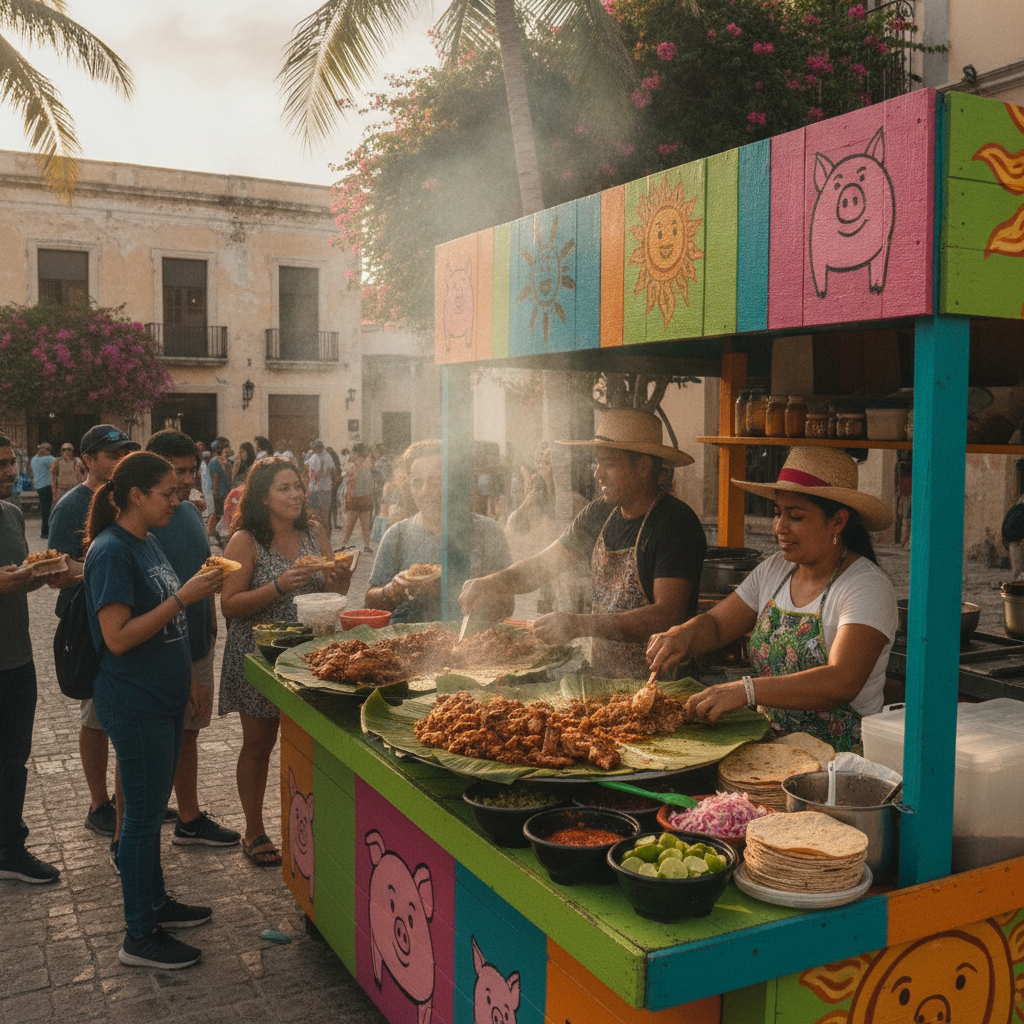
The neighborhoods away from Quinta Avenida are where Playa del Carmen residents actually eat. Colonia Centro and the surrounding streets host dozens of taco stands specializing in cochinita pibil, al pastor, and seafood tacos at a fraction of tourist-zone prices. The Tuesday and Saturday markets near Avenida 30 bring produce from surrounding communities, and lunch counters serve comida corrida, a multi-course set meal, for under 100 pesos. This is the economic reality of the city: a parallel food system largely invisible to visitors staying on the beach.
- 2
Quinta Avenida Restaurant Strip: International Cuisine and Tourist Economy
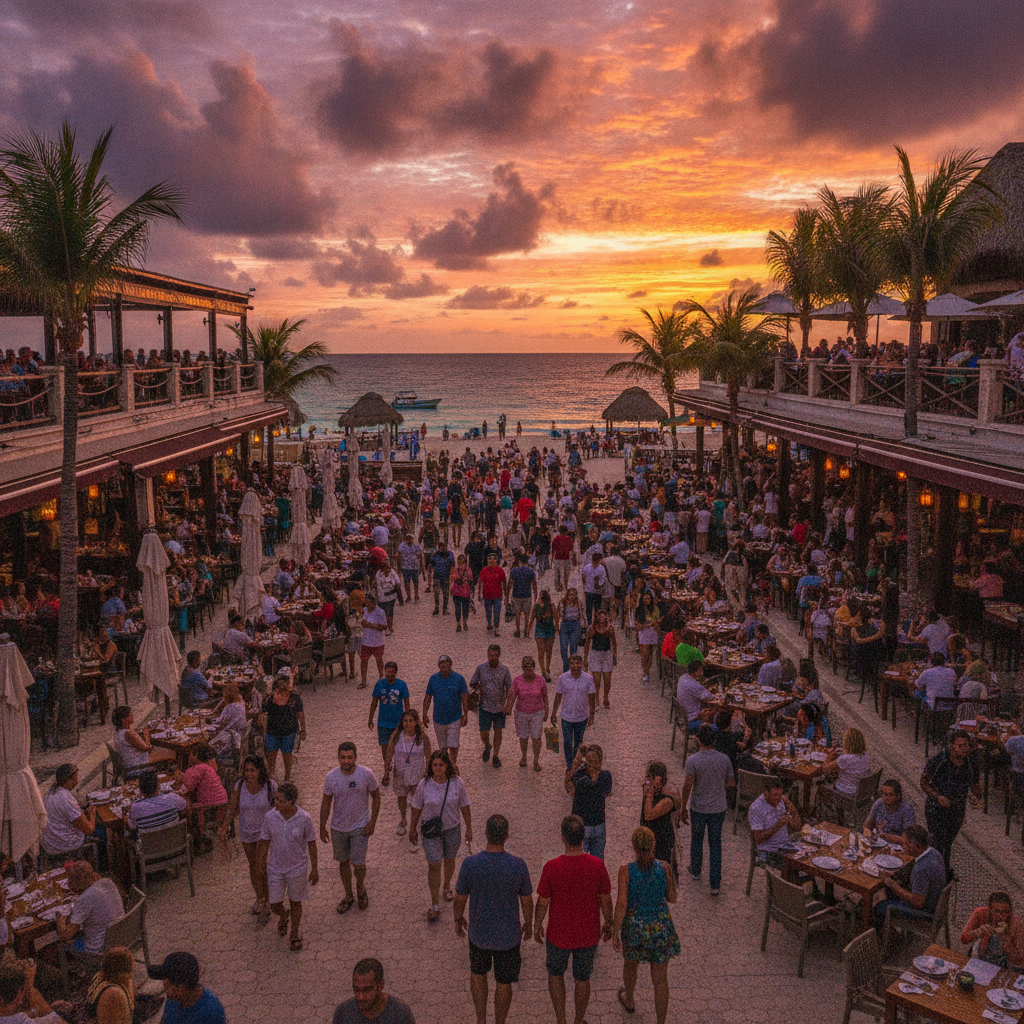
The pedestrian strip between Avenida 1 and the beach is lined with restaurants representing Italian, Argentine, Lebanese, Indian, Thai, and dozens of other cuisines. The concentration reflects the permanent expat community and the tourist demographic from Europe and North America. Prices reflect the location, typically three to five times what identical food costs one block inland. The strip has also attracted serious Mexican restaurants committed to regional cuisine, serving poc chuc, relleno negro, and panuchos alongside more tourist-friendly menus.
- 3
Seafood Restaurants and the Caribbean Coast Tradition
Playa del Carmen sits on the Caribbean coast and the best seafood restaurants source from local fishermen who still work the waters around Cozumel and Puerto Morelos. Ceviche made with fresh mahi-mahi or grouper, whole fried snapper, and camarones al mojo de ajo remain anchors of the local menu. The waterfront restaurants near the ferry dock and the beach clubs along Mamitas offer higher-end versions, while market stalls in Colonia Centro serve the same fish in corn tortillas for a few pesos. The quality gap is smaller than the price gap.
- 4
Yucatecan and Mayan Cuisine in a Riviera Maya Context
The Riviera Maya draws heavily on Yucatecan culinary tradition: cochinita pibil slow-cooked in banana leaves, sopa de lima with shredded turkey, papadzules in pumpkin-seed sauce, and the ubiquitous habanero salsas. Several restaurants have positioned themselves explicitly around Mayan culinary heritage, using heirloom corn varieties, traditional cooking methods, and ingredients sourced from Mayan community farms in the region. The broader conversation about indigenous food sovereignty is active in the Yucatan, and some chefs in Playa are participants.
- 5
Mezcal Bars, Craft Beer, and the Cocktail Scene
The cocktail culture in Playa del Carmen has matured significantly with the arrival of serious mezcal bars stocking small-batch producers from Oaxaca, Durango, and Guerrero. Craft beer from Yucatan Peninsula breweries now appears alongside the ubiquitous Sol and Corona. Cenote-themed cocktails using local fruits like mamey and pitahaya have become a signature category. The bar strip along Quinta Avenida between Calles 10 and 20 is the main concentration, active from late afternoon through the early hours, with a mix of rooftop bars and street-level cantinas.
- 6
Bakeries, Juice Bars, and the Morning Food Culture
The morning food culture in Playa del Carmen is anchored by neighborhood panaderias selling fresh conchas, bolillos, and sweet breads, juice and smoothie stands using tropical fruits, and coffee shops that have expanded significantly with the growth of the remote worker population. The specialty coffee scene now includes several roasters using Mexican beans from Chiapas and Oaxaca. European-style bakeries have appeared to serve the French and Italian expat communities. Early morning is also when the beachfront chiringuitos are quietest and most accessible, the best time for breakfast with an unobstructed sea view.
Walk this route with audio
Stories play automatically as you reach each stop — no tapping needed.
More in Playa del Carmen
Playa del Carmen Quinta Avenida Cozumel Ferry Caribbean Beach Clubs and the Riviera Maya City That Grew From a Ferry Dock to 350000 Residents in One Generation
Water Sports, Cenotes, and Outdoor Activities Around Playa del Carmen

Playa del Carmen Nightlife: Beach Clubs, Clubs, and the After-Dark Economy
Expat Life, Digital Nomads, and Living in Playa del Carmen
History of Playa del Carmen: From Mayan Port to Riviera Maya Megadestination