Playa del Carmen Practical Guide: Getting There, Getting Around, Safety, and Seasons
Playa del Carmen is one of the most visited destinations in Mexico and the logistics infrastructure is well developed. This route covers the practical framework for a first visit or an extended stay: arriving from Cancun International Airport, navigating the city, understanding the safety landscape, choosing the best months to visit, and knowing which services are worth paying for versus which can be sourced cheaply on the local economy.
- 1
Arriving at Cancun Airport and Getting to Playa del Carmen
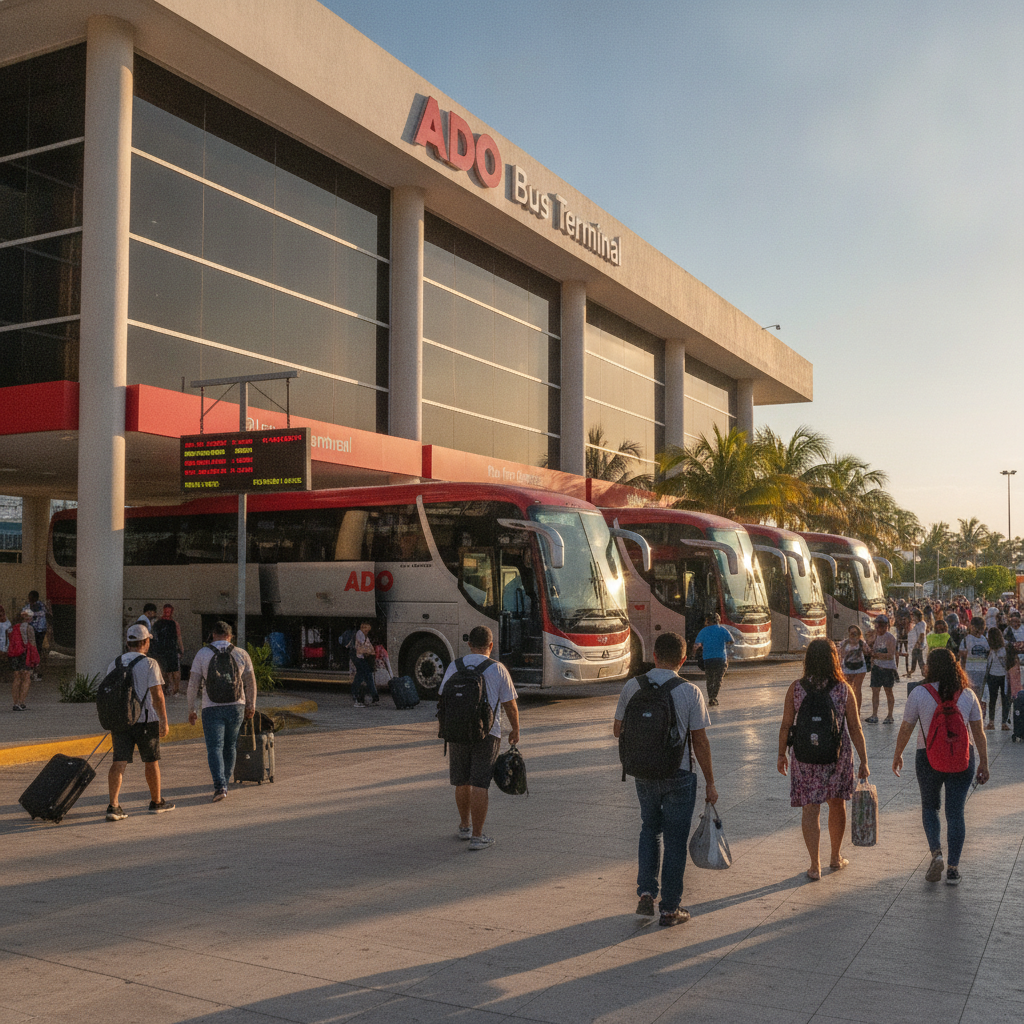
Cancun International Airport is the entry point for virtually all international visitors to the Riviera Maya. Terminals 2, 3, and 4 handle the major international carriers. From the airport the options are the ADO bus, which runs directly to the Playa del Carmen bus terminal on Avenida 5 for around 200 pesos and takes about an hour, or a shared shuttle van for roughly 400 to 600 pesos, or a taxi for 1,200 to 1,800 pesos. Rental cars are available at the airport and give flexibility for cenote and inland day trips, though parking in Playa del Carmen itself is limited and expensive. The airport taxi zone in Mexico can involve significantly inflated prices; pre-purchased ADO tickets are the budget-standard choice.
- 2
Getting Around Playa del Carmen: Colectivos, Taxis, and Walking
The primary local transport within the city is by foot on Quinta Avenida and the surrounding grid, supplemented by colectivo vans that run along Avenida 20 connecting the bus terminal with Playacar and points south. Taxis operate on fixed zone rates displayed in government-issued tables; always agree on the price before getting in. The colectivos south along Highway 307 toward Tulum and north toward Cancun run frequently and cheaply, connecting Puerto Morelos, Akumal, and Tulum. Rental bicycles are available and practical for the flat grid of the city. The beach promenade north of the ferry dock is walkable but interrupted by resort fencing in places.
- 3
Safety Reality: Petty Crime, Scams, and the Security Landscape
Playa del Carmen has a reputation for petty theft targeting tourists and occasional serious crime. The tourist zone along Quinta Avenida is heavily policed and generally safe during daylight hours and in the early evening. Late-night risks increase in areas away from the main strip and in beach areas without lighting. Common scams include overcharging by taxi drivers who do not use meters, timeshare presentations disguised as tourism information, and drinks spiked at certain venues. The broader organized crime presence in Quintana Roo is real but mostly invisible to tourists who stay in the main zones. Travelers should apply standard urban precautions: avoid displaying expensive equipment, use ATMs inside banks, and keep awareness at night.
- 4
Best Months to Visit: Climate, Crowds, and Hurricane Season
The Riviera Maya climate is tropical with a dry season from November through April and a wet season from May through October. The hurricane season runs June through November, with peak risk in September and October. December through March is the high season, bringing the largest crowds, highest prices, and best weather: sunny days, low humidity, and temperatures in the mid-twenties Celsius. April and May offer good weather with reduced crowds before the summer heat peaks. June through August brings school holiday crowds from Mexico and the US alongside the humidity and afternoon showers. Sargassum seaweed arrivals are unpredictable but have been worst in late summer.
- 5
Accommodation Zones: Tourist Strip vs. Residential Grid vs. Playacar
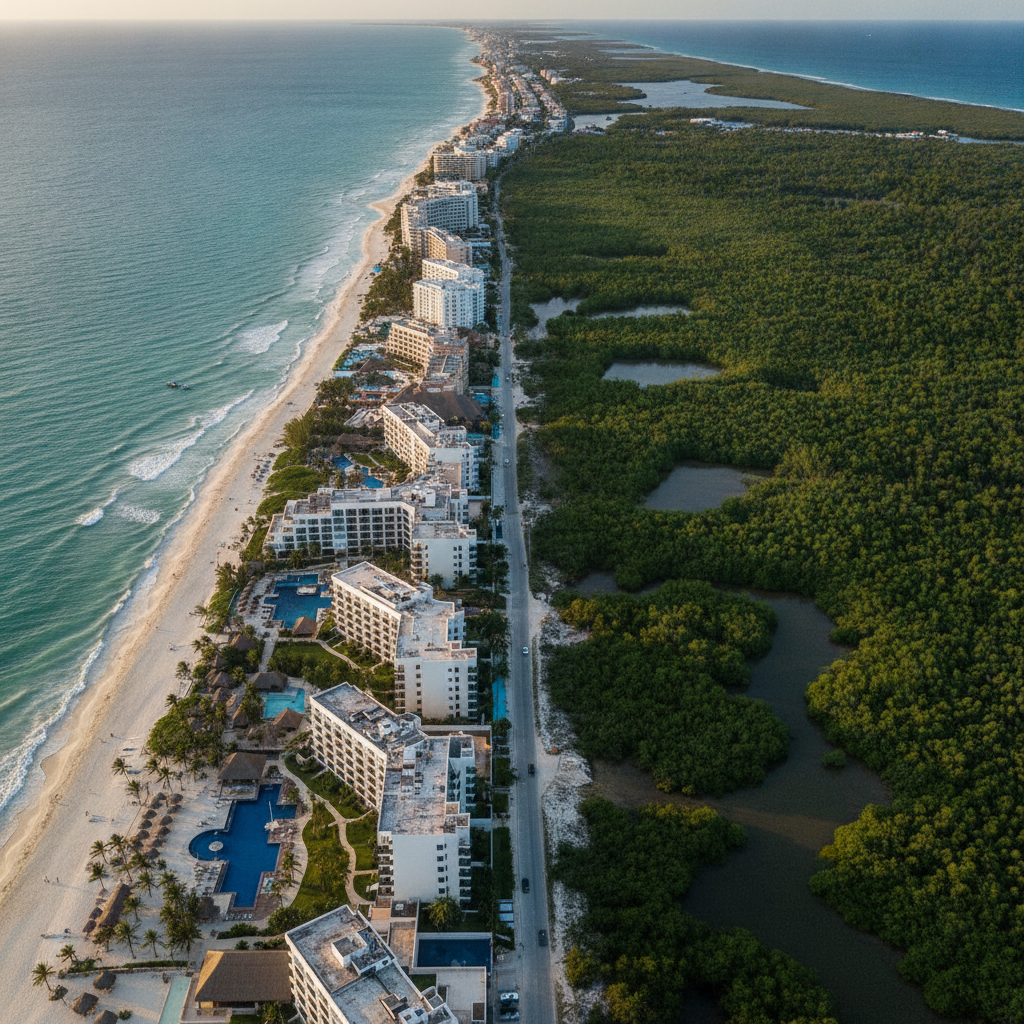
Accommodation in Playa del Carmen falls into three main zones. The tourist strip along and near Quinta Avenida between Calles 1 and 38 concentrates boutique hotels, hostels, and short-term rentals at prices reflecting the prime location. The residential grid inland of Avenida 10 offers apartments and smaller guesthouses at significantly lower prices within walking distance of the beach. Playacar, the gated community south of the ferry dock, contains large all-inclusive resorts and private villas targeting the package-holiday market. Budget travelers typically use hostels in the northern part of the grid; couples on short breaks favor the boutique hotels on and near Quinta Avenida.
- 6
Money, SIM Cards, Internet, and Practical Services
Mexican pesos are widely accepted throughout Playa del Carmen; US dollars are accepted in the tourist zone at poor exchange rates. ATMs are abundant but charge fees; withdrawing large amounts at bank-based machines reduces the per-transaction cost. Telcel and AT&T Mexico offer the best coverage in the region; SIM cards with data plans are sold at OXXO convenience stores for under 200 pesos. The city has reliable 4G coverage throughout the tourist zone and most residential areas. Pharmacies stock both prescription and over-the-counter medications at low prices; IMSS clinics serve the local population while private hospitals serve tourists and expats. Emergency numbers are 911 throughout Mexico.
Walk this route with audio
Stories play automatically as you reach each stop — no tapping needed.
More in Playa del Carmen
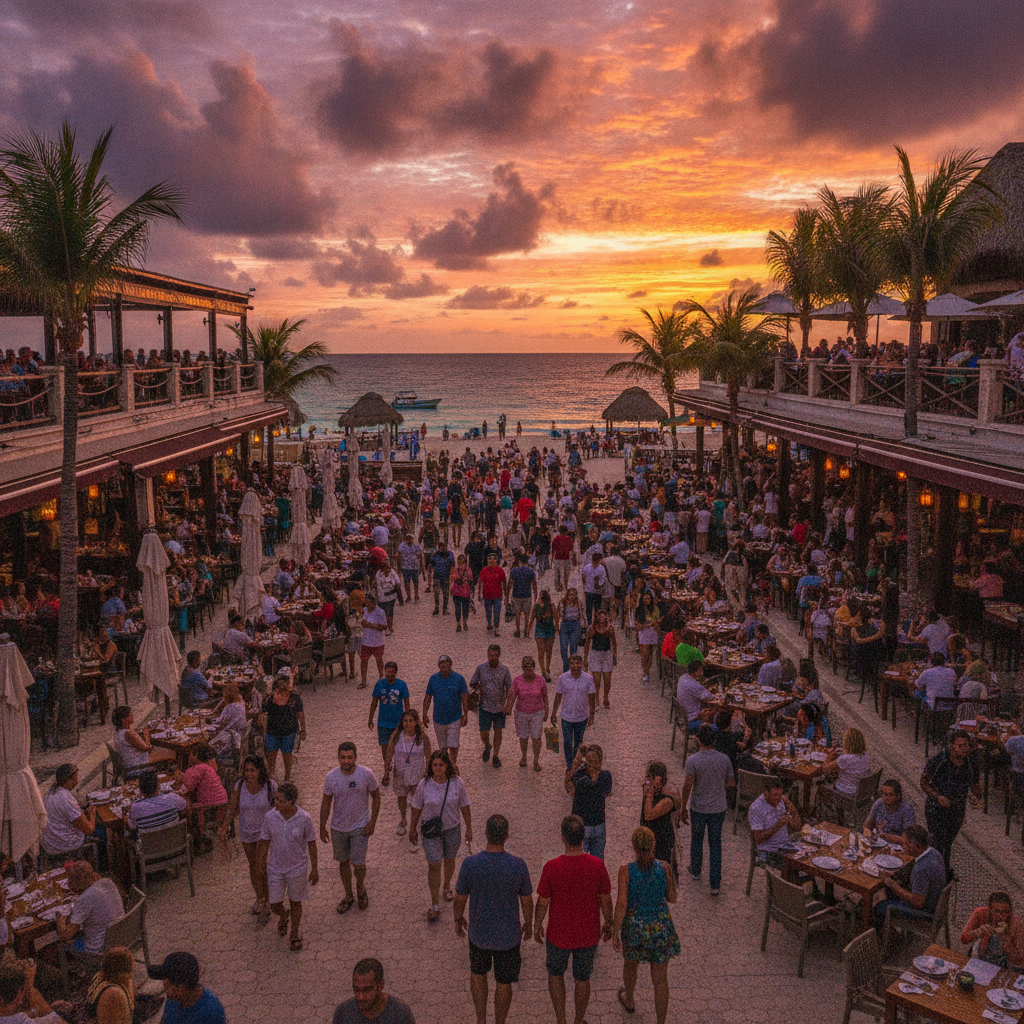
Playa del Carmen Quinta Avenida Cozumel Ferry Caribbean Beach Clubs and the Riviera Maya City That Grew From a Ferry Dock to 350000 Residents in One Generation
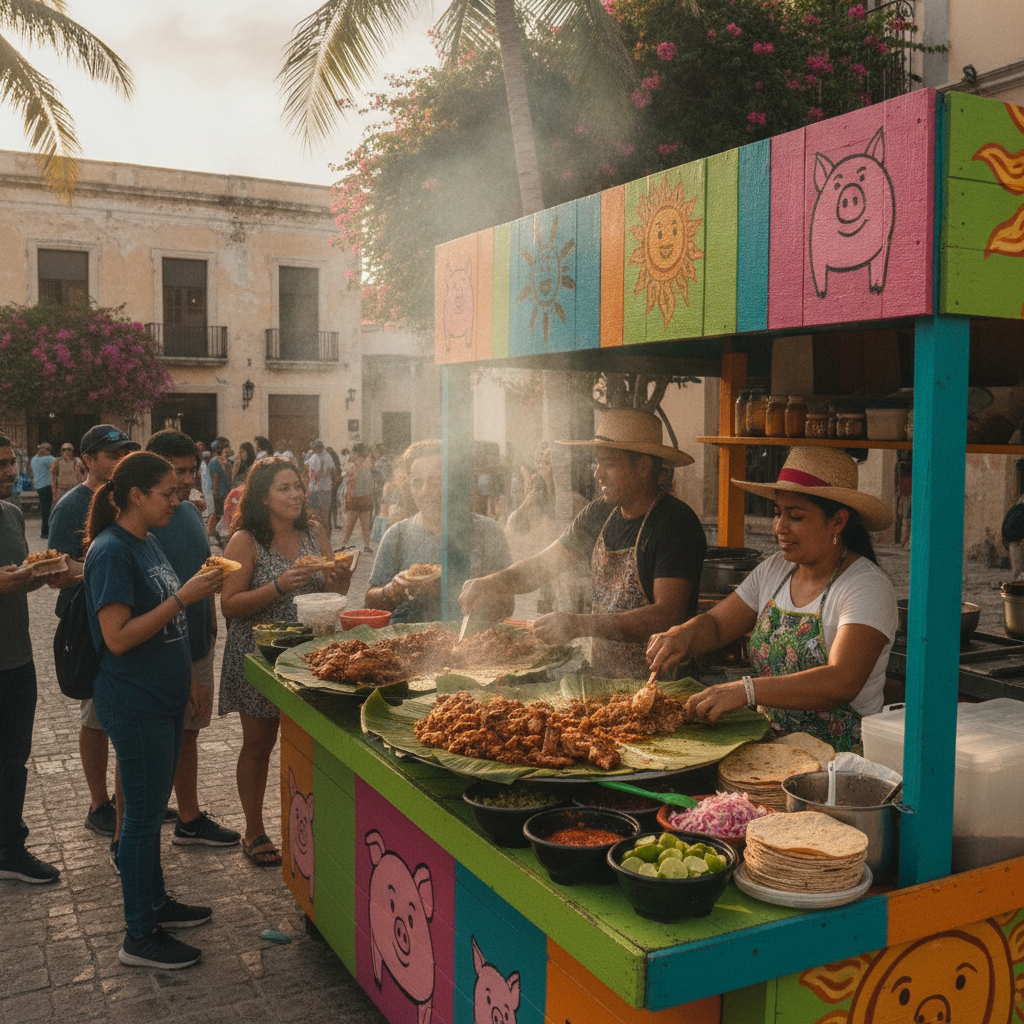
Playa del Carmen Food Scene: Tacos, Seafood, and International Dining
Water Sports, Cenotes, and Outdoor Activities Around Playa del Carmen

Playa del Carmen Nightlife: Beach Clubs, Clubs, and the After-Dark Economy
Expat Life, Digital Nomads, and Living in Playa del Carmen