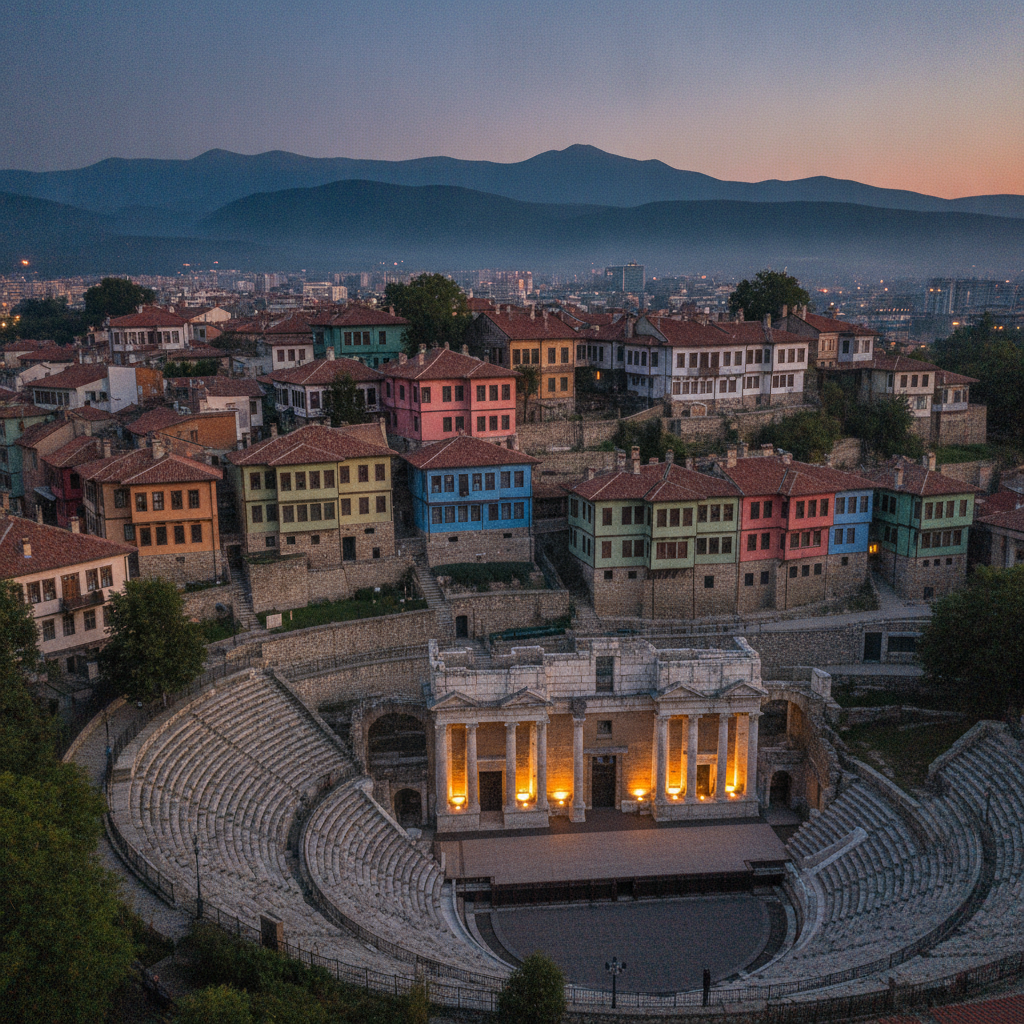
Plovdiv Classics: Roman Theatre, Old Town Mansions & Kapana
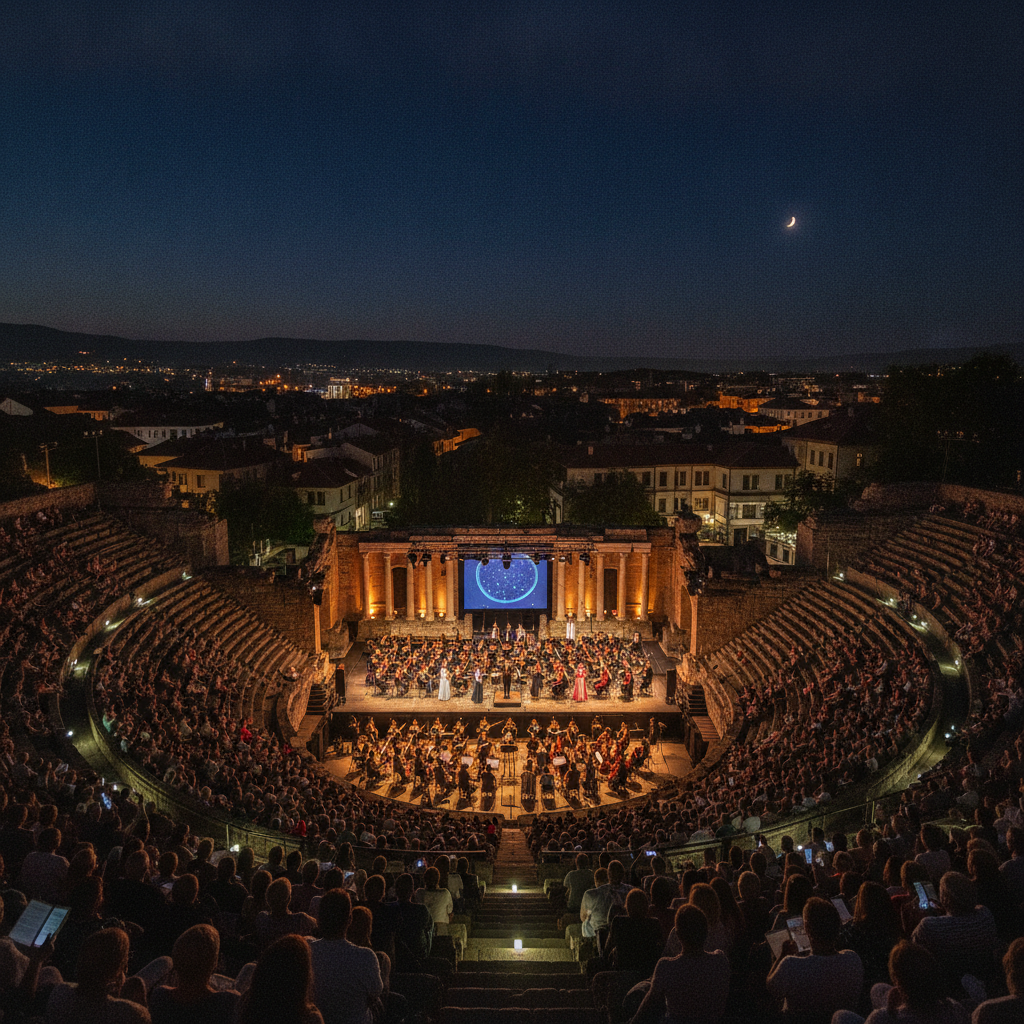
Experience one of Europe's oldest continuously inhabited cities—Plovdiv's Roman amphitheatre still hosts concerts 2,000 years after Trajan built it, the National Revival mansions of the Old Town are among Europe's most colourful, and the revitalised Kapana quarter buzzes with the creative energy that made this Bulgaria's European Capital of Culture 2019.
- 1
Old Town – Three Hills of History
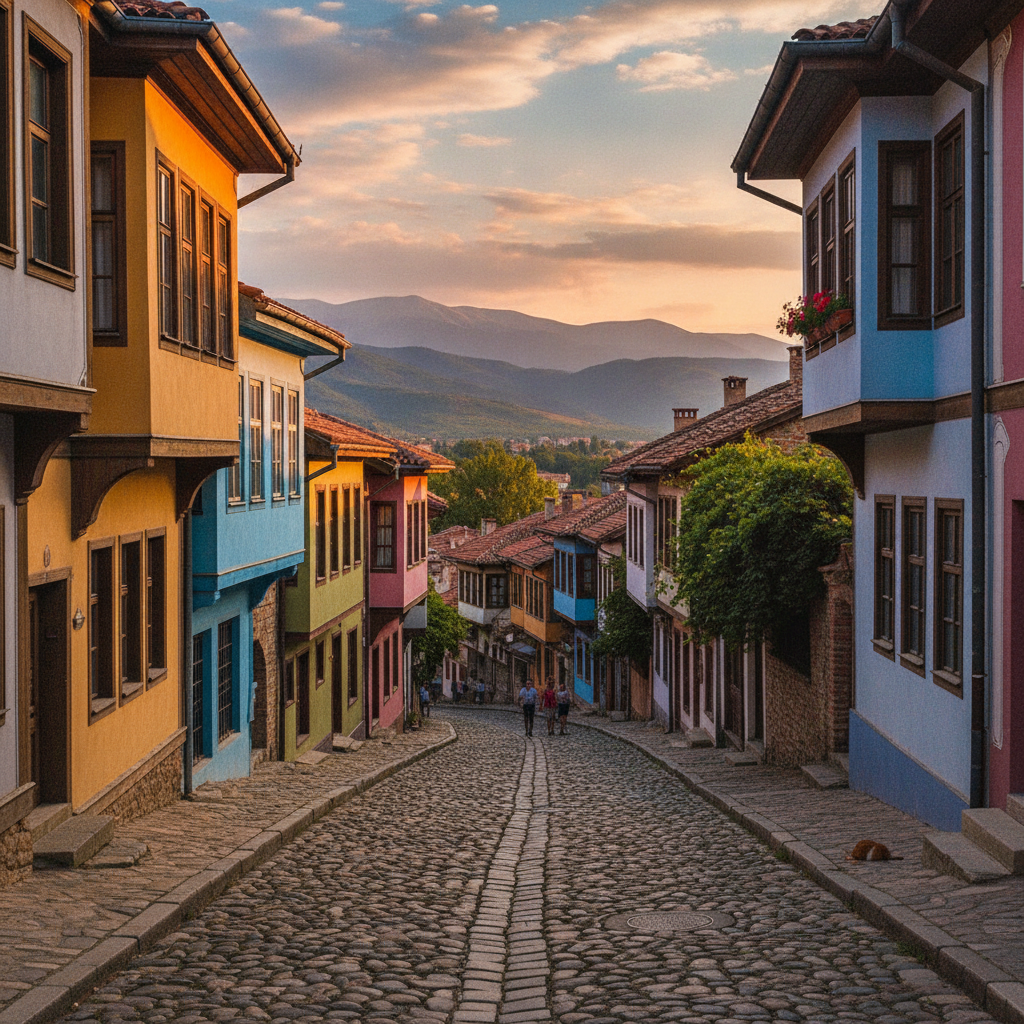
Plovdiv's Old Town (Stariat Grad) occupies three of the city's seven syenite hills, rising dramatically above the Maritsa river plain. The neighbourhood is a rare ensemble of National Revival period mansions—built 1760–1870—with colourfully painted projecting upper floors, intricate woodcarving, and hidden courtyard gardens. Walking the cobbled lanes between Nebet Tepe hill and the Roman Theatre is one of Bulgaria's great pleasures.
- 2
Roman Amphitheatre of Philippopolis
Discovered by accident during a 1972 landslide, Plovdiv's 2nd-century Roman amphitheatre—built under Emperor Trajan—seats 7,000 and is one of the best-preserved Roman theatres in the world. Still used for concerts and opera performances against a backdrop of the Old Town roofscape and the Rhodope Mountains, it is Plovdiv's most iconic monument and the centrepiece of its European Capital of Culture year.
- 3
Kapana – The Creative Quarter
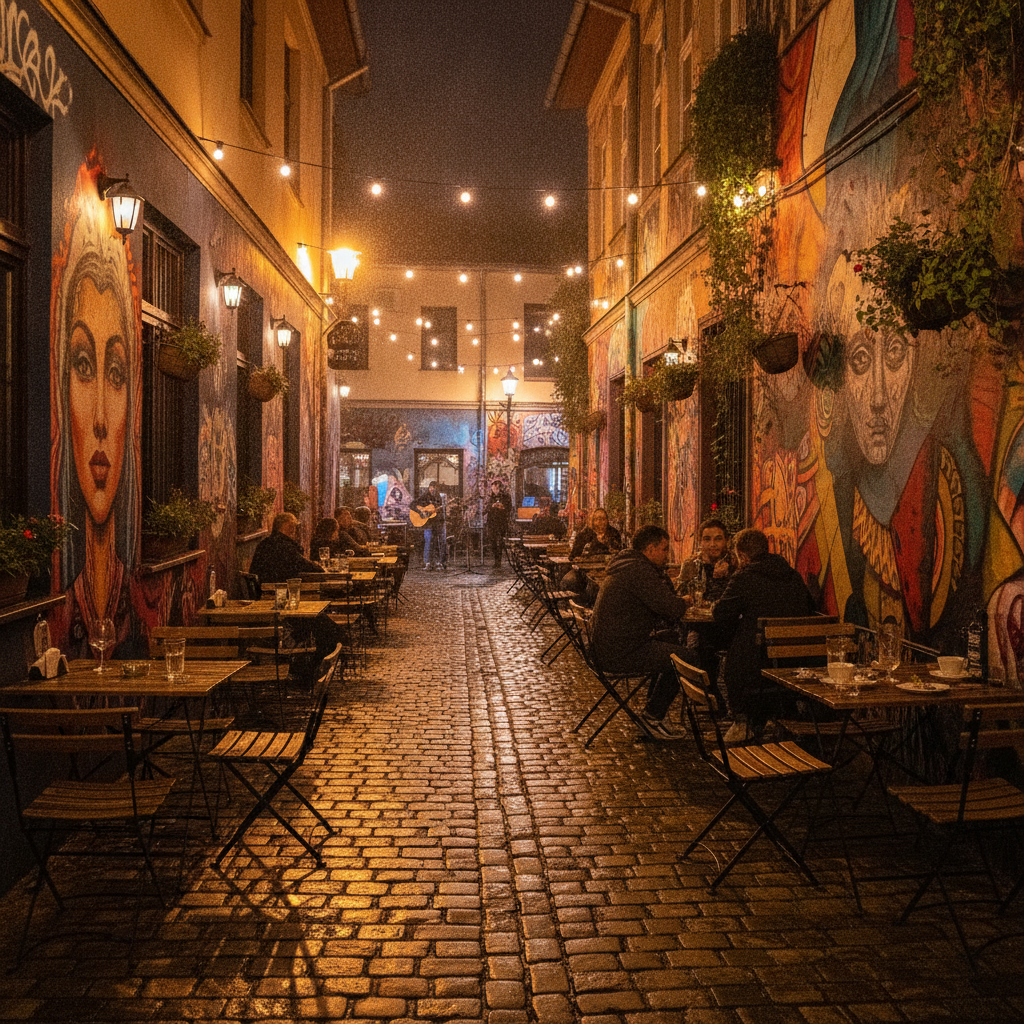
The name means 'The Trap'—a reference to the labyrinthine medieval street layout of what was once Plovdiv's artisan quarter. Kapana has been dramatically revitalised since 2015: its narrow streets are now lined with independent coffee roasters, craft beer bars, vintage shops, street art, and creative studios. The Kapana Fest each summer is the most popular arts event in Bulgaria.
- 4
National Revival Mansions & House Museums
Plovdiv's Old Town mansions have been converted into some of Bulgaria's most absorbing house museums. The Hindliyan House (1840) features elaborate frescoed rooms painted with imaginary cityscapes of Constantinople, Venice, and Alexandria. The Balabanov House hosts chamber concerts; the Ethnographic Museum in the Kuyumdzhioglu House has the finest display of Bulgarian folk art and textiles outside Sofia.
- 5
Djumaya Mosque & Ottoman Heritage
Plovdiv spent nearly 500 years under Ottoman rule (1364–1878) and the legacy is visible in its mosques, bazaars, and street food. The 14th-century Dzhumaya Mosque—one of the oldest and largest in Bulgaria—stands at the heart of the city near the ancient stadium; fragments of a Roman stadium are visible through glass panels in the pedestrian zone beneath it.
- 6
Tsar Simeon Garden & Main Pedestrian Zone
Plovdiv's main pedestrian street (Knyaz Alexander I) runs through the city centre past a mix of communist-era buildings and 19th-century facades to the lovely Tsar Simeon Garden—a 19th-century park with a bandstand, fountains, and a singing fountain that performs light-and-water shows in summer evenings. The park is the social heart of contemporary Plovdiv life.
Walk this route with audio
Stories play automatically as you reach each stop — no tapping needed.