Port Louis: Central Market, Champ de Mars Racecourse, Sugar Heritage, Blue Bay Coral Reef, Le Morne UNESCO, and Colonial History
Mauritius culture and history: the Port Louis Central Market, the oldest racecourse in the southern hemisphere, the L Aventure du Sucre sugar heritage museum, Blue Bay Marine Park coral reef, Le Morne Brabant UNESCO Maroon resistance site, and the Dutch-French-British colonial sequence.
- 1
The Central Market of Port Louis - The Most Vibrant Market in the Indian Ocean
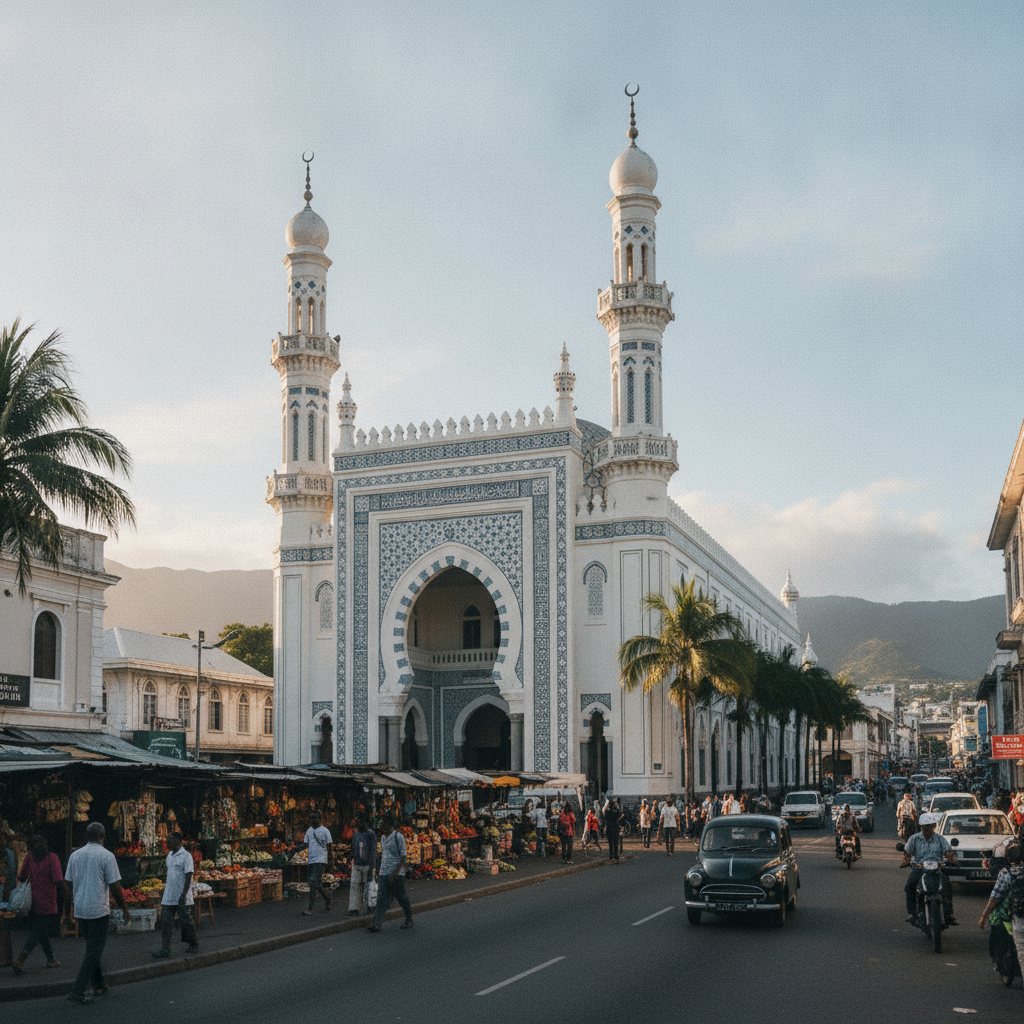
The Central Market of Port Louis (the Port Louis Market): the primary traditional market of the capital, established in the colonial era and continuously operating as the primary food and craft market of the city. The market occupies an entire city block adjacent to the Company Gardens in the Port Louis CBD. The fresh produce section: the most visually and aromatically intense area, with the tropical fruits of Mauritius (the lychees (Mauritius is the world finest lychee producer), the jackfruit, the sapodilla, the passion fruit, the carambola (starfruit), and the mangoes). The street food section: the dholl puri vendors, the gateaux piments (the Mauritian split pea fritter, deep-fried and sold from street carts, the most popular everyday street snack), and the briani sellers. The craft and souvenir section: the model ships (the scale model sailing ships are the most distinctive Mauritius craft product, produced by artisans in Port Louis and in the Mahebourg area), the handmade baskets, and the spice vendors.
- 2
The Champ de Mars Racecourse - The Oldest Racecourse in the Southern Hemisphere
The Champ de Mars Racecourse (in the Port Louis CBD): the oldest horse racing venue in the southern hemisphere (established 1812 by the British colonial administration on a former French military parade ground). Horse racing is the primary spectator sport of Mauritius: the Champ de Mars races (held May-November on Saturday afternoons) draw tens of thousands of spectators and the race days are the primary social events of the Mauritian calendar. The racing tradition was established by British military officers and has been maintained continuously for over 200 years. The Champ de Mars: the Mauritius Turf Club, established 1812 (one of the oldest turf clubs in the world). The Prix de la Republique (the most prestigious race on the Mauritius calendar): the primary national horse racing event. The Port Louis CBD surrounding the Champ de Mars: the courthouse, government offices, and the colonial-era commercial buildings that constitute the historic core of the city.
- 3
The Mauritius Sugar Heritage - From Colonial Monoculture to Museum
Sugar dominated the Mauritius economy for approximately 300 years: the French began sugar cultivation in the 18th century and the British expanded it enormously after the abolition of slavery, using Indian indentured labor. At its peak (mid-20th century) sugar accounted for approximately 90% of Mauritius export earnings and the island was almost entirely covered in sugar cane fields. The L Aventure du Sucre Museum (in the Beau Plan sugar factory in the northwest, approximately 20 km from Port Louis): the most comprehensive sugar history museum in the Indian Ocean, housed in a former working sugar mill. The museum exhibits trace the entire history of sugar in Mauritius from the first Portuguese arrival (1507) through the Dutch cultivation attempts, the French expansion, the British colonial era, the slavery and indenture system, and the contemporary diversification away from sugar. The Mauritius sugar industry today: sugar still covers approximately 70% of the agricultural land area of Mauritius, though its share of GDP has declined to approximately 3-5% as financial services, tourism, and textile manufacturing have grown.
- 4
The Blue Bay Marine Park - The Finest Coral Reef in the Indian Ocean
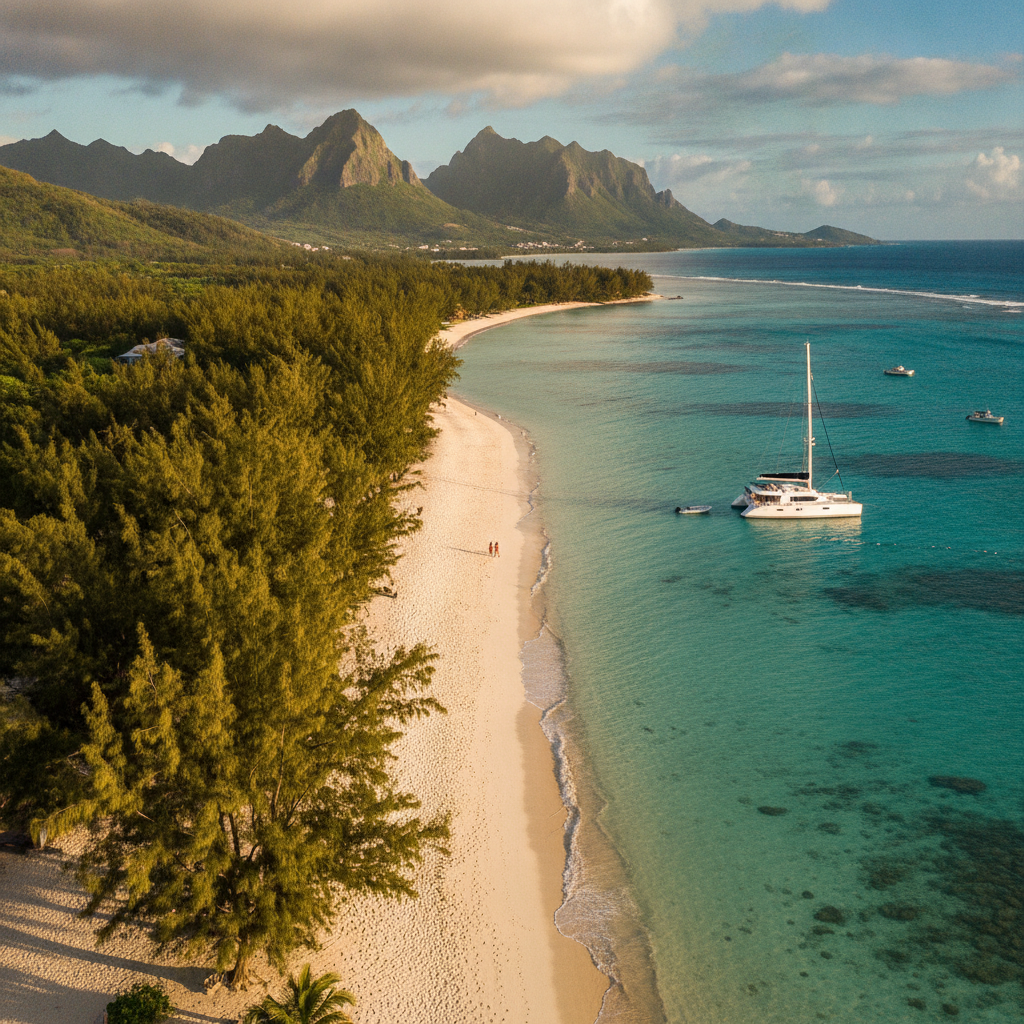
The Blue Bay Marine Park (approximately 20 km southeast of Port Louis, accessible from Mahebourg): the most pristine coral reef system in Mauritius and one of the finest in the western Indian Ocean. The Blue Bay lagoon: the sheltered turquoise lagoon enclosed by the outer reef, with water depth averaging 2-4 meters and water clarity regularly exceeding 15-20 meters horizontal visibility. The coral species diversity in Blue Bay: approximately 50 coral species and over 100 fish species recorded within the marine park. The glass-bottom boat tours (the primary visitor access to the Blue Bay reef: the boats depart from the Blue Bay beach): the most accessible introduction to the reef for non-snorkelers. Snorkeling and diving: the Blue Bay reef wall (the outer reef drop-off to deeper water) has the most dramatic coral architecture, with large brain corals, staghorn corals, and sea fans. The Ile aux Aigrettes (the small coral island in the Mahebourg lagoon, approximately 1 km from the mainland): a nature reserve managed by the Mauritius Wildlife Foundation where the pre-human ecology of Mauritius is being restored.
- 5
The Le Morne Brabant UNESCO Heritage Site - The Mountain of the Fugitive Enslaved
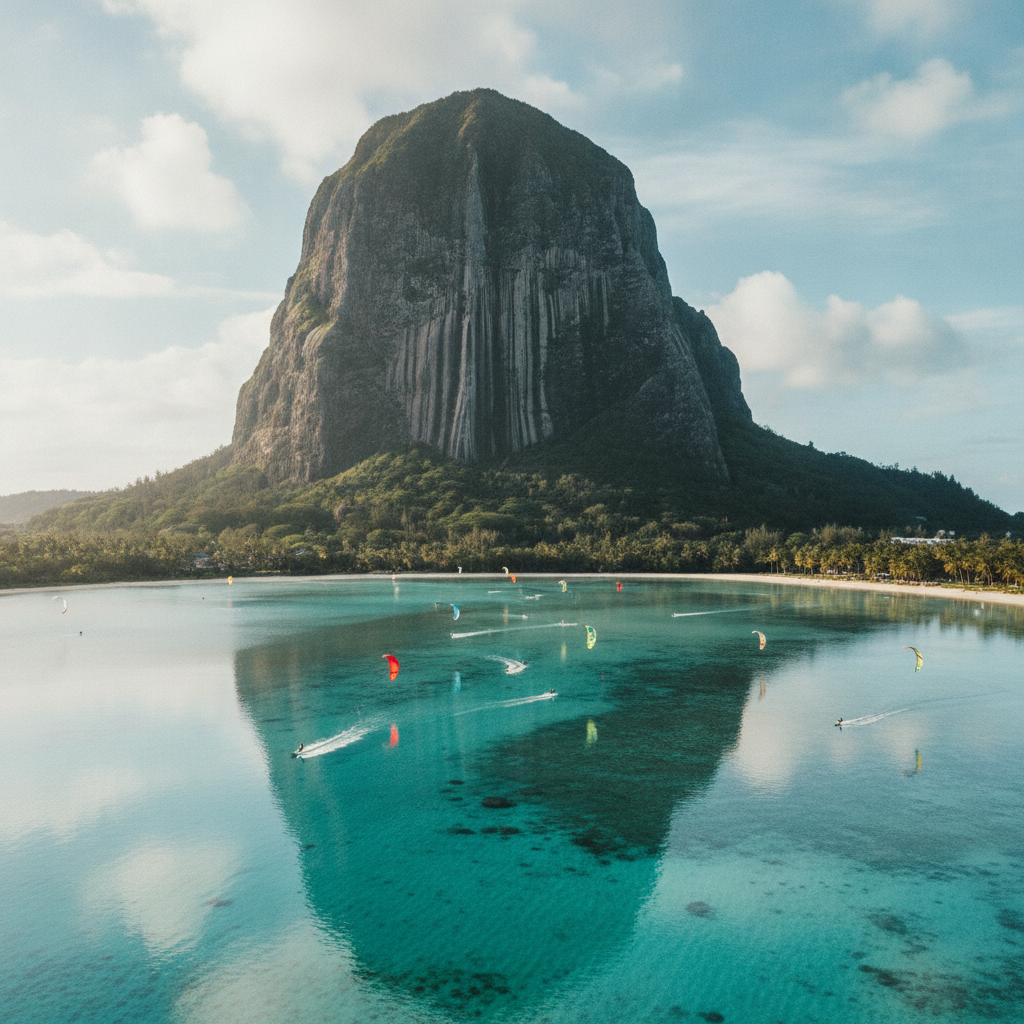
Le Morne Brabant (UNESCO World Heritage Site, 2008): the dramatic basalt mountain on the southwestern tip of Mauritius (approximately 550 meters high), the site of a resistance community of Maroon (fugitive enslaved) people who established a settlement on the inaccessible upper slopes during the period of French slavery in the 18th century. The Maroon (the term derived from the Spanish cimarron: wild or feral): the enslaved people who escaped from the French sugar plantations and took refuge in the mountains and forests of Mauritius. Le Morne was the primary Maroon refuge in Mauritius because of its near-vertical cliffs and inaccessible summit. The legend of Le Morne: in 1835, when the British Colonial Administration sent soldiers to inform the Maroon community that slavery had been abolished (effective 1835), the Maroons misinterpreted the soldiers approach as an attempt to recapture them and jumped from the cliff. The site is now a symbol of the enslaved people resistance across the Indian Ocean world.
- 6
Mauritius Colonial History - The Dutch, French, and British Sequence
The colonial history of Mauritius: the most complex colonial sequence of any major island in the Indian Ocean. The Portuguese: first European visitors (1507, Pero de Mascarenhas who named the Mascarene Islands), did not settle. The Dutch: established the first settlement (1638), named the island after Prince Mauritius of Nassau, introduced sugar cane and various animals, and abandoned the island in 1710. The French: established a permanent colony in 1715 (renamed Ile de France), developed the plantation economy, introduced enslaved Africans and Malagasy, and built Port Louis. The French period (1715-1810): the primary period of plantation development; the French brought the sugar cane industry to maturity. The Battle of Grand Port (August 1810): the only French naval victory over the British in the Napoleonic Wars (Mauritius was French at the time); the only naval battle commemorated on the Arc de Triomphe in Paris. The British: conquered Mauritius in 1810, allowed the French settlers to keep their language, culture, and land (the Treaty of Paris 1814 confirmed British sovereignty), abolished slavery (1835), and introduced Indian indentured labor. Independence: 12 March 1968.
Walk this route with audio
Stories play automatically as you reach each stop — no tapping needed.
More in port-louis
Port Louis: The Mauritius Miracle, Caudan Waterfront, Aapravasi Ghat UNESCO, the Dodo, Multicultural Society, and Practical Guide
Port Louis: Mauritius Luxury Tourism, Chamarel Eco-Tourism, Hindu Festivals, Sino-Mauritian Chinatown, and Creole Sega Music
Port Louis Final Legacy: Rum Heritage, Muslim Community, Underwater Diving, Mahebourg Museum, and the Complete Mauritius Reference
Port Louis: Mauritian Cuisine, Grand Bassin Pilgrimage, Black River Gorges, Pamplemousses Garden, and Rodrigues Island