Port Louis: The Mauritius Miracle, Caudan Waterfront, Aapravasi Ghat UNESCO, the Dodo, Multicultural Society, and Practical Guide
Port Louis introduction: the Mauritius economic miracle (Africa highest GDP per capita), the Caudan Waterfront and the world most valuable stamps, the Aapravasi Ghat UNESCO indentured labour site, the dodo (the most famous extinct bird), the Mauritius cultural mosaic (Creole, Indian, Chinese, French), and practical guide.
- 1
Port Louis - The African Island Paradise and the Mauritius Miracle
Port Louis: the capital of Mauritius, a small island nation of approximately 1.3 million people in the southwestern Indian Ocean approximately 900 km east of Madagascar. Mauritius is the wealthiest country in sub-Saharan Africa by GDP per capita (approximately USD 11,000-12,000 per capita, the highest in Africa). The Mauritius economic miracle: at independence (1968) Mauritius was a sugar monoculture economy with high unemployment and poverty; today it has diversified into financial services, tourism, and textile manufacturing, achieving consistent high growth for over 40 years. The Heritage Foundation Economic Freedom Index consistently rates Mauritius among the top 10 freest economies in the world. Port Louis (founded 1736 by the French governor Bertrand-Francois Mahe de la Bourdonnais, named for King Louis XV): the primary port and commercial hub of the island, built on a natural harbor on the northwestern coast of Mauritius.
- 2
The Caudan Waterfront and the Port Louis Harbour
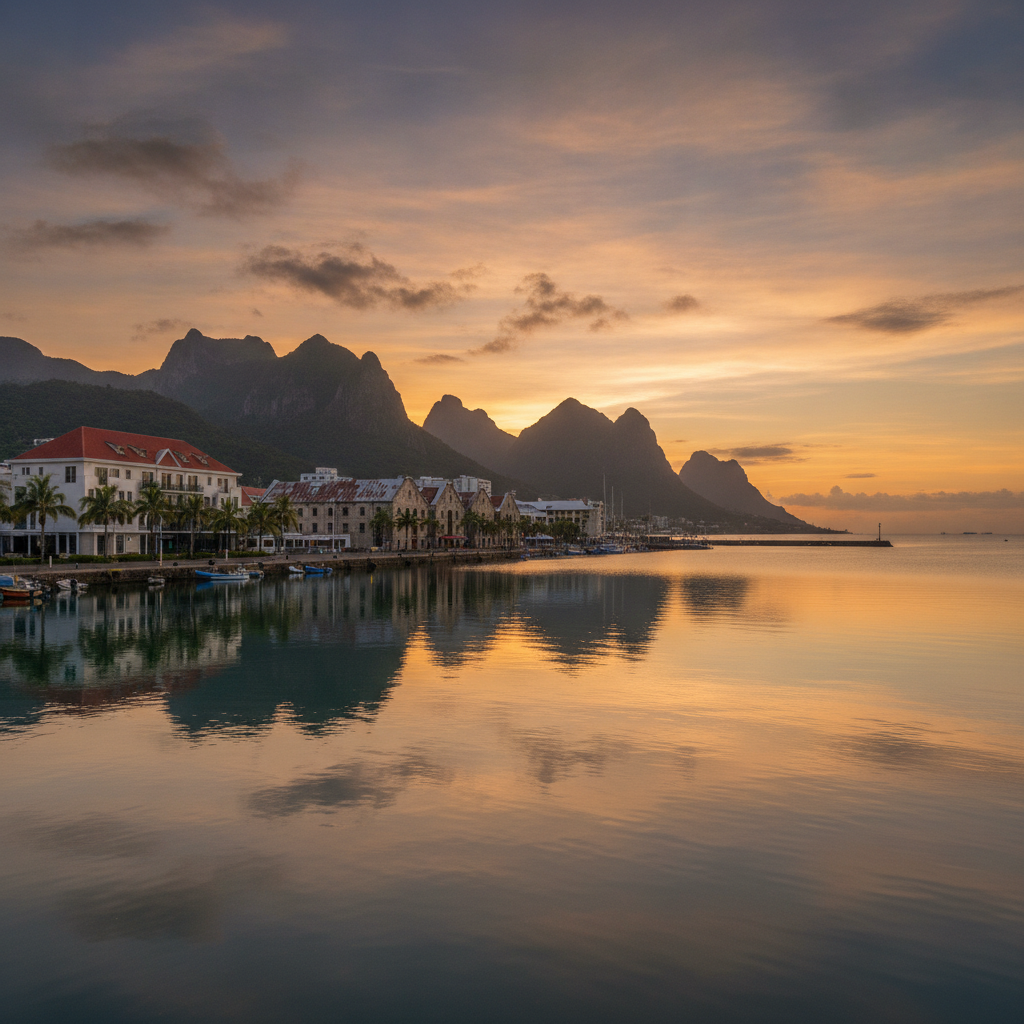
The Caudan Waterfront: the primary tourist and commercial development on the Port Louis harbour, a mixed-use complex of shops, restaurants, the Mauritius Commercial Bank (the oldest bank in Africa, founded 1838), the Port Louis Casino, and the Labourdonnais Hotel. The Caudan Waterfront was developed in the 1990s as the primary urban regeneration project of Port Louis harbour. The harbour: Port Louis harbour handles approximately 6 million tonnes of cargo annually and is a significant port of call for Indian Ocean shipping. The Blue Penny Museum (within the Caudan Waterfront complex): the museum housing the two most valuable stamps in the world (the 1847 Mauritius Post Office stamps: the 1-penny orange and 2-penny blue, the first stamps issued by any British colony; the pair are valued at approximately USD 10-15 million; only 27 of the 1-penny and 26 of the 2-penny are known to exist). The stamps were printed by a local watch repairer (Joseph Barnard) who mistakenly wrote Post Office instead of Post Paid on the plates.
- 3
The Aapravasi Ghat - UNESCO World Heritage Indentured Labour Site
The Aapravasi Ghat (UNESCO World Heritage Site, 2006): the immigration depot in Port Louis harbour where approximately 500,000 Indian indentured laborers arrived between 1834 and 1920. The Aapravasi Ghat (the name means immigration ghat in Hindi: the stepped landing quay on the harbour) was the primary processing point for the indentured laborers who replaced the enslaved workers after the abolition of slavery in the British Empire (1833). Mauritius was the first British colony to receive large numbers of indentured workers (beginning 1834): the Mauritius experiment (the name given to the early years of the indentured system, when the colonial administration was experimenting with the feasibility of the system) was the model for the later expansion of Indian indentured labor to Trinidad, Guyana, Fiji, Natal, and other British territories. Approximately 68% of the Mauritius population today is of Indian origin (the descendents of the indentured workers and subsequent free Indian migrants).
- 4
The Dodo - The Most Famous Extinct Bird and the Mauritius Story
The dodo (Raphus cucullatus): the most famous extinct bird in the world and the defining symbol of Mauritius. The dodo was a large, flightless pigeon (estimated weight approximately 10-15 kg) endemic to Mauritius. The dodo was first described by Dutch sailors in 1598 (after the Dutch began using Mauritius as a refreshment stop on the Cape route to the East Indies); by approximately 1662-1693 the dodo was extinct, making it one of the most rapid extinctions ever documented. The causes of extinction: direct hunting by sailors (the dodo was apparently easy to catch, having no evolutionary experience of predators), egg predation by the rats, pigs, and macaques introduced by the Dutch, and habitat destruction. The last confirmed sighting was approximately 1662. The phrase dead as a dodo: the dodo extinction gave the world its most commonly used idiom for irrecoverable loss. The Natural History Museum of Port Louis (in Port Louis): the primary collection of dodo bones in Mauritius.
- 5
The Mauritius Cultural Mosaic - Creole, Indian, Chinese, and French
Mauritius has one of the most ethnically and culturally diverse populations of any country in the world relative to its small size. The ethnic composition: Indo-Mauritians (approximately 68%: Hindu, Muslim, and Tamil communities descending from Indian indentured workers), Creoles (approximately 27%: the community of mixed European, African, and Malagasy ancestry, descendants of the enslaved people brought from Africa and Madagascar by the French colonizers), Sino-Mauritians (approximately 3%: the descendents of Chinese merchants who came primarily from Guangdong and Fujian in the 19th century), and Franco-Mauritians (approximately 2%: the descendent of the original French colonial settlers, who despite their tiny population retain disproportionate economic power through the large sugar estates). The Mauritian Creole language (Morisyen): the primary spoken language of nearly all Mauritians in informal settings, a French-based creole with significant borrowings from Malagasy, Hindi, and English.
- 6
Port Louis Practical Guide - Beaches, Food, and How to Enjoy Mauritius
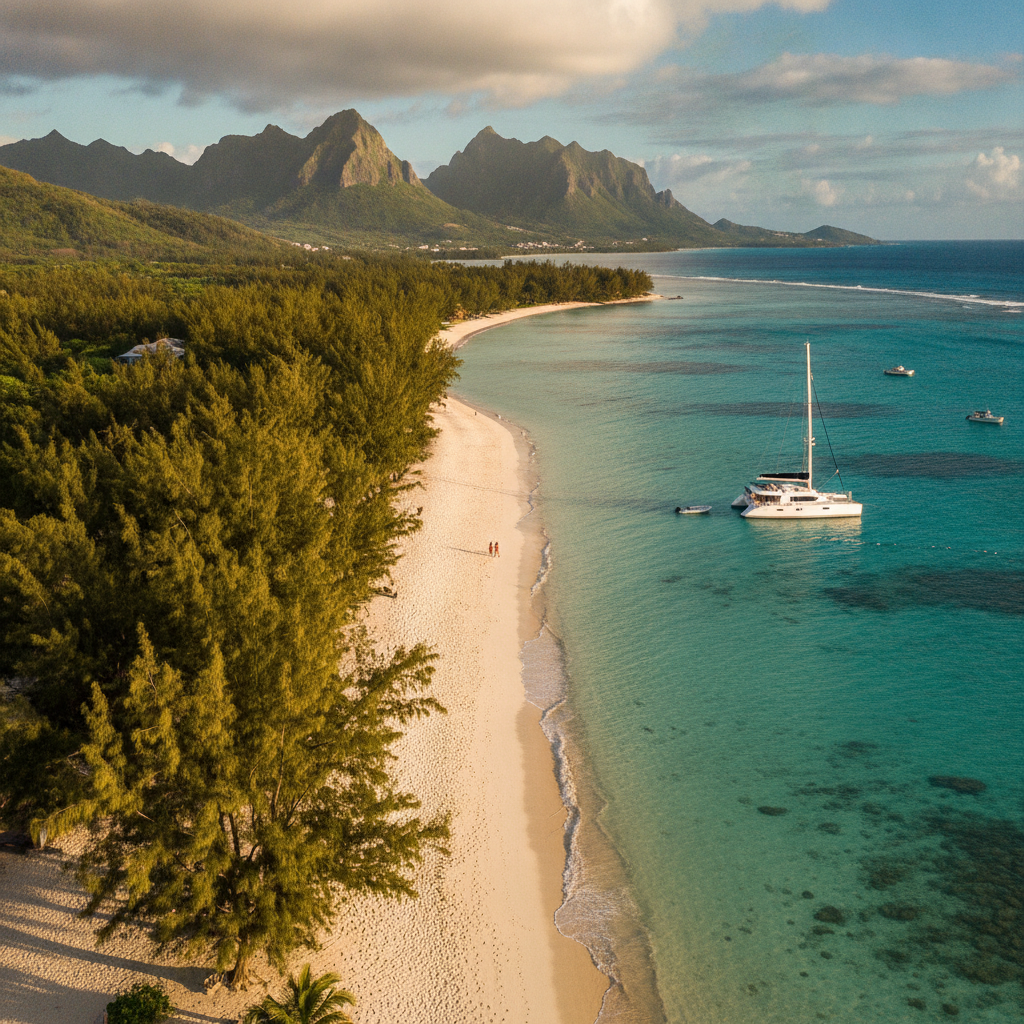
Port Louis practical guide. The Mauritius beaches: the island is surrounded by a coral reef lagoon on three sides; the best beaches are on the western coast (Flic en Flac, the Wolmar beach, the La Preneuse beach) and the southeastern coast (Blue Bay, Mahebourg). The northern beaches (Grand Baie, the primary tourist resort area): the most developed and accessible for visitors staying in Port Louis. The Mauritian food: the most diverse food culture in the Indian Ocean. The dholl puri (the most iconic street food: the thin wheat flour flatbread filled with yellow split pea paste and served with curried vegetables and chutneys) is sold from street carts and is the primary fast food of Mauritius. The rougaille (the Creole tomato-based sauce cooked with meat or fish and served over rice): the primary Creole home cooking dish. The Mauritius rum (the sugarcane heritage): the Chamarel Rum Distillery (in the Black River District) and the Saint Aubin rum are internationally recognized premium island rums. Currency: the Mauritius rupee (MUR). The Mauritius airport (SSR International Airport, IATA code MRU): the primary gateway, with good connections to Europe and Africa.
Walk this route with audio
Stories play automatically as you reach each stop — no tapping needed.
More in port-louis
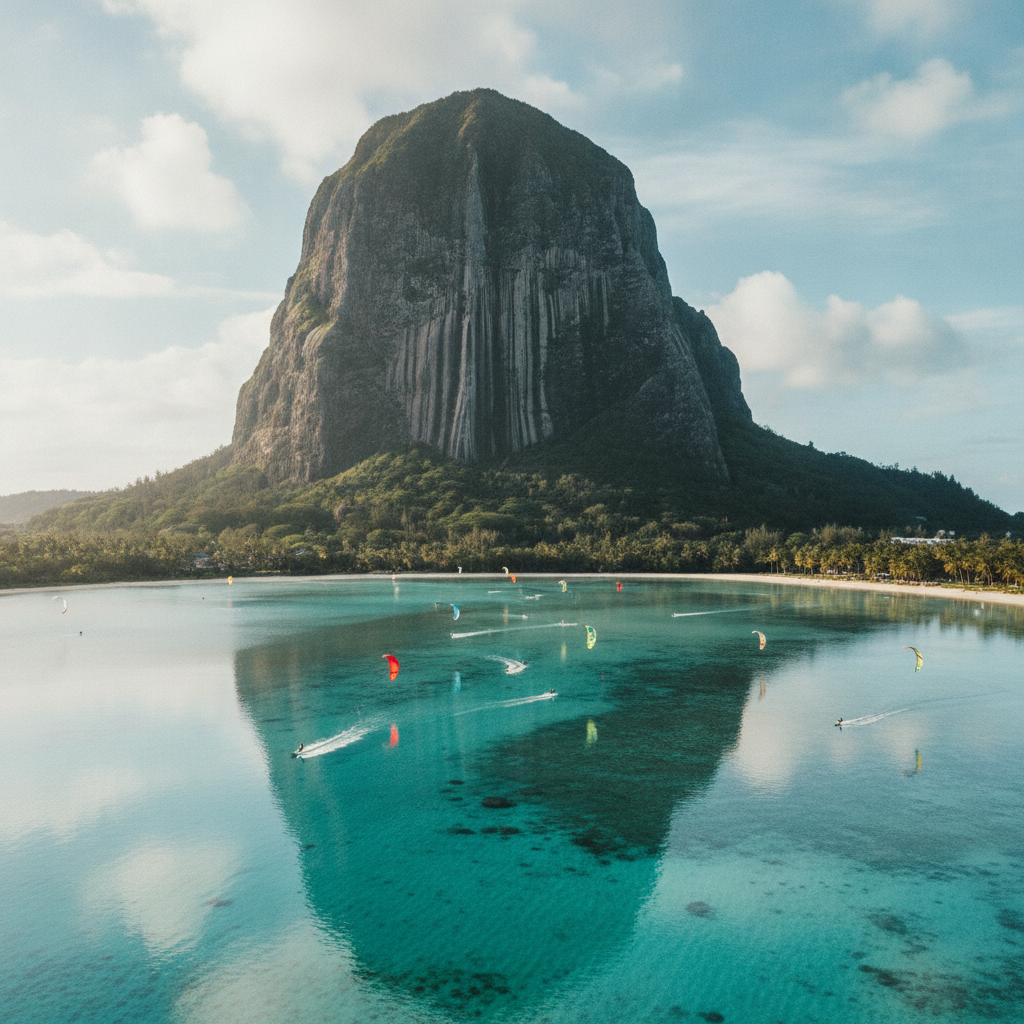
Port Louis: Central Market, Champ de Mars Racecourse, Sugar Heritage, Blue Bay Coral Reef, Le Morne UNESCO, and Colonial History
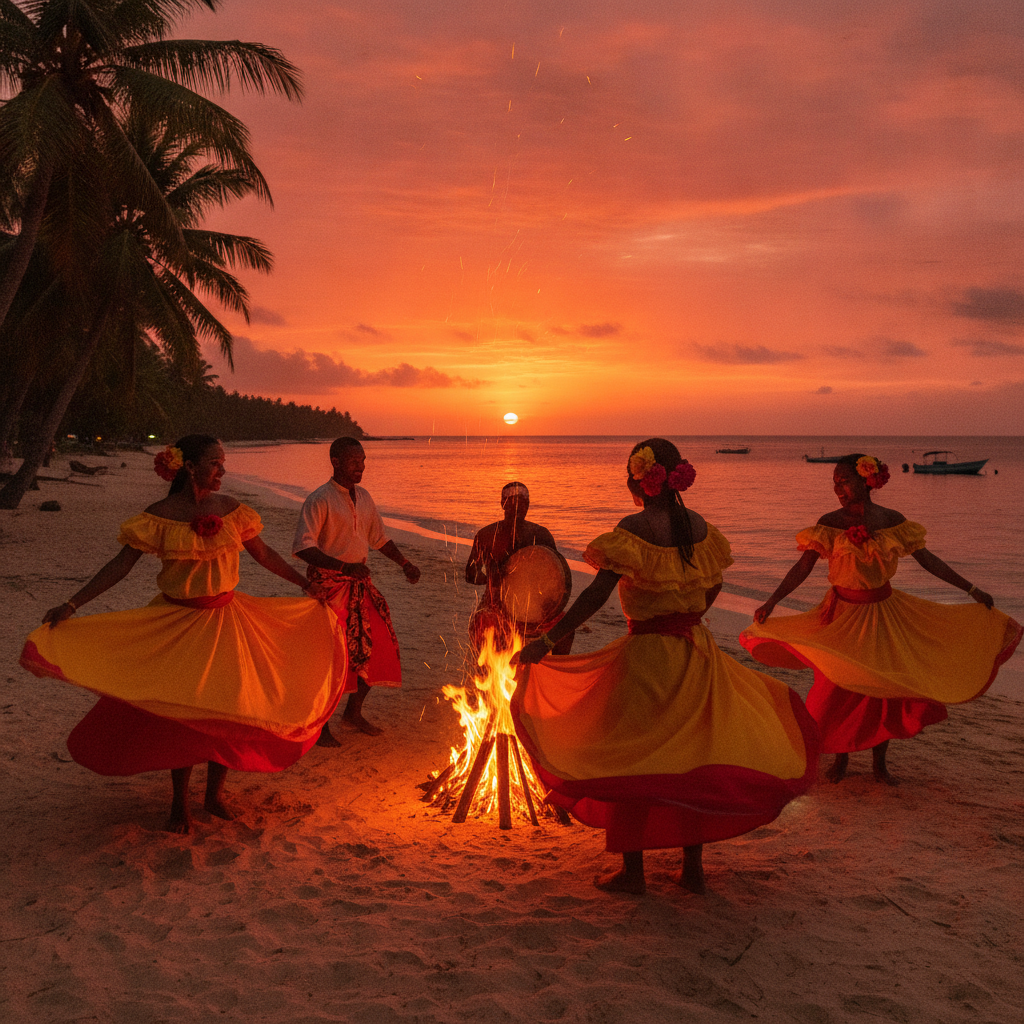
Port Louis: Mauritius Luxury Tourism, Chamarel Eco-Tourism, Hindu Festivals, Sino-Mauritian Chinatown, and Creole Sega Music
Port Louis Final Legacy: Rum Heritage, Muslim Community, Underwater Diving, Mahebourg Museum, and the Complete Mauritius Reference
Port Louis: Mauritian Cuisine, Grand Bassin Pilgrimage, Black River Gorges, Pamplemousses Garden, and Rodrigues Island