Portland Maine R3: Fishing industry (European fishing station Monhegan 1622, groundfish collapse 1990s-2000s overfishing factory trawlers NMFS political pressure Gulf of Maine warming 0.4C/decade fastest 99% world oceans, lobster monoculture risk warming driving lobster north, 5000 licensed lobstermen ropeless gear fight 2021-2022 right whale), Immigrants (Maine whitest state 92%, Lewiston 7000 Somali 2001 secondary migration 20% by 2010, Mayor Souza letter 2002 national flashpoint, Portland 10-15,000 refugees Congo Sudan Iraq Afghanistan, Bayside most diverse neighborhood, adult education 3000 students), Oysters crafts (150+ oyster farms merroir terroir, Eventide 2012 12-20 varieties brown butter lobster bao bun, Maine 50 artisan cheesemakers Seal Cove Appleton Silvery Moon, Hardshore gin Plummer gin spirits), Harbor (Portland Harbor Museum Spring Point Ledge Lighthouse causeway 290m, Casco Bay Lines 1845 mail boat Bailey Island longest US scheduled mail route 3hr, Portland Fish Pier sea urchins 90% exported Japan uni sushi, Portland Schooner Timberwind 1931 Bagheera 1924), Creative economy (MECA 1882 600 students, Haystack Mountain 1950 most prestigious US summer craft school, Sabbathday Lake Shaker 3 members last active community world, Maine Design Week October), Politics (Angus King independent governor 1995-2003 senator 2013, ranked-choice voting 2018 federal 2020 presidential first states Maine Alaska, Paul LePage 1948 Lewiston 18 children homeless at 11 governor 2011-2019 38% 48% plurality).
Portland Maine R3: fishing (Monhegan 1622, groundfish collapse overfishing Gulf of Maine warming 0.4C/decade, lobster monoculture risk north shift, 5000 lobstermen ropeless fight), immigrants (Maine 92% white, Lewiston 7000 Somali 2001 20% by 2010 Souza letter 2002, Portland 10-15,000 refugees Bayside diverse, adult ed 3000), oysters (150+ farms merroir, Eventide 2012 12-20 varieties bao bun brown butter lobster, 50 cheesemakers, Hardshore gin), harbor (Spring Point causeway 290m, Casco Bay Lines 1845 mail boat longest US 3hr, sea urchin 90% Japan uni, Schooner Timberwind 1931), creative (MECA 1882, Haystack 1950 most prestigious summer craft US, Sabbathday Lake 3 last Shakers world, Maine Design Week), politics (Angus King independent governor senator, ranked-choice 2018 federal 2020 presidential Maine Alaska, LePage 1948 Lewiston 18 children homeless 11 governor 38-48% plurality).
- 1
The Maine Fishing Industry - History and the Present
The Maine fishing industry: commercial fishing has been the foundation of Maine's economy since the earliest European settlement (the first European fishing station on the Maine coast was established at Monhegan Island in 1622 — two years before the Pilgrims landed at Plymouth Rock). The groundfish collapse: Maine's traditional groundfish industry (Atlantic cod, haddock, and pollock, historically the most important commercial fish in New England) collapsed catastrophically in the 1990s-2000s due to overfishing by a combination of factory trawlers (the industrial-scale vessels capable of harvesting fish faster than they could reproduce), the failure of federal fisheries management (the National Marine Fisheries Service consistently set catch limits above sustainable levels throughout the 1980s under political pressure from the fishing industry), and warming Gulf of Maine waters (the Gulf of Maine is warming faster than 99% of the world's oceans — approximately 0.4 degrees Celsius per decade since 1982 — due to the weakening of the Atlantic Meridional Overturning Circulation). The lobster monoculture risk: the same warming that destroyed the groundfish is driving the lobster northward (the lobster fishery has expanded dramatically in recent years as lobsters move from southern New England waters — where they were historically most abundant — to the cooler waters of Maine and Canada). Scientists warn that Maine's economy has become dangerously dependent on a single species in a rapidly changing ecosystem. The Maine lobsterman culture: the approximately 5,000 licensed lobster harvesters in Maine represent one of the most fiercely independent and politically organized occupational communities in the United States — the Maine lobster industry successfully fought off the Biden administration's attempt in 2021-2022 to mandate the use of ropeless fishing gear to protect the North Atlantic right whale.
- 2
Portland and Maine's Immigrant Communities
Maine's immigrant communities: Maine is the whitest state in the United States (approximately 92% white, non-Hispanic, compared to the national average of approximately 59%), but has experienced significant immigration in recent decades, creating pockets of remarkable diversity in Portland and Lewiston. The Somali community of Lewiston (at 65 km north of Portland): the city of Lewiston received approximately 7,000 Somali refugees beginning in 2001 (a spontaneous secondary migration from Atlanta and other initial resettlement cities, attracted by Maine's generous social services and low crime rate), making Lewiston approximately 20% Somali by 2010 and creating the most sudden demographic transformation in any New England city in recent history. The 2001 letter: Lewiston's mayor Raymond Souza wrote a controversial open letter in 2002 asking the Somali community to stop encouraging more people to come to Lewiston, citing strain on city services — the letter became a flashpoint in the national debate about refugee resettlement. Portland's refugee communities: Portland has resettled approximately 10,000-15,000 refugees from Somalia, Congo, Sudan, Eritrea, Iraq, Afghanistan, and multiple other countries since 2000, making it one of the most significant refugee resettlement cities in the northeastern United States relative to its size. The Portland adult education program (the largest adult education program in Maine): serving approximately 3,000 students per year, primarily newly arrived refugees and immigrants, with programs in English language acquisition, citizenship preparation, and workforce development. The Bayside neighborhood (the neighborhood immediately north of the Old Port, between Franklin Arterial and the Back Cove): the most diverse neighborhood in Portland, with Somali, Congolese, Vietnamese, and Cambodian restaurants and businesses alongside the Portland Public Market House.
- 3
Maine Crafts, Oysters, and the Farm-to-Table Movement
Maine farm-to-table and local food movement: Maine has one of the most dynamic local food movements in the United States, driven by the combination of extraordinary marine resources, a growing artisan food production sector, and a restaurant community committed to sourcing locally. Maine oysters: the 150+ oyster farms in Maine's coastal estuaries produce oysters of extraordinary diversity and quality — Glidden Point, Pemaquid, Damariscotta River, Pemaquid Point, Winter Point, Flying Point, and dozens of other oyster varieties are defined primarily by the specific estuary where they are grown (the terroir of oysters, called merroir, reflects the mineral composition, salinity, and temperature of the growing water). Eventide Oyster Co. (at 86 Middle Street, Portland, founded 2012): the most acclaimed oyster bar in New England, with a rotating menu of 12-20 Maine and New England oyster varieties and the brown butter lobster roll (served warm on a Chinese bao bun — a deliberate subversion of the traditional Maine lobster roll) that is the most discussed single dish in Portland food culture. Maine artisan cheese: the Maine cheesemaking industry (approximately 50 licensed artisan cheese producers in Maine) produces some of the finest soft-ripened and aged cheeses in the United States, with Seal Cove Farm (in Lamoine, 300 km northeast of Portland), Appleton Creamery (in Appleton), and Silvery Moon Creamery (in Westbrook, adjacent to Portland) being among the most acclaimed. Maine craft spirits: the Maine craft spirits industry (approximately 50 licensed distilleries) includes Hardshore Distilling Company (at 152 Riverside Street, Portland, the most acclaimed gin distillery in northern New England), New England Distilling (at 44 Plummer's Lane, Portland), and numerous producers of Maine gin, whiskey, and rum.
- 4
Portland Harbor Tours and Maritime Heritage
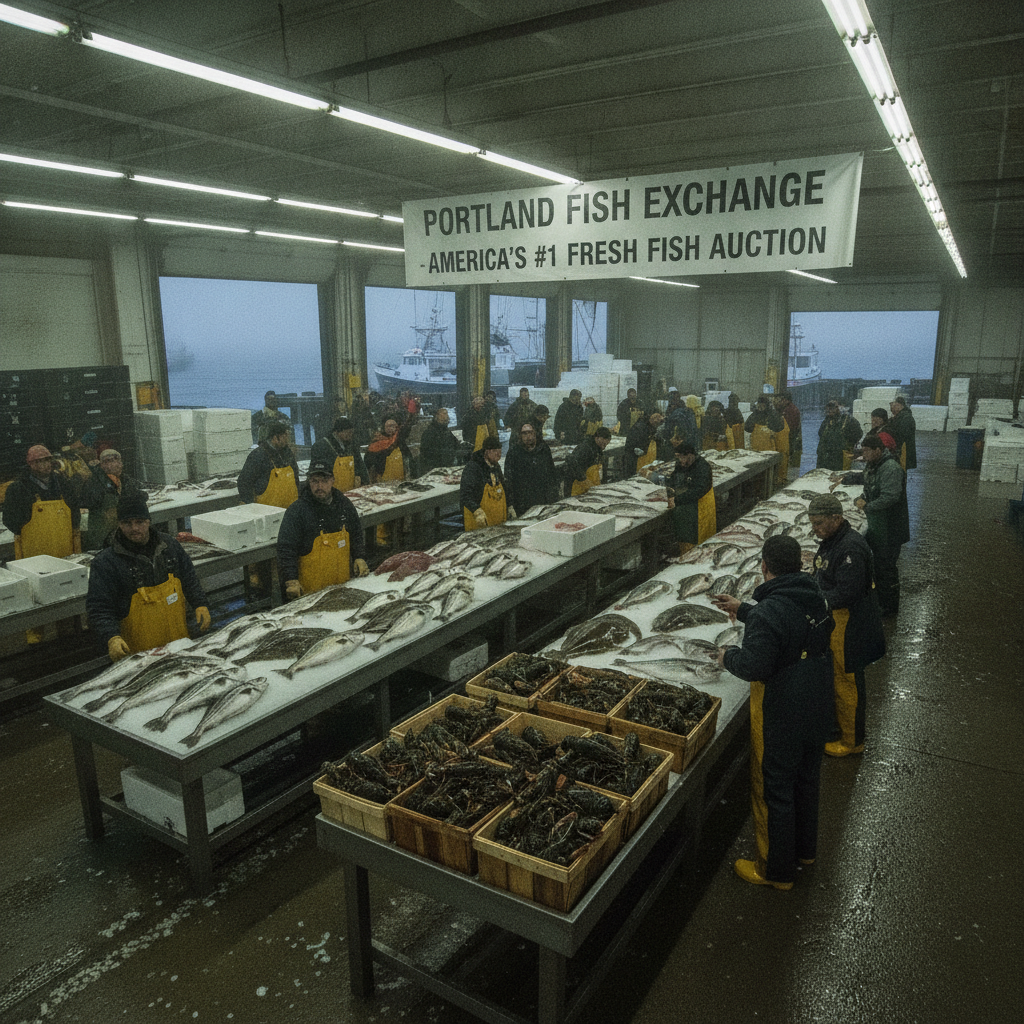
Portland's maritime heritage: Portland has been one of the most important seaports in northeastern North America since the 17th century, and its maritime heritage is woven into every aspect of the city's physical and cultural landscape. The Portland Harbor Museum (at 2 Fort Road, South Portland, adjacent to the Spring Point Ledge Lighthouse): the museum covering Portland's maritime history, with exhibits on the lighthouses, fishing industry, and the ships built in Portland yards. The Spring Point Ledge Lighthouse (the lighthouse at the end of a 290-m granite causeway at Fort Preble, South Portland): the most accessible walk-out lighthouse in Maine (visitors can walk the causeway to the lighthouse base). The Casco Bay Lines (at 56 Commercial Street, Portland): the ferry service operating since 1845 that connects Portland to the Calendar Islands, with the mail boat run (the Bailey Island mail boat run, the longest scheduled mail boat route in the United States, visiting 5 islands on a 3-hour circuit of Casco Bay) being the most scenic boat tour in Maine. The Portland Fish Pier (at the foot of Portland Street, on the waterfront): the working fishing pier where the Portland fleet unloads its catch daily (primarily lobster, sea urchins, and groundfish), with the Portland Fish Exchange (the daily fresh fish auction at 6 Portland Fish Pier) being the largest fresh fish auction in the United States by volume. Sea urchin diving: Maine is the largest producer of sea urchins (Strongylocentrotus droebachiensis, the green sea urchin) in the United States, with approximately 90% of the Maine harvest exported to Japan (where the sea urchin roe is called uni and is one of the most expensive sushi ingredients). The Portland Schooner Company (at 56 Commercial Street, the casco bay lines terminal): the operator of vintage gaff-rigged schooners (the Timberwind, built 1931, and the Bagheera, built 1924) offering day sails and multi-day coastal cruises from Portland.
- 5
Maine's Creative Economy - MECA, Pottery, and Design
Maine's creative economy: Maine has one of the most vibrant creative economies of any state, with a concentration of visual artists, craftspeople, furniture makers, potters, and textile artists drawn by the natural beauty, relative affordability (compared to larger cities), and community of makers. The Maine College of Art and Design (MECA, at 522 Congress Street, Portland, founded 1882): the accredited art college with approximately 600 students, whose graduates have populated Portland's gallery and studio scene, and whose annual graduate exhibitions are among the most anticipated art events in northern New England. The Maine Potters Market (at 376 Fore Street, Portland, the cooperative gallery of Maine studio potters): the oldest and most established craft cooperative in Maine, representing approximately 40 studio potters from across the state. The Haystack Mountain School of Crafts (at 89 Haystack School Drive, Deer Isle, Maine, 250 km northeast of Portland): the most prestigious summer craft school in the United States, with faculty including the most important contemporary studio artists in ceramics, metals, glass, woodworking, and textiles. Haystack has trained generations of American craft artists since its founding in 1950. The Maine Furniture Maker tradition: the Shaker communities of Maine (the Sabbathday Lake Shaker Community at 707 Shaker Road, New Gloucester, 35 km north of Portland — the only active Shaker community in the world, with approximately 3 members still living the celibate Shaker life in 2024) represent the origin of the Shaker furniture tradition that continues to influence American furniture design. The Maine Design Week (the annual showcase of Maine-based design firms, furniture makers, and interior designers, held in Portland in October): one of the most important regional design events in the northeastern United States. The Portland Society of Art (the gallery and arts organization at 6 Congress Square, adjacent to the Portland Museum of Art): the artist cooperative that has anchored the Congress Square arts district since the 1880s.
- 6
Maine's Political Culture and Paul LePage Legacy
Maine's political culture: Maine has one of the most distinctive and unpredictable political cultures of any American state — electing independent senators (Angus King, the independent senator, was elected governor twice and then senator twice, representing Maine's tradition of valuing independence over party loyalty), supporting ranked-choice voting (Maine was the first US state to use ranked-choice voting in federal elections, after a 2016 ballot initiative), and producing both Paul LePage (one of the most controversial governors in recent US history) and independent Senator King. Paul LePage (born January 9, 1948, Lewiston, Maine, born to a French-Canadian family of 18 children, raised in poverty and abused, homeless at age 11): the Republican governor of Maine from 2011 to 2019, who won two elections with pluralities of approximately 38% and 48% (benefiting from third-party candidates splitting the vote) and governed in a style so combative, erratic, and controversial that he became a national Republican political figure — famous for a recorded phone message in which he threatened a Democratic legislator, his comparison of the IRS to the Gestapo, and his claim that 90% of the drug dealers in Maine were Black or Hispanic (in a state that is 92% white). LePage ran unsuccessfully against Janet Mills for governor in 2022. Angus King (born March 31, 1944, Alexandria, Virginia): the independent governor of Maine 1995-2003 and independent US Senator since 2013, member of the Senate Intelligence Committee, who has become one of the most respected voices in American politics for his non-partisan approach to governance. Maine's ranked-choice voting: used in all federal primary and general elections since 2018, and adopted for presidential elections in 2020 — making Maine one of only two states to use ranked-choice voting in presidential elections (alongside Alaska).
Walk this route with audio
Stories play automatically as you reach each stop — no tapping needed.
More in portland-maine
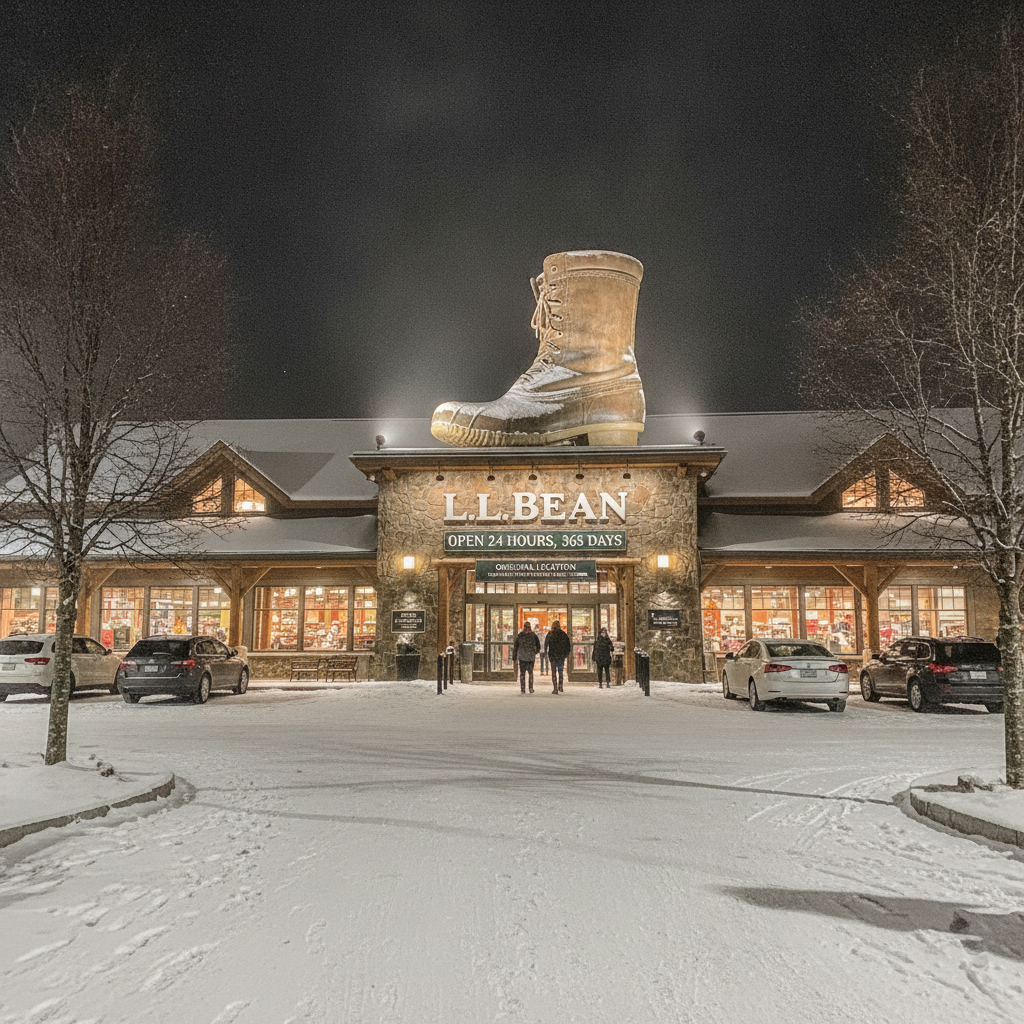
Portland Maine R5: Great Fire July 4 1866 (firecracker boatshop 4pm 1500 buildings 10,000 homeless 2 dead, rebuilt by 1870 most architecturally unified Victorian streetscape US, Italianate brick bracketed cornices, Maine granite Vinalhaven Deer Isle Crotch Island most important US stone industry 1820-1900), Civil War (70,000 Maine men 70% male population, 20th Maine Gettysburg July 2 1863, Chamberlain born 1828 Brewer bayonet charge Little Round Top saved Union left Medal of Honor awarded June 11 1900 37 years later, 54th Massachusetts Fort Wagner July 18 1863 Glory 1989 Denzel Washington Oscar), Bowdoin (1794 Brunswick 40km, Hawthorne Scarlet Letter 1850, Longfellow, Franklin Pierce 14th President Kansas-Nebraska Act 1854, Chamberlain, Peary North Pole, Peary-MacMillan Arctic Museum, University of Maine 1865 Orono 11,000), Freeport L.L. Bean (1912 Leon Bean Maine Hunting Shoe 100 pairs refunded, 24hrs 365 days since 1912, 3M visitors/year, 200 outlet stores, Desert of Maine overfarmed glacial silt 50 acres), Literature (Thoreau Maine Woods 1864 Katahdin 1846, E.B. White Charlotte's Web North Brooklin farm 1938-1985, Robert McCloskey born 1914 died Deer Isle 2003 Make Way Ducklings 1941 Caldecott 1942 Blueberries Sal), Economy (Aroostook 18-20% poverty 30% population loss since 1960, logging Penobscot River, paper mills Millinocket East Millinocket Lincoln Rumford closed 2008-2014 5000 jobs, cannabis 2016 2020 retail USD 150M 800 retailers, remote work COVID top 10 inflows).
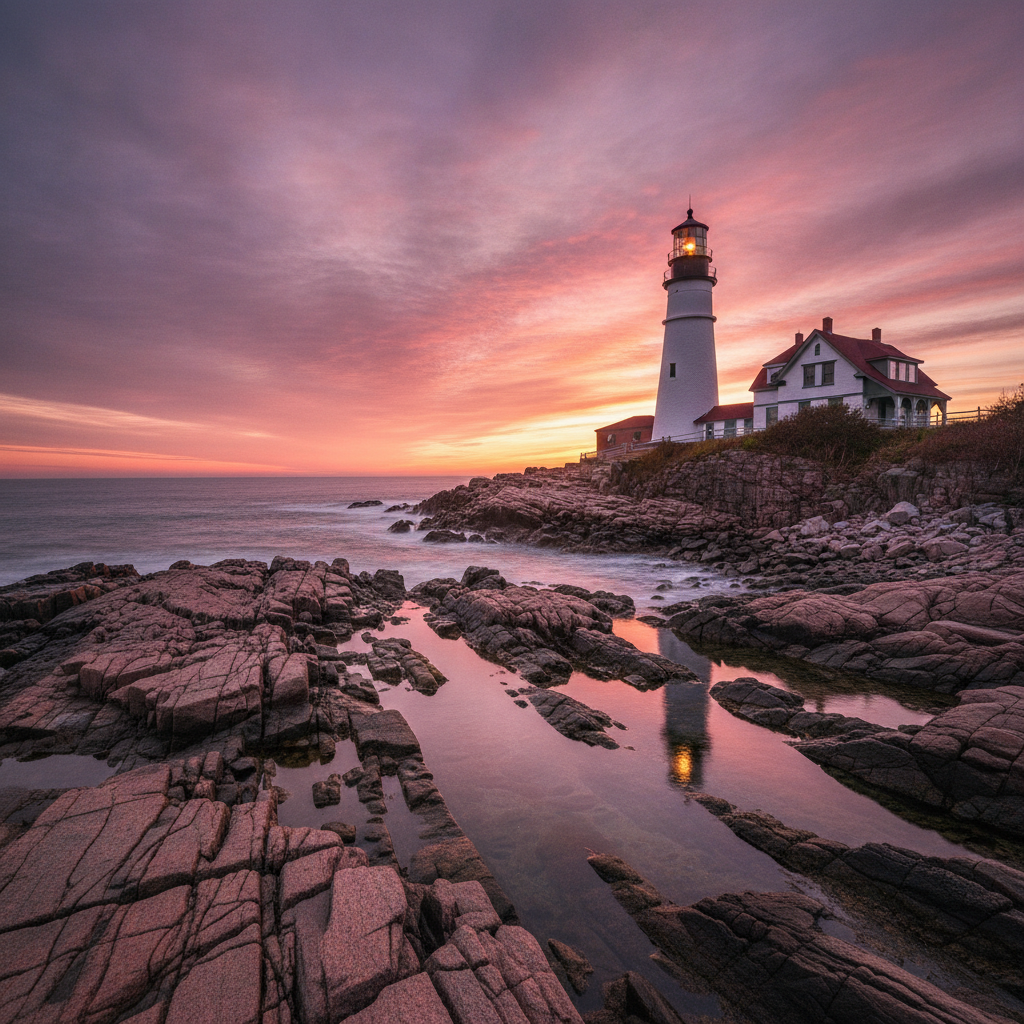
Portland Maine: Old Port, lighthouses, lobster industry, food scene, Acadia, and practical guide
Portland Maine R2-R5: Arts District (Portland Museum of Art 1882 18,000 works Winslow Homer collection, I.M. Pei wing 1983, First Friday Art Walk 10,000 monthly, Portland Observatory 1807 only remaining US maritime signal tower, State Theatre 1929 Art Deco 1600 seats); Literary (Harriet Beecher Stowe Uncle Tom's Cabin 1851-1852 best-selling 19th century US after Bible 300,000 copies year one Lincoln so you started this great war, Stephen King born Portland 1947 Bangor bat-gate house, Sarah Orne Jewett Country Pointed Firs 1896, E.B. White Charlotte's Web Maine saltwater farm); Casco Bay Islands (Peaks Island 15min 1000 residents Battery Steele WWII 1942 graffiti murals, Cliff Island 60 residents 90min no stores roads, Eagle Island Peary North Pole April 6 1909 summer home 1904, Maine Island Trail 375 miles 7000 kayakers); Wilderness (90% forested 7M hectares, moose 75,000-80,000 largest contiguous US, Baxter 83,371ha Governor Baxter 37 donations 1931-1962, Katahdin 1606m AT northern terminus 3540km 1000-1500 thru-hikers/year, Moosehead Lake 483km2 largest NE); Architecture (Great Fire July 4 1866 1500 buildings 10,000 homeless most destructive US before Chicago 1871, rebuilt 1867-1875 most coherent Victorian streetscape US, Victoria Mansion 1858 finest Italian Villa US, City Hall Carrere Hastings 1909); Seasonal (summer book 2-4 weeks advance, Lobster Festival July, Sunday River 135 trails, Sugarloaf best natural snow).