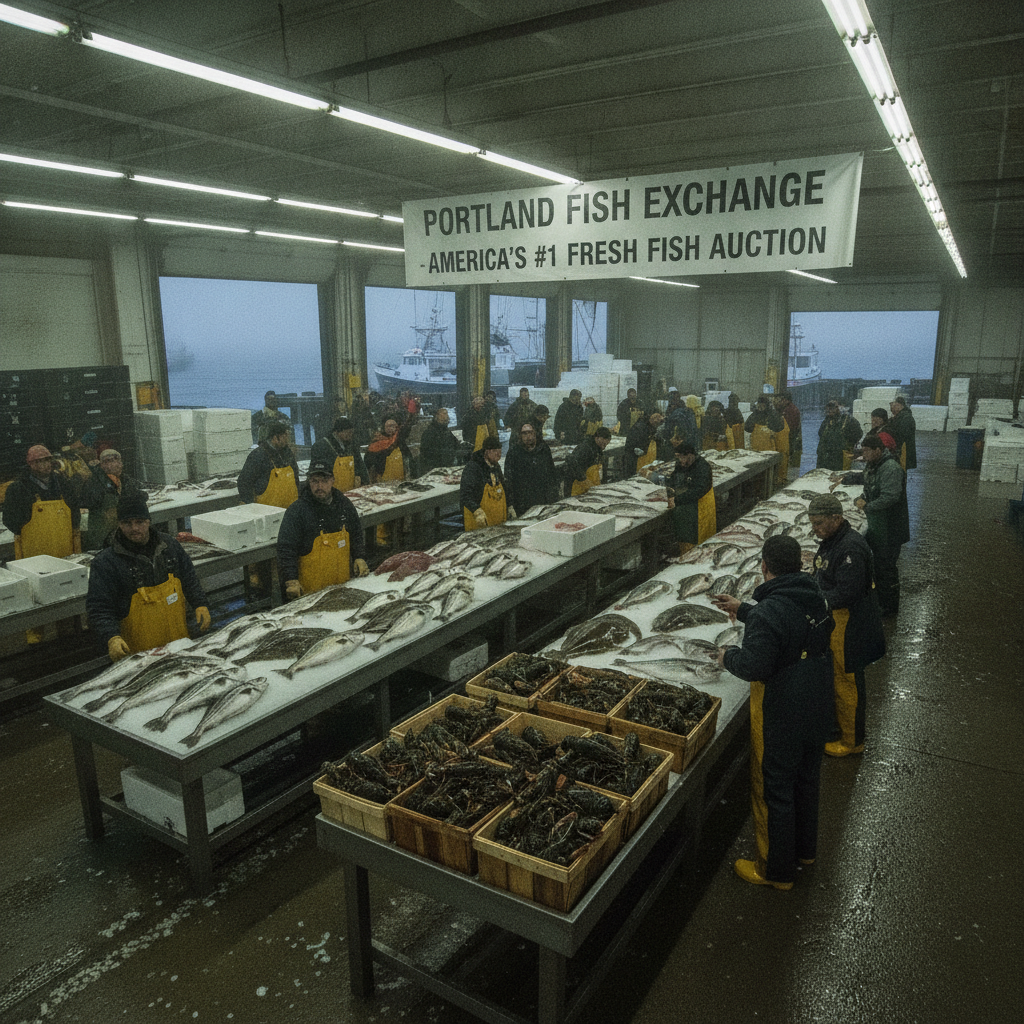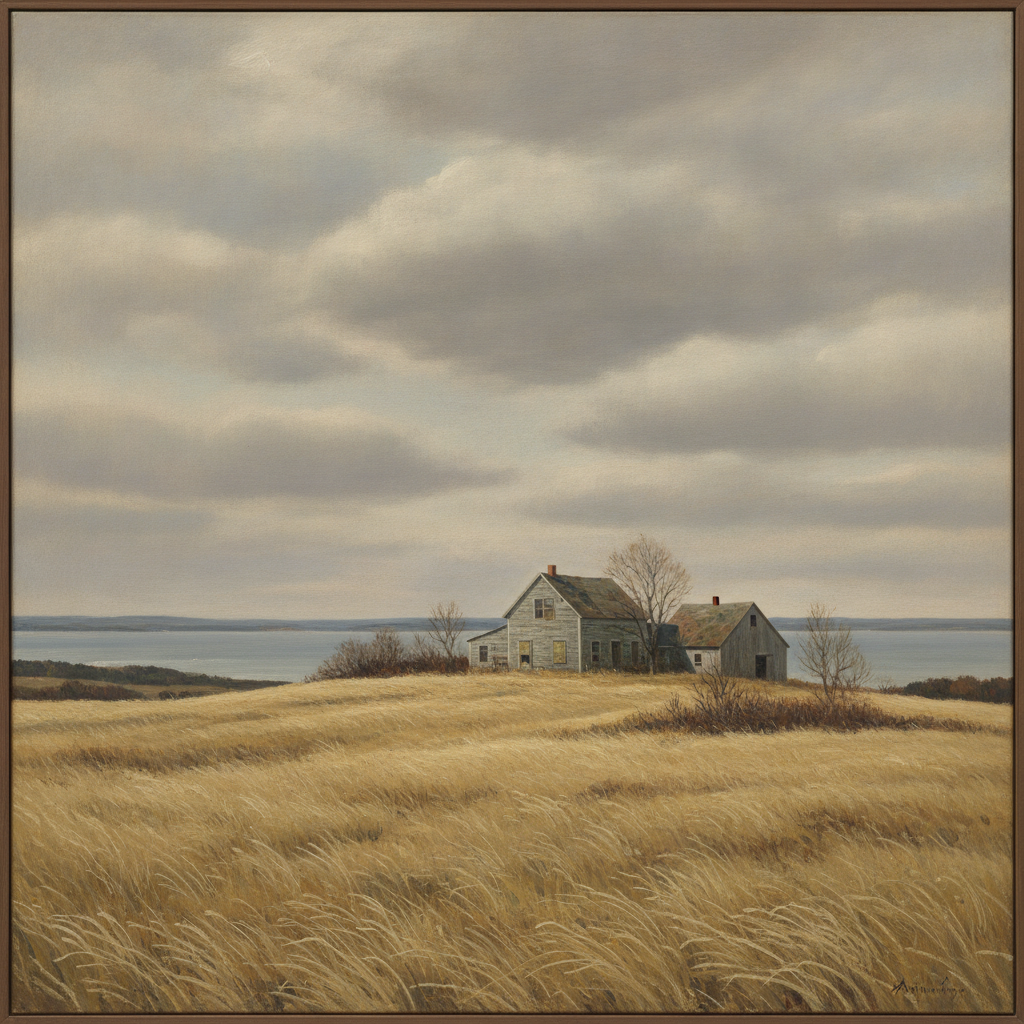
Portland Maine R4: Winslow Homer (born 1836 moved Prouts Neck 1883, Northeaster 1895 Blue Boat 1892 Eight Bells 1886, studio National Historic Landmark opened 2012, Farnsworth Museum Rockland finest NE regional art NC Wyeth died railroad crossing 1945, Andrew Wyeth Christina's World 1948 Olson House Cushing, Jamie Wyeth 1946 dynastic family), outdoors (sea kayaking premier eastern US, Maine Island Trail 600km 200 island campsites, L.L. Bean Freeport 1912 open 24hrs 365 days since 1951, Mount Battie 475m Camden Hills, Sugarloaf 1291m above treeline), Congress Street (Maine Historical Society 1822 oldest institution 2M items, Monument Square Civil War memorial Simmons 1891, Portland Press Herald 1862, West End Victorian Federal Greek Revival Italianate Queen Anne), Rangeley Lakes (180km north, 650km2 lake chain, Victorian resort 1880s Rangeley Lake House 500 guests, brook trout 6-8kg depleted, Wilhelm Reich Museum 1897-1957 orgone FDA censored destroyed publications 1954-1956 most significant scientific censorship US), Lobster roll (cold Mayo Maine-style vs warm drawn butter CT-style, Reds Eats Wiscasset 41 Water Street 45-90min lines full pound no mayo, Lukes Lobster 2009 Holden, Eventide brown butter bao, Five Islands lobster shacks), Wabanaki (Penobscot Passamaquoddy Maliseet Mi'kmaq Abenaki 12,000 years, Indian Island Old Town 2500 members, birchbark canoe 400kg capacity 20kg weight, Maine Indian Claims Settlement 1980 USD 81.5M 60% of Maine largest US Native settlement at time, Abbe Museum Bar Harbor).
Portland Maine R4: Homer (1836 Prouts Neck 1883, Northeaster Blue Boat Eight Bells, studio NHL 2012, Farnsworth Rockland best NE regional, NC Wyeth railroad 1945, Andrew Christina's World 1948 Olson House Cushing, Jamie 1946), outdoors (kayaking premier eastern US, Island Trail 600km, L.L. Bean 1912 open 24hrs since 1951, Battie 475m, Sugarloaf 1291m above treeline), Congress St (Maine Historical 1822 2M items, Monument Square 1891, Press Herald 1862, West End Victorian), Rangeley (180km 650km2 Victorian resort 500 guests, brook trout 6-8kg, Reich 1897-1957 orgone FDA censored publications 1954-1956), lobster roll (cold Mayo vs warm butter, Reds Eats Wiscasset 45-90min full pound, Lukes Holden 2009, Eventide bao, Five Islands shacks), Wabanaki (Penobscot Passamaquoddy 12,000 years, Indian Island 2500 members, birchbark 400kg 20kg, Claims Settlement 1980 USD 81.5M 60% Maine largest US at time, Abbe Museum Bar Harbor).
- 1
Winslow Homer and Maine's Artistic Tradition
Winslow Homer (born February 24, 1836, Boston; died September 29, 1910, Prouts Neck, Maine): the greatest American landscape painter of the 19th century, who moved to Prouts Neck (a private peninsula on the Atlantic coast, 22 km south of Portland) in 1883 and lived there until his death, producing the body of seascape paintings that are considered the finest American seascapes ever made. Homer's Maine period: the Prouts Neck paintings (including The Blue Boat 1892, Northeaster 1895, The Fog Warning 1885, Eight Bells 1886, and the watercolors of the Adirondacks and Caribbean) represent the maturation of Homer's vision into something wholly American — the confrontation of isolated figures with the overwhelming power of the natural world. Homer's studio (the converted carriage house at the Homer family estate at Prouts Neck, visible from the beach) was designated a National Historic Landmark and opened to the public in 2012 as a joint project of the Portland Museum of Art (which owns the studio) and the Homer family's private trust. The Farnsworth Art Museum (at 16 Museum Street, Rockland, Maine, 100 km northeast of Portland): the finest regional art museum in New England, with the world's most comprehensive collection of work by the Wyeth family — N.C. Wyeth (the illustrator and muralist, born October 22, 1882, died October 19, 1945, in an automobile accident at a railroad crossing in Chadds Ford, Pennsylvania), Andrew Wyeth (born July 12, 1917, Chadds Ford, Pennsylvania; died January 16, 2009, the painter of Christina's World 1948, painted at the Olson farmhouse in Cushing, Maine), and Jamie Wyeth (born July 6, 1946, Chadds Ford, born into the most important dynastic family in American art history). The Olson House (at 10 Hathorn Point Road, Cushing, Maine, 115 km northeast of Portland): the farmhouse where Andrew Wyeth's neighbor Christina Olson (born 1893, Cushing; died January 27, 1968, the woman depicted crawling up the hill in Christina's World) lived.
- 2
The Maine Outdoors - Kayaking, Hiking, and Cycling
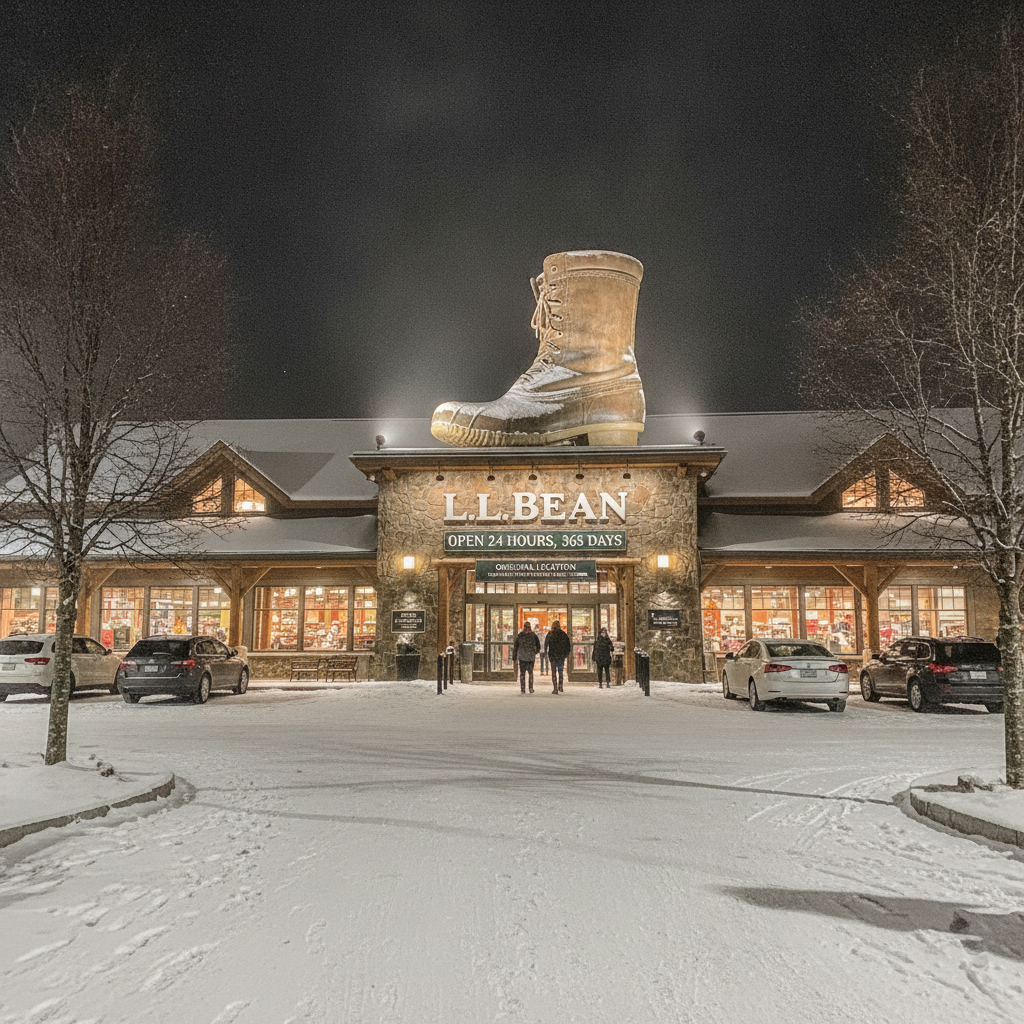
Maine outdoor recreation beyond skiing: the state's extraordinary natural environment (7 million hectares of forest, 5,500 km of tidal coastline, hundreds of lakes, and more mountains than any state east of the Mississippi River except Vermont and New Hampshire) provides the most diverse outdoor recreation landscape in the eastern United States. Sea kayaking in Maine: the Maine coast is the premier sea kayaking destination in the eastern United States, with the protected coves, island chains, and tidal passages of the Maine coast providing calm-water paddling for novices and exposed ocean crossings for experts. Maine Island Trail (the 600-km water trail from Casco Bay to Machias Bay): the kayaking route with campsites on 200 islands throughout the Maine coast, maintained by the Maine Island Trail Association (at 58 Fore Street, Portland). The L.L. Bean retail store (at 95 Main Street, Freeport, Maine, 30 km north of Portland): the flagship store of L.L. Bean (founded 1912 by Leon Leonwood Bean in Freeport), which is open 24 hours a day, 365 days a year (the store has never been closed for a single hour since 1951 — a tradition of perpetual opening that has become the most famous retail claim in American sporting goods culture). The Maine Beer Trail (the Brew Trail through southern Maine craft breweries): the route connecting Allagash, Bissell Brothers, Foundation Brewing, Lone Pine, and the 15+ other craft breweries within Portland city limits. Mount Battie (at 475 m, accessible by hiking trail or toll road from Camden, Maine, 90 km northeast of Portland): the summit with the most celebrated view in Maine, overlooking Penobscot Bay and the Camden Hills State Park. Sugarloaf (at 1,291 m, the second highest peak in Maine): the ski mountain 200 km north of Portland with the only above-treeline skiing in Maine.
- 3
Portland's Congress Street and the Maine Historical Society
Congress Street (the main commercial and cultural artery of Portland, running east-west across the peninsula from the Franklin Arterial to the Western Promenade): the street that contains Portland's most important civic and cultural institutions, the best stretch of Victorian commercial architecture in Maine, and the most concentrated collection of independent shops and restaurants in the city. The Maine Historical Society (at 489 Congress Street, adjacent to the Wadsworth-Longfellow House): the oldest cultural institution in Maine (founded 1822), with a research library of approximately 2 million items documenting Maine history from the 17th century to the present and a rotating program of exhibitions in the adjacent Maine History Gallery. Monument Square (the open plaza at the intersection of Congress and Preble Streets, with the Our Lady of Victories monument — the Civil War memorial designed by Franklin Simmons and erected in 1891): the civic heart of Portland, hosting the Wednesday farmers market, food truck gatherings, and political demonstrations. The Portland Press Herald (at 1 City Center, the newspaper founded 1862): one of the oldest continuously published newspapers in Maine and the most important news organization in northern New England. The Children's Museum and Theatre of Maine (at 142 Free Street, downtown Portland): the science and arts museum for children, the most-visited cultural institution in Maine by families. The West End neighborhood (the residential district west of the Arts District, on the western slope of the Portland peninsula): the most architecturally intact Victorian residential neighborhood in Maine, with Federal, Greek Revival, Italianate, and Queen Anne houses lining Congress Street and the surrounding streets.
- 4
The Rangeley Lakes and Maine's Interior
The Rangeley Lakes region (centered on Rangeley, Maine, 180 km north of Portland, at 500 m elevation in the western Maine mountains): the most beautiful lake country in New England, with a chain of lakes (Rangeley Lake, Mooselookmeguntic Lake, Richardson Lake, and 5 others) covering approximately 650 km2, surrounded by 1,000-m mountains and virtually unlimited moose habitat. Rangeley as a Victorian resort destination: the Rangeley Lakes became the most fashionable inland resort destination in New England in the 1880s-1900s, attracting wealthy vacationers from Boston, New York, and Philadelphia who arrived by train and stayed at the grand resort hotels (the Rangeley Lake House, accommodating 500 guests) for weeks at a time. The brook trout: Rangeley Lake is the historic home of the Rangeley strain of brook trout (Salvelinus fontinalis), a particularly large variant of the brook trout (which is actually a char, not a true trout) that reached weights of 6-8 kg in the 19th century and was the most prized sport fish in North America before the population was depleted by overfishing. The Wilhelm Reich Museum (at 69 Orgonon Circle, Rangeley, at the estate of Wilhelm Reich — born March 24, 1897, Dobzau, Austro-Hungary; died November 3, 1957, Lewisburg, Pennsylvania): the museum preserving the home, laboratory, and archive of the psychoanalyst and controversial scientist Wilhelm Reich, whose work on the orgone (his proposed universal life energy) was suppressed by the FDA in 1954-1956 (the FDA ordered the destruction of his publications and laboratory equipment — one of the most significant acts of scientific censorship in American history). The Appalachian Trail in Maine: the most demanding section of the AT, with the Mahoosuc Notch (the most difficult mile of the entire trail — a boulder field that requires one hour per kilometer of navigation through, under, and around house-sized granite boulders).
- 5
The Maine Lobster Roll Debate and Food Pilgrimage
The Maine lobster roll taxonomy: the lobster roll is the most contested single dish in New England food culture, with fierce advocates for each of the major variations. The Connecticut-style (warm) vs. Maine-style (cold) debate: the warm lobster roll (Connecticut-style, served with warm whole-claw and knuckle meat drizzled with drawn butter in a toasted top-split roll) is considered by many chefs to be the superior preparation, while the cold Maine-style (chilled claw and knuckle meat lightly tossed with mayonnaise, often with a touch of celery, on a toasted top-split roll) is the authentic Maine standard. The best lobster rolls in Portland: Red's Eats (at 41 Water Street, Wiscasset, Maine, 70 km north of Portland, open May-October) is the most famous lobster roll destination in New England — the overloaded roll (a full pound of warm lobster meat spilling out of a standard hot dog bun, served without mayonnaise) creates lines of 45-90 minutes in summer. Luke's Lobster (at multiple locations including 60 Portland Pier, Portland, founded 2009 by Luke Holden): the chain that standardized the premium Maine lobster roll concept for a national audience, using whole-claw and knuckle meat from Maine boats with minimal dressing. Eventide Oyster Co. (at 86 Middle Street): the brown butter lobster roll on a Chinese bao bun that is the most discussed innovation in the Maine lobster roll tradition. The lobster shacks: the classic Maine dining experience — eating steamed whole lobster from a plastic bib at a picnic table on the waterfront at places like Five Islands Lobster Co. (at 1447 Five Islands Road, Georgetown, Maine, 80 km north of Portland) and Harraseekett Lunch and Lobster (at 36 Main Street, South Freeport, Maine, 35 km north of Portland), with the Atlantic visible and the smell of salt air and boiling seawater.
- 6
Maine's Indigenous Heritage - the Wabanaki Confederacy
Maine's Wabanaki heritage: the indigenous peoples of Maine — collectively known as the Wabanaki Confederacy (the People of the Dawn) and comprising the Penobscot, Passamaquoddy, Maliseet, Mi'kmaq, and Abenaki nations — have inhabited the Maine coast and interior for at least 12,000 years and maintain a living presence in Maine despite centuries of colonization, epidemic disease, and land dispossession. The Penobscot Nation (at Indian Island, in the Penobscot River at Old Town, Maine, 140 km north of Portland): the federally recognized tribe of approximately 2,500 members, whose reservation (Indian Island) occupies the islands of the Penobscot River. The Penobscot River and the traditional canoe: the Penobscot River (the longest river in Maine, flowing 480 km from the mountains of central Maine to Penobscot Bay) was the primary highway of the Penobscot people, and the birchbark canoe (the most sophisticated watercraft in indigenous North America, capable of carrying 400 kg while weighing only 20 kg) was developed by the Wabanaki peoples to navigate this river system. The Passamaquoddy Tribe (at Pleasant Point Reservation, in Perry, Maine, 300 km northeast of Portland): the federally recognized tribe that won a landmark land claims case in 1980 (Maine Indian Claims Settlement Act) in which the US government paid approximately USD 81.5M to the Passamaquoddy and Penobscot tribes in settlement of their claim to approximately 60% of Maine's land area — the largest Native American land claims settlement in US history at the time. The Abbe Museum (at 26 Mount Desert Street, Bar Harbor, Maine, 280 km northeast of Portland): the museum dedicated to Wabanaki cultures, with a satellite location at the Sieur de Monts Spring in Acadia National Park.
Walk this route with audio
Stories play automatically as you reach each stop — no tapping needed.
More in portland-maine
Portland Maine R5: Great Fire July 4 1866 (firecracker boatshop 4pm 1500 buildings 10,000 homeless 2 dead, rebuilt by 1870 most architecturally unified Victorian streetscape US, Italianate brick bracketed cornices, Maine granite Vinalhaven Deer Isle Crotch Island most important US stone industry 1820-1900), Civil War (70,000 Maine men 70% male population, 20th Maine Gettysburg July 2 1863, Chamberlain born 1828 Brewer bayonet charge Little Round Top saved Union left Medal of Honor awarded June 11 1900 37 years later, 54th Massachusetts Fort Wagner July 18 1863 Glory 1989 Denzel Washington Oscar), Bowdoin (1794 Brunswick 40km, Hawthorne Scarlet Letter 1850, Longfellow, Franklin Pierce 14th President Kansas-Nebraska Act 1854, Chamberlain, Peary North Pole, Peary-MacMillan Arctic Museum, University of Maine 1865 Orono 11,000), Freeport L.L. Bean (1912 Leon Bean Maine Hunting Shoe 100 pairs refunded, 24hrs 365 days since 1912, 3M visitors/year, 200 outlet stores, Desert of Maine overfarmed glacial silt 50 acres), Literature (Thoreau Maine Woods 1864 Katahdin 1846, E.B. White Charlotte's Web North Brooklin farm 1938-1985, Robert McCloskey born 1914 died Deer Isle 2003 Make Way Ducklings 1941 Caldecott 1942 Blueberries Sal), Economy (Aroostook 18-20% poverty 30% population loss since 1960, logging Penobscot River, paper mills Millinocket East Millinocket Lincoln Rumford closed 2008-2014 5000 jobs, cannabis 2016 2020 retail USD 150M 800 retailers, remote work COVID top 10 inflows).
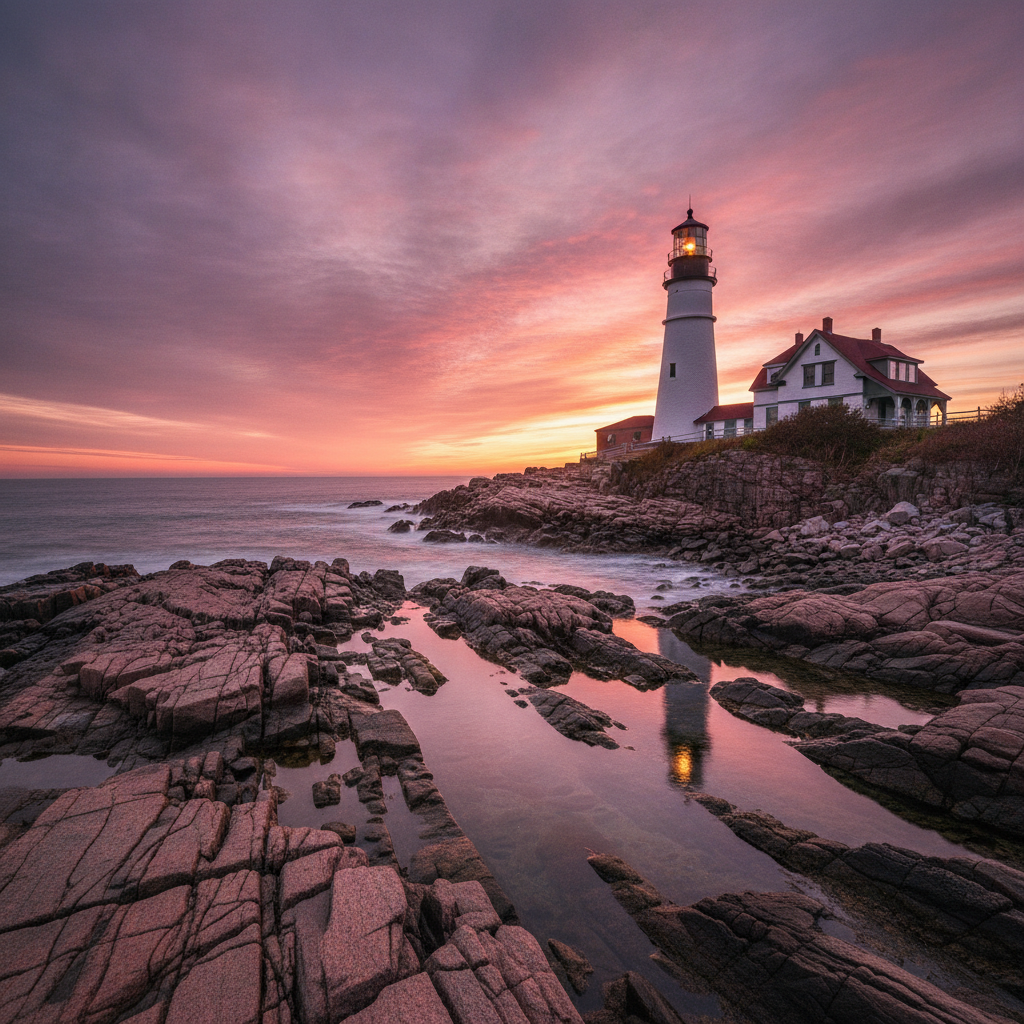
Portland Maine: Old Port, lighthouses, lobster industry, food scene, Acadia, and practical guide
Portland Maine R2-R5: Arts District (Portland Museum of Art 1882 18,000 works Winslow Homer collection, I.M. Pei wing 1983, First Friday Art Walk 10,000 monthly, Portland Observatory 1807 only remaining US maritime signal tower, State Theatre 1929 Art Deco 1600 seats); Literary (Harriet Beecher Stowe Uncle Tom's Cabin 1851-1852 best-selling 19th century US after Bible 300,000 copies year one Lincoln so you started this great war, Stephen King born Portland 1947 Bangor bat-gate house, Sarah Orne Jewett Country Pointed Firs 1896, E.B. White Charlotte's Web Maine saltwater farm); Casco Bay Islands (Peaks Island 15min 1000 residents Battery Steele WWII 1942 graffiti murals, Cliff Island 60 residents 90min no stores roads, Eagle Island Peary North Pole April 6 1909 summer home 1904, Maine Island Trail 375 miles 7000 kayakers); Wilderness (90% forested 7M hectares, moose 75,000-80,000 largest contiguous US, Baxter 83,371ha Governor Baxter 37 donations 1931-1962, Katahdin 1606m AT northern terminus 3540km 1000-1500 thru-hikers/year, Moosehead Lake 483km2 largest NE); Architecture (Great Fire July 4 1866 1500 buildings 10,000 homeless most destructive US before Chicago 1871, rebuilt 1867-1875 most coherent Victorian streetscape US, Victoria Mansion 1858 finest Italian Villa US, City Hall Carrere Hastings 1909); Seasonal (summer book 2-4 weeks advance, Lobster Festival July, Sunday River 135 trails, Sugarloaf best natural snow).