
Porto-Novo Ethnographic Museum: Fon, Yoruba & Beninese Heritage
The ethnographic museum in a converted Catholic mission is the finest documentation of Benin's ethnic diversity — Fon vodoun objects, Yoruba art, and the material culture of the Bariba and Fulani
- 1
Fon Vodoun Collection
The largest collection of Fon vodoun ritual objects in any museum — bocio protective figurines, assén iron altar staffs and cloth appliqués from the royal workshops of Abomey
- 2
Nago-Yoruba Section
Porto-Novo's large Nago community – Yoruba people who settled here before colonization – contributed a rich collection of ifa divination objects, twin figures and orisha objects
- 3
Bariba Kingdom Objects
The Bariba kingdom of northern Benin produced distinctive horse equipment, brass ornaments and cotton textiles — the museum's Bariba section is one of the few dedicated exhibits
- 4
Traditional house reconstruction
A full-scale reconstruction of a traditional Fon compound is built inside the museum — the circular sleeping huts, granaries and vodou altar arranged as in a living village
- 5
Photograph from the colonial era
Black and white photographs of Porto-Novo from the 1890s to the 1960s document the transformation from royal African capital to French colonial administrative center
- 6
Independence Collection
Items from the 1958-1960 independence period — election materials, party flags and personal items of Dahomey's independence leaders who negotiated freedom from France
Walk this route with audio
Stories play automatically as you reach each stop — no tapping needed.
More in Porto-Novo

Lake Nokoué: Porto-Novo's Lagoon & Stilt Village Waterscape

Porto-Novo's Missions, Seminary & French Colonial Education Legacy
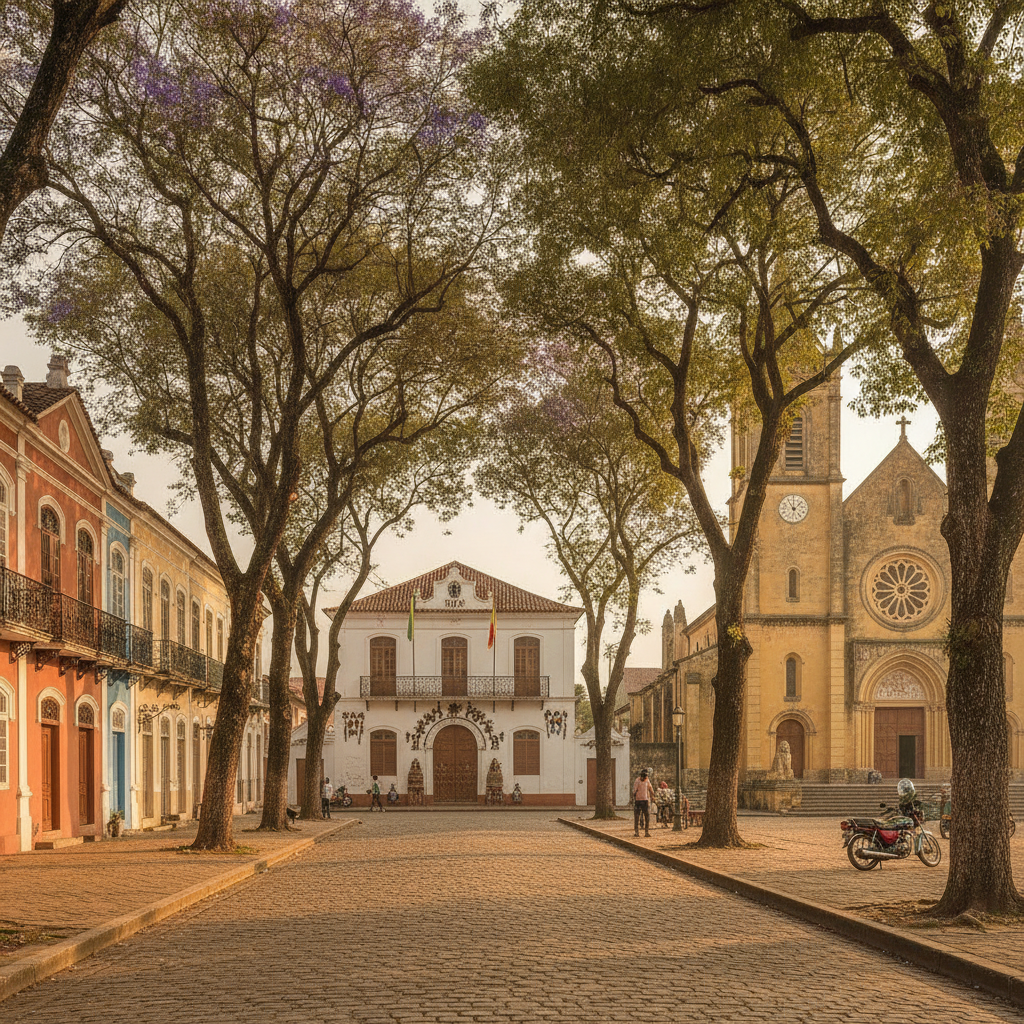
Porto-Novo's Colonial Architecture & Royal Heritage
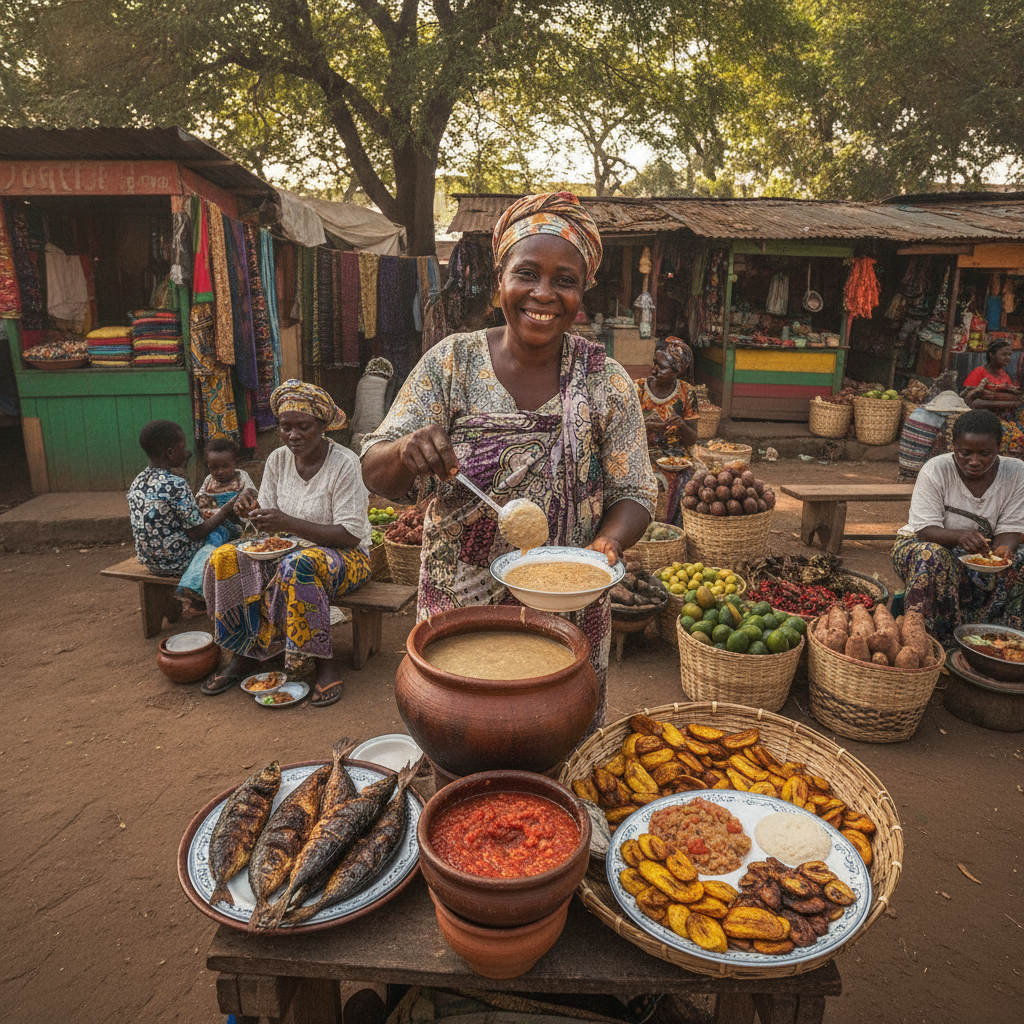
Porto-Novo's Market Food: Akasan, Grilled Fish & Beninese Flavours

Musée Honmé: King Toffa's Royal Collection
