FC Porto, Estádio do Dragão & Portuguese Football Culture
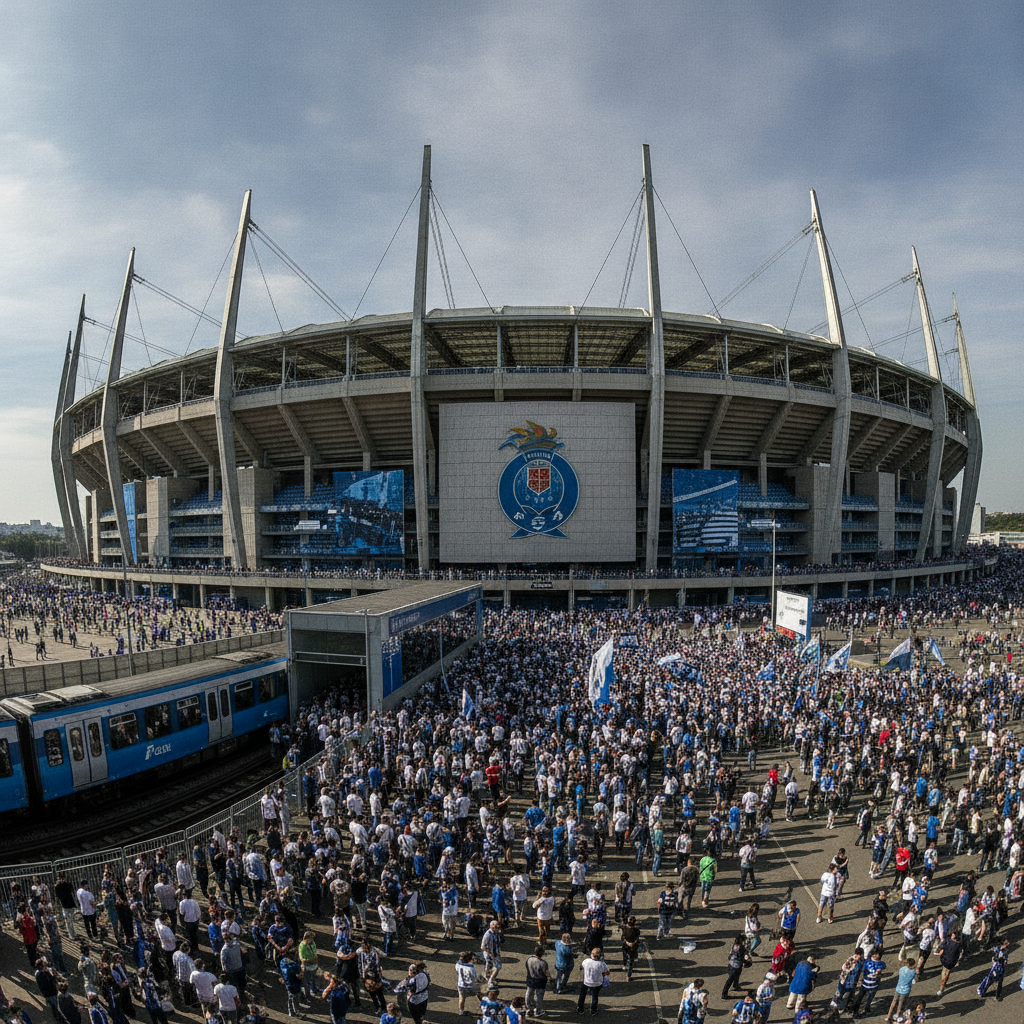
FC Porto (the 'Futebol Clube do Porto' — the football club founded in 1893, the dominant football club of northern Portugal and one of the most successful football clubs in Portuguese history: the club that has won the Portuguese Liga 30 times, the UEFA Champions League twice (1987 and 2004 — the 2004 Champions League win achieved under coach José Mourinho, the Porto-born coach who went on to win the Champions League with Chelsea, Internazionale, and manage Manchester United and Tottenham Hotspur)) and the Estádio do Dragão (the 50,033-capacity stadium built for UEFA Euro 2004) are the expression of Porto's intense civic pride and football identity.
- 1
Estádio do Dragão — Home of FC Porto
The Estádio do Dragão (the 'Dragon Stadium' — the home ground of FC Porto, located in the Antas district of eastern Porto, accessible by the Porto Metro (the Linha A metro line — the Estádio do Dragão station)): the stadium (the Estádio do Dragão — the 50,033-capacity stadium built 2001-2003 for the 2004 UEFA European Championship (the tournament hosted by Portugal in June-July 2004, won by Greece), designed by the Porto architect Manuel Salgado (the architect who also designed the Estádio José Alvalade in Lisbon, the home of Sporting CP)): the FC Porto history (the FC Porto (Futebol Clube do Porto) — the football club founded in 1893 by António Nicolau d'Almeida (a Porto wine merchant), the club that has dominated Portuguese football since the 1970s, winning the Primeira Liga (the top division of Portuguese football) 30 times (as of 2024) and finishing outside the top 2 only a handful of times in 50 years: the Champions League (the UEFA Champions League victories of FC Porto — the 1987 European Cup (the first European trophy won by a Portuguese club, won under coach José Maria Pedroto) and the 2004 UEFA Champions League (won under coach José Mourinho, with a squad including the players Deco (the Brazilian-Portuguese midfielder), Costinha, and Maniche)): José Mourinho (the most famous coach in FC Porto history — José Mourinho (b.1963 in Setúbal, Portugal), the coach of FC Porto from 2002 to 2004, who led the club to the 2003 UEFA Cup and the 2004 UEFA Champions League before moving to Chelsea (where he won the Premier League in his first two seasons), then Internazionale, Real Madrid, Tottenham Hotspur, and the Roma and the Fenerbahçe).
- 2
Porto Metro — Eduardo Souto de Moura's Underground Art
The Metro do Porto (the 'Porto Metro' — the light rail transit system of Porto, opened in 2002 and expanded to a network of 6 lines (the A, B, C, D, E, and F lines) serving the Porto metropolitan area): the Porto Metro stations (the architectural art of the Porto Metro stations — the Porto Metro was designed as a showcase of contemporary Portuguese architecture, with the metro stations designed by leading Portuguese architects and decorated with original artworks and azulejo tile installations): Eduardo Souto de Moura (the Porto architect Eduardo Souto de Moura (b.1952) who won the Pritzker Prize in 2011 — the architect who designed several of the Porto Metro stations (the Trindade station (the main interchange station of the Porto Metro system), the Salgueiros station, and the Heroísmo station) in the austere, minimalist concrete style that is characteristic of the 'Porto School' of architecture): Álvaro Siza Vieira (the Matosinhos-born architect Álvaro Siza Vieira (b.1933) who won the Pritzker Prize in 1992 — the architect who designed several of the Porto Metro stations in the naturalistic, flowing concrete style that is his trademark): the D line on Dom Luís I Bridge (the most celebrated section of the Porto Metro — the Linha D (the yellow metro line) that crosses the upper deck of the Dom Luís I Bridge, offering the most spectacular metro journey in Portugal (the metro running on the historic iron bridge 45 metres above the Douro River, with the panoramic views of the two cities on either side)).
- 3
Bonfim & the New Porto Creative Scene
The Bonfim neighbourhood (the Bonfim — the inner-city neighbourhood east of the historic centre of Porto, the neighbourhood that has been the most rapidly transforming neighbourhood in Porto in the 2015-2025 period, the neighbourhood that has attracted the greatest concentration of independent restaurants, natural wine bars, coffee roasters, independent clothing stores, and cultural venues in Porto): the Rua do Bonfim (the main street of the Bonfim neighbourhood — the street lined with the independent restaurants, the concept stores, and the bars that have made the Bonfim the most talked-about neighbourhood in Porto): the Bonfim restaurants (the independent restaurants of the Bonfim — the 'DOP' (the restaurant of the Porto chef Rui Paula, the holder of one Michelin star, in the Palácio das Artes on the Largo de São Domingos), the 'Antiqvvm' (the Michelin-starred restaurant in the Quinta do Crasto villa in the Foz do Douro district), and the 'Euskalduna Studio' (the tasting-menu restaurant of the Porto chef Vasco Coelho Santos, the most innovative fine dining restaurant in Porto, the restaurant with the open kitchen and the 18-course tasting menu)): the coffee culture (the Porto coffee culture — the independent coffee roasters and specialty coffee shops of Porto (the 'Combi Coffee' on the Rua do Bonfim, the 'Moustache' on the Rua de Passos Manuel, and the 'Candelabro' on the Rua das Carmelitas) that have made Porto one of the most dynamic specialty coffee cities in southern Europe).
- 4
Leça da Palmeira & Álvaro Siza's Swimming Pools
The Piscinas de Marés de Leça da Palmeira (the 'Leça da Palmeira Tidal Pools' — the public outdoor sea bathing complex at Leça da Palmeira, 15 km north of Porto on the Atlantic coast, designed by the Porto architect Álvaro Siza Vieira and built 1966): the pools (the Piscinas de Leça — the public tidal swimming pools built into the rocky Atlantic coastline at Leça da Palmeira, the complex that is regarded as one of the masterpieces of 20th-century Portuguese architecture and one of the most important works in the career of Álvaro Siza Vieira): the architecture (the Álvaro Siza Vieira design for the Piscinas de Leça — the complex that uses the natural rock formations of the Atlantic coast as the structural framework of the pools (the pool walls built into the existing rock outcrops, the pool basins carved out of the existing rock platform at the sea edge), with the concrete changing rooms and the entrance walkways threaded through the rocks in a manner that appears entirely natural while being entirely designed): the tidal pools (the pools at Leça — the two swimming pools (one for adults and one for children) filled by the tidal flow of the Atlantic Ocean, the pools that are clean and cold (the Atlantic water temperature on the Porto coast ranges from 14°C (57°F) in winter to 20°C (68°F) in summer)) and the surf (the Atlantic surf breaking over the rocks surrounding the pools on days of high swell — the dramatic combination of the calm pool and the wild Atlantic sea that makes the Piscinas de Leça one of the most extraordinary bathing experiences in Europe).
- 5
Day Trip — Guimarães, the Birthplace of Portugal
Guimarães (the city 50 km northeast of Porto, accessible in 60 minutes by the suburban train from Porto Campanhã (the CP intercity service) or by car via the A3 motorway — the 'Birthplace of Portugal', the city where the first king of Portugal, D. Afonso Henriques (1109-1185), was born and where the County of Portugal was established in the early 12th century): the UNESCO World Heritage Site (the Historic Centre of Guimarães — designated as a UNESCO World Heritage Site in 2001, the medieval town centre of Guimarães, the most intact medieval town centre in northern Portugal): the Castelo de Guimarães (the 'Castle of Guimarães' — the 10th-century castle on the hilltop above the Guimarães old town, the castle where D. Afonso Henriques is said to have been born (the tradition, though disputed by some historians), the most important medieval castle in northern Portugal): the Paço dos Duques de Bragança (the 'Palace of the Dukes of Bragança' — the early 15th-century palace below the castle, the former residence of the Dukes of Bragança (the noble family that would later become the royal dynasty of Portugal), the palace restored in 1937-1959 and now used as the official residence of the President of Portugal when visiting Guimarães): the old town (the Guimarães old town — the Largo da Oliveira (the main square with the Gothic portico and the Colegiada church), the Rua de Santa Maria (the medieval street lined with the 14th-16th century townhouses), and the Praça de Santiago (the charming cobblestone square with the outdoor cafés)).
- 6
Jardins de Serralves & Contemporary Art in Porto
The Fundação de Serralves (the 'Serralves Foundation' — the contemporary art foundation in the western residential districts of Porto, the most important institution for contemporary art in Portugal): the Museu de Arte Contemporânea de Serralves (the museum building designed by the Porto architect Álvaro Siza Vieira (b.1933 in Matosinhos, the 1992 Pritzker Prize laureate) and built 1996-1999 — the white rendered concrete museum building in the Serralves Estate park, the building that is both a masterpiece of contemporary architecture and the premier contemporary art venue in Portugal): the Serralves park (the 18-hectare park of the Serralves Estate — the landscape garden laid out in the 1930s around the Art Deco 'Casa de Serralves' (the Art Deco villa of the Count of Vizela, built 1925-1940 by the French architect Jacques Gréber in collaboration with the Portuguese architect José Marques da Silva), the park with the formal gardens, the woodland walks, the kitchen garden, the rose garden, and the outdoor sculpture park): the Casa de Serralves (the Art Deco 'Casa de Serralves' — the pink Art Deco villa that was the centrepiece of the Serralves Estate before the construction of the Álvaro Siza museum, the villa now used for temporary exhibitions, events, and the Serralves Foundation offices): the Serralves em Festa (the 'Serralves Festival' — the annual 40-hour arts festival held in the Serralves park on the last weekend of May, the largest contemporary arts festival in Portugal, with the performances, the installations, the workshops, and the concerts taking place across the entire Serralves Estate from midnight on Saturday to midnight on Sunday).
Walk this route with audio
Stories play automatically as you reach each stop — no tapping needed.
More in porto
Casa da Música, Serralves & Porto's Contemporary Culture
Vila Nova de Gaia, Port Wine Lodges & Tastings
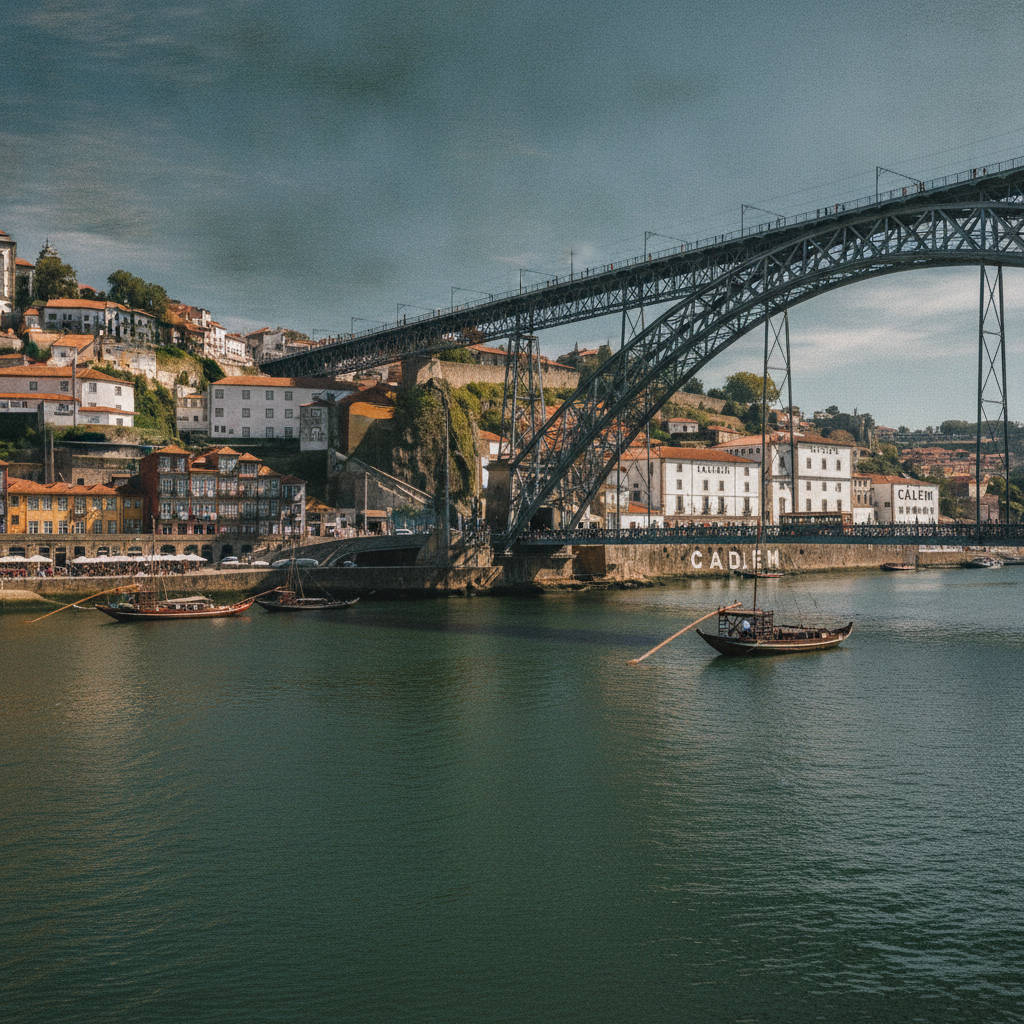
Ribeira, the Douro & Porto's UNESCO Waterfront
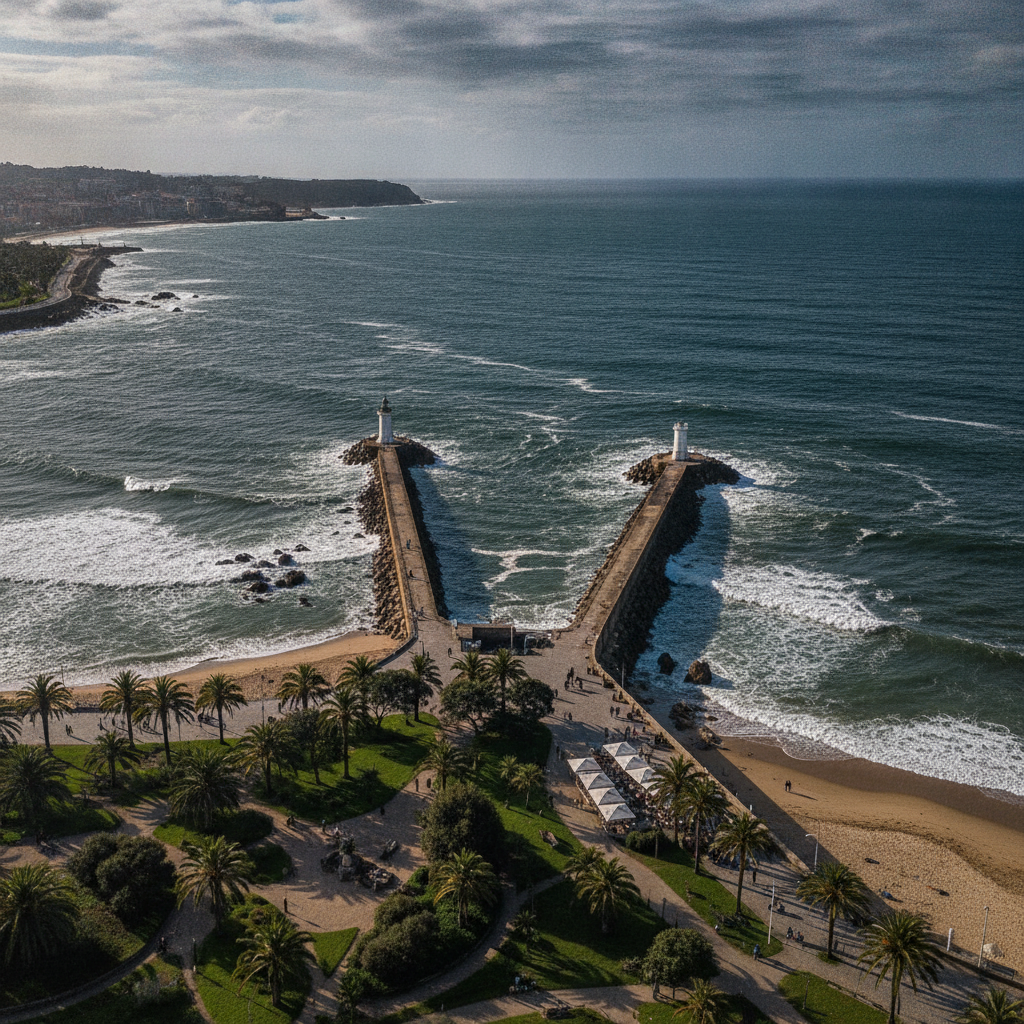
Foz do Douro, Atlantic Coast & Porto's Ocean Neighbourhood
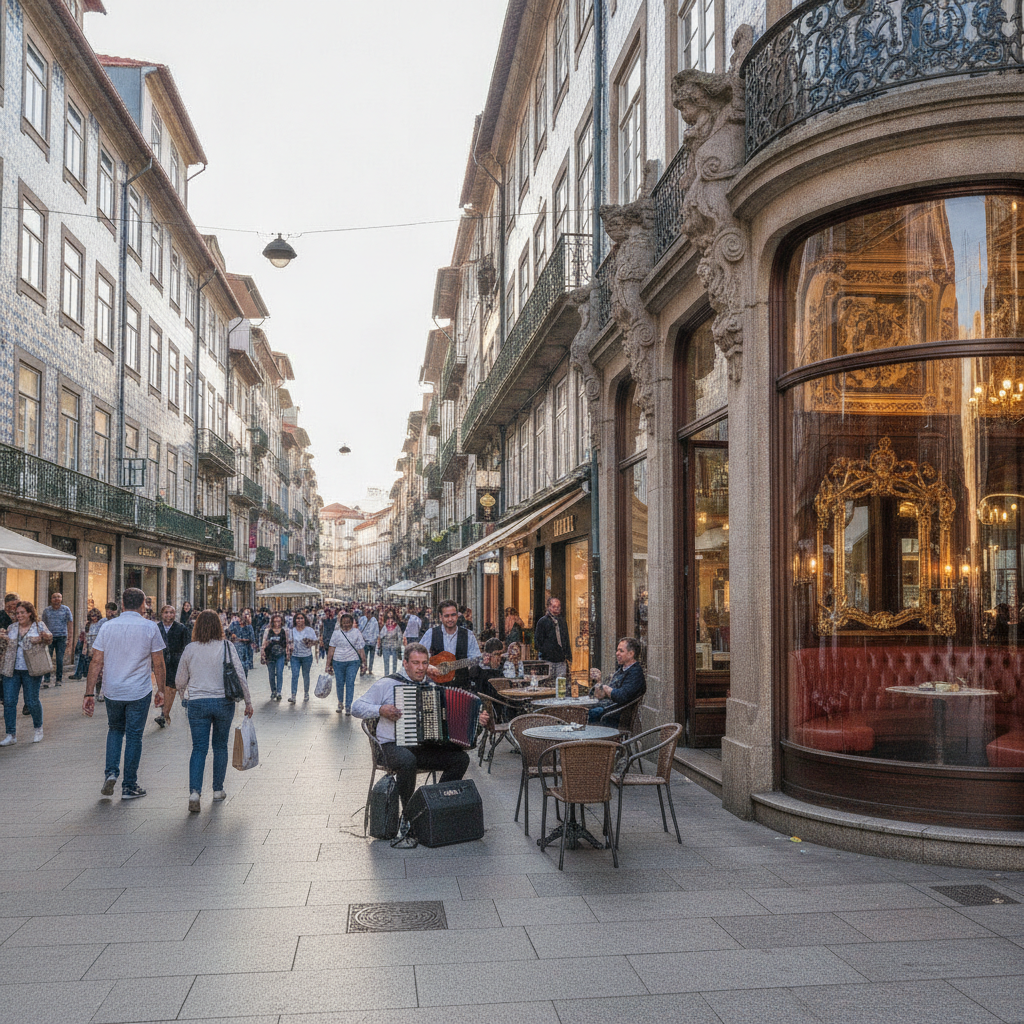
Rua de Santa Catarina, Café Majestic & Porto's Shopping Heart