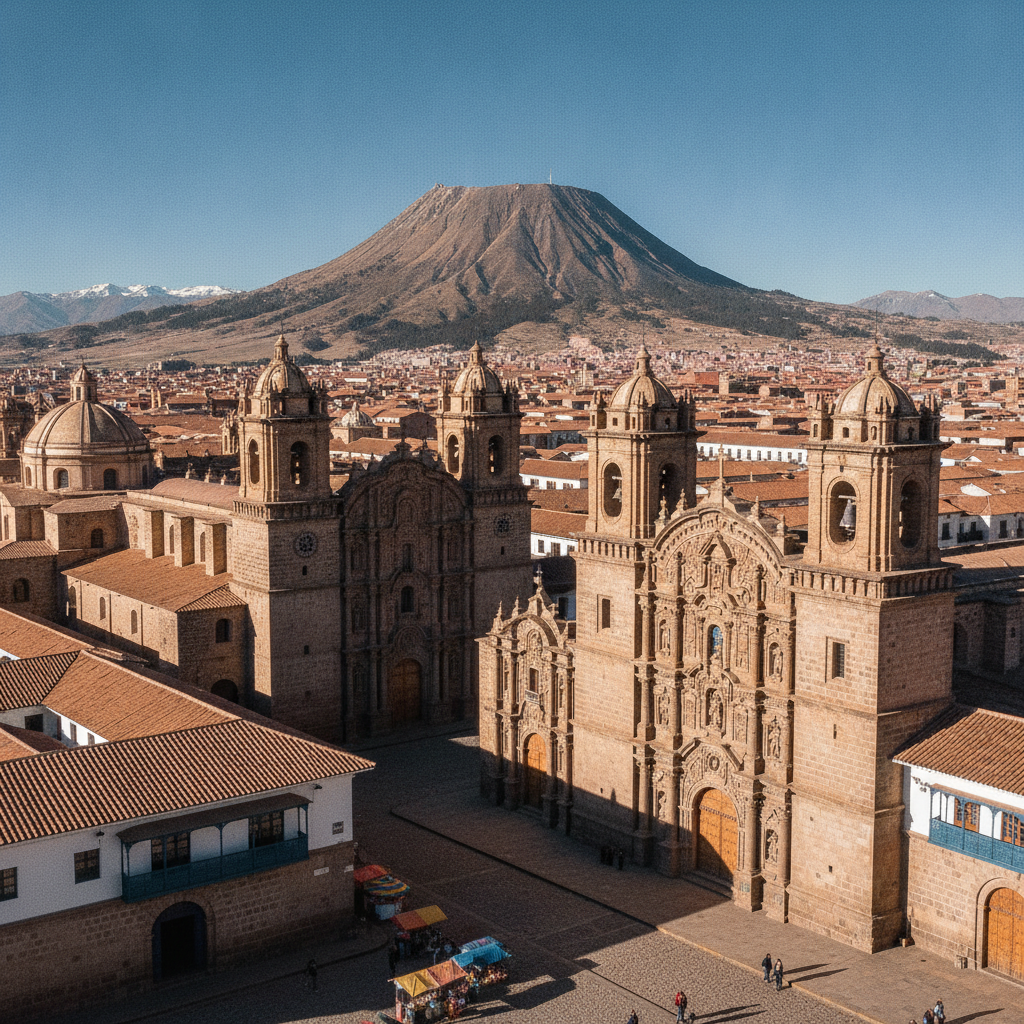
Potosí: The World's Richest Colonial City
The UNESCO World Heritage historic city of Potosí preserves the finest concentration of colonial baroque architecture in the Americas — the churches, convents, and mansions built with the Cerro Rico's silver wealth are a monument to colonial excess and indigenous suffering
- 1
UNESCO Heritage Status
Potosí's historic center was declared a UNESCO World Heritage Site in 1987 - the most complete colonial city in the Americas; the city's 22 colonial churches, the Casa de la Moneda and more than 2,000 colonial residential buildings represent an intact record of colonial urban planning and architecture from the 17th century
- 2
Potosí Cathedral
Potosí Cathedral – rebuilt in neoclassical style in the 19th century after the original Baroque cathedral – dominates Plaza 10 de Noviembre; the interior of the cathedral houses colonial paintings, carved altarpieces and silverwork; the contrast between the ornate interior and the impoverished city around is Potosí's central contradiction
- 3
San Lorenzo Church
The Iglesia de San Lorenzo – with its extraordinary Mestizo Baroque portal (combining Spanish Baroque with Andean imagery) – is considered the finest individual colonial Baroque facade in Bolivia; The carved stone figures of the portal include mermaids, suns and native faces along with biblical saints
- 4
colonial mansions
Potosí's historic center has more than 2,000 colonial residential buildings — the mansions of the silver merchants and colonial administrators; the buildings' courtyards (now converted into hostels and restaurants), their carved stone portals and their wooden balconies are the residential equivalent of the city's religious architecture
- 5
Mercado Artesanal
The artisan market on Calle Millares – in the heart of Potosí's colonial center – sells the distinctive textiles, silverwork and handicrafts of the Potosí region; the market is housed in a colonial building and the artisanal products include the filigree silver that continues Potosí's metalworking tradition
- 6
Thermal baths at Tarapaya
The hot springs of Tarapaya — 25 km from Potosí — were used by the Inca emperors; the circular pool (Ojo del Inca) filled with warm mineral water in a volcanic landscape is one of the most atmospheric thermal bathing experiences in Bolivia; the sources were also used by the Spanish viceroys stationed in Potosí
Walk this route with audio
Stories play automatically as you reach each stop — no tapping needed.
More in Potosí
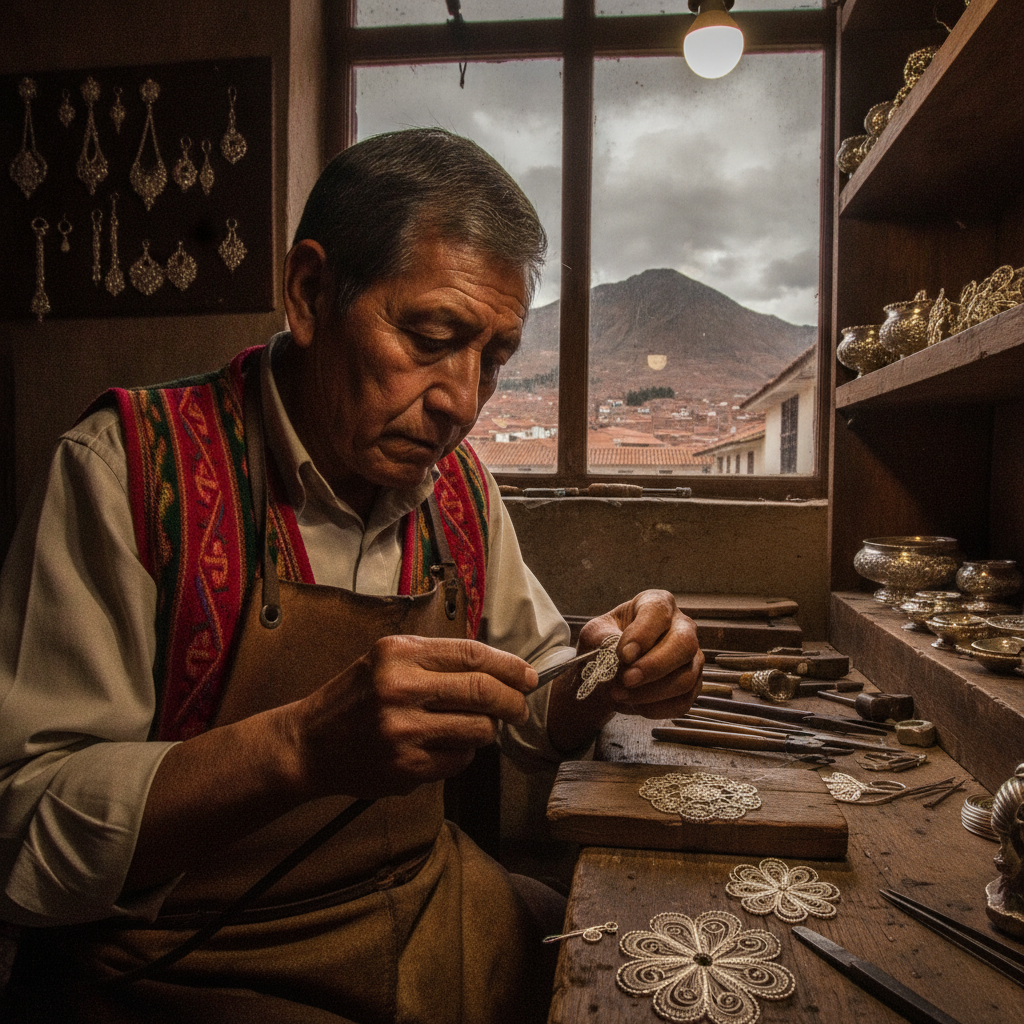
Potosí Silver: The Craft of the World's Silver Capital
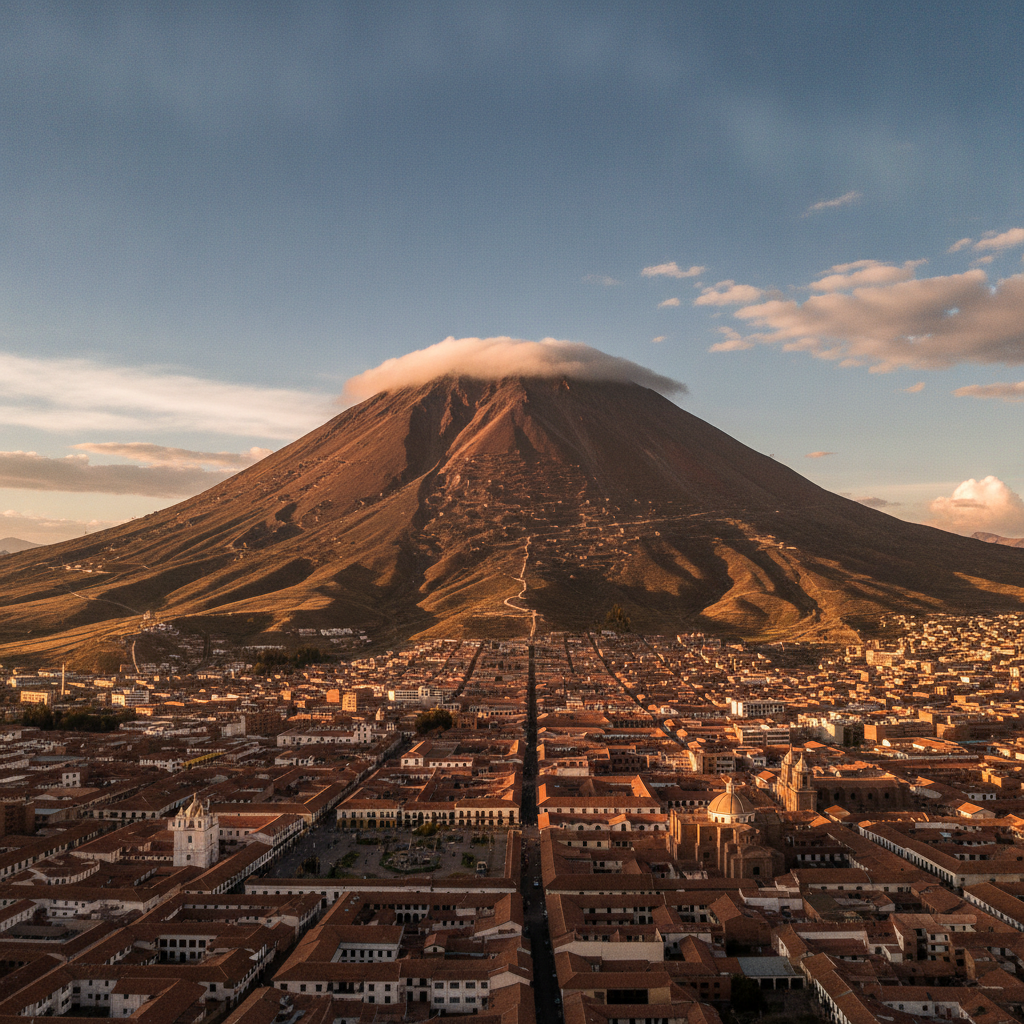
Potosí: The Mountain That Ate Men
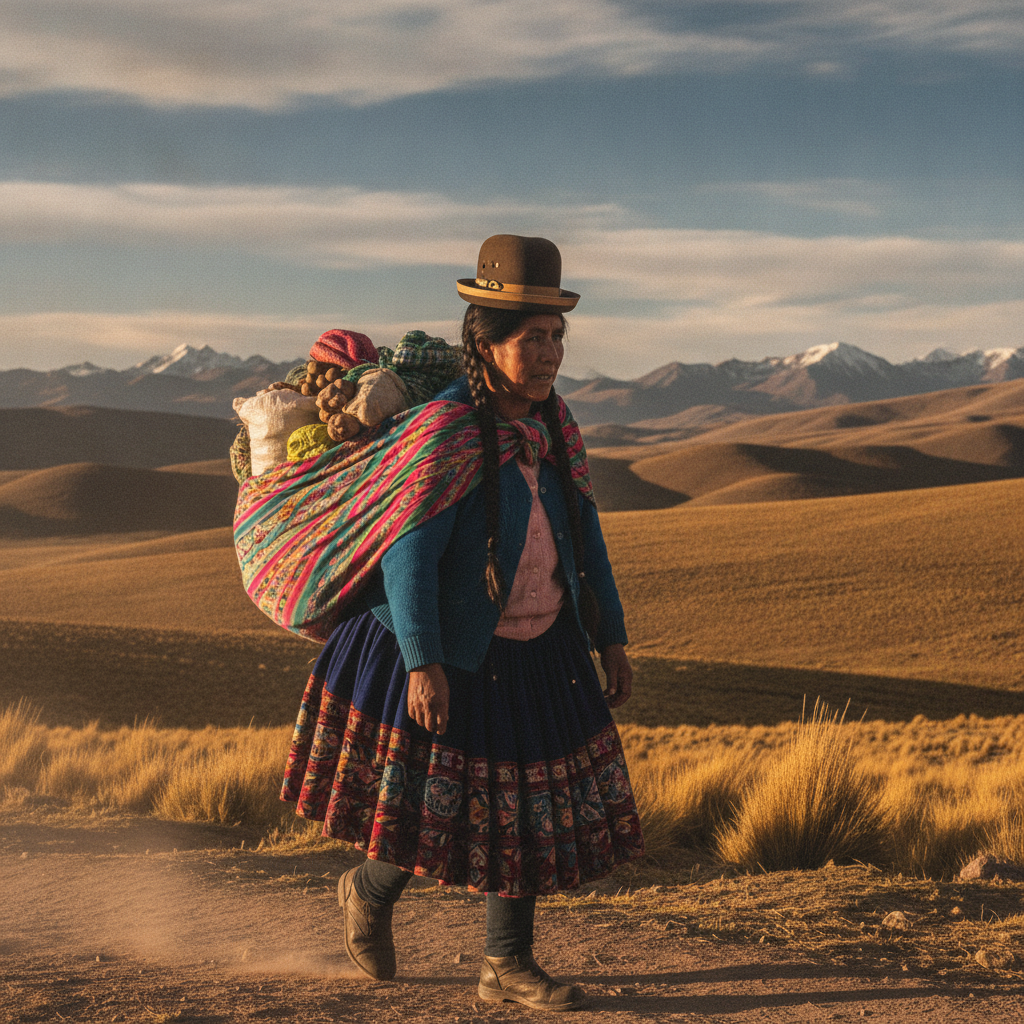
Potosí Region: Altiplano Culture and the Bowler Hat
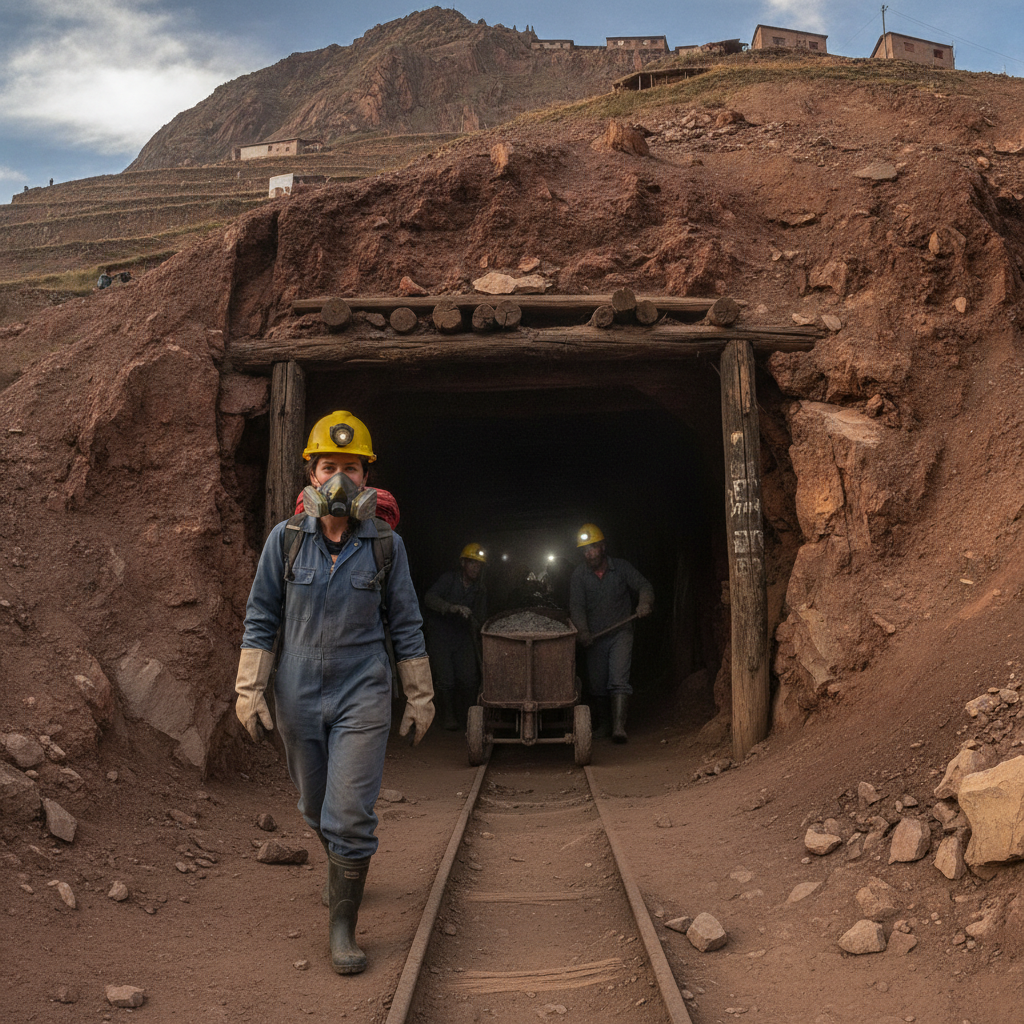
Inside Cerro Rico: The Active Mine Experience
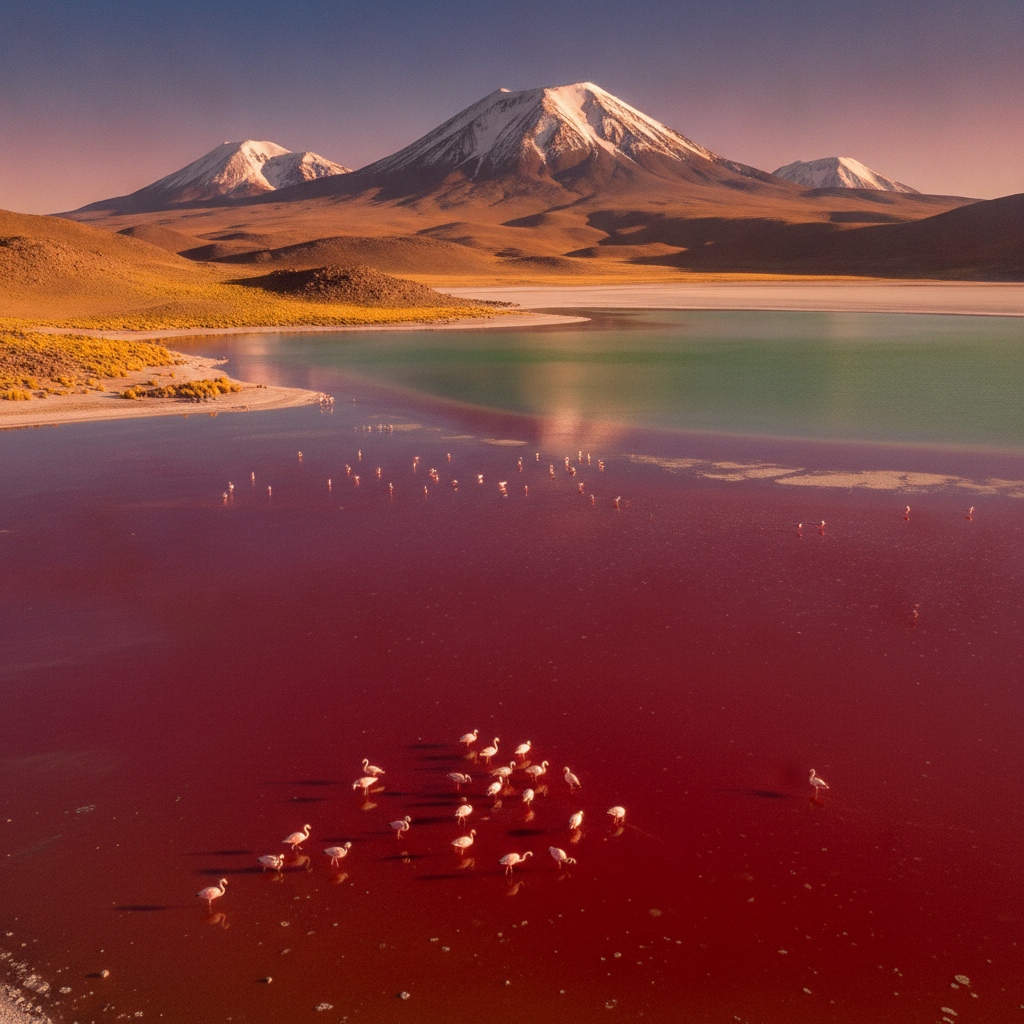
Potosí Department: Lagoons, Geysers, and the Salt Flat
