Bohemian Crown: Prague Castle & Hradčany
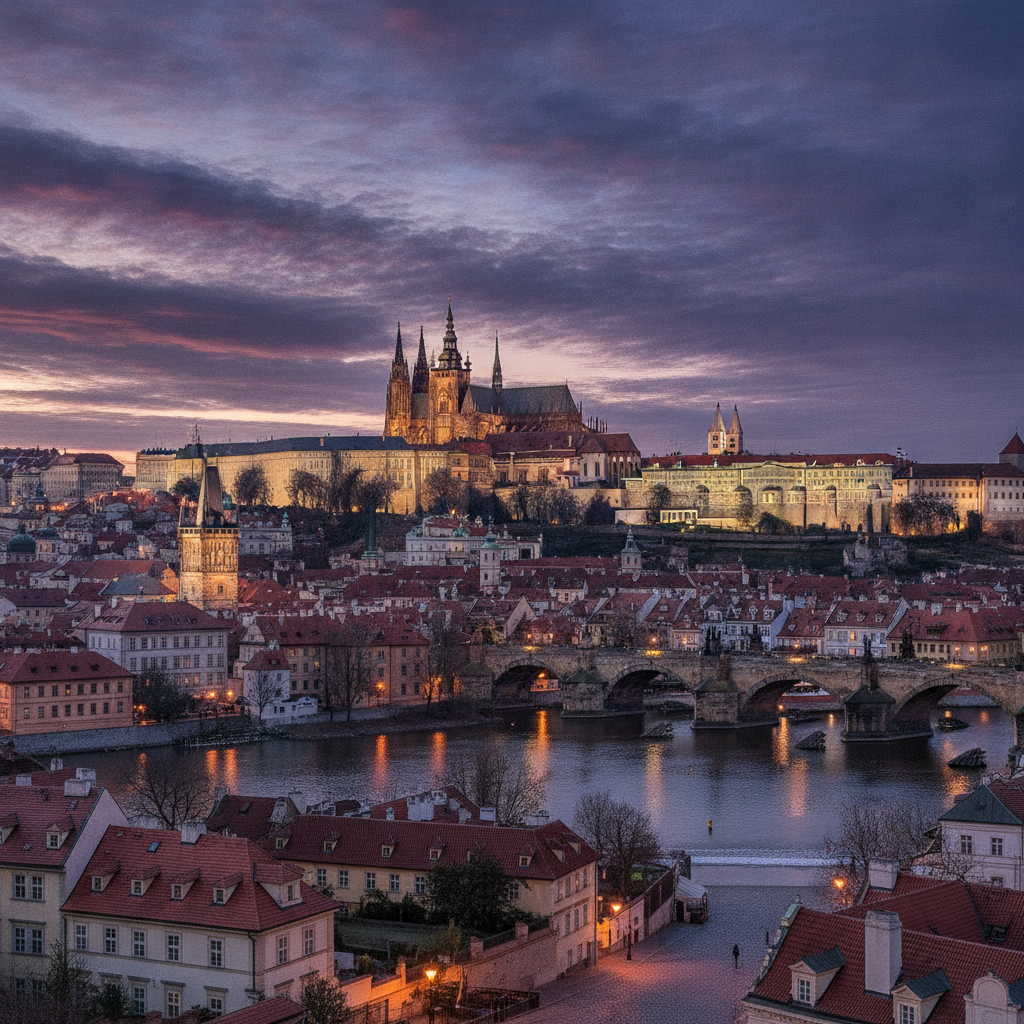
Perched on a rocky promontory above the Vltava River, Prague Castle is the largest ancient castle complex in the world—a sprawling city within the city that has been the seat of Bohemian kings, Holy Roman Emperors, and Czech presidents for over a thousand years. This walk explores the cathedral, royal palace, medieval alley, and aristocratic gardens that make Hradčany one of the most layered historic districts in Europe.
1. Prague Castle Main Entrance
- 1
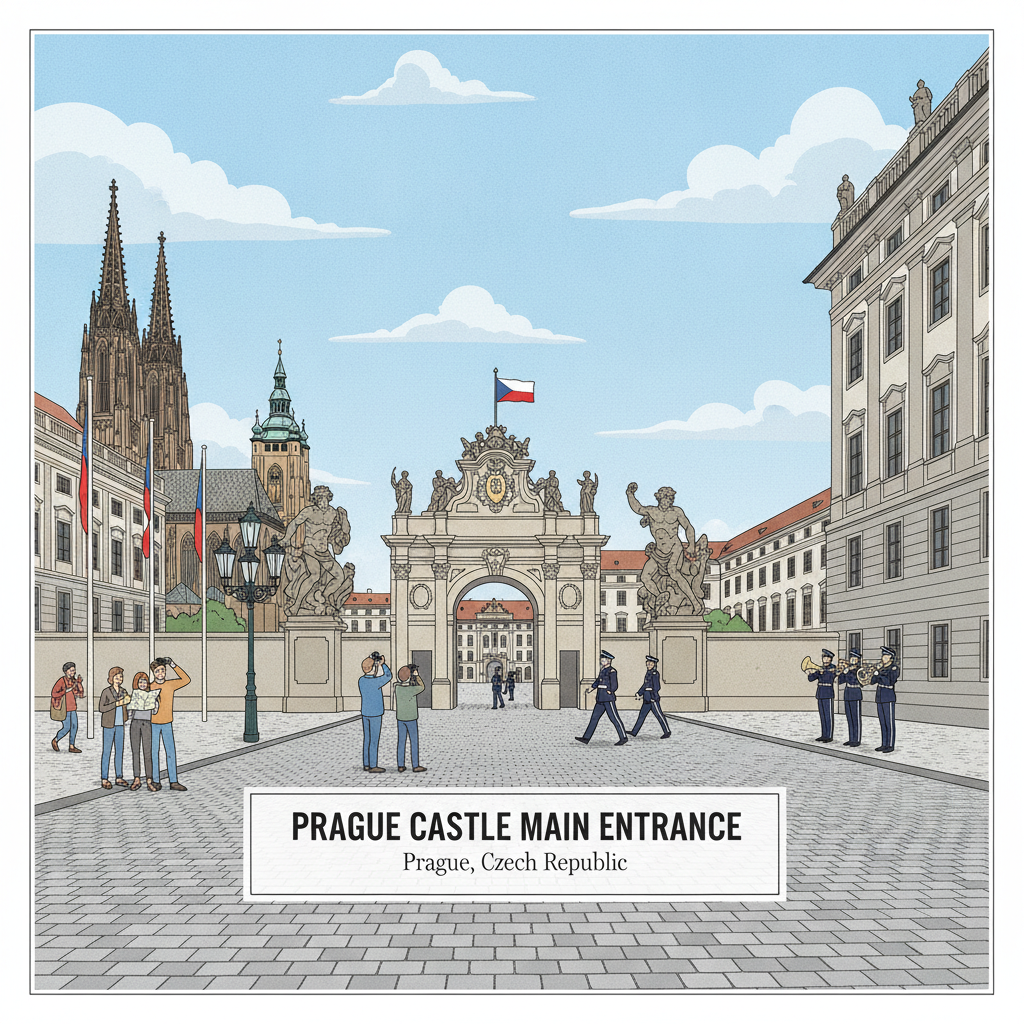
Prague Castle Main Entrance
The main gate on Hradčanské náměstí opens into the First Courtyard, flanked by giant Baroque Battling Titans statues that have guarded the entrance since 1768. The castle complex stretches across 70,000 square meters—a complete medieval settlement that grew organically over a thousand years. The Changing of the Guard, a theatrical ceremony with its own brass fanfare, takes place here at noon each day. The gateway's scale and ceremony set the tone: this is not merely a tourist attraction but the living seat of the Czech state, whose president's offices occupy the western wing.
- 2
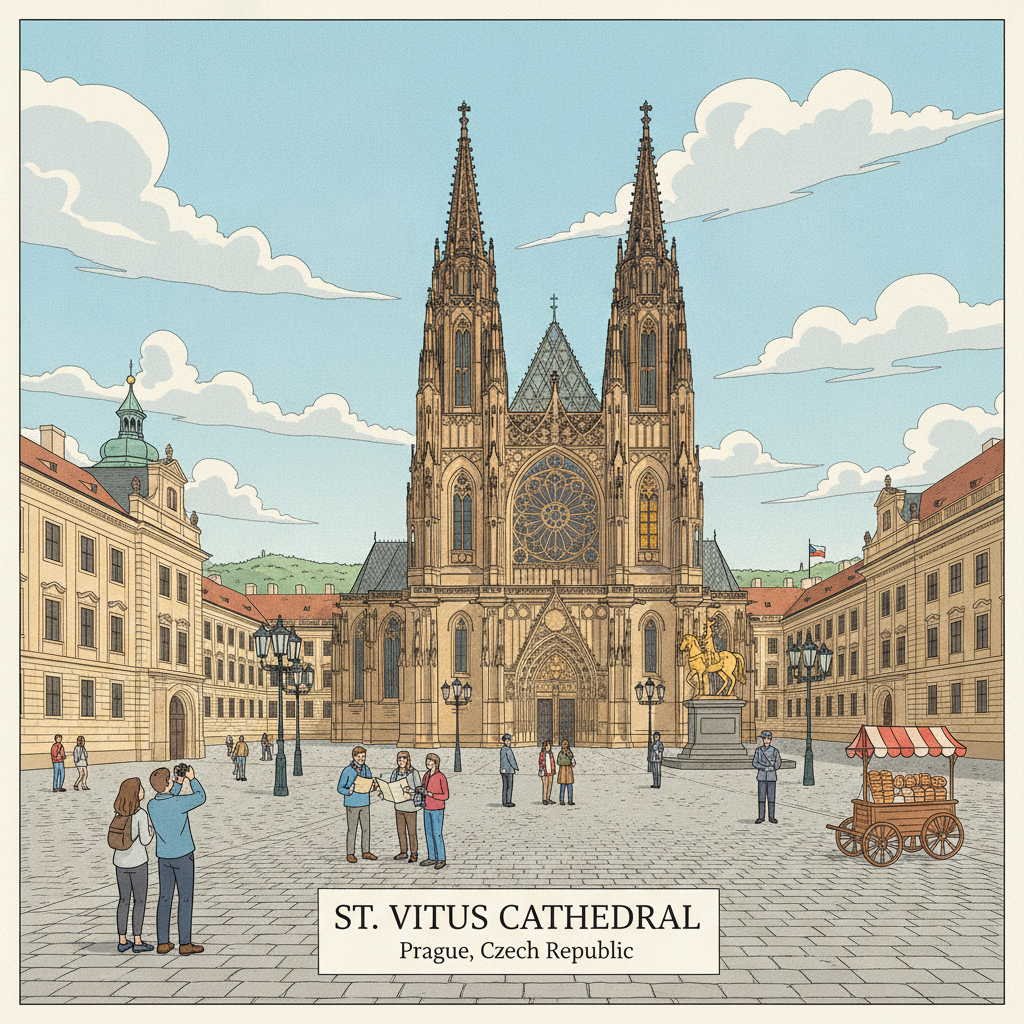
St. Vitus Cathedral
The Gothic masterpiece at the heart of the castle complex took nearly six centuries to complete—begun in 1344 and finished in 1929. Its nave soars 33 meters high, lined with the tombs of Bohemian kings, patron saints, and Holy Roman Emperors. The most venerated spot is the Chapel of St. Wenceslas, its walls covered in semi-precious stones and Gothic frescoes, housing the remains of the patron saint of Bohemia. The Art Nouveau windows designed by Alfons Mucha glow with peacock blues and golds in the afternoon light. Climb the Great South Tower for a panorama stretching to the Bohemian hills.
- 3
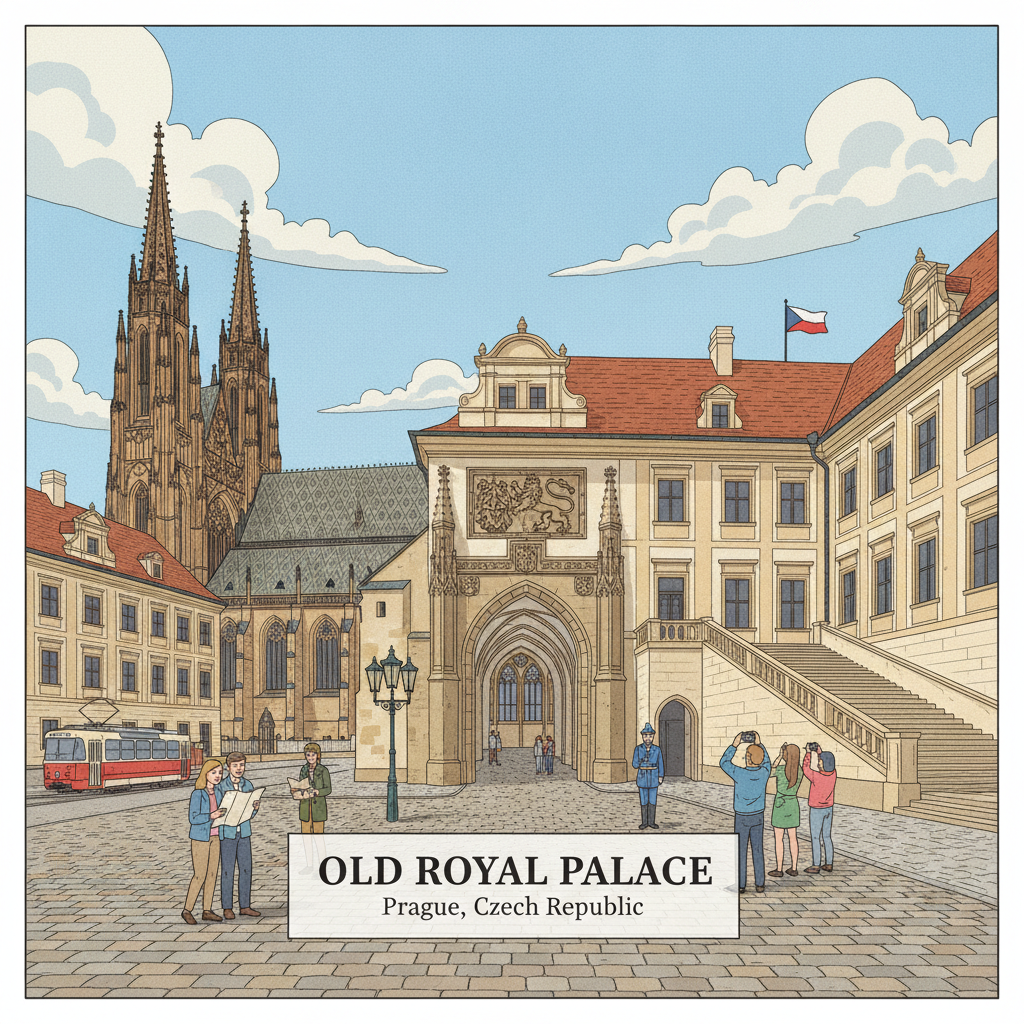
Old Royal Palace
The medieval heart of Czech royal power, the Vladislav Hall was completed in 1502 and remains one of the largest secular Gothic interiors in Central Europe. Its soaring late-Gothic ribbed vault spans 62 feet without internal supports—an engineering feat that allowed jousting tournaments to be held inside. The Diet Chamber next door still has the original 17th-century seating arrangement where Bohemian nobility, clergy, and burghers gathered for the Assembly. The Bohemian Chancellery is where, in 1618, Protestant noblemen threw three Catholic officials from the window—the Defenestration of Prague that sparked the Thirty Years' War.
- 4
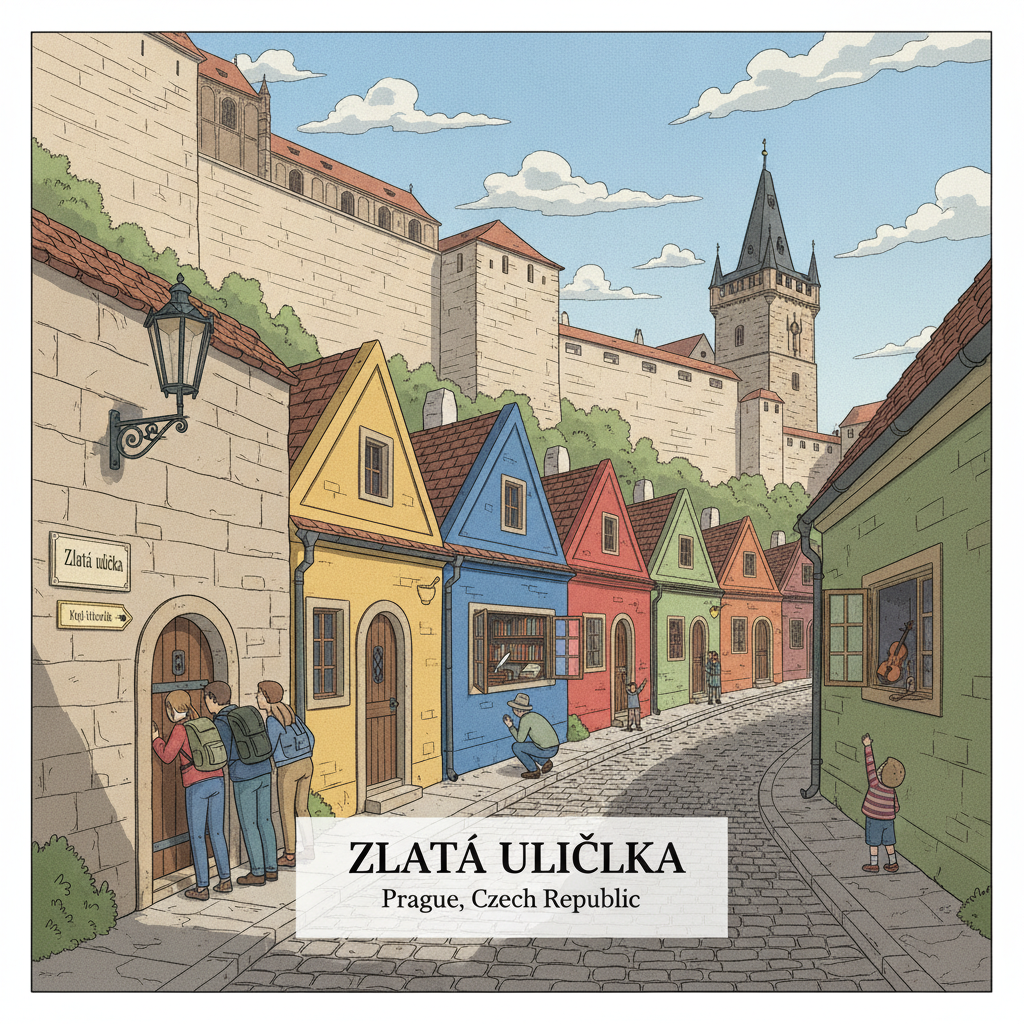
Golden Lane
Zlatá ulička is Prague's most intimate medieval street—a row of miniature houses built into the arches of the castle fortification wall in the 16th century for goldsmiths and castle guards. The colorful 15th- and 16th-century cottages are barely two meters wide, their low doorways and tiny windows preserved almost unchanged. Franz Kafka lived for a time at No. 22, now a bookshop; earlier, alchemists employed by Rudolf II supposedly worked here. The lane connects to the towers at each end, including the Daliborka Tower where the knight Dalibor—Prague's legendary Robin Hood—was imprisoned and learned to play the violin.
- 5
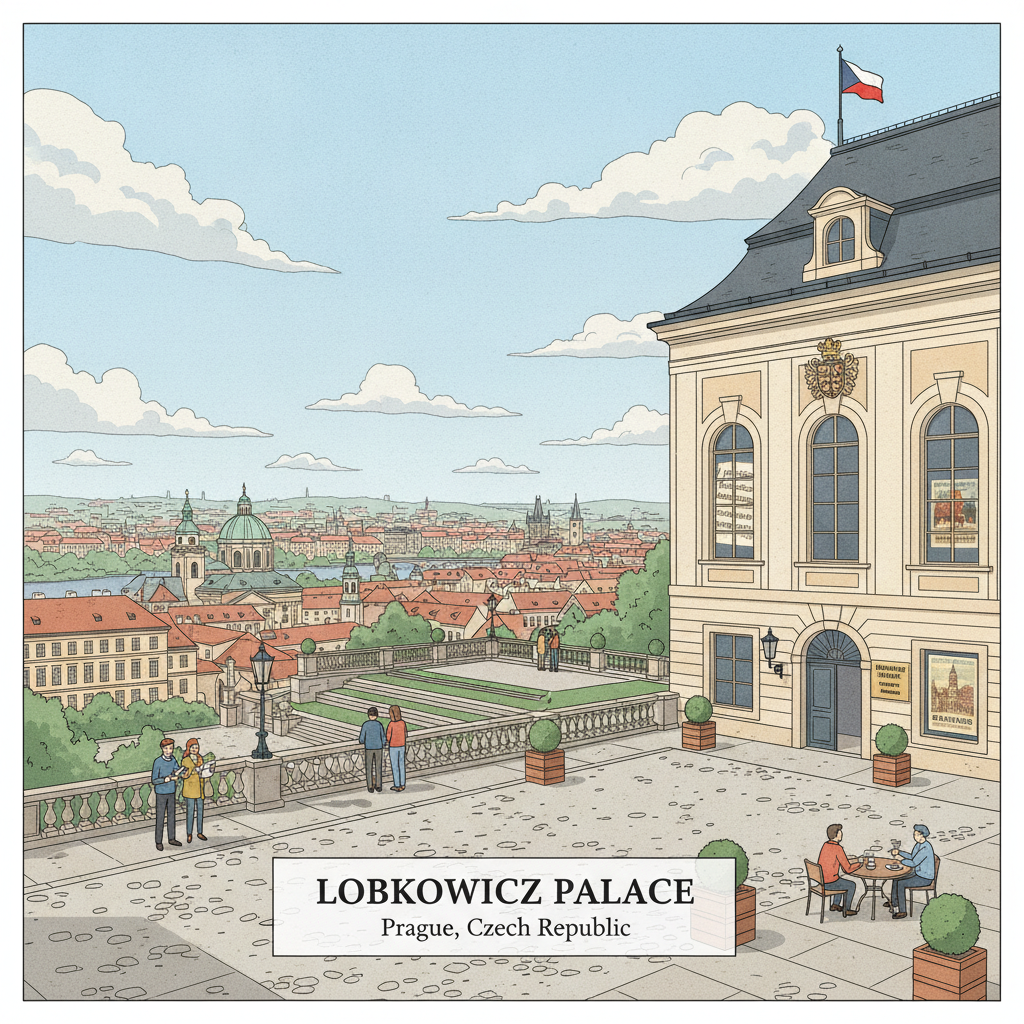
Lobkowicz Palace
The only privately owned palace inside the castle complex, Lobkowicz Palace holds one of the great private art collections in Europe, built over five centuries by one of Bohemia's most prominent noble families. Original manuscripts by Mozart and Beethoven—including the composer's personal copy of his 4th and 5th Symphonies with his own handwritten corrections—are displayed alongside Canaletto's views of London and masterworks by Brueghel the Elder and Velázquez. The palace's café terrace offers arguably the finest view of the castle garden terraces and the city below.
- 6
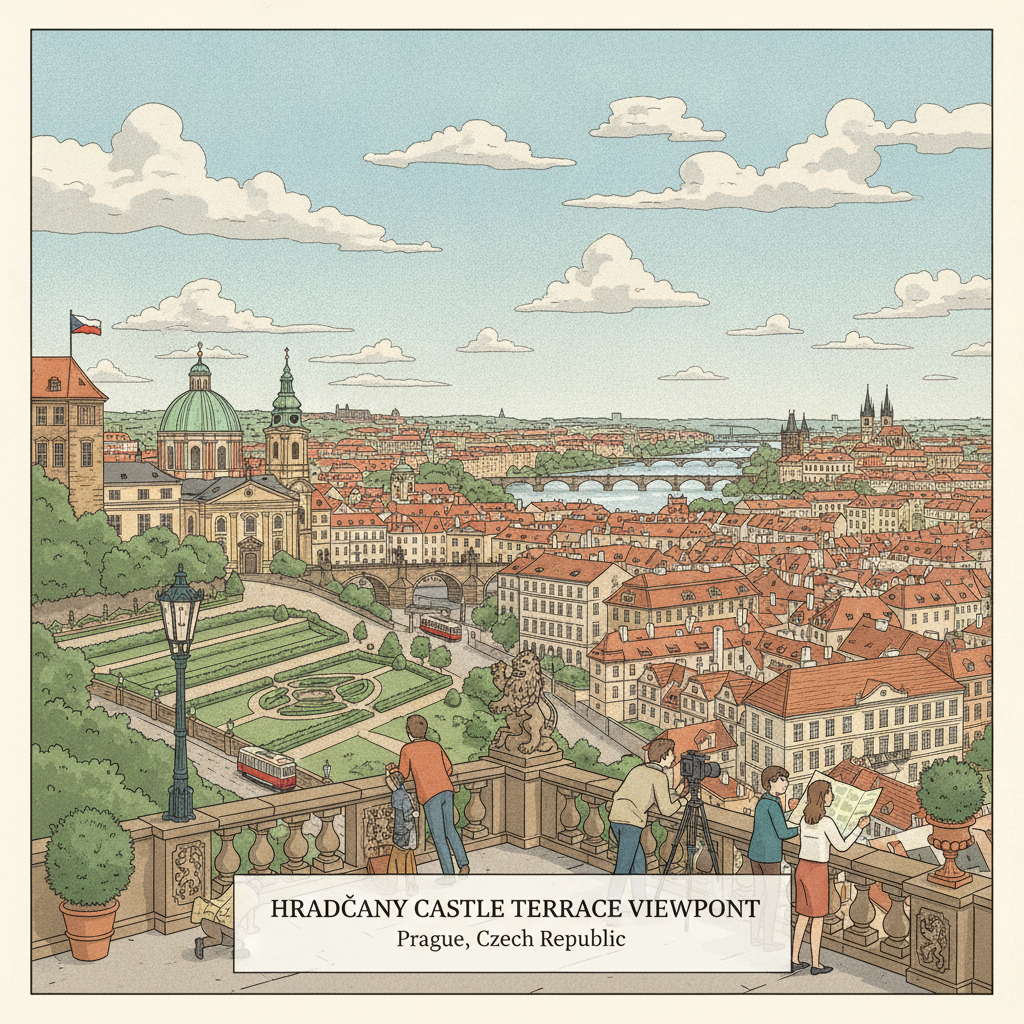
Hradčany Castle Terrace Viewpoint
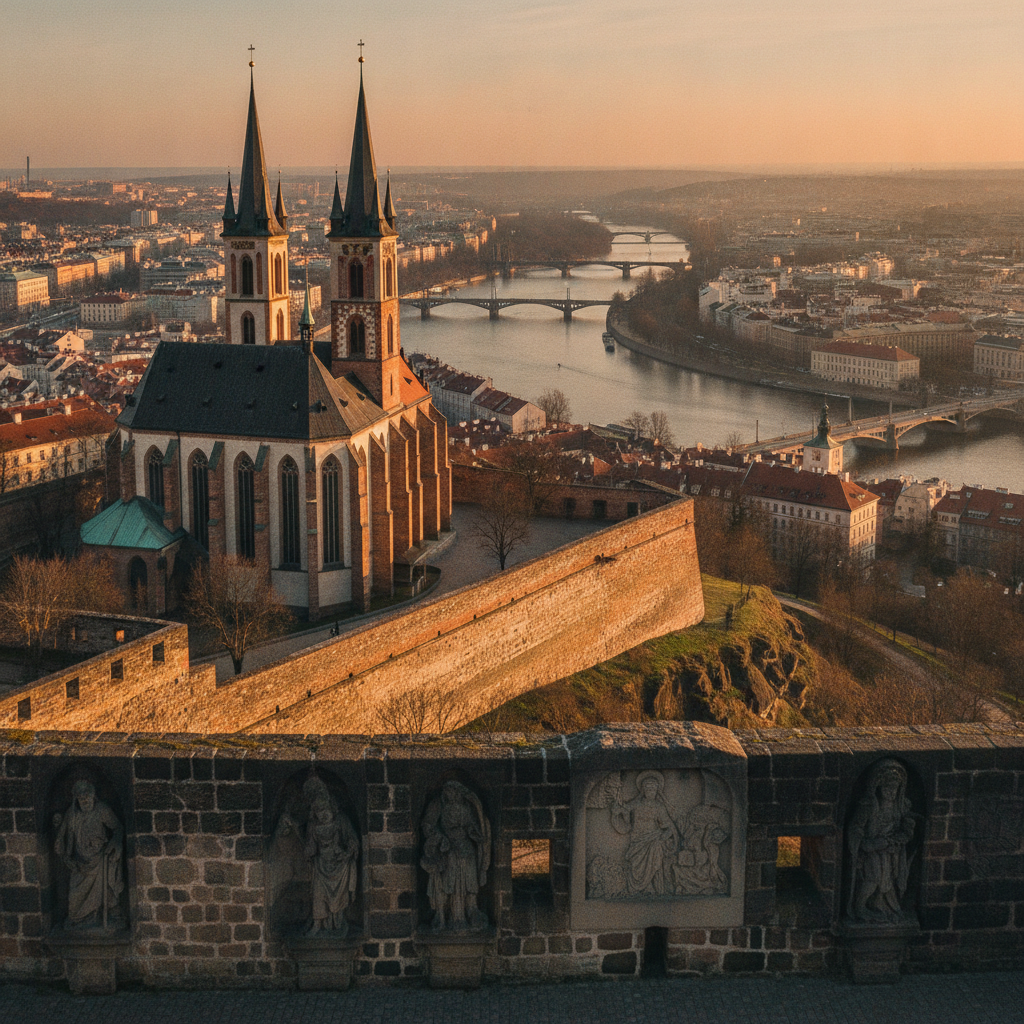
Below the castle's south wing, the Baroque palace gardens cascade down the hillside in a series of formal terraces that were restored from ruin in the late 20th century. The Belvedere viewpoint on the southern ramparts offers the panoramic sweep for which Prague is famous: the red rooftops of Malá Strana, the silver thread of the Vltava, and the distant spires of Týn Church and the Old Town Hall all frame a view that has been painted, photographed, and contemplated for centuries. At dusk, when the city lights begin to flicker on and the castle walls glow warm gold, the view becomes genuinely unforgettable.
Walk this route with audio
Stories play automatically as you reach each stop — no tapping needed.
More in prague
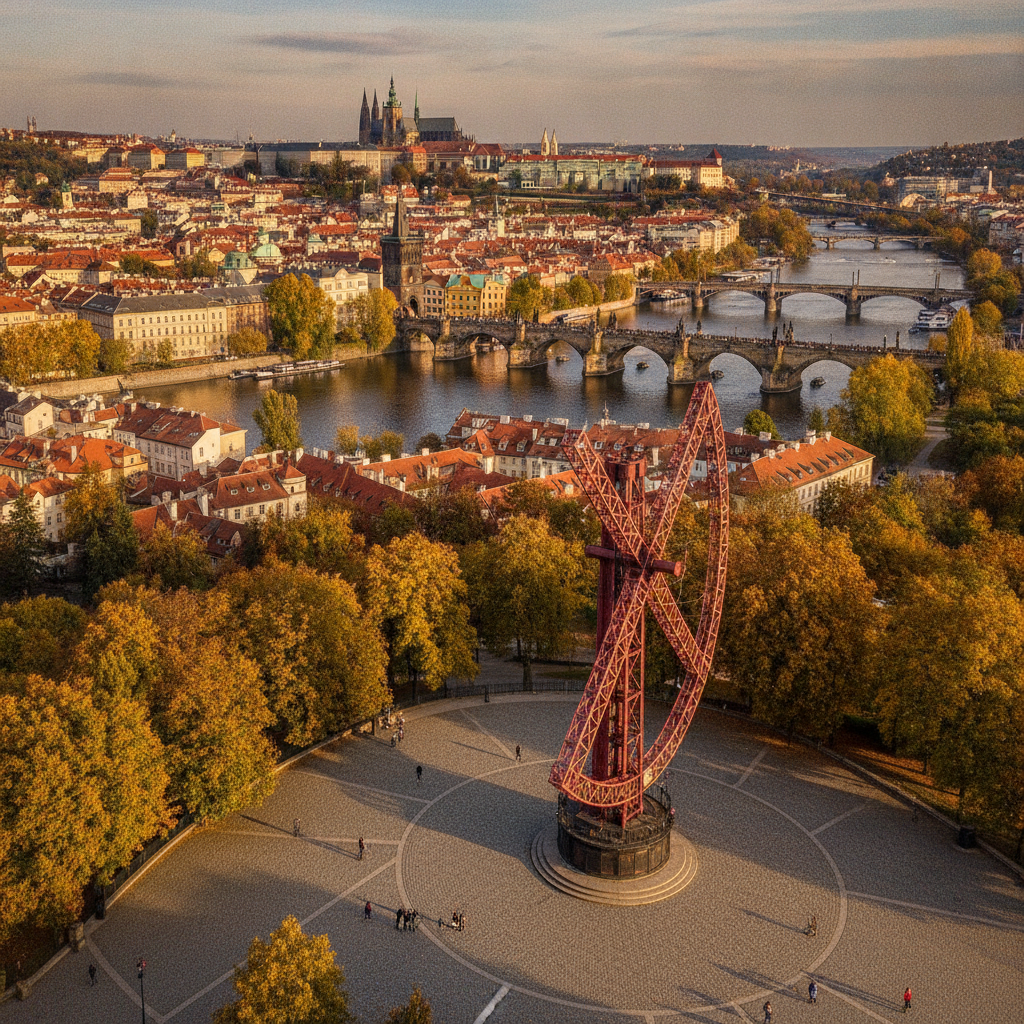
The High Ground: Letná Park, Holešovice & Prague's Creative Quarter
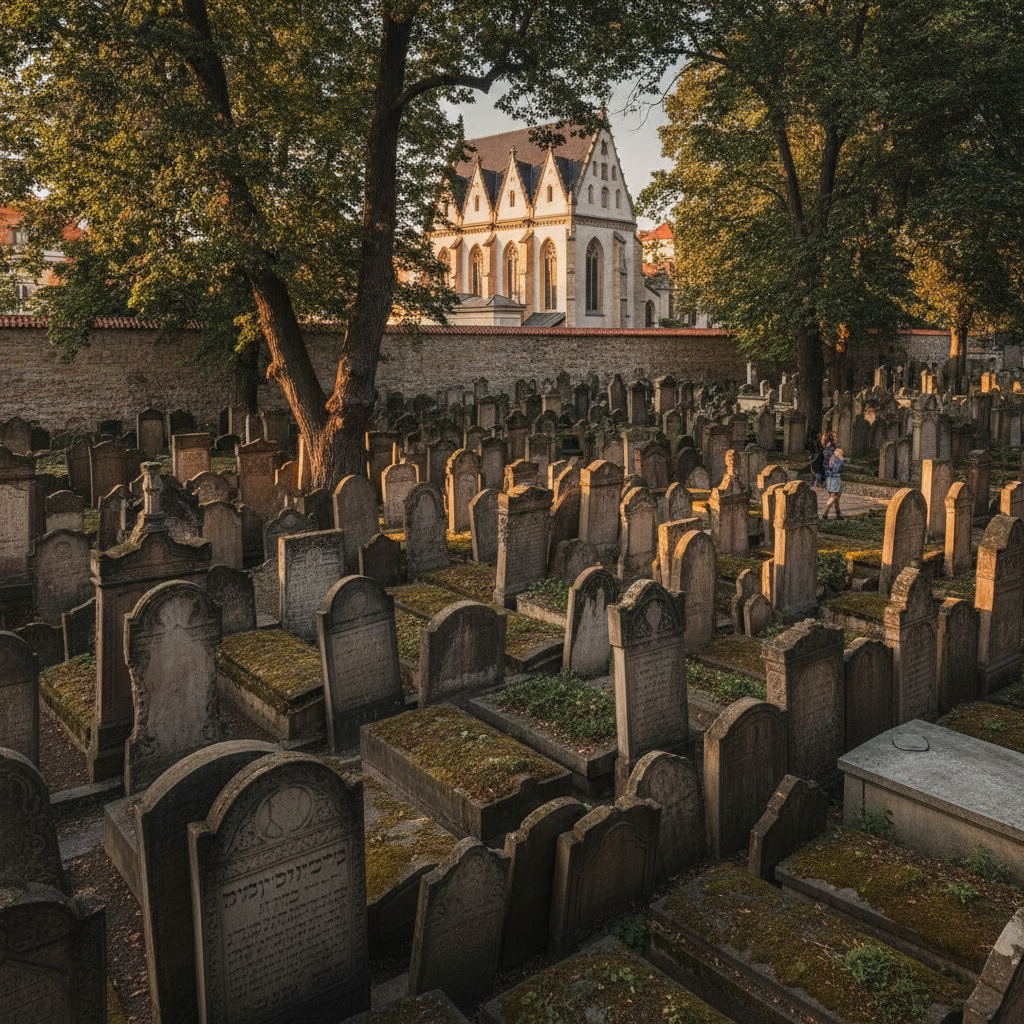
Memory & Stone: Prague's Jewish Quarter (Josefov)
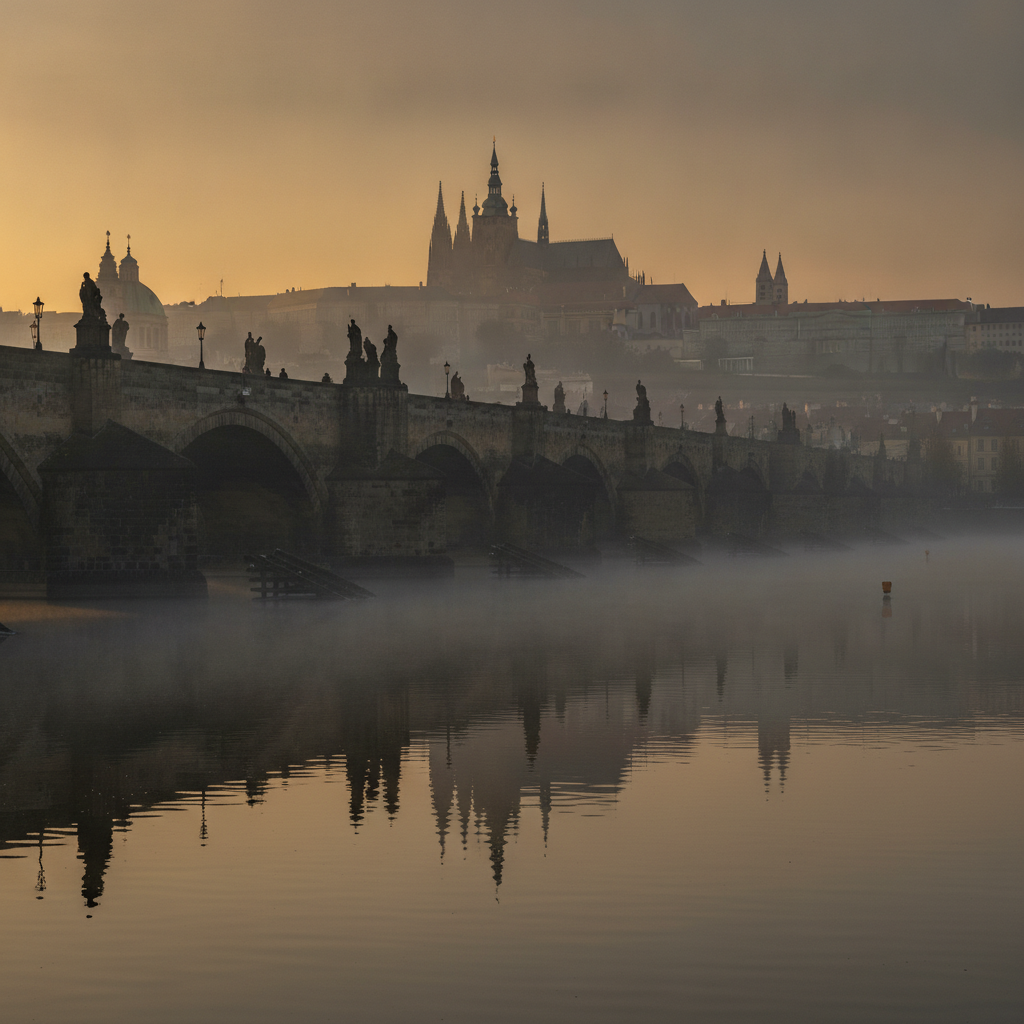
Stone Saints & Hidden Gardens: Charles Bridge & Malá Strana
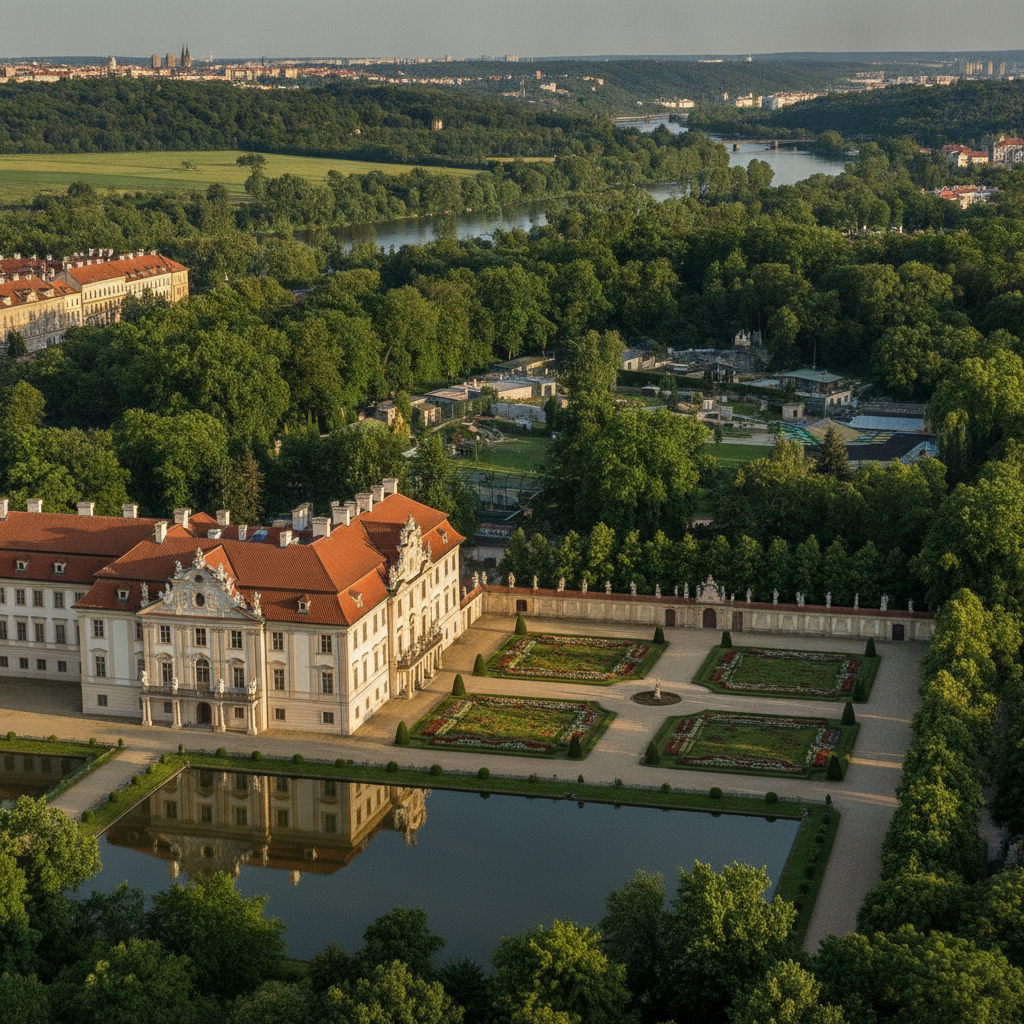
River & Gardens: Troja Chateau, Prague Zoo & the Wild North
Legend & Sky: Vyšehrad Fortress & the Czech Pantheon