Battle of May 5 1862 Puebla the French Intervention Maximilian and the Day That Became a Greater Holiday in the United States Than in Mexico: The True Story of Cinco de Mayo
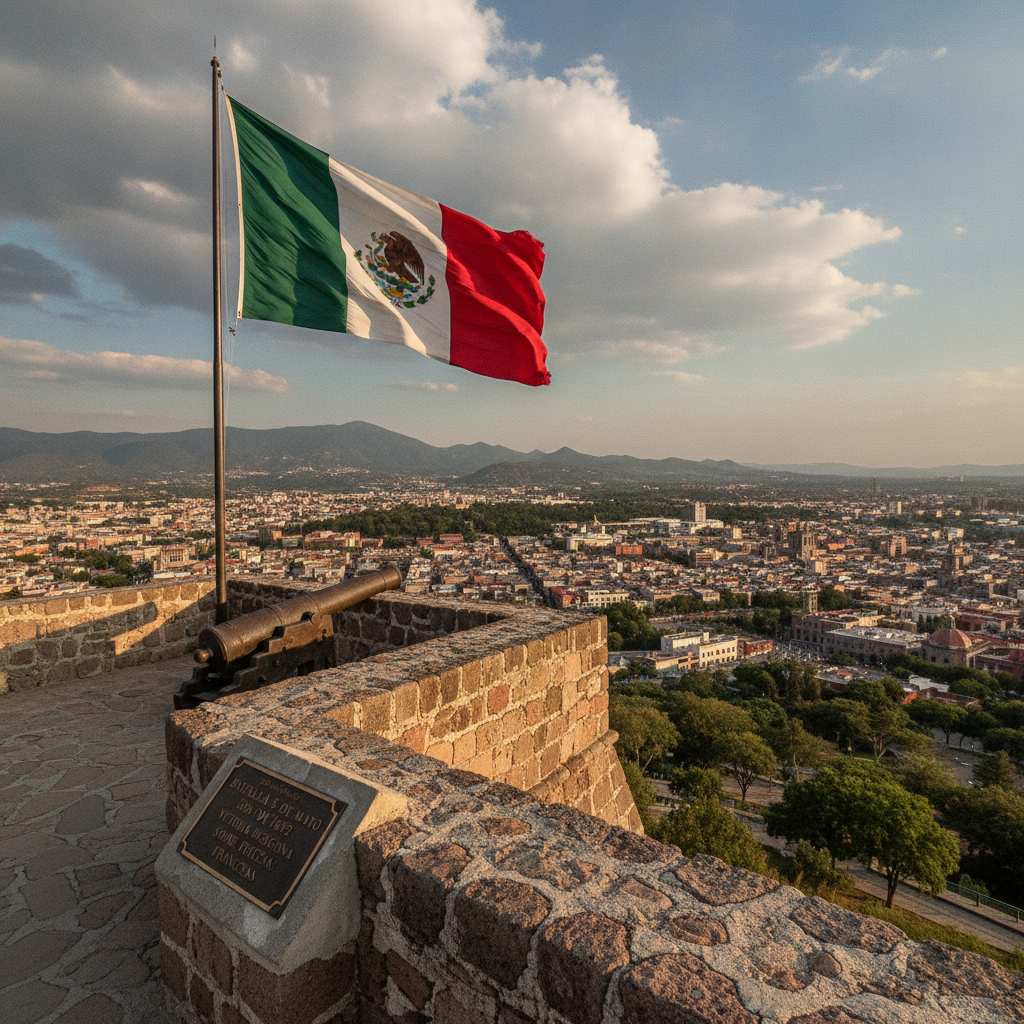
The Battle of Puebla on May 5, 1862, in which the Mexican forces commanded by General Ignacio Zaragoza defeated the French army that Napoleon III had dispatched to collect Mexico's foreign debts and establish a French client state in the Americas, is one of the most celebrated military victories in Mexican history and the origin of the Cinco de Mayo holiday that is celebrated more elaborately in the United States than in Mexico itself. The French army that attacked Puebla on May 5, 1862, was considered the finest military force in the world at the time, undefeated in Europe for 50 years and fresh from campaigns in Algeria and Italy, against which the ragged Mexican republican army composed largely of Zapotec indigenous soldiers from Oaxaca commanded by Zaragoza, a Texan-born Mexican general, won a tactical victory that halted the French advance on Mexico City. The Mexican celebration of May 5 as a state holiday in Puebla is significant but modest, while the holiday has been adopted by the Mexican-American community in the United States as a celebration of Mexican cultural identity that has no direct equivalent in contemporary Mexico, fueled by the beer and food marketing that transformed an obscure military anniversary into the second-largest beer consumption day in the United States. The French victory the following year, the second battle of Puebla in 1863 in which a larger French force besieged and eventually captured the city, is less celebrated in Mexican national memory despite being the more significant military event: the fall of Puebla opened the road to Mexico City and the beginning of the Maximilian empire that would govern Mexico from 1864 to 1867. The execution of Emperor Maximilian of Habsburg at the Cerro de las Campanas in Queretaro on June 19, 1867, restored the republican government of Benito Juarez and ended the French Intervention chapter of Mexican history.
- 1
General Ignacio Zaragoza and the Mexican Victory
Ignacio Zaragoza Seguin, born in Bahia del Espiritu Santo in the then-Mexican territory of Texas in 1829, was a military officer of the Reform War period whose liberal credentials and military competence made him Juarez's choice to defend Puebla against the French army in 1862. Zaragoza commanded an army of approximately 4,000 men against 6,000 French veterans at the Forts of Loreto and Guadalupe on the hills north of Puebla, and the Mexican victory at Loreto on May 5, 1862, in which the French General Lorencez ordered an uphill frontal assault on the Mexican fortifications and was repulsed with 500 casualties, was a tactical success that demonstrated the courage of the Mexican defenders and the tactical incompetence of the French command. The Mexican forces at Puebla in 1862 included a significant component of Zapotec indigenous soldiers from Oaxaca, recruited and organized by the Juarista reform military, who fought with the discipline and determination of soldiers defending their own land against a foreign imperial power. Zaragoza died of typhoid fever on September 8, 1862, at the age of 33, four months after the battle that made him a national hero, too soon to see either the French capture of Puebla in 1863 or the eventual restoration of the republic in 1867. The Fuerte de Loreto and Fuerte de Guadalupe on the Cerro de Loreto and Cerro de Guadalupe north of the Puebla historic center are the primary Cinco de Mayo heritage sites, with the museums and battle reenactments of May 5 taking place at the fortifications where the 1862 battle occurred.
- 2
Cinco de Mayo Holiday and Mexican American Identity
Cinco de Mayo as celebrated in the United States bears little relationship to its origin as a Puebla state holiday commemorating the 1862 battle, having been transformed since the 1960s into a celebration of Mexican-American cultural identity that the commercial beer and restaurant industry developed into the second-largest beer consumption occasion in the United States, after the Super Bowl. The holiday was promoted in the United States primarily by the Mexican-American civil rights movement of the 1960s, which adopted the battle of Puebla as a symbol of resistance to imperial power, and by the Chicano community organizations of California and Texas who recognized in the 1862 story a narrative of Mexican courage and resourcefulness that their community could identify with during the civil rights struggle. The irony of Cinco de Mayo being celebrated more lavishly in Los Angeles, Chicago, and Houston than in Puebla or Mexico City is acknowledged with gentle bemusement by Mexicans, who celebrate September 16, the Grito de Independencia of 1810, as the actual national independence day with orders of magnitude more participation than the Puebla state military anniversary. The commercial dimension of Cinco de Mayo in the United States, with the beer and tortilla chip marketing that transformed it into a consumption holiday, has generated a counter-narrative of cultural appropriation that Mexican-American scholars and community organizers have used to reclaim the historical content of the occasion. In Puebla itself, the May 5 holiday is marked with military parades at the Fuerte de Loreto, school ceremonies, and the civic programming that any Mexican state holiday involves, without the mass consumption dimension that the US version implies.
- 3
French Intervention Maximilian Empire and Puebla
The second battle of Puebla in March through May 1863, in which the French General Forey besieged the city with a force of 25,000 against a Mexican garrison of 22,000 under General Jesus Gonzalez Ortega, lasted 62 days before the Mexican forces surrendered after exhausting their ammunition and supplies, with the surviving Mexican generals imprisoned and the French army entering Puebla on May 17, 1863, a year and 12 days after their first defeat on May 5, 1862. The French capture of Puebla opened the road to Mexico City, which the French and their Mexican conservative allies occupied in June 1863, installing the regency council that invited Maximilian of Habsburg to become emperor of Mexico. Emperor Maximilian Ferdinand Joseph of Austria arrived in Mexico in 1864 with his wife Carlota, the Belgian princess who would survive him and spend the remainder of her life in Europe in a declining mental state after the collapse of the empire. Maximilian's government, which attempted to implement moderate liberal reforms including land redistribution and indigenous rights protections that alienated his conservative supporters without winning over the liberals who opposed him, survived only as long as the French military presence continued. The withdrawal of French forces under pressure from the United States, which invoked the Monroe Doctrine and threatened military intervention, left Maximilian without the military support necessary to hold the country against the republican guerrillas of Juarez, and the empire collapsed in 1867. The Cerro de las Campanas in Queretaro, where Maximilian was executed by firing squad on June 19, 1867, is marked by a Habsburg family chapel funded by the Austrian imperial house as a memorial to the executed emperor.
- 4
Puebla in the Revolution and the 1910 Centenary
The Mexican Revolution of 1910 reached Puebla through the political activism of Aquiles Serdan, a Maderista partisan who organized the anti-Porfiriato resistance in Puebla and whose house on 6 Oriente street was raided by government forces on November 18, 1910, two days before the planned uprising date, in a confrontation in which Serdan was killed along with family members who fought alongside him against the police and army units. The Serdan house, now the Museo de la Revolucion on 6 Oriente, preserves the bullet holes from the November 18 confrontation in the walls and the floors, making it the most historically significant site of the revolutionary period in Puebla and one of the most viscerally immediate revolution museums in Mexico. Puebla during the Revolution was contested between the Maderista, Zapatista, and Carrancista factions as the political landscape of the Veracruz-Mexico City corridor made the state strategically important for controlling both the port access and the capital. The anniversary of November 18, 1910, is commemorated in Puebla as the anniversary of the beginning of the Revolution, with the Serdan house and the street of 6 Oriente providing the specific local geography that gives the national centenary narrative its Puebla chapter. The post-Revolutionary urbanization of Puebla in the 20th century expanded the city far beyond the colonial grid, creating the industrial city of 3 million that surrounds the UNESCO historic center and that is home to the Volkswagen manufacturing plant that has produced the Beetle and the Jetta for the Mexican and export markets since 1967.
- 5
Puebla Automotive Industry and the Volkswagen Connection
Puebla has the most important concentration of automotive manufacturing in Mexico, centered on the Volkswagen de Mexico plant in the Autopista Mexico-Puebla corridor that was established in 1967 as the primary production facility for the Volkswagen Beetle for the Mexican and Latin American markets. The Puebla VW plant produced the original Beetle until 2003, when the last Beetle rolled off the line in a ceremony that marked the end of the most produced automobile in history with 21.5 million units globally, of which the Puebla plant produced 1.7 million. The successor production of the Jetta, Golf, Tiguan, and the new Beetle at the Puebla plant has maintained the city's position as the Volkswagen production hub for the Americas market, with the plant employing over 15,000 workers and generating the industrial economy that the metropolitan area of Puebla depends on alongside the older textile and ceramic industries. The Volkswagen connection has given Puebla a cultural relationship with Germany that is unusual among Mexican cities, with the German technical personnel and their families who have worked at the plant since 1967 creating a small but visible German community presence in the Angelopolis commercial district of the western metropolitan area. The Angelopolis commercial development, the modern shopping mall and office district on the western edge of the metropolitan area, represents the 21st-century economic growth of Puebla beyond the historic center tourism economy, with the Puebla university system, the automotive industry, and the logistics economy of the Mexico City-Veracruz corridor providing the employment base of the metropolitan area's 3 million residents.
- 6
Africanía de Puebla and the Hidden African Heritage
The African heritage of Puebla state, less visible than in Veracruz or the Costa Chica of Guerrero and Oaxaca, is concentrated in the communities of the Cañada region south of Puebla city and in the Mixteca Poblana valleys where enslaved Africans were brought to work the haciendas, sugar plantations, and textile obrajes of the colonial economy. The Mexican census estimate of the population of African descent was suppressed in the colonial period by the caste system's preference for categories of mestizo, mulato, and castizo that obscured the African contribution to the population, and modern estimates of the Afro-Mexican population of Puebla state range from 50,000 to 150,000 depending on the definition applied. The Afro-Mexican cultural presence in Puebla is documented in the music of the Huaxteca region, the son jarocho and the son huasteco that carry African percussion traditions in the jarana guitar and the requinto alongside the indigenous and Spanish musical elements, and in the culinary tradition of the Veracruz coast that has influenced the Puebla kitchen through the trade connections of the colonial road. The Feria Afromexicana, held annually in Puebla to document and celebrate the African heritage of the state, is part of the broader recognition program that the Mexican government initiated after pressure from Afro-Mexican community organizations in the 1990s and 2000s. The Viceroy of New Spain, Luis de Velasco the Younger, issued a decree in 1609 recognizing the freedom of the escaped slave community of Yanga in Veracruz, the first free African community legally recognized in the Americas, and the social and cultural connections between the Veracruz and Puebla populations carried elements of this African-Mexican cultural tradition through the colonial road that connected the port to the highland capital.
Walk this route with audio
Stories play automatically as you reach each stop — no tapping needed.
More in Puebla
Puebla Cathedral Capilla del Rosario Talavera Tiles Mole Poblano Cholula Pyramid and the City That Was Founded by Angels and Destroyed by the Volcano That Still Watches Over It
Puebla Contemporary City Art Scene Emerging Neighborhoods Barrio Chino and How a 500 Year Old Heritage City Is Reinventing Itself as a Creative Capital for the 21st Century Mexican Middle Class
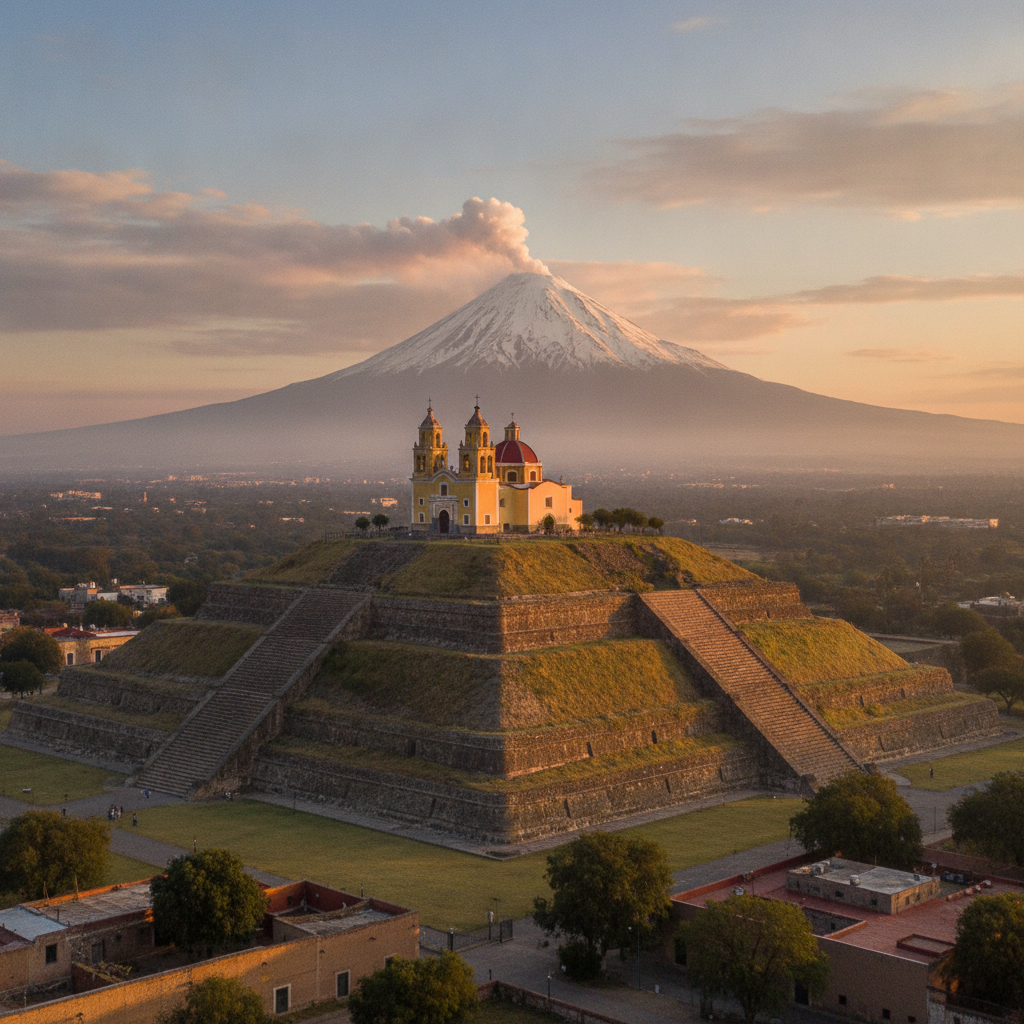
Puebla Pre-Hispanic Heritage Tlaxcala the Huejotzingo Codex Cholula as the Sacred City of Quetzalcoatl and the Indigenous Alliance That Made the Spanish Conquest of the Aztec Empire Possible
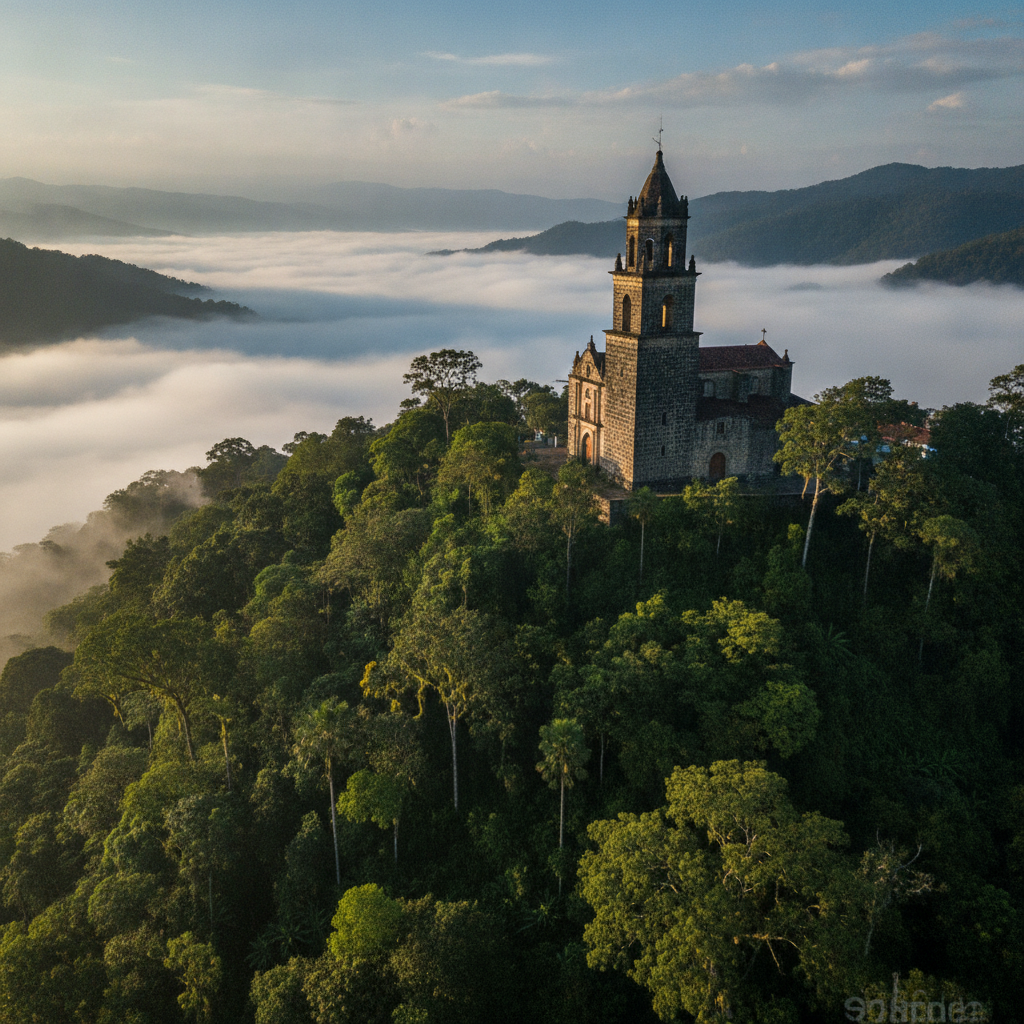
Puebla Day Trips Cuetzalan Cloud Forest Izucar de Matamoros Matamoros Tlaxiaco and the Sierra Norte de Puebla Where Indigenous Communities Maintain a Living Culture in Mexico's Most Biodiverse Mountain Range
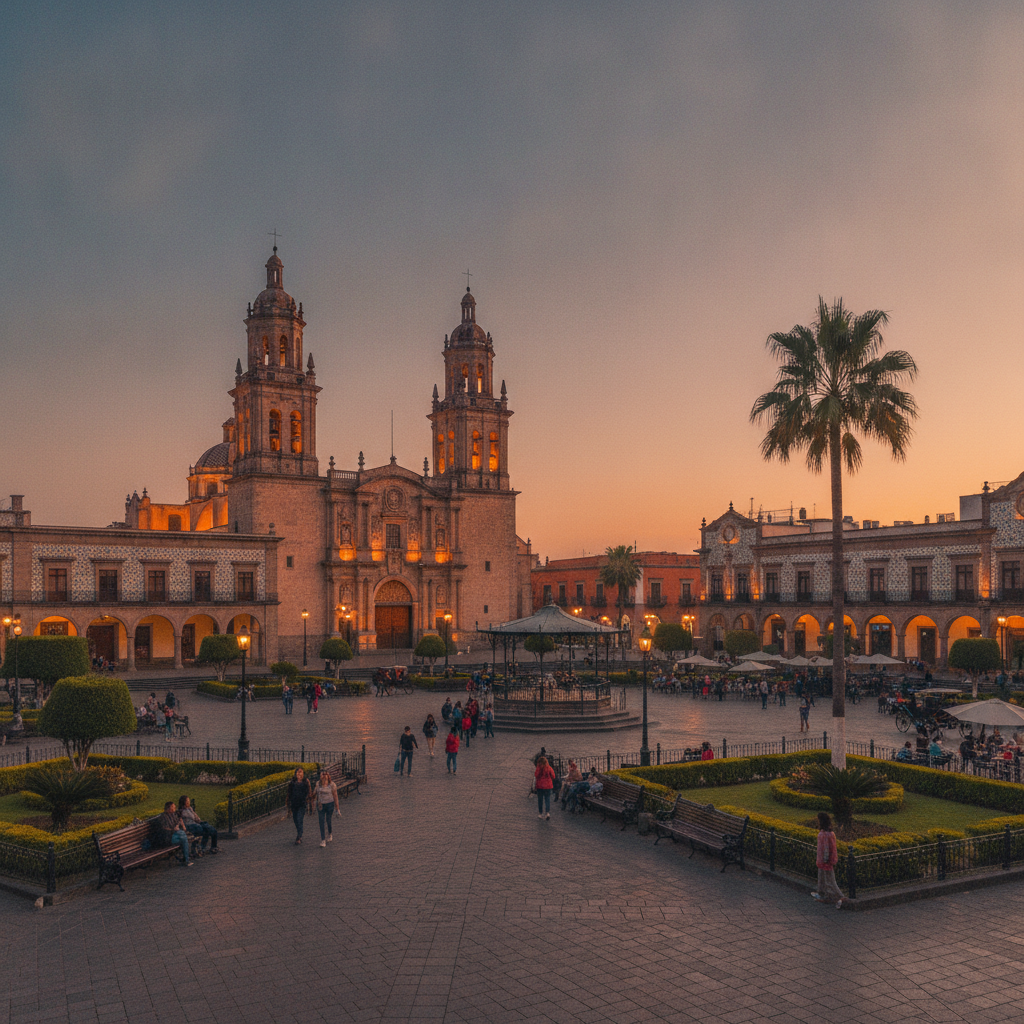
Puebla Practical Guide Transport Safety Climate Neighborhoods Hotels and How to Eat and Move Through a UNESCO Colonial City That Is Also a Metropolitan Area of Three Million People With Heavy Traffic