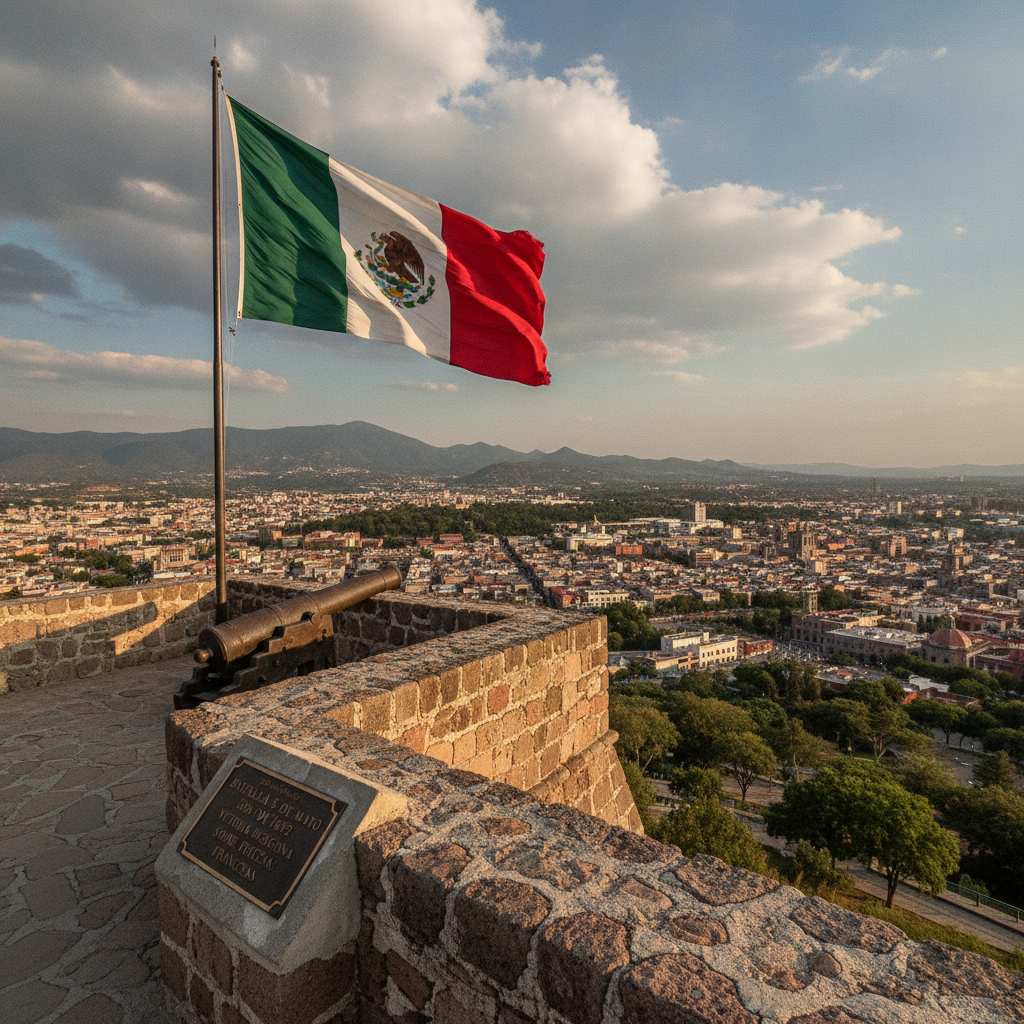
Puebla Pre-Hispanic Heritage Tlaxcala the Huejotzingo Codex Cholula as the Sacred City of Quetzalcoatl and the Indigenous Alliance That Made the Spanish Conquest of the Aztec Empire Possible
Puebla state is the site of one of the most consequential indigenous decisions in the history of the Americas: the Tlaxcala confederation of city-states, which had maintained its independence from the Aztec Triple Alliance for a century through guerrilla warfare and the Flower Wars that the Aztec conducted to take Tlaxcalan captives for sacrifice, chose in September 1519 to ally with Hernan Cortes after defeating his Spanish force militarily and then recognizing the strategic opportunity that the European alliance offered against the Aztec overlords who had isolated Tlaxcala, prevented their access to the Gulf Coast trade, and maintained a permanent state of hostility at their borders. The Tlaxcalan alliance gave Cortes the 50,000 to 100,000 indigenous fighters whose military knowledge, logistical support, and knowledge of the Aztec defensive systems made the conquest of Tenochtitlan possible, and the Tlaxcalans received in return the status of allies rather than conquered subjects, exemption from tribute, and the privilege of carrying weapons alongside the Spanish into battle - privileges that their descendants maintained for generations as a legal distinction that separated them from the vassal indigenous communities of the colonial empire. Cholula, the city Cortes massacred in October 1519 before his alliance with Tlaxcala was fully consolidated, had been the most sacred city in Mesoamerica, the center of the cult of Quetzalcoatl the feathered serpent god, whose pyramid received pilgrims from throughout the Mesoamerican world and whose population at the time of contact is estimated at between 80,000 and 100,000, making it one of the largest cities in the Americas. The Cholula massacre, in which Cortes killed an estimated 3,000 to 6,000 unarmed nobles in the central plaza in what he claimed was a preemptive strike against an alleged ambush, was the defining atrocity of the pre-Tenochtitlan conquest phase and shaped the patterns of colonial violence that followed.
- 1
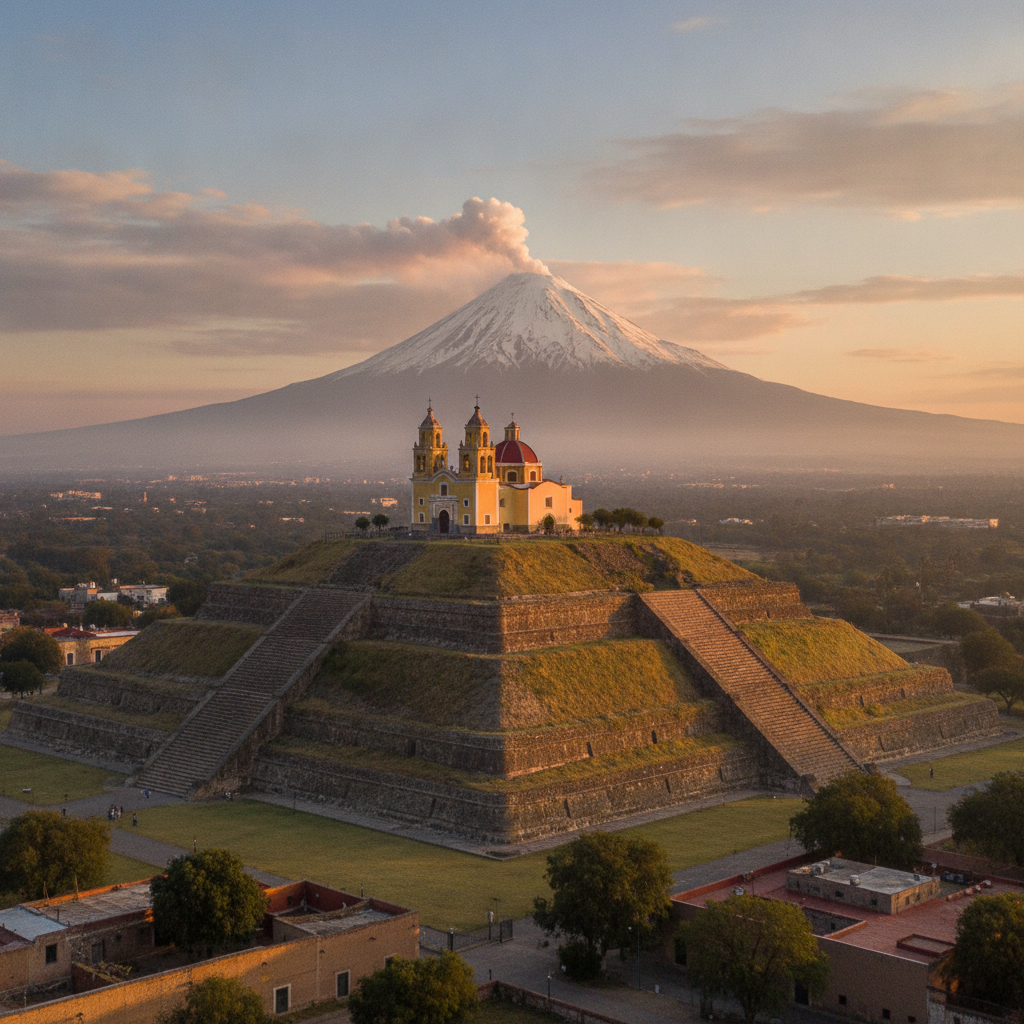
Cholula Sacred City of Quetzalcoatl and the Great Pyramid
Cholula was, at the time of Spanish contact in 1519, the most sacred city in Mesoamerica and one of its most populous, the center of the pan-Mesoamerican cult of Quetzalcoatl the feathered serpent deity associated with wind, learning, the morning star, and the arts of civilization, whose temple pyramid in Cholula received pilgrims from throughout the Aztec empire, the Maya lowlands, the Gulf Coast, and even the distant Pueblo communities of the American southwest who were connected to Mesoamerica through the turquoise and copper trade. The Great Pyramid of Cholula, whose construction began approximately in the pre-Classic period around 300 BCE and continued through multiple enlargements to reach its final dimensions of 450 metres per side at the base and 55 metres in height by approximately 900 CE, was the largest building project in pre-Columbian America, constructed as a sacred mountain representing the cosmological mountain at the center of the Aztec universe. The Cholula massacre of October 1519, in which Cortes gathered the Cholula nobility in the city center under the pretext of celebrating his departure and then had his soldiers massacre them while the Tlaxcalan forces killed the population outside, killed an estimated 3,000 to 6,000 people in a few hours and effectively destroyed Cholula as a functioning political and religious center, allowing the Spanish colonial program of church construction on every sacred site to proceed without organized resistance. The 8 kilometres of excavated tunnels through the Great Pyramid allow visitors to understand the building sequence and scale of the structure, while the Nuestra Senora de los Remedios church on the summit of the pyramid, built in 1594 on the foundation of the former Quetzalcoatl temple, demonstrates the Spanish colonial strategy of physically overwriting indigenous sacred sites with Christian monuments.
- 2
Tlaxcala and the Indigenous Alliance With Cortes
Tlaxcala city, 30 kilometres north of Puebla on the road to Mexico City, is the capital of Tlaxcala state, the smallest Mexican state by area and the one whose pre-Hispanic history carries the most controversial legacy: the Tlaxcalan confederation that allied with Cortes after September 1519 is celebrated in Tlaxcalan historiography as a strategic decision that brought the downfall of a rival empire, and condemned in Mexican nationalist historiography as the treachery that enabled the conquest. The murals of the Tlaxcala government palace, painted by Desiderio Hernandez Xochitiotzin from the 1960s through 2005, present the Tlaxcalan narrative of the conquest in which Tlaxcala appears not as a traitor but as an active historical agent pursuing its own political objectives, with Doña Marina, the Nahua woman who served as Cortes's interpreter and strategic advisor, depicted as a central figure rather than the La Malinche traitor of Mexican nationalist myth. The Lienzo de Tlaxcala, the 16th-century pictorial manuscript that documented the Tlaxcalan participation in the conquest from the Tlaxcalan perspective, is one of the most significant colonial-era indigenous documents in Mexico, presenting the events of the conquest in the indigenous pictorial tradition of the pre-Hispanic codex while incorporating Spanish textual annotations that make it legible in both cultural systems. The Tlaxcala zocalo, the oldest colonial plaza in the Americas according to the Tlaxcala municipal claim, is a modest colonial space with the Palacio Municipal, the former convent now serving as the state government, and the colonial church whose atrium preserves the posa chapels of the 16th-century evangelization program. The Tlaxcala artisan tradition of rebozos, the woven cotton and silk shawls that are the defining textile of central Mexico, is concentrated in the Tlaxcala workshop communities of Santa Ana Chiautempan.
- 3
Huejotzingo Codex and the Mixteca-Puebla Manuscript Tradition
The Puebla-Tlaxcala valley was the center of the Mixteca-Puebla artistic tradition, a pre-Hispanic and early colonial period painting style characterized by precise figuration, strong outline, vivid color, and the complex iconographic program of the Aztec religious and calendrical system, applied to the screenfold books called codices and to the polychrome ceramic decoration of the period. The Codex Becker, the Codex Vindobonensis, and the Matrícula de Tributos, the tribute list of the Aztec empire, are among the Mixteca-Puebla tradition manuscripts that document the economic, political, and religious life of the pre-Hispanic Mesoamerican world in the pictorial language that indigenous artists maintained into the early colonial period. The Huejotzingo Codex of 1531, now preserved in the Library of Congress in Washington, is one of the most significant early colonial indigenous documents, presenting the grievances of the Huejotzingo community against the Spanish encomenderos in the pictorial language of the pre-Hispanic codex tradition, establishing the legal precedent of indigenous communities using both the colonial legal system and the indigenous documentary tradition to defend their rights. The Biblioteca Palafoxiana of Puebla, established in 1646 by the Bishop Juan de Palafox y Mendoza who donated his personal library of 5,000 volumes to the city, is the oldest public library in the Americas and preserves, among its 45,000 volumes, colonial manuscript recipe books, indigenous language dictionaries, and the early printed books brought from Europe during the first century of colonization. The Biblioteca Palafoxiana, restored to its 17th-century appearance with the original carved wood shelving and the vaulted reading room, is a UNESCO World Heritage documentary heritage site as part of the Memory of the World program.
- 4
Pyramid of Cantona and Puebla Archaeological Sites
Cantona, the large pre-Hispanic archaeological site 100 kilometres northeast of Puebla near Oriental in the Teotihuacan del Valle area, is one of the largest urban sites in pre-Columbian Mesoamerica, with an estimated population of 90,000 at its peak between 600 and 900 CE, 3,000 recorded structures including 24 ball courts that constitute the largest concentration of ball courts at any single Mesoamerican site, and an urban plan of paved causeways linking residential and ceremonial compounds across an area of 12 square kilometres. The site is little visited by international tourists despite its scale and significance, receiving fewer than 5,000 annual visitors compared to the hundreds of thousands who visit Cholula and Teotihuacan, making it one of the most accessible major archaeological sites in Mexico for the visitor who wants to explore without crowds. The Mesoamerican ball game, whose rubber ball courts at Cantona demonstrate the central role of the ritual sport in the political and religious life of the city, is now understood through decades of research as a complex ceremonial practice involving astronomical observation, political alliance negotiation, and the sacrifice of the losing team captain that connected the game to the cycles of cosmic renewal. The site of Tepexi el Viejo, a Mixtec fortified hilltop city 100 kilometres south of Puebla in the Mixteca Baja region, was one of the last indigenous sites to resist Spanish colonization, not falling to the Spanish until 1520 after the main conquest of the Aztec empire was complete. The Sierra Norte de Puebla archaeological sites, including the Totonac centers of the highlands before their move to the Gulf Coast, document the pre-Hispanic cultural diversity of a state that lay at the junction of multiple cultural traditions.
- 5
The Puebla-Tlaxcala Valley Indigenous Communities Today
The indigenous communities of the Puebla-Tlaxcala valley maintain significant cultural continuity with the pre-Hispanic traditions of the region, including the Nahua communities of the Sierra Norte de Puebla whose Nahuatl language and ceremonial traditions include the Quetzal dance of the Totonac neighbors and the tlacuache opossum ceremony of the Nahuas themselves, the Mixtec and Popoloca communities of the Mixteca Poblana whose weaving and pottery traditions connect to the pre-Hispanic Mixteca-Puebla artistic style, and the Totonac communities of the Sierra Norte whose ceremonial life includes the voladores ceremony, the flying pole tradition in which four men attached to ropes descend from a 30-metre pole in a ceremonial flight representing the 52-year cycle of the Mesoamerican calendar. The voladores ceremony of the Totonac, recognized by UNESCO in 2009 as an Intangible Cultural Heritage of Humanity, is performed in the Sierra Norte communities of Cuetzalan and Papantla and has been adopted as a tourism performance in Teotihuacan, Xochicalco, and other major heritage sites throughout Mexico, but its sacred dimension is maintained in the community ceremonies of the communities where the tradition originated. The Cuetzalan del Progreso, the colonial and indigenous market town in the Sierra Norte de Puebla 170 kilometres from Puebla city, is the most visited indigenous community tourism destination in the state, with the Sunday tianguis market where Nahua women in the traditional white quechquemitl blouse and pleated skirt sell produce and crafts, the coffee and vanilla plantations of the cloud forest hillsides, and the waterfalls and archaeological sites of the surrounding jungle creating a complete ecotourism and cultural tourism destination.
- 6
Huaquechula Day of the Dead and Puebla Festival Heritage
Huaquechula, a small colonial and Nahua town 50 kilometres south of Puebla on the road to Izucar de Matamoros, has developed the most elaborate Day of the Dead altar tradition in Mexico, with the community-wide construction of monumental ofrendas spanning entire rooms of the houses of families who lost members in the preceding year, the altars reaching 2 to 4 metres in height and containing hundreds of candles, flowers, photographs, and the elaborate arrangements of food, drink, clothing, and objects that the community tradition requires for a first-anniversary altar. The Huaquechula altar tradition, which draws thousands of visitors from Puebla and Mexico City each November 2, has been recognized as an intangible cultural heritage of Puebla state and has been studied by anthropologists as an example of the living pre-Hispanic death cult tradition that the Day of the Dead celebration maintains within the Catholic calendar. The Tlaxcala Carnival of Huejotzingo, held on the four days before Ash Wednesday, is the most elaborate carnival in Mexico outside of Veracruz, involving four days of costumed performance in which the key events of Mexican history are re-enacted including the Battle of May 5, 1862, the French Intervention, and the Tlaxcalan alliance with Cortes, with the performers wearing elaborate costumes of French Zouave soldiers, Aztec warriors, and colonial officials executing choreographed mock battles through the streets of the colonial city. The Puebla state festival calendar reflects the pre-Hispanic ceremonial tradition as it has been maintained within and transformed by the Catholic calendar, with the patron saint festivals of the valley communities, the market cycles of the indigenous tianguis system, and the agricultural ceremonies tied to the planting and harvest of the Puebla valley corn, maguey, and chile crops providing the community ceremonial rhythm throughout the year.
Walk this route with audio
Stories play automatically as you reach each stop — no tapping needed.
More in Puebla
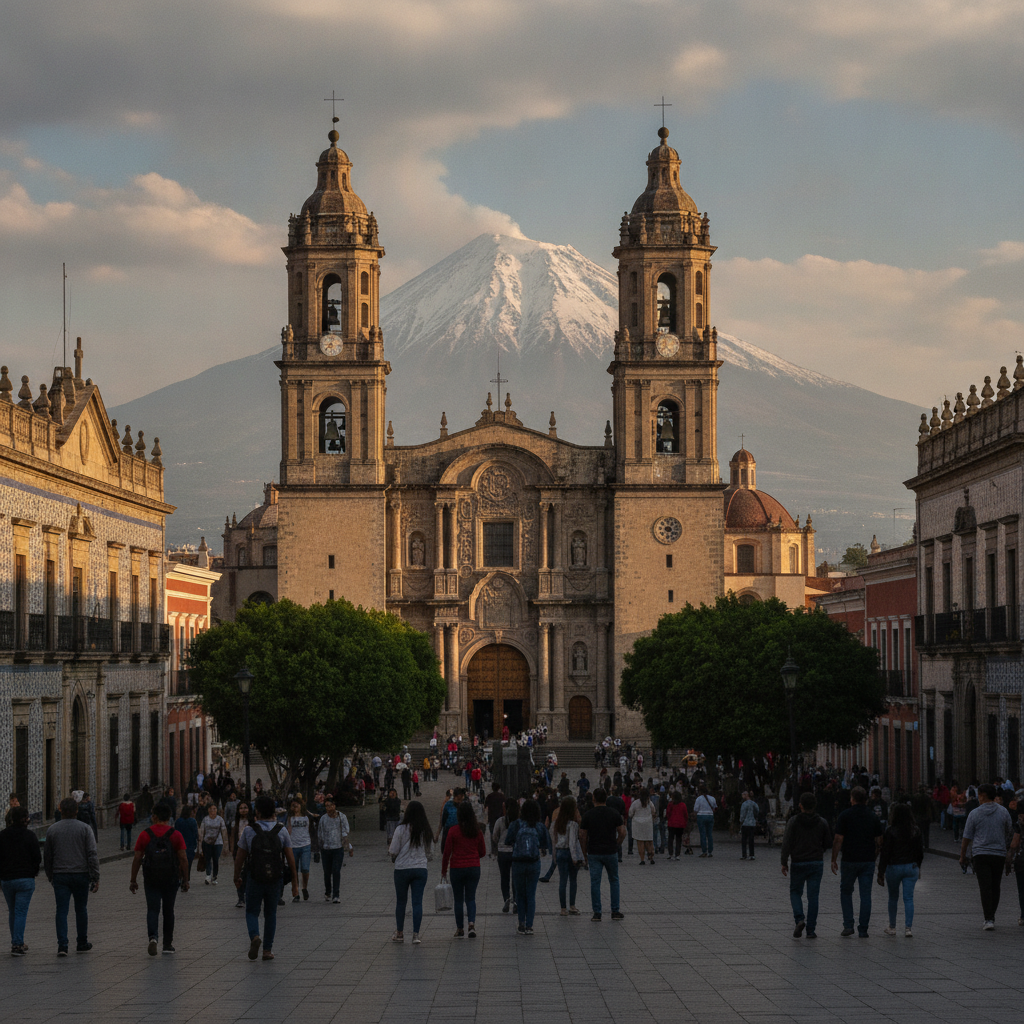
Puebla Cathedral Capilla del Rosario Talavera Tiles Mole Poblano Cholula Pyramid and the City That Was Founded by Angels and Destroyed by the Volcano That Still Watches Over It
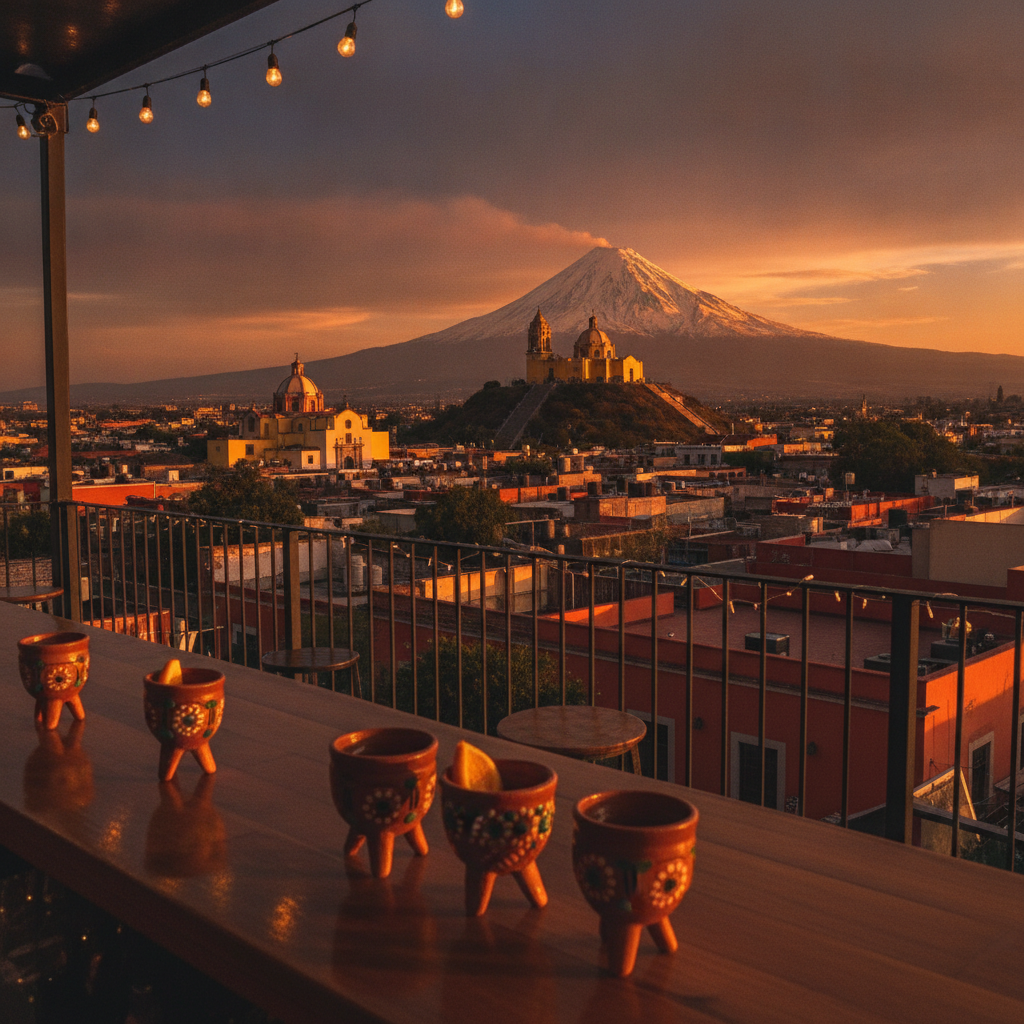
Puebla Contemporary City Art Scene Emerging Neighborhoods Barrio Chino and How a 500 Year Old Heritage City Is Reinventing Itself as a Creative Capital for the 21st Century Mexican Middle Class
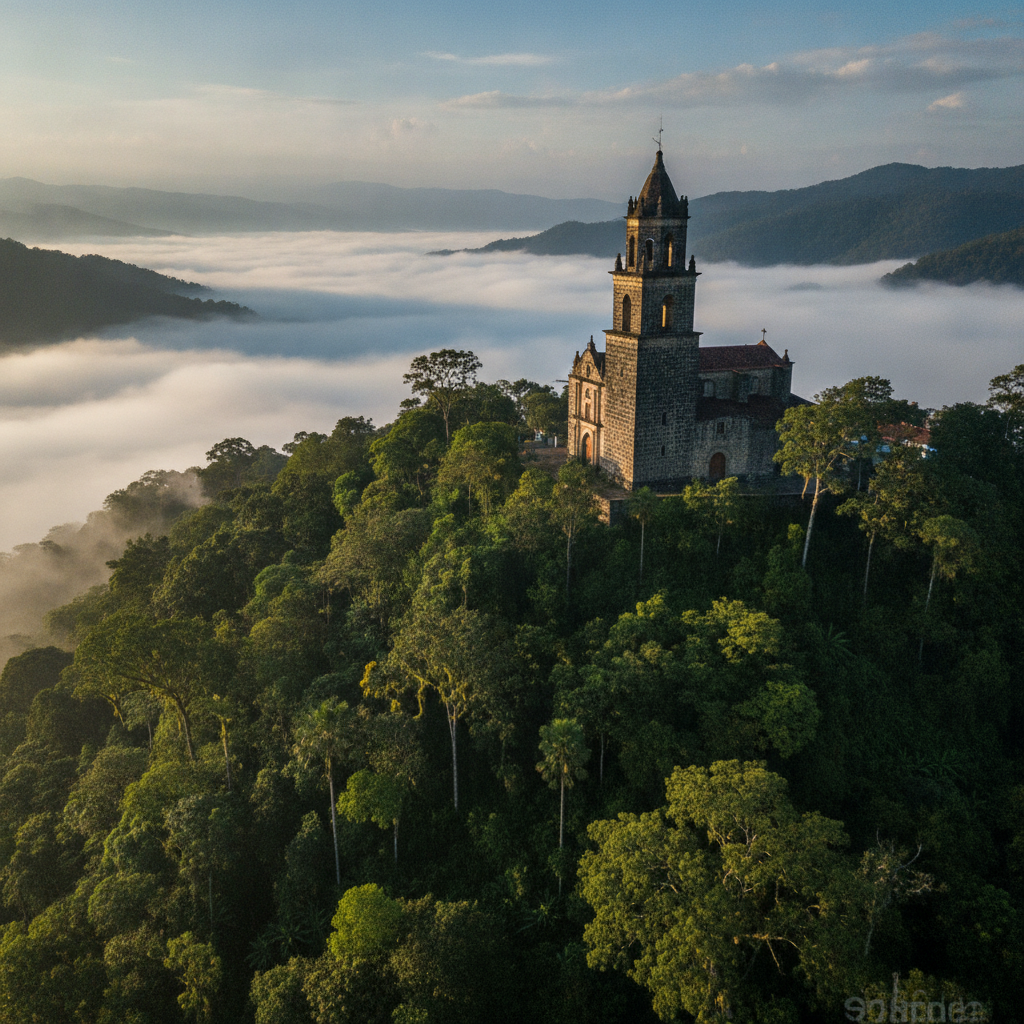
Puebla Day Trips Cuetzalan Cloud Forest Izucar de Matamoros Matamoros Tlaxiaco and the Sierra Norte de Puebla Where Indigenous Communities Maintain a Living Culture in Mexico's Most Biodiverse Mountain Range
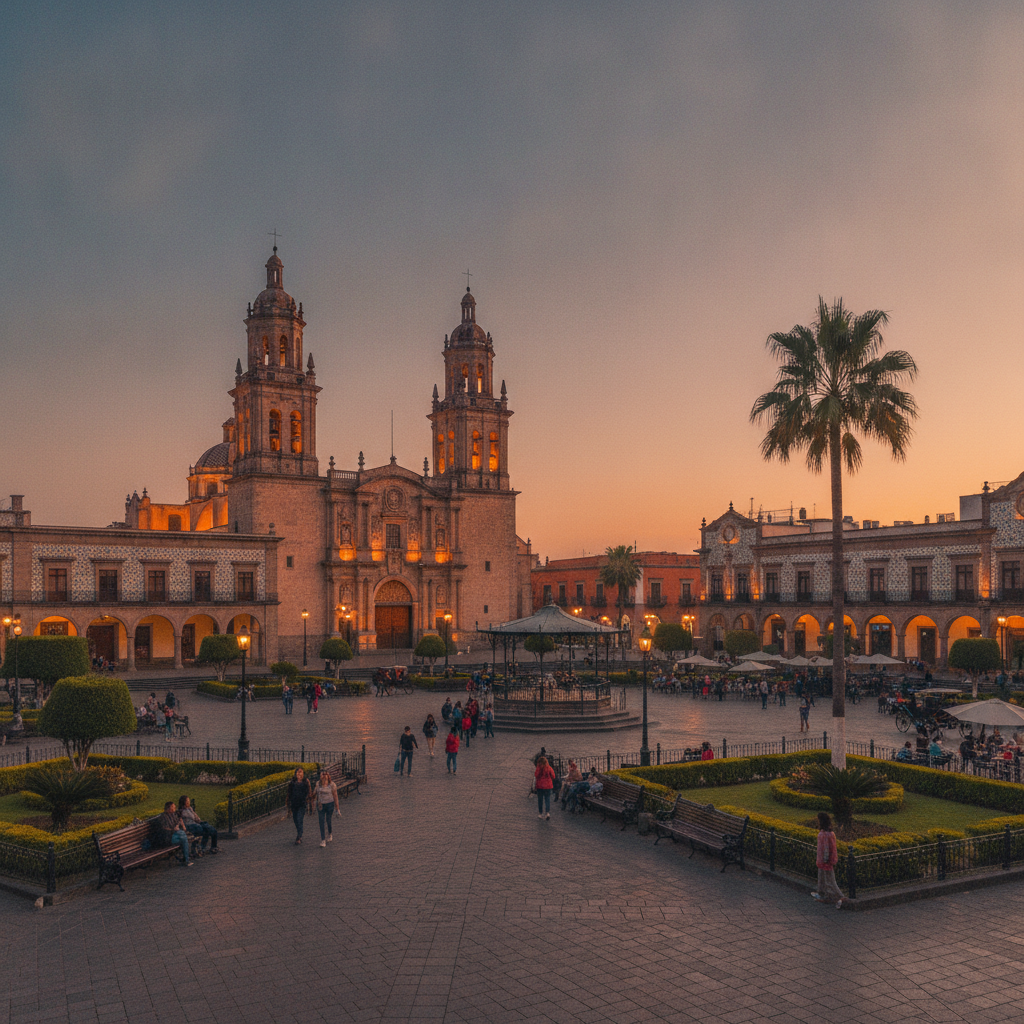
Puebla Practical Guide Transport Safety Climate Neighborhoods Hotels and How to Eat and Move Through a UNESCO Colonial City That Is Also a Metropolitan Area of Three Million People With Heavy Traffic
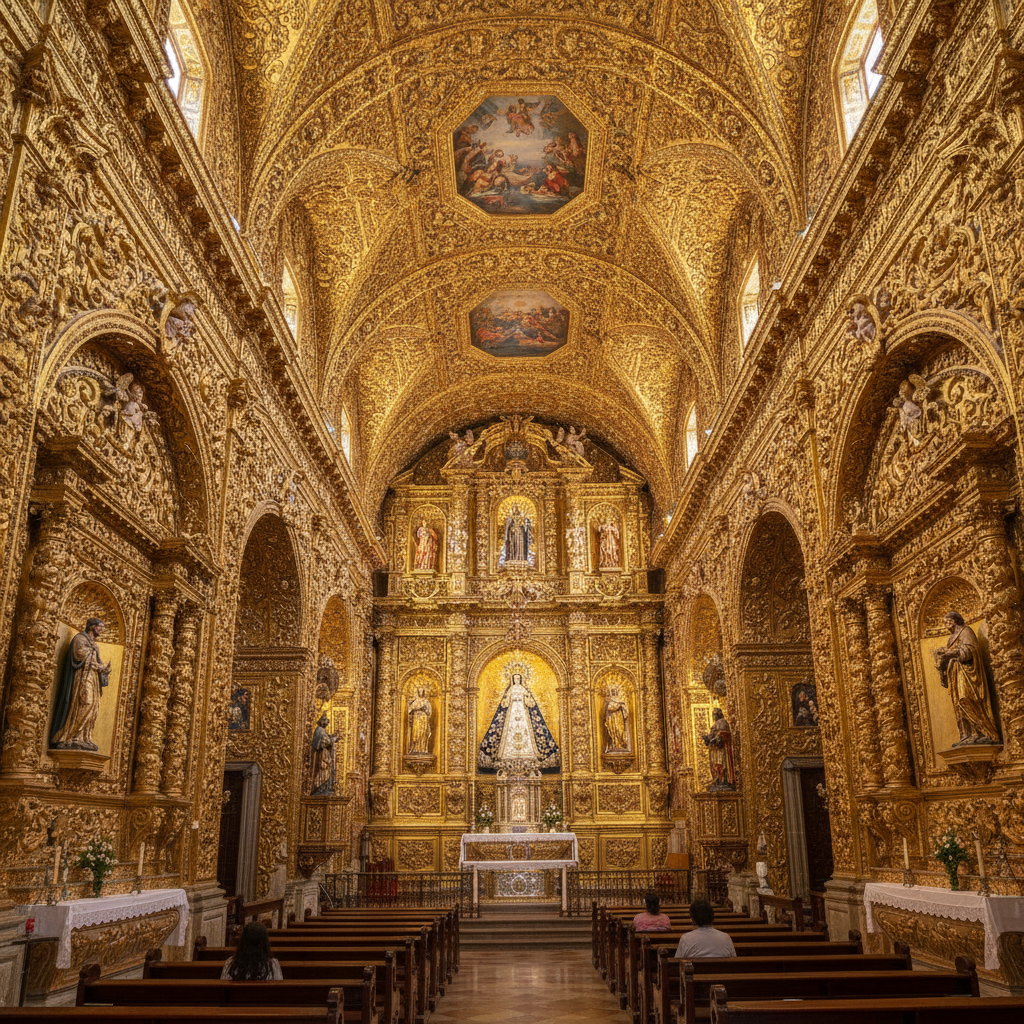
Puebla Convents Churches and the Religious Architecture of a City Built by Angels Where 72 Colonial Churches Represent the Most Complete Ecclesiastical Cityscape in Mexico