Puebla Food Capital Cemitas Chiles en Nogada Mole Negro Chalupas Mercados and the Convent Kitchen Tradition That Made Puebla the Gastronomic Capital of Mexico
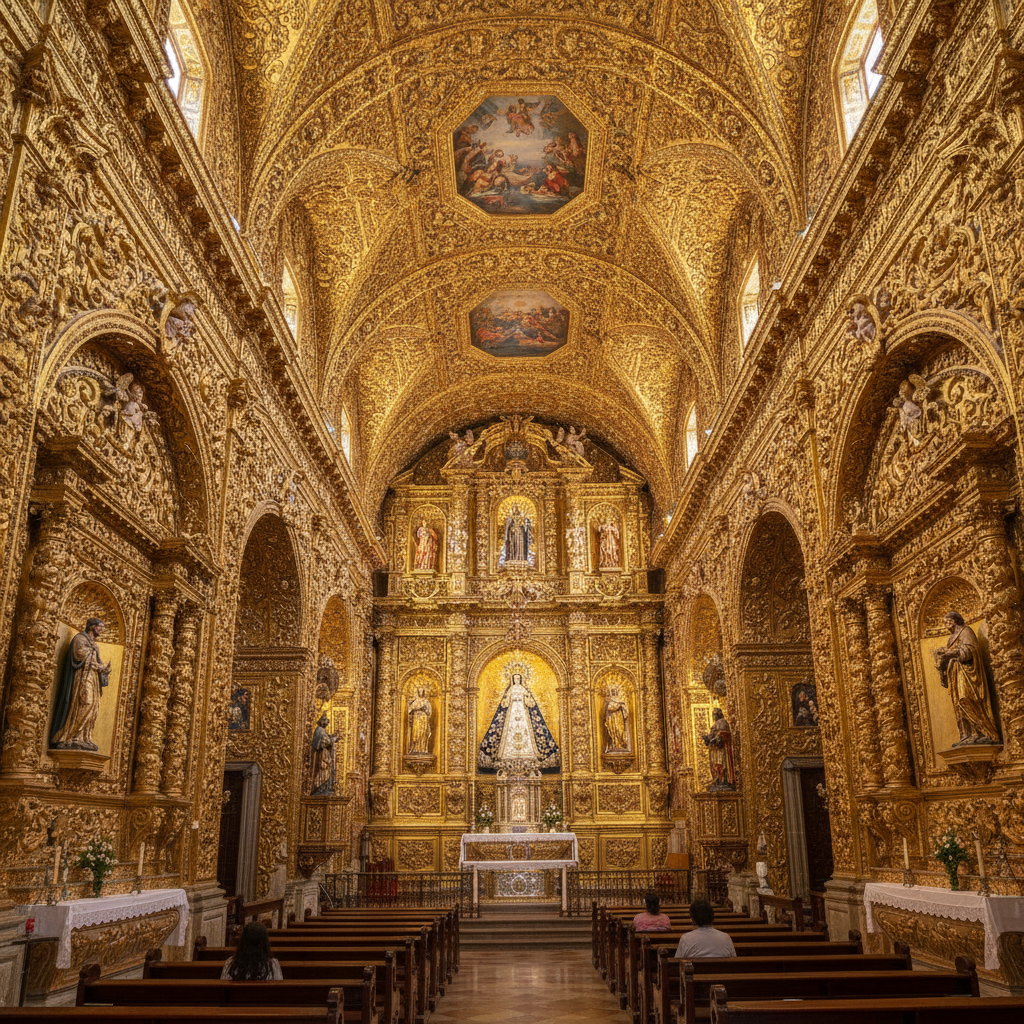
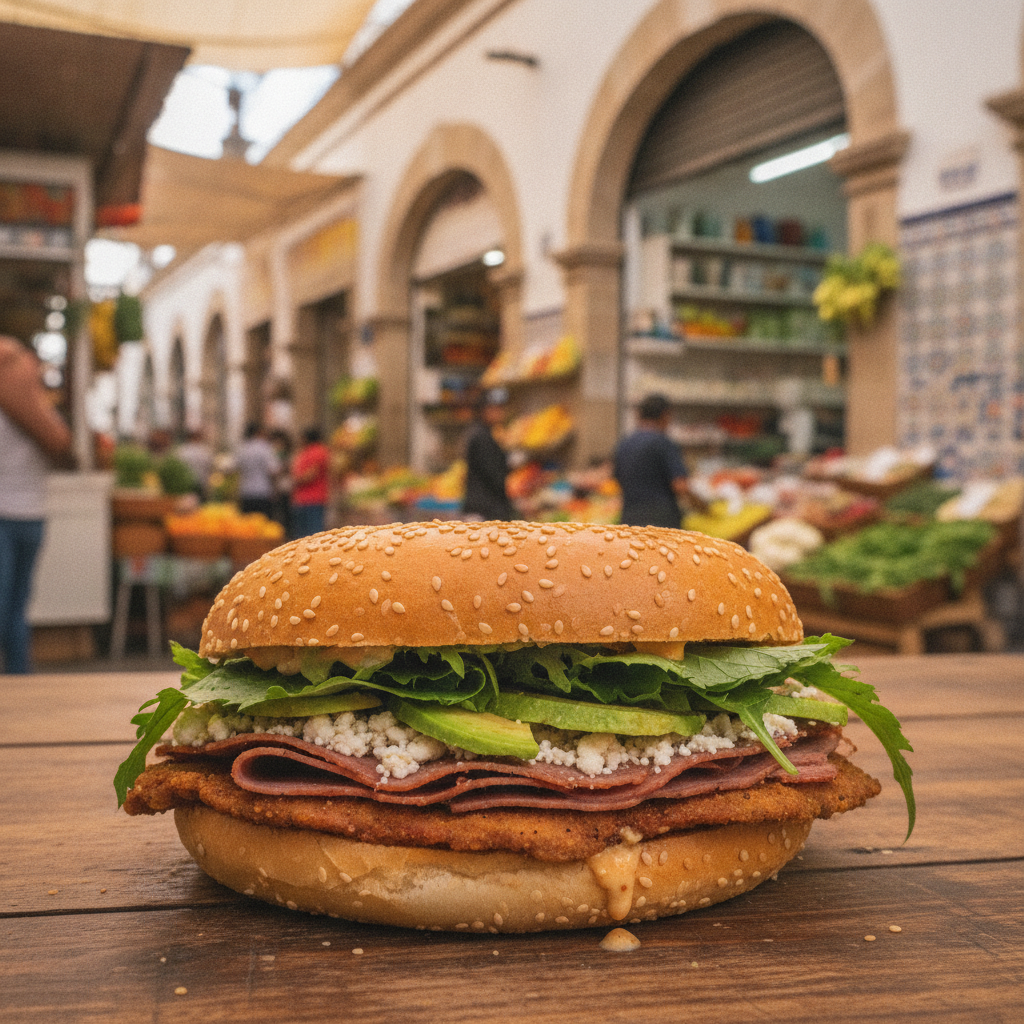
Puebla's claim to be the gastronomic capital of Mexico rests on the density and creativity of its culinary tradition, which developed in the colonial convent kitchens where the nuns of the Augustinian, Dominican, Franciscan, and Carmelite orders competed to produce the finest dishes for feast days and visits by the viceregal court, creating through a process of culinary one-upmanship the complex sauce and pastry tradition that defines Puebla cuisine. The convent kitchen tradition of Puebla is documented in the recipe manuscripts preserved in the Biblioteca Palafoxiana, the 17th-century library that holds one of the oldest cookbook collections in the Americas, and in the oral traditions of the families that have maintained the mole negro, the chile en nogada, and the pipian preparations through generations of domestic cooks. The cemita is the defining street food of Puebla: a sesame-seeded roll from the Mercado El Alto cemita stalls, stuffed with pork milanesa, Oaxacan string cheese, avocado, chipotles, onion, and the papalo herb that grows in the Puebla valleys and gives the sandwich its characteristic bright, sharp flavor that no substitute herb can replicate. The chalupa, a small fried masa boat topped with salsa verde or roja and shredded pork or chicken, is the Puebla street food most commonly eaten as a morning market snack, available from the chalupa vendors of the Mercado 5 de Mayo and the Barrio Alto. The mole negro of Puebla, distinct from the Oaxacan mole negro in its use of the mulato chile and its richer, darker color, is the sauce that the Puebla family restaurants serve for the comida del domingo, the Sunday meal that remains the primary occasion for the preparation of the most time-consuming dishes of the regional kitchen.
- 1
Cemitas Chalupas and the Mercado El Alto Street Food
The Mercado El Alto, the covered market on the eastern edge of the Puebla historic center near the Barrio del Artista, is the primary street food market of the city, home to the cemita vendors whose stalls have operated in the market since the 19th century and whose production of the Puebla cemita sandwich constitutes the most significant concentration of this particular food tradition in the world. The Puebla cemita differs from the Mexico City torta in multiple ways: the sesame roll is enricher and denser, the papalo herb is essential and irreplaceable, the Oaxacan quesillo string cheese is pulled into strands rather than sliced, the chipotle is integrated rather than optional, and the Milanesa de res or de cerdo, the breaded and fried meat cutlet, is the standard protein rather than the variety of fillings that the Mexico City torta offers. The chalupa vendor circuit of Puebla, operating in the market fondas and the street vendor positions in the Barrio Alto and the 5 de Mayo market, serves the fried masa chalupa as a morning market snack with the speed and informality of the working-class Mexican breakfast tradition. The memelas, the oval masa cakes topped with black beans, salsa, and queso fresco, are the Puebla variation of the tlayuda and the tostada, consumed as a street breakfast alongside atole or coffee at the early-morning market stalls that serve the vendors and workers before the tourist circuit activates. The mercado food landscape of Puebla represents the working-class Mexican culinary tradition that exists in parallel with the convent-derived fine cuisine and the contemporary restaurant sector, providing the daily food of the majority population at prices that the peso economy can access.
- 2
Chile en Nogada and the August September Season
Chile en nogada is the most seasonally specific and symbolically loaded dish in Mexican cuisine, served exclusively from August through September when the pomegranate ripens and the walnuts of the Puebla and Puebla valleys are harvested, presenting the colors of the Mexican flag in a dish that tradition connects to the feast organized in 1821 by the Augustinian nuns of Puebla to honor Agustin de Iturbide on his birthday when he passed through the city after signing the Act of Independence. The preparation involves selecting the poblano chiles at their peak size and sweetness, roasting them to remove the skin, and filling them with a picadillo that combines ground pork, dried fruits including peach and pear, pine nuts, almonds, cinnamon, cloves, and the savory and sweet balance that the combination produces. The nogada, the walnut cream sauce that covers the stuffed chile, is made from fresh walnuts blanched to remove their bitterness, cream cheese, sherry, and the salt-sweet balance that creates the white sauce that covers the dark green of the roasted chile and against which the pomegranate seeds and chopped parsley create the red and green of the Mexican tricolor. The quality of the chile en nogada varies significantly between the restaurants and fondas that prepare it: the finest versions use fresh walnuts blanched by hand, pomegranate seeds added at service rather than in preparation, and the chile roasted and filled individually rather than prepared in batches. The chile en nogada season drives a significant peak in Puebla restaurant tourism from August through September, when the dish appears on every menu in the historic center and the Barrio del Artista and commands prices of 200 to 350 pesos for the individual portion.
- 3
Mole Negro and the Convent Kitchen Legacy
The mole negro of Puebla, one of the most complex dishes in Mexican cuisine alongside the Oaxacan mole negro and the Veracruz mole almendrado, requires the integration of six or more dried chile varieties, the careful balance of bitterness from the chilhuacle negro and mulato, heat from the pasilla and ancho, sweetness from the chocolate and dried fruit, and the binding capacity of the fried bread and plantain that gives the sauce its texture. The preparation in a traditional Puebla kitchen begins two days before service, with the chiles toasted on a comal until the skin darkens but does not burn, rehydrated in boiling water, and the soaking liquid reserved for its color. The mole negro of the Puebla restaurant tradition is most authentically experienced in the family restaurants of the Barrio del Artista, the Barrio de la Luz, and the historic center fondas that maintain the preparation as a daily offering rather than a special occasion dish, and that price it within the reach of the Mexican middle-class clientele who constitute the majority of mole restaurant customers. The mole amarillo, the mole verde, and the pipian rojo and verde, the other primary Puebla sauce preparations, represent the broader repertoire of the Puebla convent kitchen that extends beyond the famous mole negro to a full system of chile-based sauces that define the regional culinary identity. The Biblioteca Palafoxiana, founded in 1646 by Bishop Juan de Palafox y Mendoza and housing one of the oldest colonial cookbook collections in the Americas among its 45,000 volumes, preserves the documentary evidence of the convent kitchen tradition in manuscript recipe books that culinary historians have used to reconstruct the 17th-century cooking of the Puebla convents.
- 4
Puebla Restaurant Scene and Contemporary Gastronomy
The contemporary restaurant scene of Puebla has positioned the city as a gastronomic tourism destination that attracts visitors from Mexico City, two hours away by highway, for day trips and weekend visits specifically organized around the food culture, making Puebla the most significant domestic gastronomy tourism destination in Mexico. The La Noria gastronomy district in the reformed Barrio del Artista, the Callejon de los Sapos antique market area, and the historic center restaurant cluster around the Zocalo constitute the primary concentrations of the Puebla dining scene, ranging from the traditional family restaurants serving mole and cemitas to the contemporary Mexican cuisine establishments that have achieved national recognition. The restaurant Sacristia de la Compania, in the former sacristy of the Jesuit church adjacent to the Palafoxiana library, is one of the most architecturally significant dining spaces in Mexico, serving Poblano cuisine in a 17th-century room with vaulted ceilings and painted walls that constitute an immersive heritage dining experience. The Sunday market of the Zocalo, where artisan food producers from the Puebla sierra and valley communities sell the regional ingredients - the dried chiles, fresh herbs, artisan cheeses, and specialty products of the Puebla agricultural zone - alongside the cooked food vendors who set up for the weekend market, is the best single occasion for understanding the breadth of the Puebla food culture beyond the restaurant sector. The dulces tradicionales, the traditional sweets of Puebla including camotes (sweet potato candy), mueganos (honey-bound fritters), and the marquesote almond cake, are sold in the specialty sweet shops of the historic center and represent the convent pastry tradition in its most commercially accessible form.
- 5
Barrio del Artista and Puebla Cultural Life
The Barrio del Artista, the neighborhood of artists studios and galleries established in the 1940s in the colonial houses of the Calle 8 Norte area between the Zocalo and the Parque de la Amistad, is the bohemian cultural center of Puebla, where painters, sculptors, and ceramicists work in open studios visible from the street and the weekend open-air market of artisan work provides the bridge between the studio production and the tourist consumer economy. The studios of the Barrio del Artista continue the visual art tradition of the Puebla school of painting, which produced significant academic and religious paintings from the 17th century through the 19th in the workshops of master painters who trained in the colonial academic tradition and executed the altarpiece commissions of the Puebla church patrons. The Teatro Principal de Puebla, the oldest continuously operating theater in the Americas opened in 1761, presents the full season of theater, opera, and dance performances that the Puebla cultural calendar requires, complemented by the contemporary performing arts venues of the CAPU cultural center and the FAPS system of cultural spaces in the historic center. The Puebla International Baroque Music Festival, held annually in November, brings early music ensembles and soloists to the colonial church venues of the historic center for a program of 17th and 18th-century music in the architectural settings that the repertoire was composed for, creating the historically authentic performance context that early music performance practice has been developing since the 1960s. The Universidad Iberoamericana campus in Puebla and the Benemerita Universidad Autonoma de Puebla both contribute student populations that animate the cultural life of the city's neighborhoods and support the gallery, cinema, and live music venues of the Barrio del Artista circuit.
- 6
Puebla Talavera Buildings Walking Tour and Architecture
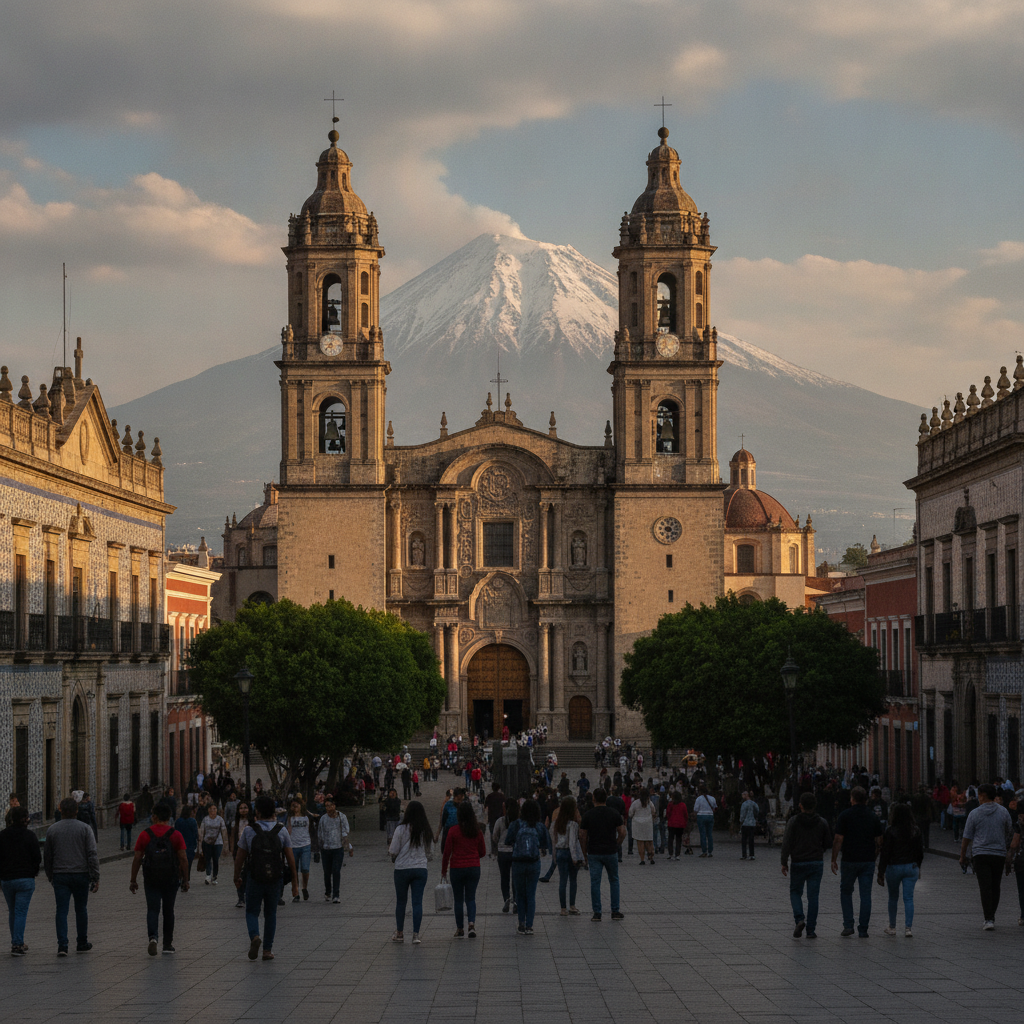
The Talavera-covered building facades of the Puebla historic center, concentrated in the streets of 6 Oriente, 4 Norte, and the blocks surrounding the Casa del Dean, constitute the most significant outdoor collection of applied ceramic art in the world, with the blue-and-white and polychrome tiles covering entire facades of colonial houses in a tradition that developed in the 17th and 18th centuries as the Talavera ceramic industry made the product accessible to the prosperous colonial bourgeoisie of one of New Spain's wealthiest cities. The Casa del Dean, the 16th-century residence of the cathedral dean Tomas de la Plaza, preserves the oldest surviving secular mural paintings in the Americas in its interior rooms, with painted allegorical scenes executed in the 1580s by indigenous artists working in the European Renaissance tradition for a Spanish clerical patron, documenting the cultural transfer of the early colonial period in its most intimate residential setting. The walking circuit of Talavera-decorated facades begins at the Zocalo and moves through the calles 4 and 6 Norte and Oriente where the most complete examples of 18th-century Talavera facade coverage survive, including the Casa de los Munecos, whose facade includes human figure tiles satirizing the city council that attempted to prevent the owner from building his house taller than the cathedral. The Barrio del Artista walking tour of the open studios, combined with the artisan Talavera workshop visits along the Avenida 18 Poniente, provides the complete Puebla ceramic tradition experience from the historic architectural applications to the contemporary studio production. The evening illumination of the Puebla Zocalo and the cathedral facade, with the architectural lighting designed to emphasize the baroque ornament and the twin towers, creates the nighttime version of the Puebla monumental walking tour that complements the daytime museum circuit.
Walk this route with audio
Stories play automatically as you reach each stop — no tapping needed.
More in Puebla
Puebla Cathedral Capilla del Rosario Talavera Tiles Mole Poblano Cholula Pyramid and the City That Was Founded by Angels and Destroyed by the Volcano That Still Watches Over It
Puebla Contemporary City Art Scene Emerging Neighborhoods Barrio Chino and How a 500 Year Old Heritage City Is Reinventing Itself as a Creative Capital for the 21st Century Mexican Middle Class
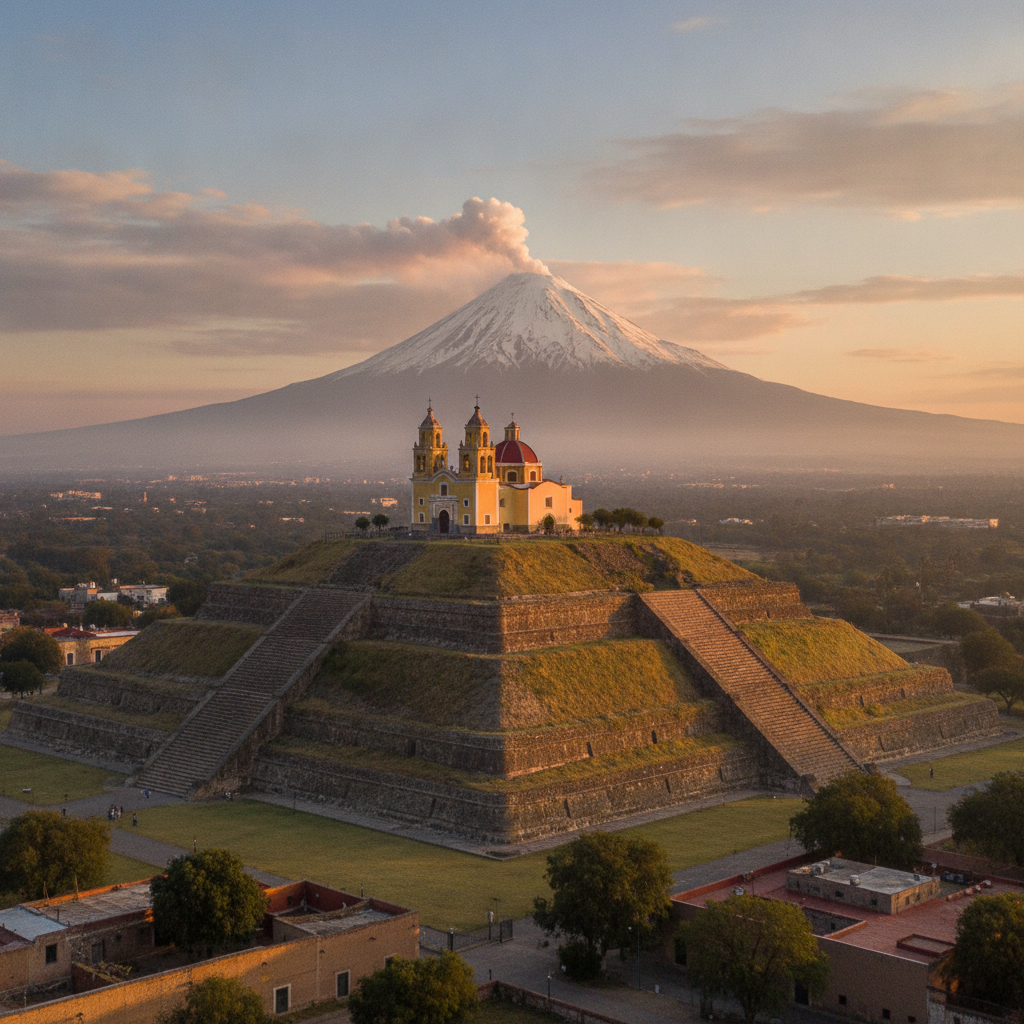
Puebla Pre-Hispanic Heritage Tlaxcala the Huejotzingo Codex Cholula as the Sacred City of Quetzalcoatl and the Indigenous Alliance That Made the Spanish Conquest of the Aztec Empire Possible
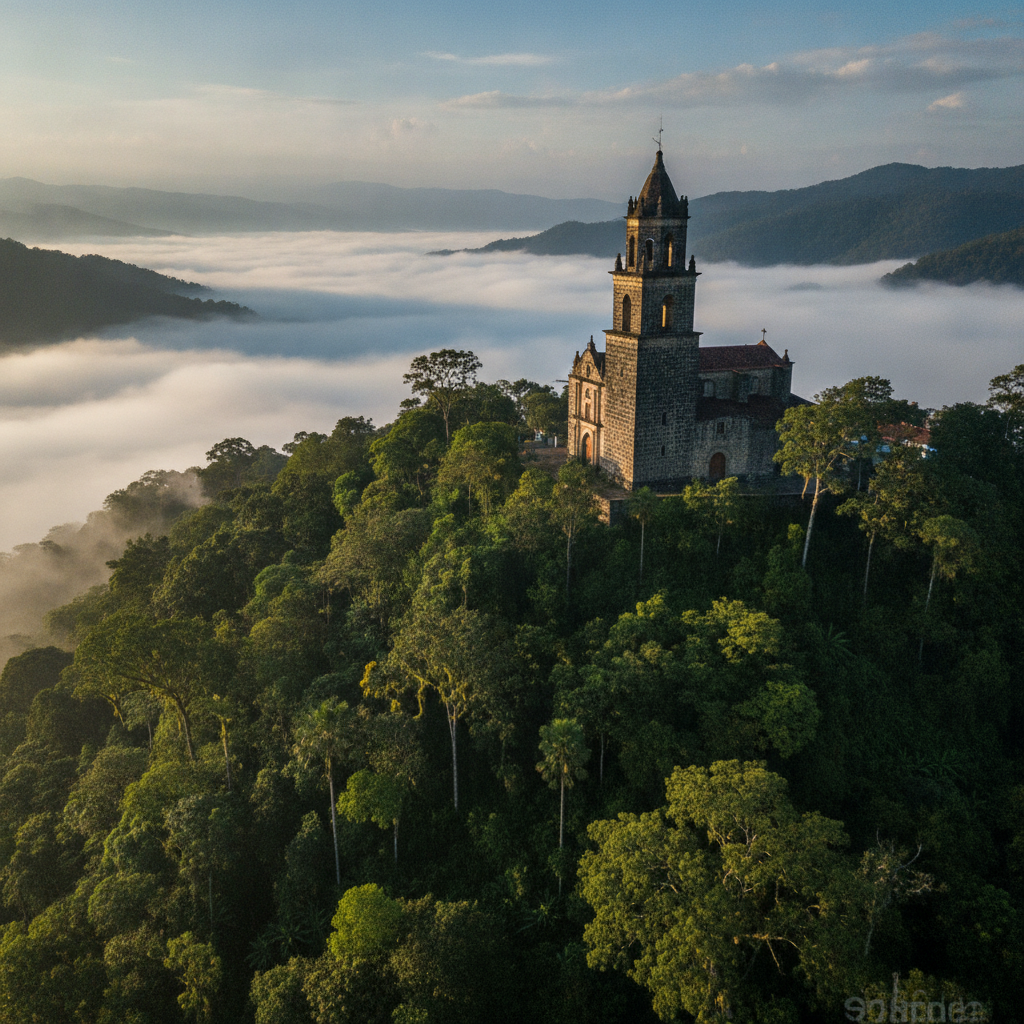
Puebla Day Trips Cuetzalan Cloud Forest Izucar de Matamoros Matamoros Tlaxiaco and the Sierra Norte de Puebla Where Indigenous Communities Maintain a Living Culture in Mexico's Most Biodiverse Mountain Range
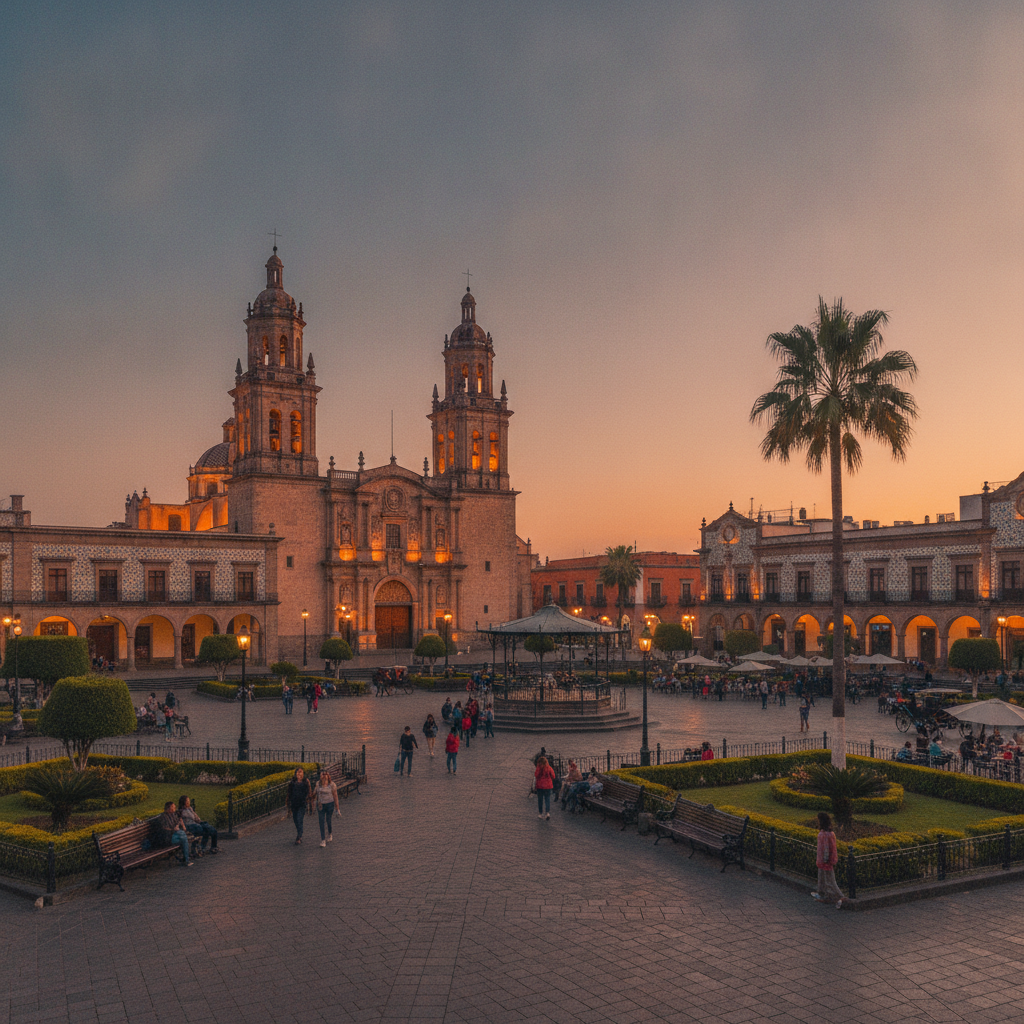
Puebla Practical Guide Transport Safety Climate Neighborhoods Hotels and How to Eat and Move Through a UNESCO Colonial City That Is Also a Metropolitan Area of Three Million People With Heavy Traffic