Puebla Practical Guide Transport Safety Climate Neighborhoods Hotels and How to Eat and Move Through a UNESCO Colonial City That Is Also a Metropolitan Area of Three Million People With Heavy Traffic
Puebla is simultaneously a UNESCO World Heritage colonial city of 72 historic center blocks and a metropolitan area of 3 million people with the traffic, sprawl, and urban complexity of a major Mexican industrial city, and navigating between these two realities is the central practical challenge for the visitor who needs to get from the airport or bus station to the historic center through the metropolitan geography that surrounds it. The Hermanos Serdan International Airport of Puebla, 25 kilometres west of the historic center in the Huejotzingo municipality, serves the city with connections to Mexico City, Monterrey, Guadalajara, Tijuana, Merida, and a limited set of US destinations, though the proximity to Mexico City and the excellent highway and bus connection mean that most international visitors arrive overland from the capital rather than through the Puebla airport. The ADO first-class bus terminal in the northern edge of the historic center, 15 minutes walk from the Zocalo, receives the frequent connections from Mexico City TAPO terminal and provides the most practical arrival point for the visitor who is connecting from the capital, with the journey taking 90 minutes to two hours depending on Mexico City traffic at the departure point. The historic center of Puebla at 2,135 metres elevation has the temperate climate of the high Mexican plateau, with the spring dry season from March through May being the warmest and driest, the rainy season from June through September delivering the afternoon thunderstorms that refresh the city within an hour, and the winter months of November through February being clear and cool with occasional frost on the highest hilltop neighborhoods. The safety profile of the Puebla historic center is generally secure for tourist activity, with the main concern being the standard urban precautions of metropolitan Mexico including avoiding isolated areas at night and being alert to petty theft in the market and crowd environments.
- 1
Getting to Puebla Airport Bus and Highway
The highway connection between Puebla and Mexico City on the Autopista Mexico-Puebla four-lane toll highway, 130 kilometres with a travel time of 90 minutes in light traffic and up to three hours in the Mexico City rush hour, is the most used transport route for Puebla visitors, with both private car and ADO/Estrella Roja bus services providing frequent service throughout the day. The ADO bus service from the TAPO terminal in Mexico City, the most convenient departure point for visitors staying in the historic center of Mexico City, runs every 15 to 30 minutes from 6 am to midnight, with the modern coach providing a comfortable journey that costs approximately 250 to 350 pesos for a first-class ticket. The Estrella Roja bus service from the Mexico City TAPO terminal is faster and more frequent than ADO on some departures, competing for the Mexico City-Puebla corridor that is the highest-volume intercity bus route in Mexico outside of the Mexico City-Guadalajara connection. The Puebla ADO terminal at 4 Poniente 2702 in the Barrio de la Luz neighborhood north of the historic center, 15 minutes walk from the Zocalo, is the arrival and departure point for the Mexico City, Oaxaca, Veracruz, and other long-distance connections, with the taxi and app-based ride service available immediately outside the terminal for the ride to the hotel. The Hermanos Serdan Airport of Puebla receives a limited number of direct US connections from Chicago, Houston, and Los Angeles, operated by Volaris and Aeromexico, providing an alternative for visitors who prefer to connect directly to Puebla rather than transiting Mexico City, though the route frequency is significantly lower than the Mexico City international hub connections.
- 2
Historic Center Navigation and Getting Around
The Puebla historic center, organized on the Spanish colonial grid of the Laws of the Indies with the Zocalo at the intersection of the north-south and east-west axes, is navigationally straightforward compared to the canyon cities of Guanajuato or the colonial hill towns of Oaxaca, with the numbered street grid providing a logical address system and the cathedral towers serving as a visual orientation anchor visible from most of the historic center. The Puebla address system uses a coordinate-style street numbering that specifies the quadrant direction from the Zocalo and the distance in blocks, making addresses like 4 Poniente 104 or 6 Oriente 204 readable as compass directions from the central plaza once the system is understood. Walking is the appropriate mode of transport for the historic center, with the main monuments, markets, and restaurants within a 20-minute radius on foot from the Zocalo. The cobblestone streets of the historic center, while not as steep or irregular as those of Guanajuato or Taxco, require comfortable walking shoes for a full day of exploration. The Metrobus and the urban bus system of Puebla serve the metropolitan area but are not practically useful for the tourist within the historic center, where the walking distances are short enough to make transit unnecessary. Uber and InDriver operate in Puebla and provide the most convenient motorized transport for reaching the bus station, the airport, or the Cholula area on a day trip, with prices significantly lower than taxi rates for the equivalent journey.
- 3
Neighborhoods and Accommodation Zones
The accommodation options of the Puebla historic center range from the luxury boutique hotels in converted colonial mansions at 120 to 250 dollars per night to the mid-range hotels in the streets surrounding the Zocalo at 60 to 100 dollars and the budget guesthouses in the northern historic center neighborhoods at 25 to 50 dollars. The luxury hotel concentration is in the Zocalo-adjacent blocks, with the Casona de la China Poblana on 4 Norte, the Hotel Colonial on 4 Sur, and the boutique properties of the Barrio del Artista representing the premium accommodation market. The mid-range accommodation zone extends through the 2 and 4 Oriente and Poniente streets within three to four blocks of the Zocalo, where the colonial buildings that have not been converted to premium boutiques operate as conventional hotels with courtyard restaurants and adequate but not extravagant facilities. The San Andres Cholula area provides a different accommodation character, with boutique hotels in the colonial houses adjacent to the pyramid area and the zocalo providing the pyramid and volcano view experience at prices comparable to the Puebla mid-range market but in a quieter and more intimate setting than the Puebla historic center. The vacation rental market of Puebla, operating through Airbnb and VRBO, offers colonial apartment rentals in the historic center neighborhoods at prices that the independent traveler finds competitive with the hotel market when the kitchen facilities and space of an apartment are factored into the value calculation.
- 4
Safety Healthcare and Practical Urban Infrastructure
The safety environment of Puebla historic center is generally managed for tourist activity, with the concentration of police presence in the Zocalo area, the tourism security patrols of the historic center streets, and the camera surveillance system of the colonial zone providing the visible security infrastructure that the tourist economy requires. The metropolitan area of Puebla outside the historic center has the security profile of a major Mexican industrial city, with organized crime-related violence in the peripheral neighborhoods and the transport corridors of the metropolitan zone that has not directly targeted the historic center tourist environment. The private hospital infrastructure of Puebla, concentrated in the Angelopolis commercial district on the western edge of the metropolitan area, provides the English-speaking medical services and specialist care that the expatriate and medical tourism market requires, with Medica Sur and UPAEP health system hospitals offering the quality level associated with private Mexican healthcare. The pharmacy network of Puebla, with Farmacias del Ahorro and Farmacias Benavides chains throughout the historic center and the metropolitan area, provides access to common medications and the basic healthcare products that the traveler needs without requiring a prescription for most common drugs. The internet infrastructure of the Puebla historic center hotels and the Starbucks and independent cafe circuit provides adequate connectivity for the remote work traveler, though the colonial building construction of thick stone walls can limit in-room WiFi signal strength in some historic center properties.
- 5
Puebla Climate and Best Months to Visit
Puebla's climate at 2,135 metres elevation is classified as humid subtropical highland, with the moisture from the Gulf Coast carried by the trade winds interacting with the altitude to produce the afternoon rainfall from June through September and the dry, clear winter that makes November through April the preferred season for visitors who want guaranteed sunshine. The months of March through May are the warmest of the year, with afternoon temperatures reaching 25 to 28 Celsius in the dry season before the rains begin in June, and the spring wildflower bloom on the hillsides around the city and in the volcanic national parks of Popocatepetl and Iztaccihuatl providing a natural landscape complement to the urban heritage. The August and September period, when the chile en nogada season is active, is one of the best times to visit despite the afternoon rains, because the combination of the seasonal dish, the green pomegranate harvest in the surrounding communities, and the freshness of the rainy season landscape provides the most complete Puebla experience. The December holiday period brings the posadas tradition, the Christmas market on the Zocalo, and the cold but dry weather that the high-altitude December provides, with frost possible on the clearest and coldest nights. The Semana Santa Holy Week period in March or April is the highest-demand tourist week of the year in Puebla, with the processions of the confraternities and the religious programming of the 72 historic center churches drawing visitors from Mexico City and internationally, requiring advance hotel booking and the willingness to navigate the street closures that the procession routes create in the historic center.
- 6
Puebla Weekend Day Trip from Mexico City Guide
Puebla as a day trip from Mexico City is the most efficient one-day heritage experience available from the Mexican capital, covering the Zocalo and cathedral, the Capilla del Rosario in Santo Domingo, the Biblioteca Palafoxiana, the Mercado El Alto for cemitas, and the Cholula pyramid in a single day if the schedule is disciplined and the arrival is by the 8 am ADO bus from TAPO. The recommended day trip sequence begins with the first bus from TAPO at 6 or 7 am, arriving in Puebla by 8 or 8:30 am for the early morning Zocalo when the cathedral facade is in early light and the Mercado El Alto is producing the first cemitas of the day. The midday hours of 12 to 3 pm are the hot period when the interior visit to the Capilla del Rosario and the Biblioteca Palafoxiana provides air-conditioned heritage while the streets are at their warmest. The afternoon bus to Cholula takes 20 minutes from the Puebla CAPU terminal, allowing the 3 to 6 pm period for the pyramid tunnels, the church on the summit, and the rooftop bar view of Popocatepetl before returning to Puebla for the evening ADO bus to Mexico City. The overnight option, adding one night in a Puebla historic center hotel, allows the chile en nogada experience at a restaurant dinner, the evening walk of the illuminated historic center, and the early morning Mercado El Alto before the return to Mexico City, constituting the more complete Puebla experience that the day trip cannot fully capture.
Walk this route with audio
Stories play automatically as you reach each stop — no tapping needed.
More in Puebla
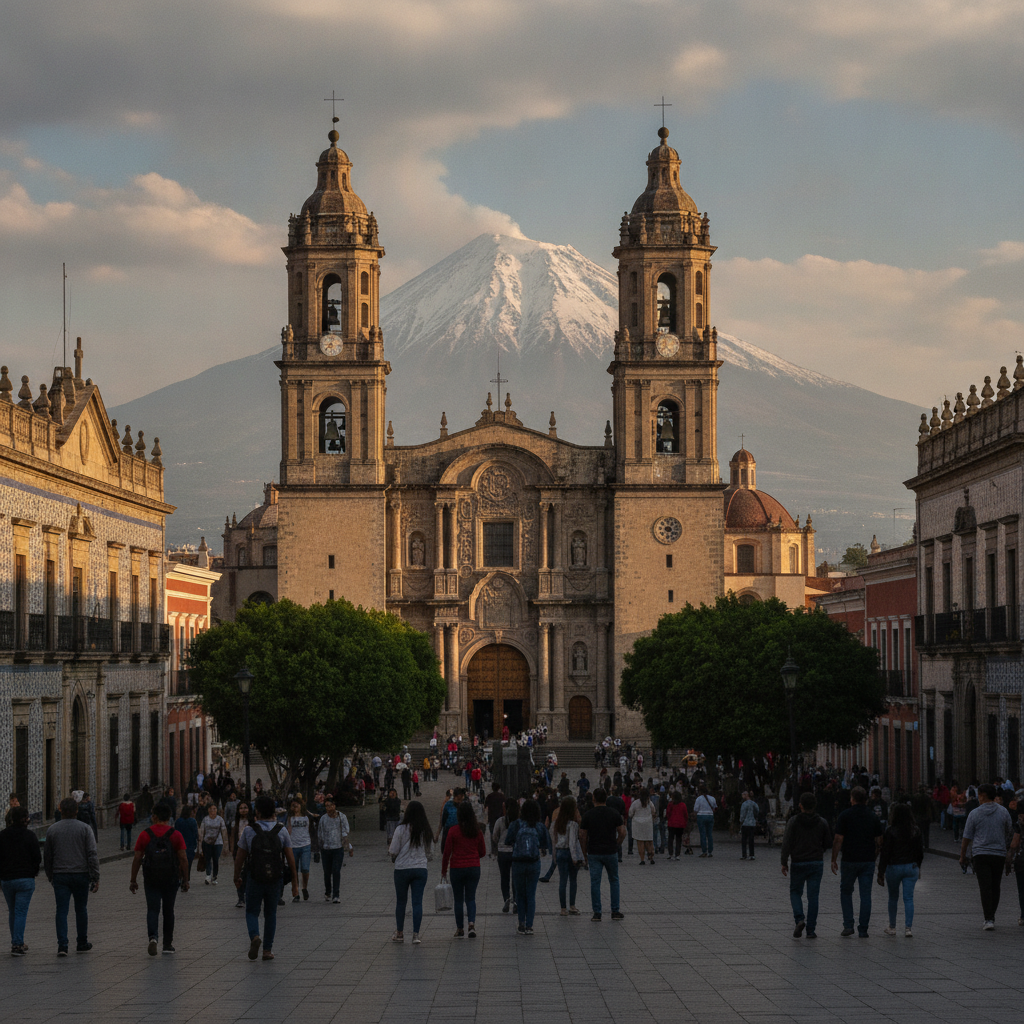
Puebla Cathedral Capilla del Rosario Talavera Tiles Mole Poblano Cholula Pyramid and the City That Was Founded by Angels and Destroyed by the Volcano That Still Watches Over It
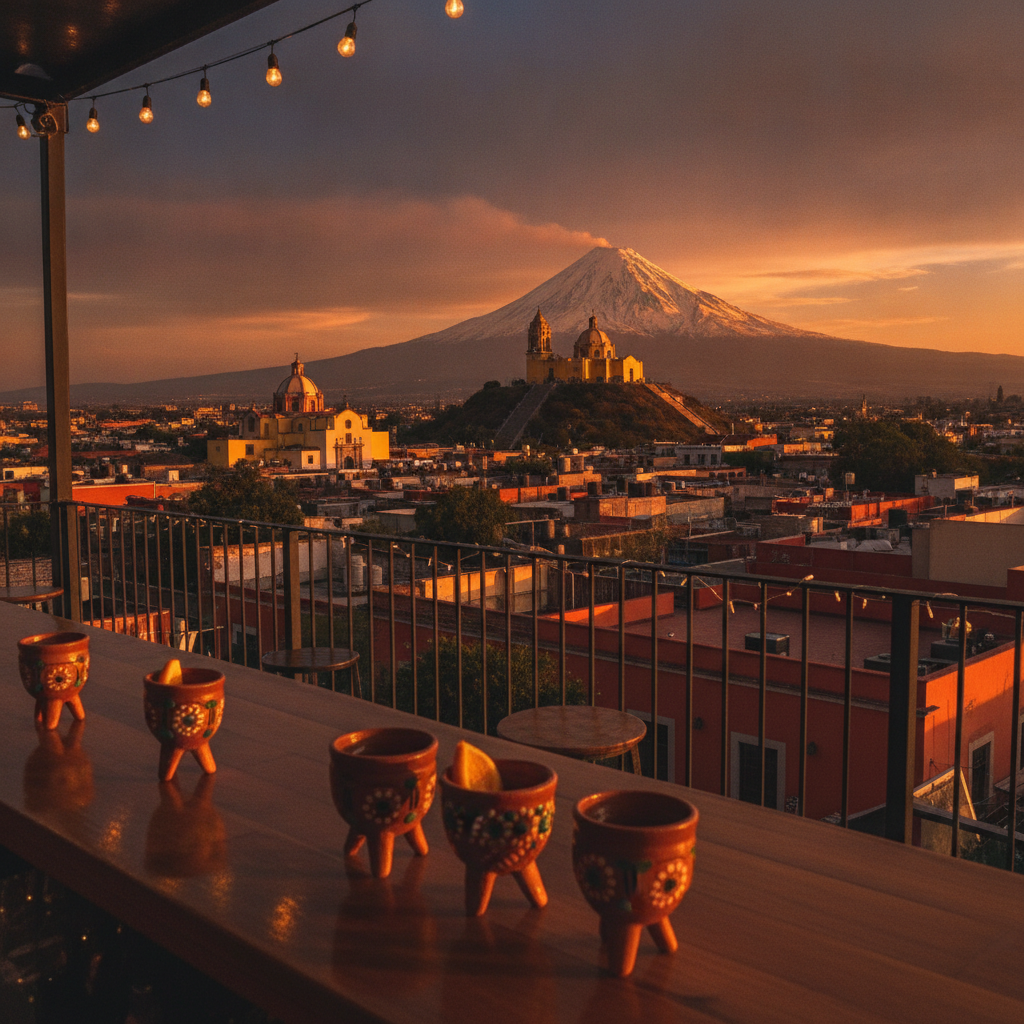
Puebla Contemporary City Art Scene Emerging Neighborhoods Barrio Chino and How a 500 Year Old Heritage City Is Reinventing Itself as a Creative Capital for the 21st Century Mexican Middle Class
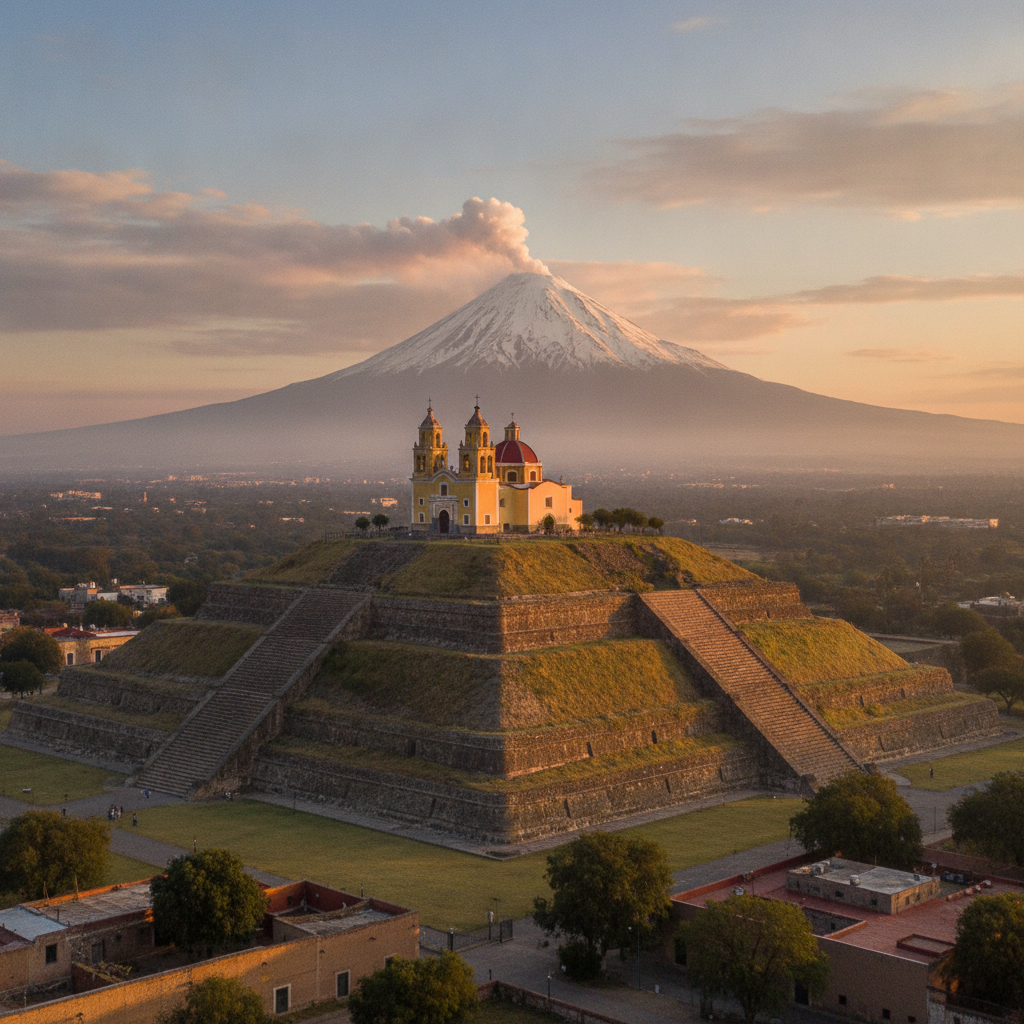
Puebla Pre-Hispanic Heritage Tlaxcala the Huejotzingo Codex Cholula as the Sacred City of Quetzalcoatl and the Indigenous Alliance That Made the Spanish Conquest of the Aztec Empire Possible
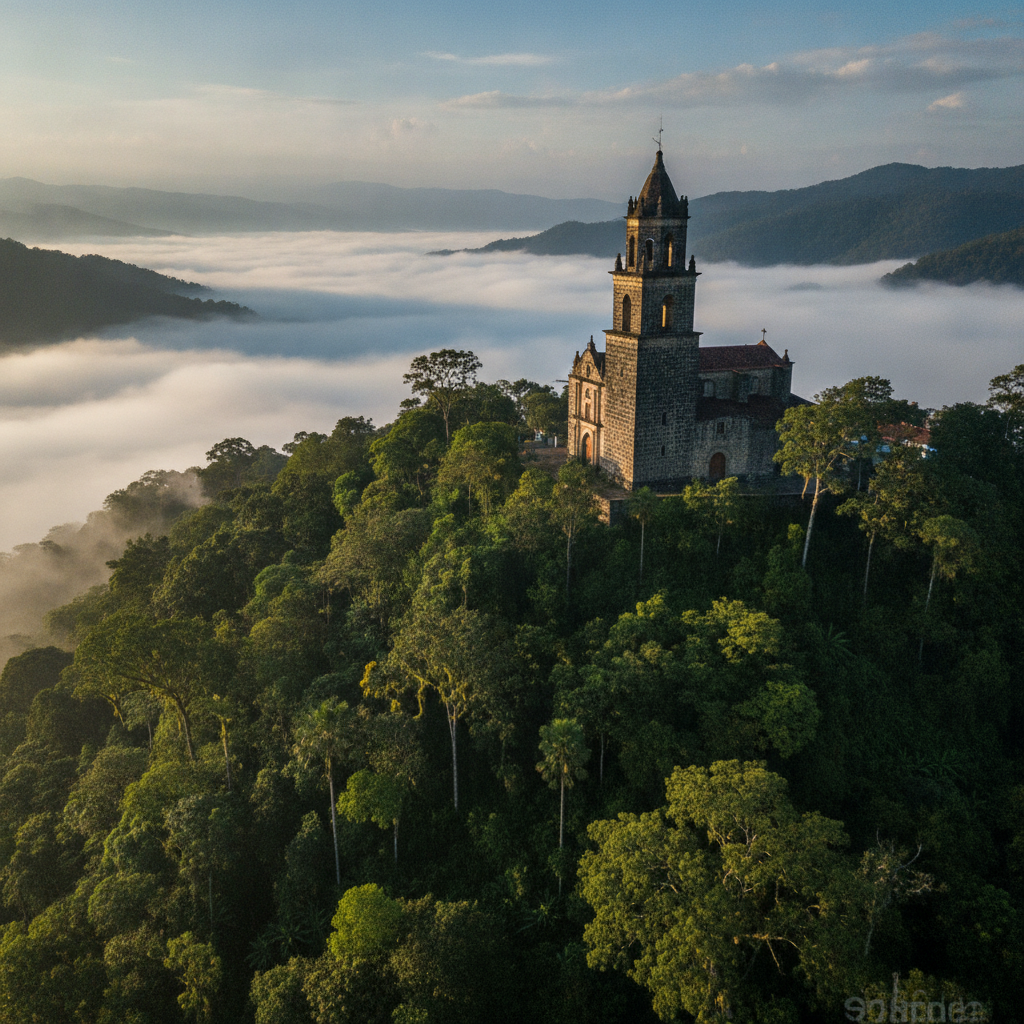
Puebla Day Trips Cuetzalan Cloud Forest Izucar de Matamoros Matamoros Tlaxiaco and the Sierra Norte de Puebla Where Indigenous Communities Maintain a Living Culture in Mexico's Most Biodiverse Mountain Range
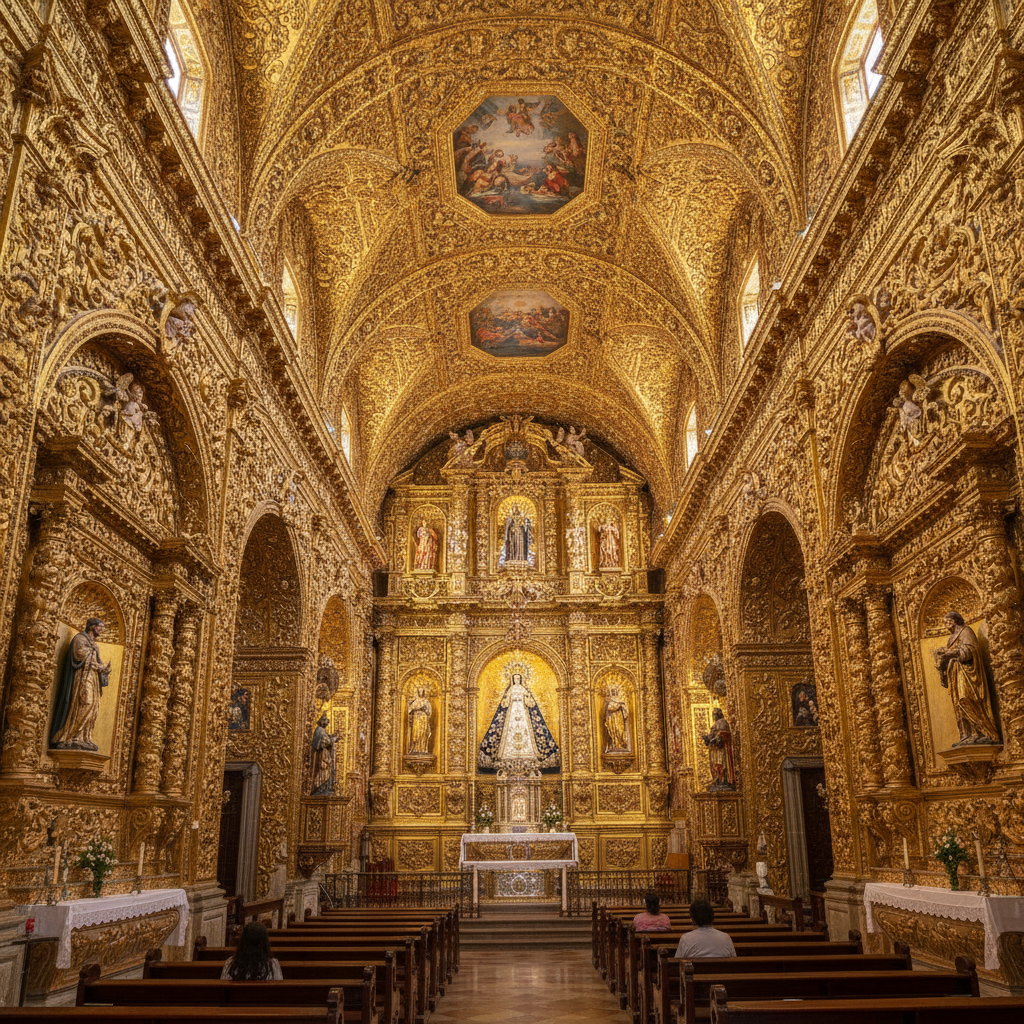
Puebla Convents Churches and the Religious Architecture of a City Built by Angels Where 72 Colonial Churches Represent the Most Complete Ecclesiastical Cityscape in Mexico