Punta Cana Environment: Reef Degradation, Sargassum Crisis, Caribbean Competition, and Responsible Tourism
The environmental and sustainability dimensions of Punta Cana include the ongoing coral reef degradation under tourism pressure, the sargassum seaweed crisis as a symptom of Atlantic ecosystem change, the competitive Caribbean resort market, and the Puntacana Ecological Foundation's reef monitoring and community development programs.
- 1
Sustainable Tourism: Can Punta Cana Survive Its Own Success
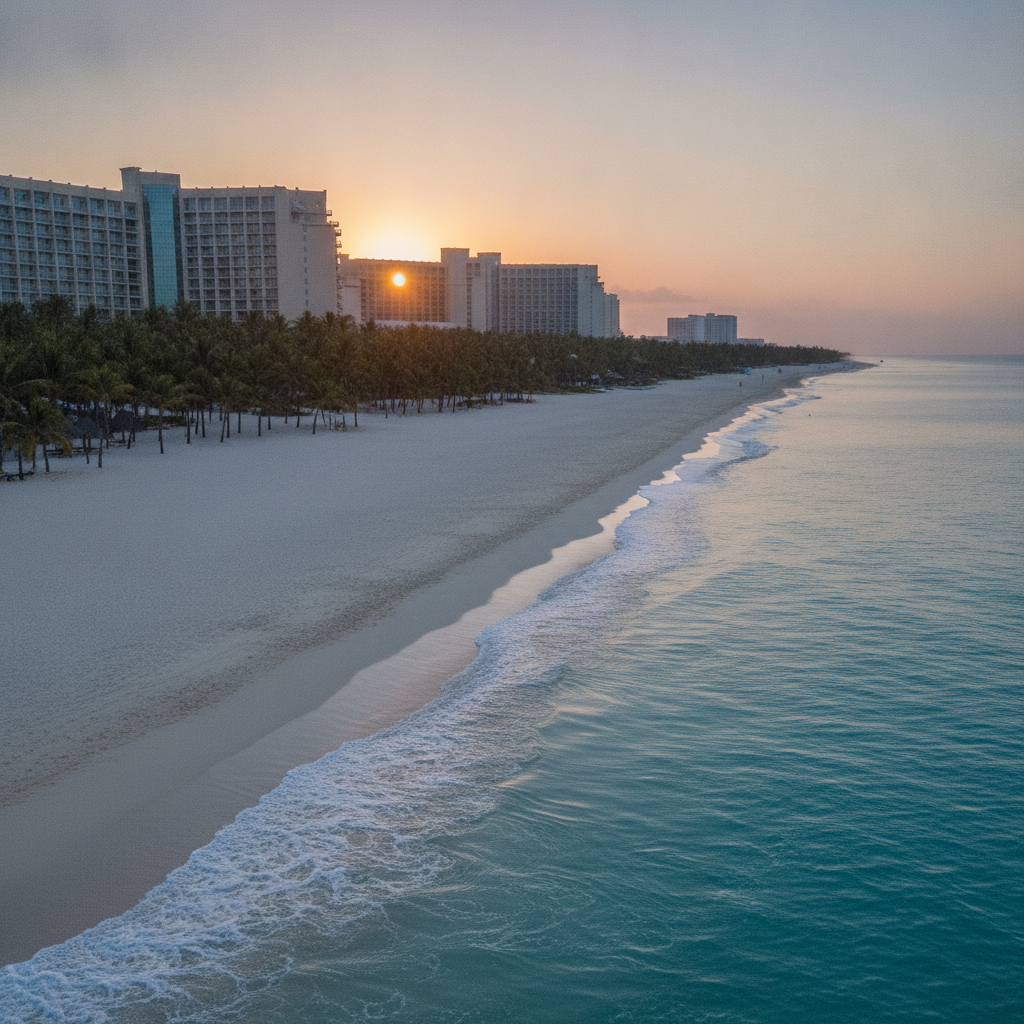
The Punta Cana resort development, which has converted 25 kilometers of formerly pristine coconut palm coast into the most intensive hotel development in the Caribbean, has generated significant environmental pressure on the reef system, the underground water table, and the mangrove ecosystems that originally characterized the eastern Dominican coast. The question of whether the coral reef and the clean water that sustain the Punta Cana tourism economy can survive the continued expansion of the resort capacity is the central sustainability challenge of the destination.
- 2
Reef Degradation: The Underwater Reality
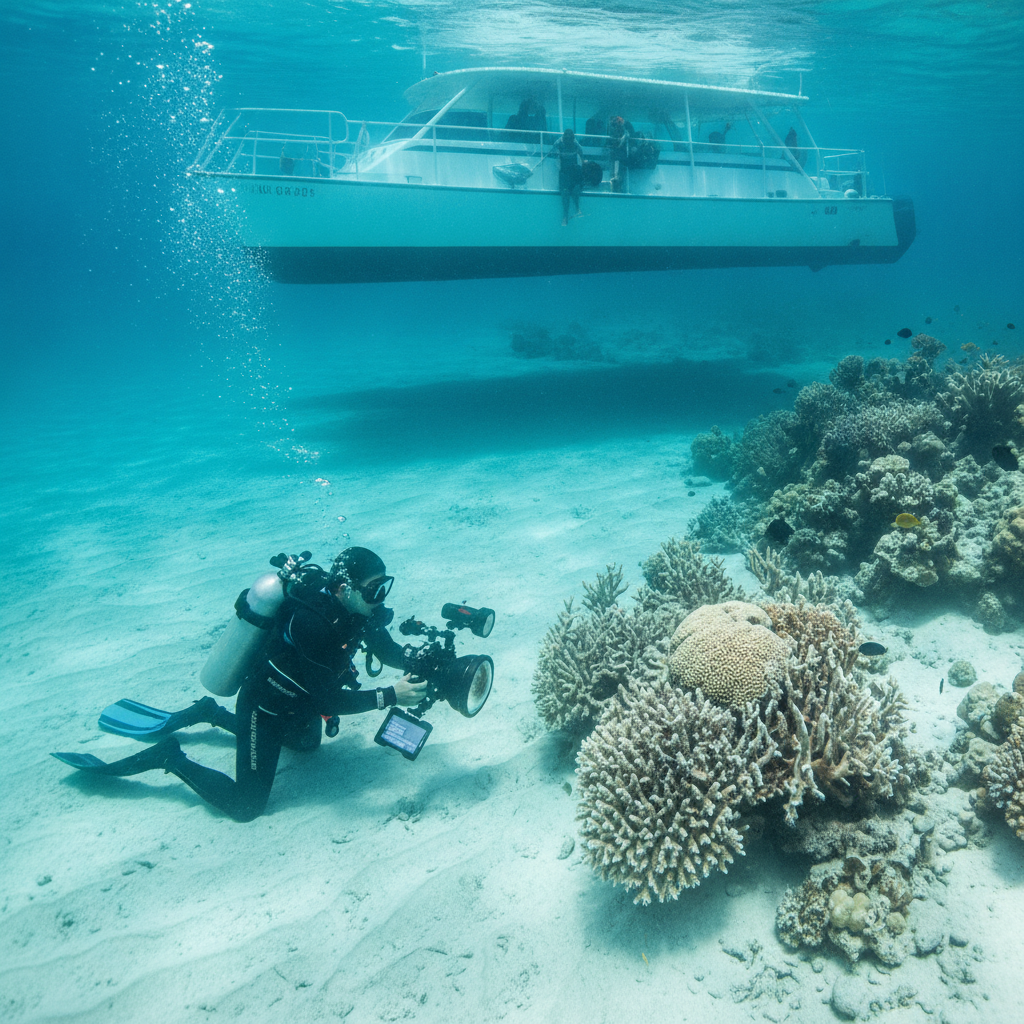
The Bavaro reef, which creates the calm water and the snorkeling environment that defines the Punta Cana beach experience, has experienced significant coral bleaching and degradation over the past two decades due to the combination of climate warming, increased water temperature, the runoff of nutrients from the resort properties, and the anchor damage from the excursion boat fleet. The reef monitoring programs of the Puntacana Ecological Foundation document the ongoing degradation.
- 3
Sargassum Ecosystem: What the Seaweed Means
The sargassum influx that plagues the eastern Caribbean coast from spring through summer is a symptom of the broader Atlantic ecosystem change driven by increased nutrient runoff from the Amazon and the West African rivers combined with the warming of the Atlantic surface water that promotes the explosive growth of the pelagic sargassum. The seaweed problem of Punta Cana is not a local management failure but a global ecosystem signal.
- 4
Flamingo Beach Aruba Connection: The Caribbean Competition
Punta Cana exists in a competitive Caribbean resort market alongside Cancun and Riviera Maya in Mexico, Aruba and Curacao in the Dutch Caribbean, Jamaica and the Bahamas in the English Caribbean, and the newer market entrants of Cuba and Colombia. The Punta Cana competitive advantage of abundant flight connections, lower prices than most Caribbean competitors, and the scale of the accommodation inventory has maintained its position as the Caribbean volume leader.
- 5
Water Sports: Kitesurfing at Cabarete vs Bavaro
The Punta Cana and Bavaro beach calm water, while ideal for swimming, does not provide the wind conditions required for kite surfing; the Dominican Republic kitesurfing and windsurfing tourists bypass Punta Cana for the north coast at Cabarete, where the Atlantic trade winds create the conditions for world-class wind sports in a beach environment of comparable beauty but completely different energy from the calm Bavaro lagoon.
- 6
Responsible Tourism in Punta Cana: Community Connection
The Puntacana Group, the private investment group that has developed much of the Cap Cana and the Punta Cana International Airport, has also developed the PUNTACANA Ecological Foundation that monitors the reef, protects sea turtle nesting on the Bavaro beach, and operates the Anaisa community development program connecting the resort economy to the local communities. The Foundation represents the most sophisticated attempt by a Caribbean resort developer to address the social and environmental consequences of the tourism economy.
Walk this route with audio
Stories play automatically as you reach each stop — no tapping needed.
More in Punta Cana

Punta Cana Practical Guide: Airport Access, Best Season, Resort Transport, Tipping Culture, and Departure
Punta Cana: Bavaro Beach, Cap Cana Luxury, Saona Island, Championship Golf, and the Hoyo Azul Cenote
Punta Cana Beyond the Pool: Hard Rock Nightlife, Samana Whales, Macao Public Beach, and the Altos de Chavon Village
Punta Cana Resort Life: Wellness Spas, Adventure Parks, Larimar Jewelry, Destination Weddings, and the Resort Experience
Punta Cana Excursions: Bayahibe Diving, Catalina Island, Altos de Chavon Concert, Coffee Estates, and Cayo Levantado