Quebec City: A Meteorite Crater That Made a Wine Region, the Ice Hotel That Melted Every Spring and the Scurvy Cure That Europe Forgot for 200 Years
Drive into Charlevoix along the St. Lawrence to a painting colony inside a 342-million-year-old meteorite crater whose bowl microclimate allows vineyards at latitudes that should be too cold, attend one of four Opera Quebec productions at the brutalist concrete concert hall or catch 100,000 people on the Plains of Abraham main stage in July, learn that the Ice Hotel used 15,000 tons of snow per season and melted into nothing each April, eat ice cider and foie gras and wild fiddleheads at a restaurant using only ingredients found inside Quebec province, stand at the site where Cartier wintered in 1535 and his crew learned a scurvy cure from the Iroquoians that European medicine then forgot for 200 years, and rent cross-country skis within sight of the Chateau Frontenac because in Quebec City winter is the feature not the problem.
- 1
Charlevoix Region and Baie-Saint-Paul
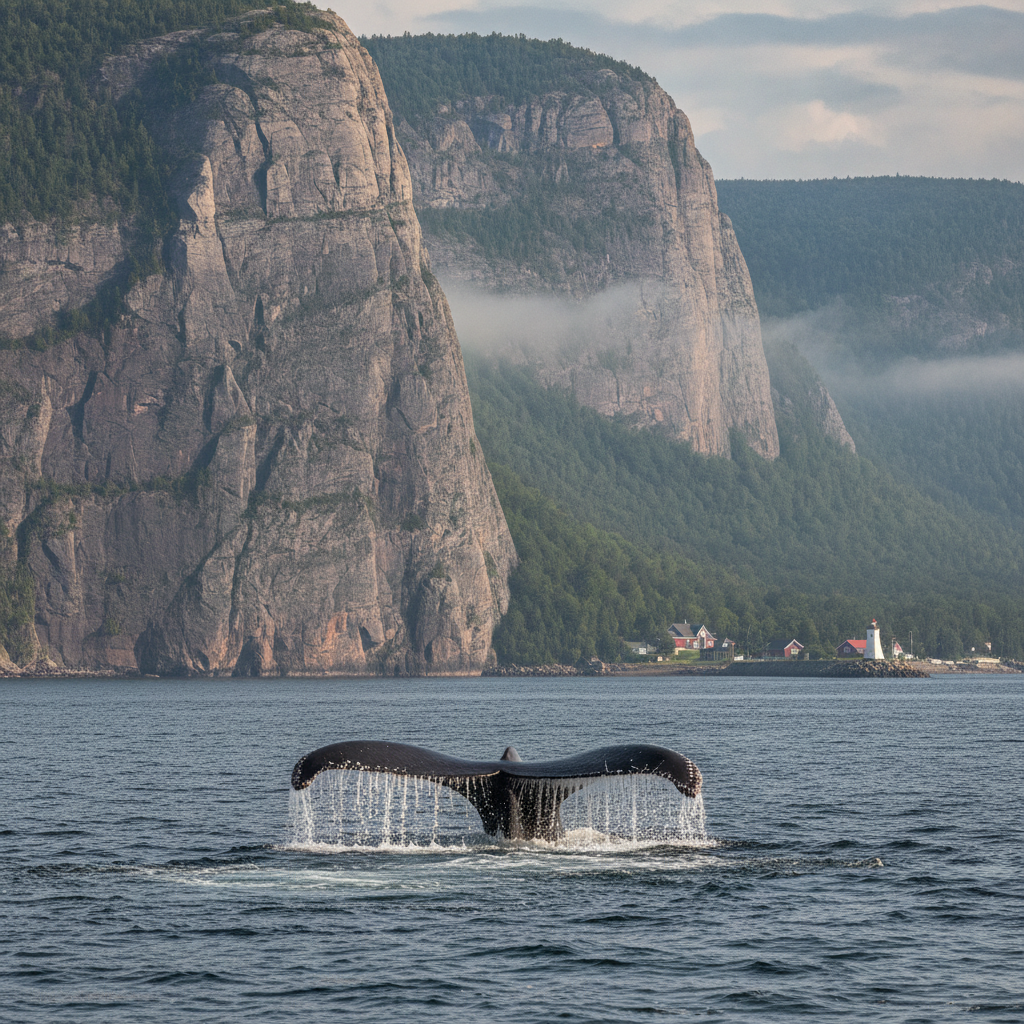
Charlevoix, the UNESCO-designated biosphere reserve region along the north shore of the St. Lawrence beginning 90 kilometres northeast of Quebec City, is considered by landscape photographers and painters to be among the most beautiful regions in Canada, combining the St. Lawrence River estuary at its widest visible point, the ancient Charlevoix meteorite crater that created the distinctive rolling plateau geography of the region, and an arts colony tradition in Baie-Saint-Paul dating to the late 19th century when landscape painters discovered the area. The Charlevoix meteorite crater, 54 kilometres in diameter and created approximately 342 million years ago, is the fourth largest known impact crater in Canada and the gentle bowl topography it created produces a distinctive microclimate that allows vineyards to operate at latitudes otherwise too cold for commercial wine production in Quebec. Baie-Saint-Paul, the largest town in Charlevoix, hosts the Symposium de la Nouvelle Peinture au Canada since 1982 and has over 20 commercial art galleries for a population of 7,000.
- 2
Quebec City Opera and Performing Arts
Quebec City has a disproportionately rich performing arts sector for a metropolitan area of 800,000 people, supported by francophone cultural funding policies that treat cultural production in French as a priority for provincial and federal investment. The Opera de Quebec, founded in 1984, presents four productions annually with international guest artists at the Grand Theatre de Quebec, a brutalist concrete performing arts complex designed by Viktor Prus and opened in 1970, decorated with a 10-metre steel sculpture by Henri Masson. The Quebec Symphony Orchestra, founded in 1902 and one of the oldest orchestras in Canada, performs at the Grand Theatre. The Festival d Ete de Quebec in July is the largest music festival in French-speaking North America with over 1,000 performances on multiple stages including the Plains of Abraham main stage that holds 100,000 people. The Cirque du Soleil, founded in 1984 in Baie-Saint-Paul in the Charlevoix region and now headquartered in Montreal, has deep cultural roots in Quebec and its touring shows are considered an expression of Quebec arts internationalization.
- 3
Carnaval de Quebec History and Ice Hotel
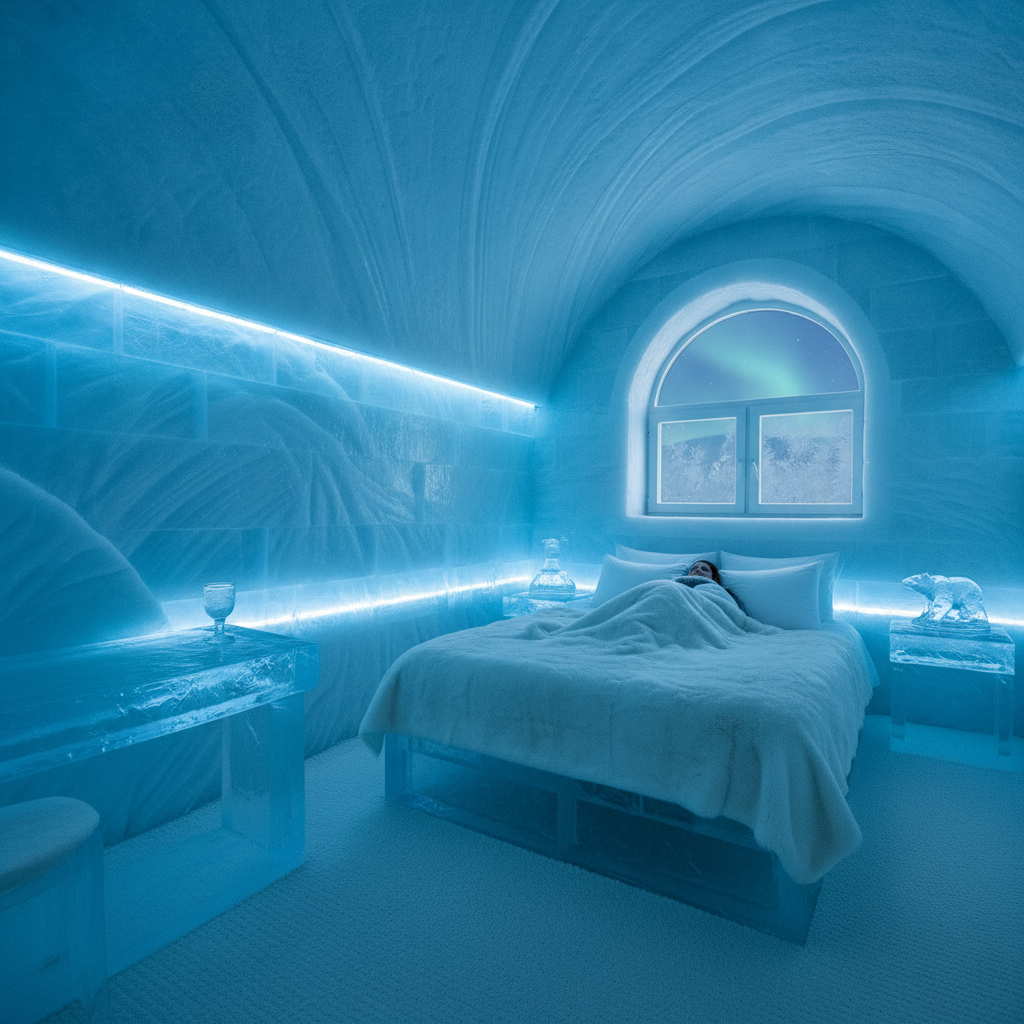
The Ice Hotel, or Hotel de Glace, operated as a seasonal hotel built entirely of ice and snow in Quebec City and the surrounding region from 2001 to 2019, with rooms maintained at minus 5 Celsius inside while exterior temperatures reached minus 30, attracting guests who paid premium rates to sleep in sleeping bags on ice beds covered with deer hides in a hotel that melted each spring and was rebuilt each winter. The hotel used 15,000 tons of snow and 500 tons of ice annually, with ice sculptors carving all interior features including fireplaces, bars, and wedding chapels. The Quebec Winter Carnival tradition from which the Ice Hotel grew dates to 1894 when the first organized carnival was held, creating outdoor activities, ice palaces, and torchlight parades to demonstrate that Quebec winter was not an obstacle to civilized life but a source of distinctive pleasure. The annual ice palace built in Old Quebec during Carnival is constructed by military engineers and can reach 30 metres in height. The Bonhomme Carnaval ice castle on the Plains of Abraham is the symbolic center of the festival.
- 4
Quebec City Gastronomy and Local Products
Quebec City gastronomy has been transformed since 2000 from primarily traditional Quebecois fare to a sophisticated local food scene that uses regional ingredients as its foundation: duck from the Lac Brome farms south of the city, lamb from Charlevoix, foie gras from Quebec duck farms, fiddlehead ferns harvested from Quebec riverbanks in spring, wild blueberries from the Lac-Saint-Jean region, ice cider produced by concentrating apple juice through freezing, a Quebec invention from the 1990s that has achieved appellation status. The Marche du Vieux-Port in Old Quebec sells local products from regional producers year-round. The Quebec craft brewery movement has made the city one of the most interesting beer destinations in Canada, with breweries including Brasserie Archibald, Brasserie La Barberie, and the Pub Saint-Patrick operating within Old Quebec and the surrounding neighborhoods. The Quebec City restaurant scene received international recognition when Chef Stephane Modat at the Fairmont Le Chateau Frontenac developed a menu using exclusively ingredients found within the boundaries of the province of Quebec.
- 5
Jacques Cartier and the Discovery of Canada
Quebec City region is the site where Jacques Cartier first encountered the St. Lawrence River in 1534 and 1535, making it the gateway through which European knowledge of the North American interior entered the historical record. Cartier sailed up the St. Lawrence to the site of the St. Lawrence Iroquoian village of Stadacona, near present-day Quebec City, in 1535, and attempted to establish a winter settlement there in 1541 that failed due to scurvy and conflict with the Iroquoians. The French made no further attempts at permanent settlement in the St. Lawrence Valley until Champlain in 1608. The Cartier-Brebeuf National Historic Site near the St. Charles River in Quebec City marks the approximate location where Cartier wintered in 1535 to 1536 and where his crew survived scurvy by learning from the Iroquoians to make a tea from white cedar bark high in vitamin C. The cure for scurvy discovered in Quebec in 1536 was subsequently forgotten by European medicine and not rediscovered until the 18th century, with hundreds of thousands of sailors dying of the disease in the intervening two centuries.
- 6
Quebec City Winter Outdoor Activities
Quebec City winters, lasting from December through March with average temperatures of minus 12 Celsius and reliable snow cover from November through April, are not a deterrent to the outdoor recreation culture of the city but its primary seasonal attraction for residents and an increasing draw for winter tourism. The Vallee du Parc Jacques Cartier, 40 kilometres north of the city, offers backcountry skiing, snowshoeing, and winter camping at a standard of infrastructure comparable to commercial resorts. The Stoneham Mountain Resort and Mont-Sainte-Anne ski areas, each within 45 minutes of Old Quebec, provide alpine skiing infrastructure that hosted the 1998 and 2010 World Alpine Ski Championships. The Quebec City Plains of Abraham cross-country ski trails are groomed within sight of the Chateau Frontenac. Snowshoeing on the Ile d Orleans circuit trail, 40 kilometres around the island perimeter, is possible in winter when the road surface is snowpacked. The Quebec government incentivizes winter outdoor activity through the Defi Nature winter challenge program, which distributes thousands of parks passes to Quebec residents for winter recreation as a public health investment.
Walk this route with audio
Stories play automatically as you reach each stop — no tapping needed.
More in Quebec City
Quebec City: The Bridge That Collapsed Twice and Invented Professional Engineering Ethics, the Navy Battle That Really Ended New France and Beaver Hats That Built a City
Quebec City: The Battle That Lasted 15 Minutes But Changed a Continent, the World Largest Winter Carnival and the Tech Quarter Built Under a Chateau
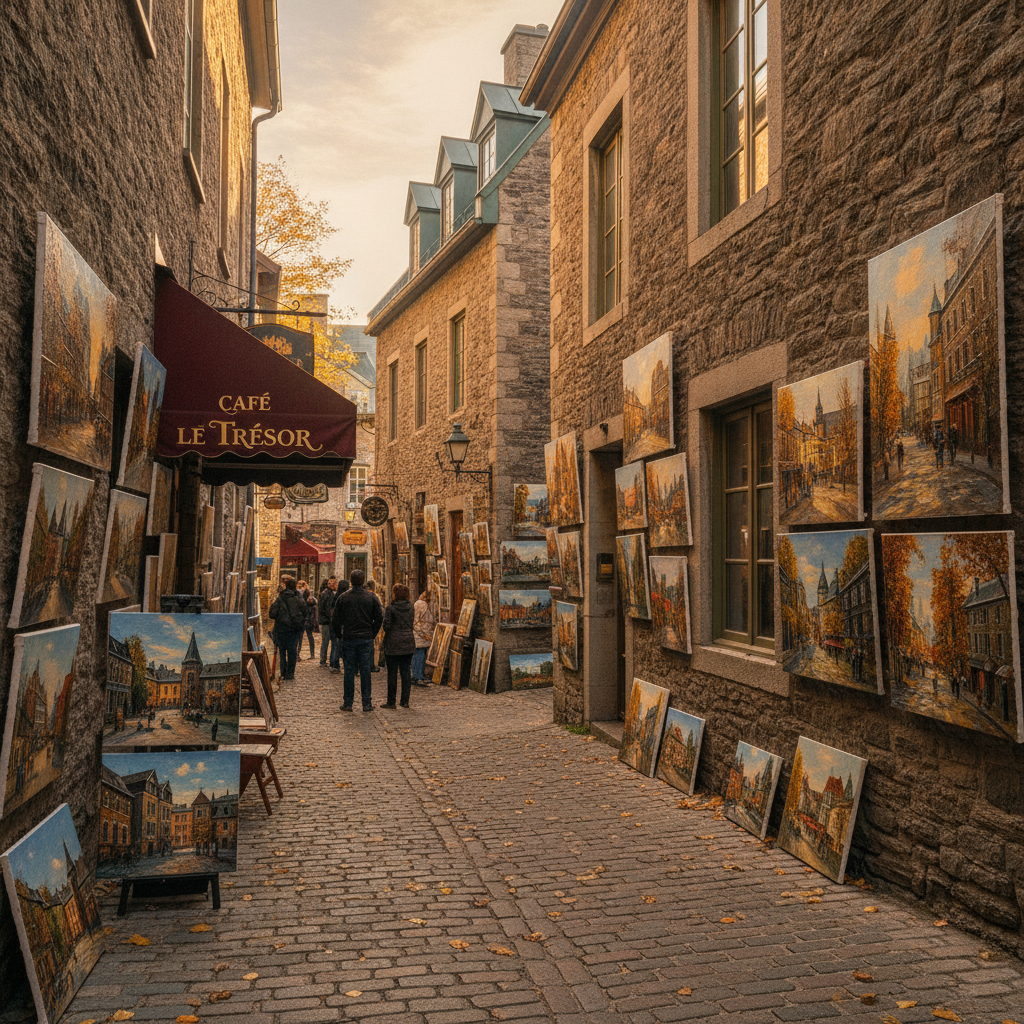
Quebec City: A Bateau Pulled from Under a Building, the Narrowest Sovereignty Referendum in Democratic History and a Language Law That Changed a City
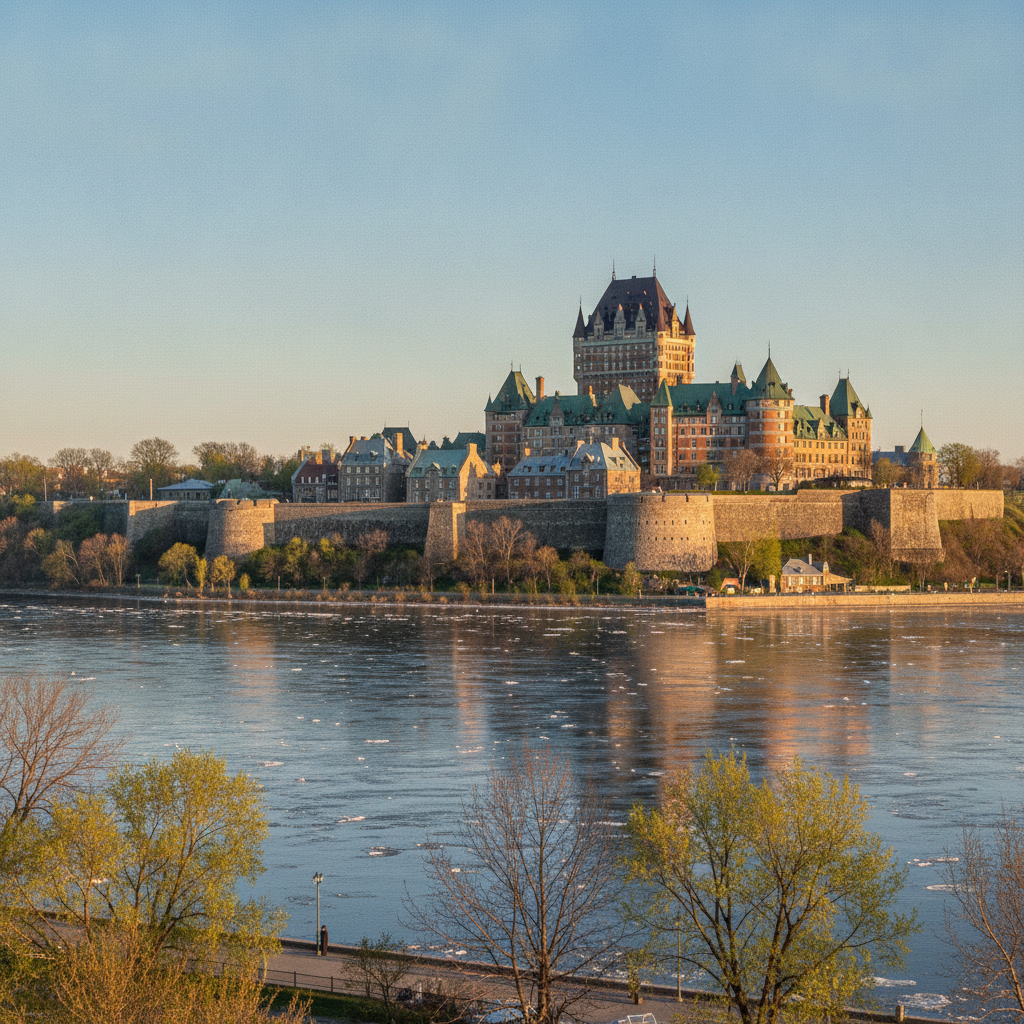
Quebec City: The First University in Canada Founded 1663, Why the Ice Canoe Race Depends on a Freezing River That Freezes Less Every Decade and What 4.5 Million Tourists Do to a City of 800000
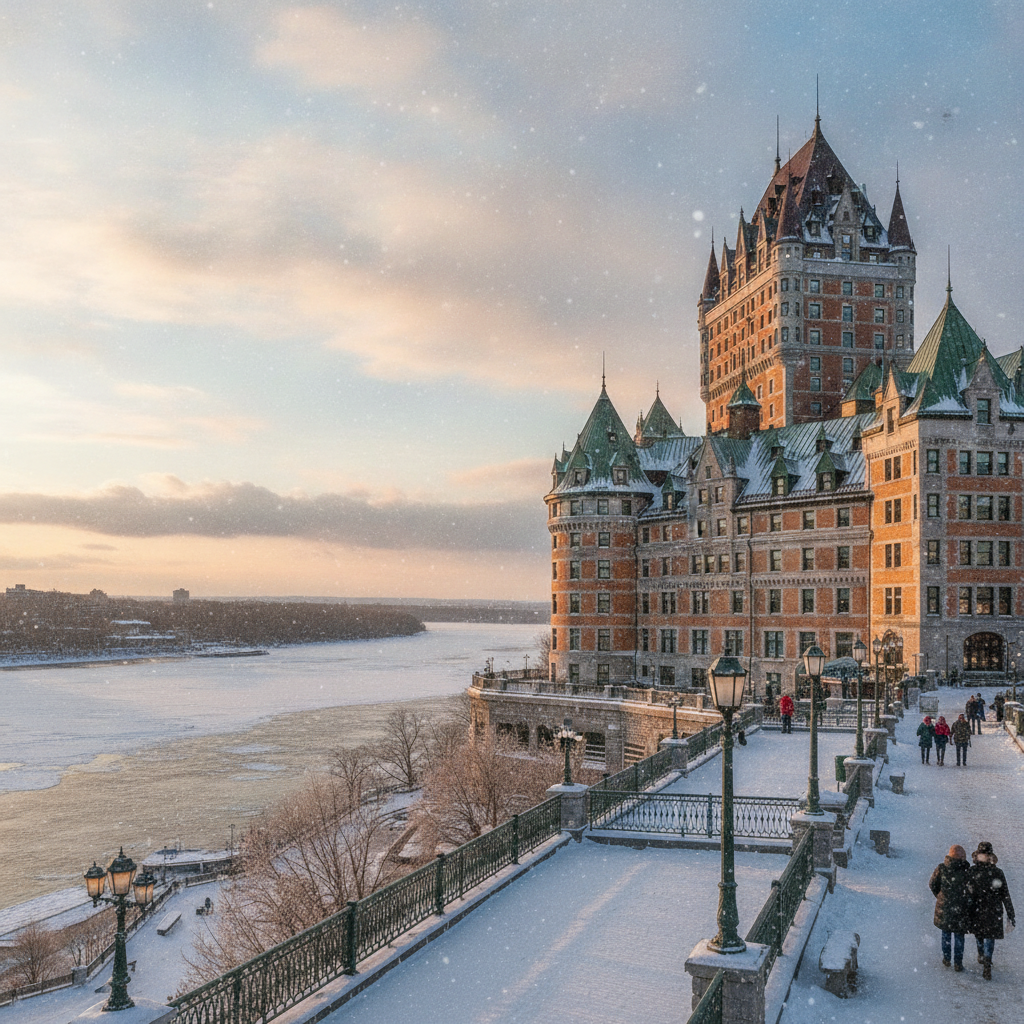
Quebec City: The Most Photographed Hotel on Earth, Only Walled City in North America and Stairs Climbed by Pilgrims for 350 Years