Queenstown: Adventure Capital, Kawarau Bungy, Central Otago Pinot Noir, Milford Sound, Wanaka, and South Island Circuit
Queenstown complete guide: the world adventure sports capital (bungy, swing, jet boat, gondola), the Kawarau Bridge first commercial bungy (1988), Central Otago Pinot Noir wine region, the Milford Sound Fiordland day trip, the Wanaka alternative, and the South Island circuit practical guide.
- 1
Queenstown - The Adventure Capital of the World on Lake Wakatipu
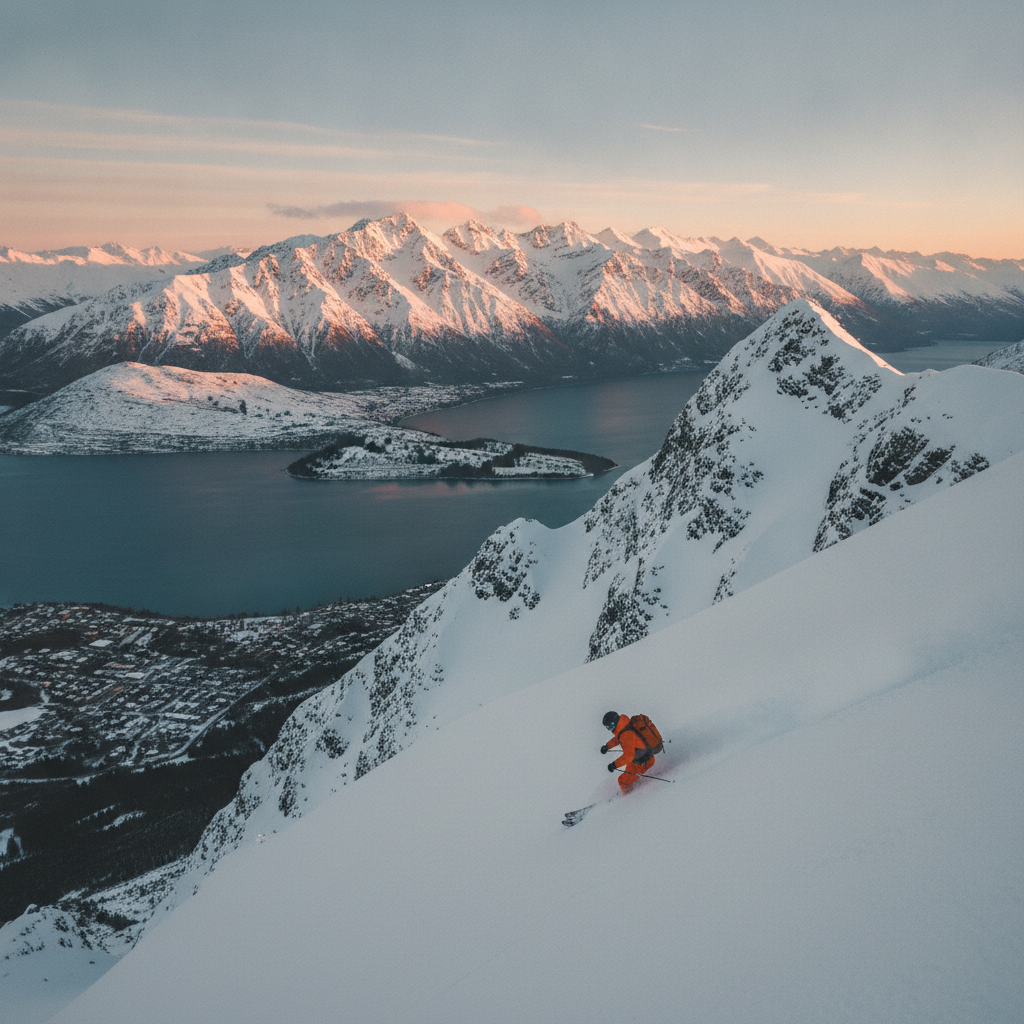
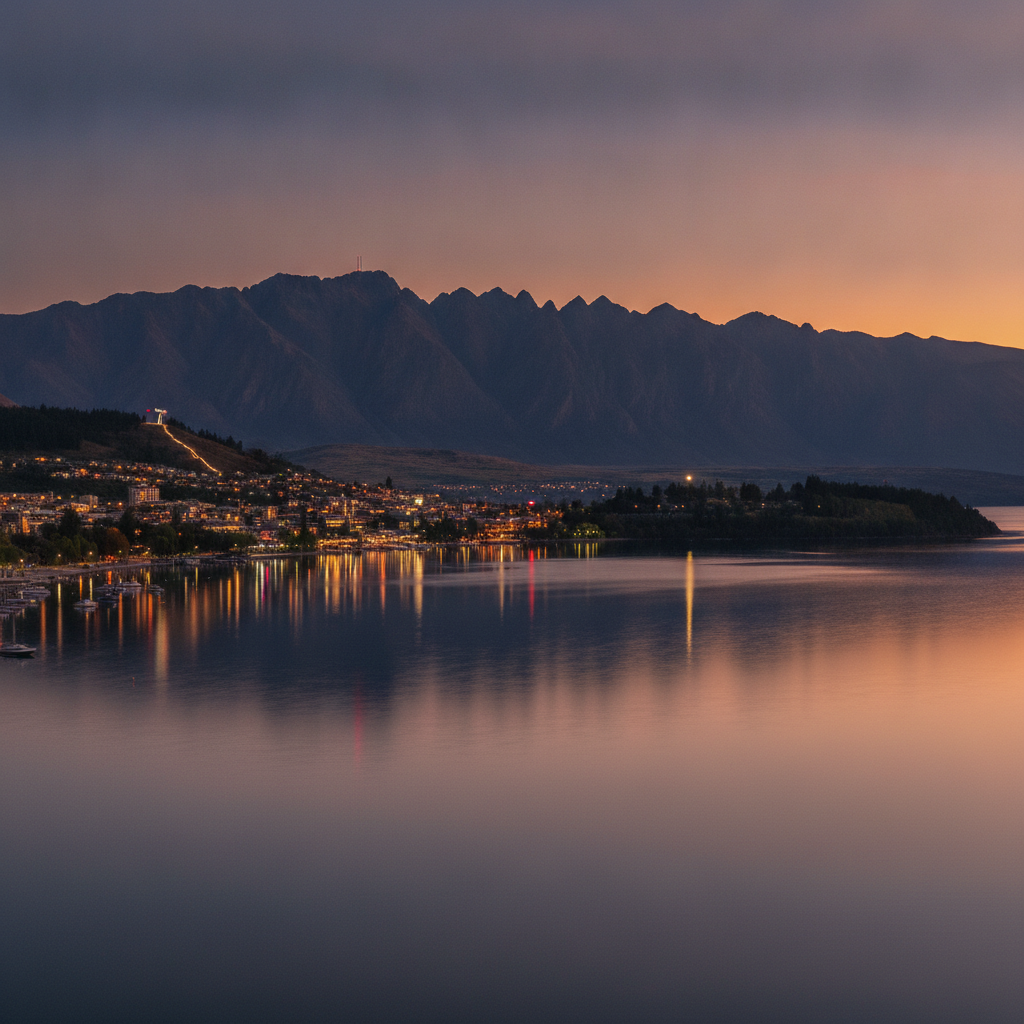
Queenstown (population approximately 45,000): the adventure capital of the world, built on the shores of the S-shaped Lake Wakatipu in the Otago region of New Zealand South Island. Lake Wakatipu: the largest lake in Otago (approximately 80 km long), surrounded on three sides by the Remarkables, the Cecil Peak, and the Queenstown Hill. The Remarkables (the distinctive serrated mountain ridge rising to 2,319 meters above the lake): the defining Queenstown skyline. Commercial bungee jumping was invented in Queenstown in 1988 by AJ Hackett and Henry van Asch at the Kawarau Bridge: the first-ever commercial bungee jump site. Queenstown has two distinct peak seasons: winter (June-September) for skiing at Coronet Peak and the Remarkables; and summer (December-March) for outdoor adventure, wine touring, and tramping.
- 2
The Kawarau Bridge and the Queenstown Bungy Empire
The Kawarau Bridge Bungy (43 meters above the Kawarau River): the world first commercial bungee jump site (since 1988), operated by AJ Hackett Bungy. The jump is 43 meters into a turquoise glacially fed river; the option of a water touch is available. The Nevis Bungy (134 meters, the highest bungy in New Zealand, 45 minutes from Queenstown in the remote Nevis Valley): one of the highest commercial bungee jumps in the world. The Nevis Swing (300 meters wide, 160 meters deep): the world largest swing, in the same Nevis canyon. The Queenstown gondola and luge (the Skyline Gondola to Bob Peak at 790 meters): the primary scenic viewpoint above the town, with luge tracks and paragliding. The Shotover Jet (jet boat through the Shotover River Canyon at up to 85 km/h, within centimeters of the canyon walls).
- 3
Central Otago Pinot Noir and the Wine Landscape
Central Otago: the southernmost wine region in the world (45 degrees south latitude) and one of the finest Pinot Noir regions. The extreme continental terroir (hot summers, very cold winters, 15-20 Celsius diurnal temperature variation) produces intensely flavored Pinot Noir with exceptional aging potential. Key sub-regions: Bannockburn (warm, rich wines), Gibbston Valley (high altitude, delicate floral wines), Cromwell Basin (the primary production area). Top producers: Felton Road (the most internationally acclaimed Central Otago estate: the Calvert and Cornish Point single vineyard Pinot Noirs are among the finest produced in the southern hemisphere), Burn Cottage (biodynamic), Rippon (the stunning lakeside vineyard on Wanaka). The Queenstown wine touring: the Bannockburn wine trail by bicycle (the most scenic cycle route in the Queenstown area, along the Cromwell Gorge).
- 4
Milford Sound and the Fiordland from Queenstown
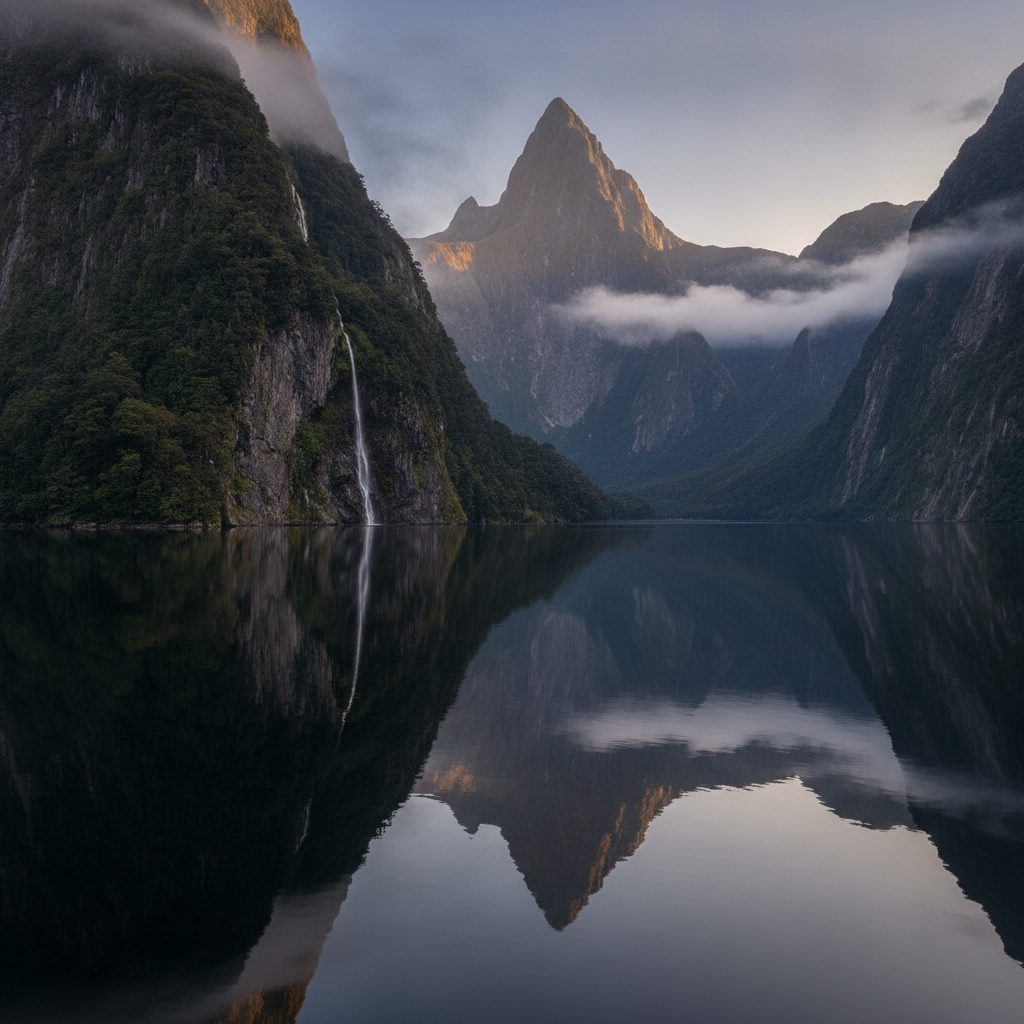
Milford Sound (Piopiotahi): the most photographed New Zealand landscape, 290 km northwest of Queenstown (4 hours road journey). The drive: Queenstown to Te Anau (2.5 hours), Te Anau to Milford (1.5 hours through Fiordland National Park). The Homer Tunnel (the 1,270-meter unlined single-lane rock tunnel through the Darran Mountains) is the most dramatic approach to any fiord in the world. Milford Sound features: Mitre Peak (1,692 meters rising directly from the water), the permanent waterfalls (the Stirling Falls, the Lady Bowen Falls), and the Fiordland crested penguin (the world rarest penguin, endemic to Fiordland, approximately 3,000 breeding pairs). The cruise: the 2-hour scenic cruise into the fiord. The underwater observatory at Milford: the underwater viewing window in a floating platform reveals the black coral and deep-sea species that inhabit the unusually dark shallow water.
- 5
Wanaka and the Queenstown Alternative
Lake Wanaka (approximately 70 km north of Queenstown over the Crown Range road, or 100 km via the Cardrona Valley): the calmer, quieter alternative to Queenstown. Lake Wanaka is the fourth-largest lake in New Zealand. The Roys Peak walk (16 km return, approximately 5-6 hours): the primary Wanaka day walk, ascending 1,578 meters above Lake Wanaka for the most photographed mountain lake panorama in New Zealand. The Cardrona Alpine Resort: the primary ski field between Queenstown and Wanaka. The Puzzling World (in Wanaka): the maze and optical illusions attraction (a New Zealand institution since 1973). The Wanaka That Wanaka Tree: the solitary willow tree growing from the edge of Lake Wanaka (partially submerged), the most photographed tree in New Zealand on social media.
- 6
Queenstown Practical Guide and the South Island Circuit
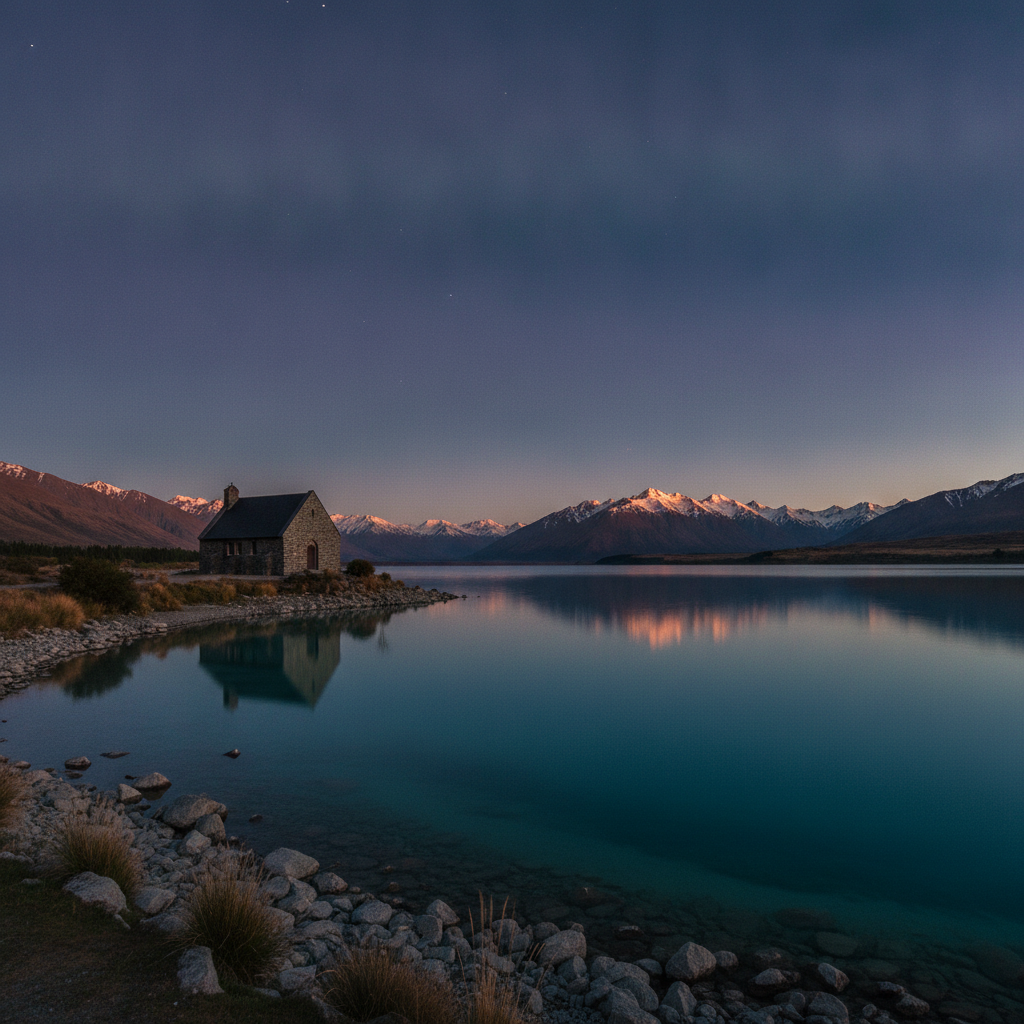
Queenstown practical guide. Airport: Queenstown Airport (ZQN), approximately 8 km from the CBD, with direct flights from Auckland (approximately 1.5 hours), Sydney (approximately 3 hours), and Melbourne (approximately 3.5 hours). Getting around: car rental is the recommended option for accessing wineries, Milford Sound, and Wanaka; the Queenstown CBD is compact and walkable. The Queenstown winter: June-September ski season; book well in advance for accommodation. The South Island circuit from Queenstown: Queenstown (2 nights, adventure sports and wine), Milford Sound day trip (or 2-night stay at Milford Sound Lodge), Wanaka (1-2 nights, Roys Peak and the Puzzling World), Mount Cook and the Aoraki National Park (the highest peak in New Zealand at 3,724 meters, the Tasman Glacier, the Hooker Valley Track), Lake Tekapo (the turquoise glacial lake and the Church of the Good Shepherd), Christchurch (2 nights), the Kaikoura coast (whale watching, crayfish), then ferry to the North Island via Wellington.
Walk this route with audio
Stories play automatically as you reach each stop — no tapping needed.
More in queenstown
Queenstown: Fiordland (Milford and Doubtful Sounds), Stewart Island Wild Kiwi, Central Otago Wine Country, Annual Events, and Complete Practical Guide
Queenstown: Aoraki Mount Cook, Lake Tekapo Dark Sky Reserve, Arrowtown Gold Rush, Cycle Trails, and Complete South Island Legacy