Quito Day Trips: The Avenue of the Volcanoes and Andean Markets
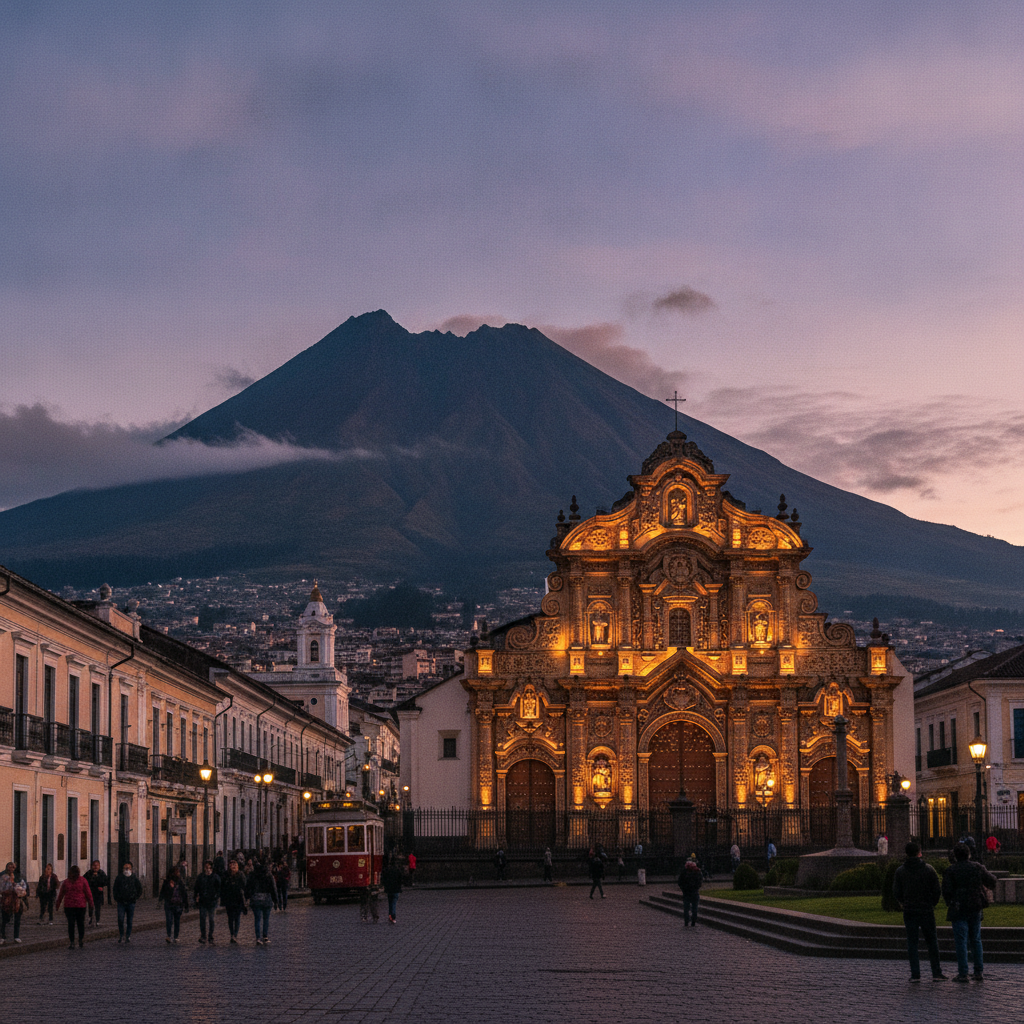
Quito is positioned at the heart of Ecuador Andean highland, surrounded by one of the most dramatic concentration of active volcanoes on earth. Alexander von Humboldt named the sequence of peaks flanking the central valley the Avenue of the Volcanoes in 1802, a designation that remains apt as the road south from Quito passes within sight of Cotopaxi, Chimborazo, Tungurahua, and dozens of smaller peaks. The weekend indigenous market at Otavalo, two hours north, is the most famous artisan market in South America. This route covers the essential day trips from Quito that transform the city from a stopover to a base for understanding the extraordinary Andean landscape.
- 1
Cotopaxi: The Nearly Perfect Volcanic Cone at 5,897 Meters
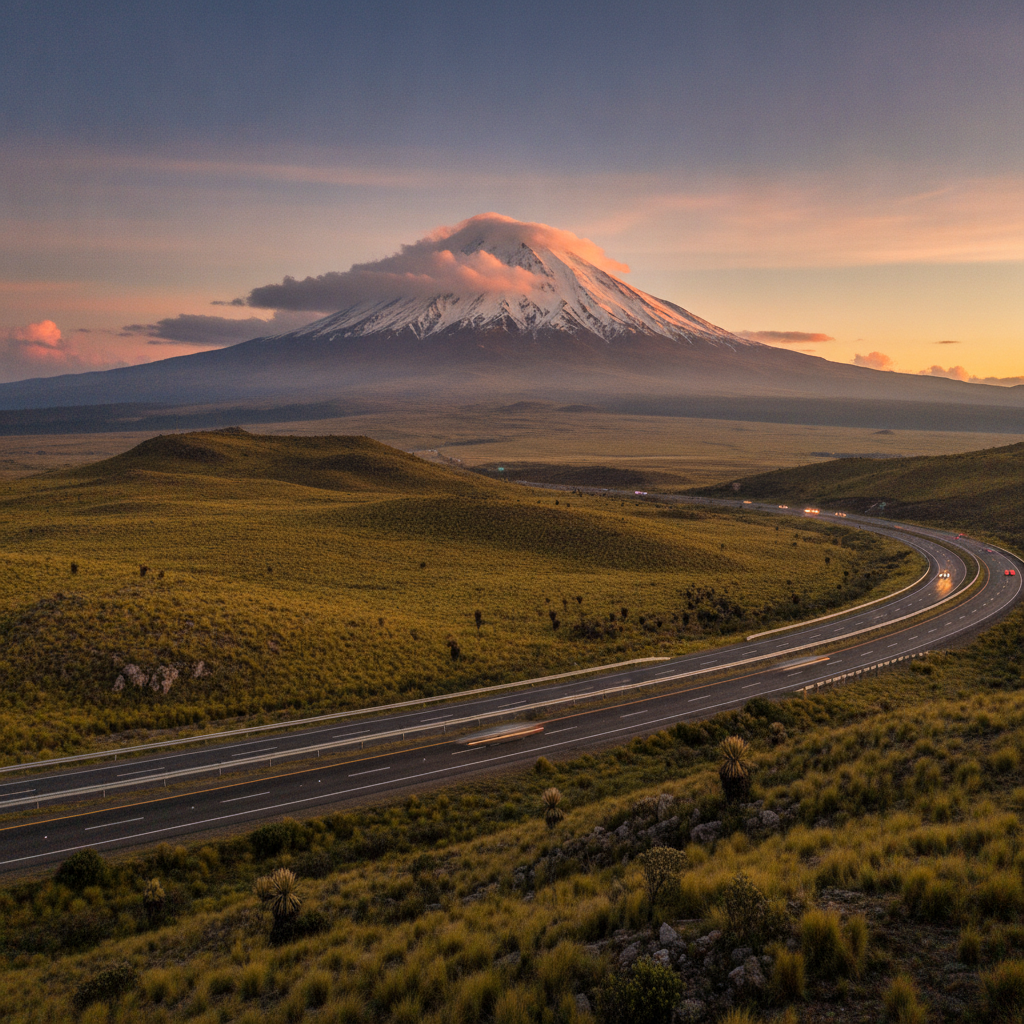
Cotopaxi, rising 5,897 meters above sea level approximately 50 kilometers south of Quito, is one of the highest active volcanoes in the world and one of the most geometrically perfect volcanic cones on earth, its symmetrical snow-capped profile visible from Quito on clear mornings. The national park surrounding the volcano is reached in approximately two hours from Quito. The altitude of the parking area at 4,600 meters and the refuge at 4,800 meters makes acclimatization essential before attempting the summit climb, which requires crampons, ice axes, and a certified guide and is done as a pre-dawn departure to reach the summit before the snow softens in the afternoon sun. Non-climbing visitors can drive to the parking lot and hike to the refuge on a well-maintained trail with stunning views of the glaciated summit and the surrounding paramo grassland.
- 2
Otavalo Market: The Most Famous Indigenous Market in South America
The Saturday market at Otavalo, two hours north of Quito on the Pan-American Highway, is the largest and most internationally known indigenous artisan market in South America, drawing buyers from across Ecuador and the world to its weekly concentration of handwoven textiles, leather goods, jewelry, and handicrafts. The Otavaleno people who produce and sell in this market are a distinct indigenous group with a strong cultural identity; Otavaleno men traditionally wear their hair in long braids tied back, and both men and women wear distinctive white and blue traditional dress. Otavalo has become wealthy relative to other indigenous communities through its textile trade, with a strong entrepreneurial class of traders who have expanded operations internationally. The craft market operates primarily on Saturday mornings but the Cascada de Peguche waterfall, the artisan village of Peguche, and the lakeside market at Cotacachi are accessible as part of a full-day Otavalo excursion.
- 3
Mindo: Cloud Forest Birdwatching and Butterfly Farms
Mindo, a small town two hours northwest of Quito on the western slope of the Andes, sits at approximately 1,250 meters altitude in the zone where Andean highland transitions to Pacific coastal forest, creating an exceptional concentration of bird species. The area around Mindo is considered one of the best birdwatching sites in the world, with over 500 species recorded including numerous tanagers, hummingbirds, and toucans. Several butterfly farms offer close-up observation of cloud forest lepidoptera in enclosed gardens. The town has developed a small eco-tourism economy with lodges, guides, and zipline operations; the Saturday market in the town center reflects the agricultural economy of the surrounding smallholder farms. The drive from Quito crosses the Andes ridge and descends dramatically through cloud forest into the western slope, a visual transition that is itself part of the experience.
- 4
Papallacta Hot Springs: Andean Thermal Waters at 3,300 Meters
The Papallacta thermal springs, located 60 kilometers east of Quito on the road toward the Amazon basin, occupy a bowl in the Andean paramo at 3,300 meters altitude and offer the combination of hot mineral water and cold alpine air that characterizes the best Andean thermal experiences. The springs are fed by geothermal activity associated with the volcanic chain and have been used for thermal bathing since the pre-Columbian period. The main tourist complex has multiple pools at varying temperatures, from very hot volcanic pools to cold mountain stream pools, in a landscape of paramo grassland with views of the surrounding peaks. The drive from Quito crosses the eastern Andean ridge and provides the first views of the upper Amazon drainage basin. The thermal springs make an excellent half-day trip that can be combined with continued travel toward the Napo River and the Amazon lowlands.
- 5
Quilotoa Loop: The Volcanic Crater Lake and Indigenous Villages
The Quilotoa loop is a multi-day trekking circuit in the western highlands south of Quito connecting a series of Kichwa-speaking indigenous villages and culminating at the Quilotoa crater lake, a milky green-blue lagoon filling a collapsed volcanic caldera at 3,914 meters altitude. The crater lake is the visual centerpiece, its surreal turquoise color resulting from dissolved minerals in the geothermally heated water. The circuit passes through small highland villages where traditional weaving and agricultural life continues with minimal tourist intrusion. The classic circuit takes three to four days on foot and involves significant elevation change; most hikers complete the loop in both directions from the village of Latacunga, the nearest city with regular bus connections to Quito. Day visitors can reach the Quilotoa crater rim from Latacunga and descend to the lagoon surface on a steep trail.
- 6
The Amazon Basin: Napo River Lodges from Quito
Quito unique position as a highland city close to both the Andes and the Amazon basin means the upper Amazon is accessible as a multi-day excursion. The Napo River, one of the major Amazon tributaries, is reached in five to six hours by road from Quito through the Andean foothills. From the town of Coca, also called Puerto Francisco de Orellana, river boats travel into the Yasuni National Park, one of the most biodiverse protected areas on earth. Lodge-based Amazon tours from Quito typically run three to five days and include a flight from Quito to Coca followed by motorized canoe transport to remote lodges. The Yasuni is also the site of one of the most contentious oil development decisions in Ecuadorian history, with drilling permitted in areas adjacent to the national park despite an earlier moratorium that had offered to preserve the area in exchange for international compensation payments.
Walk this route with audio
Stories play automatically as you reach each stop — no tapping needed.
More in Quito
Quito History: From Inca Conquest to Independence and the Modern Republic
Quito Birdwatching: Andean Specialties from the City Limits
Quito to Galapagos: Planning the Journey to the Enchanted Islands
Quito Arts, Music, and Contemporary Culture

Quito Practical Guide: Altitude Acclimatization, Transport, and Neighborhoods