Quito to Galapagos: Planning the Journey to the Enchanted Islands
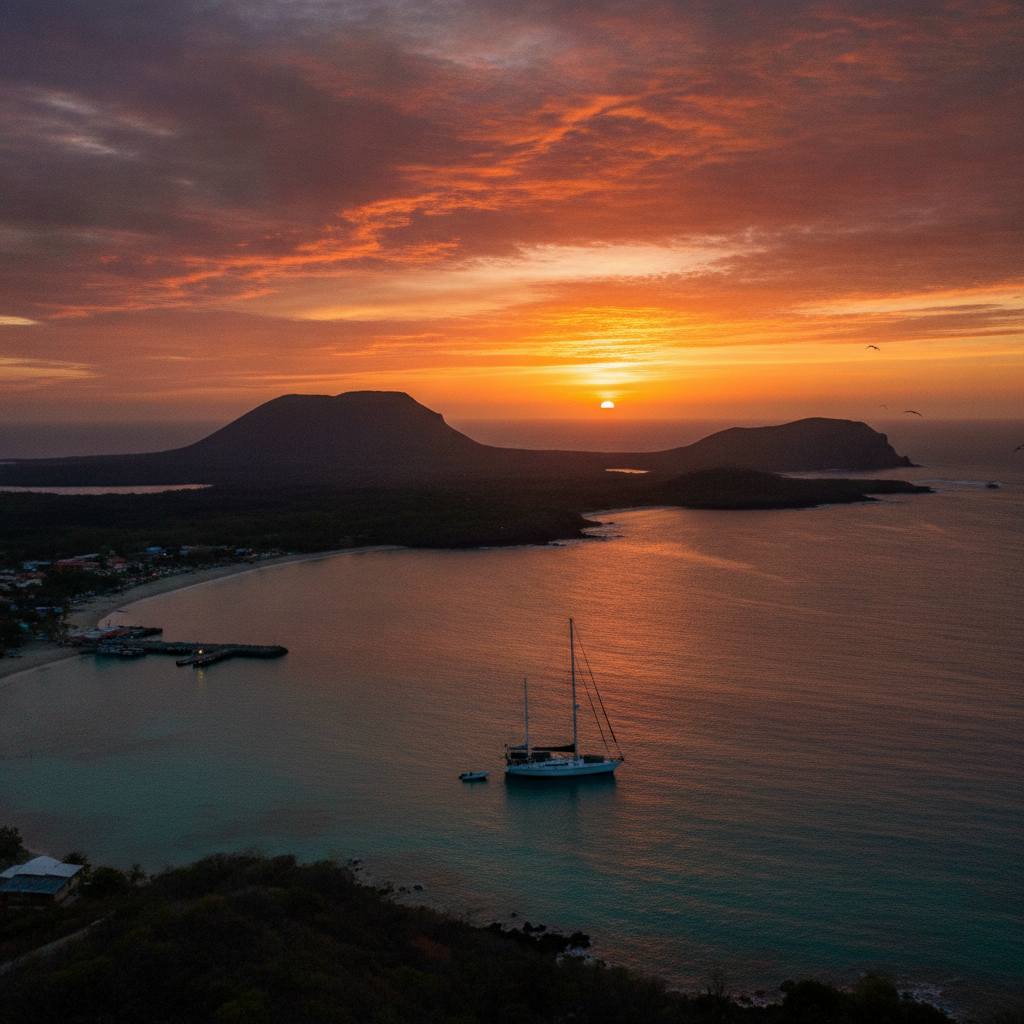
Quito is the primary gateway to the Galapagos Islands, with direct flights from the Mariscal Sucre airport to Baltra and San Cristobal airports on the islands. For most international visitors the Galapagos trip begins and ends in Quito, making the capital a natural extension of the archipelago itinerary. The logistics of Galapagos travel, from cruise versus land-based touring decisions to booking timelines and conservation fees, are best organized from Quito where the tour operators and travel agencies concentrate. This route covers the planning and booking process for the Galapagos alongside the complementary experiences available in the Quito region that complete an Ecuador travel itinerary.
- 1
Flights to the Galapagos: Routes, Airlines, and Booking
Flights to the Galapagos Islands depart from both Quito Mariscal Sucre airport and Guayaquil Jose Joaquin de Olmedo airport, with Guayaquil being the shorter flight at approximately two hours compared to three hours from Quito. LATAM and Avianca are the primary carriers operating both routes, with multiple daily flights during peak season. The Galapagos requires a Transit Control Card purchased at the mainland airport before departure, currently costing approximately 20 USD, in addition to the Galapagos National Park entrance fee of 100 USD paid on arrival. Flights can be booked through the airlines directly or through Quito tour operators who package flights with accommodation and tour programs. Prices fluctuate significantly by season; June through August and December through January are peak periods with both higher fares and fuller boats.
- 2
Cruise Versus Land-Based Galapagos: The Fundamental Decision
The choice between a Galapagos cruise and land-based touring from the populated islands is the most significant planning decision for Galapagos visitors. Cruises, ranging from 4-day to 15-day itineraries on vessels from 8 to 100 passengers, visit the outer and more remote islands inaccessible from the land-based centers, including Fernandina, Espanola, and Genovesa, where some of the most dramatic wildlife concentrations are found. Land-based touring uses the developed towns of Puerto Ayora on Santa Cruz, Puerto Baquerizo Moreno on San Cristobal, and Puerto Villamil on Isabela as bases, with day trips to nearby visitor sites. Cruises offer more wildlife variety and access to remote sites; land-based touring is substantially less expensive and allows more contact with Galapagos community life. Last-minute cruise deals available in Quito agencies can bring costs down significantly for flexible travelers.
- 3
Booking Galapagos from Quito: Agencies and Last-Minute Deals
The Mariscal district of Quito contains dozens of tour agencies specializing in Galapagos bookings, and comparison shopping between agencies for identical itineraries will reveal price variations of 20 to 40 percent for the same cruise. Last-minute cruise spots, filled by operators who need to sail their boats at capacity, are available from Quito agencies for departures within one to two weeks at significant discounts from the rack rate. The Ecuador Ministry of Tourism requires all Galapagos guide boats to use licensed naturalist guides, so the quality floor is regulated; the variation between boats is primarily in vessel quality, cabin size, and food. For independent travelers comfortable with uncertainty, arriving in Quito with flexible dates and spending one to two days shopping agencies for last-minute deals is a proven strategy for accessing premium cruise experiences at budget prices.
- 4
The Avenue of the Volcanoes as a Quito to Galapagos Connector
Many visitors combine the Galapagos with the Ecuadorian highlands by routing their itinerary through both. A common sequence is to fly into Quito, spend three to five days exploring the highland highlights including the historic center, Cotopaxi, and Otavalo, then fly from Quito to the Galapagos for a week or more, and either return to Quito or connect to Guayaquil for the international departure home. This structure takes advantage of Quito central position in both the highland and the Galapagos itinerary. The Guayaquil option, Ecuador largest city and main Pacific port, offers a different character from Quito: humid coastal atmosphere, the regenerated Malecon 2000 waterfront, and the distinctive Pacific coastal cuisine of the Ecuadorian coast as a final experience before international departure.
- 5
Ecuador Amazon from Quito: The Napo Wildlife Center and Yasuni
The Ecuadorian Amazon, accessible from Quito via the road east through the Andes or by short flight to Coca or Shell, represents a third distinct ecosystem to combine with a Quito and Galapagos itinerary. The Napo Wildlife Center, an award-winning community-operated ecolodge on a tributary of the Napo River inside the Yasuni National Park buffer zone, offers one of the highest-quality Amazon wildlife experiences in South America, with giant otters, tapirs, more than 600 bird species, and the Añangu Kichwa community that operates the lodge. The lodge is accessible from Quito via a 30-minute flight to Coca followed by a two-hour motorized canoe journey. The combination of Andes highlands, Amazon basin, and Galapagos Islands in a single Ecuador trip covers three of the world most biodiverse ecosystems within a country smaller than the state of Nevada.
- 6
Guayaquil: Ecuadors Largest City and Coastal Contrast to Quito
Guayaquil, Ecuador largest city at approximately 3 million people and the country main port and commercial hub on the Pacific coast, offers a vivid contrast to Quito highland character. The regenerated Malecon 2000 riverfront promenade runs four kilometers along the Guayas River, lined with restaurants, parks, and the characteristic iguanas that roam freely through the Las Penas neighborhood and the Bolivar park in the city center. The coastal Pacific food of Guayaquil, centered on ceviche, encebollado, and seafood, differs from the highland Quito cuisine. The climate is hot and humid year-round, a shock for visitors arriving directly from 2,850 meter Quito. Guayaquil airport handles a significant share of international flights to Ecuador and is the primary Galapagos departure point, making it the natural bookend for a Quito-highlands-Galapagos-Guayaquil Ecuador circuit itinerary.
Walk this route with audio
Stories play automatically as you reach each stop — no tapping needed.
More in Quito
Quito History: From Inca Conquest to Independence and the Modern Republic
Quito Birdwatching: Andean Specialties from the City Limits
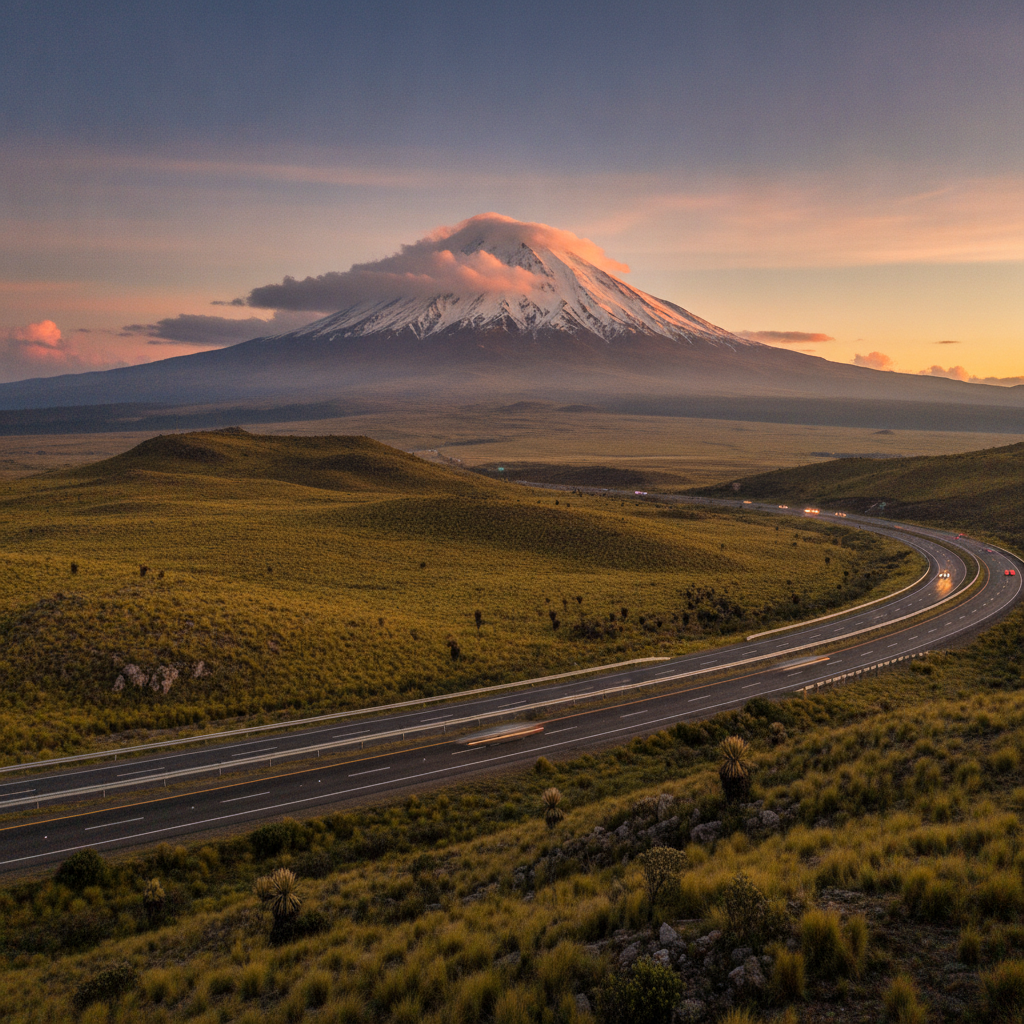
Quito Day Trips: The Avenue of the Volcanoes and Andean Markets
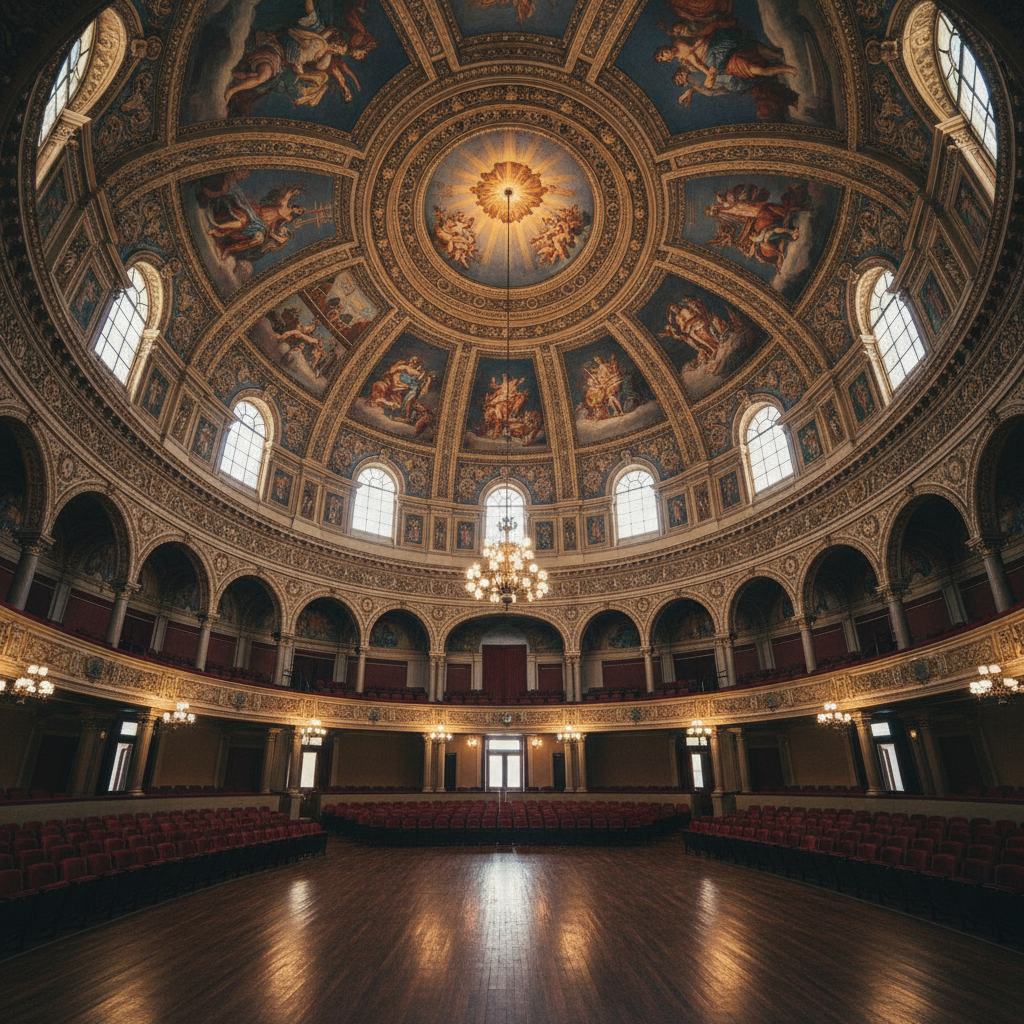
Quito Arts, Music, and Contemporary Culture

Quito Practical Guide: Altitude Acclimatization, Transport, and Neighborhoods