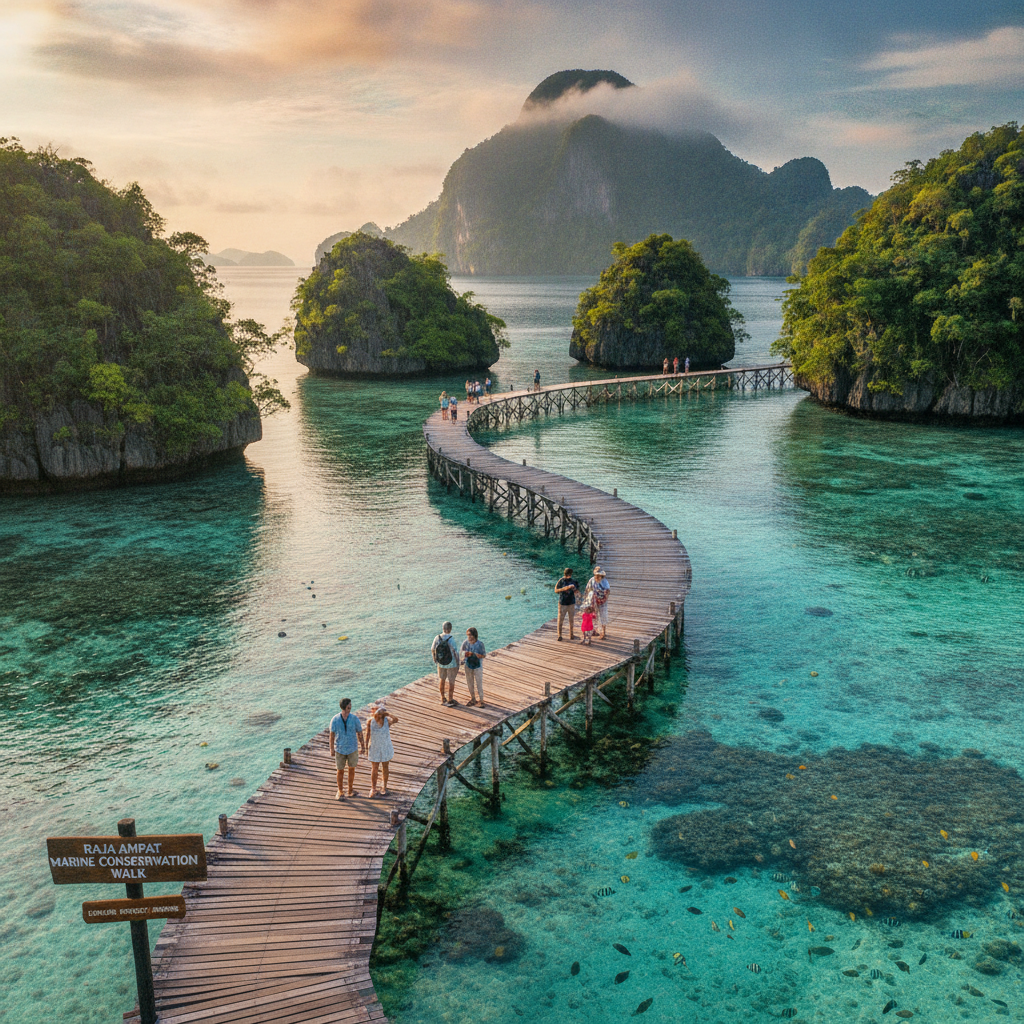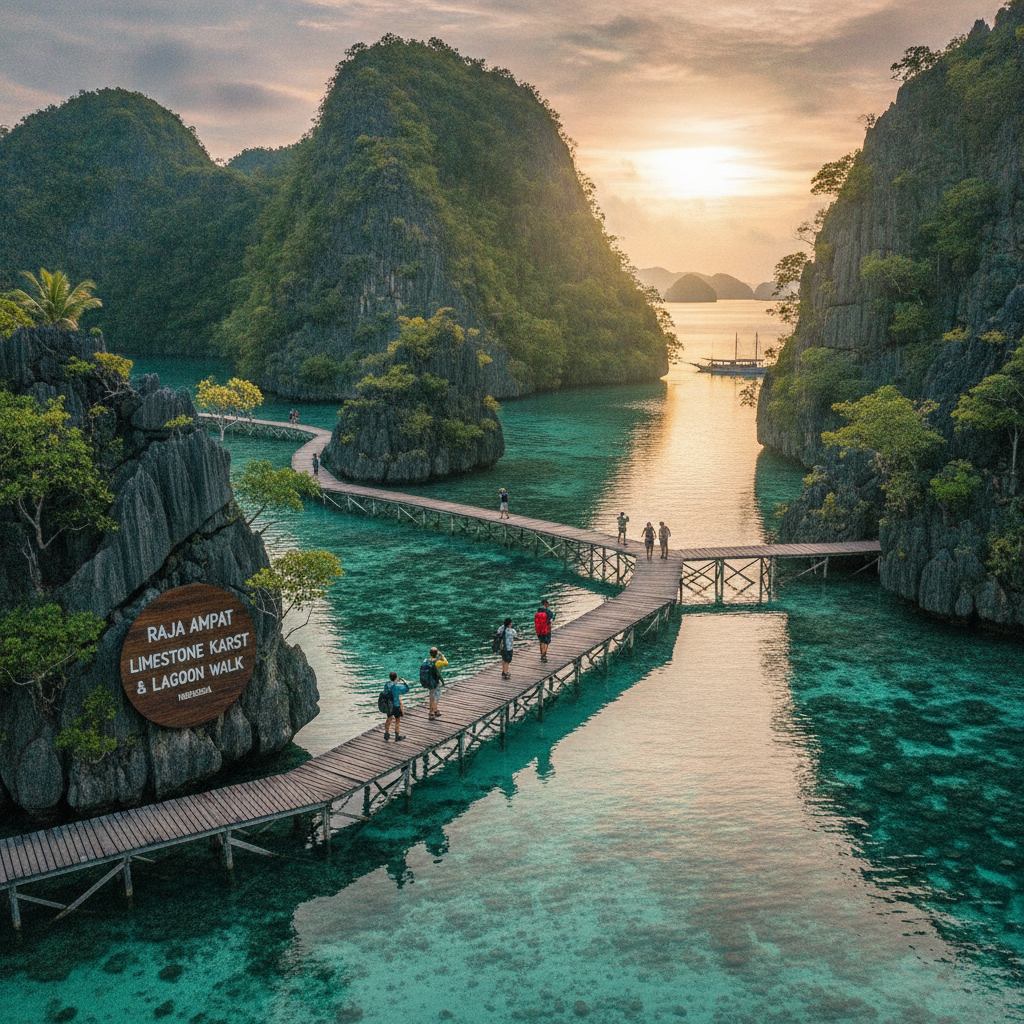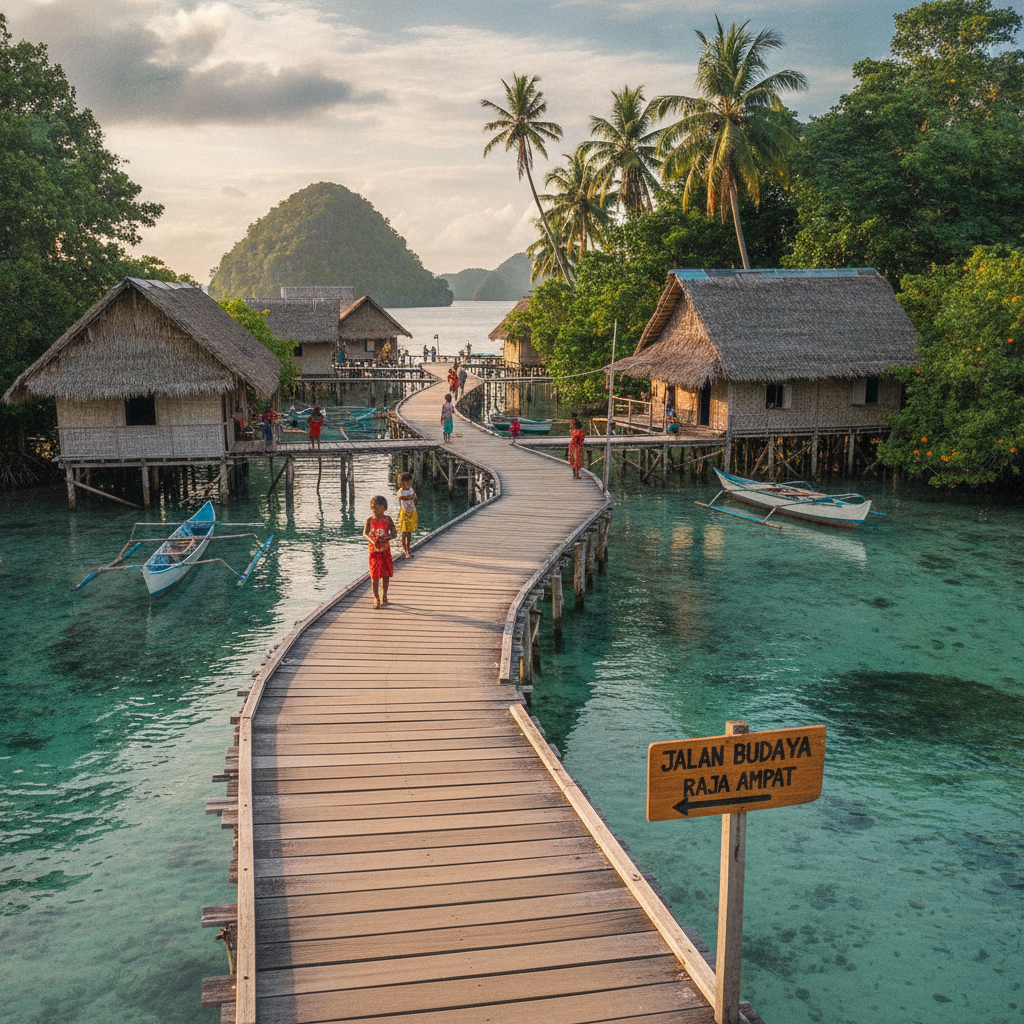
Raja Ampat Papuan Village & Culture Walk
Walk through the Papuan communities of Raja Ampat — the indigenous fishing villages on Waigeo, Batanta, and the outer islands whose traditional fishing practices and customary land tenure have coexisted with conservation for decades, providing the human context for one of the world's most extraordinary marine environments.
- 1
Waisai Town Waigeo
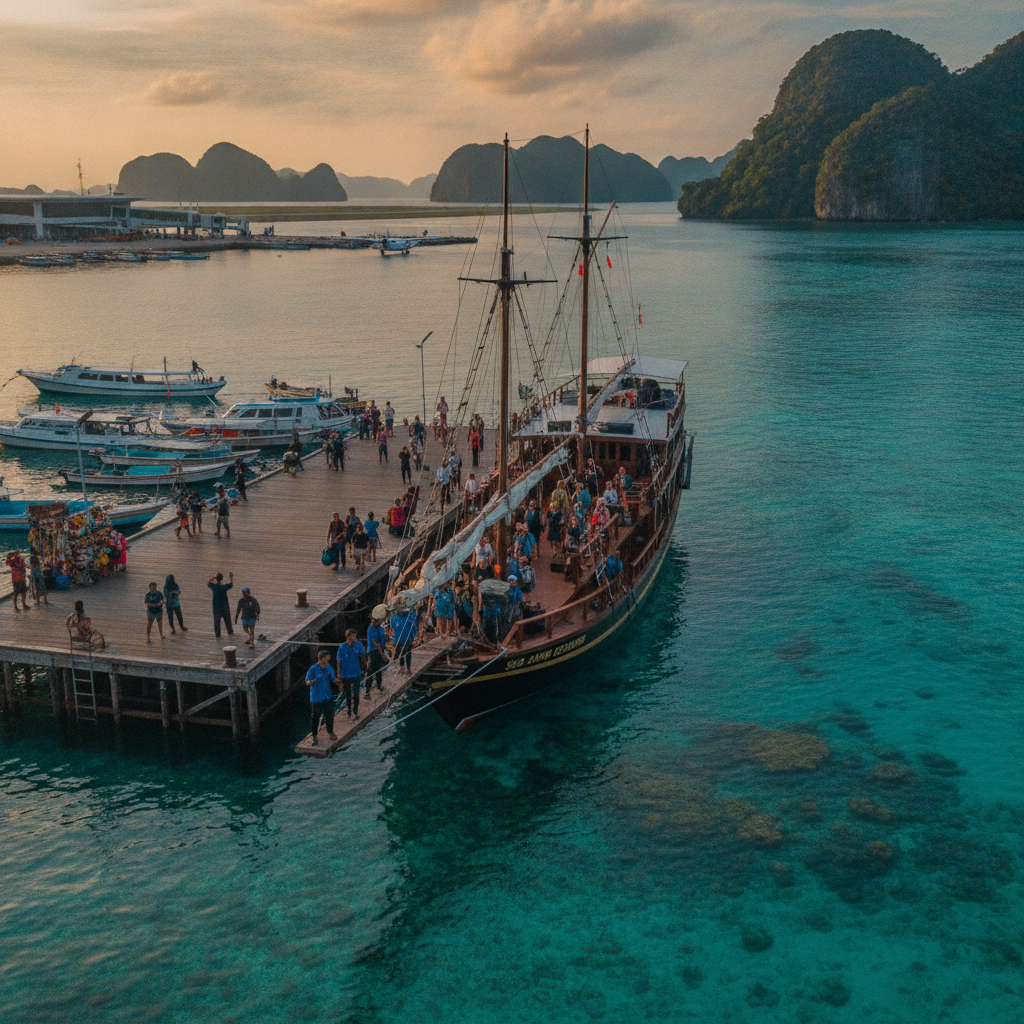
Waisai is the capital of Raja Ampat regency on Waigeo Island — the small town with its market, government offices, and ferry terminal is the administrative centre of an island chain spanning 40,000 square kilometres, and the daily rhythm of fishing boats, market traders, and government workers provides a glimpse of ordinary Papuan life beneath the dive tourism economy that is transforming the islands.
- 2
Sawinggrai Village Mangrove
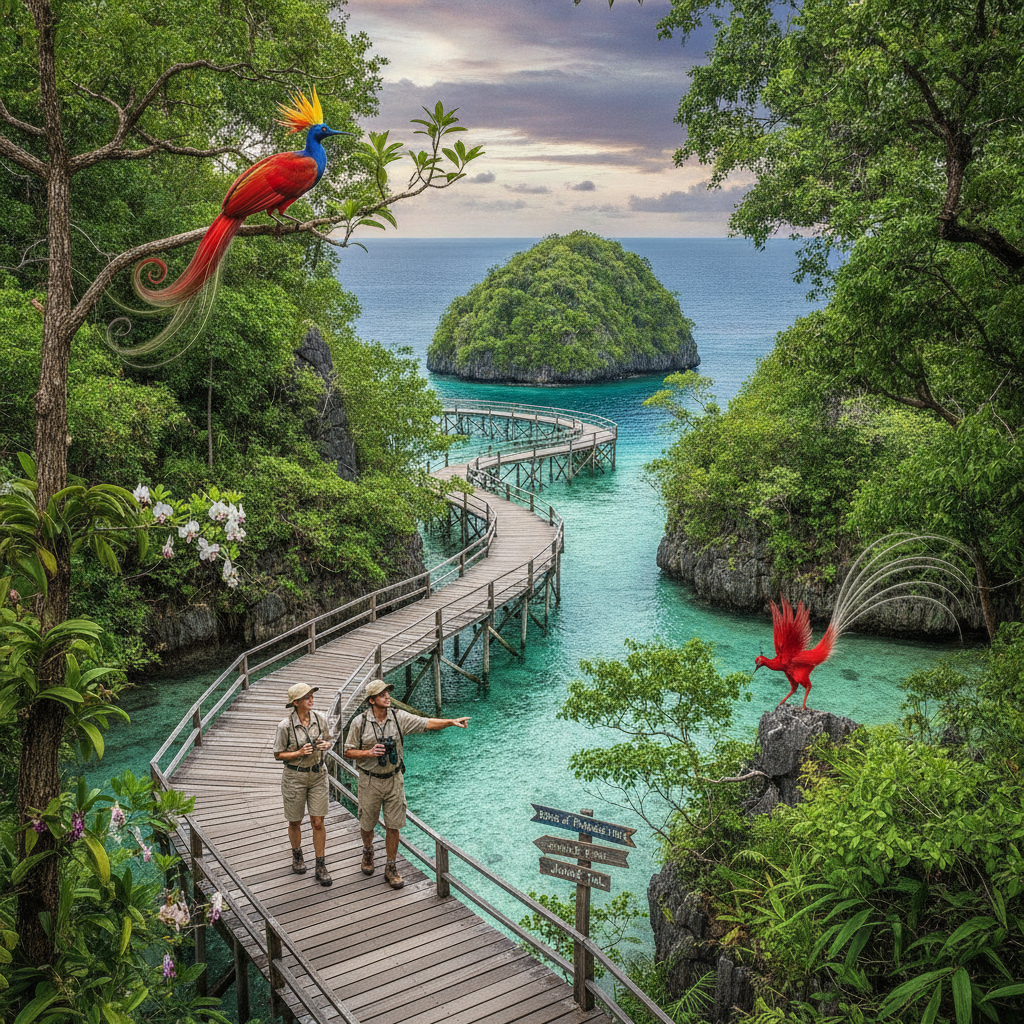
Sawinggrai village on Gam Island is known for its mangrove boardwalk and the bird of paradise sightings available at dawn — the red bird of paradise (Paradisaea rubra) that displays in the trees above the village is Raja Ampat's most celebrated wildlife attraction above the waterline, and the community-based tourism that allows visitors to witness the display provides income that competes with the conversion of mangrove for fishing infrastructure.
- 3
Arborek Village Homestay
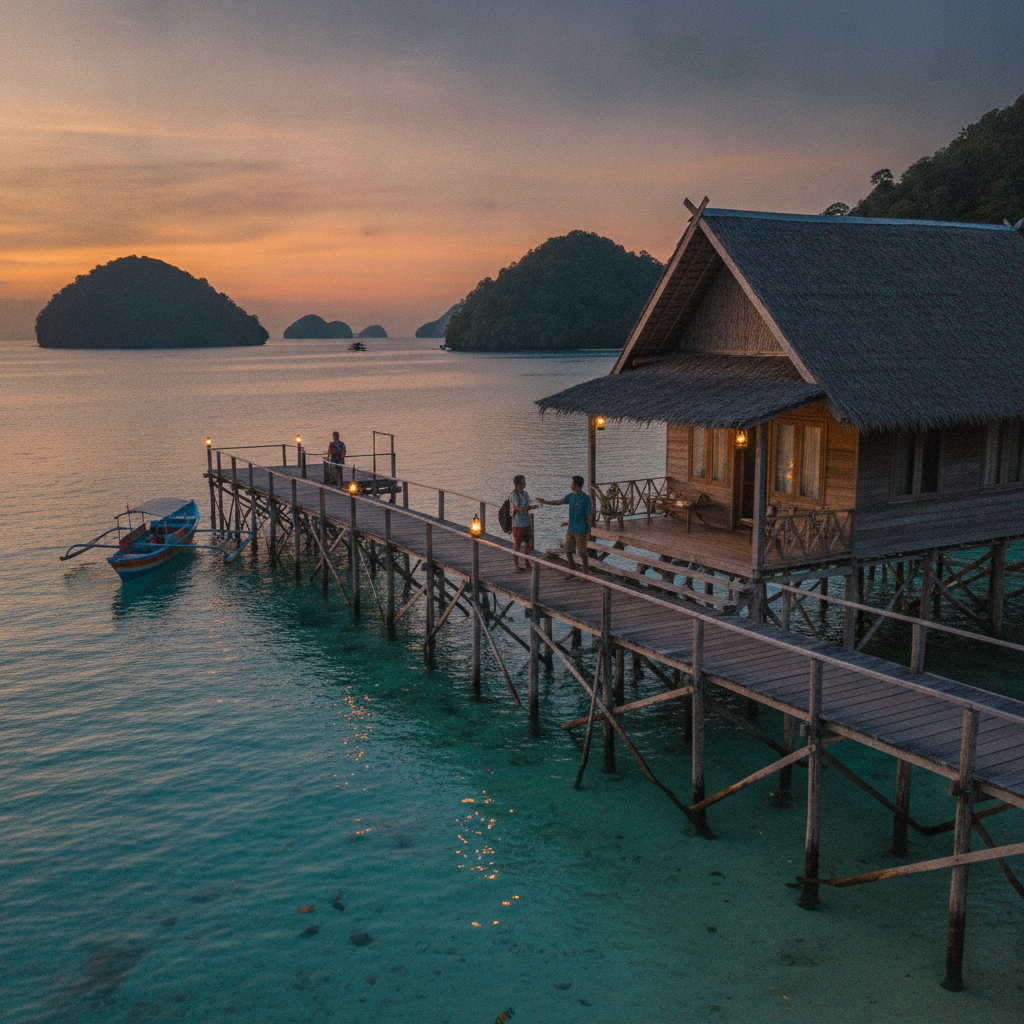
Arborek is a tiny island village that has become a model for community-based tourism in Raja Ampat — the traditional wooden houses on stilts over the water, the community-run homestay programme, and the women's weaving cooperative that sells traditional Papuan handicrafts provide an authentic village experience while demonstrating that tourism income can fund conservation better than fishing income funds depletion.
- 4
Papuan Traditional Fishing
The traditional fishing communities of Raja Ampat have practised sasi — the Papuan customary law that closes certain fishing areas to allow stocks to recover — for generations before marine biologists understood the concept of no-take zones. The integration of this traditional conservation practice into the formal Raja Ampat marine protected area governance is one of the most successful examples of indigenous ecological knowledge informing modern conservation policy.
- 5
Waigeo Island Interior
The interior of Waigeo Island is covered by primary rainforest that contains endemic birds of paradise, cuscus marsupials, and tree kangaroos — the terrestrial biodiversity of the Bird's Head Peninsula of Papua is as extraordinary as the marine, and walking inland from any of the coastal villages reveals forest ecosystems of equal importance and fragility to the reef below.
- 6
Raja Ampat Research Station
The Conservation International and local government research stations operating in Raja Ampat represent the scientific infrastructure that has documented, protected, and increasingly shared the extraordinary biodiversity of the archipelago — the ongoing reef monitoring, fish population surveys, and community engagement programmes that operate from these stations are the reason Raja Ampat's reefs are better protected than equivalent sites across Indonesia.
Walk this route with audio
Stories play automatically as you reach each stop — no tapping needed.